 Click main image to view in full screen.
RV Dealership Acquisition & Floorplan Underwriting Model – Excel XLSX
Excel (XLSX) + supplemental PDF


BENEFITS OF THIS DOWNLOADABLE EXCEL DOCUMENT
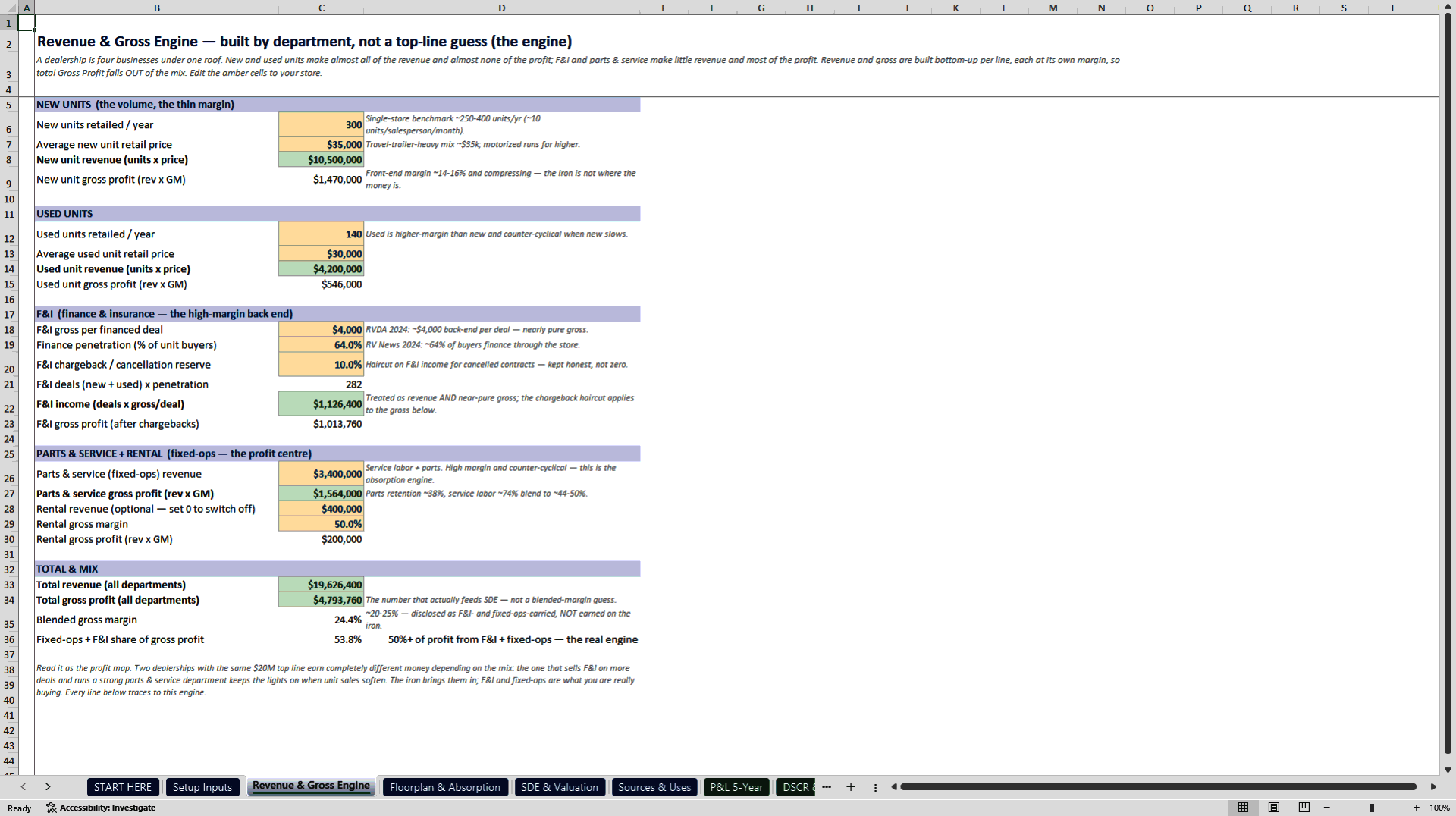
- Build gross profit department by department, so you can see that new and used units carry 75% of revenue while F&I and parts and service produce 54% of the gross profit.
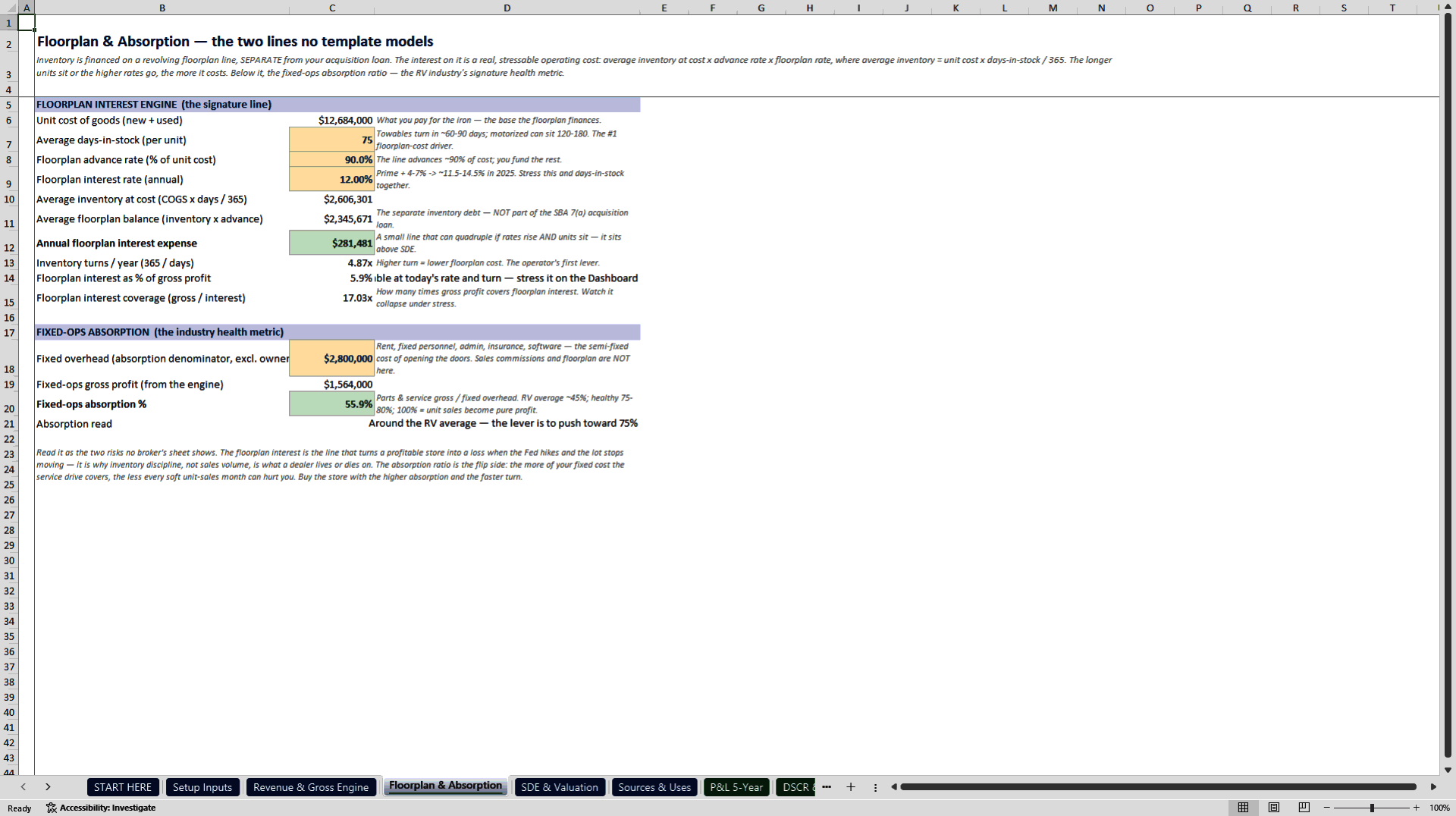
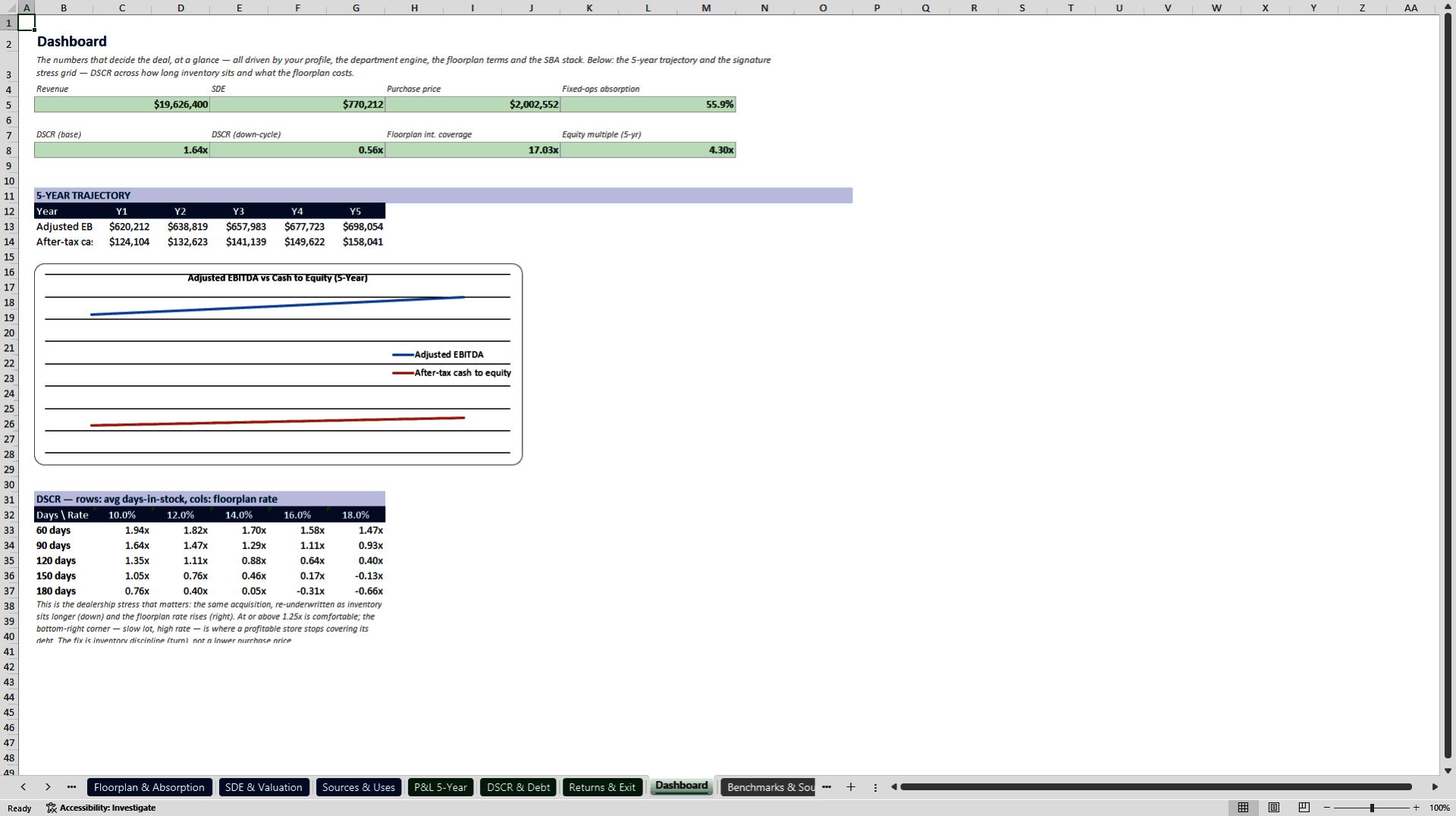
- Compute floorplan interest explicitly from unit cost, days-in-stock and the advance rate, and stress it on a DSCR grid across days-in-stock and floorplan rate.
- Test the seller's good year against an ordinary cycle: an 18% drop in unit volumes through fixed overhead cuts SDE by 46.5% and takes the DSCR from 1.64x to 0.56x.
RV DEALERSHIPS EXCEL DESCRIPTION
This is a lender-ready five-year model for buying a single-store RV dealership with an SBA 7(a) loan. It is written for the buyer who has to defend the deal to a bank, and it treats the store the way it actually operates rather than as one revenue blob.
The valuation error it intercepts is where the money comes from. A dealership is four businesses under one roof, and the iron is not the profitable one. Revenue and gross profit are built bottom-up by department: new units, used units, F&I priced per deal times finance penetration, and parts and service, each carried at its own margin, so gross profit falls out of the mix instead of being assumed. In the base case new and used units make 75% of the revenue while F&I and the service department make 54% of the gross profit. That is the honest dealership thesis, and the model prices it.
The second line no generic template carries is the floorplan. Inventory is financed on a revolving floorplan facility kept separate from the acquisition loan, because an SBA 7(a) does not fund floorplan in the traditional sense; a dealer floor plan program or a lender line does. Floorplan interest is computed as average inventory at cost times the advance rate times the floorplan rate, where average inventory equals unit cost times days-in-stock divided by 365. Days-in-stock and the floorplan rate are stressable drivers, which is the point: that is the cost that explodes when rates rise and the lot stops moving.
The honest headline is the down-cycle. The base-case DSCR looks comfortable at 1.64x, and the model explains why: the acquisition loan is small against cash flow, so the inventory risk lives in the floorplan rather than in the term loan. It then runs the test the seller's good-year P&L never will. An ordinary RV unit down-cycle of minus 18% in volumes, pushed through fixed overhead, cuts SDE by 46.5% and takes the DSCR to 0.56x.
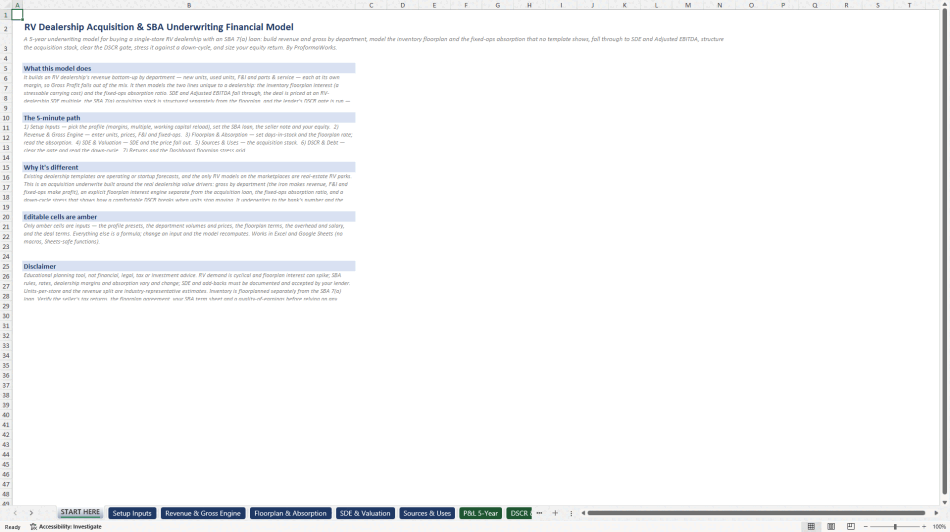
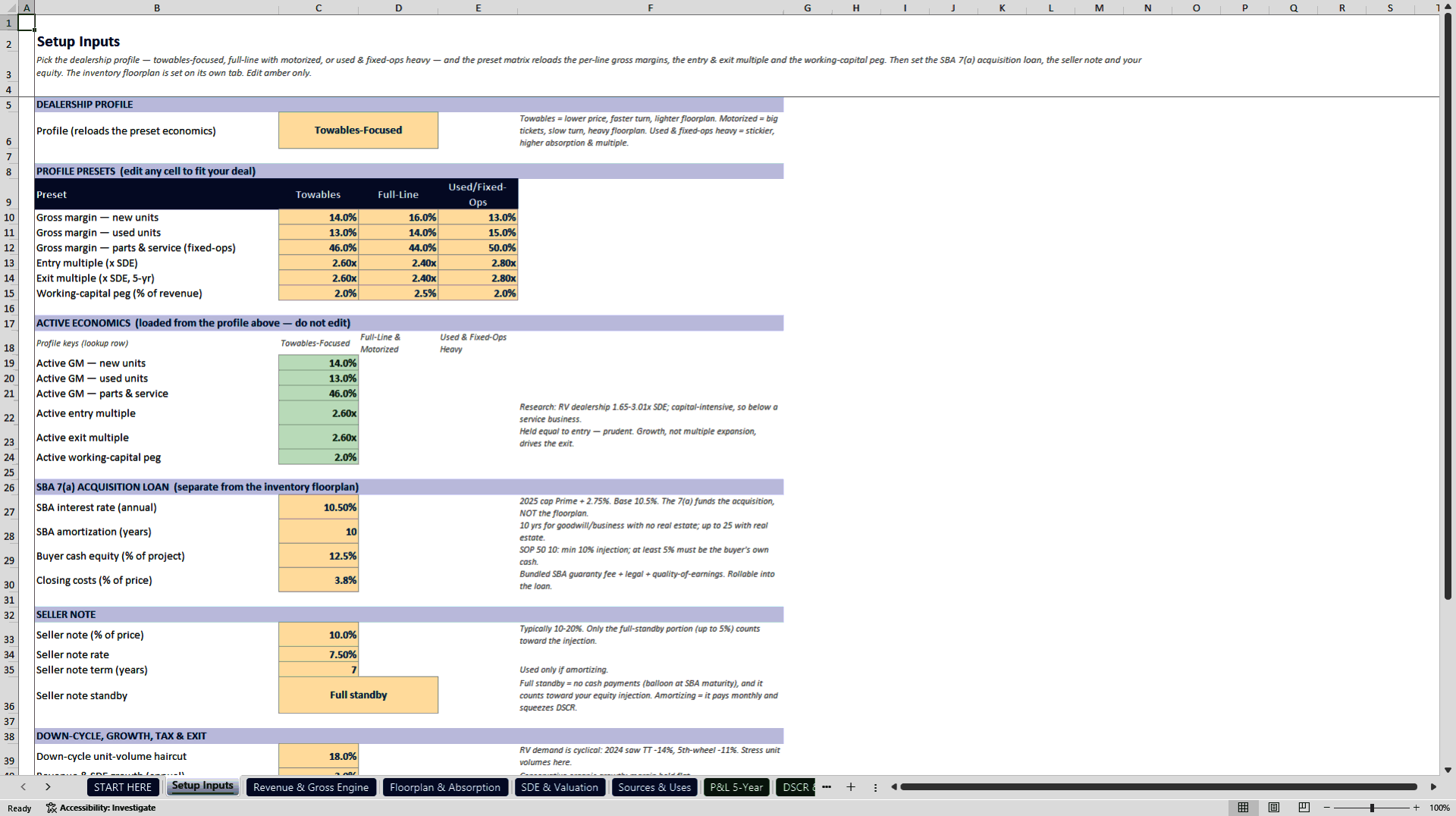
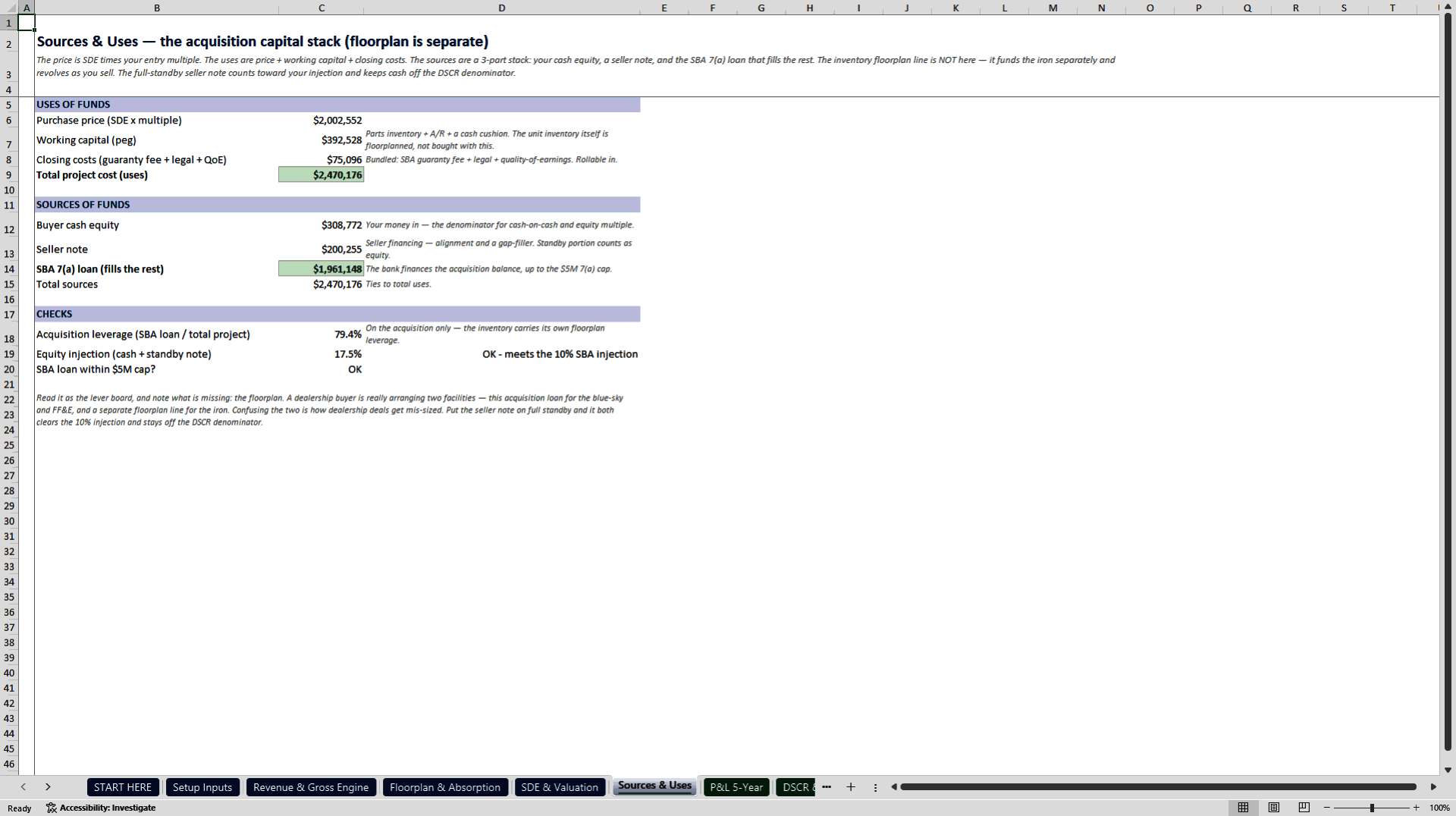
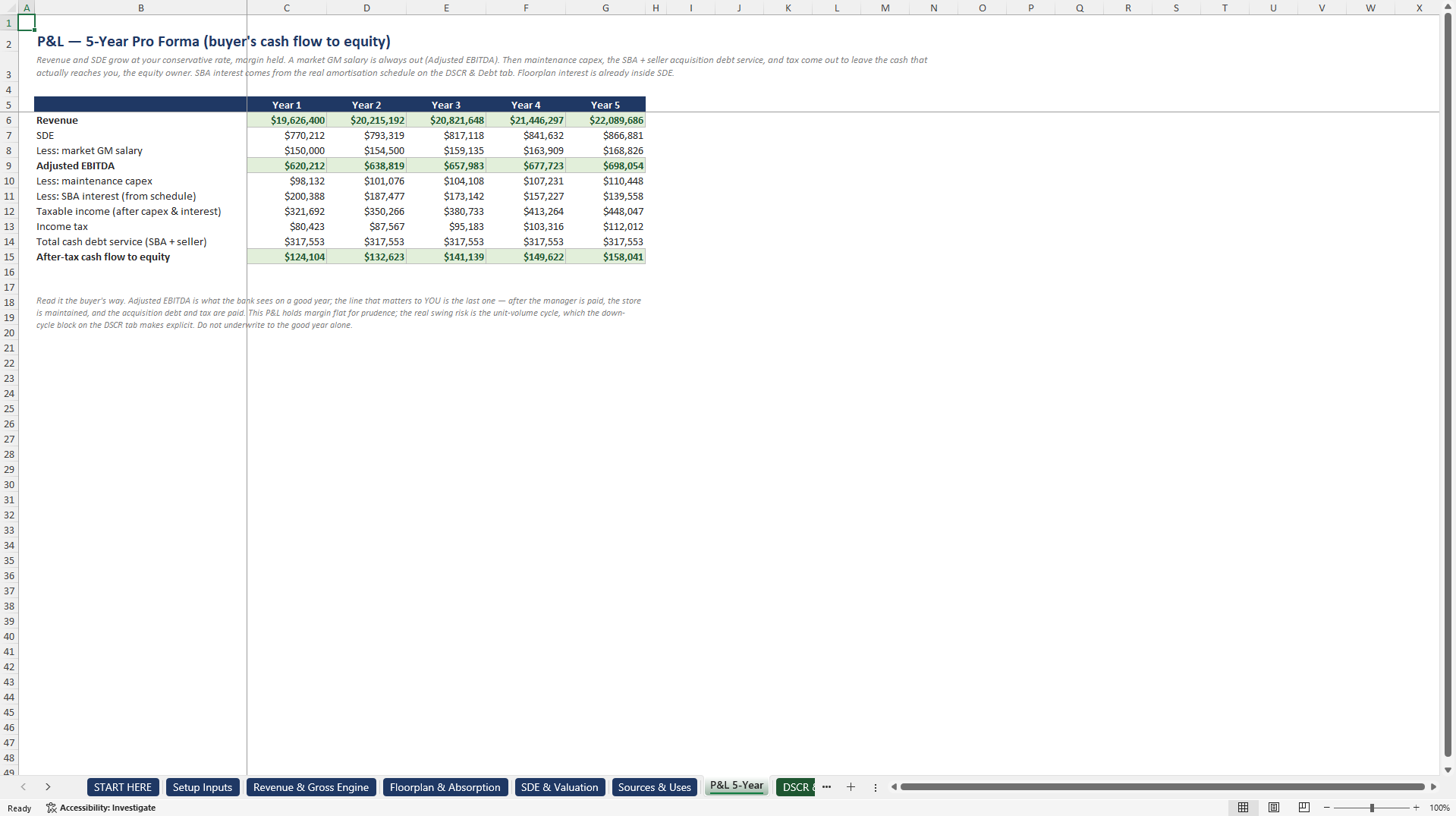
You get an 11-sheet Excel workbook with no macros, no add-ins and no external links, so it works in Google Sheets, plus a PDF user guide. Inside are a three-way profile toggle (towables-focused, full-line and motorized, used and fixed-ops heavy), the SBA 7(a) capital stack with the 10% injection and $5M cap checks, a real amortisation schedule, the fixed-ops absorption ratio at 55.9%, floorplan interest coverage at 17.0x, a DSCR stress grid across days-in-stock and floorplan rate, and a conservative five-year exit.
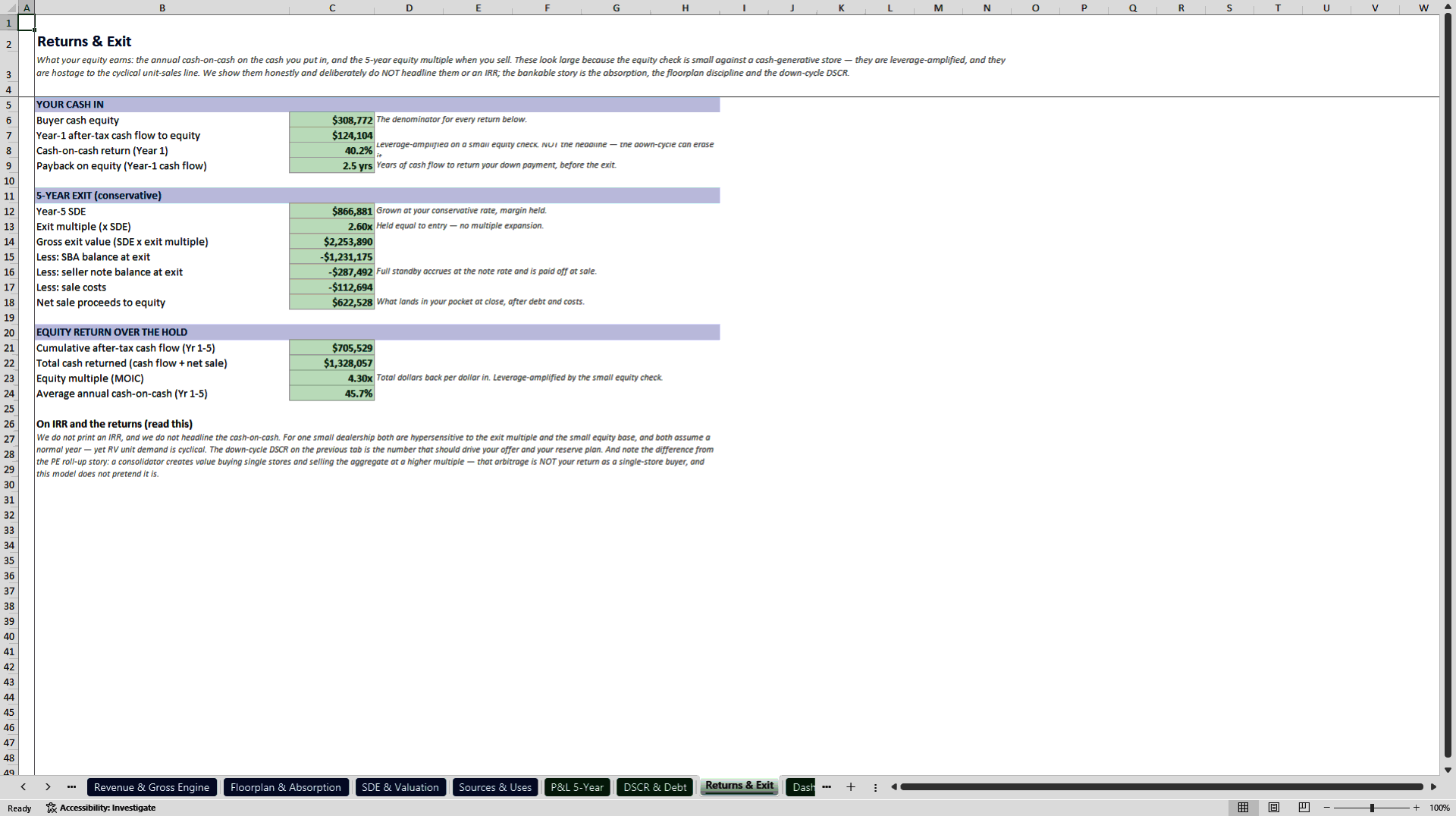
What it does not claim. The SDE margin is held near 3.9% because RV dealers run thin; units per store and the revenue split are industry-representative estimates; the cash-on-cash and the 4.30x equity multiple are stated as leverage-amplified and cyclical, and there is deliberately no IRR. It is an educational planning tool, not financial, investment, tax or lending advice.
Got a question about the product? Email us at support@flevy.com or ask the author directly by using the "Ask the Author a Question" form. If you cannot view the preview above this document description, go here to view the large preview instead.
Source: Best Practices in RV Dealerships, Integrated Financial Model Excel: RV Dealership Acquisition & Floorplan Underwriting Model Excel (XLSX) Spreadsheet, ProformaWorks
ABOUT THE AUTHOR
ProformaWorks builds acquisition-grade financial models for Main Street and lower-middle-market businesses - the kind of deal financed with an SBA 7(a) loan or a small commercial facility.
Every model answers one question: does this deal pencil at the bank? That means SDE or NOI rebuilt from the seller's own numbers, the add-backs a lender will and will not accept, a debt-service
... [read more]
Ask the Author a Question
You must be logged in to contact the author.




























