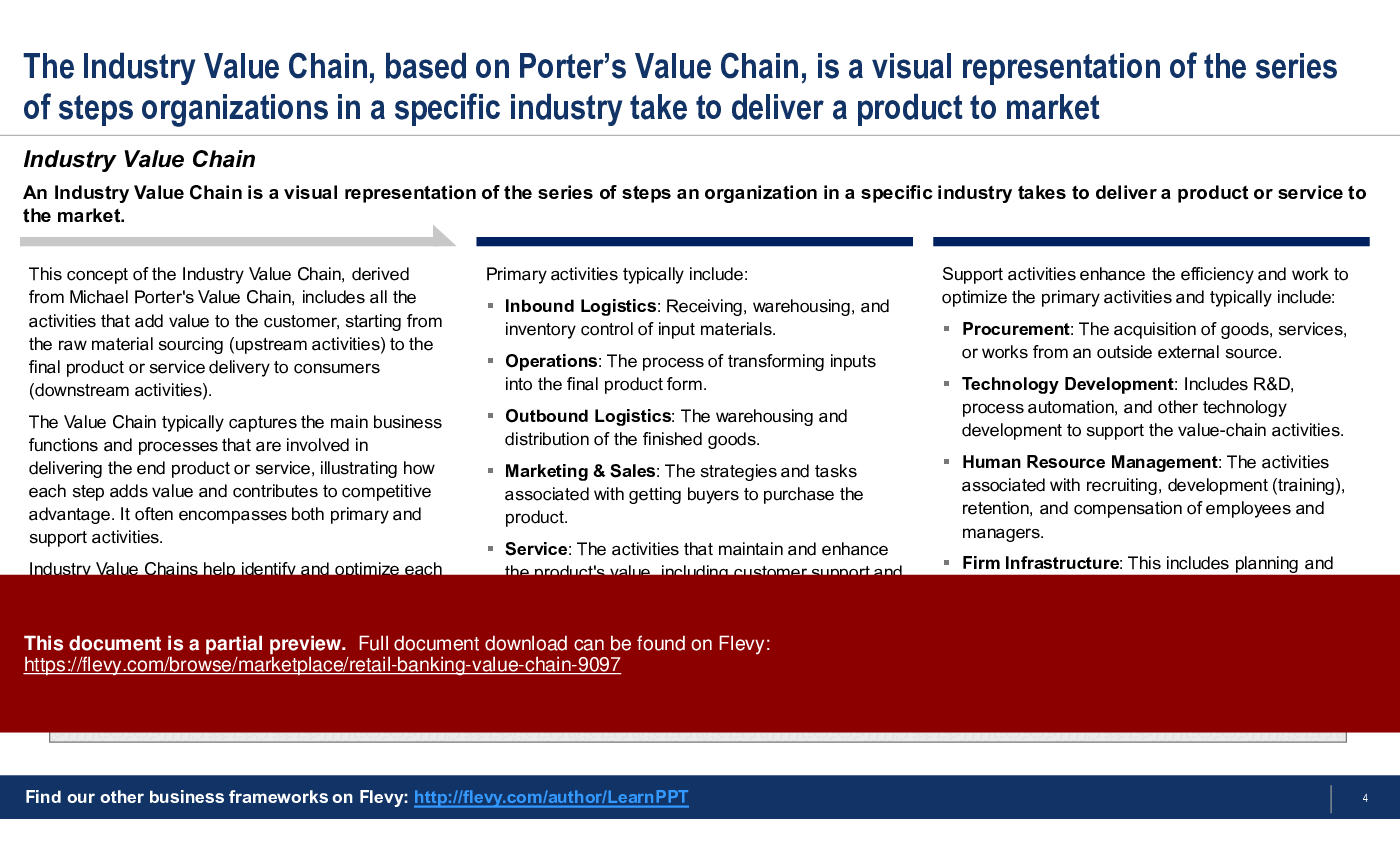

An Industry Value Chain is a visual representation of the series of steps an organization in a specific industry takes to deliver a product or service to the market. It captures the main business functions and processes that are involved in delivering the end product or service, illustrating how each step adds value and contributes to a Competitive Advantage. It often encompasses both primary and support activities.

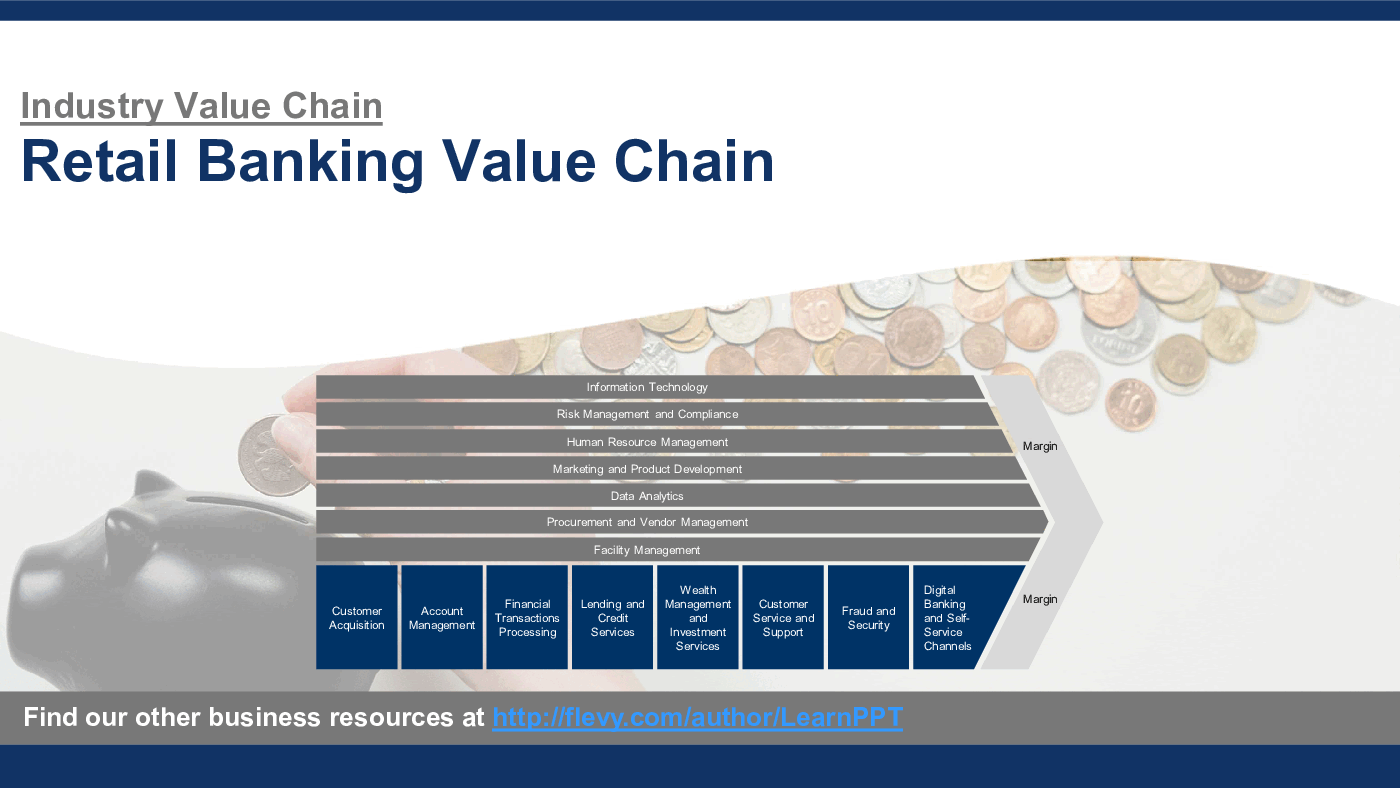
This presentation captures the Retail Banking Industry Value Chain, which includes the 8 primary and 7 support activities for Retail and Commercial Banking. Each of these activities is critical to the smooth operation and success of a Retail Banking—and excellence in each area can lead to Competitive Advantages in a highly competitive market:
Primary Activities
1. Customer Acquisition
2. Account Management
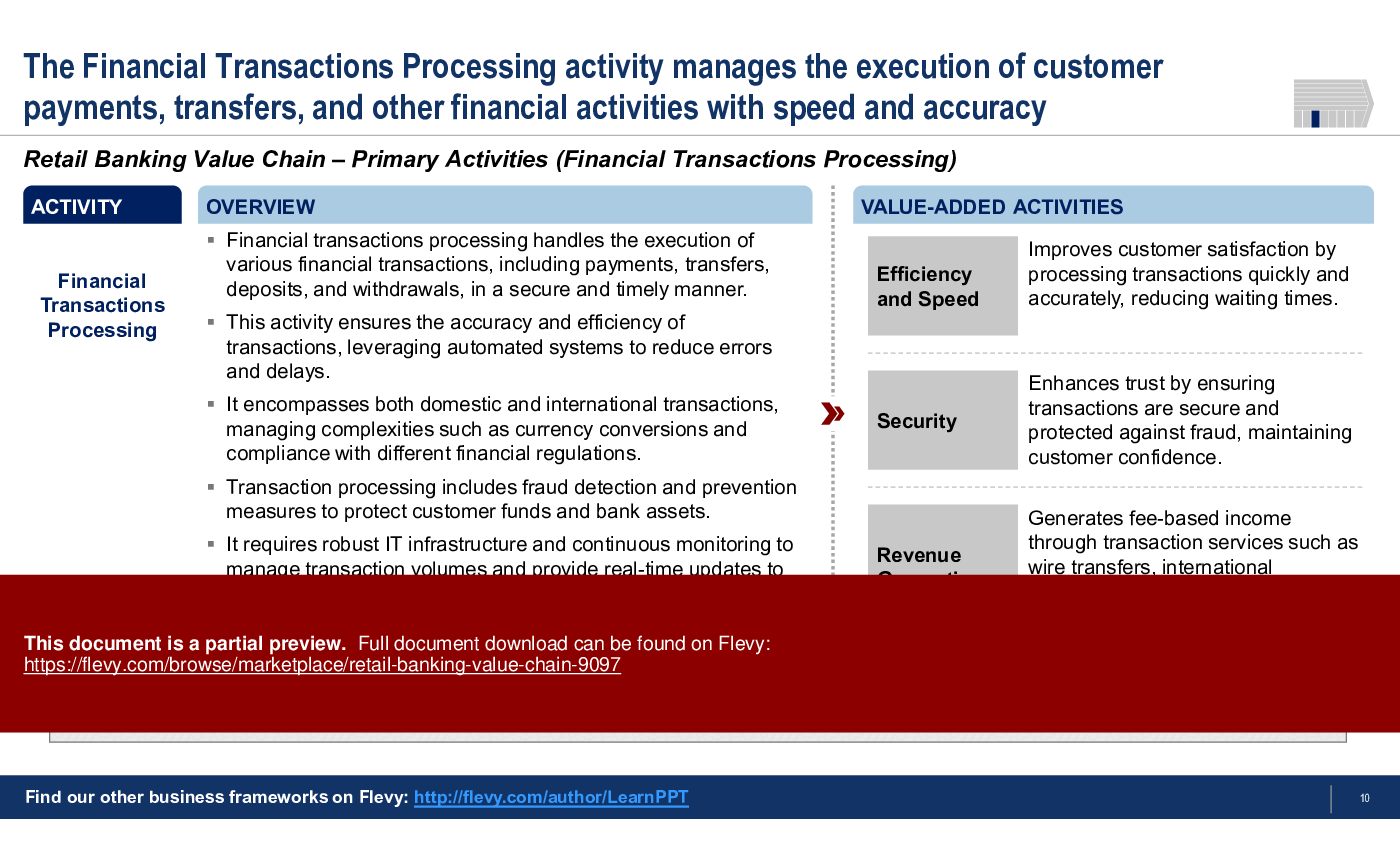
3. Financial Transactions Processing
4. Lending and Credit Services
5. Wealth Management and Investment Services
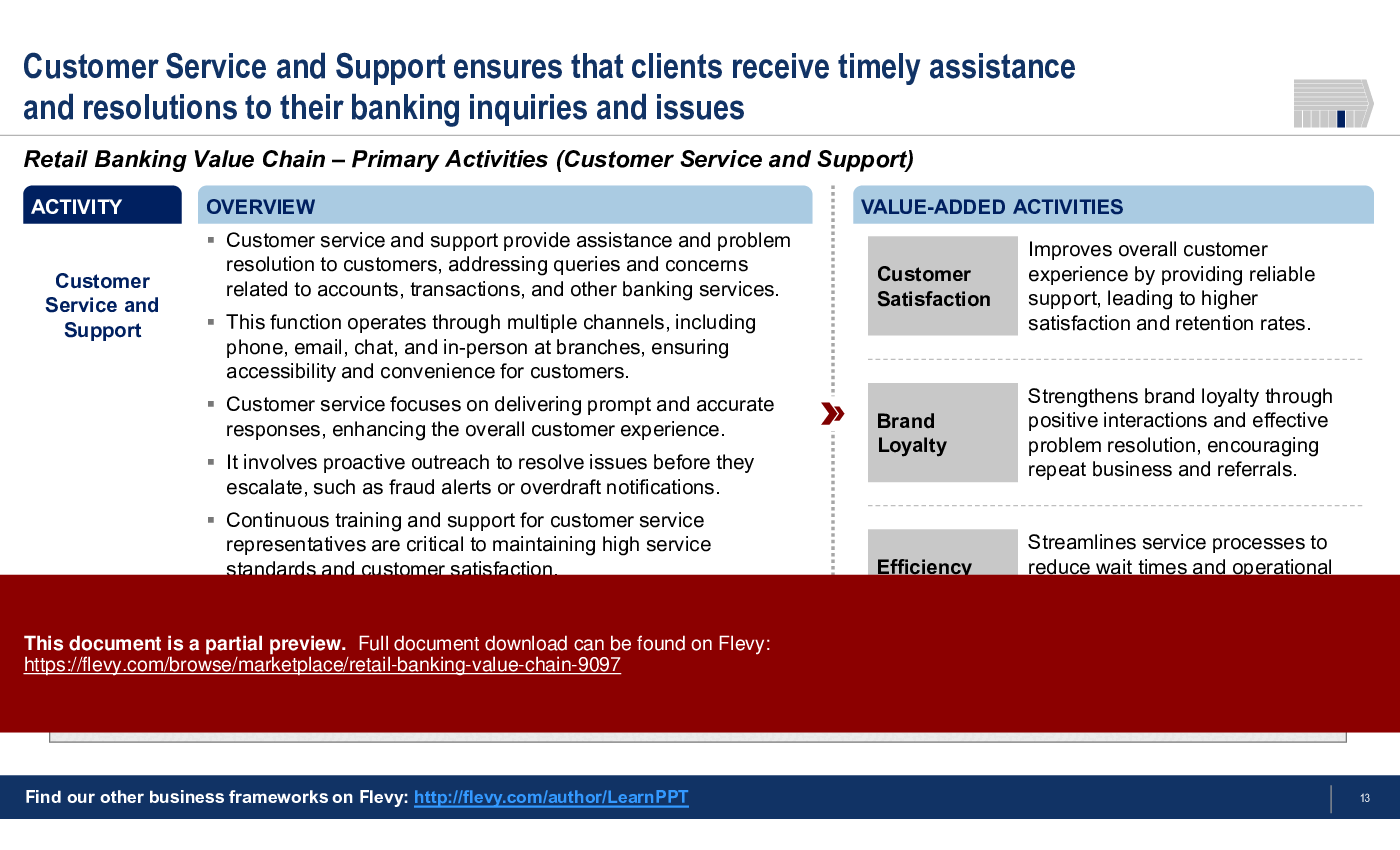
6. Customer Service and Support
7. Fraud and Security
8. Digital Banking and Self-Service Channels
Support Activities
1. Information Technology
2. Risk Management and Compliance
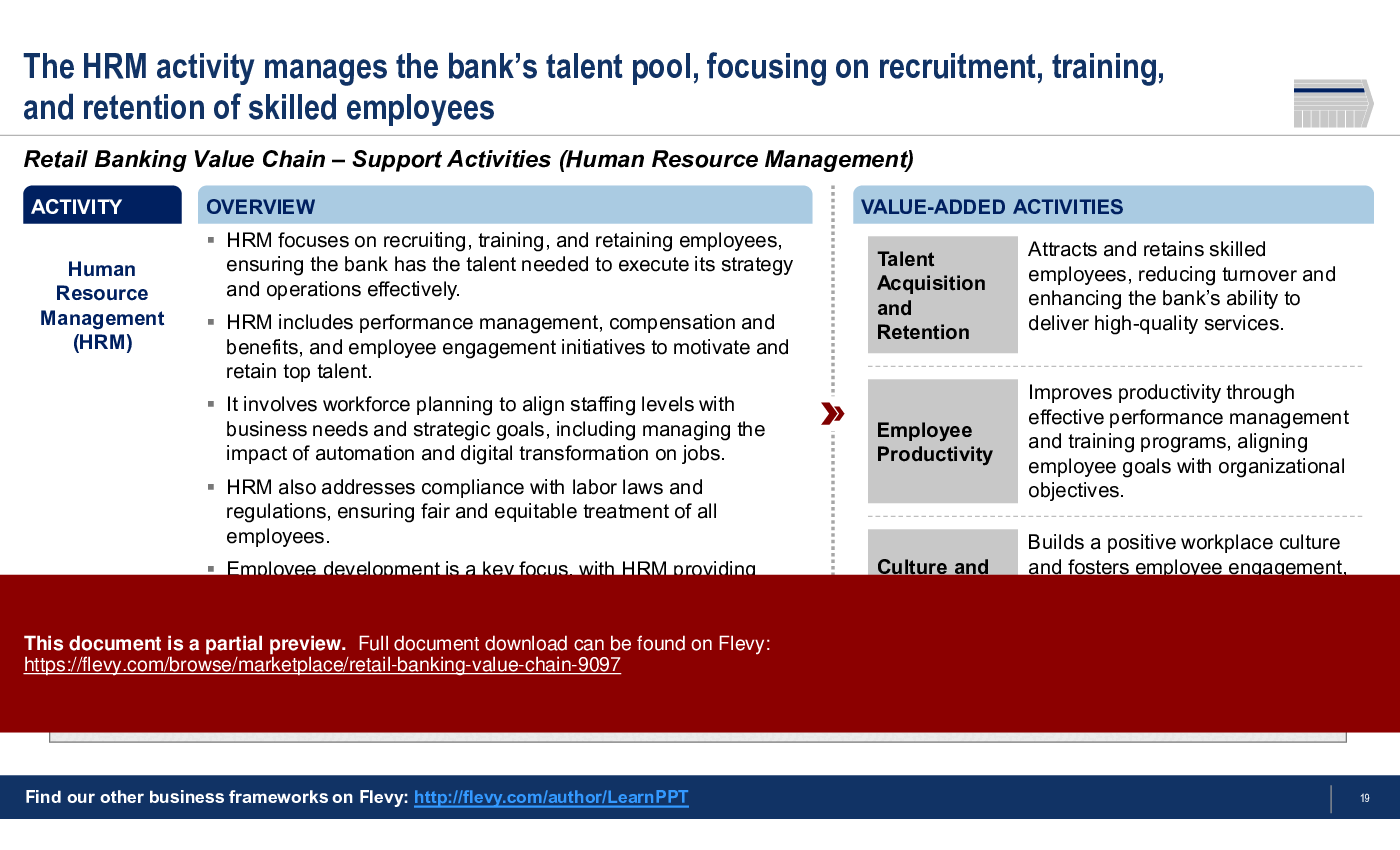
3. Human Resource Management
4. Marketing and Product Development
5. Data Analytics
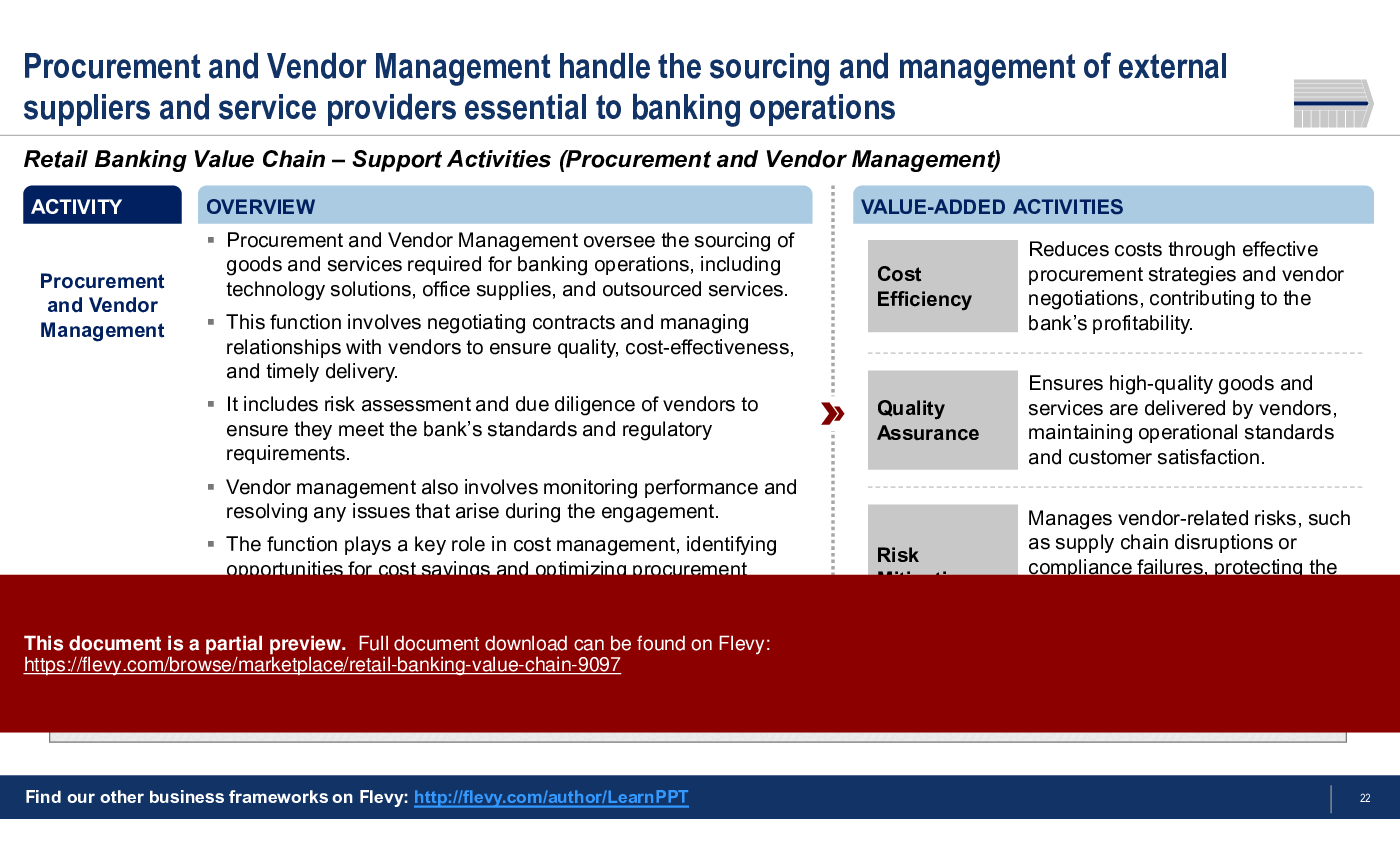
6. Procurement and Vendor Management
7. Facility Management
This PowerPoint presentation dives deeper into each of these activities, highlighting key elements.
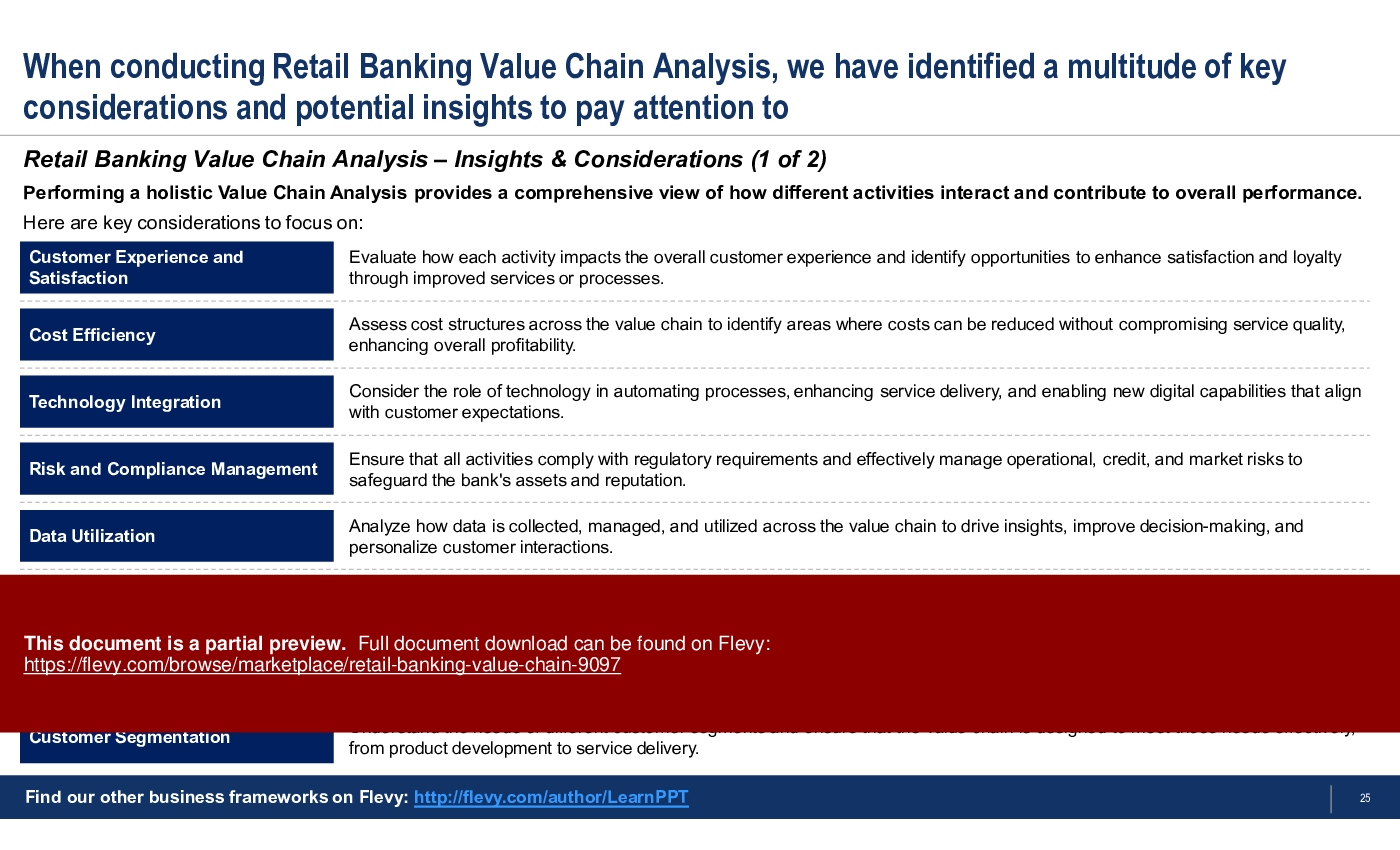
The Retail Banking Value Chain integrates customer-facing services with robust back-end processes, driving both customer satisfaction and operational efficiency. A seamless connection between primary and support activities enables banks to optimize service delivery, manage risks, and maintain compliance, directly impacting the bottom line. Aligning all activities from customer acquisition to fraud prevention under a cohesive strategy ensures that banks can deliver personalized, secure, and innovative services. Effective coordination across the Retail Banking Value Chain allows banks to enhance customer experiences, while minimizing costs through streamlined operations and technology adoption.
This PPT presentation also discusses Retail Banking Value Chain Analysis, highlighting a multitude of key considerations and potential insights to pay attention to. We further discuss the significant impact of Digital Transformation and various specific emergent technologies on the Retail and Commercial Banking Industry.
This presentation serves as a vital tool for Retail Banks looking to streamline their operations and enhance service delivery. By analyzing each activity within the value chain, banks can pinpoint inefficiencies and leverage technology to drive innovation and improve customer satisfaction.
Got a question about the product? Email us at support@flevy.com or ask the author directly by using the "Ask the Author a Question" form. If you cannot view the preview above this document description, go here to view the large preview instead.
Executive Summary
The Retail Banking Value Chain presentation provides a detailed framework that outlines the essential activities involved in delivering banking services, structured in a manner consistent with McKinsey, Bain, or BCG-quality consulting presentations (consulting-grade; not affiliated). This framework serves as a strategic tool for banking executives to analyze and optimize their operations, from customer acquisition to fraud prevention. By understanding the interconnectedness of primary and support activities, banks can enhance service delivery, mitigate risks, and improve compliance, ultimately driving profitability and customer satisfaction.
Who This Is For and When to Use
• Retail Banking Executives overseeing operational efficiency and customer experience
• Strategy and Business Development teams focused on market positioning and competitive advantage
• Risk Management professionals ensuring compliance with regulatory requirements
• IT leaders implementing digital transformation initiatives
• Marketing teams developing customer acquisition strategies
Best-fit moments to use this deck:
• During strategic planning sessions to identify areas for operational improvement
• When assessing the impact of digital transformation on banking services
• For training sessions aimed at enhancing team understanding of value chain dynamics
• In workshops focused on customer experience and satisfaction enhancement
Learning Objectives
• Define the Retail Banking Value Chain and its significance in service delivery
• Analyze primary and support activities to identify areas for optimization
• Establish metrics for assessing customer satisfaction and operational efficiency
• Develop strategies for integrating digital technologies into banking operations
• Enhance risk management practices to ensure compliance and safeguard assets
• Foster cross-functional collaboration to streamline service delivery
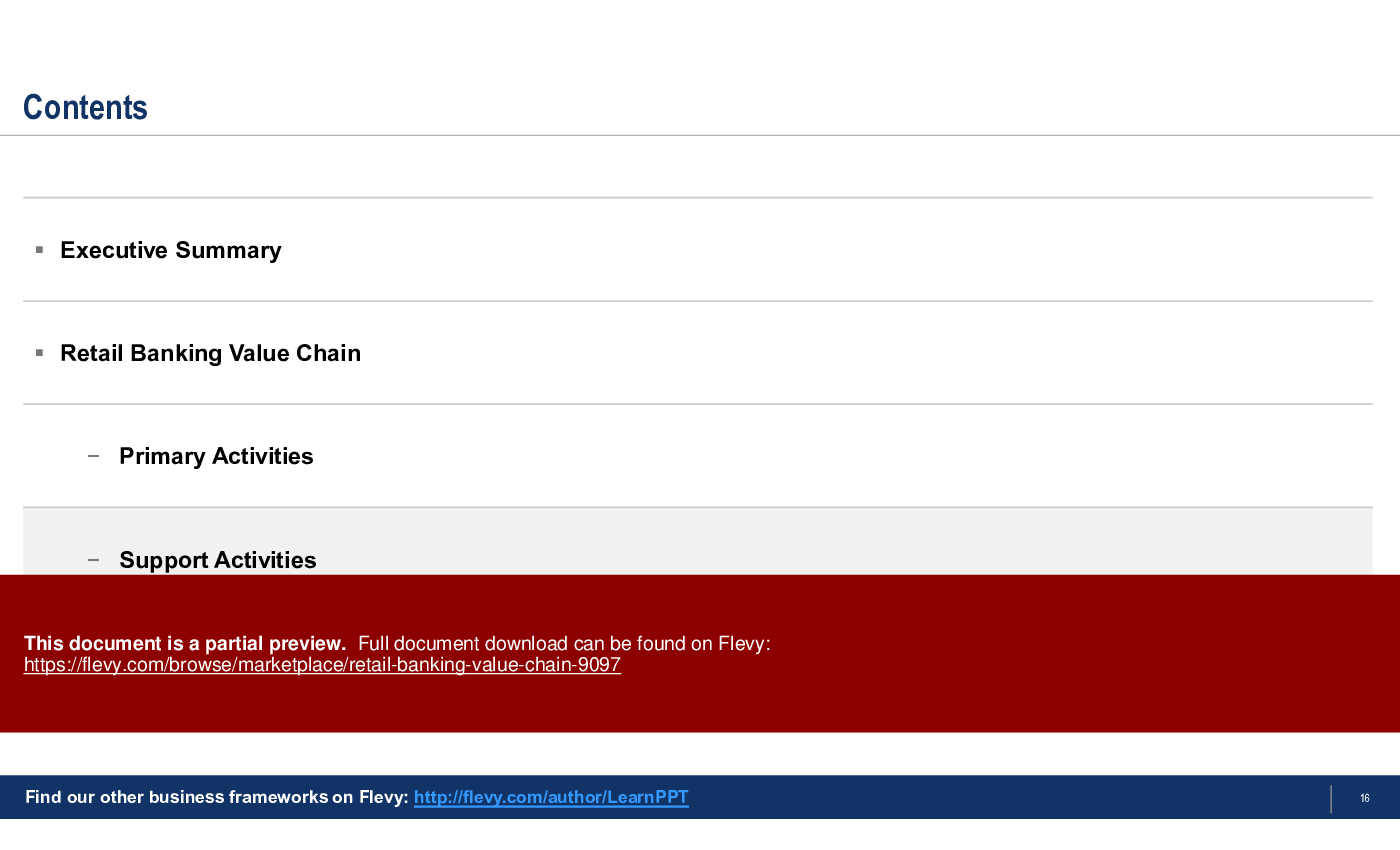
Table of Contents
• Executive Summary (page 1)
• Retail Banking Value Chain (page 2)
• Primary Activities (page 3)
• Support Activities (page 4)
• Retail Banking Value Chain Analysis (page 5)
Primary Topics Covered
• Customer Acquisition - Focuses on attracting new clients through targeted marketing and sales strategies, enhancing market penetration and brand awareness.
• Account Management - Involves maintaining customer accounts and ensuring secure transactions, contributing to customer retention and operational efficiency.
• Financial Transactions Processing - Manages the execution of various financial transactions, ensuring accuracy and security while generating fee-based income.
• Lending and Credit Services - Provides access to loans and credit products, driving revenue growth through interest income and fees.
• Wealth Management and Investment Services - Offers personalized financial advice and investment solutions, enhancing client retention and revenue diversification.
• Customer Service and Support - Ensures timely assistance for banking inquiries, improving customer satisfaction and brand loyalty.
• Fraud and Security - Protects customer data and transactions against unauthorized access, maintaining trust and operational continuity.
• Digital Banking and Self-Service Channels - Empowers customers to manage their banking needs independently, enhancing convenience and reducing operational costs.
Deliverables, Templates, and Tools
• Customer acquisition strategy template for targeted marketing campaigns
• Account management process flowchart to streamline customer service
• Financial transactions processing checklist to ensure compliance and accuracy
• Lending and credit services evaluation framework for risk assessment
• Wealth management client engagement plan to enhance retention
• Customer service training materials to improve support efficiency
Slide Highlights
• Overview of the Retail Banking Value Chain illustrating primary and support activities
• Detailed breakdown of customer acquisition strategies and their impact on market share
• Insights on account management practices that enhance customer loyalty
• Analysis of financial transactions processing and its role in operational efficiency
• Framework for integrating digital banking solutions into traditional banking operations
Potential Workshop Agenda
Retail Banking Value Chain Overview (60 minutes)
• Introduce the Retail Banking Value Chain and its components
• Discuss the importance of each primary and support activity
• Identify key areas for improvement within the value chain
Customer Experience Enhancement Session (90 minutes)
• Analyze customer acquisition strategies and their effectiveness
• Explore account management practices that drive customer retention
• Develop action plans for improving customer service and support
Digital Transformation in Banking (60 minutes)
• Discuss the impact of digital technologies on banking operations
• Identify opportunities for automation and efficiency gains
• Create a roadmap for implementing digital banking solutions
Customization Guidance
• Tailor customer acquisition strategies based on target demographics and market trends
• Adjust account management processes to align with specific customer needs and preferences
• Modify financial transactions processing protocols to meet regulatory requirements
• Adapt lending and credit services offerings to reflect market conditions and customer demand
• Update customer service training materials to incorporate new technologies and best practices
Secondary Topics Covered
• Risk Management and Compliance practices in banking operations
• Human Resource Management strategies for talent retention and development
• Marketing and Product Development initiatives for innovative banking solutions
• Data Analytics applications for informed decision-making and operational improvements
• Procurement and Vendor Management processes to enhance service quality
FAQ
What is the Retail Banking Value Chain?
The Retail Banking Value Chain is a framework that outlines the primary and support activities involved in delivering banking services, illustrating how each step adds value and contributes to competitive advantage.
How can this framework help improve customer satisfaction?
By analyzing each activity within the value chain, banks can identify areas for enhancement, streamline operations, and tailor services to meet customer expectations, ultimately boosting satisfaction and loyalty.
What are the primary activities in the Retail Banking Value Chain?
The primary activities include customer acquisition, account management, financial transactions processing, lending and credit services, wealth management, customer service, fraud and security, and digital banking channels.
How does digital transformation impact the Retail Banking Value Chain?
Digital transformation enhances operational efficiency, improves customer experience, and enables banks to offer innovative services that align with modern customer expectations.
What role does risk management play in the value chain?
Risk management ensures that all banking activities comply with regulations and mitigate potential risks, safeguarding the bank's assets and reputation.
How can banks optimize their procurement processes?
By negotiating contracts effectively and managing vendor relationships, banks can reduce costs and ensure high-quality service delivery.
What metrics should be used to assess the effectiveness of the value chain?
Key performance indicators may include customer satisfaction scores, operational efficiency metrics, compliance rates, and revenue growth from various banking services.
How can banks leverage data analytics within the value chain?
Data analytics can provide insights into customer behavior, market trends, and operational performance, enabling banks to make informed decisions and personalize customer interactions.
Glossary
• Customer Acquisition - The process of attracting new clients through marketing and sales strategies.
• Account Management - Overseeing customer accounts to ensure satisfaction and security.
• Financial Transactions Processing - Executing financial transactions accurately and securely.
• Lending and Credit Services - Offering loans and credit products based on customer needs.
• Wealth Management - Providing personalized investment advice and financial planning.
• Customer Service - Assisting customers with inquiries and problem resolution.
• Fraud and Security - Protecting against unauthorized access and financial crime.
• Digital Banking - Online and mobile platforms for conducting banking activities.
• Risk Management - Identifying and mitigating risks in banking operations.
• Data Analytics - Analyzing data to drive insights and improve decision-making.
• Procurement - Sourcing goods and services necessary for banking operations.
• Vendor Management - Managing relationships with external suppliers and service providers.
• Facility Management - Maintaining physical banking locations for operational efficiency.
• Operational Efficiency - Streamlining processes to reduce costs and enhance service delivery.
• Customer Satisfaction - The measure of how products and services meet customer expectations.
• Market Positioning - Strategies to differentiate the bank in a competitive landscape.
• Compliance - Adhering to regulations and standards in banking operations.
• Innovation - Developing new products and services to meet evolving customer needs.
• Cross-Functional Alignment - Ensuring coordination among different departments within the bank.
• Scalability - The ability to grow operations without compromising service quality.
Source: Best Practices in Value Chain Analysis, Banking PowerPoint Slides: Retail Banking Value Chain PowerPoint (PPTX) Presentation Slide Deck, LearnPPT Consulting
|
Download our FREE Strategy & Transformation Framework Templates
Download our free compilation of 50+ Strategy & Transformation slides and templates. Frameworks include McKinsey 7-S, Balanced Scorecard, Disruptive Innovation, BCG Curve, and many more. |