
Relationship Marketing in the Digital Age:
Fostering Customer Bonds Through Digital Engagement
In today's digital landscape, Relationship Marketing takes center stage as a strategic practice dedicated to nurturing enduring customer connections via personalized and interactive digital avenues. With the ubiquitous integration of technology and the internet into daily life, businesses find themselves presented with a myriad of opportunities to engage with customers on a profound level, comprehend their unique needs, and provide tailored experiences that culminate in unwavering loyalty and repeat patronage.
Digital Transformation Driving Personalization:
At the heart of this paradigm shift lies the transformative power of digital technologies, enabling businesses to gather, analyze, and leverage invaluable customer data. Armed with insights into customer preferences, behaviors, and transactional history, enterprises can craft and deliver content, offers, and recommendations that resonate with precision.
The Evolution of Customer Engagement:
The digital era has revolutionized the dynamic between businesses and their customers. Social media platforms, email communication, AI-driven chatbots, and a plethora of digital channels have ushered in an era of dynamic, two-way interactions. Customers now enjoy the liberty to actively engage with brands, provide feedback, and seek support with ease.
Diverse Avenues for Customer Engagement:
Digital platforms offer an array of engagement tactics, from interactive content and gamification to loyalty programs. These multifaceted strategies not only curate memorable customer experiences but also forge deeper connections and ignite brand advocacy.
Seamless Omnichannel Experience:
In the digital age, customers traverse a multitude of touchpoints, encompassing websites, social media, mobile applications, and brick-and-mortar stores. Relationship Marketing is underpinned by the commitment to deliver a seamless and coherent experience across this multifaceted spectrum.
Data-Driven Insights:
Leveraging digital tools, businesses can amass extensive datasets on customer behavior. These reservoirs of data yield invaluable insights that fuel the refinement of marketing strategies, the pinpointing of pain points, and the optimization of overall customer experiences.
Key Highlights of the Presentation:
1. Introduction
PART I: Understanding Relationship Marketing
2. Relationship Marketing Theory
3. Relationship Marketing Framework
4. Relationship Marketing Dynamics
5. Relationship Marketing Strategies
PART II: Applying Relationship Marketing
6. Relationship Marketing Targeting
7. Research and Managerial Guidelines for Relationship Marketing in the Digital Age
Conclusion
This 99-slide presentation, "Relationship Marketing in the Digital Age," delves deep into the art of leveraging digital tools and data to unravel the intricacies of customer behavior. By seamlessly engaging customers across a spectrum of digital touchpoints and consistently delivering value at every interaction, businesses can kindle the fires of customer loyalty, drive advocacy, and flourish in the fiercely competitive terrain of the digital age.
Got a question about the product? Email us at support@flevy.com or ask the author directly by using the "Ask the Author a Question" form. If you cannot view the preview above this document description, go here to view the large preview instead.
Executive Summary
This presentation, titled "Relationship Marketing - The Digital Age," provides a comprehensive exploration of relationship marketing strategies tailored for the digital landscape. Developed by a team of experts with experience from leading consulting firms, this deck equips corporate executives and marketing professionals with the knowledge to enhance customer relationships. It emphasizes the importance of relationship marketing as a sustainable competitive advantage, detailing how digital advancements have transformed customer interactions and expectations. By leveraging insights from various disciplines, the presentation offers actionable strategies for building and maintaining strong customer relationships in a rapidly evolving market.
Who This Is For and When to Use
• Marketing executives seeking to enhance customer engagement strategies
• Business leaders focused on integrating relationship marketing into their overall strategy
• Consultants advising firms on customer relationship management
• Teams responsible for digital marketing initiatives and customer experience
Best-fit moments to use this deck:
• During strategic planning sessions to align marketing efforts with relationship-building goals
• In workshops aimed at training teams on effective relationship marketing techniques
• When developing customer engagement strategies in response to digital transformation
Learning Objectives
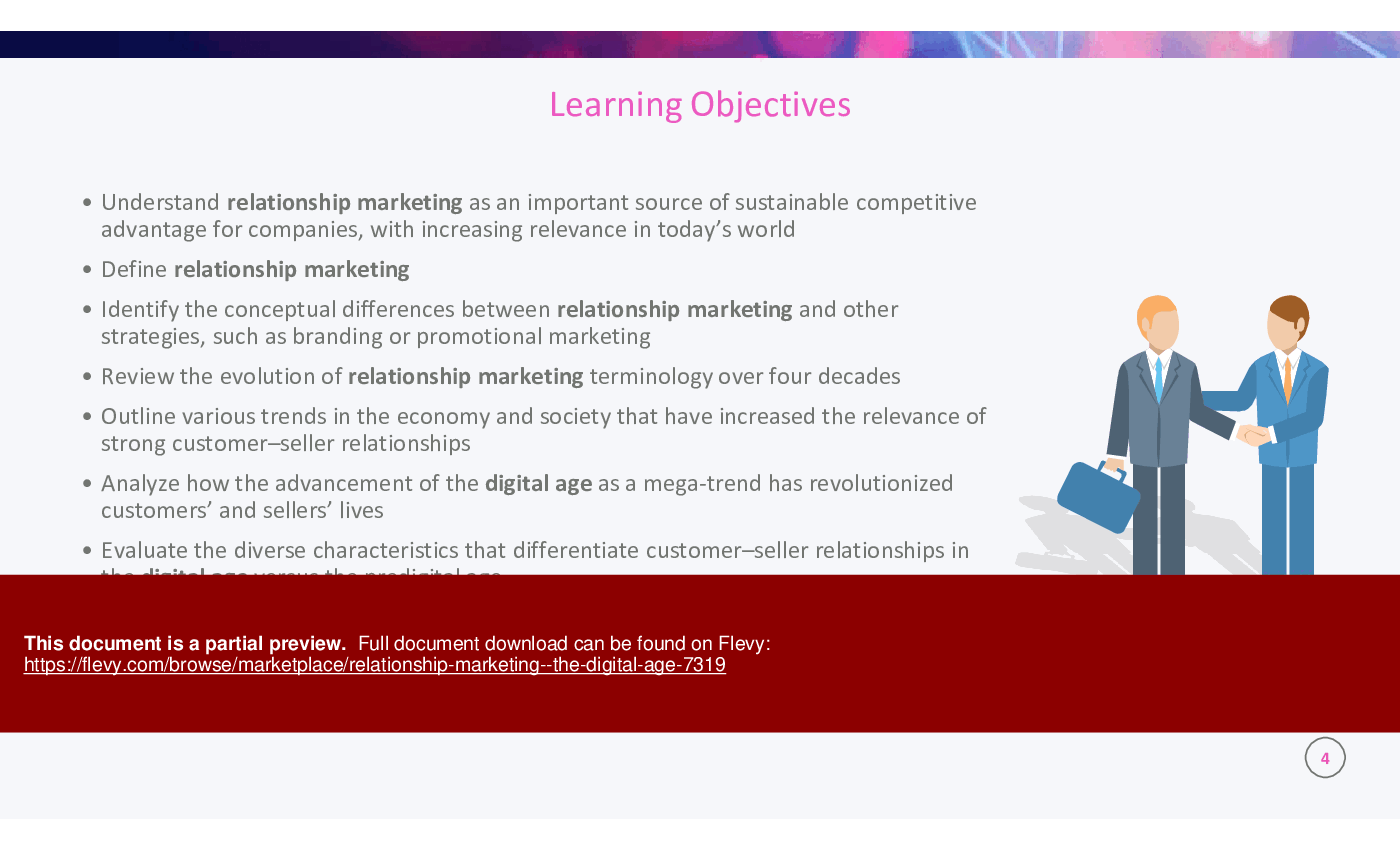
• Understand relationship marketing as a source of sustainable competitive advantage
• Define relationship marketing and its distinctions from other marketing strategies
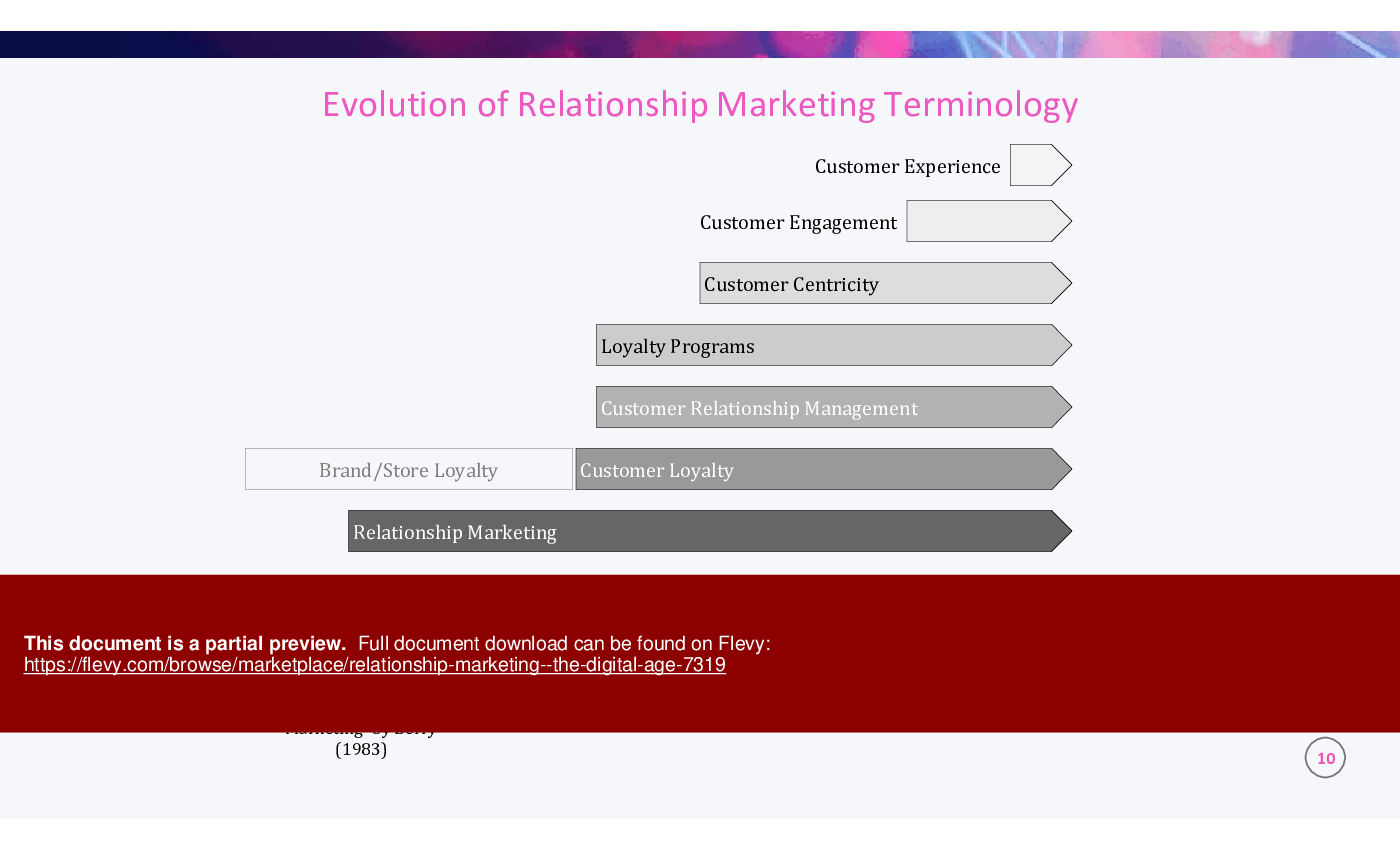
• Analyze the evolution of relationship marketing terminology over the decades
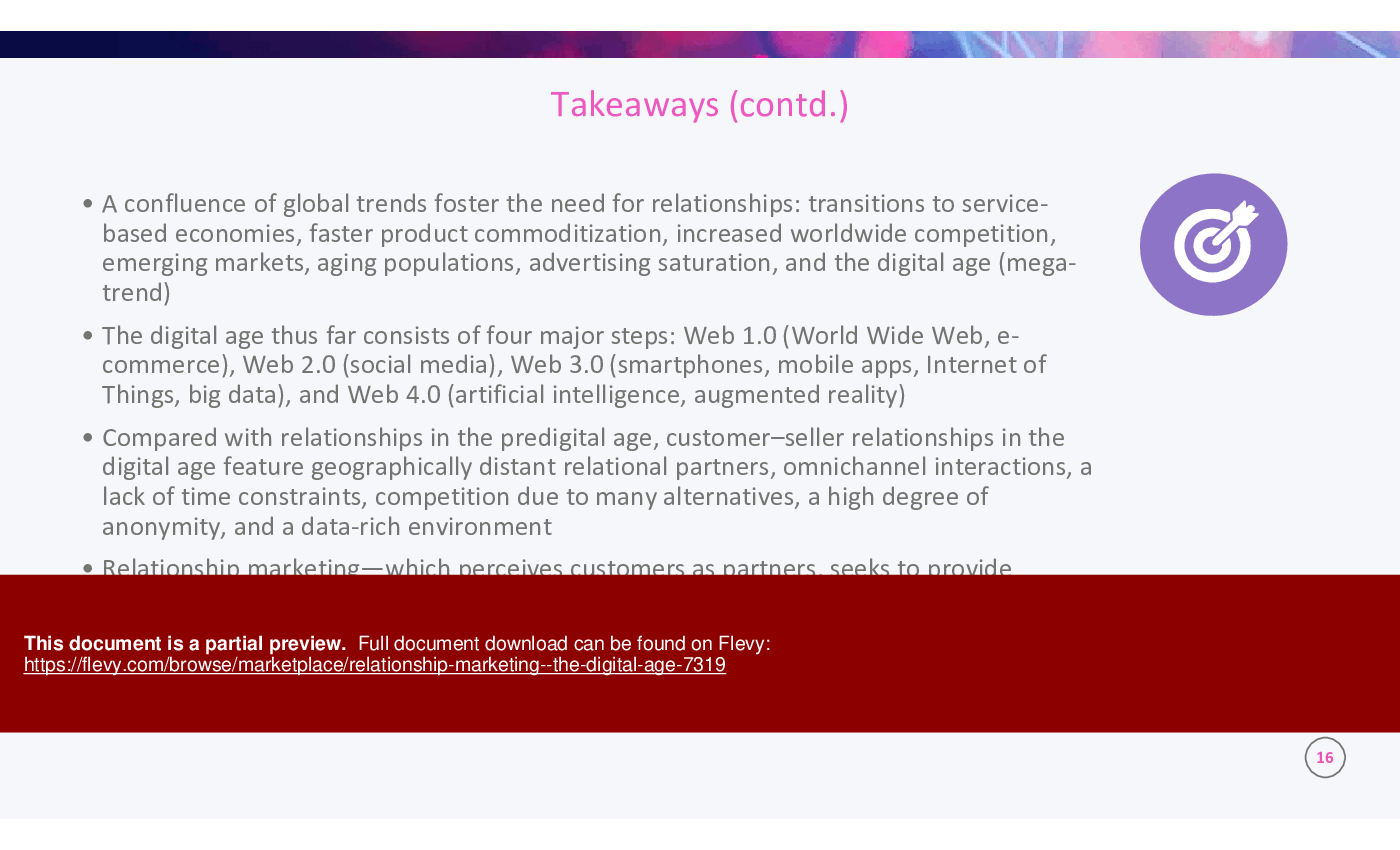
• Evaluate the impact of digital advancements on customer-seller relationships
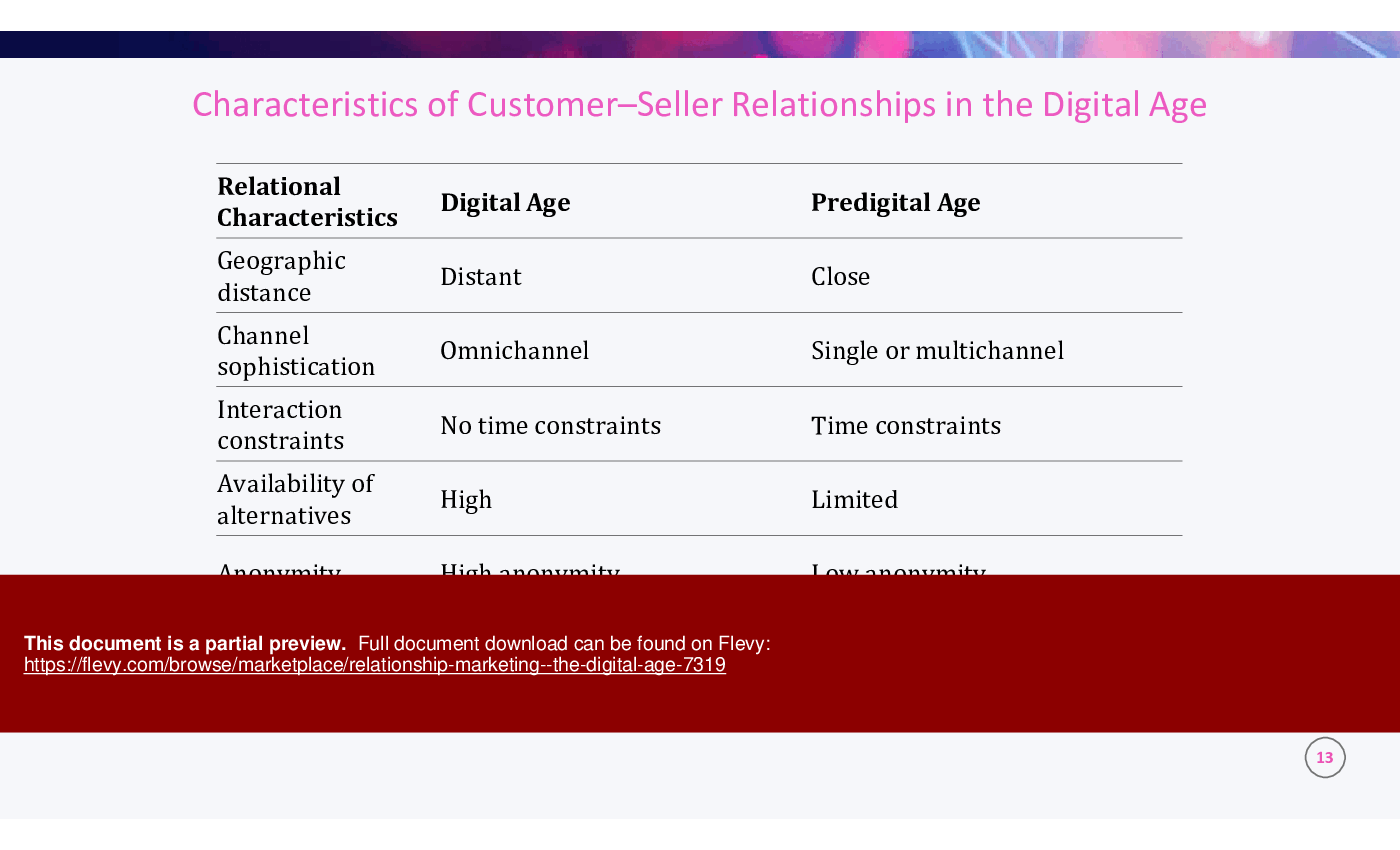
• Detail the characteristics of customer relationships in the digital age
• Identify effective relationship marketing strategies for the digital landscape
Table of Contents
• Introduction to Relationship Marketing (page 1)
• Understanding Relationship Marketing Theory (page 2)
• Relationship Marketing Framework (page 3)
• Relationship Marketing Dynamics (page 4)
• Relationship Marketing Strategies (page 5)
• Relationship Marketing Targeting (page 6)
• Research and Managerial Guidelines for Relationship Marketing in the Digital Age (page 7)
Primary Topics Covered
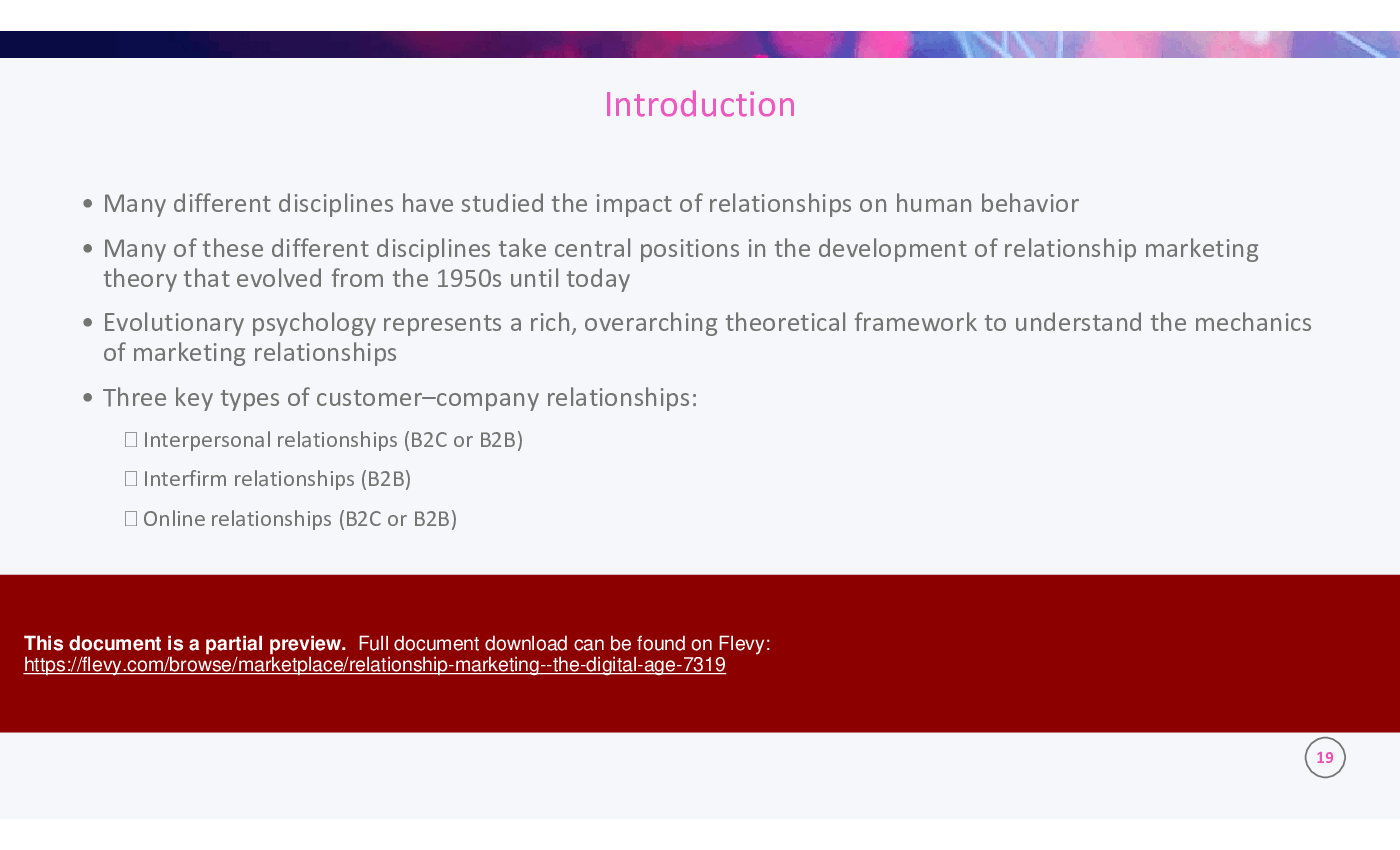
• Relationship Marketing Definition - Relationship marketing is defined as the process of identifying, developing, maintaining, and terminating relational exchanges to enhance performance.
• Evolution of Relationship Marketing - The terminology and understanding of relationship marketing have evolved significantly since its inception in the 1980s.
• Digital Age Impact - The digital age has transformed customer-seller relationships, emphasizing the need for personalized and data-driven marketing strategies.
• Customer Relationship Orientation - Understanding customers' relationship orientations helps tailor marketing efforts effectively.
• Dynamic Relationship Change - Relationships are dynamic, requiring continuous assessment and adaptation of marketing strategies.
• Loyalty Programs - Institutionalized loyalty programs serve as critical tools for enhancing customer relationships and engagement.
Deliverables, Templates, and Tools
• Framework for assessing customer relationship orientation
• Guidelines for implementing effective loyalty programs
• Strategies for leveraging digital tools in relationship marketing
• Templates for measuring relationship marketing performance outcomes
• Checklists for evaluating customer engagement strategies
• Case studies illustrating successful relationship marketing initiatives
Slide Highlights
• Overview of the evolution of relationship marketing terminology
• Key trends increasing the importance of relationship marketing in the digital age
• Characteristics of customer-seller relationships in the digital age
• Framework for understanding the dynamics of relationship marketing
• Strategies for building and maintaining customer relationships
Potential Workshop Agenda
Introduction to Relationship Marketing (30 minutes)
• Overview of relationship marketing concepts and importance
• Discussion of key trends affecting relationship marketing
Understanding Relationship Marketing Dynamics (60 minutes)
• Exploration of relationship change and customer engagement
• Case studies highlighting successful relationship marketing strategies
Developing Effective Relationship Marketing Strategies (90 minutes)
• Group activities to design tailored relationship marketing initiatives
• Presentation of strategies for implementing loyalty programs
Customization Guidance
• Tailor the presentation to reflect specific industry contexts and customer demographics
• Incorporate company-specific case studies to illustrate key points
• Adjust terminology and frameworks to align with organizational language and culture
• Update examples and statistics to reflect the latest market trends and data
Secondary Topics Covered
• The role of technology in facilitating customer relationships
• Best practices for managing customer data and privacy concerns
• Insights into customer behavior and relationship dynamics
• The impact of cultural differences on relationship marketing effectiveness
FAQ
What is relationship marketing?
Relationship marketing is the process of identifying, developing, maintaining, and terminating relational exchanges to enhance performance.
How has the digital age changed relationship marketing?
The digital age has introduced new channels for interaction, increased customer expectations for personalization, and emphasized the importance of data-driven strategies.
What are the key components of a successful loyalty program?
Successful loyalty programs include psychological, strategic, and operational elements that enhance customer engagement and retention.
How can companies assess their relationship marketing effectiveness?
Companies can assess effectiveness through performance metrics such as customer lifetime value, engagement rates, and feedback from customer surveys.
What role does customer relationship orientation play in targeting?
Understanding customer relationship orientation helps tailor marketing strategies to align with customers' preferences for relational engagement.
How can organizations leverage big data in relationship marketing?
Organizations can use big data to gain insights into customer behavior, preferences, and trends, enabling more effective targeting and personalization.
What are the challenges of relationship marketing in the digital age?
Challenges include managing customer privacy concerns, navigating digital interactions, and maintaining engagement in a competitive landscape.
Why is gratitude important in relationship marketing?
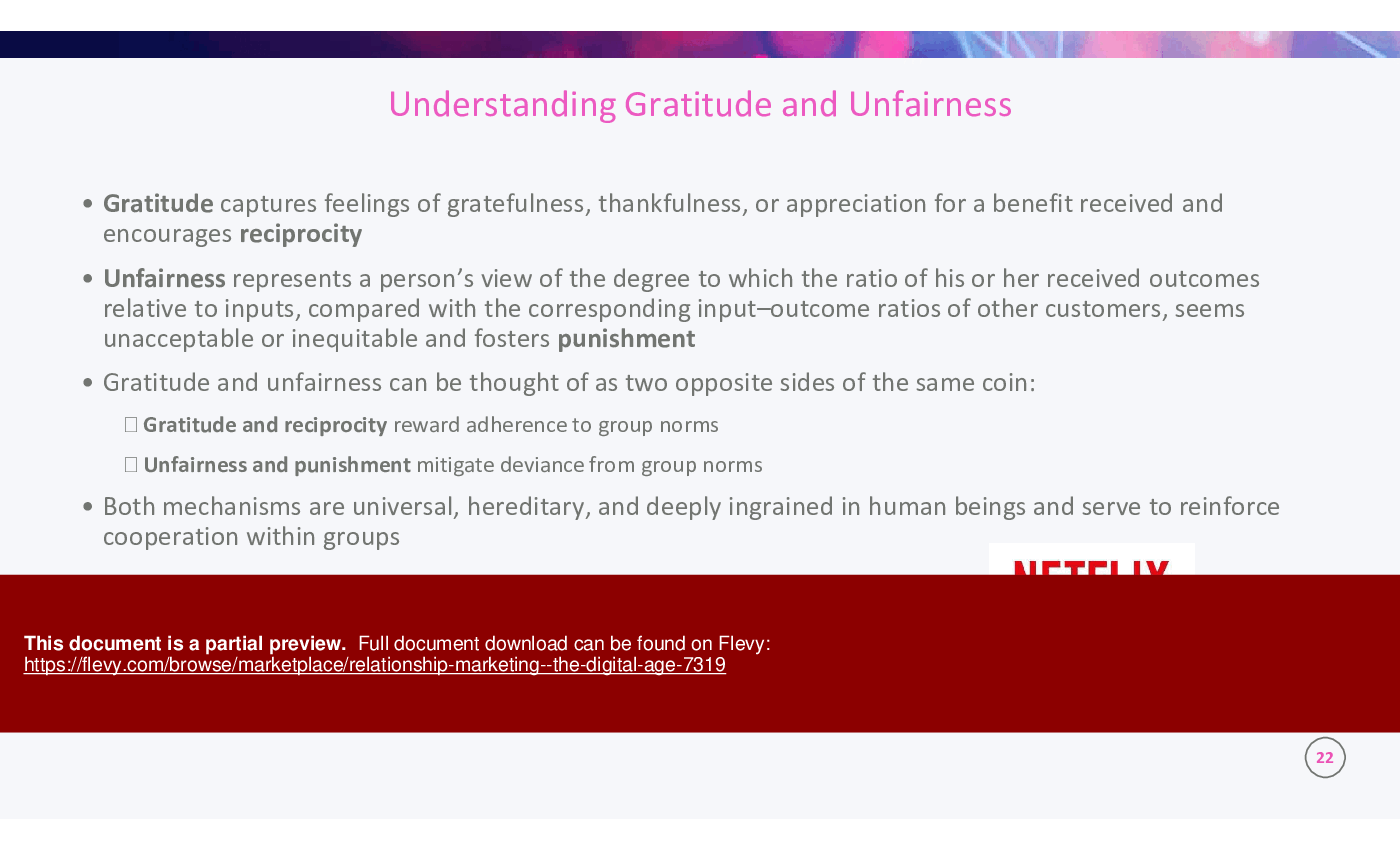
Gratitude fosters reciprocity and strengthens customer relationships, leading to increased loyalty and positive long-term behaviors.
Glossary
• Relationship Marketing - The process of developing and maintaining customer relationships to enhance performance.
• Customer Relationship Orientation - A customer's preference for strong relational engagement with a seller.
• Loyalty Program - An institutionalized incentive system designed to enhance customer attitudes and behaviors over time.
• Digital Age - The current era characterized by the predominance of digital technology in information and communication.
• Customer Engagement - The emotional and behavioral connection between a customer and a brand.
• Data Privacy - The protection of personal information collected by organizations from unauthorized access.
• Reciprocity Norms - Social norms that encourage mutual exchange and cooperation in relationships.
• Customer Lifetime Value (CLV) - A prediction of the total value a customer brings to a business over the entire duration of their relationship.
• Engagement Value - The value derived from a customer's interactions beyond mere transactions.
• Omnichannel - A seamless approach to customer engagement across multiple channels and touchpoints.
• Transformational Relationship Events (TRE) - Significant events that can positively or negatively alter the trajectory of a customer relationship.
• Flow State - A psychological state of complete absorption and engagement in an activity, often leading to enhanced performance.
Source: Best Practices in Marketing Plan Development, CRM, Relationship Marketing PowerPoint Slides: Relationship Marketing - The Digital Age PowerPoint (PPTX) Presentation Slide Deck, RadVector Consulting
|
Download our FREE Strategy & Transformation Framework Templates
Download our free compilation of 50+ Strategy & Transformation slides and templates. Frameworks include McKinsey 7-S, Balanced Scorecard, Disruptive Innovation, BCG Curve, and many more. |










