
The Project Manager's Emergency Kit serves as an indispensable resource in the realm of project management, offering a comprehensive glossary that encapsulates the essential terminology crucial for effective project oversight. In the dynamic landscape of project management, clear communication and a shared understanding of key concepts are paramount. This glossary, meticulously curated and continuously updated, stands as a beacon for project managers navigating the intricate web of methodologies, processes, and tools.
At its core, the kit acts as a linguistic bridge, connecting project managers, team members, stakeholders, and other stakeholders involved in the project lifecycle. It encapsulates a diverse array of terms, ranging from foundational principles to advanced methodologies, fostering a common language that transcends organizational boundaries.
Within the glossary, one can find definitions for terms such as AFFINITY DIAGRAM, BRAINSTORMING, NET PRESENT VALUE, and MULTIVOTING. Each entry serves not only as a concise definition but also as a gateway to deeper insights, providing goals, obstacles and steps in the context of project execution. This resource equips project managers with the linguistic tools needed to articulate ideas, address challenges, and align project objectives with organizational goals.
In the ever-evolving field of project management, where methodologies and best practices undergo constant refinement, the Emergency Kit remains a living document. Regular updates ensure that it remains a relevant and reliable companion, reflecting the latest trends, frameworks, and industry standards. Project managers can turn to this glossary not only in times of uncertainty or unfamiliarity but also as a proactive measure to enhance communication and understanding among project stakeholders.
Ultimately, The Project Manager's Emergency Kit goes beyond being a mere glossary; it becomes an integral part of a project manager's toolkit, facilitating effective communication, informed decision-making, and successful project outcomes in the intricate landscape of project management.
Got a question about the product? Email us at support@flevy.com or ask the author directly by using the "Ask the Author a Question" form. If you cannot view the preview above this document description, go here to view the large preview instead.
Executive Summary
The Project Manager's Emergency Kit is an essential resource designed for project managers seeking to enhance their communication and operational effectiveness. This comprehensive glossary, developed by seasoned security experts from McKinsey, Deloitte, and Capgemini, provides clear definitions and practical applications of key project management terms. Users will gain the ability to articulate project concepts such as Affinity Diagrams, Brainstorming, and Net Present Value, facilitating better collaboration and understanding among stakeholders. This toolkit is invaluable for navigating the complexities of project management and ensuring successful project outcomes.
Who This Is For and When to Use
• Project Managers overseeing diverse teams and projects
• Team Leaders aiming to improve communication and efficiency
• Consultants providing project management solutions
• Executives involved in strategic project oversight
• Trainers and educators in project management disciplines
Best-fit moments to use this deck:
• During project kickoff meetings to establish common terminology
• In training sessions for new project managers or team members
• When preparing for stakeholder presentations to ensure clarity
• For conducting project reviews and assessments to align understanding
Learning Objectives
• Define critical project management terms for effective communication
• Build frameworks for applying project management concepts in practice
• Establish a common language among project stakeholders
• Identify and mitigate common project risks through terminology understanding
• Create effective project documentation using standardized terms
• Enhance decision-making processes through clear definitions and applications
Table of Contents
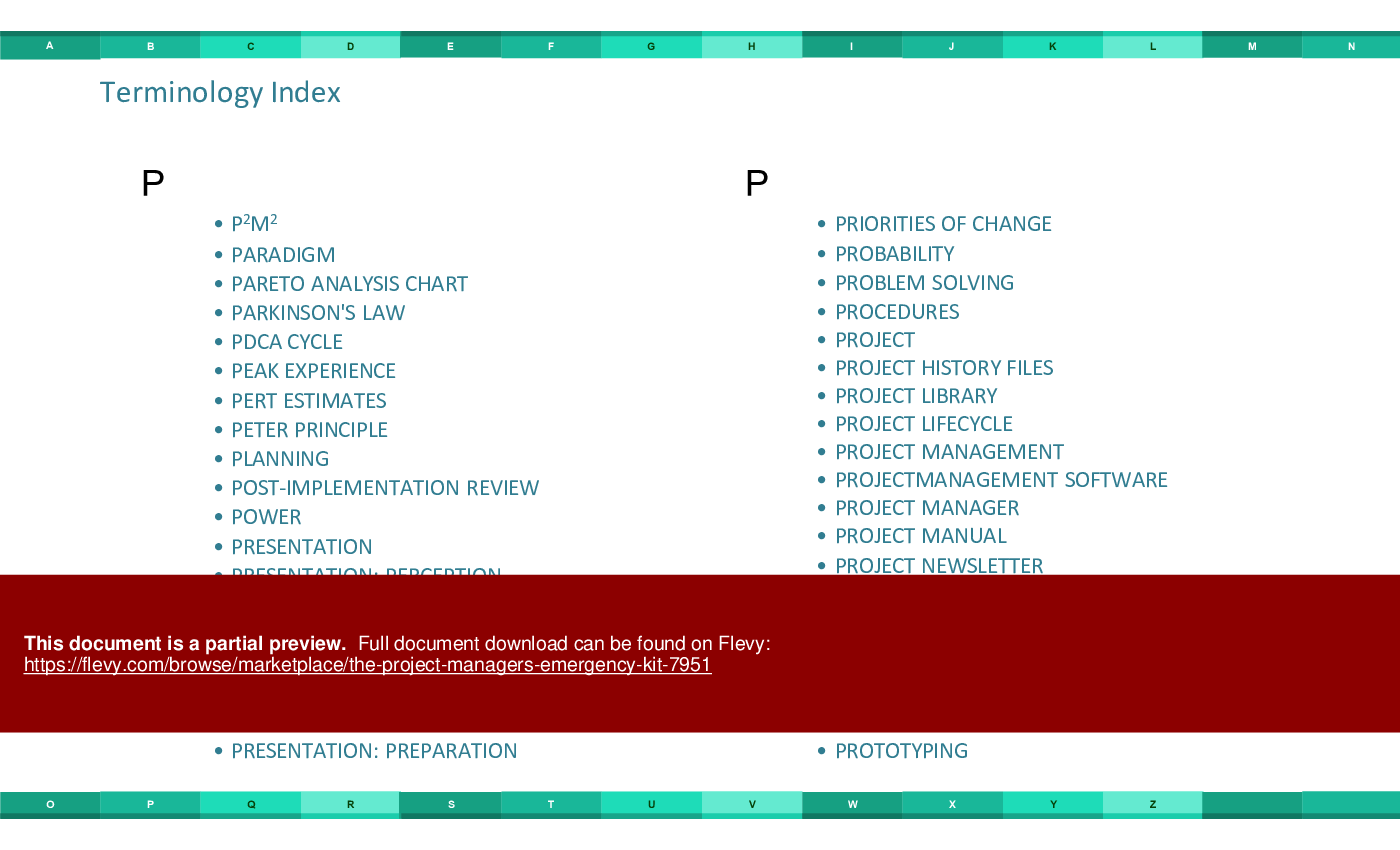
• Activity-Based Costing and Traditional Accounting (page 16)
• Affinity Diagram (page 17)
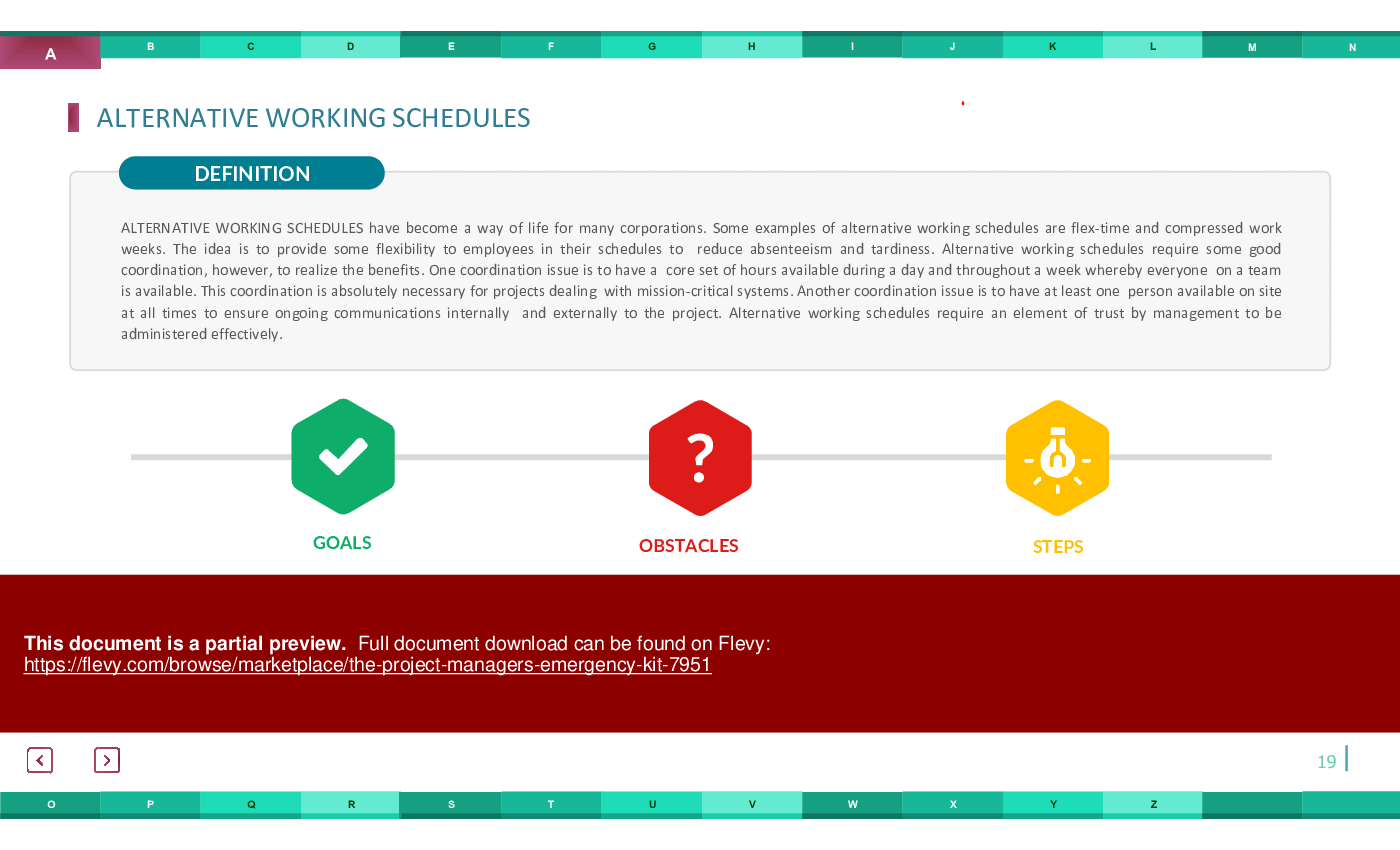
• Alternative Working Schedules (page 19)
• Bar (Gantt) Charts (page 21)
• Benchmarking (page 23)
• Body Language (page 24)
• Brainstorming (page 25)
• Breakeven Analysis (page 26)
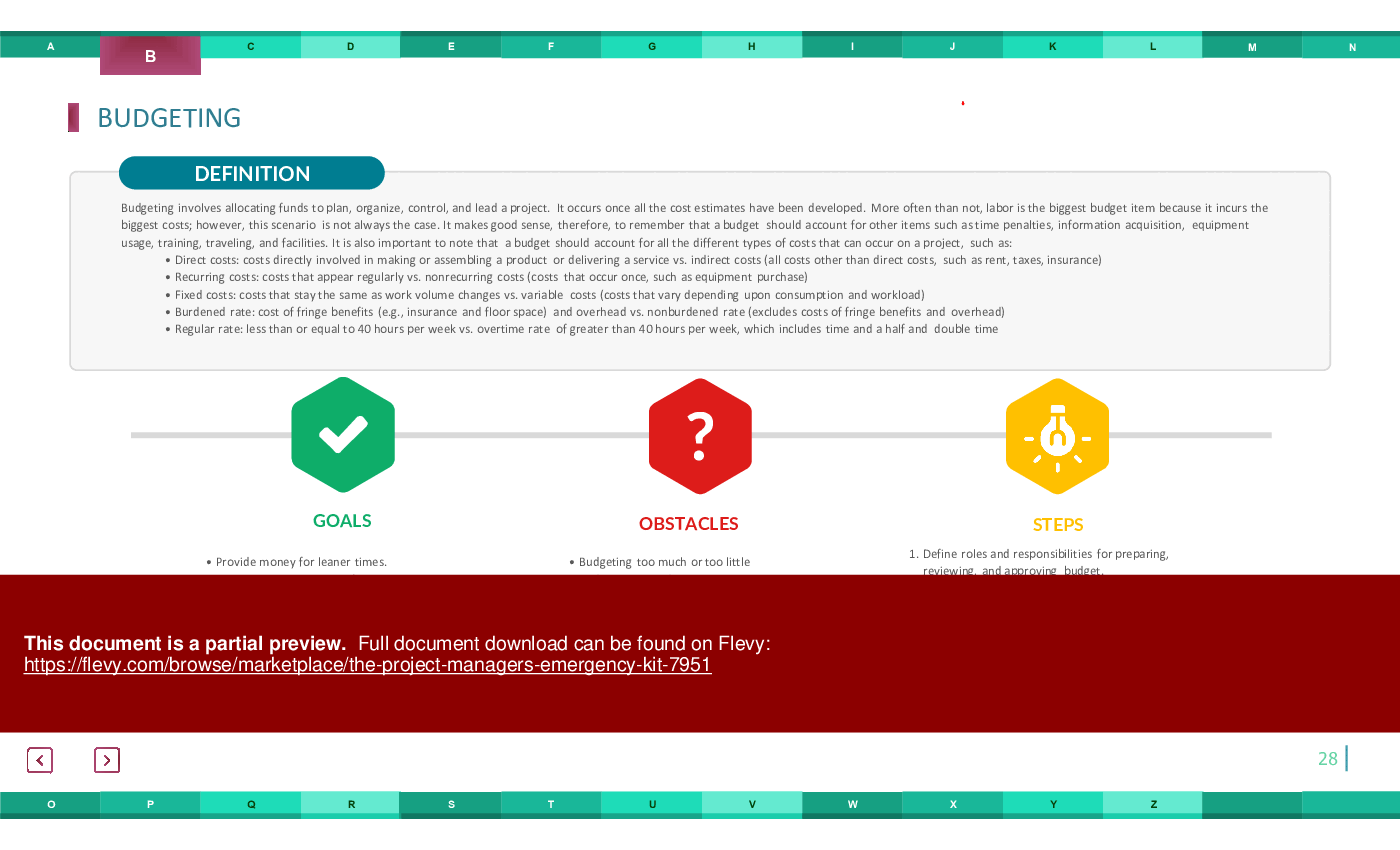
• Budgeting (page 28)
• Capability Maturity Model (page 30)
• Capacity Planning (page 31)
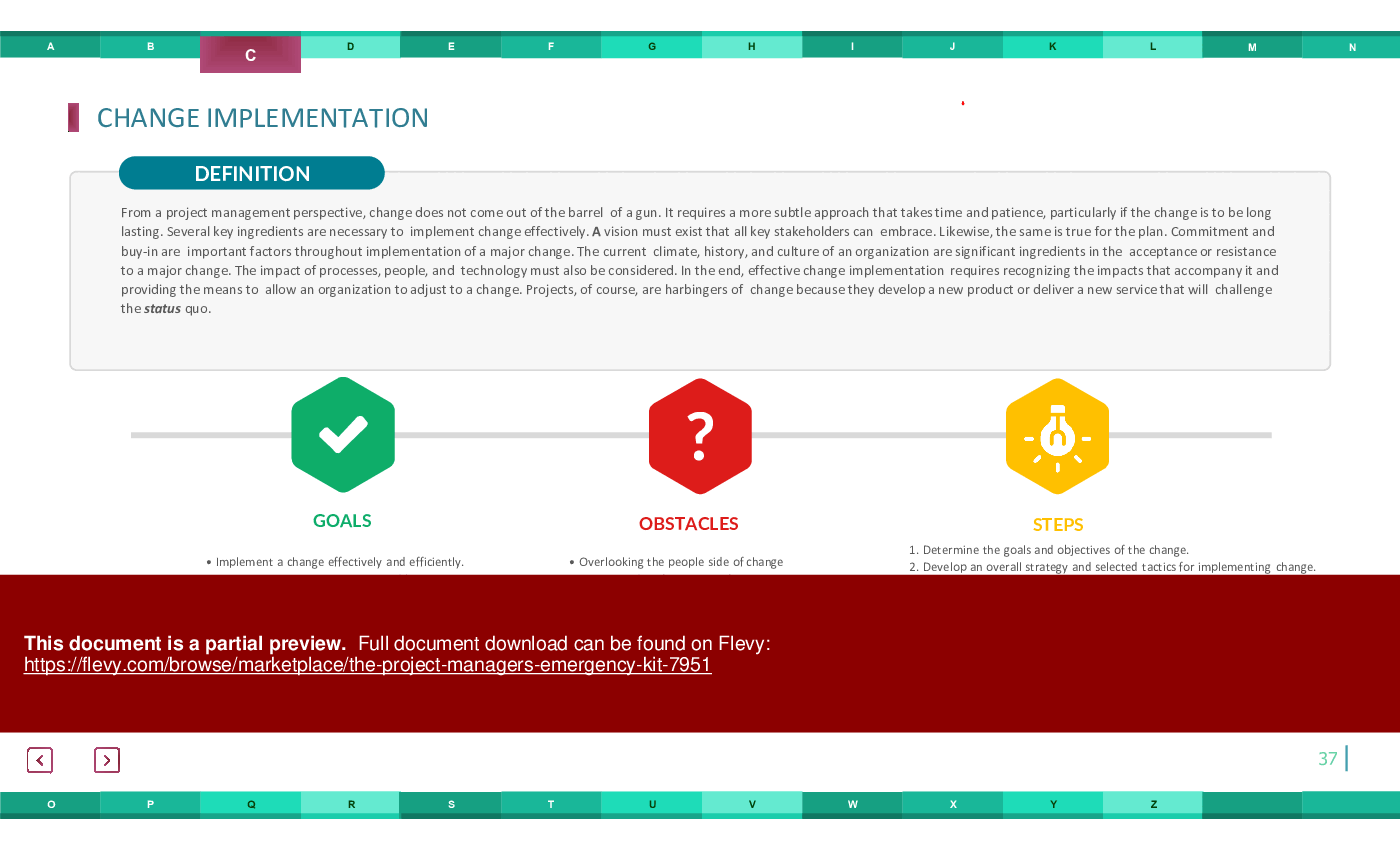
• Categories of Change (page 32)
Primary Topics Covered
• Activity-Based Costing - A method focusing on costs from customer satisfaction and process perspectives, enabling accurate cost determination.
• Affinity Diagram - A graphical tool for organizing data into natural groupings, enhancing comprehension and communication.
• Bar (Gantt) Charts - Visual representations of task durations within a project, aiding in tracking progress and managing timelines.
• Benchmarking - A process for comparing practices against industry standards to identify areas for improvement.
• Brainstorming - A collaborative technique for generating ideas without immediate judgment, fostering creativity and innovation.
• Breakeven Analysis - A financial assessment to determine when a project will pay for itself, crucial for investment decisions.
Deliverables, Templates, and Tools
• Glossary of key project management terms for reference
• Templates for Affinity Diagrams and Gantt Charts
• Checklists for conducting Breakeven Analysis
• Guidelines for effective Budgeting and Capacity Planning
• Frameworks for implementing Change Control processes
• Tools for conducting Benchmarking and Risk Analysis
Slide Highlights
• Overview of Activity-Based Costing and its benefits
• Visual representation of an Affinity Diagram with examples
• Example of a Gantt Chart illustrating project timelines
• Key steps in conducting Breakeven Analysis
• Best practices for effective Budgeting in project management
Potential Workshop Agenda
Introduction to Project Management Terminology (60 minutes)
• Overview of key terms and their importance
• Group activity: Creating Affinity Diagrams
Practical Applications of Gantt Charts (90 minutes)
• Hands-on session creating Gantt Charts for real projects
• Discussion on tracking and monitoring project progress
Effective Budgeting Techniques (60 minutes)
• Presentation on budgeting principles and common pitfalls
• Case study analysis of budgeting in project management
Customization Guidance
• Tailor the glossary to include specific terms relevant to your organization’s projects.
• Adapt templates to reflect your project management methodologies and frameworks.
• Customize examples and case studies to align with your industry practices.
Secondary Topics Covered
• Change Control Processes
• Conflict Resolution Techniques
• Decision-Making Strategies
• Risk Management Frameworks
• Quality Assurance Practices
Topic FAQ
Document FAQ
These are questions addressed within this presentation.
What is the purpose of the Project Manager's Emergency Kit?
This kit serves as a comprehensive glossary to enhance communication and understanding of key project management terms among stakeholders.
Who developed this resource?
The glossary was created by a team of security experts with extensive consulting experience at McKinsey, Deloitte, and Capgemini.
How can I implement the concepts in my projects?
Utilize the glossary to standardize terminology across your project team, ensuring everyone is aligned on definitions and applications.
Is this resource suitable for beginners in project management?
Yes, the glossary is designed to be accessible for both novice and experienced project managers.
Can I customize the templates provided?
Absolutely, the templates can be tailored to fit your organization’s specific needs and project management methodologies.
What types of projects can benefit from this glossary?
The glossary is applicable to a wide range of projects across various industries, enhancing clarity and communication.
How often should I refer to this glossary?
Refer to the glossary regularly, especially during project kickoff meetings, training sessions, and stakeholder presentations.
What are some common pitfalls in project management that this resource addresses?
The glossary helps mitigate issues related to miscommunication, scope creep, and ineffective budgeting through standardized terminology.
Glossary
• Activity-Based Costing - A method for assigning costs to products based on activities.
• Affinity Diagram - A tool for organizing ideas into natural groupings.
• Bar Chart - A visual representation of project tasks and their durations.
• Benchmarking - Comparing processes to industry standards for improvement.
• Brainstorming - A technique for generating ideas collaboratively.
• Breakeven Analysis - A financial assessment to determine project profitability.
• Budgeting - The process of allocating funds for project activities.
• Change Control - A systematic approach to managing changes in a project.
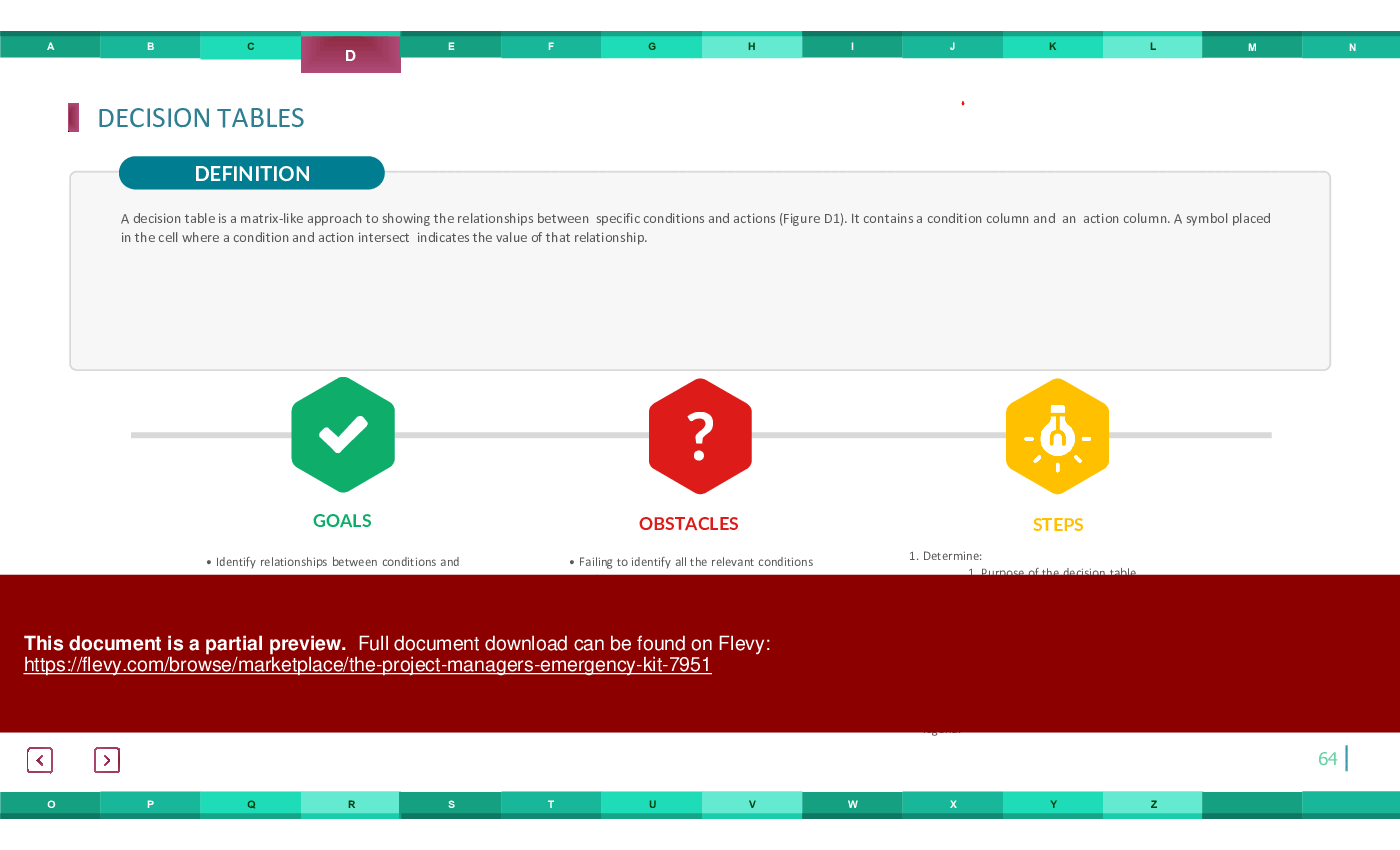
• Decision-Making - The process of selecting the best course of action among alternatives.
• Risk Management - The identification and mitigation of potential project risks.
• Quality Assurance - Ensuring that project deliverables meet specified requirements.
• Stakeholders - Individuals or groups with an interest in the project's outcome.
• Work Breakdown Structure - A hierarchical decomposition of project tasks.
• Project Lifecycle - The phases a project goes through from initiation to closure.
• Gantt Chart - A type of bar chart that illustrates a project schedule.
• Earned Value - A measure of project performance that integrates scope, schedule, and cost.
• Net Present Value - A financial metric used to evaluate the profitability of an investment.
• Decision Tree - A graphical representation of decisions and their possible consequences.
• Dependency Relationships - The logical connections between project tasks.
• Emotional Intelligence - The ability to understand and manage emotions in oneself and others.
Source: Best Practices in Project Management PowerPoint Slides: Project Manager's Emergency Kit PowerPoint (PPTX) Presentation Slide Deck, RadVector Consulting
|
Receive our FREE presentation on Operational Excellence
This 50-slide presentation provides a high-level introduction to the 4 Building Blocks of Operational Excellence. Achieving OpEx requires the implementation of a Business Execution System that integrates these 4 building blocks. |










