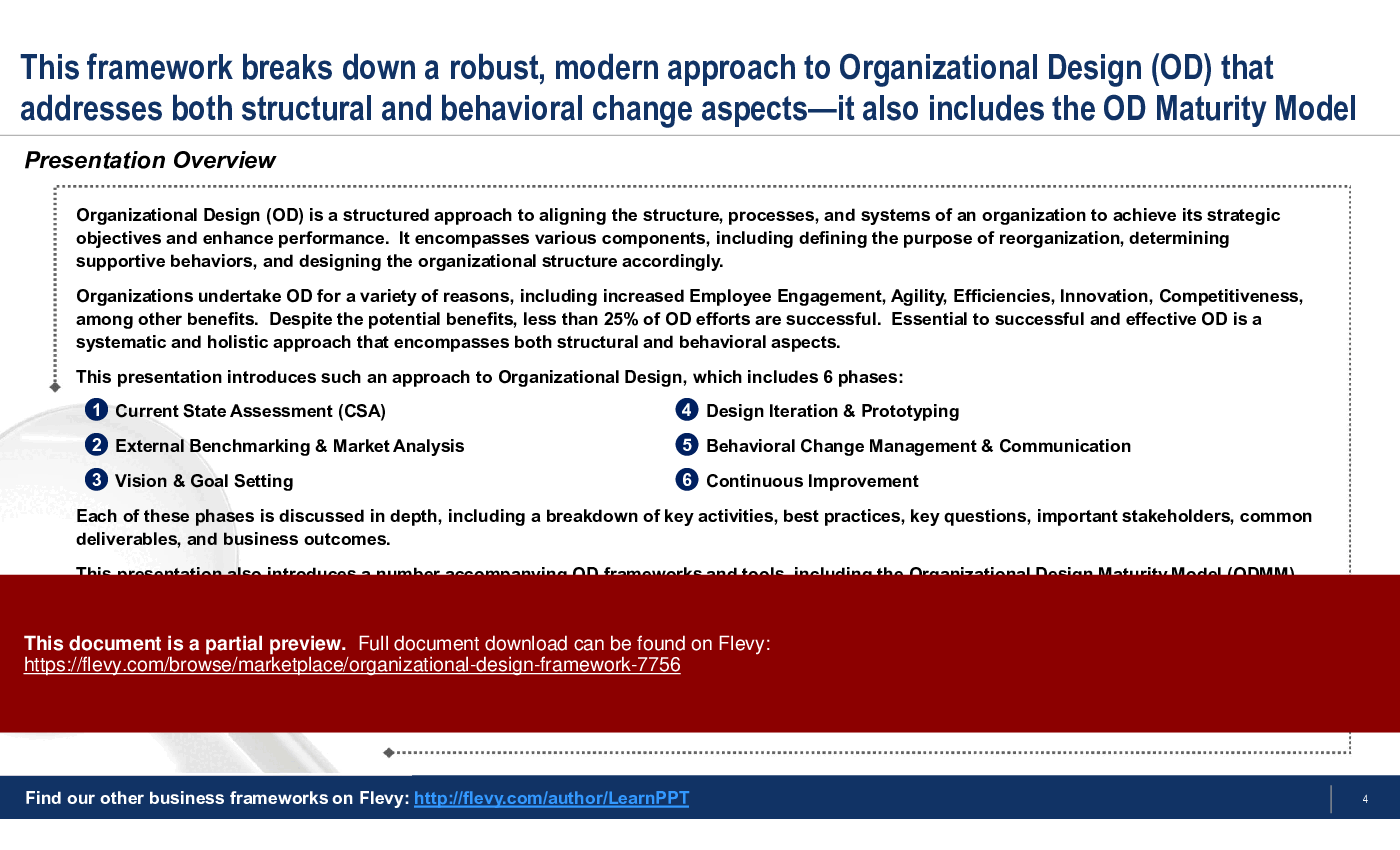

Organizational Design (OD) is a structured approach to aligning the structure, processes, and systems of an organization to achieve its strategic objectives and enhance performance. It encompasses various components, including defining the purpose of reorganization, determining supportive behaviors, and designing the organizational structure accordingly.

Organizations undertake OD for a variety of reasons, including:
• Enhance Employee Engagement
• Increase Agility and Efficiency
• Address critical challenges
• Transform their organization
• Drive Innovation and competitiveness
OD helps in clarifying roles, responsibilities, and expectations, leading to improved employee motivation and performance. By realigning resources and structures, they can better respond to market changes, foster a collaborative culture, and drive improved performance and growth.
Despite the potential benefits, less than 25% of OD efforts are successful. Essential to successful and effective OD is a systematic and holistic approach that encompasses both structural and behavioral aspects.
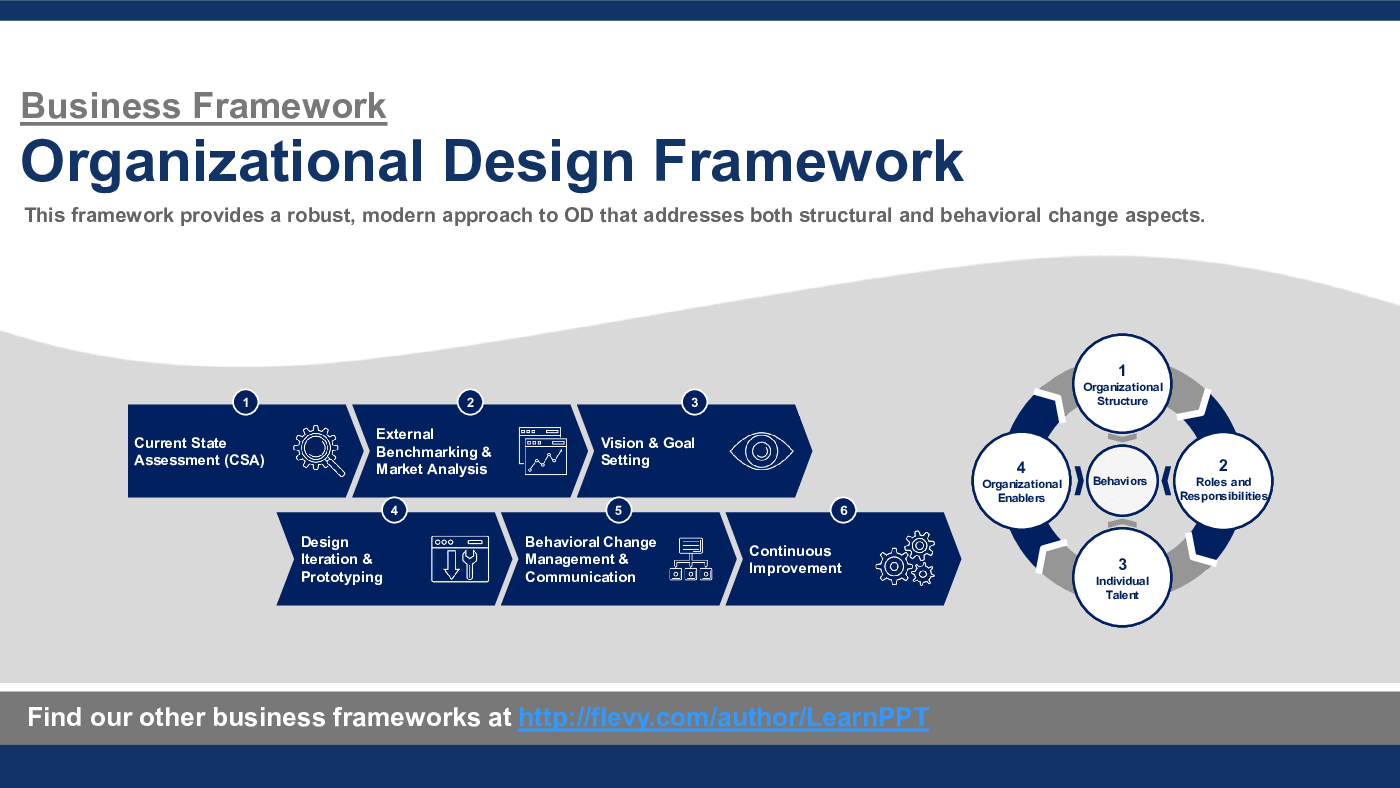
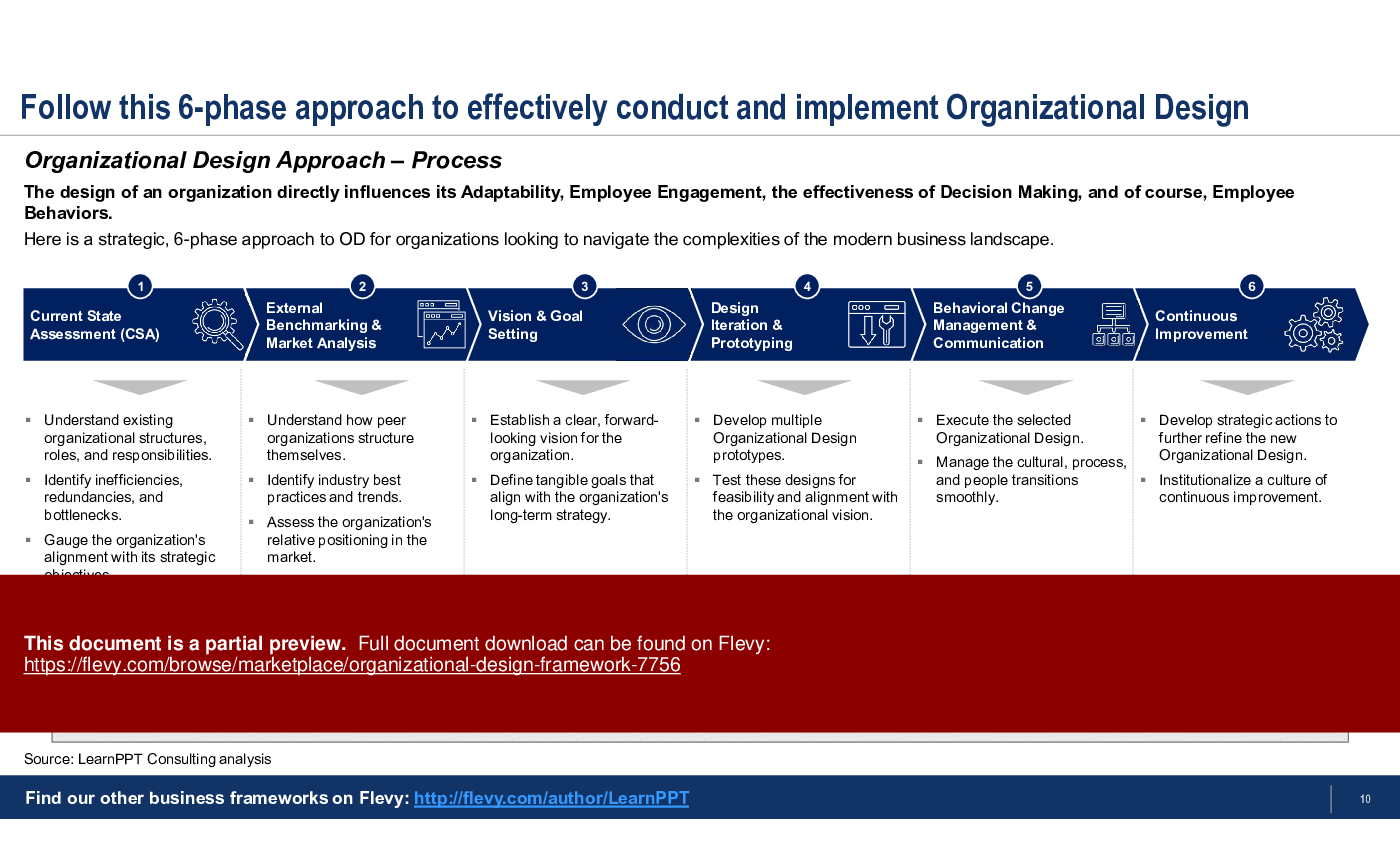
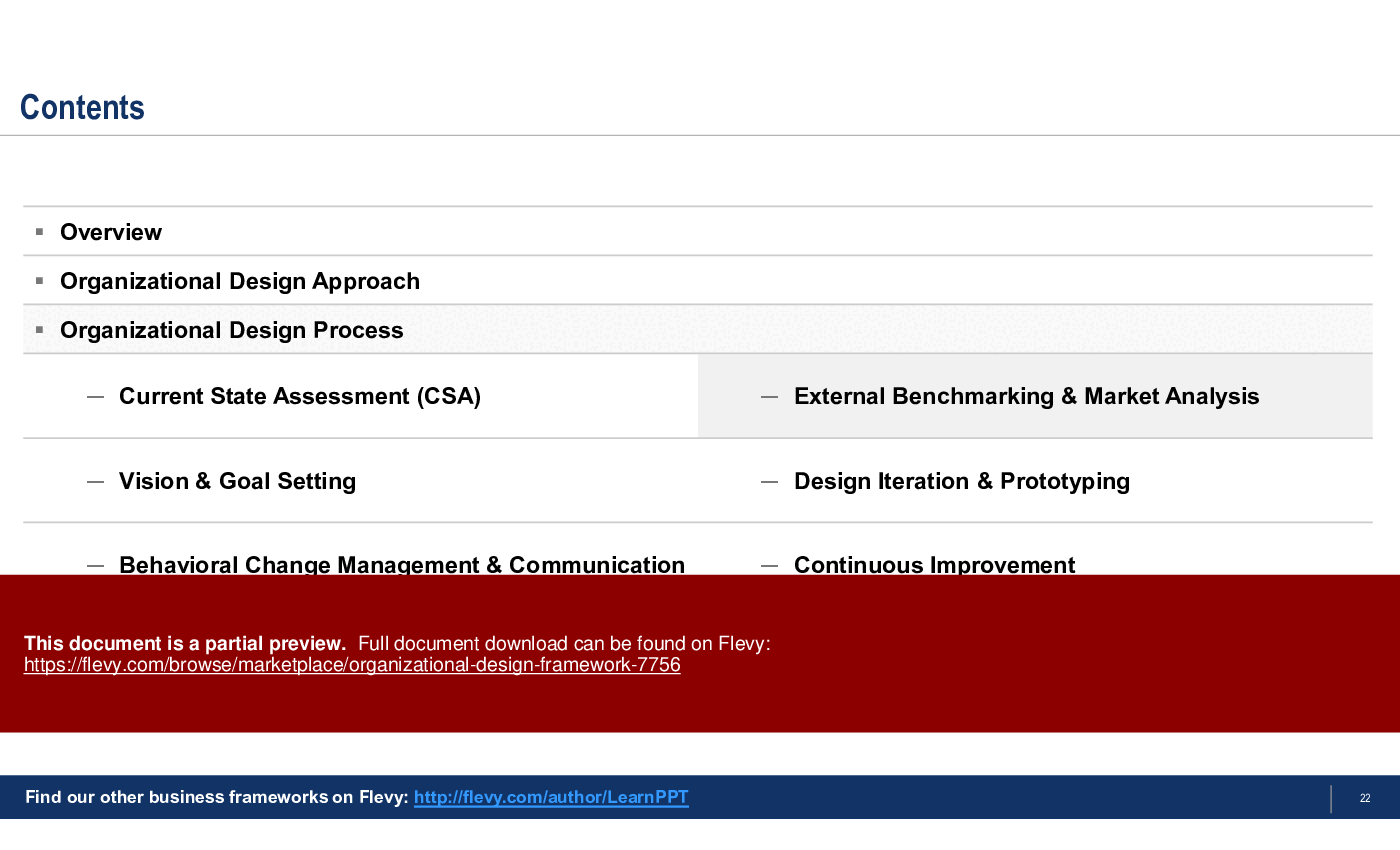
This PowerPoint presentation breaks down a robust, modern Organizational Design framework that addresses both structural and behavioral change aspects. This approach is structured into 6 phases:
1. Current State Assessment (CSA)
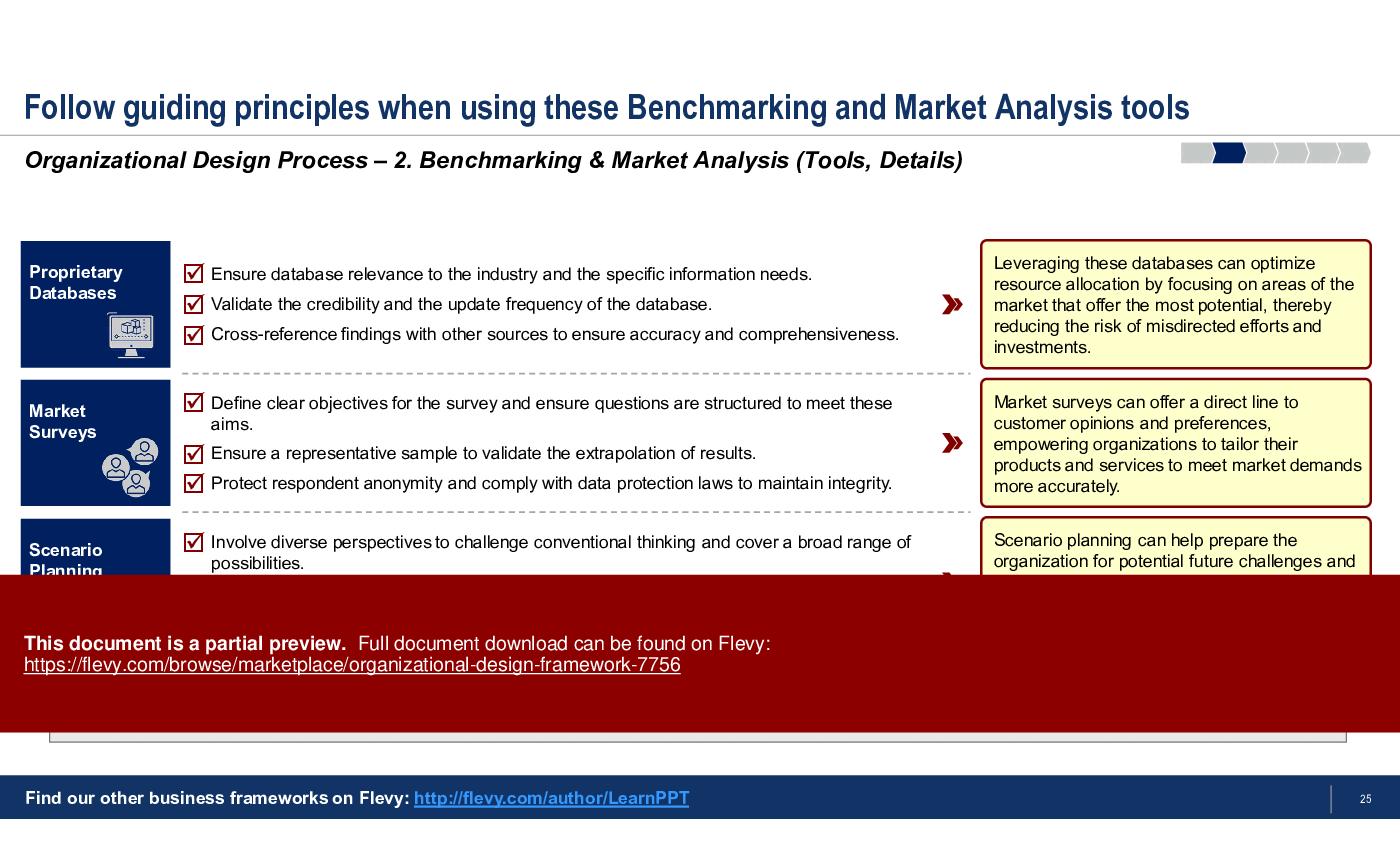
2. External Benchmarking & Market Analysis
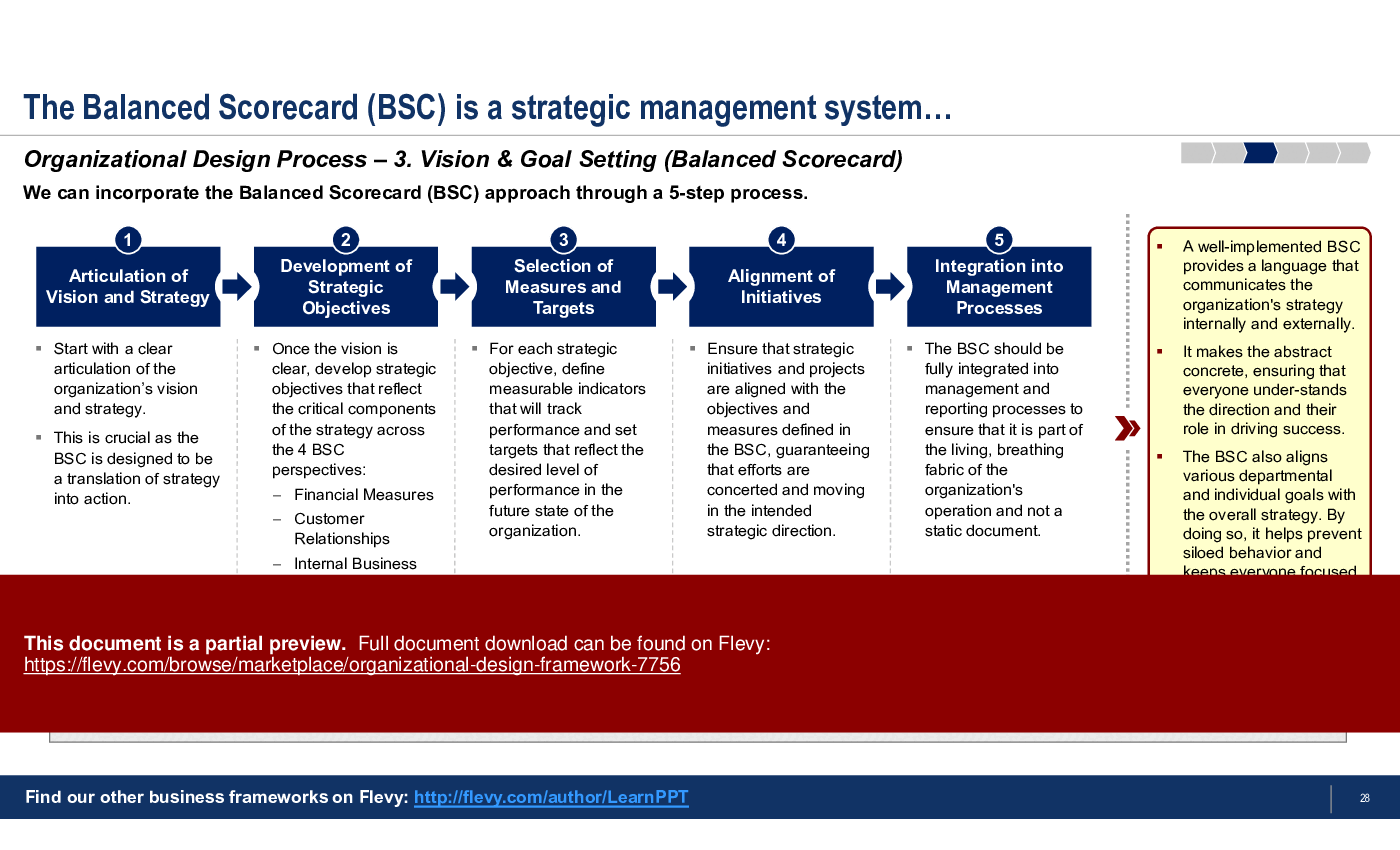
3. Vision & Goal Setting
4. Design Iteration & Prototyping
5. Behavioral Change Management & Communication
6. Continuous Improvement
Each of these phases is discussed in depth, including a breakdown of key activities, best practices, key questions, important stakeholders, common deliverables, and business outcomes.
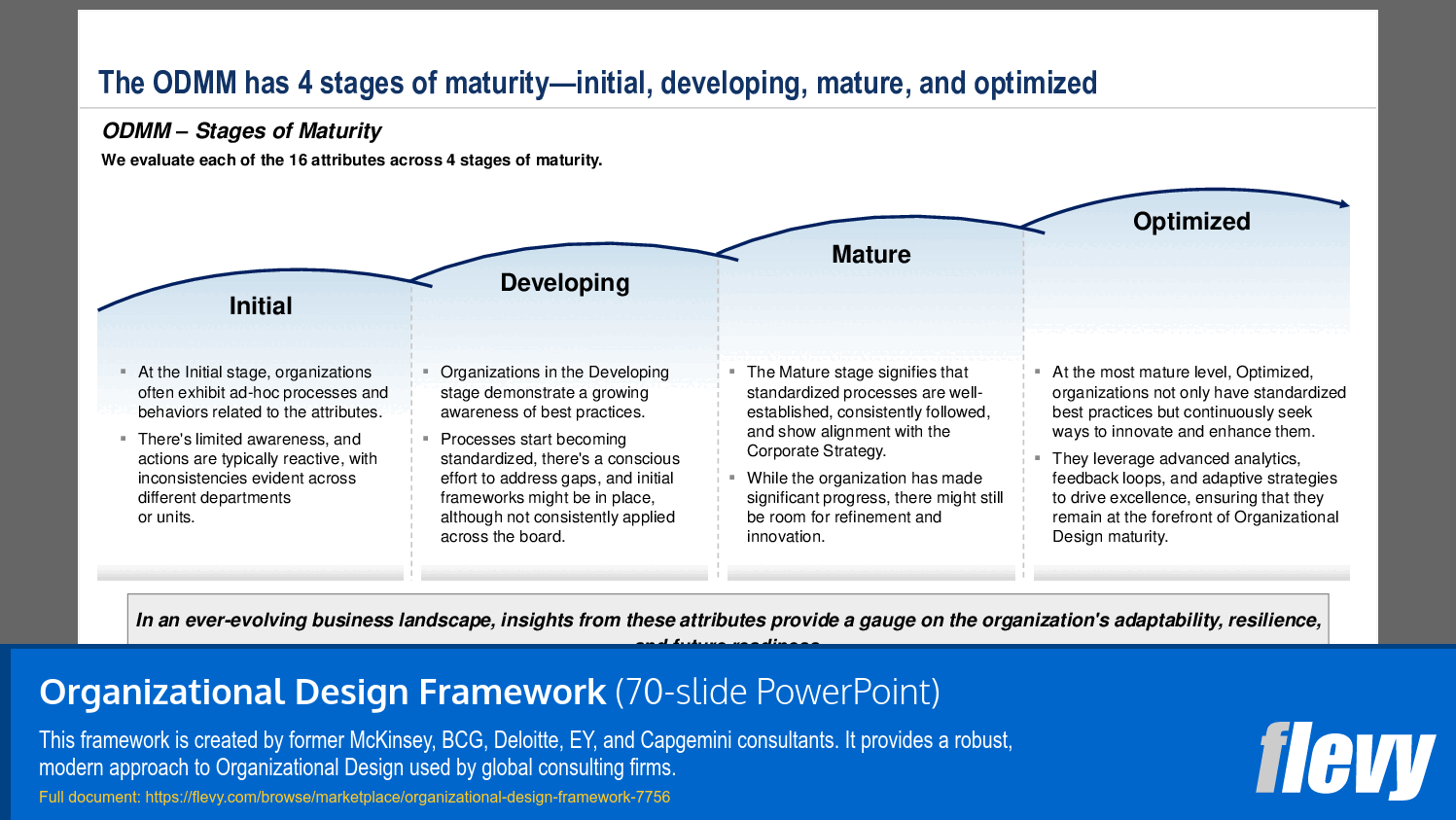
This presentation also introduces a number accompanying OD frameworks and tools, including the Organizational Design Maturity Model (ODMM). The ODMM is integral to the first 2 phases of the Organizational Design Process. It offers a structured lens through which organizations can introspectively evaluate their processes, practices, and behaviors across 16 pivotal attributes. Each attribute is defined in detail across 4 stages of maturity:
1. Initial
2. Developing
3. Mature
4. Optimized
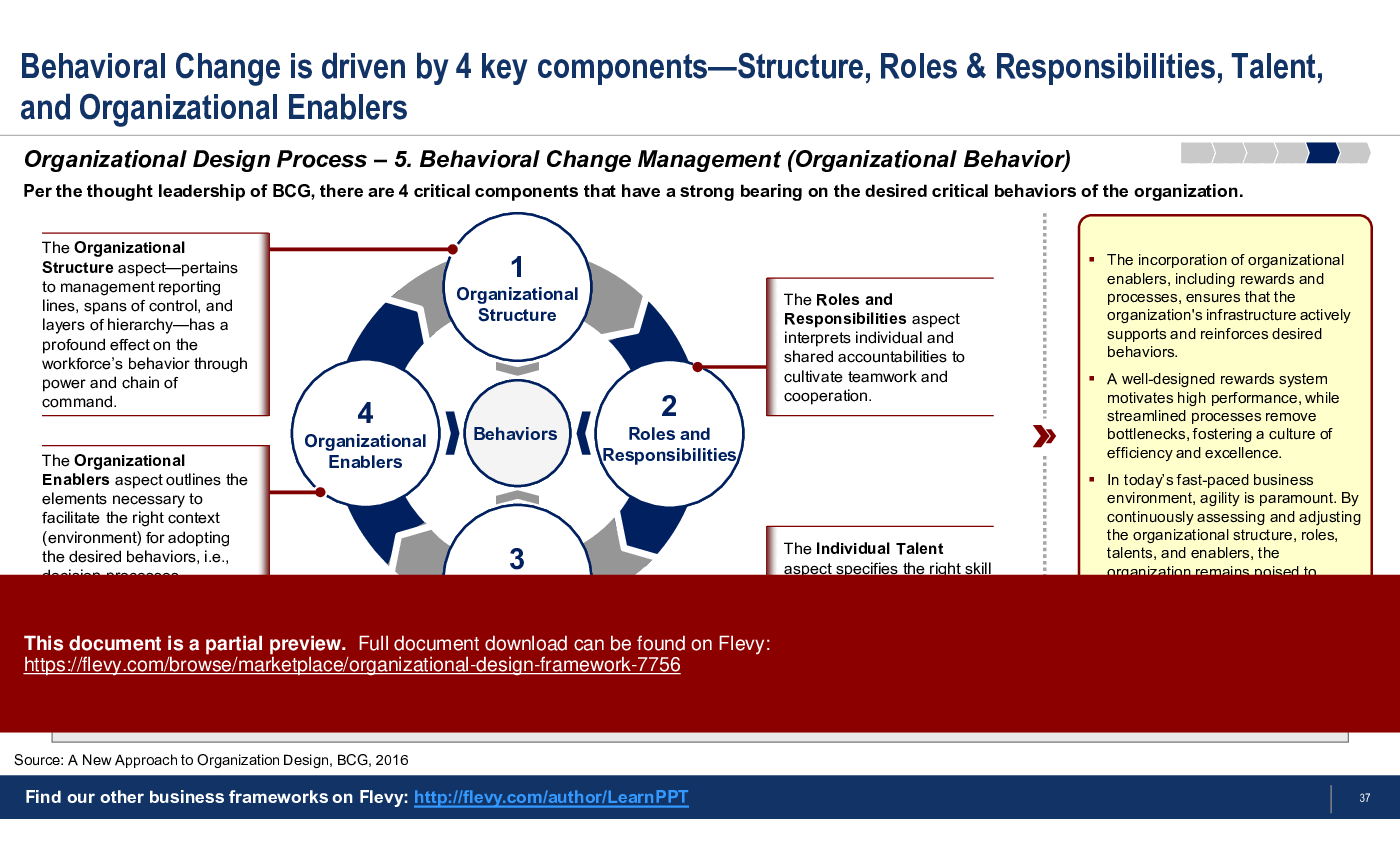
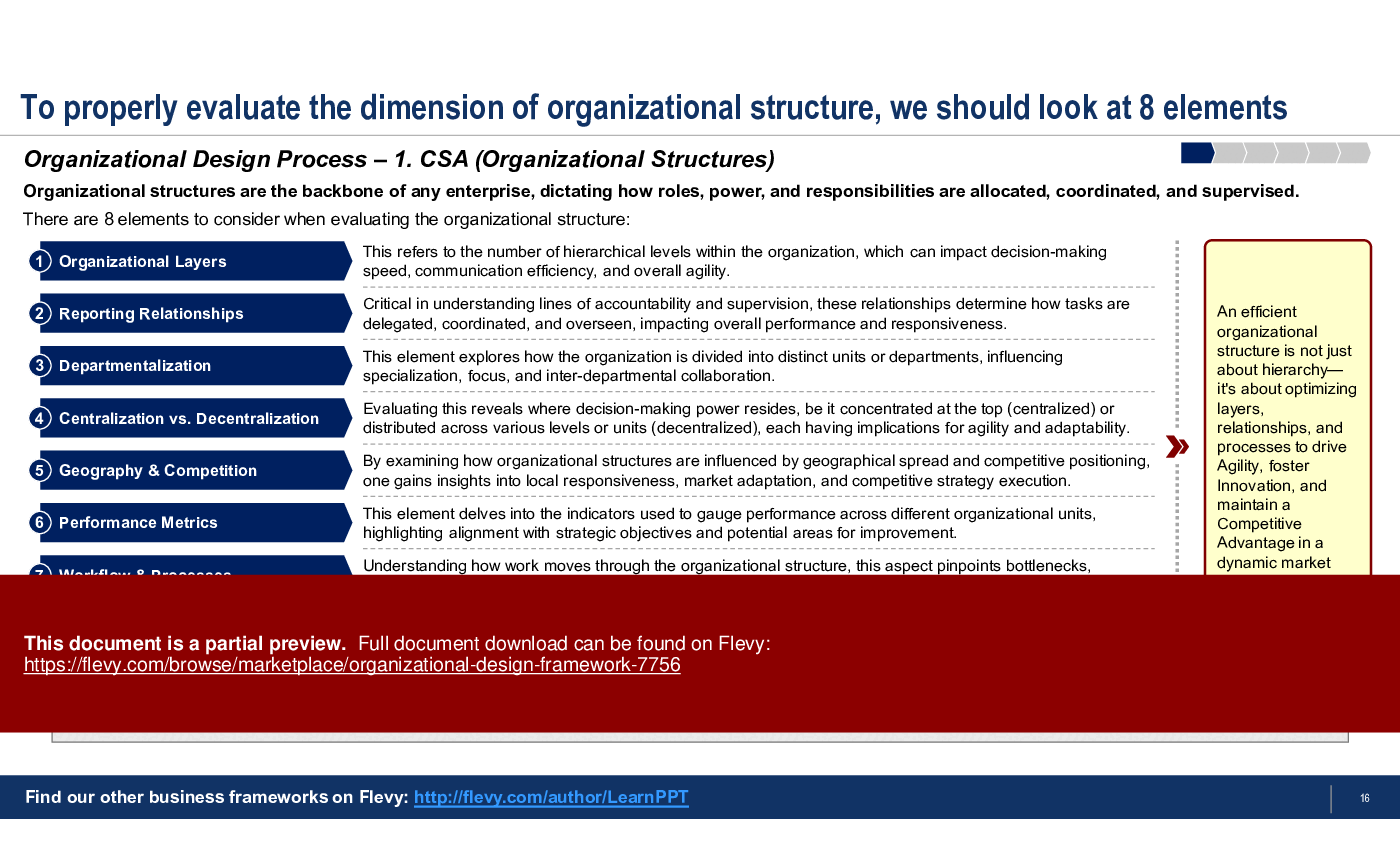
Additional topics discussed include the BCG Smart Design approach, 8 elements of Organizational Structures, the 9 elements of Roles & Responsibilities, the 9 elements of Reporting Relationships, 4 components of Organizational Behavior, among others. The BCG Smart Design thought leadership is foundational to this Organizational Design framework.
This PowerPoint presentation also includes an Organizational Maturity Assessment (available in both PowerPoint and Excel formats).
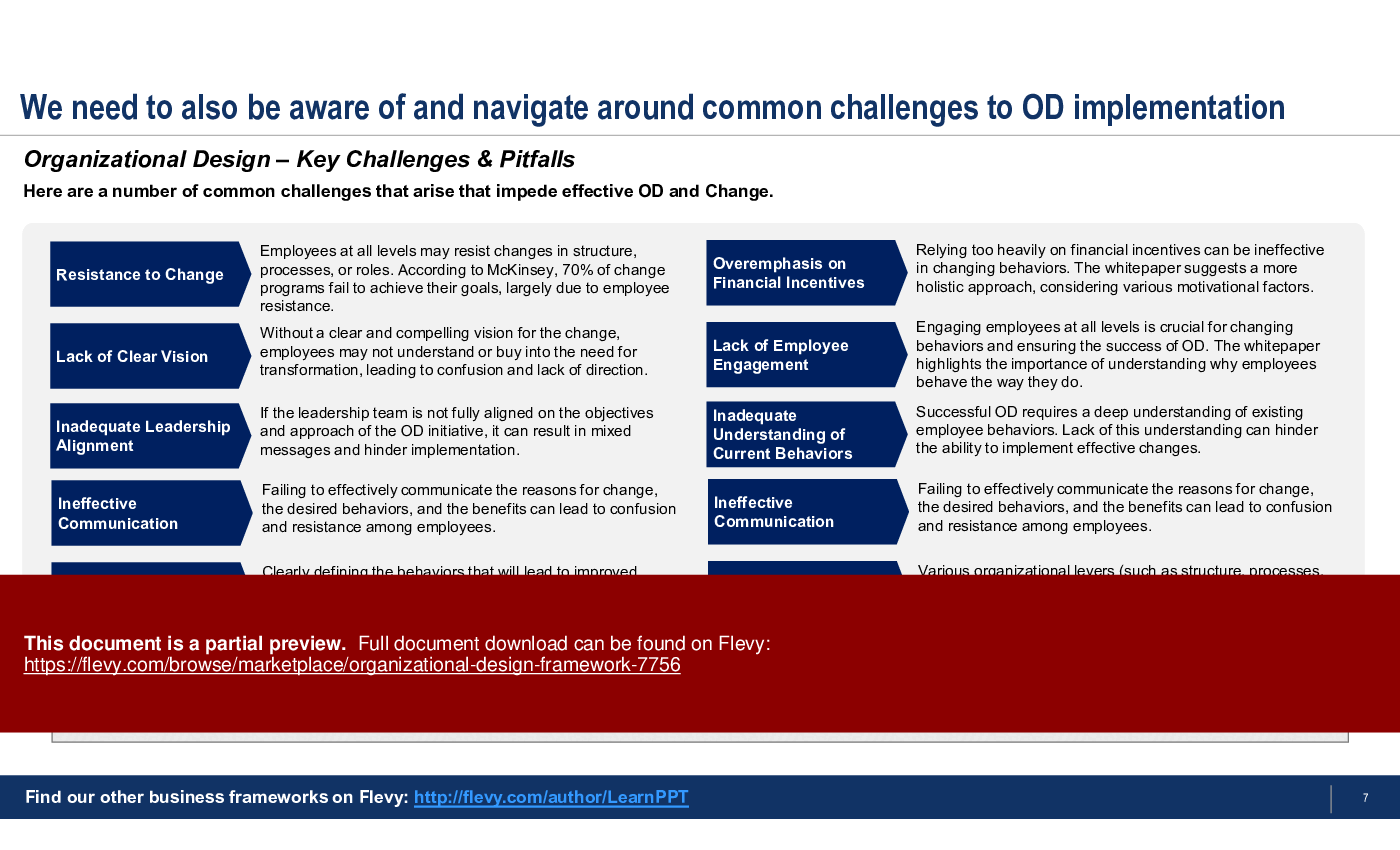
The PPT also delves into the key challenges and pitfalls that organizations often face during OD implementation. It provides actionable insights to navigate these obstacles effectively, ensuring a smoother transition and higher success rates.
Got a question about the product? Email us at support@flevy.com or ask the author directly by using the "Ask the Author a Question" form. If you cannot view the preview above this document description, go here to view the large preview instead.
Executive Summary
The Organizational Design Framework is a consulting-grade presentation developed by former McKinsey, BCG, and Deloitte consultants. This framework offers a structured approach to aligning organizational structures, processes, and systems with strategic objectives, enhancing overall performance. It addresses both structural and behavioral change aspects, providing a comprehensive methodology for organizations aiming to improve agility, employee engagement, and innovation. By utilizing this framework, corporate executives and consultants can effectively assess current states, benchmark against industry standards, and implement targeted changes to achieve desired outcomes.
Who This Is For and When to Use
• C-level executives seeking to realign organizational structures with strategic goals
• HR and organizational development teams responsible for implementing change initiatives
• Change management leaders focused on fostering employee engagement and minimizing resistance
• Business analysts and strategists looking to evaluate and enhance organizational performance
Best-fit moments to use this deck:
• During organizational restructuring or transformation initiatives
• When assessing current organizational capabilities and identifying areas for improvement
• In preparation for strategic planning sessions to align vision and goals
Learning Objectives
• Define the key components of effective Organizational Design and their impact on performance
• Build a comprehensive Current State Assessment (CSA) to identify inefficiencies and opportunities
• Establish a clear vision and actionable goals that align with organizational strategy
• Develop and prototype multiple Organizational Design options for stakeholder feedback
• Implement a robust change management strategy to facilitate behavioral shifts
• Foster a culture of continuous improvement to ensure ongoing alignment with strategic objectives
Table of Contents
• Overview (page 3)
• Organizational Design Approach (page 9)
• Organizational Design Process (page 14)
• Organizational Design Maturity Model (ODMM) (page 43)
• ODMM Attribute Maturity (page 50)
Primary Topics Covered
• Current State Assessment (CSA) - A detailed evaluation of existing organizational structures, processes, and behaviors to identify areas for improvement.
• External Benchmarking & Market Analysis - A comparative analysis of industry standards and best practices to identify gaps and opportunities for innovation.
• Vision & Goal Setting - A collaborative process to establish a forward-looking vision and set strategic goals aligned with organizational objectives.
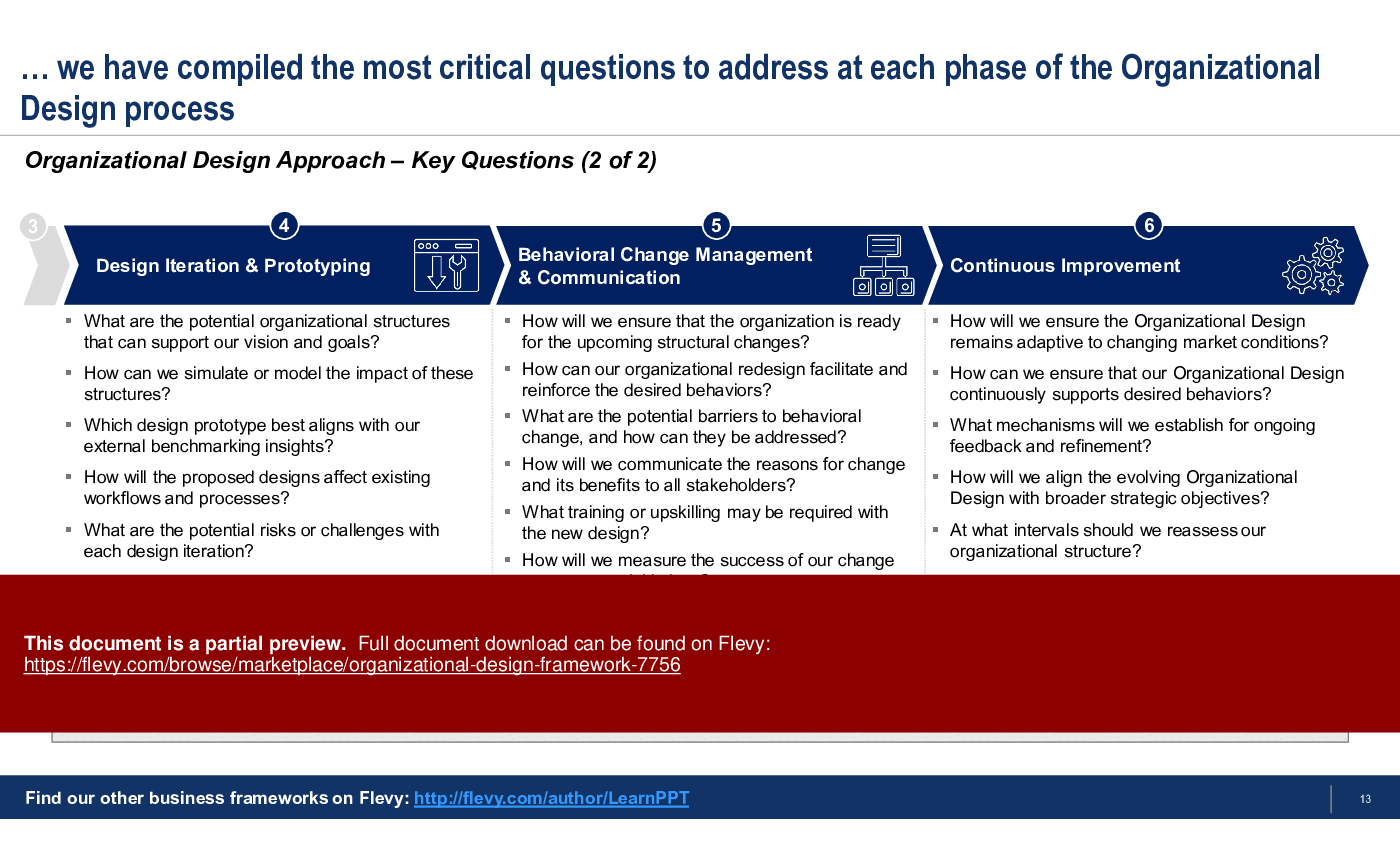
• Design Iteration & Prototyping - The development and testing of multiple organizational design prototypes to refine and select the optimal structure.
• Behavioral Change Management & Communication - Strategies to influence employee behaviors and ensure effective communication throughout the transition.
• Continuous Improvement - A framework for ongoing evaluation and refinement of the organizational design to maintain agility and responsiveness.
Deliverables, Templates, and Tools
• Current State Assessment template for evaluating organizational capabilities
• Benchmarking report template for comparing against industry standards
• Vision and goal-setting workshop agenda to facilitate collaborative discussions
• Design prototype templates for visualizing different organizational structures
• Change management strategy document outlining communication and training plans
• Continuous improvement framework for periodic reviews and adjustments
Slide Highlights
• Overview of the Organizational Design Process, outlining key phases and activities
• Visual representation of the Organizational Design Maturity Model (ODMM)
• Key questions to guide the Current State Assessment and benchmarking efforts
• Examples of behavioral change management strategies and communication plans
• Summary of best practices for continuous improvement in organizational design
Potential Workshop Agenda
Current State Assessment Workshop (90 minutes)
• Review current organizational structures and processes
• Identify inefficiencies and areas for improvement
• Discuss stakeholder insights and feedback
Vision & Goal Setting Session (120 minutes)
• Facilitate collaborative vision workshops with cross-functional teams
• Develop actionable goals aligned with organizational strategy
• Establish feedback loops for continuous refinement
Design Iteration & Prototyping Session (90 minutes)
• Present and discuss multiple organizational design prototypes
• Gather stakeholder feedback and insights for refinement
• Conduct risk assessments for each prototype
Customization Guidance
• Tailor the Current State Assessment to reflect specific organizational structures and processes
• Adjust benchmarking criteria to align with industry-specific standards and practices
• Modify vision and goal statements to resonate with organizational culture and values
• Incorporate feedback mechanisms to ensure continuous alignment with stakeholder expectations
Secondary Topics Covered
• Organizational behavior and its impact on performance
• The role of leadership in driving successful Organizational Design
• Strategies for fostering employee engagement during transitions
• Best practices for leveraging technology in Organizational Design
FAQ
What is the purpose of the Organizational Design Framework?
The framework provides a structured approach to align organizational structures, processes, and systems with strategic objectives, enhancing performance and agility.
How can this framework help in assessing current organizational capabilities?
It includes a Current State Assessment (CSA) that evaluates existing structures and identifies inefficiencies, enabling targeted improvements.
What are the key phases in the Organizational Design Process?
The process includes Current State Assessment, External Benchmarking, Vision & Goal Setting, Design Iteration, Behavioral Change Management, and Continuous Improvement.
How does the framework address behavioral change?
It emphasizes the importance of communication strategies and training programs to facilitate desired behaviors and minimize resistance.
What tools are included in the framework?
The framework includes templates for assessments, benchmarking reports, vision workshops, design prototypes, and change management strategies.
How can organizations ensure continuous improvement?
By establishing a framework for periodic reviews and feedback mechanisms, organizations can adapt their designs to changing market conditions.
What is the Organizational Design Maturity Model (ODMM)?
The ODMM provides a structured lens to evaluate organizational processes and behaviors across 16 pivotal attributes, guiding continuous improvement.
How can this framework be customized for specific organizations?
Organizations can tailor assessments, benchmarking criteria, and vision statements to reflect their unique structures, cultures, and strategic goals.
Glossary
• Organizational Design (OD) - A structured approach to aligning an organization's structure, processes, and systems with strategic objectives.
• Current State Assessment (CSA) - An evaluation of existing organizational capabilities to identify areas for improvement.
• Organizational Design Maturity Model (ODMM) - A framework for assessing organizational maturity across 16 attributes.
• Behavioral Change Management - Strategies to influence employee behaviors and facilitate transitions during organizational change.
• Continuous Improvement - A systematic approach to ongoing evaluation and refinement of organizational design.
• Stakeholder Engagement - Involving key stakeholders in the design process to gather insights and foster buy-in.
• Benchmarking - Comparing organizational performance against industry standards and best practices.
• Vision Workshops - Collaborative sessions to develop a shared organizational vision and strategic direction.
• Design Prototyping - Creating and testing multiple organizational design options to refine and select the optimal structure.
• Feedback Loops - Mechanisms for gathering ongoing feedback to ensure alignment with strategic objectives.
• Employee Engagement - The emotional commitment of employees to their organization and its goals.
• Organizational Culture - The shared values, beliefs, and norms that shape employee behavior and interactions.
Source: Best Practices in Maturity Model, Organizational Design, Current State Assessment PowerPoint Slides: Organizational Design Framework PowerPoint (PPTX) Presentation Slide Deck, LearnPPT Consulting
|
Download our FREE Organization, Change, & Culture, Templates
Download our free compilation of 50+ slides and templates on Organizational Design, Change Management, and Corporate Culture. Methodologies include ADKAR, Burke-Litwin Change Model, McKinsey 7-S, Competing Values Framework, etc. |