
 Click main image to view in full screen. Unlock all 11 preview images:
McKinsey Problem-Solving Toolkit – PowerPoint PPTX Template
PowerPoint (PPTX) 69 Slides


BENEFITS OF THIS DOWNLOADABLE POWERPOINT DOCUMENT
- Establishes the crucial importance of precise problem framing, offering insights into the art of defining challenges and showcasing the profound impact of well-defined problems on effective solutions.
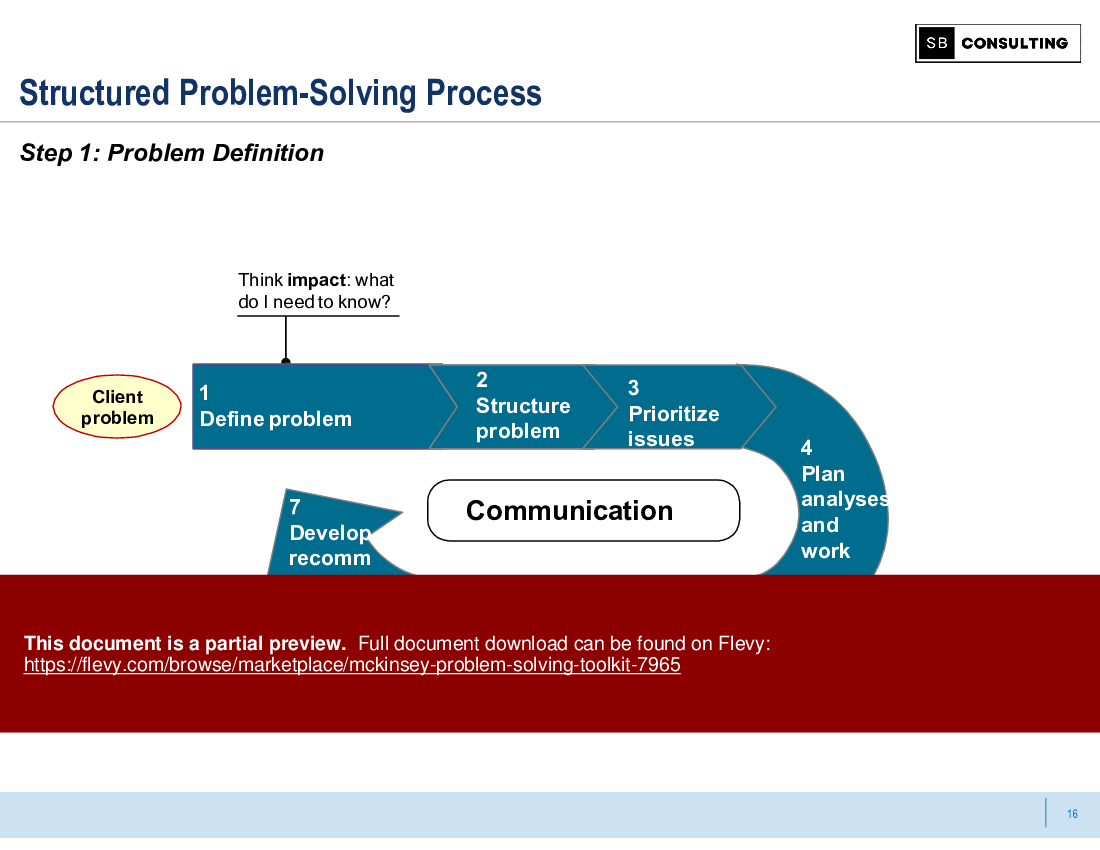
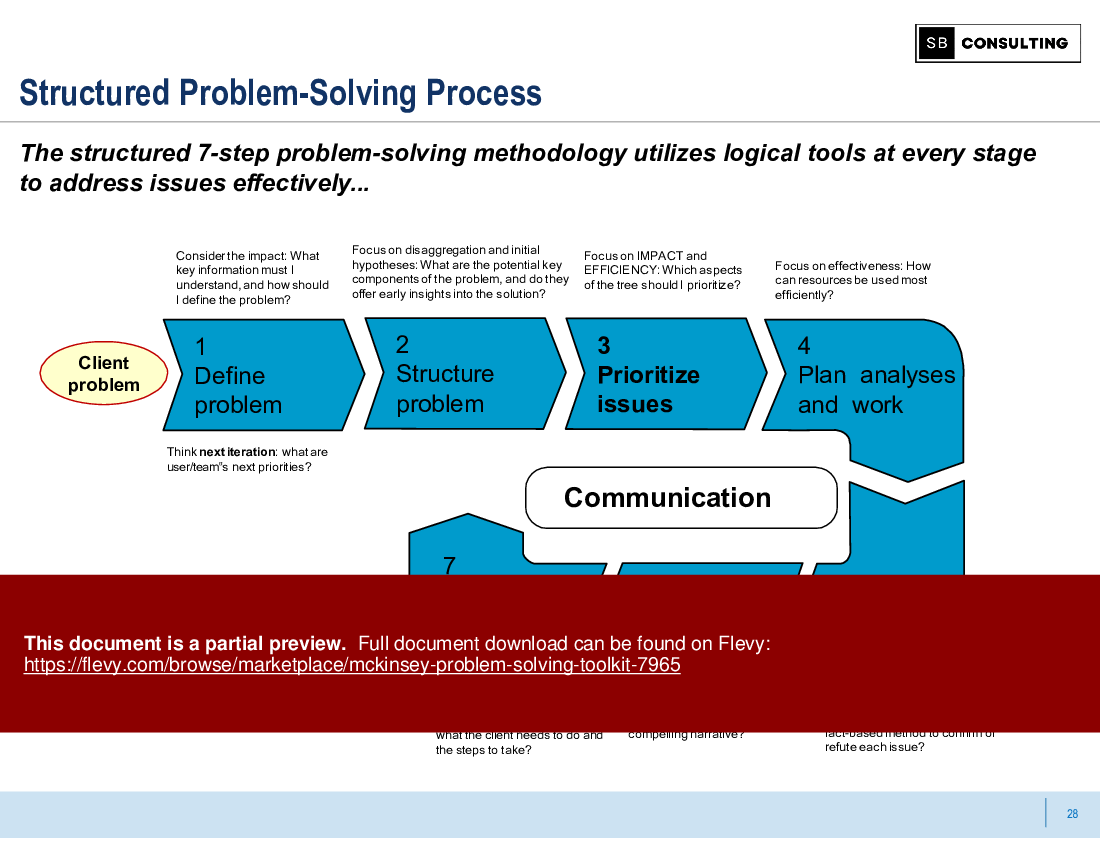
- Guides you through a comprehensive problem-solving journey, from identifying issues to implementing solutions, providing a clear roadmap for success and empowering you with skills to prioritize and structure problems effectively.
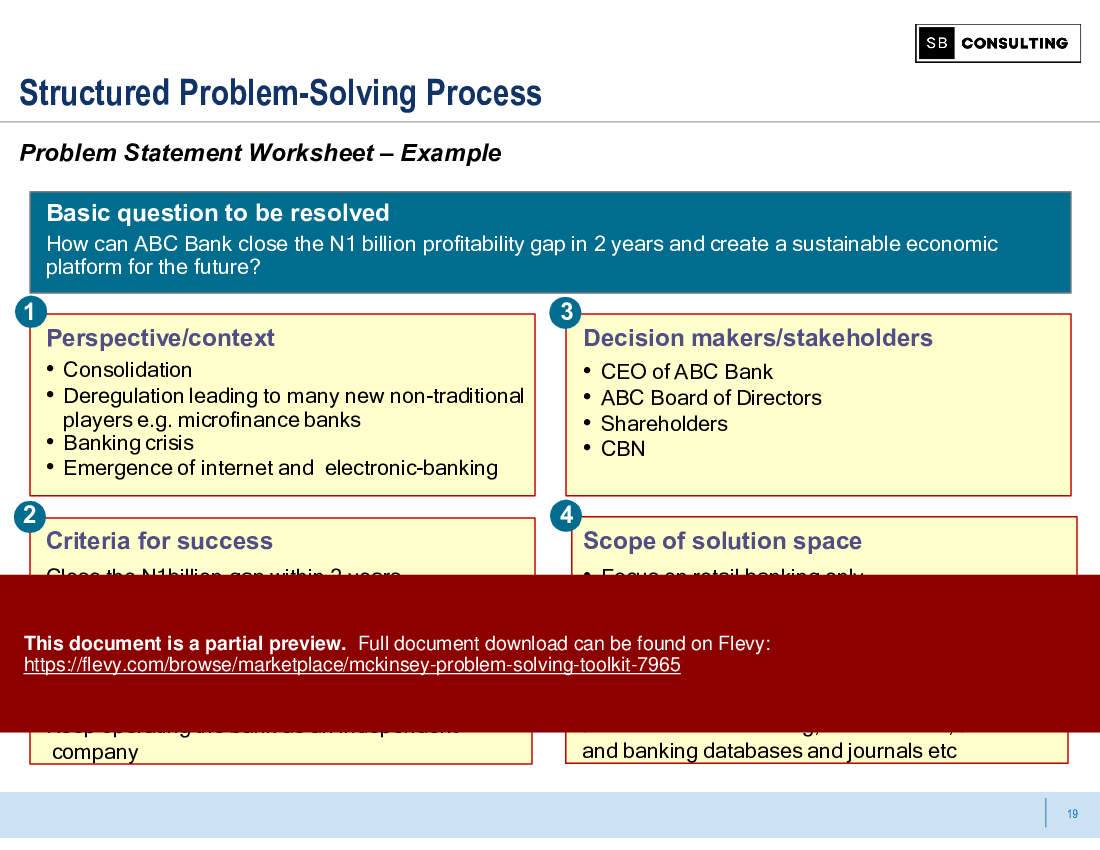
- Unveils the intricacies of each problem-solving step with detailed explanations, real-world examples, and case studies, ensuring not only understanding but mastery of the process, enabling you to apply it confidently in various scenarios.
PROBLEM SOLVING PPT TEMPLATE DESCRIPTION
Curated by McKinsey-trained Executives
The presentation follows the headline-body-bumper slide format used by global consulting firms.
Unlock Your Strategic Potential with the Comprehensive McKinsey Problem-Solving Toolkit: A 70-Slide Powerhouse
Are you tired of grappling with complex business challenges without a systematic approach? Do you want to elevate your problem-solving skills and lead your team towards unparalleled success? Look no further – the McKinsey Problem-Solving Toolkit is your ultimate solution, a 70-slide PowerPoint deck meticulously crafted to empower you with the knowledge and strategies needed to conquer any business problem.
CONTENT OVERVIEW:
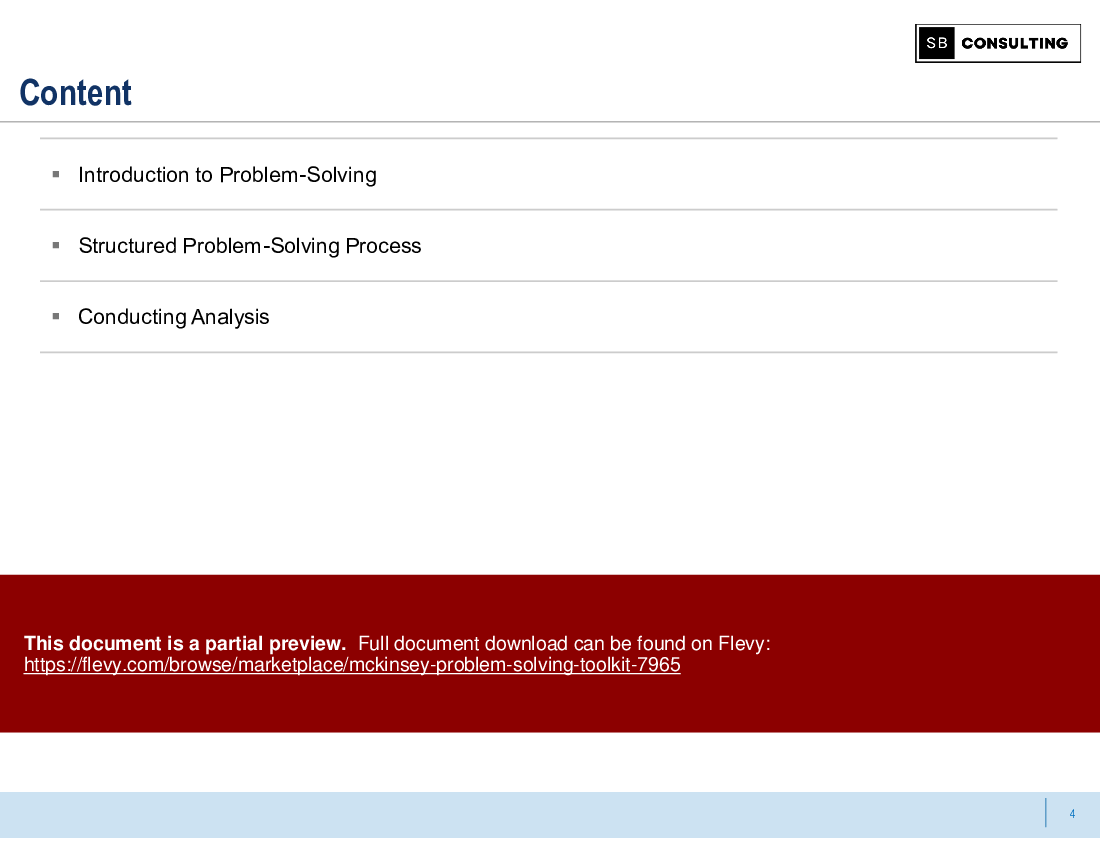
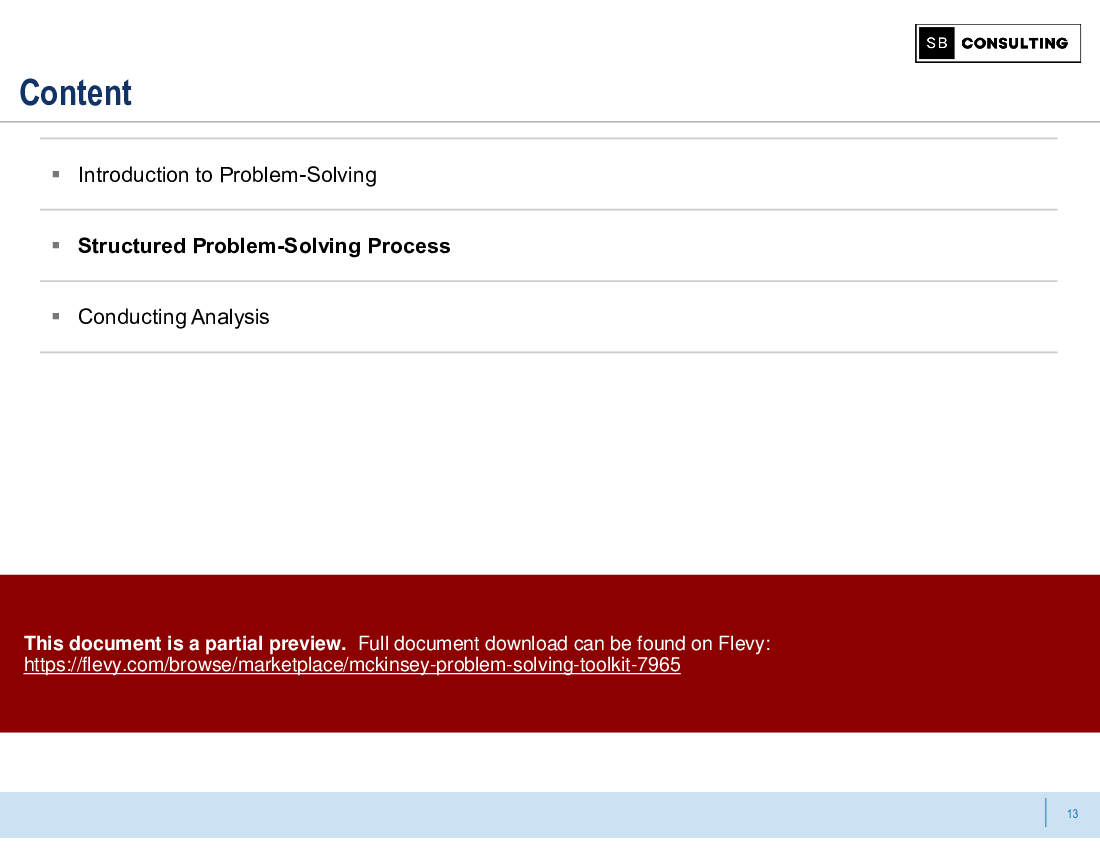
• Introduction to Problem Solving
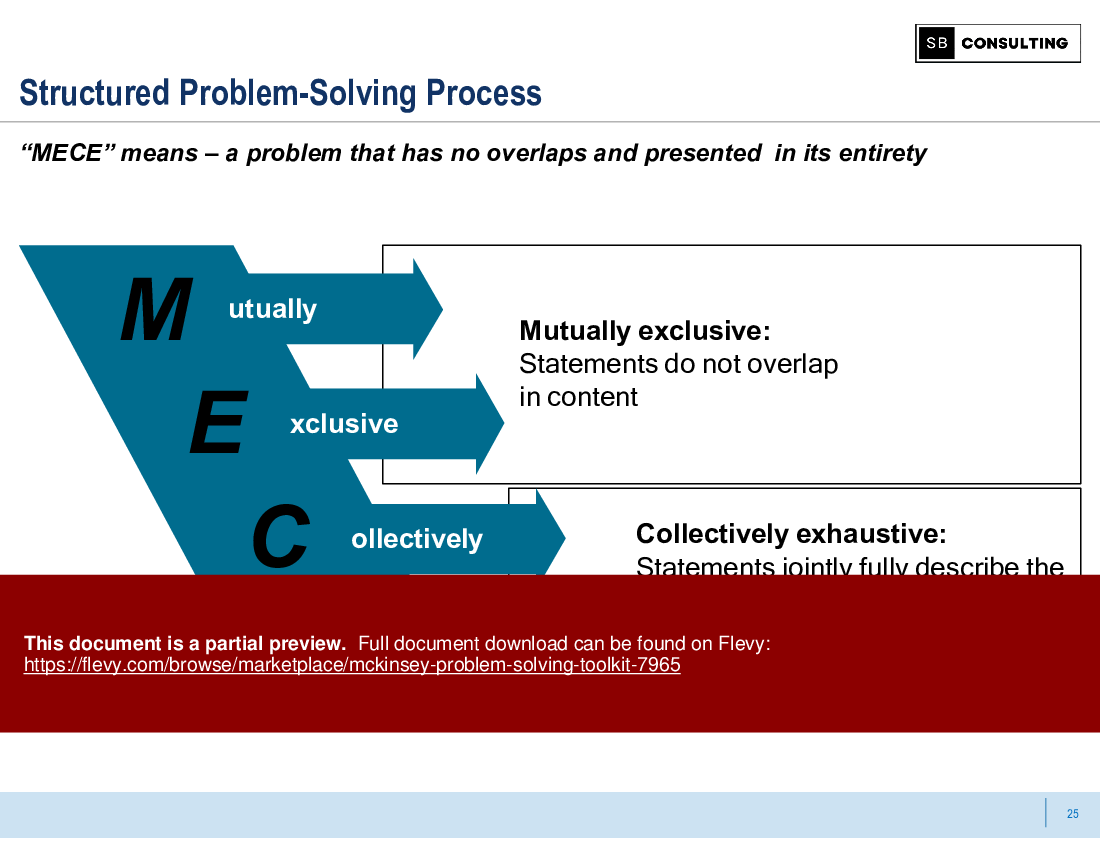
• Structured Problem-Solving Process
• Detailed Explanation of Each Process Step
• Conducting Analysis Strategy
• Financial Statement Analysis
• Maximizing Your Toolkit Experience
LEARNING OBJECTIVES:
Introduction to Problem Solving: Setting the Foundation for Success
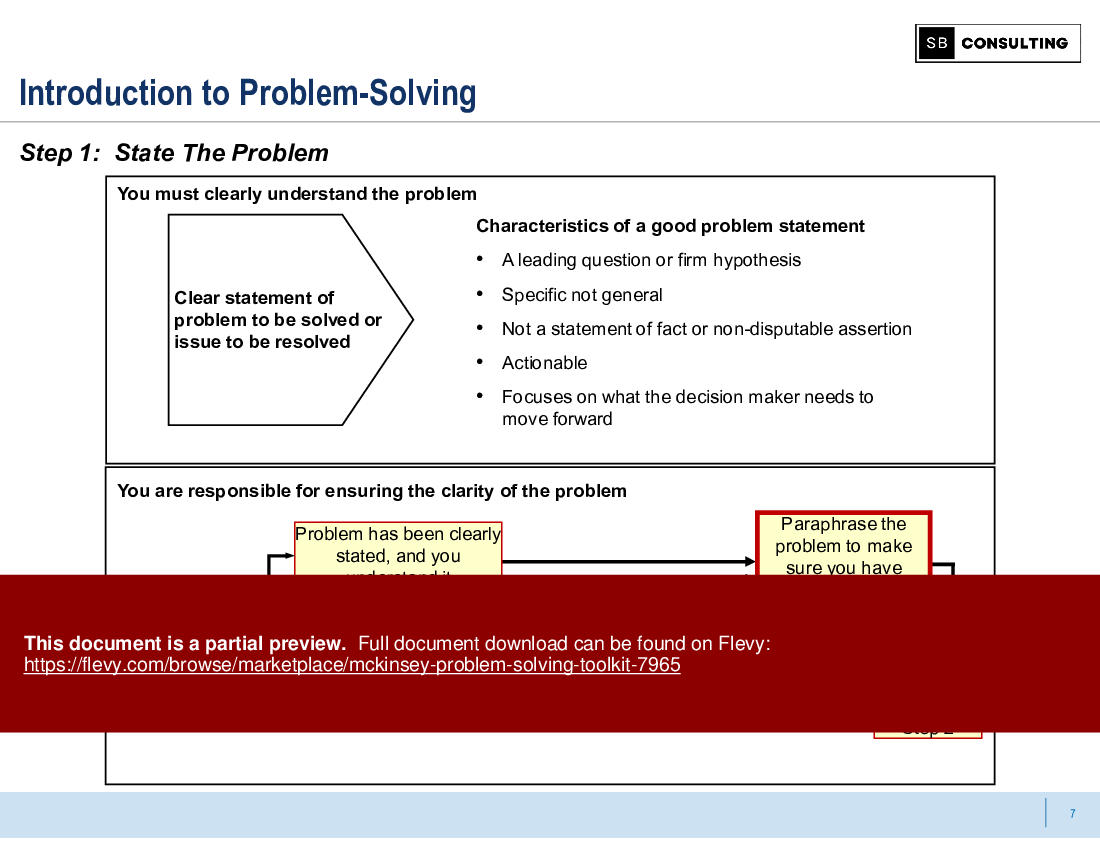
In the initial segment of our toolkit, we delve into the fundamentals of problem-solving, setting the stage for a transformative journey. Here, you will grasp the essence of problem definition, understanding why framing the problem correctly is the key to finding effective solutions. Learning objectives include:
• Understanding the importance of problem framing
• Developing skills to define problems with precision
• Recognizing the impact of problem definition on solution effectiveness
Structured Problem-Solving Process: Your Roadmap to Success
Embark on a structured problem-solving journey with a comprehensive breakdown of each step. From problem identification to solution implementation, this segment equips you with a clear roadmap for conquering challenges. Key learning objectives include:
• Mastering problem identification techniques
• Familiarizing yourself with hypothesis-driven problem-solving
• Understanding the role of data in the decision-making process
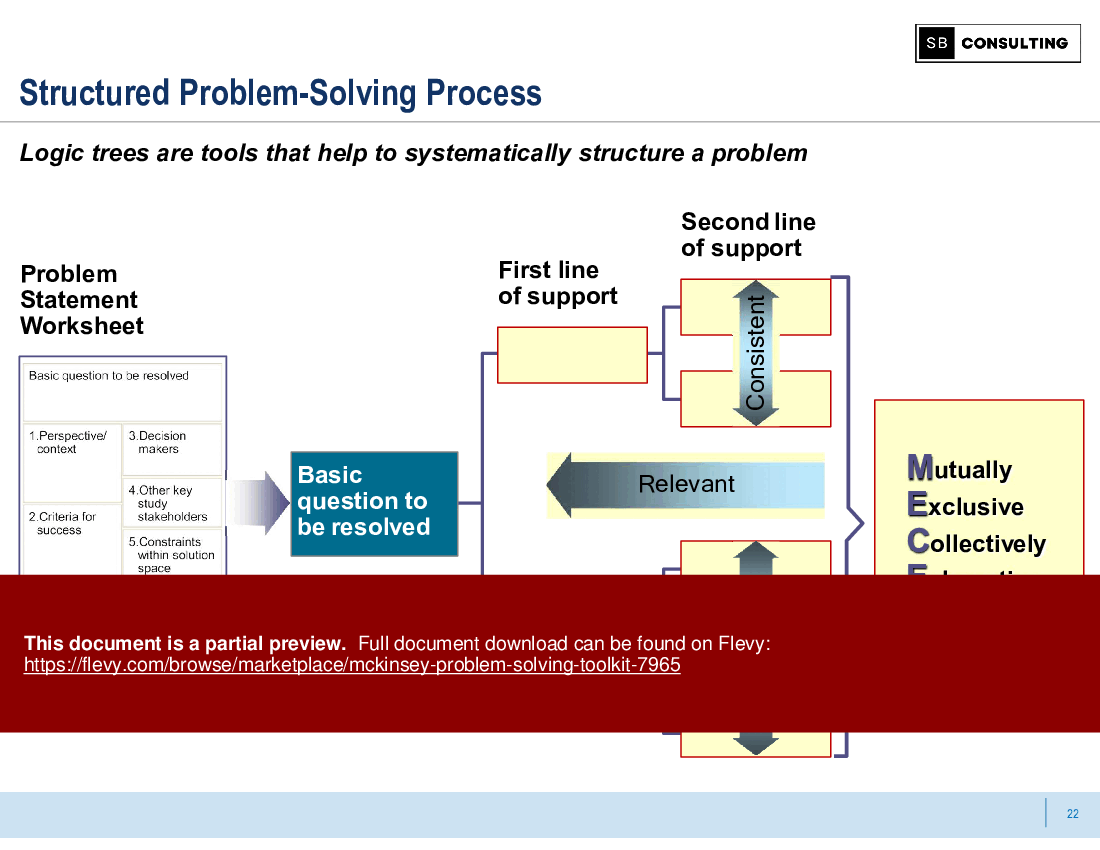
• Developing skills to prioritize and structure problems effectively
Detailed Explanation of Each Process Step: In-Depth Insights for Mastery
Dive deep into the intricacies of each step in the problem-solving process. Our toolkit provides detailed explanations, real-world examples, and case studies to ensure you not only understand each step but can apply it with confidence. Learning objectives encompass:
• Gaining insight into the importance of fact-based analysis
• Developing a keen understanding of how to generate and test hypotheses
• Mastering the art of synthesizing findings for impactful decision-making
Conducting Analysis Strategy: Elevating Your Analytical Prowess
In this segment, we explore advanced analysis strategies essential for resolving complex issues. You'll learn to dissect problems, apply quantitative and qualitative analysis, and extract meaningful insights. Learning objectives include:
• Understanding the role of analysis in problem-solving
• Learning advanced quantitative and qualitative analysis techniques
• Applying scenario planning for effective risk management
Financial Statement Analysis: Navigating the Numbers with Confidence
Demystify financial statements and harness their power to make informed decisions. Whether you're a seasoned financial professional or a newcomer to the world of numbers, this toolkit segment provides a comprehensive guide to financial statement analysis. Learning objectives comprise:
• Mastering the interpretation of financial statements
• Understanding the relationship between financial metrics
• Applying financial analysis to drive strategic decision-making
Maximizing Your Toolkit Experience: Additional Resources and Pro Tips
To ensure your success, we've included valuable resources, pro tips, and best practices to amplify your problem-solving skills. From interactive exercises to exclusive insights from McKinsey experts, this toolkit goes beyond the basics, offering a holistic learning experience.
Unleash Your Problem-Solving Potential Today
Empower yourself and your team with the McKinsey Problem-Solving Toolkit. Embrace a systematic approach, gain confidence in decision-making, and elevate your strategic prowess. Transform challenges into opportunities – the McKinsey way.
Don't miss out on this transformative toolkit – order now and take the first step towards becoming a master problem solver! Your success story begins with McKinsey.
Key Words:
Strategy & Transformation, Growth Strategy, Strategic Planning, Strategy Frameworks, Innovation Management, Pricing Strategy, Core Competencies, Strategy Development, Business Transformation, Marketing Plan Development, Product Strategy, Breakout Strategy, Competitive Advantage, Mission, Vision, Values, Strategy Deployment & Execution, Innovation, Vision Statement, Core Competencies Analysis, Corporate Strategy, Product Launch Strategy, BMI, Blue Ocean Strategy, Breakthrough Strategy, Business Model Innovation, Business Strategy Example, Corporate Transformation, Critical Success Factors, Customer Segmentation, Customer Value Proposition, Distinctive Capabilities, Enterprise Performance Management, KPI, Key Performance Indicators, Market Analysis, Market Entry Example, Market Entry Plan, Market Intelligence, Market Research, Market Segmentation, Market Sizing, Marketing, Michael Porter's Value Chain, Organizational Transformation, Performance Management, Performance Measurement, Platform Strategy, Product Go-to-Market Strategy, Reorganization, Restructuring, SWOT, SWOT Analysis, Service 4.0, Service Strategy, Service Transformation, Strategic Analysis, Strategic Plan Example, Strategy Deployment, Strategy Execution, Strategy Frameworks Compilation, Strategy Methodologies, Strategy Report Example, Value Chain, Value Chain Analysis, Value Innovation, Value Proposition, Vision Statement, Corporate Strategy, Business Development
NOTE:Our digital products are sold on an "as is" basis, making returns and refunds unavailable post-download. Please preview and inquire before purchasing. Please contact us before purchasing if you have any questions! This policy aligns with the standard Flevy Terms of Usage.
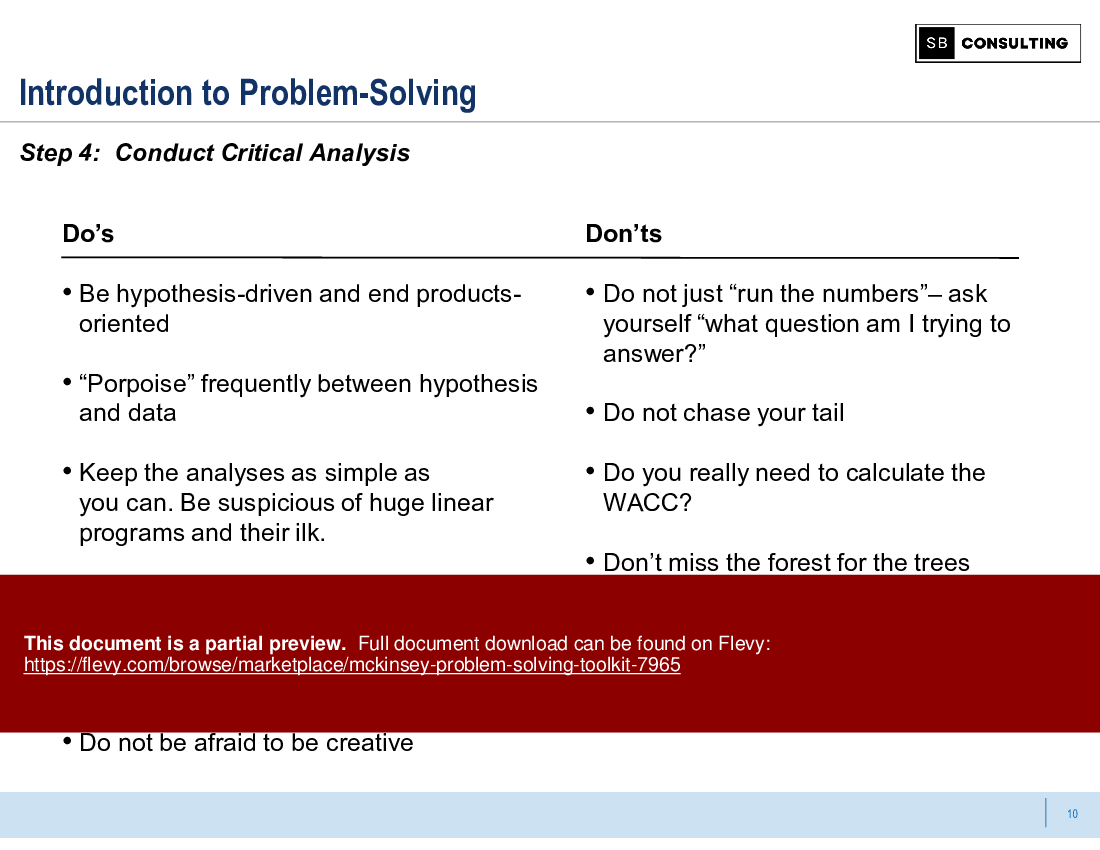
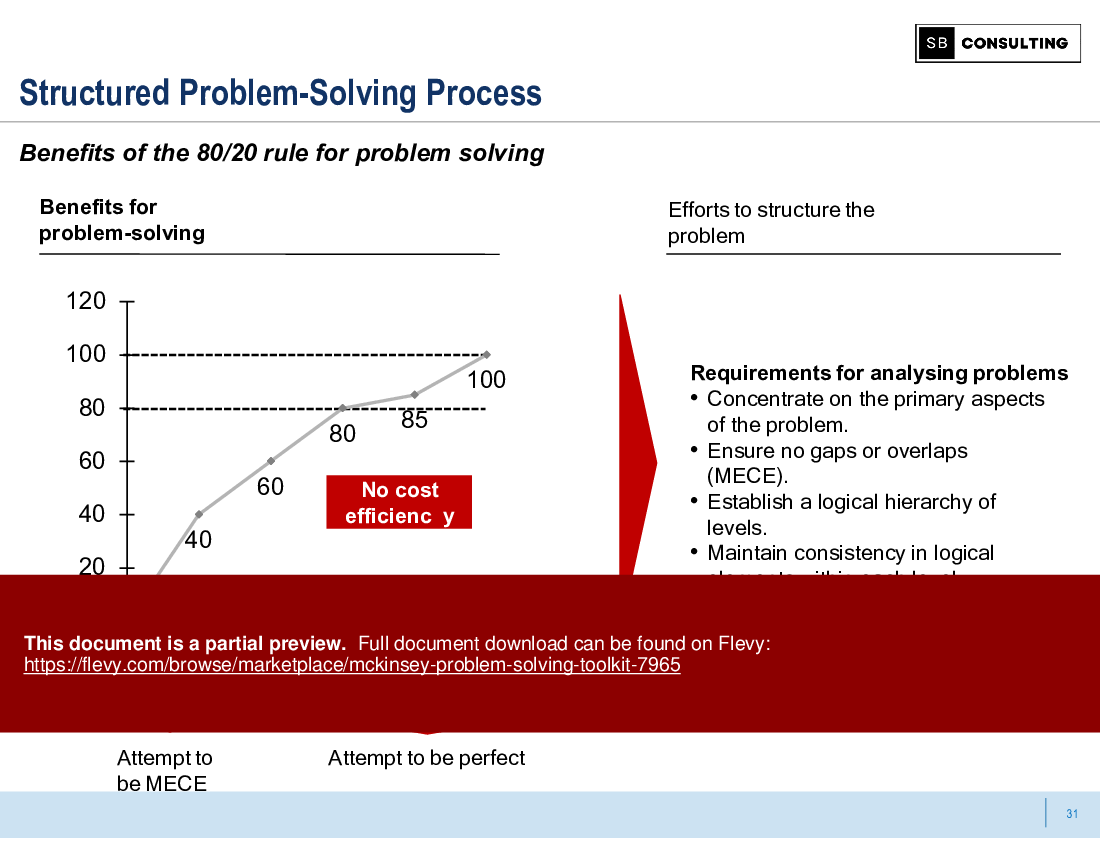
The toolkit emphasizes the importance of hypothesis-driven analysis and provides practical tips for conducting critical analysis. It also includes a detailed work plan template to ensure your projects stay on track and meet their objectives.
Got a question about the product? Email us at support@flevy.com or ask the author directly by using the "Ask the Author a Question" form. If you cannot view the preview above this document description, go here to view the large preview instead.
PRESENTATION DEEP DIVE ANALYSIS
This deep-dive analysis was generated from the full 69-slide PowerPoint presentation.
PROBLEM SOLVING PPT TEMPLATES
Source: Best Practices in Problem Solving PowerPoint Slides: McKinsey Problem-Solving Toolkit PowerPoint (PPTX) Presentation Slide Deck, SB Consulting
ABOUT THE AUTHOR

SB Consulting is dedicated to empowering businesses to communicate their ideas with impact. This consulting firm specializes in teaching organizations how to create effective corporate and management presentations. With training from top-tier global consulting firms, including McKinsey, BCG, and Porsche Consulting, extensive expertise in presentation design and ... [read more]
Ask the Author a Question
You must be logged in to contact the author.




























