
Enhancing Marketing Decisions through Analytics
Marketing analytics has become a critical skill for modern organizations aiming to thrive in competitive markets. This presentation provides a comprehensive exploration of how businesses can use analytics to make informed marketing decisions and drive performance.
Learn About Different Decision Areas in Marketing
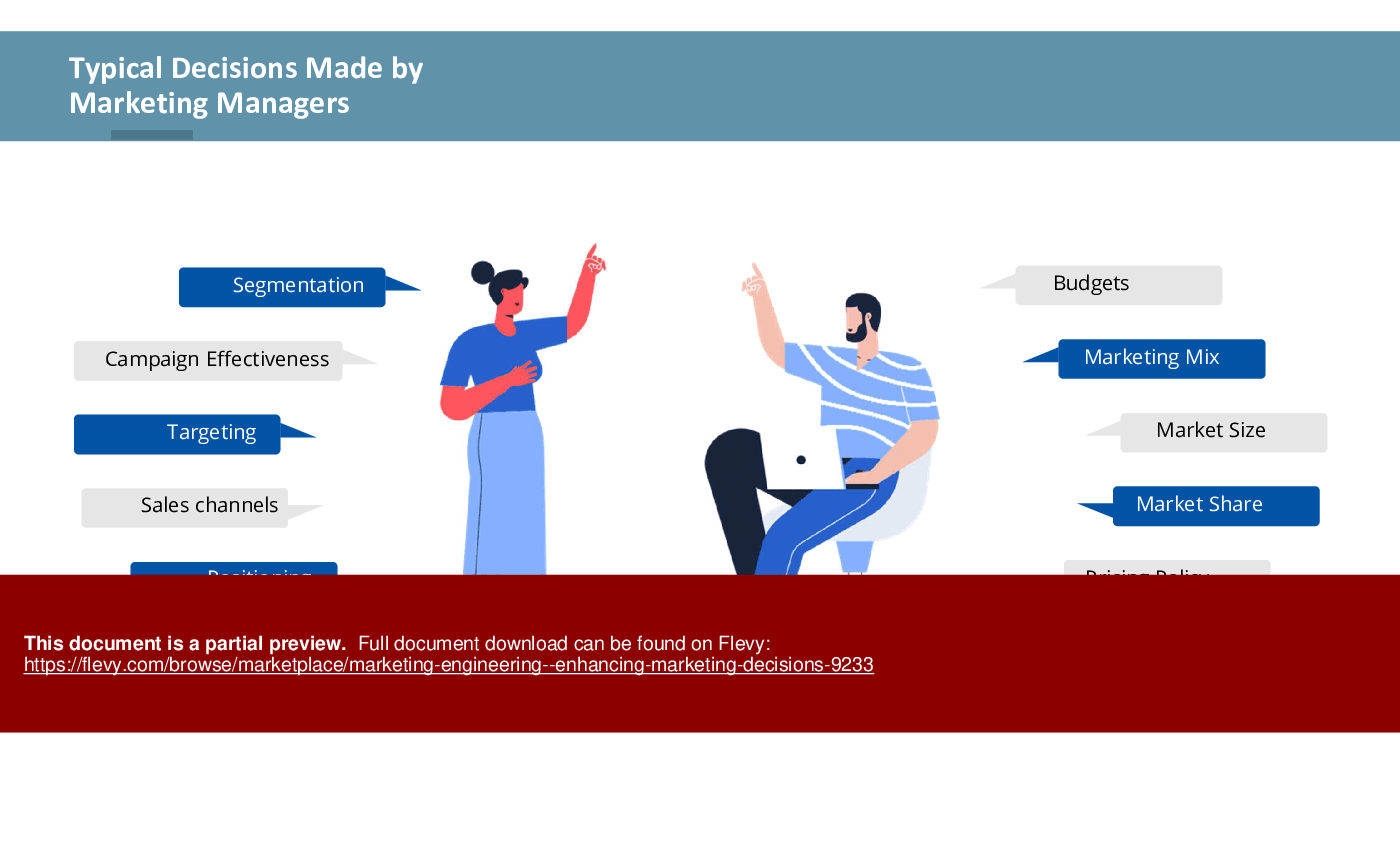
Marketing decisions are diverse and interconnected, impacting customer acquisition, engagement, and retention. Key areas include:
1. Product Decisions: Identifying customer needs and optimizing product offerings.
2. Pricing Strategies: Determining pricing models to maximize profitability.
3. Promotion Channels: Allocating budgets across digital, traditional, and social media platforms.
4. Place (Distribution): Choosing distribution channels that effectively reach target audiences.
Understanding these decision areas helps organizations align their strategies with market demands and business objectives.
Learn Concepts and Analytical Frameworks Used in Marketing
Effective marketing relies on robust frameworks like the 4Ps (Product, Price, Place, Promotion), STP (Segmentation, Targeting, Positioning), and the Marketing Mix Model. These frameworks guide decision-making by structuring complex information into actionable insights, enabling marketers to develop strategies that resonate with target audiences.
Learn Specific Analytical Tools and Their Value for Improving Marketing Decisions
Analytical tools such as Google Analytics, CRM dashboards, and predictive modeling software empower businesses to gain insights into customer behavior, campaign performance, and market trends. For instance:
• A/B Testing: Optimizes advertising effectiveness.
• Sentiment Analysis: Captures consumer perceptions and adjusts brand messaging.
• Customer Lifetime Value Analysis: Helps allocate resources to high-value customers.
Learn to Interpret Analytical Results and Link Them to Business Performance
Interpreting analytics requires understanding the implications of metrics such as conversion rates, customer churn, and ROI. For example, a drop in website traffic might signal a need for improved SEO strategies, while an increase in average transaction size reflects the success of upselling techniques. Linking these results to business performance ensures marketing efforts align with organizational goals.
Learn How to Address Organizational Issues in Implementing Analytical Results
Successful implementation of analytical insights often encounters challenges like resistance to change or data silos. Solutions include fostering a data-driven culture, training teams in analytics, and investing in integrated marketing technologies. Collaboration across departments ensures smooth execution and maximizes the value of insights.
Become a Better Consumer of Marketing Analytics
Marketers need to critically evaluate analytics, asking the right questions and distinguishing meaningful data from noise. This enhances strategic decision-making, fostering long-term success in an ever-evolving marketing landscape.
By mastering these areas, professionals can leverage analytics to transform marketing efforts into measurable business growth.
Got a question about the product? Email us at support@flevy.com or ask the author directly by using the "Ask the Author a Question" form. If you cannot view the preview above this document description, go here to view the large preview instead.
Executive Summary
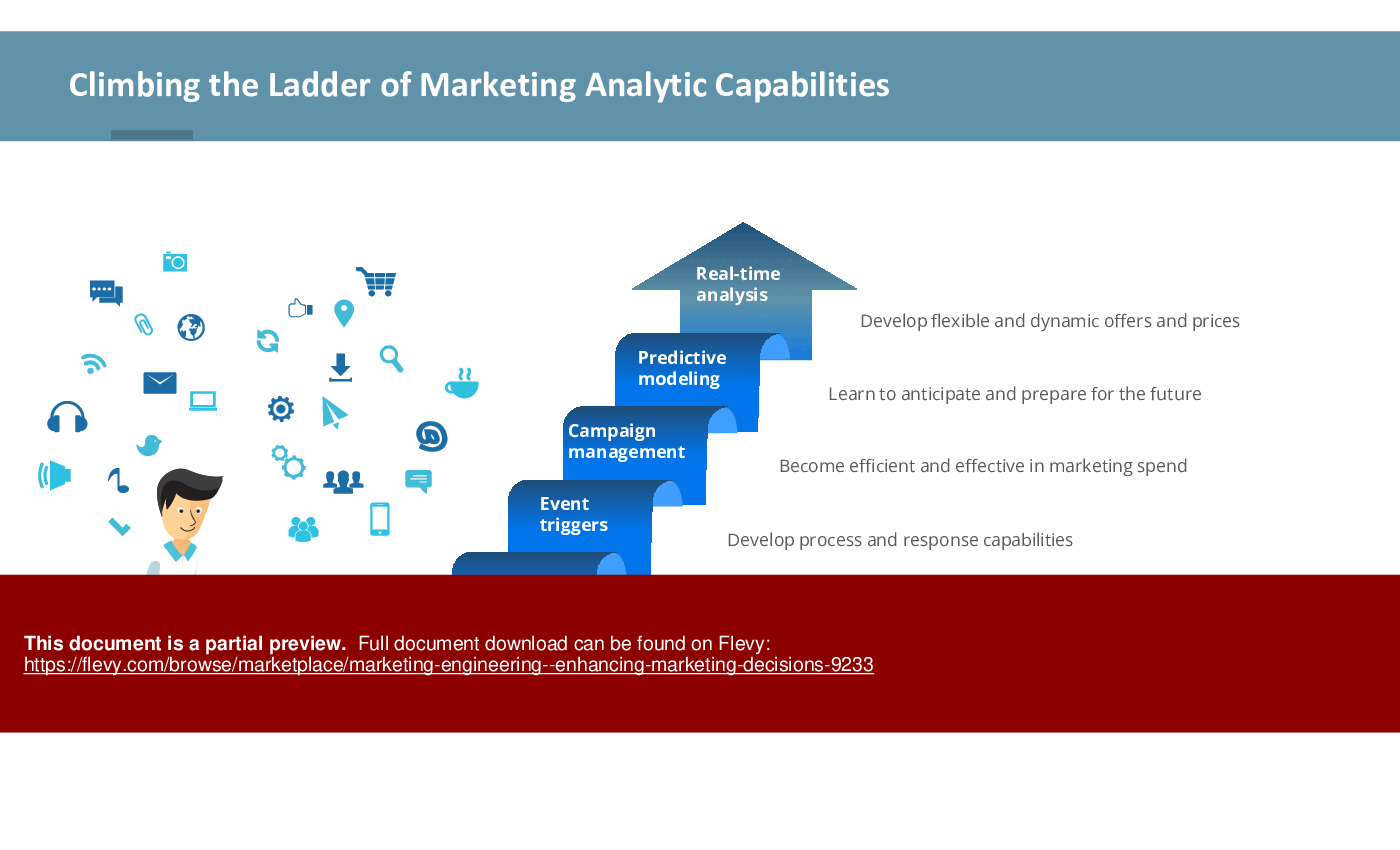
The Marketing Engineering presentation focuses on enhancing marketing decisions through analytics, providing a structured approach to data-driven decision-making. It equips marketing professionals with essential frameworks, such as ROI, break-even analysis, and market response models, to optimize marketing strategies. By integrating analytical tools and methodologies, this presentation aims to transform how marketing managers interpret data and implement effective marketing tactics.
Who This Is For and When to Use
• Marketing Managers seeking to improve decision-making processes
• Data Analysts focused on marketing analytics and performance metrics
• Executives aiming to enhance ROI from marketing investments
• Consultants advising on marketing strategy and analytics implementation
Best-fit moments to use this deck:
• During strategic planning sessions to align marketing goals with analytical insights
• When evaluating the effectiveness of marketing campaigns and resource allocation
• In workshops aimed at developing data-driven marketing strategies
Learning Objectives
• Define key marketing analytics concepts and frameworks
• Build models for market response and resource allocation
• Establish effective methods for interpreting analytical results
• Learn to compute ROI and break-even analysis for marketing initiatives
• Develop skills to address organizational challenges in implementing analytics
• Become proficient in using analytical tools to enhance marketing decisions
Table of Contents
• Introduction (page 1)
• Economic Concepts (page 2)
• Fact & Data Based Decision Making (page 3)
• Models (page 4)
• Break-Even Analysis (page 5)
• Marketing Mix and Resource Allocation (page 6)
• Opportunity Costs of Decisions (page 7)
• Marketing Analytics Tools (page 8)
Primary Topics Covered
• Marketing Analytics - The use of data and analytical tools to drive marketing decisions and improve performance.
• Break-Even Analysis - A method to determine the sales volume at which total revenues equal total costs, providing insights into profitability.
• Return on Investment (ROI) - A metric used to evaluate the efficiency of marketing investments, helping prioritize budget allocations.
• Market Response Models - Frameworks that analyze how marketing inputs affect outputs like sales and market share.
• Opportunity Costs - The potential benefits lost when choosing one marketing strategy over another, emphasizing the importance of informed decision-making.
• Resource Allocation - Strategies for effectively distributing marketing resources to maximize impact and efficiency.
Deliverables, Templates, and Tools
• Market response model templates for analyzing marketing effectiveness
• Break-even analysis worksheets for calculating profitability thresholds
• ROI calculation tools to assess marketing campaign performance
• Organizational charts for visualizing marketing roles and responsibilities
• Excel templates for data analysis and scenario modeling
• Guidelines for implementing marketing analytics software
Slide Highlights
• Overview of marketing analytics and its importance in decision-making
• Visual representation of break-even analysis with profit and cost curves
• Case studies illustrating successful application of marketing models
• Charts demonstrating the impact of marketing investments on ROI
• Interactive exercises for developing organizational charts and resource planning
Potential Workshop Agenda
Introduction to Marketing Engineering (60 minutes)
• Overview of marketing analytics concepts
• Discussion on the importance of data-driven decision-making
Hands-On Break-Even Analysis (90 minutes)
• Interactive session on calculating break-even points
• Group exercise on interpreting results and implications
Market Response Modeling (90 minutes)
• Workshop on building and applying market response models
• Case studies to illustrate practical applications
Customization Guidance
• Tailor the ROI and break-even analysis examples to reflect your organization's specific metrics and goals
• Adjust the marketing mix frameworks to align with your current strategies and market conditions
• Incorporate company-specific case studies to enhance relevance and engagement
Secondary Topics Covered
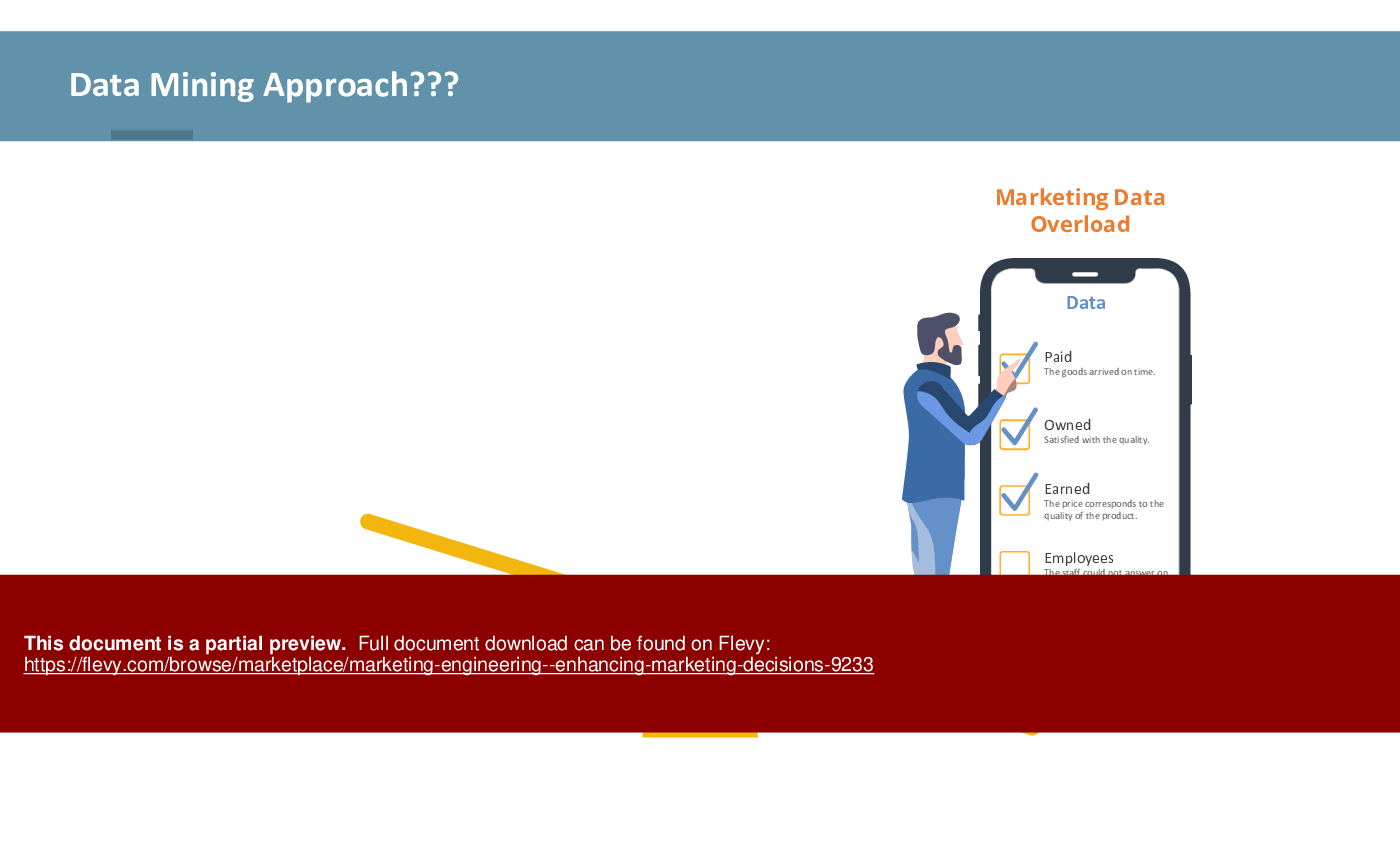
• Data mining approaches for marketing analytics
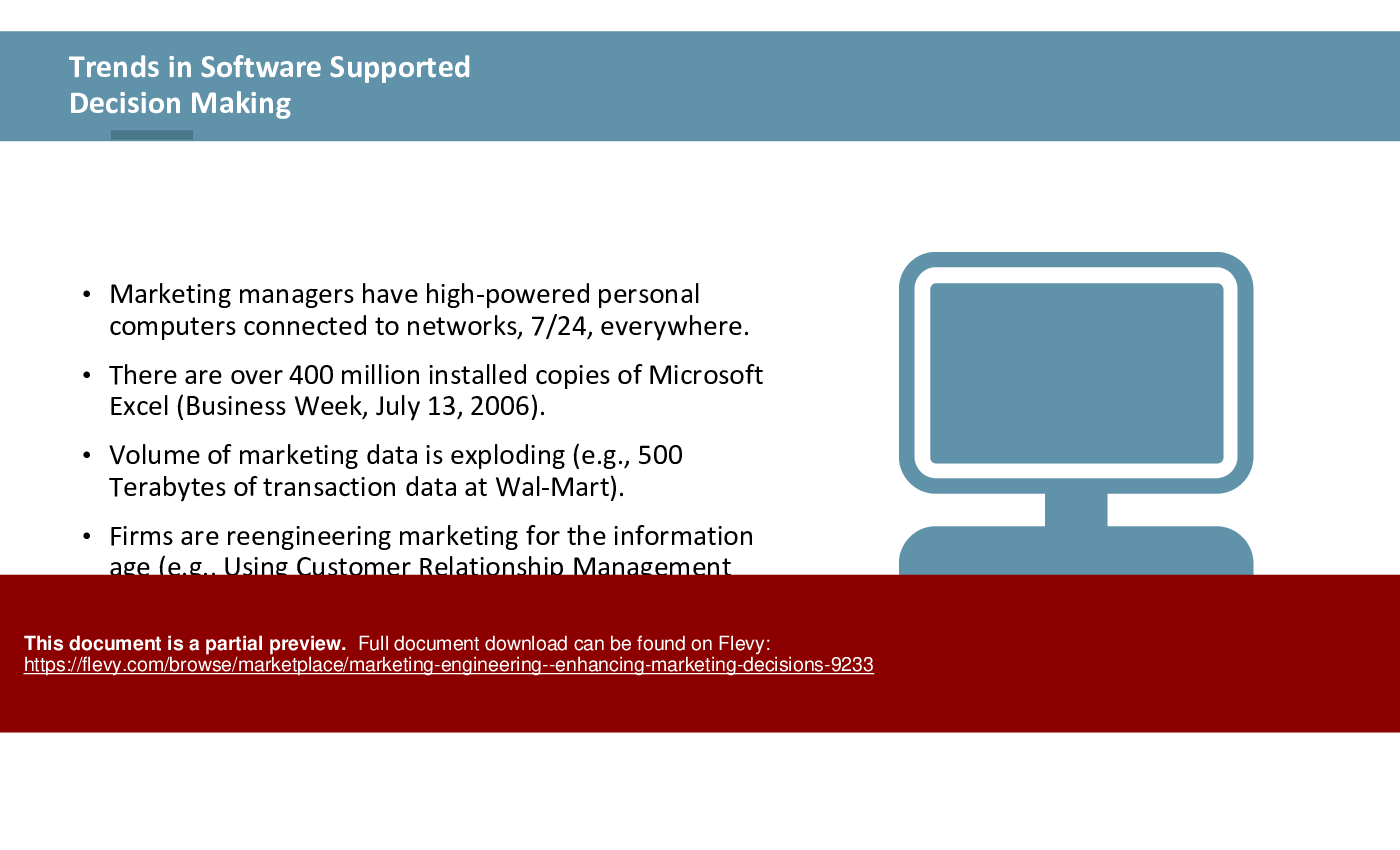
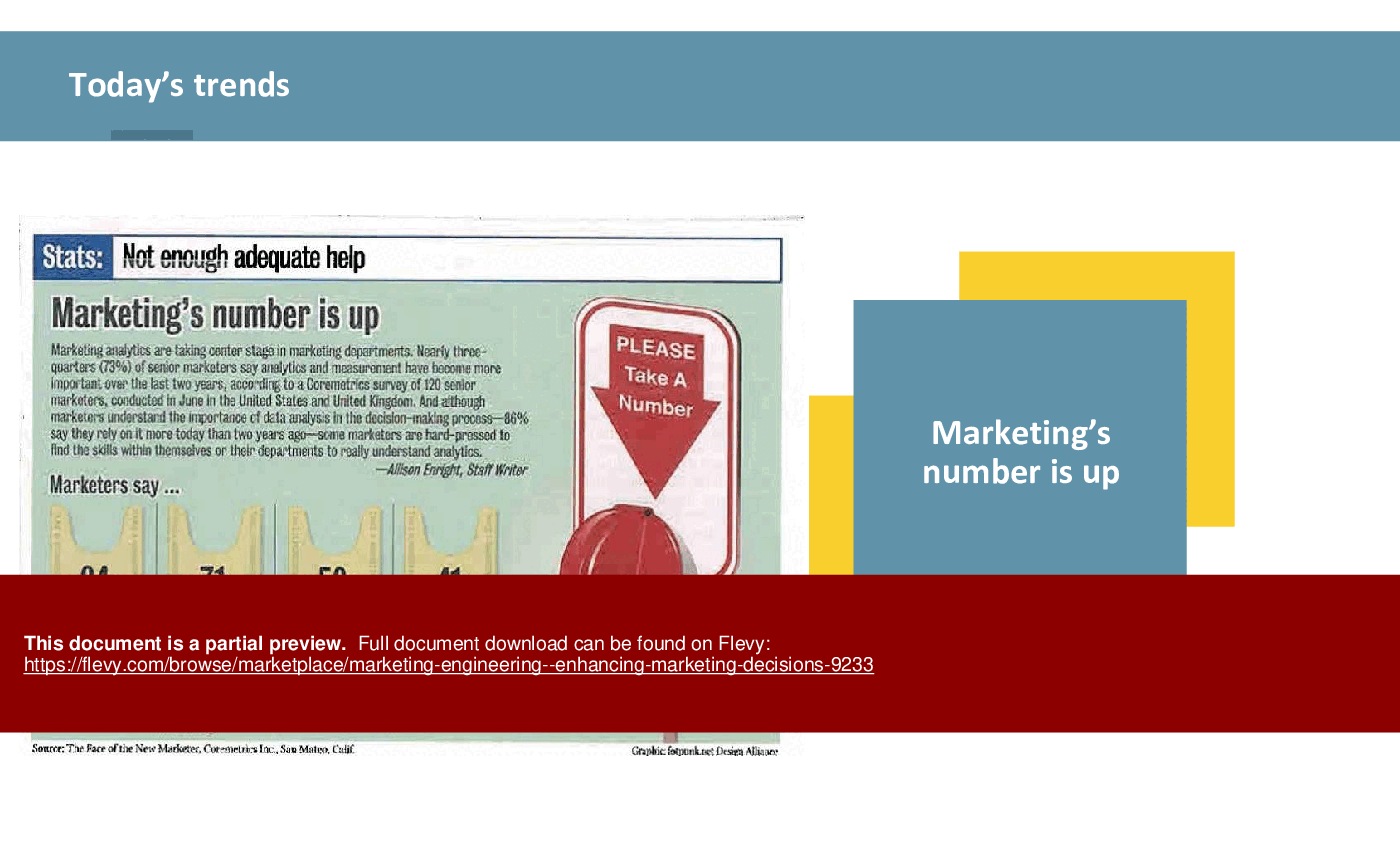
• Trends in software-supported decision-making
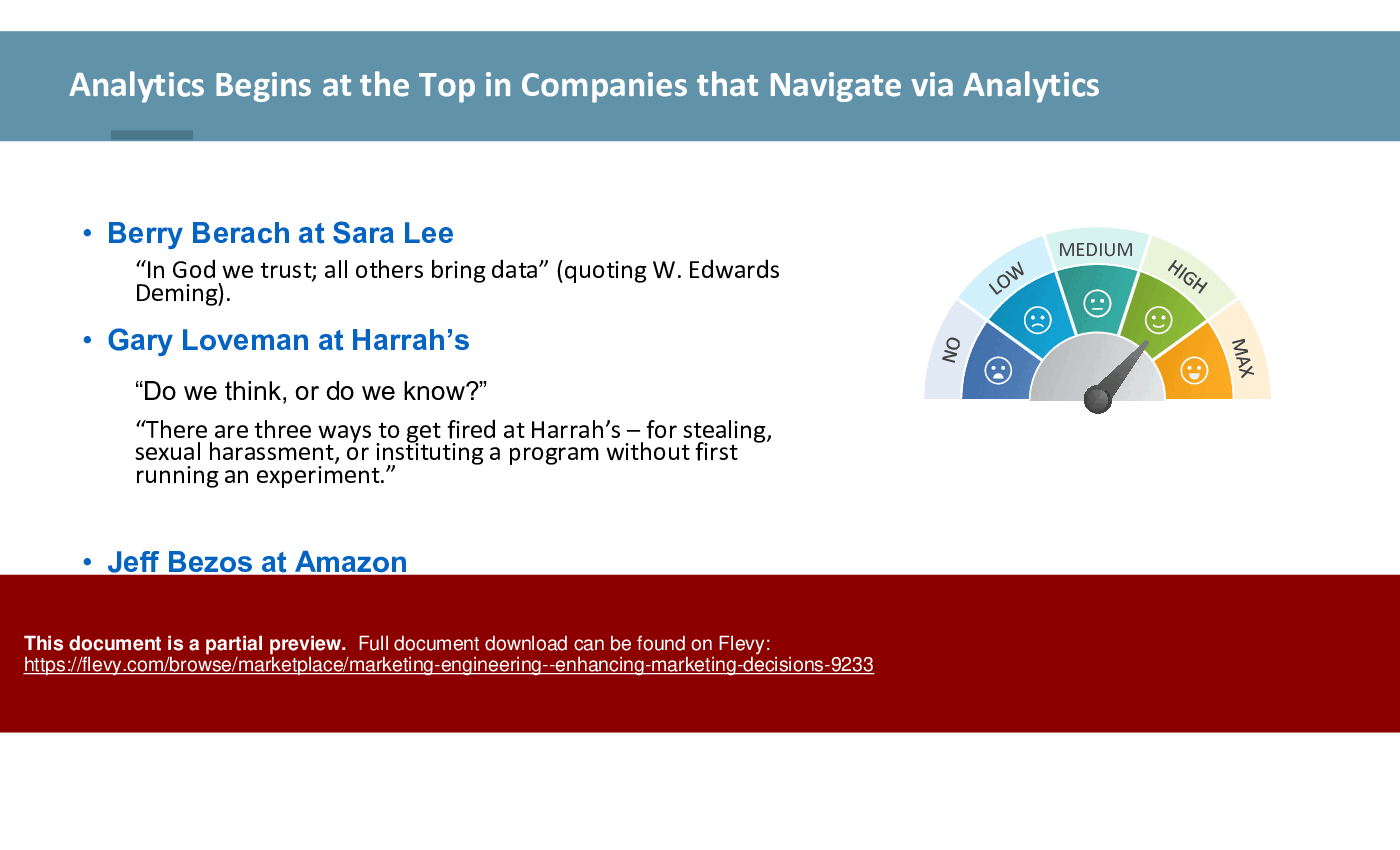
• The role of intuition and judgment in marketing decisions
• Challenges in implementing analytical results within organizations
Topic FAQ
Source: Best Practices in Marketing Plan Development PowerPoint Slides: Marketing Engineering - Enhancing Marketing Decisions PowerPoint (PPTX) Presentation Slide Deck, RadVector Consulting
|
Download our FREE Strategy & Transformation Framework Templates
Download our free compilation of 50+ Strategy & Transformation slides and templates. Frameworks include McKinsey 7-S, Balanced Scorecard, Disruptive Innovation, BCG Curve, and many more. |










