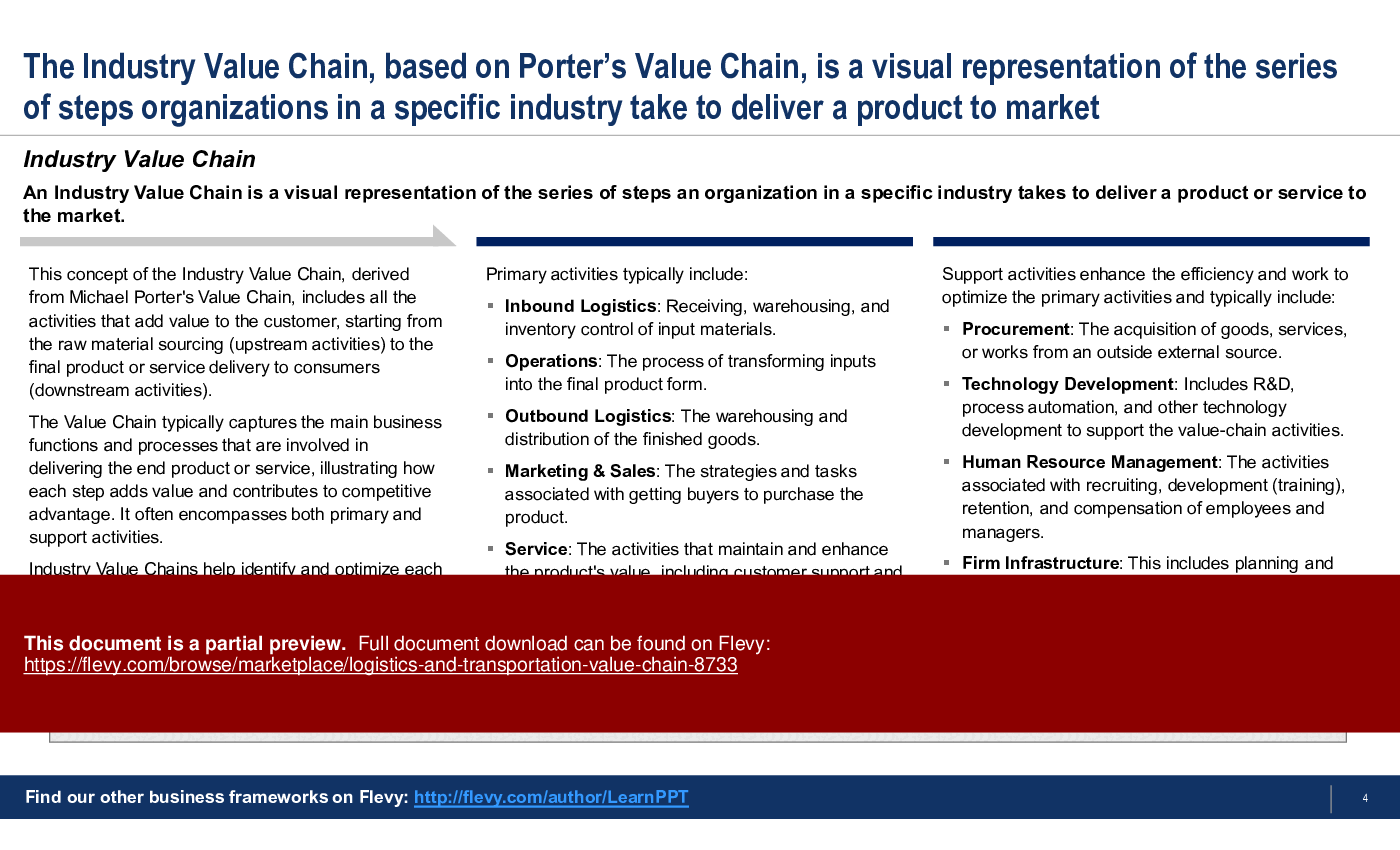
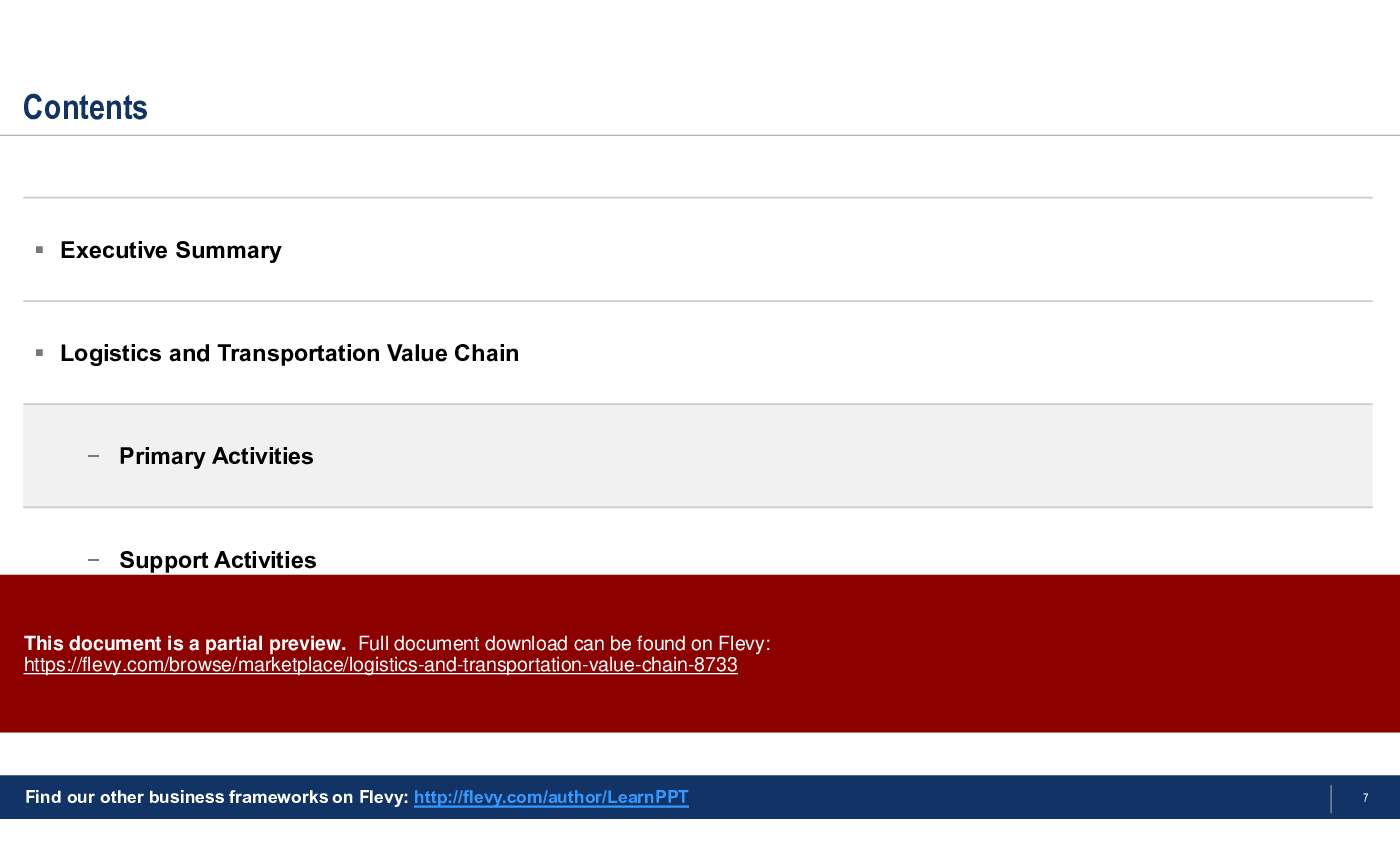

An Industry Value Chain is a visual representation of the series of steps an organization in a specific industry takes to deliver a product or service to the market. It captures the main business functions and processes that are involved in delivering the end product or service, illustrating how each step adds value and contributes to a Competitive Advantage. It often encompasses both primary and support activities.
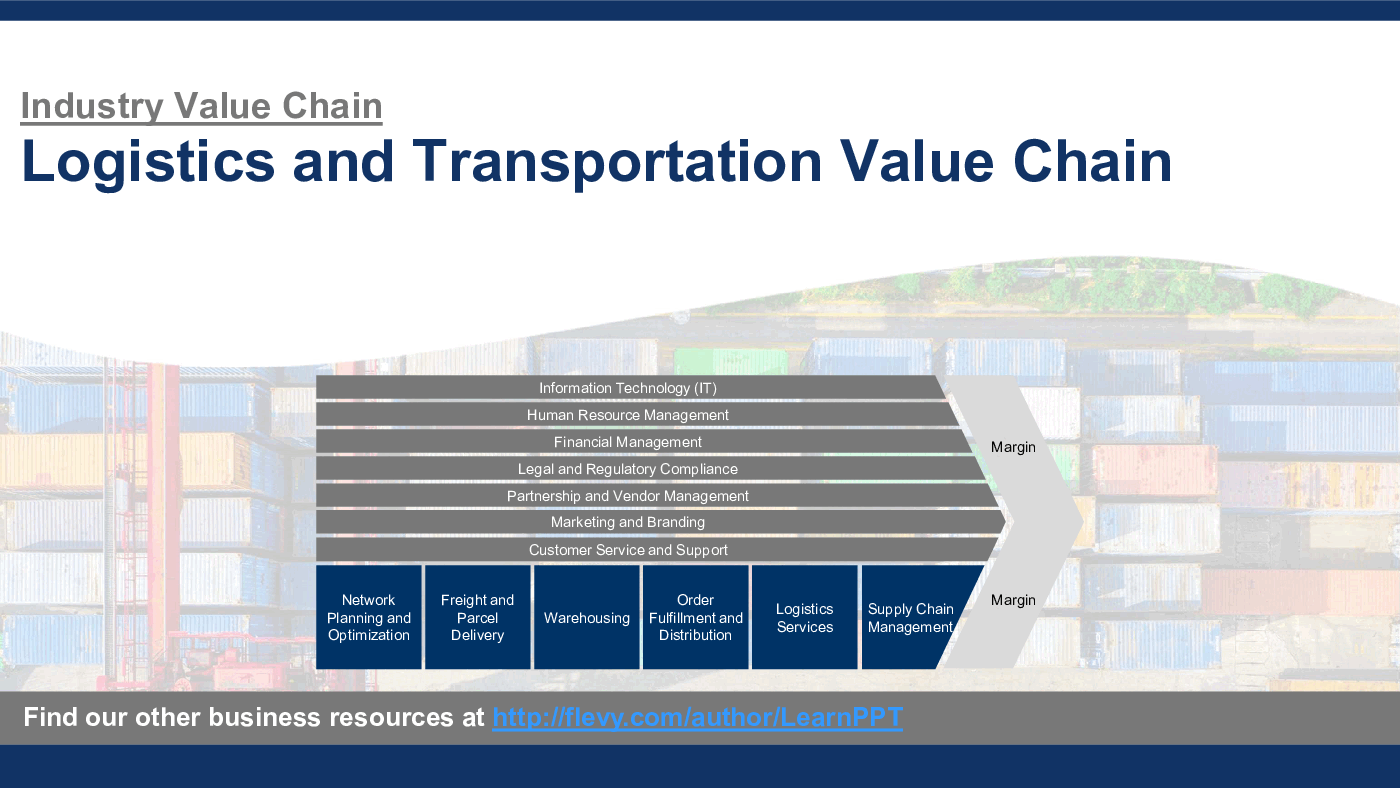
This PowerPoint presentation captures the Logistics and Transportation Industry Value Chain, which includes the following primary and support activities for Logistics and Transportation:
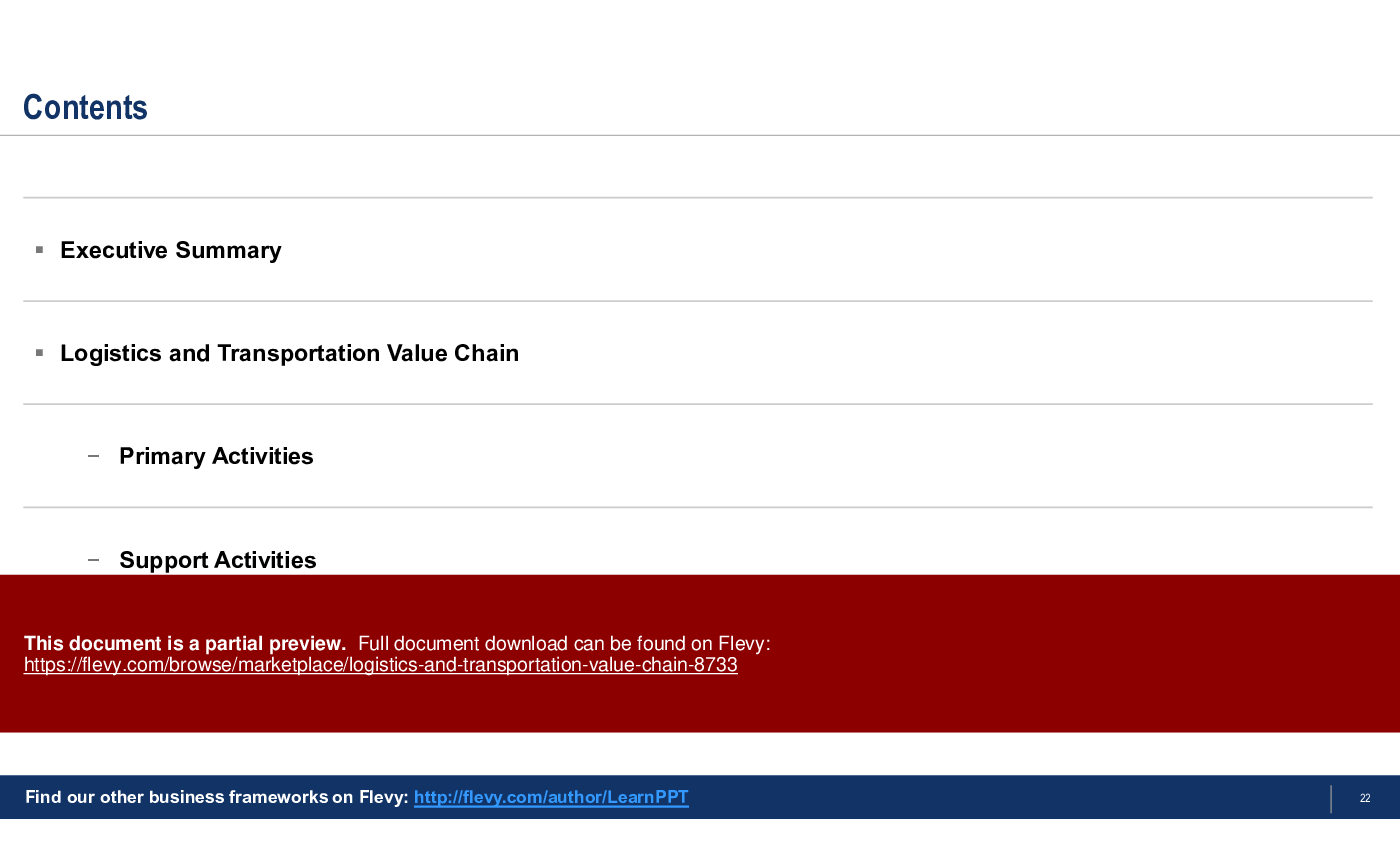
Primary Activities
1. Network Planning and Optimization
2. Freight and Parcel Delivery
3. Warehousing
4. Order Fulfillment and Distribution
5. Logistics Services
6. Supply Chain Management
Support Activities
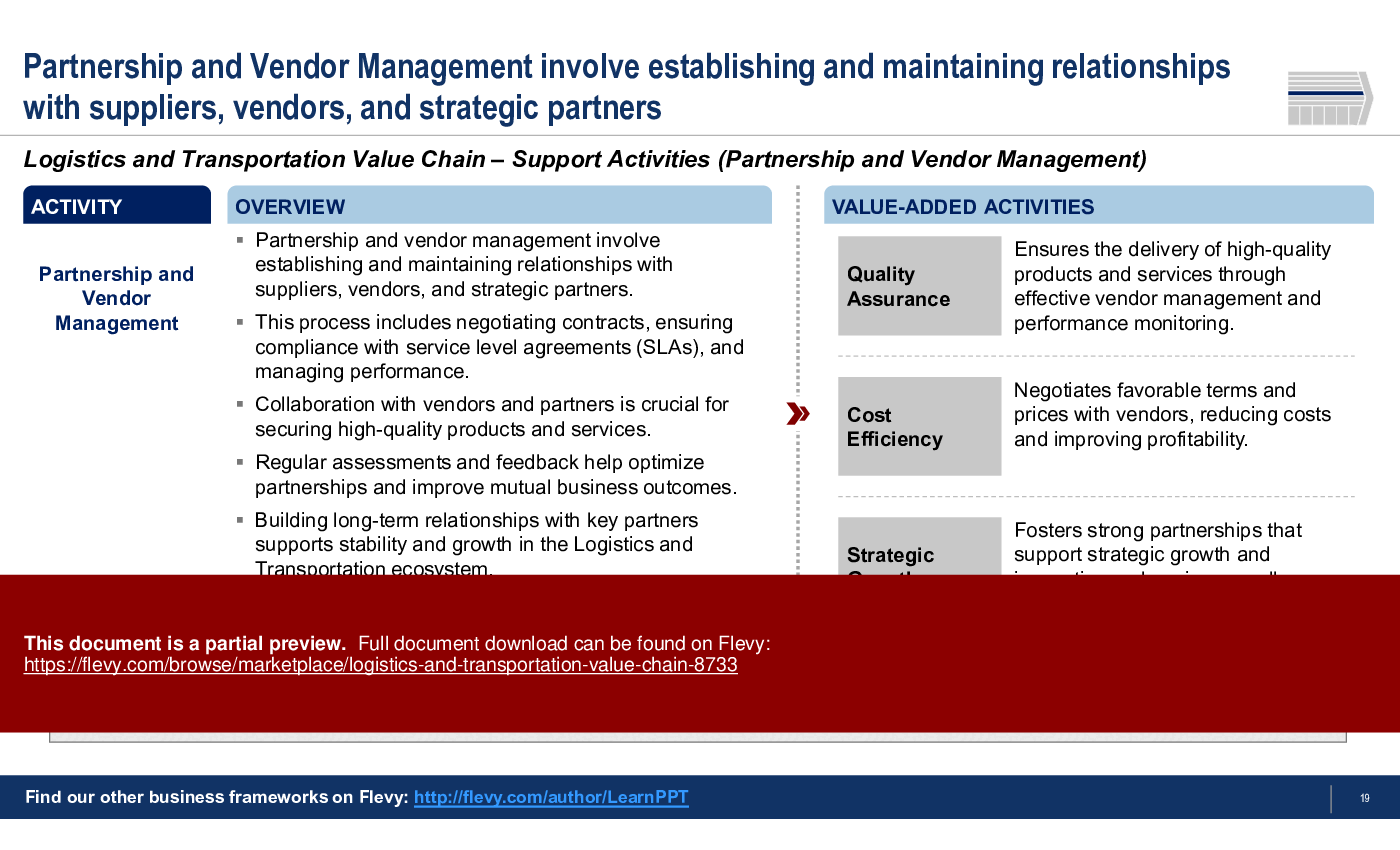
1. Information Technology (IT)
2. Human Resource Management
3. Financial Management
4. Legal and Regulatory Compliance
5. Partnership and Vendor Management
6. Marketing and Branding
7. Customer Service and Support
This PPT presentation dives deeper into each of these activities, highlighting key elements.
The Logistics and Transportation Value Chain integrates network planning, delivery, warehousing, and Supply Chain Management to provide efficient and reliable movement of goods. Optimized Logistics services and order fulfillment are critical for meeting customer demands and maintaining competitiveness in a rapidly evolving market. Continuous improvement and strategic partnerships enhance the Value Chain's ability to adapt to market changes and technological advancements. Value Chain Analysis helps identify opportunities for process optimization, cost reduction, and strategic investment, enhancing overall business performance.
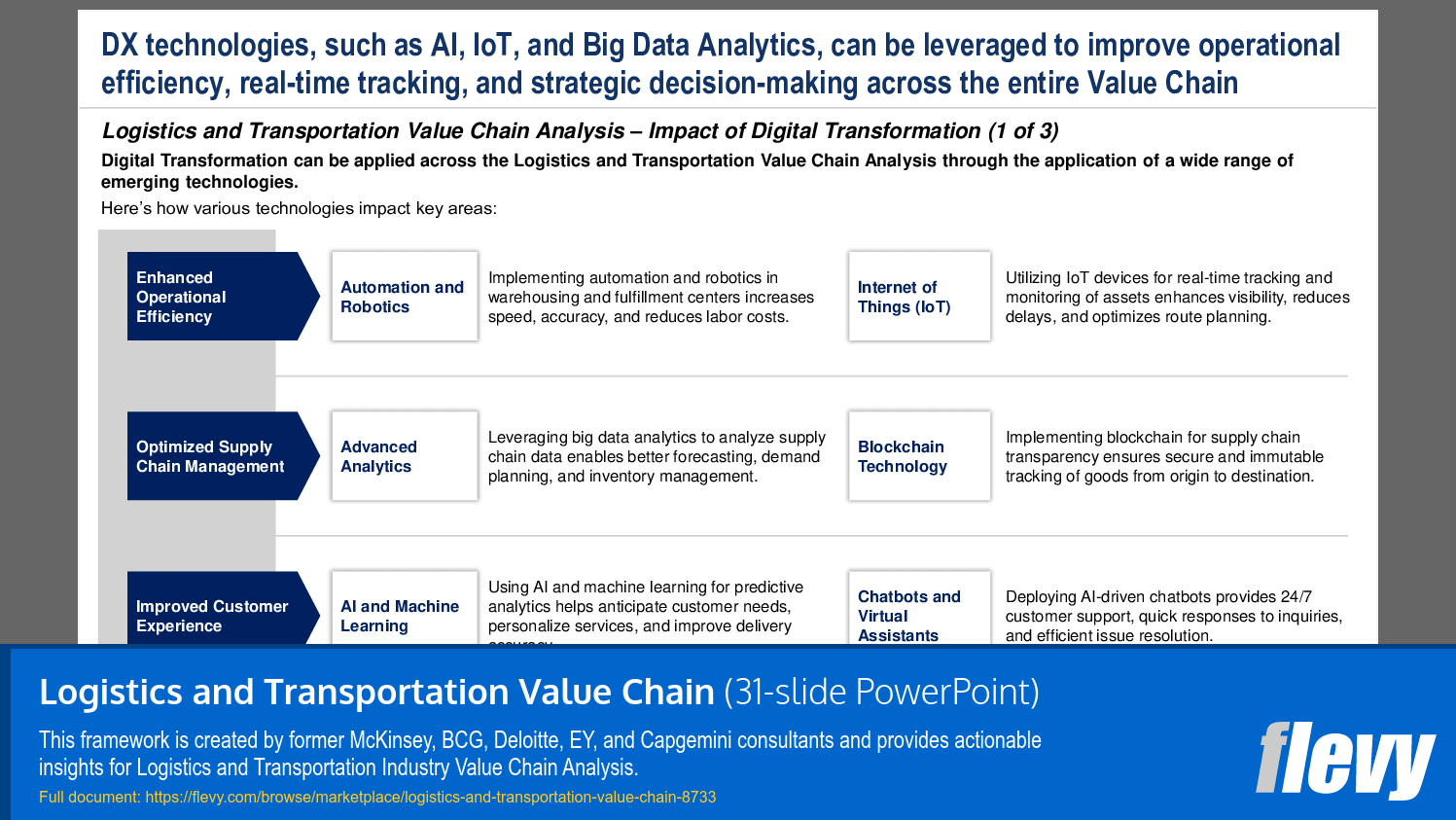
This PowerPoint presentation also discusses Logistics and Transportation Value Chain Analysis, highlighting a multitude of key considerations and potential insights to pay attention to. We further discuss the significant impact of Digital Transformation and various specific emergent technologies on the Logistics and Transportation Industry.
This presentation equips executives with actionable insights into optimizing logistics operations, ensuring timely delivery and cost efficiency. By leveraging advanced technologies and strategic partnerships, organizations can enhance service quality and adapt swiftly to market demands.
Got a question about the product? Email us at support@flevy.com or ask the author directly by using the "Ask the Author a Question" form. If you cannot view the preview above this document description, go here to view the large preview instead.
Executive Summary
The Logistics and Transportation Value Chain presentation offers a detailed framework for understanding the series of steps organizations take to deliver products and services within the logistics sector. Developed by former consultants from top firms like McKinsey and BCG, this consulting-grade resource provides actionable insights into primary and support activities that enhance operational efficiency, cost management, and customer satisfaction. Users will gain the ability to analyze their logistics operations, optimize processes, and leverage emerging technologies for a competitive advantage.


Who This Is For and When to Use
• Logistics and Supply Chain Managers seeking to optimize operations
• Operations Executives focused on improving delivery and fulfillment processes
• Business Analysts conducting value chain assessments
• Consultants advising clients in the logistics and transportation sector
Best-fit moments to use this deck:
• During strategic planning sessions to identify improvement areas
• When conducting value chain analysis for operational efficiency
• In workshops aimed at enhancing customer satisfaction and service delivery
• For training sessions on logistics best practices and emerging technologies
Learning Objectives
• Define the Logistics and Transportation Value Chain and its significance
• Analyze primary and support activities to identify optimization opportunities
• Implement strategies for enhancing customer satisfaction through effective logistics
• Evaluate the impact of digital transformation on logistics operations
• Develop actionable insights for cost management and resource allocation
• Foster collaboration among stakeholders to improve supply chain efficiency
Table of Contents
• Executive Summary (page 1)
• Logistics and Transportation Value Chain (page 2)
• Primary Activities (page 3)
• Support Activities (page 4)
• Logistics and Transportation Value Chain Analysis (page 5)
Primary Topics Covered
• Network Planning and Optimization - Focuses on designing efficient transportation networks to meet customer demand, utilizing advanced modeling tools for dynamic adjustments.
• Freight and Parcel Delivery - Involves managing the transportation of goods, ensuring timely and safe delivery through optimized routing and real-time tracking.
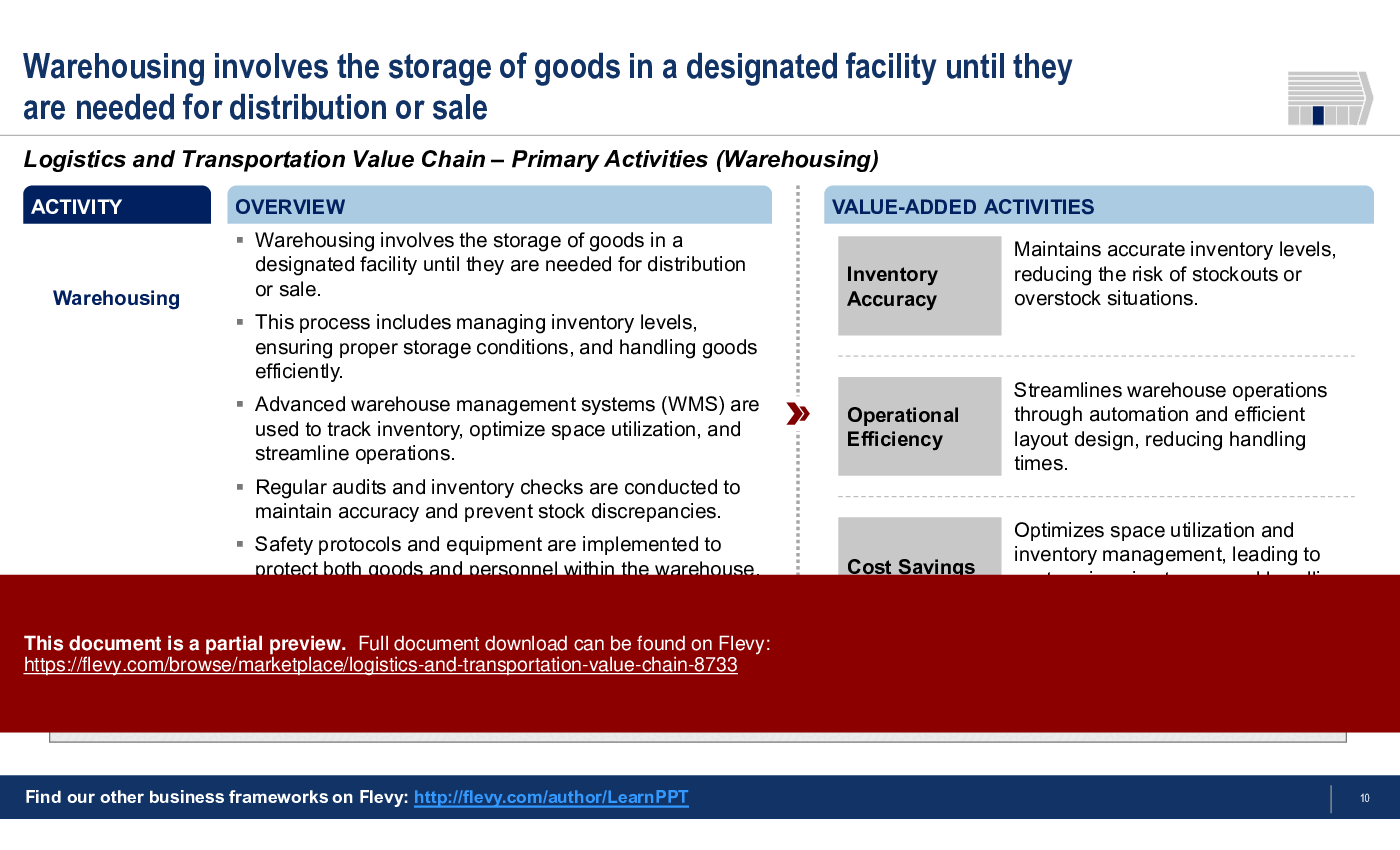
• Warehousing - Covers the storage and management of inventory, employing advanced systems to maintain accuracy and streamline operations.
• Order Fulfillment and Distribution - Encompasses processing customer orders and ensuring efficient picking, packing, and shipping to enhance customer satisfaction.
• Logistics Services - Involves coordinating the movement and storage of goods, focusing on compliance and operational efficiency.
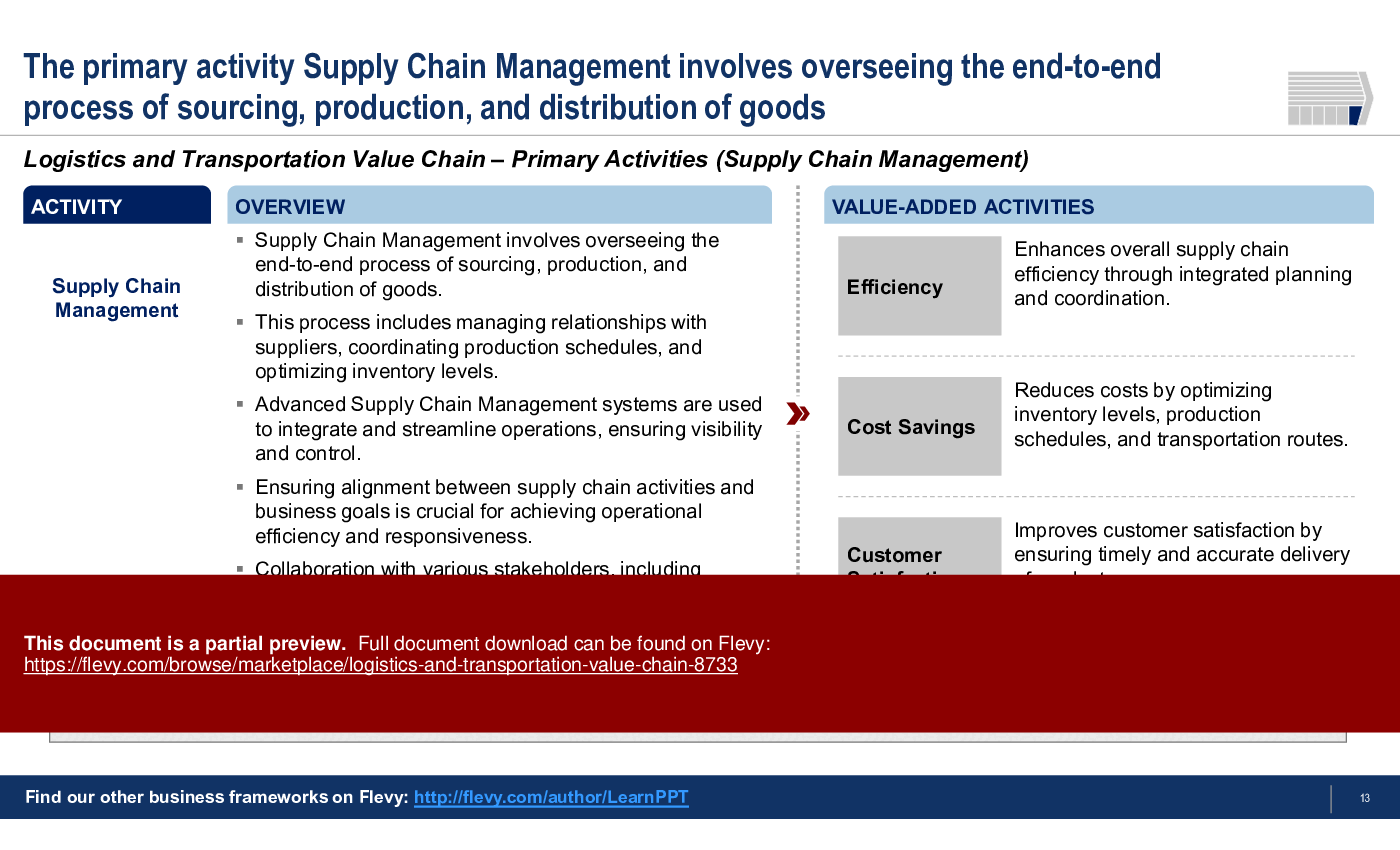
• Supply Chain Management - Oversees the end-to-end process of sourcing, production, and distribution, ensuring alignment with business goals.
Deliverables, Templates, and Tools
• Value chain analysis framework for logistics operations
• Inventory management system templates for optimizing stock levels
• Order fulfillment process maps to streamline operations
• Performance metrics dashboards for tracking logistics efficiency
• Compliance checklists for regulatory adherence
• Stakeholder collaboration frameworks for enhancing partnerships
Slide Highlights
• Overview of primary and support activities within the Logistics and Transportation Value Chain
• Detailed breakdown of the impact of digital transformation on logistics efficiency
• Visual representations of network planning and optimization strategies
• Case studies highlighting successful logistics operations and best practices
• Insights into customer experience improvements through effective logistics management
Potential Workshop Agenda
Logistics Optimization Workshop (90 minutes)
• Discuss current logistics challenges and opportunities for improvement
• Analyze the Logistics and Transportation Value Chain for operational insights
• Develop action plans for implementing best practices
Digital Transformation in Logistics (60 minutes)
• Explore emerging technologies and their impact on logistics operations
• Identify areas for automation and efficiency improvements
• Create a roadmap for integrating digital solutions into existing processes
Customization Guidance
• Tailor the framework to align with specific organizational goals and challenges
• Adjust performance metrics to reflect industry standards and benchmarks
• Incorporate company-specific case studies and examples for relevance
• Modify templates to fit unique operational workflows and processes
Secondary Topics Covered
• The role of information technology in logistics operations
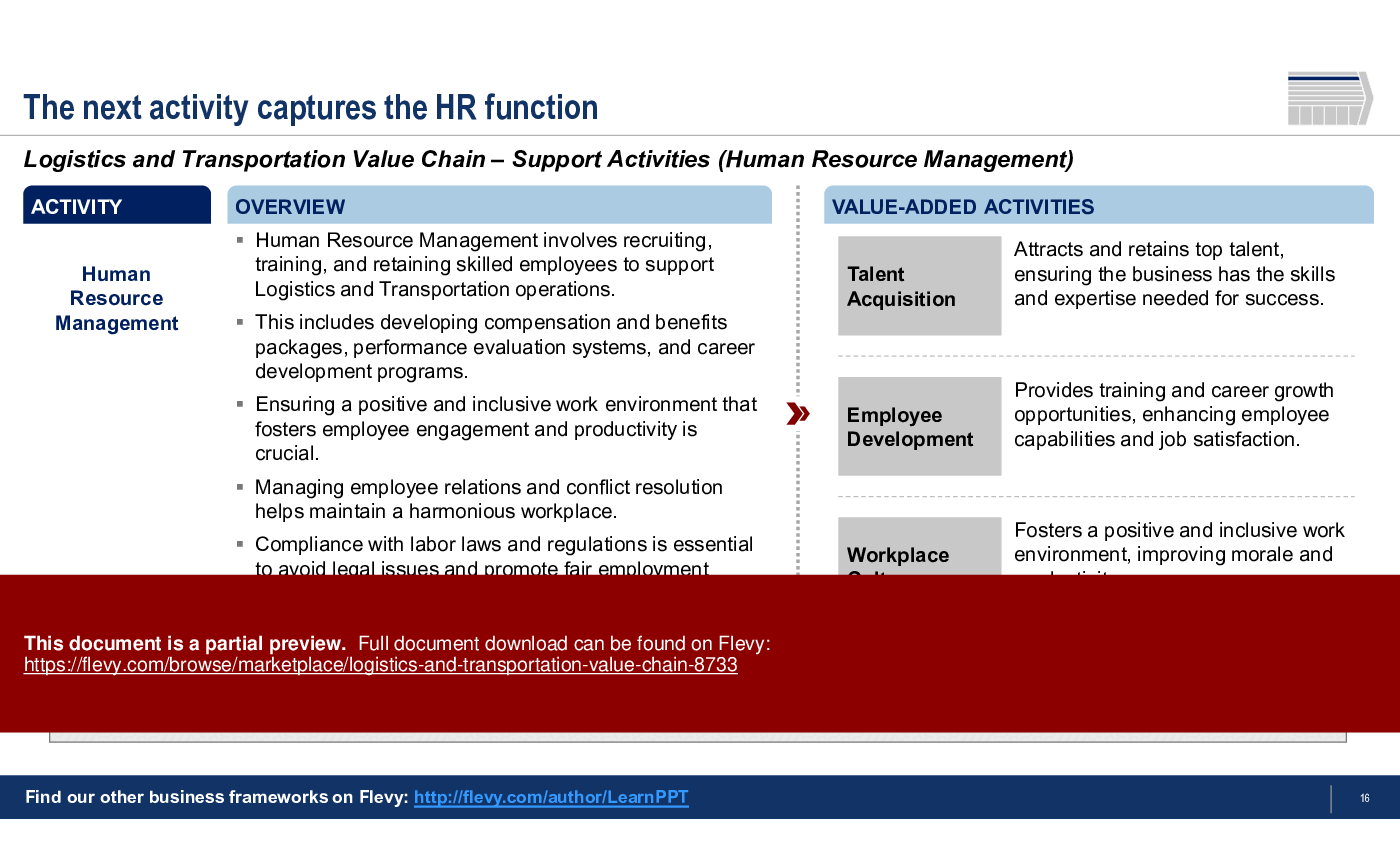
• Human resource management strategies for logistics teams
• Financial management practices for optimizing logistics costs
• Legal and regulatory compliance considerations in transportation
• Marketing and branding strategies for logistics services
FAQ
What is the Logistics and Transportation Value Chain?
The Logistics and Transportation Value Chain is a framework that outlines the primary and support activities involved in delivering logistics services, emphasizing how each step adds value to the overall process.
How can this framework improve operational efficiency?
By analyzing each component of the value chain, organizations can identify inefficiencies, streamline processes, and implement best practices that enhance overall performance.
What are the primary activities in the Logistics and Transportation Value Chain?
Primary activities include network planning and optimization, freight and parcel delivery, warehousing, order fulfillment and distribution, logistics services, and supply chain management.
How does digital transformation impact logistics operations?
Digital transformation introduces technologies such as AI, IoT, and automation, which enhance operational efficiency, improve real-time tracking, and enable data-driven decision-making.
What are some key considerations for conducting a value chain analysis?
Key considerations include understanding market demands, ensuring regulatory compliance, managing costs, and fostering strong supplier relationships.
How can organizations ensure compliance with legal regulations?
Implementing robust compliance programs, conducting regular audits, and educating employees about legal requirements are essential for maintaining adherence to regulations.
What role does customer service play in the logistics value chain?
High-quality customer service enhances customer satisfaction and loyalty, directly impacting repeat business and brand reputation.
How can organizations leverage technology in logistics?
Organizations can utilize advanced analytics, automation, and real-time tracking systems to optimize operations and improve service delivery.
Glossary
• Logistics Value Chain - A framework outlining the steps involved in delivering logistics services.
• Supply Chain Management - The management of the flow of goods and services from sourcing to delivery.
• Digital Transformation - The integration of digital technologies into all areas of business operations.
• Operational Efficiency - The ability to deliver services effectively while minimizing costs.
• Customer Satisfaction - The measure of how well a company's products or services meet customer expectations.
• Compliance - Adherence to laws, regulations, and industry standards.
• Inventory Management - The process of overseeing and controlling inventory levels.
• Performance Metrics - Measurements used to assess the efficiency and effectiveness of logistics operations.
• Automation - The use of technology to perform tasks with minimal human intervention.
• Stakeholder Collaboration - Working together with partners, suppliers, and customers to achieve common goals.
• Cost Management - The process of planning and controlling the budget of a business.
• Risk Management - The identification and mitigation of potential risks that could impact operations.
Source: Best Practices in Value Chain Analysis, Logistics, Transportation PowerPoint Slides: Logistics and Transportation Value Chain PowerPoint (PPTX) Presentation Slide Deck, LearnPPT Consulting
|
Download our FREE Strategy & Transformation Framework Templates
Download our free compilation of 50+ Strategy & Transformation slides and templates. Frameworks include McKinsey 7-S, Balanced Scorecard, Disruptive Innovation, BCG Curve, and many more. |