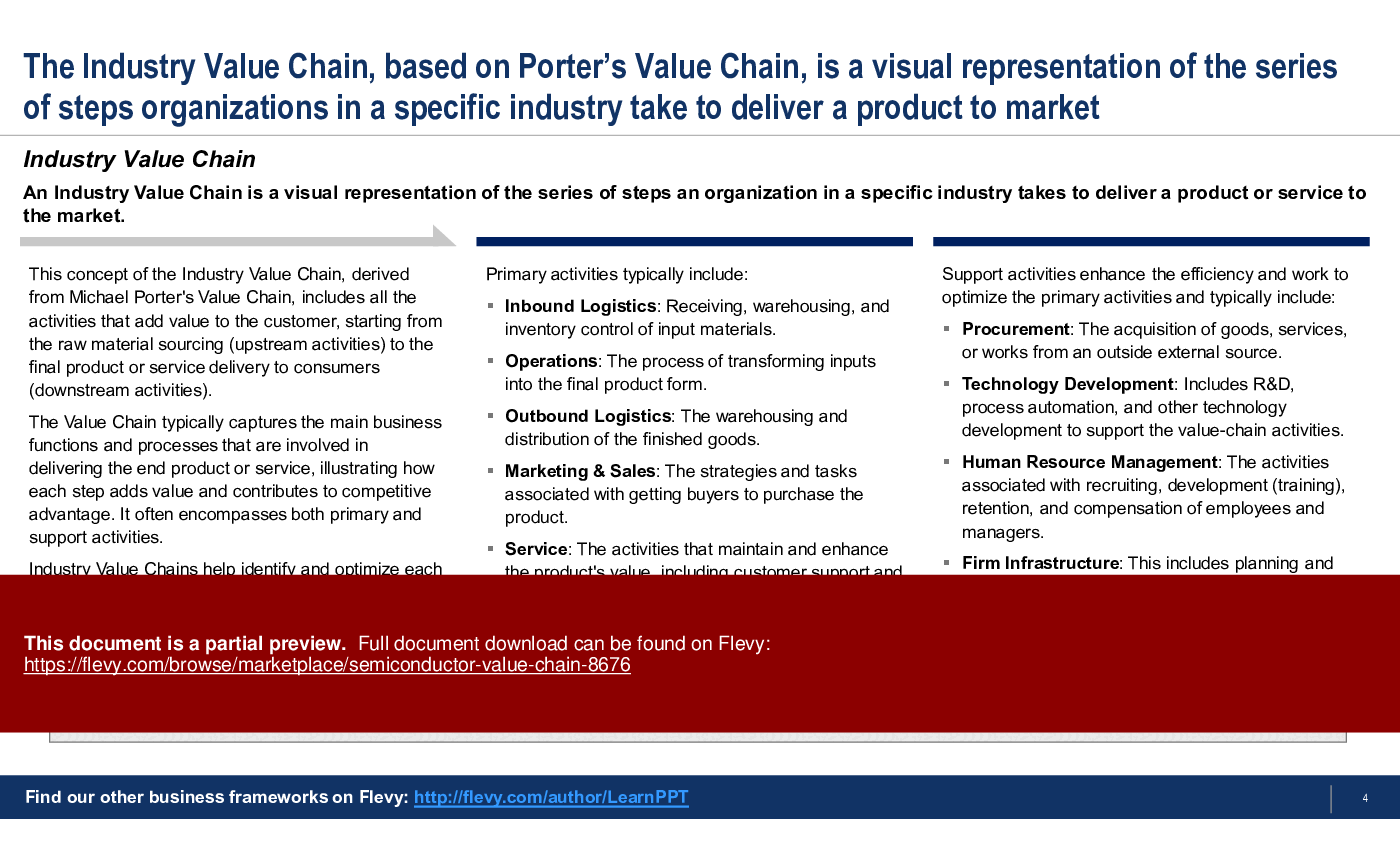
An Industry Value Chain is a visual representation of the series of steps an organization in a specific industry takes to deliver a product or service to the market. It captures the main business functions and processes that are involved in delivering the end product or service, illustrating how each step adds value and contributes to a Competitive Advantage. It often encompasses both primary and support activities.

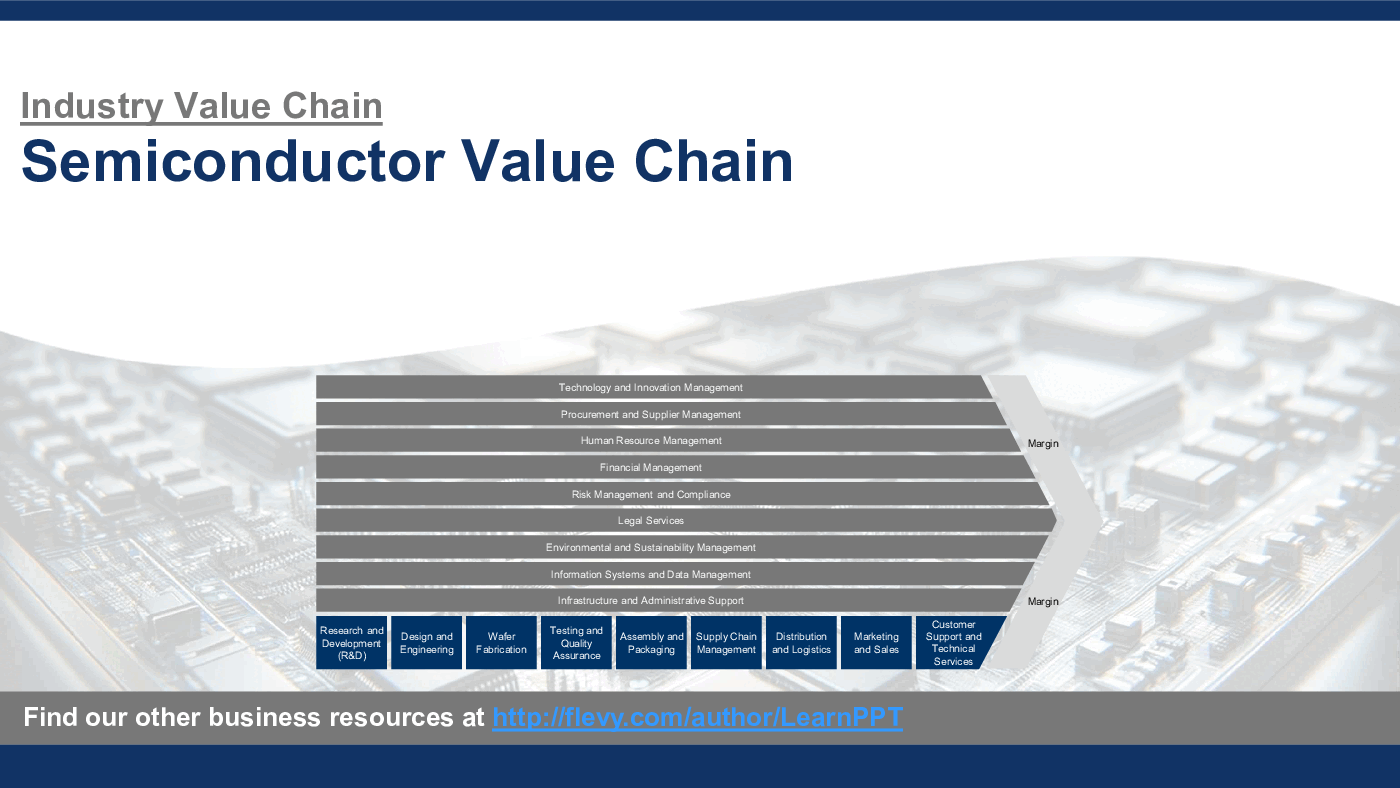
This PowerPoint presentation captures the Semiconductor Industry Value Chain, which includes the following primary and support activities for Semiconductor:
Primary Activities
1. Research and Development (R&D)
2. Design and Engineering
3. Wafer Fabrication
4. Testing and Quality Assurance
5. Assembly and Packaging
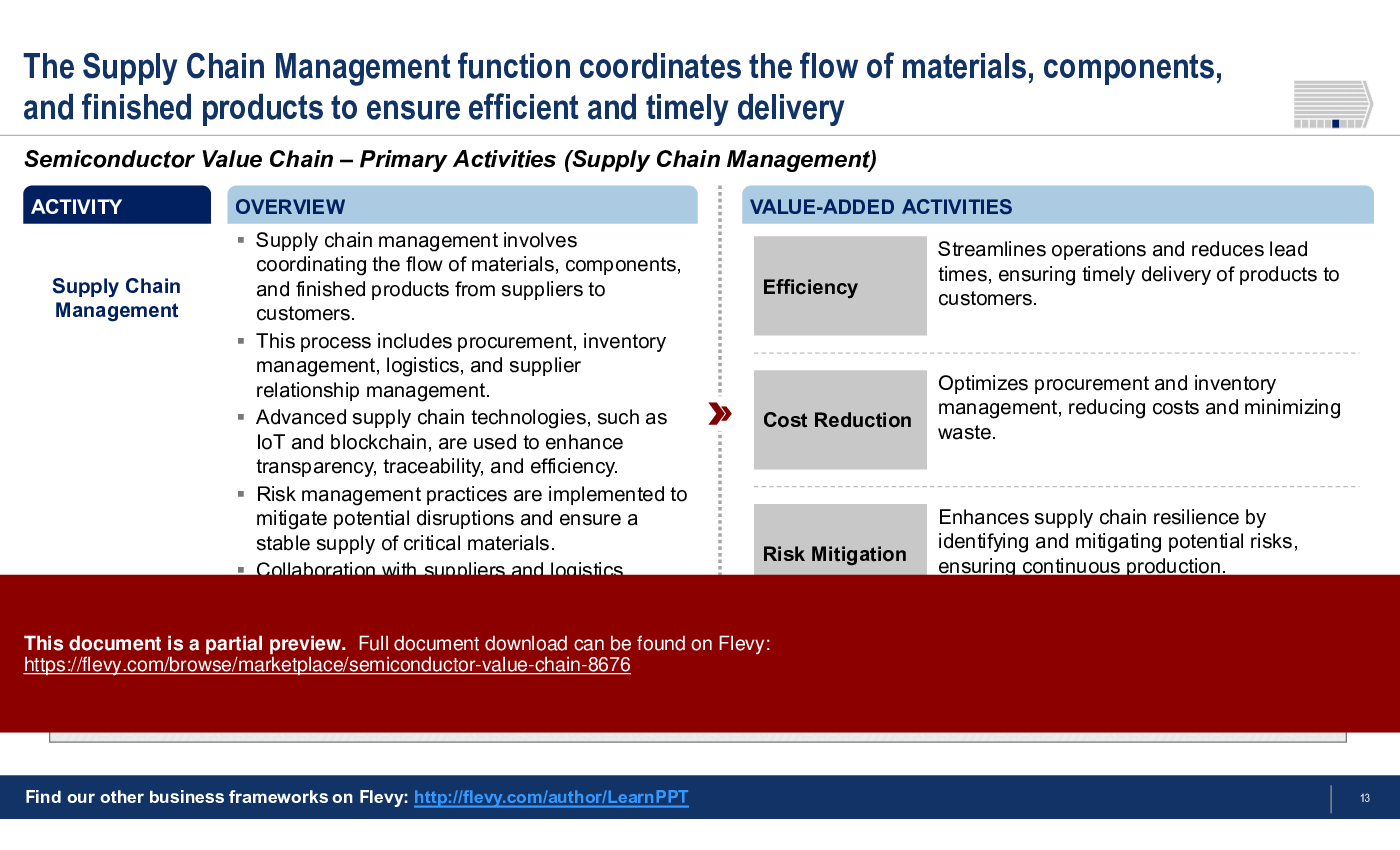
6. Supply Chain Management
7. Distribution and Logistics
8. Marketing and Sales
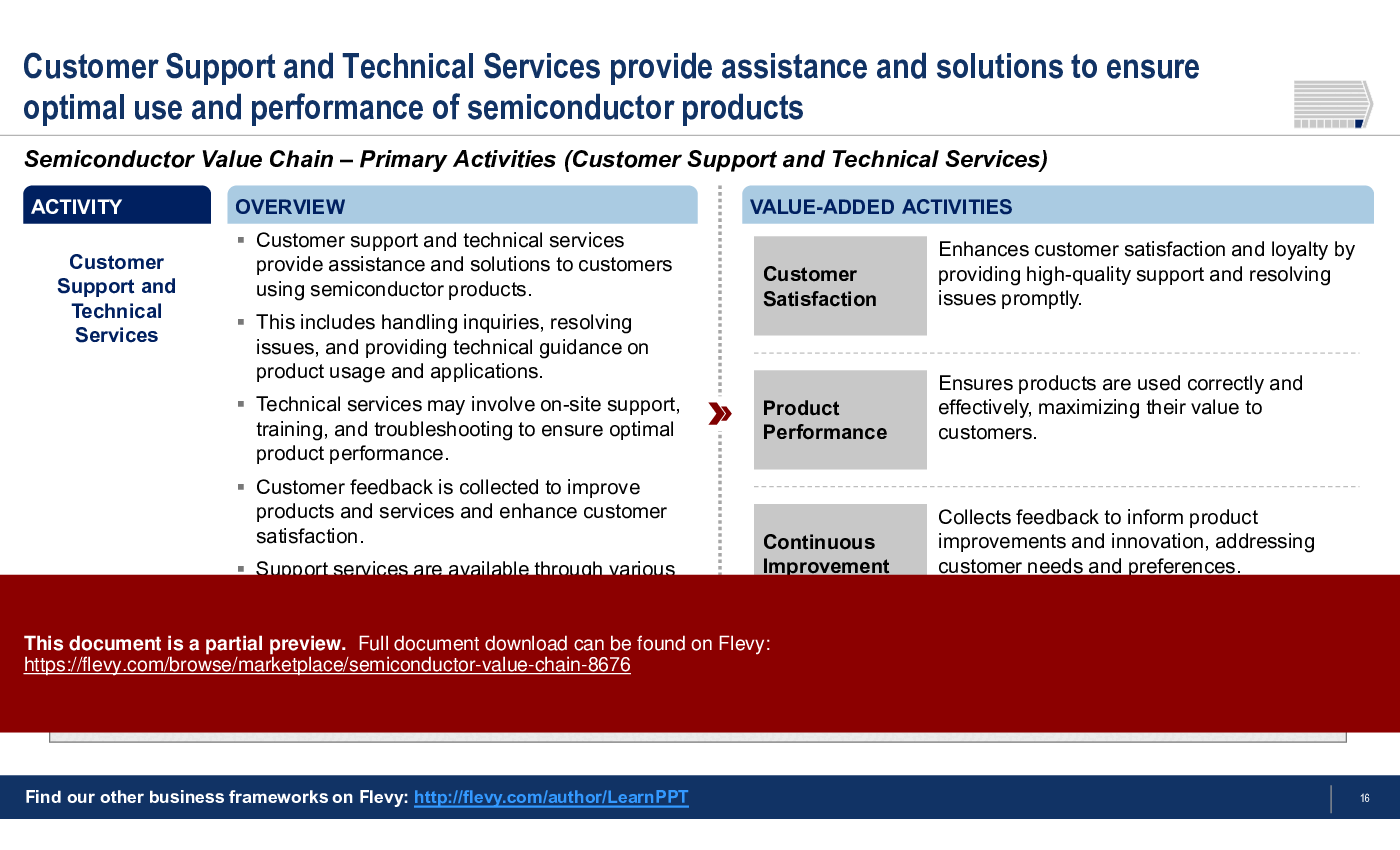
9. Customer Support and Technical Services
Support Activities
1. Technology and Innovation Management
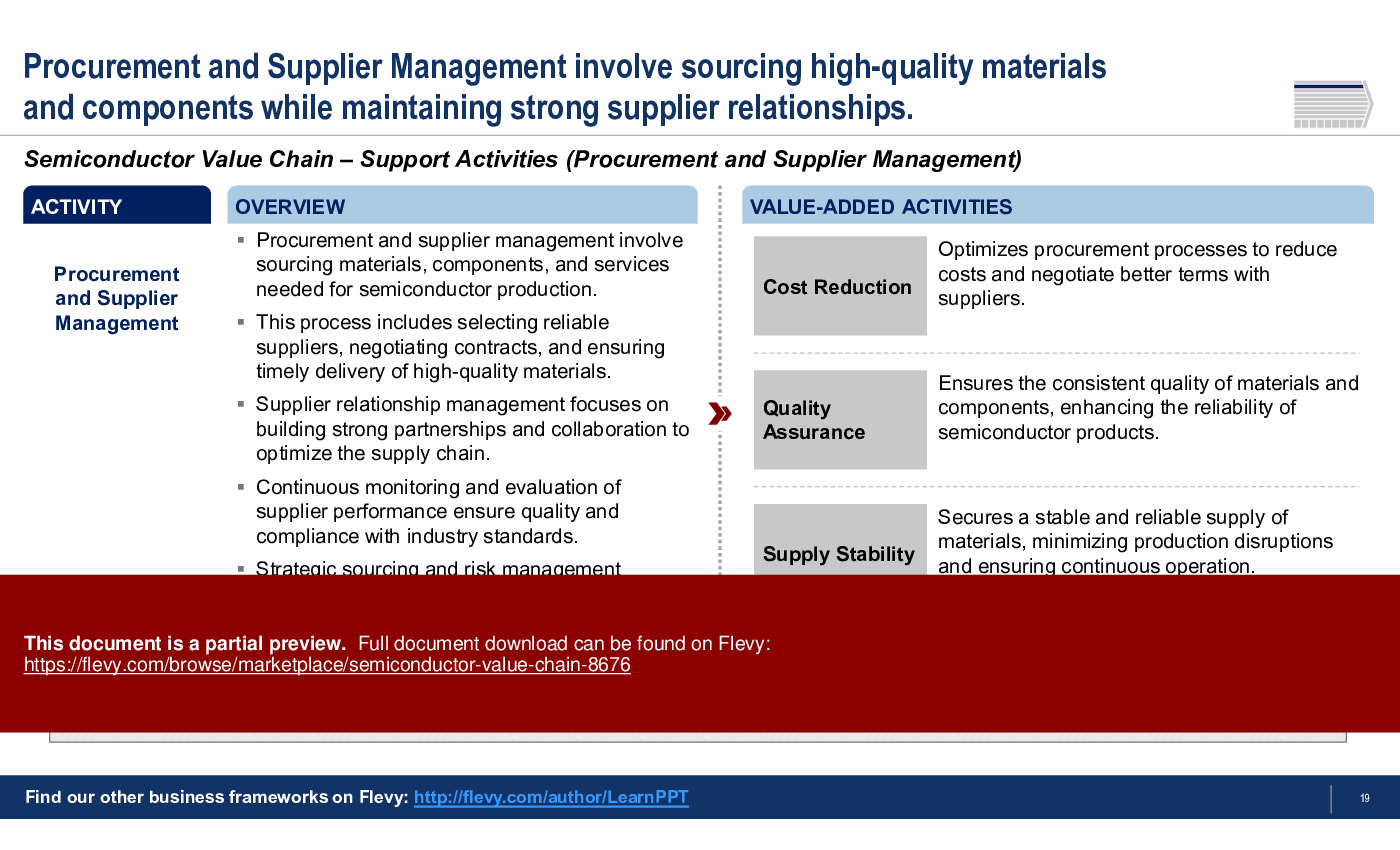
2. Procurement and Supplier Management
3. Human Resource Management
4. Financial Management
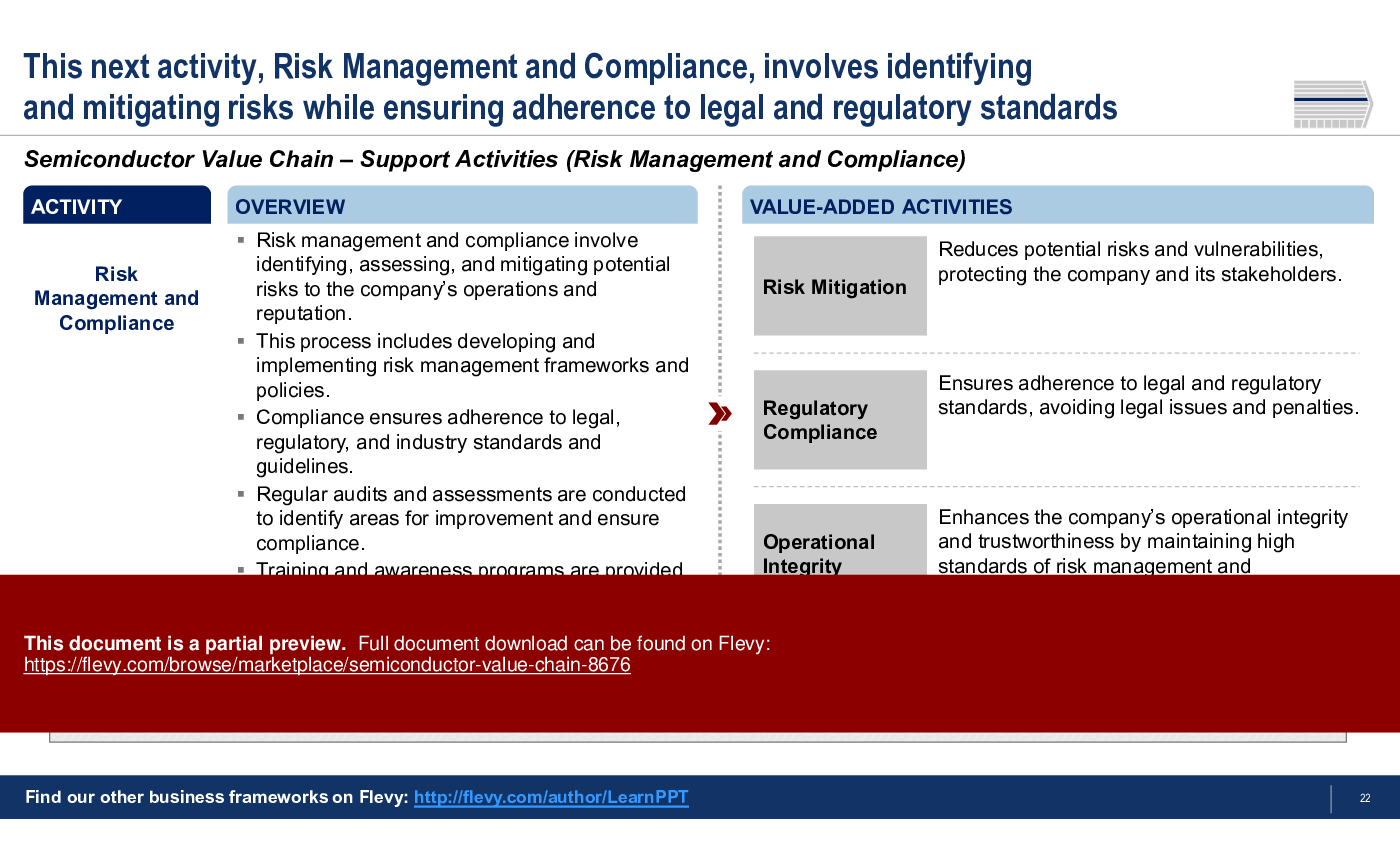
5. Risk Management and Compliance
6. Legal Services
7. Environmental and Sustainability Management
8. Information Systems and Data Management
9. Infrastructure and Administrative Support
The Semiconductor Industry Value Chain integrates R&D, design, fabrication, assembly, and distribution to deliver high-performance semiconductor devices that power a wide range of applications.
This PowerPoint presentation dives deeper into each of these activities, highlighting key elements. This presentation also discusses Semiconductor Value Chain Analysis, highlighting a multitude of key considerations and potential insights to pay attention to. We further discuss the significant impact of Digital Transformation and various specific emergent technologies on the Semiconductor Industry.
Continuous innovation and adherence to rigorous testing and quality standards ensure that semiconductor products meet the evolving demands of various end-user industries. Efficient supply chain management and advanced manufacturing techniques are critical to maintaining the quality, scalability, and cost-effectiveness of semiconductor production.
This presentation provides a comprehensive breakdown of the Semiconductor Value Chain, detailing the intricate interplay between each primary and support activity. It equips decision-makers with actionable insights to enhance operational efficiency and drive innovation in a rapidly evolving market.
Got a question about the product? Email us at support@flevy.com or ask the author directly by using the "Ask the Author a Question" form. If you cannot view the preview above this document description, go here to view the large preview instead.
Executive Summary
This presentation provides a detailed overview of the Semiconductor Value Chain, capturing the essential steps organizations undertake to deliver semiconductor products to market. It is structured in a consulting-grade format, akin to McKinsey, Bain, or BCG-quality presentations (not affiliated). The framework highlights both primary and support activities, emphasizing how each step adds value and contributes to competitive advantage. By utilizing this resource, corporate executives and consultants can gain actionable insights into the semiconductor industry's operational intricacies, enabling improved strategic planning and decision-making.
Who This Is For and When to Use
• Corporate executives in the semiconductor industry
• Integration leaders overseeing semiconductor production
• Consultants advising on semiconductor market strategies
• Supply chain managers focused on semiconductor logistics
• R&D teams developing new semiconductor technologies
Best-fit moments to use this deck:
• Strategic planning sessions for semiconductor product development
• Workshops on optimizing semiconductor supply chain processes
• Training sessions for teams involved in semiconductor manufacturing
• Analysis of market trends impacting the semiconductor industry
Learning Objectives
• Define the Semiconductor Value Chain and its significance in the industry
• Analyze the interdependencies between primary and support activities
• Identify key considerations for improving operational efficiency
• Evaluate the impact of digital transformation on semiconductor processes
• Develop strategies for enhancing customer satisfaction in semiconductor products
• Assess the role of R&D in driving innovation within the semiconductor sector
Table of Contents
• Executive Summary (page 1)
• Semiconductor Value Chain (page 2)
• Primary Activities (page 3)
• Support Activities (page 4)
• Semiconductor Value Chain Analysis (page 5)
Primary Topics Covered
• Research and Development (R&D) - Focuses on exploring new materials and technologies to enhance semiconductor performance and innovation.
• Design and Engineering - Involves creating detailed specifications for semiconductor devices to ensure optimal performance and manufacturability.
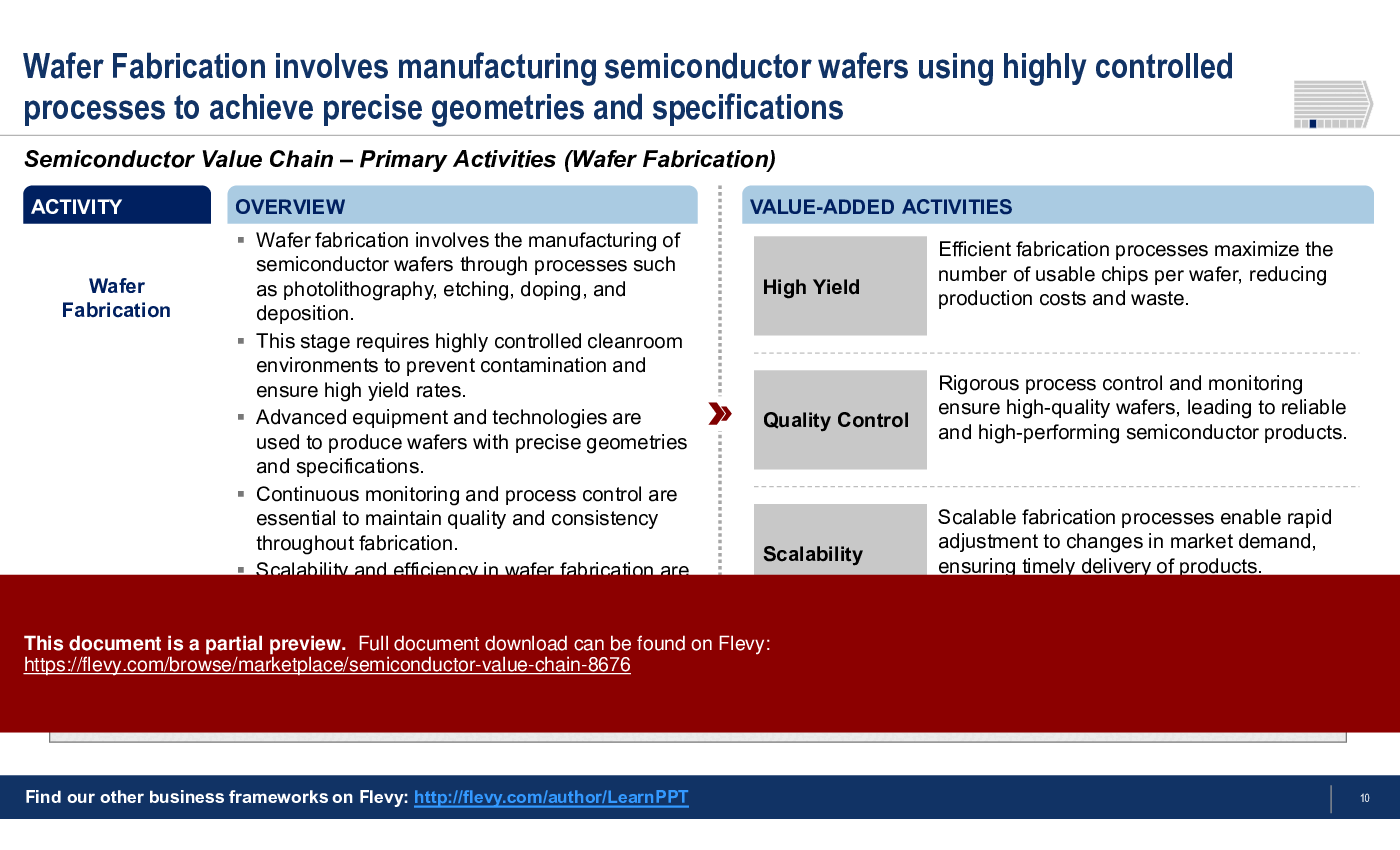
• Wafer Fabrication - Encompasses the manufacturing of semiconductor wafers through highly controlled processes to achieve precise specifications.
• Testing and Quality Assurance - Ensures semiconductor devices meet performance and safety standards through rigorous evaluation.
• Assembly and Packaging - Involves assembling semiconductor chips into finished products and protecting them with advanced packaging techniques.
• Supply Chain Management - Coordinates the flow of materials and products to ensure efficient and timely delivery.
• Distribution and Logistics - Focuses on transporting semiconductor products from manufacturing facilities to customers.
• Marketing and Sales - Promotes semiconductor products and secures orders from various end-user industries.
• Customer Support and Technical Services - Provides assistance to ensure optimal use and performance of semiconductor products.
Deliverables, Templates, and Tools
• Framework for Semiconductor Value Chain Analysis
• Templates for R&D investment evaluation
• Guidelines for optimizing supply chain processes
• Checklists for testing and quality assurance protocols
• Models for effective customer support strategies
• Tools for assessing market trends and customer feedback
Slide Highlights
• Overview of the Semiconductor Value Chain with visual representations of primary and support activities.
• Detailed breakdown of R&D processes and their impact on innovation.
• Insights into wafer fabrication techniques and their importance for quality control.
• Analysis of testing and quality assurance methodologies to ensure product reliability.
• Strategies for effective distribution and logistics management in the semiconductor industry.
Potential Workshop Agenda
Semiconductor Value Chain Overview (60 minutes)
• Introduce the Semiconductor Value Chain framework
• Discuss the significance of each primary and support activity
• Explore interdependencies within the value chain
R&D and Innovation Strategies (90 minutes)
• Analyze current trends in semiconductor R&D
• Identify opportunities for innovation and market differentiation
• Develop actionable plans for enhancing R&D effectiveness
Supply Chain Optimization Session (60 minutes)
• Review existing supply chain processes and challenges
• Collaborate on strategies for improving efficiency and resilience
• Establish metrics for ongoing supply chain performance evaluation
Customization Guidance
• Tailor the Semiconductor Value Chain framework to specific organizational contexts and goals.
• Adjust terminology and metrics to align with internal reporting standards.
• Incorporate company-specific examples and case studies to enhance relevance.
Secondary Topics Covered
• Environmental and sustainability management in semiconductor production
• Financial management practices for semiconductor companies
• Risk management and compliance considerations in the semiconductor industry
• Legal services and intellectual property protection strategies
• Human resource management practices for attracting and retaining talent
FAQ
What is the Semiconductor Value Chain?
The Semiconductor Value Chain is a framework that outlines the series of steps organizations take to deliver semiconductor products, encompassing both primary and support activities.
How can this presentation help my organization?
This presentation provides actionable insights into optimizing the semiconductor value chain, enhancing operational efficiency, and improving strategic decision-making.
What are the primary activities in the Semiconductor Value Chain?
Primary activities include R&D, design and engineering, wafer fabrication, testing and quality assurance, assembly and packaging, supply chain management, distribution and logistics, marketing and sales, and customer support.
What role does R&D play in the Semiconductor Value Chain?
R&D is crucial for exploring new materials and technologies, driving innovation, and ensuring that semiconductor products meet evolving market demands.
How can we improve our supply chain management?
Implementing advanced technologies, optimizing logistics, and fostering strong supplier relationships can enhance supply chain efficiency and resilience.
What are the key considerations for testing and quality assurance?
Ensuring rigorous testing protocols and compliance with industry standards is essential for maintaining product reliability and customer trust.
How does digital transformation impact the Semiconductor Value Chain?
Digital transformation enhances efficiency and precision across various stages of the value chain through technologies like AI, IoT, and advanced analytics.
What are the benefits of effective customer support in the semiconductor industry?
High-quality customer support enhances satisfaction and loyalty, leading to long-term business relationships and repeat sales.
How can we ensure compliance with regulatory standards?
Regular audits, employee training, and adherence to industry regulations are essential for maintaining compliance and avoiding legal issues.
Glossary
• Semiconductor Value Chain - The series of steps organizations take to deliver semiconductor products to market.
• R&D - Research and Development; the process of investigating new technologies and materials.
• Wafer Fabrication - The manufacturing process for semiconductor wafers.
• Quality Assurance - The systematic process of ensuring product reliability and compliance with standards.
• Supply Chain Management - The coordination of materials and products from suppliers to customers.
• Customer Support - Services provided to assist customers in using semiconductor products effectively.
• Digital Transformation - The integration of digital technologies to enhance operational efficiency.
• Compliance - Adherence to legal and regulatory standards within the industry.
• Innovation - The process of developing new ideas and technologies to improve products.
• Market Trends - Patterns and shifts in consumer preferences and industry dynamics.
• Logistics - The management of the flow of goods from point of origin to point of consumption.
• Environmental Management - Strategies to minimize the environmental impact of production processes.
• Human Resource Management - The management of employee recruitment, training, and retention.
• Financial Management - The planning and controlling of financial resources within an organization.
• Risk Management - The identification and mitigation of potential risks to operations and reputation.
• Legal Services - Support and advice related to legal compliance and intellectual property protection.
• Technology Management - The adoption and integration of advanced technologies in production processes.
• Customer Insights - Data and feedback collected from customers to inform product development.
• Operational Efficiency - The ability to deliver products and services effectively while minimizing waste.
• Sustainability - Practices aimed at reducing environmental impact and promoting eco-friendly operations.
Source: Best Practices in Value Chain Analysis PowerPoint Slides: Semiconductor Value Chain PowerPoint (PPTX) Presentation Slide Deck, LearnPPT Consulting
|
Download our FREE Strategy & Transformation Framework Templates
Download our free compilation of 50+ Strategy & Transformation slides and templates. Frameworks include McKinsey 7-S, Balanced Scorecard, Disruptive Innovation, BCG Curve, and many more. |