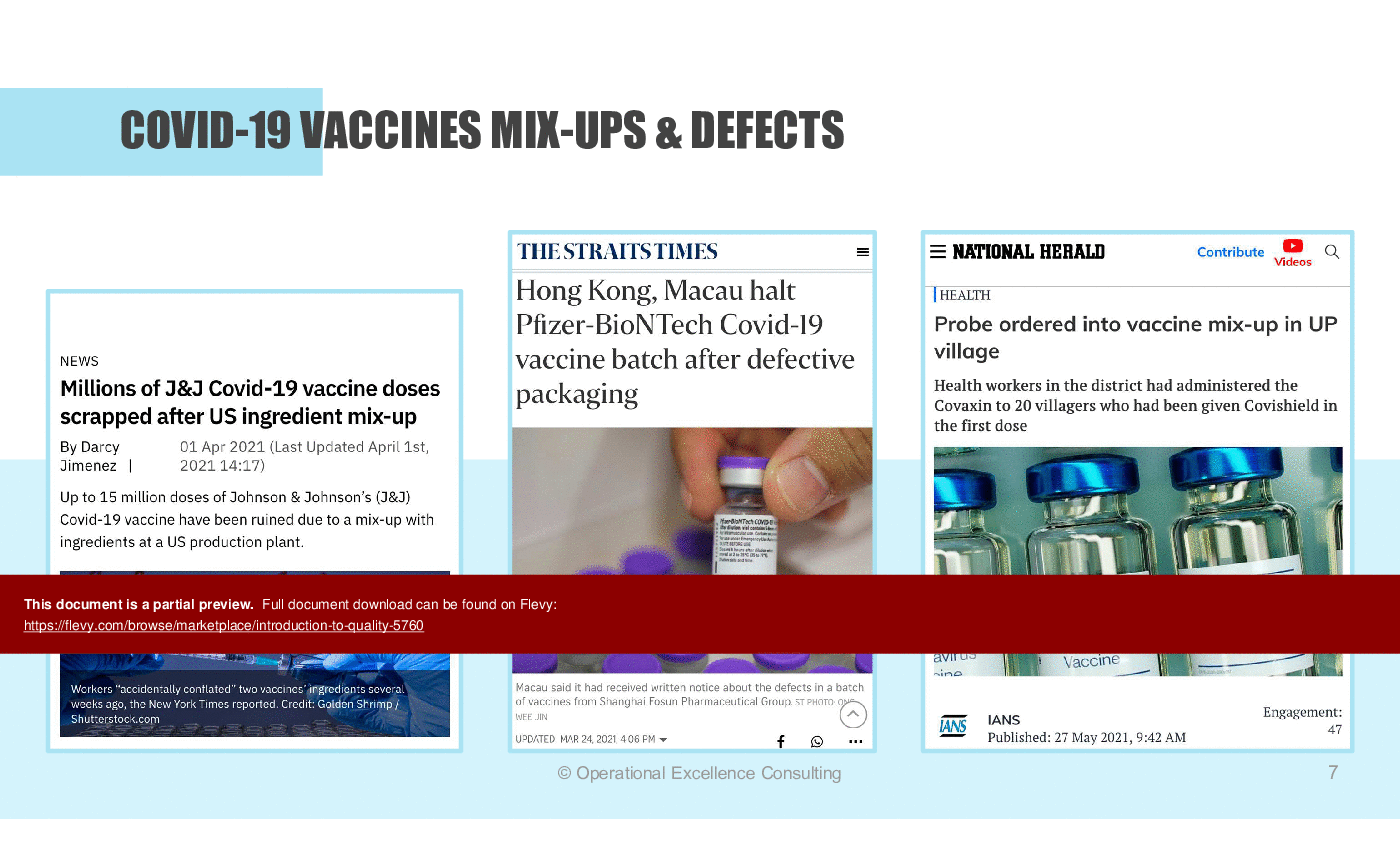
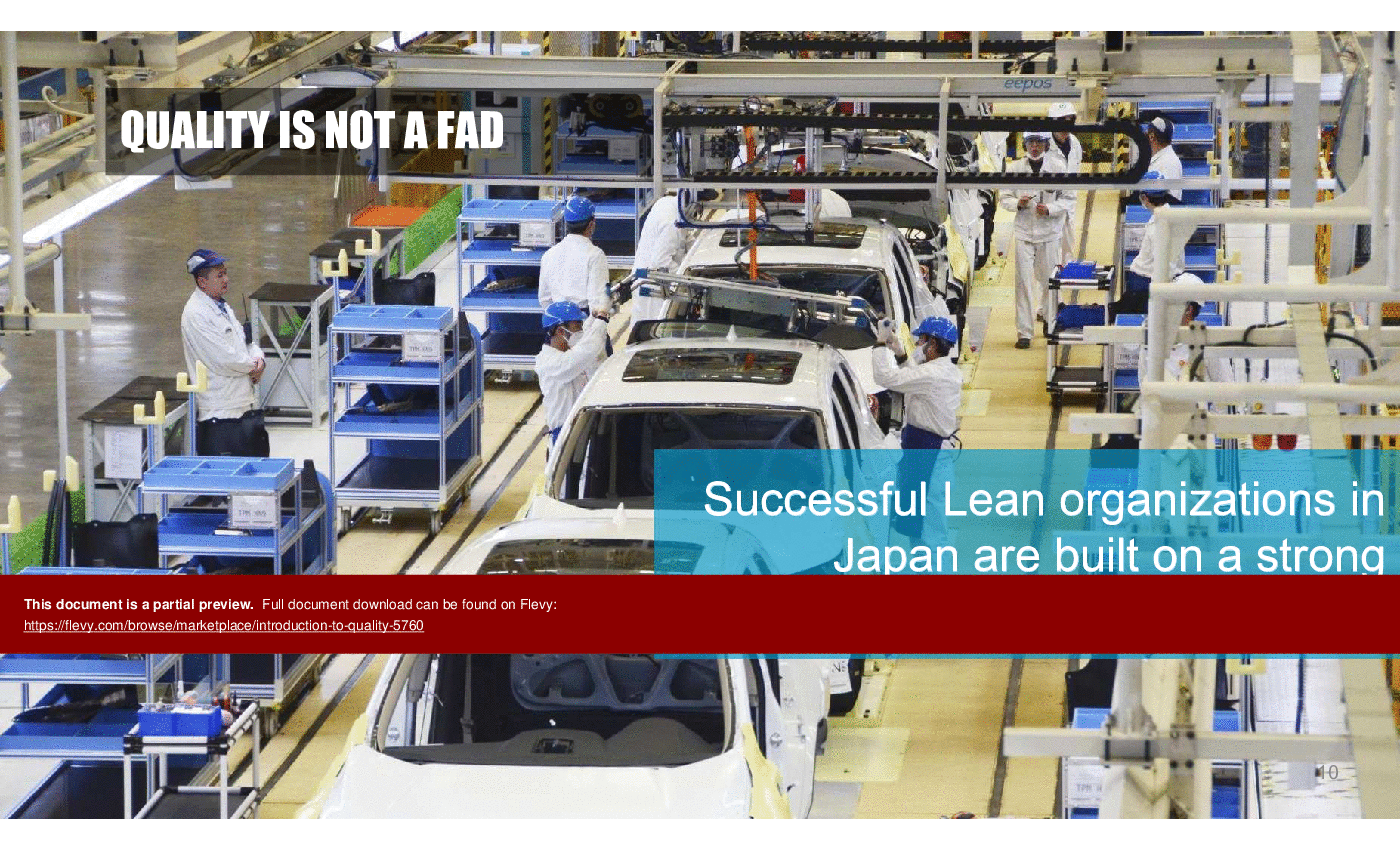

In today's business, quality is as important as it was ever before. As a key driver of customer satisfaction, quality transcends from products and services to the business model and customer experience. Moreover, successful Lean organizations in Japan are built on a strong foundation of quality. For without quality, delivering faster or cheaper is of no value to the customer.
This presentation introduces the basic concepts, philosophies and principles of quality. It includes the definitions of quality, benefits of quality improvement, teachings of the quality gurus, key elements of total quality, business excellence models, quality system and the methods and tools for quality improvement.

Also highlighted are the key quality mindsets and practices at the individual level: inspection is a poor substitute for quality; treat the next process as customer; quality begins with me; continuous improvement; and personal quality standards.
||||||||||||||||||||||||||||||||||||||||||||||||||||||||||||||||||||||||||||||||||||||||||||||||||||||||||||||||||||||||||||||||||||||||||||||||||||||||||||||||||||||||
This training package includes:
1. Introduction to Quality training presentation (PowerPoint format, 16:9 widescreen)
2. The Inspection Exercise (PowerPoint format, 4:3 standard screen) – FREE
||||||||||||||||||||||||||||||||||||||||||||||||||||||||||||||||||||||||||||||||||||||||||||||||||||||||||||||||||||||||||||||||||||||||||||||||||||||||||||||||||||||||
LEARNING OBJECTIVES
1. Gain knowledge on the key concepts, philosophies and principles of Quality.
2. Understand the Total Quality frameworks, methods and tools.
3. Identify the challenges and best practices of Total Quality.
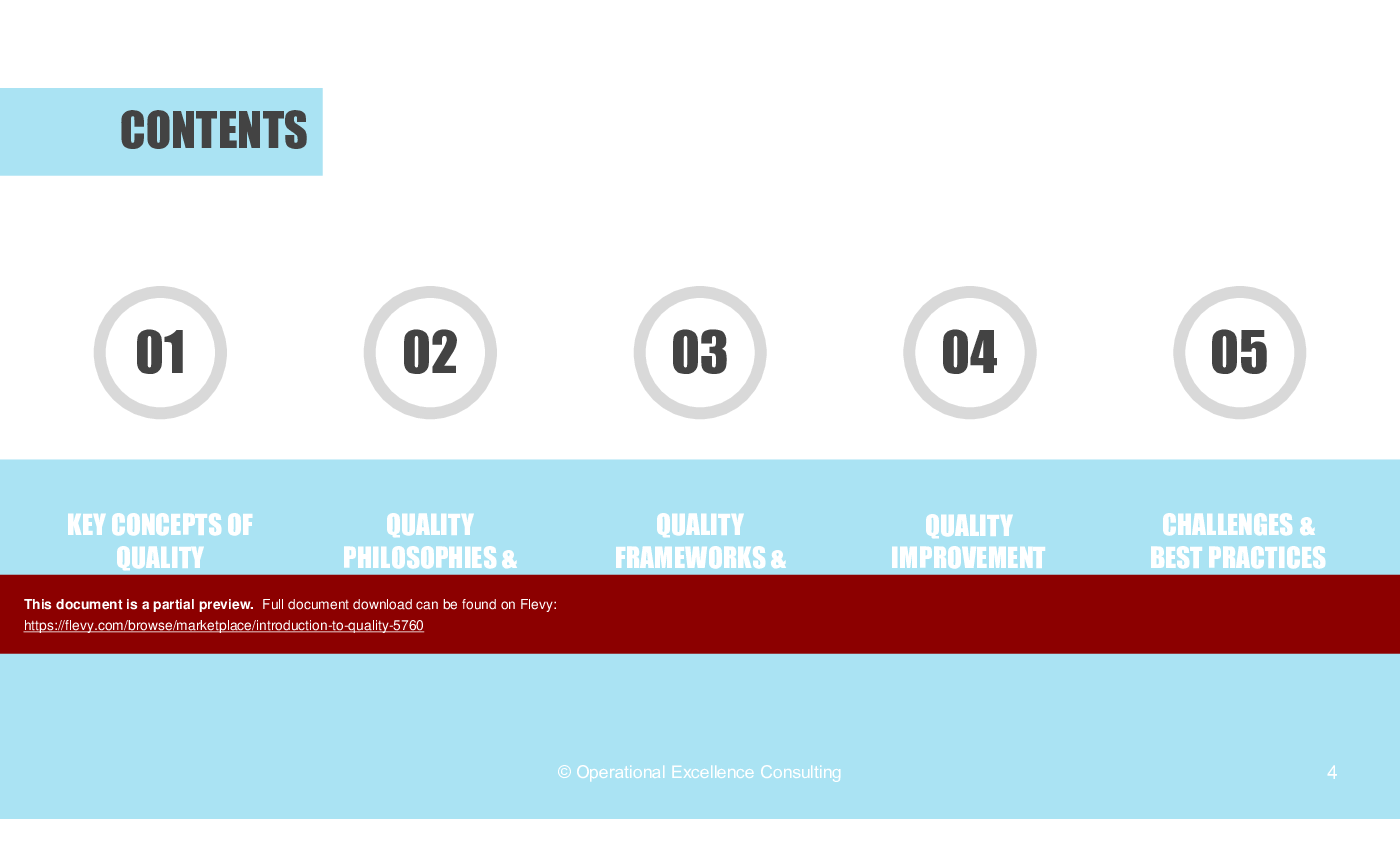
CONTENTS
1. Key Concepts of Quality
2. Quality Philosophies and Principles
3. Quality Frameworks and Models
4. Quality Improvement Methods and Tools
5. Challenges and Best Practices
Got a question about the product? Email us at support@flevy.com or ask the author directly by using the "Ask the Author a Question" form. If you cannot view the preview above this document description, go here to view the large preview instead.
Executive Summary
This presentation, "Introduction to Quality," serves as a foundational training resource for organizations aiming to enhance their understanding of Total Quality Management (TQM). Developed by Operational Excellence Consulting, it provides insights into key quality concepts, frameworks, and improvement tools. Users will learn to identify challenges and best practices in quality management, enabling them to foster a culture of continuous improvement and achieve operational excellence.
Who This Is For and When to Use
• Quality Assurance Managers overseeing quality initiatives
• Operations Managers focused on process improvement
• Training and Development Teams responsible for employee education
• Senior Executives aiming to drive organizational quality culture
• Project Managers implementing quality improvement projects
Best-fit moments to use this deck:
• During onboarding sessions for new employees in quality-related roles
• As part of continuous improvement workshops
• For strategic planning meetings focused on quality initiatives
• In training sessions aimed at enhancing team capabilities in quality management
Learning Objectives
• Gain knowledge on the key concepts and principles of Quality
• Identify the challenges and best practices of Total Quality
• Understand the Total Quality frameworks, methods, and tools
• Develop skills to implement quality improvement processes
• Recognize the importance of customer feedback in quality management
• Foster a culture of continuous improvement within the organization
Table of Contents
• Key Concepts of Quality (page 5)
• Quality Philosophies & Principles (page 53)
• Quality Frameworks & Models (page 72)
• Quality Improvement Methods & Tools (page 86)
• Challenges & Best Practices (page 99)
Primary Topics Covered
• Key Concepts of Quality - Explores foundational definitions and the significance of quality in various industries, emphasizing customer satisfaction and defect reduction.
• Quality Philosophies & Principles - Discusses the contributions of quality pioneers like Deming and Juran, outlining their principles for effective quality management.
• Quality Frameworks & Models - Introduces various quality management frameworks such as ISO 9001:2015 and the Baldrige Excellence Framework, providing a structured approach to quality.
• Quality Improvement Methods & Tools - Details methodologies like PDCA and Six Sigma, equipping users with practical tools for quality enhancement.
• Challenges & Best Practices - Identifies common obstacles in implementing quality initiatives and presents best practices for successful quality management.
Deliverables, Templates, and Tools
• Quality improvement process templates for PDCA and Six Sigma
• Framework models for implementing ISO 9001:2015 standards
• Checklists for assessing quality management practices
• Training materials for continuous improvement workshops
• Case studies illustrating successful quality initiatives
Slide Highlights
• A visual representation of the Deming Cycle, illustrating the iterative nature of quality improvement
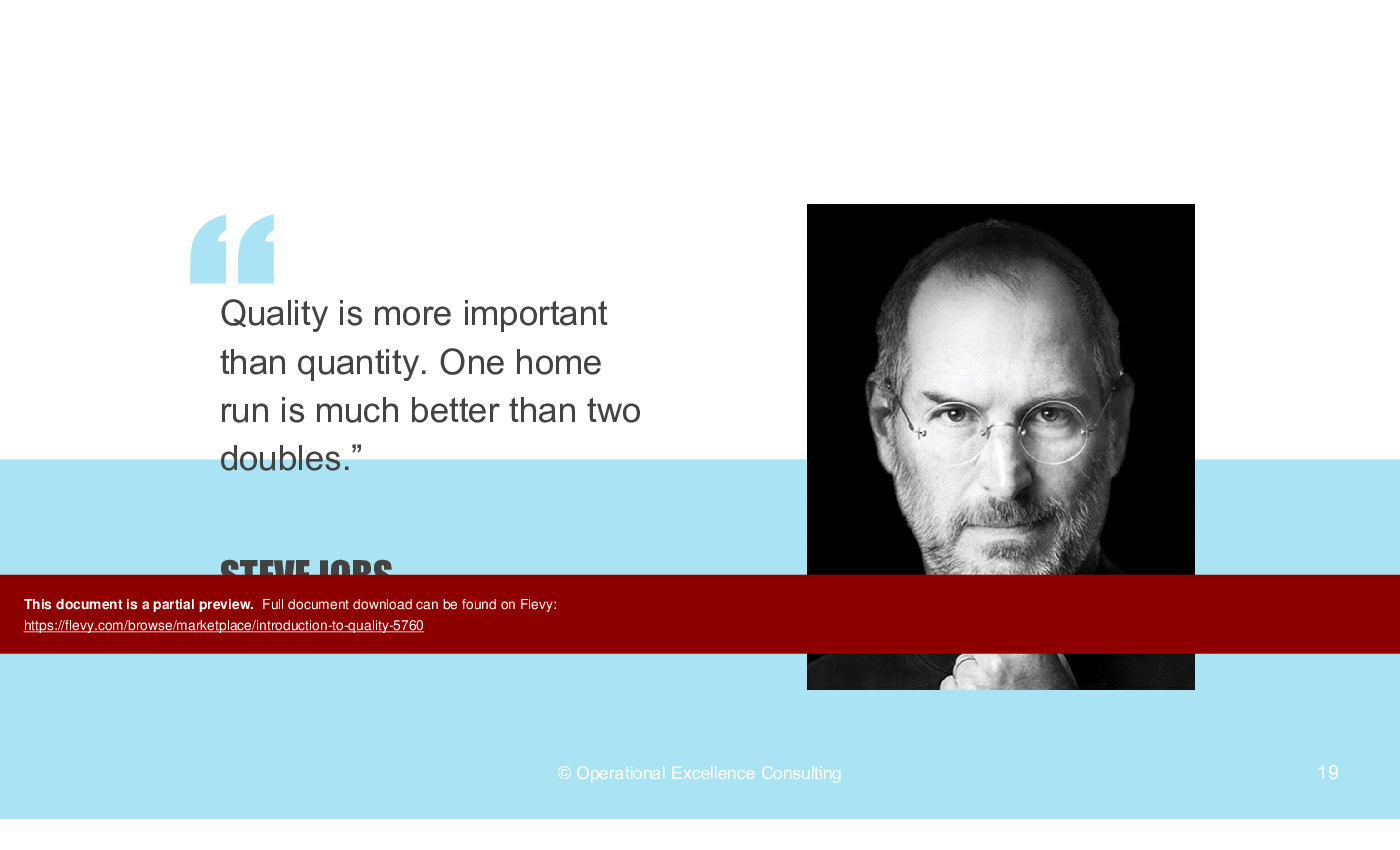
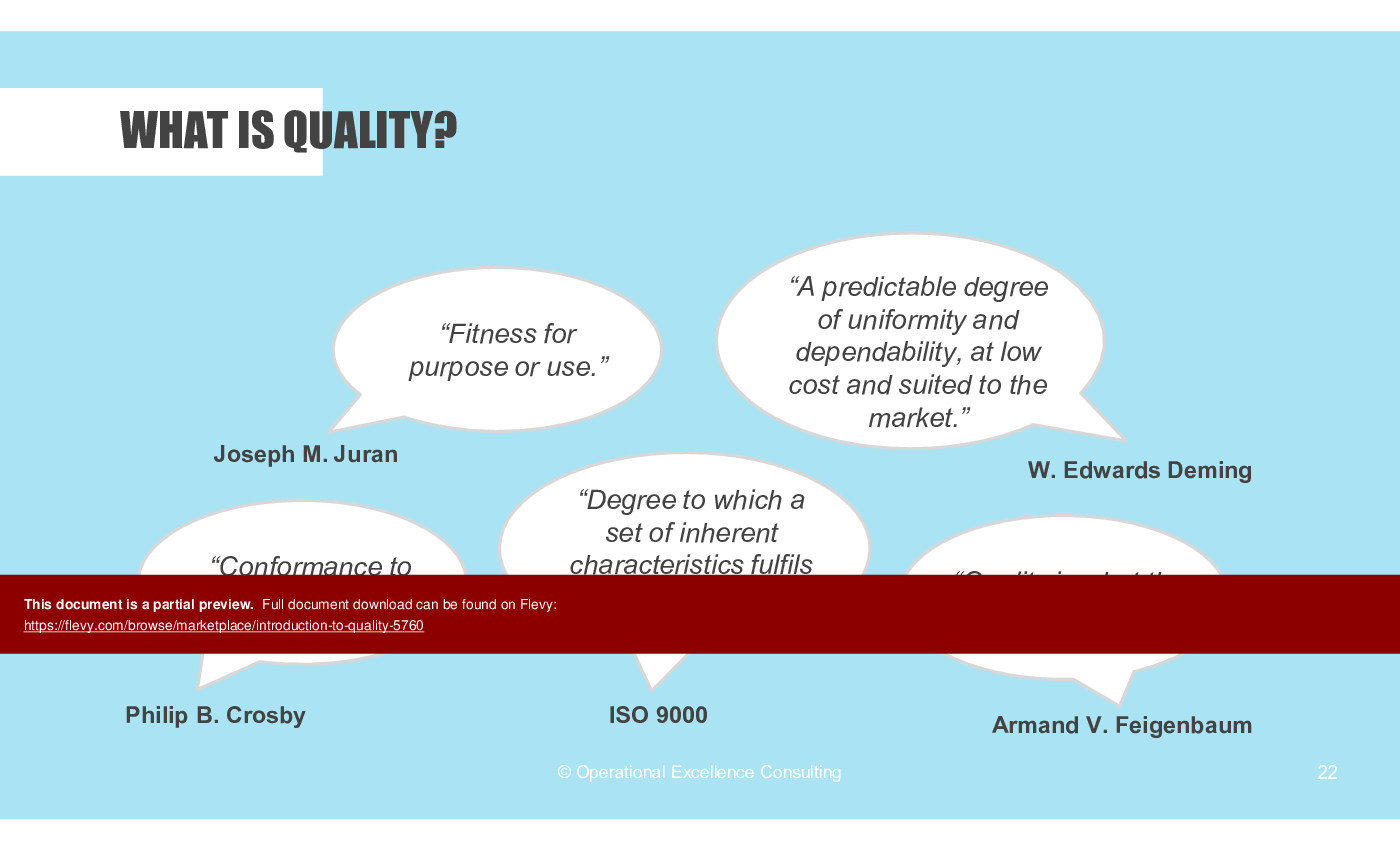
• Key quotes from quality pioneers emphasizing the importance of quality management
• Graphical models of various quality frameworks, such as the Baldrige Excellence Framework
• Infographics detailing the costs associated with poor quality and the benefits of quality improvement
Potential Workshop Agenda
Introduction to Quality Concepts (60 minutes)
• Overview of key quality definitions and principles
• Discussion on customer expectations and quality
Quality Improvement Tools and Techniques (90 minutes)
• Interactive session on PDCA and Six Sigma methodologies
• Group activity on identifying quality issues and proposing solutions
Best Practices in Quality Management (60 minutes)
• Case study analysis of successful quality initiatives
• Strategies for overcoming common challenges in quality implementation
Customization Guidance
• Tailor the presentation to include specific case studies relevant to your industry
• Adjust terminology and examples to align with your organizational context
• Incorporate company-specific quality metrics and goals into the training materials
Secondary Topics Covered
• The evolution of quality management practices
• The role of leadership in fostering a quality culture
• Techniques for engaging employees in quality initiatives
• The impact of customer feedback on quality improvement
FAQ
What is Total Quality Management?
Total Quality Management (TQM) is an organizational approach that seeks to improve quality and performance to meet or exceed customer expectations.
How can I implement quality improvement processes?
Utilize frameworks like PDCA or Six Sigma to systematically identify problems, implement solutions, and evaluate results.
What are common challenges in quality management?
Challenges include lack of management commitment, resistance to change, and insufficient training and resources.
How does customer feedback influence quality?
Customer feedback provides insights into expectations and satisfaction levels, guiding improvements in products and services.
What tools can be used for quality improvement?
Common tools include cause-and-effect diagrams, control charts, and Pareto analysis to identify and prioritize quality issues.
Why is a culture of continuous improvement important?
A culture of continuous improvement encourages ongoing efforts to enhance processes, leading to better quality and customer satisfaction.
How can I measure the effectiveness of quality initiatives?
Establish key performance indicators (KPIs) to track improvements in quality metrics, customer satisfaction, and operational efficiency.
What role does leadership play in quality management?
Leadership is crucial in setting the vision, fostering a quality culture, and ensuring that quality initiatives are prioritized and resourced.
Glossary
• Total Quality Management (TQM) - An organization-wide approach to continuous improvement focusing on quality.
• PDCA Cycle - A four-step iterative process for continuous improvement: Plan, Do, Check, Act.
• Six Sigma - A data-driven methodology aimed at reducing defects and improving quality.
• ISO 9001:2015 - An international standard for quality management systems.
• Voice of the Customer (VoC) - Feedback from customers regarding their experiences and expectations.
• Continuous Improvement - Ongoing efforts to enhance products, services, or processes.
• Quality Assurance (QA) - Systematic processes to ensure quality standards are met.
• Quality Control (QC) - Techniques and activities used to fulfill quality requirements.
• Benchmarking - Comparing business processes and performance metrics to industry bests.
• Kaizen - A Japanese term meaning "change for better," focusing on continuous improvement.
• Root Cause Analysis - A method of problem-solving that identifies the root causes of faults or problems.
• Quality Metrics - Measurements used to assess the quality of products or services.
• Stakeholder - Any individual or group affected by or interested in the outcome of a project or initiative.
• Defect - A failure to meet a quality standard or requirement.
• Customer Satisfaction - A measure of how products or services meet or exceed customer expectations.
• Cost of Quality - The total costs associated with ensuring that a product or service is of good quality.
• Quality Improvement - Efforts to enhance the quality of processes, products, or services.
• Quality Culture - An organizational culture that prioritizes quality in all aspects of operations.
• Quality Framework - A structured approach to managing and improving quality within an organization.
• Stakeholder Engagement - The process of involving individuals or groups who have an interest in the organization's activities.
• Quality Audit - A systematic examination of a quality system to determine its effectiveness.
Source: Best Practices in Quality Management PowerPoint Slides: Introduction to Quality PowerPoint (PPTX) Presentation Slide Deck, Operational Excellence Consulting
|
Receive our FREE presentation on Operational Excellence
This 50-slide presentation provides a high-level introduction to the 4 Building Blocks of Operational Excellence. Achieving OpEx requires the implementation of a Business Execution System that integrates these 4 building blocks. |