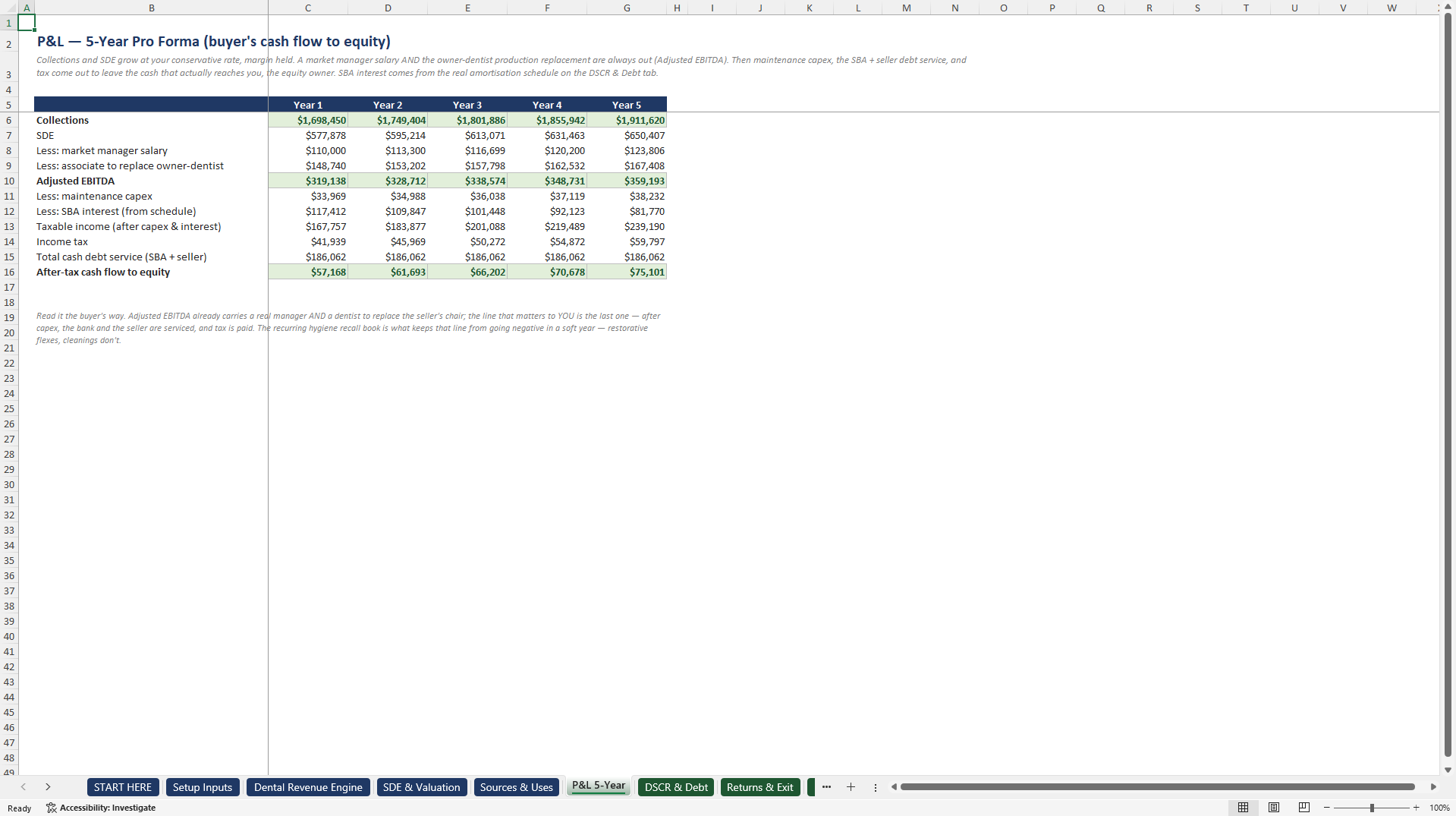
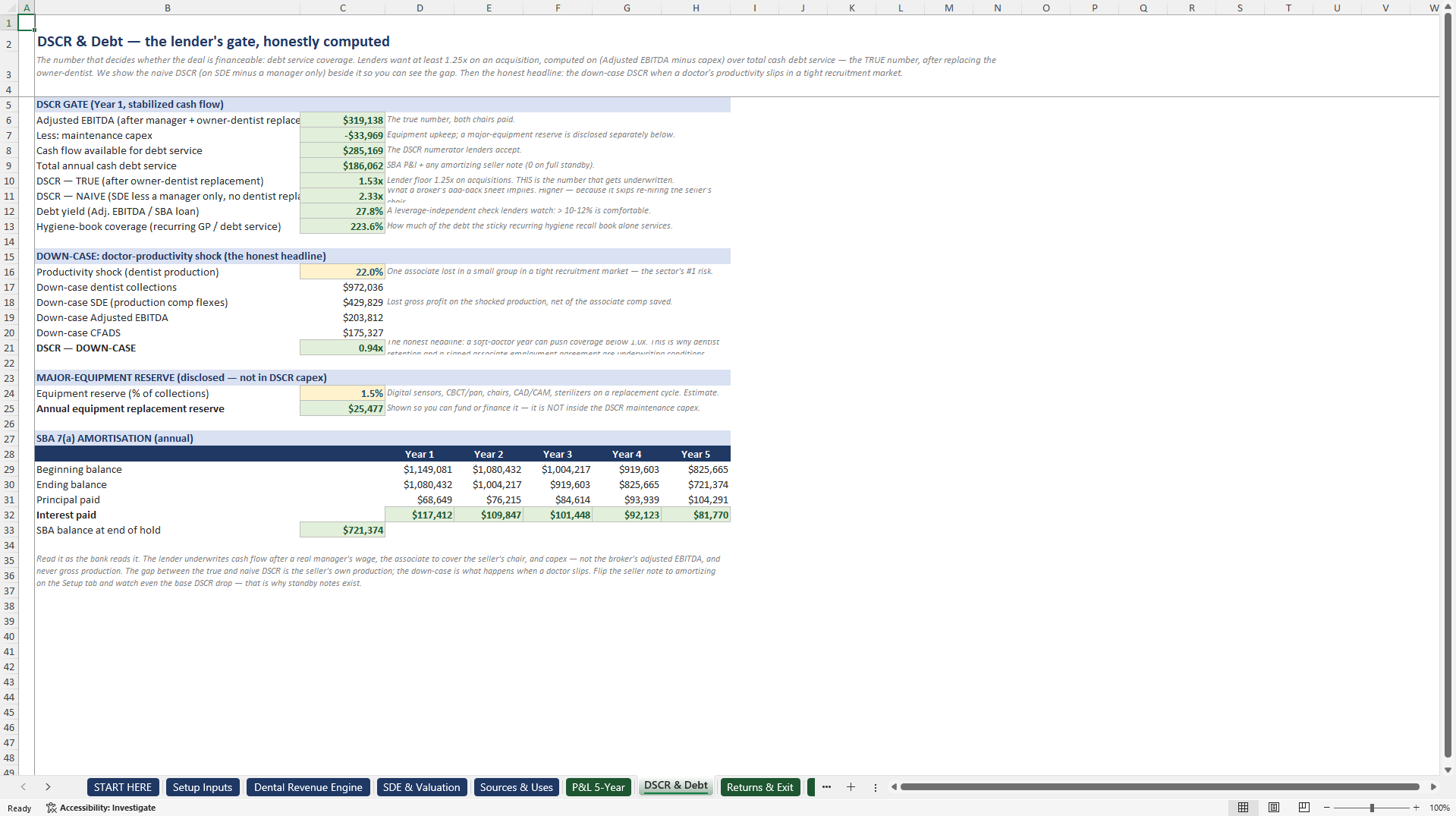
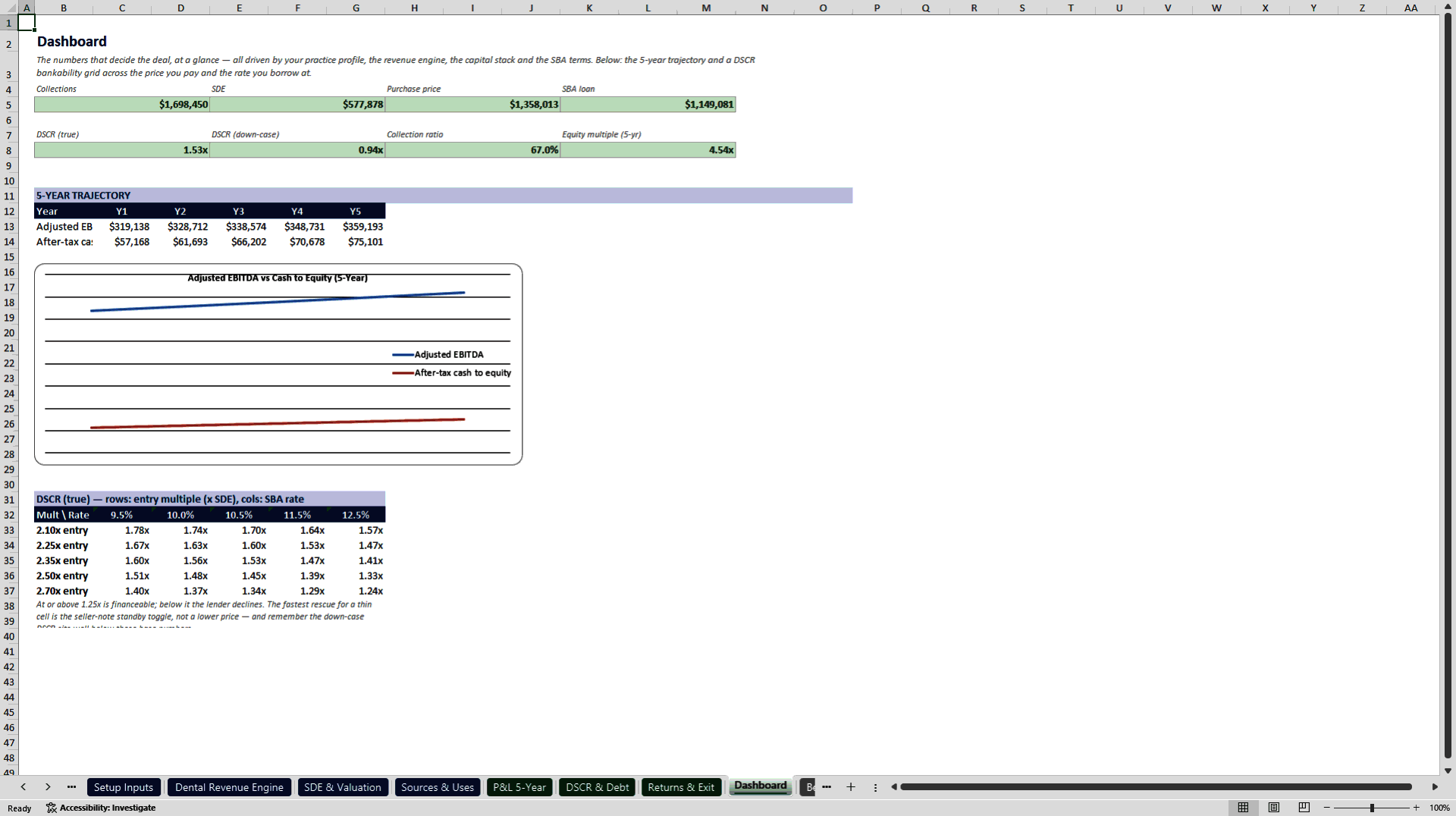
 Click main image to view in full screen.
Dental Practice Acquisition and SBA Underwriting Model – Excel XLSX
Excel (XLSX) + supplemental PDF


BENEFITS OF THIS DOWNLOADABLE EXCEL DOCUMENT
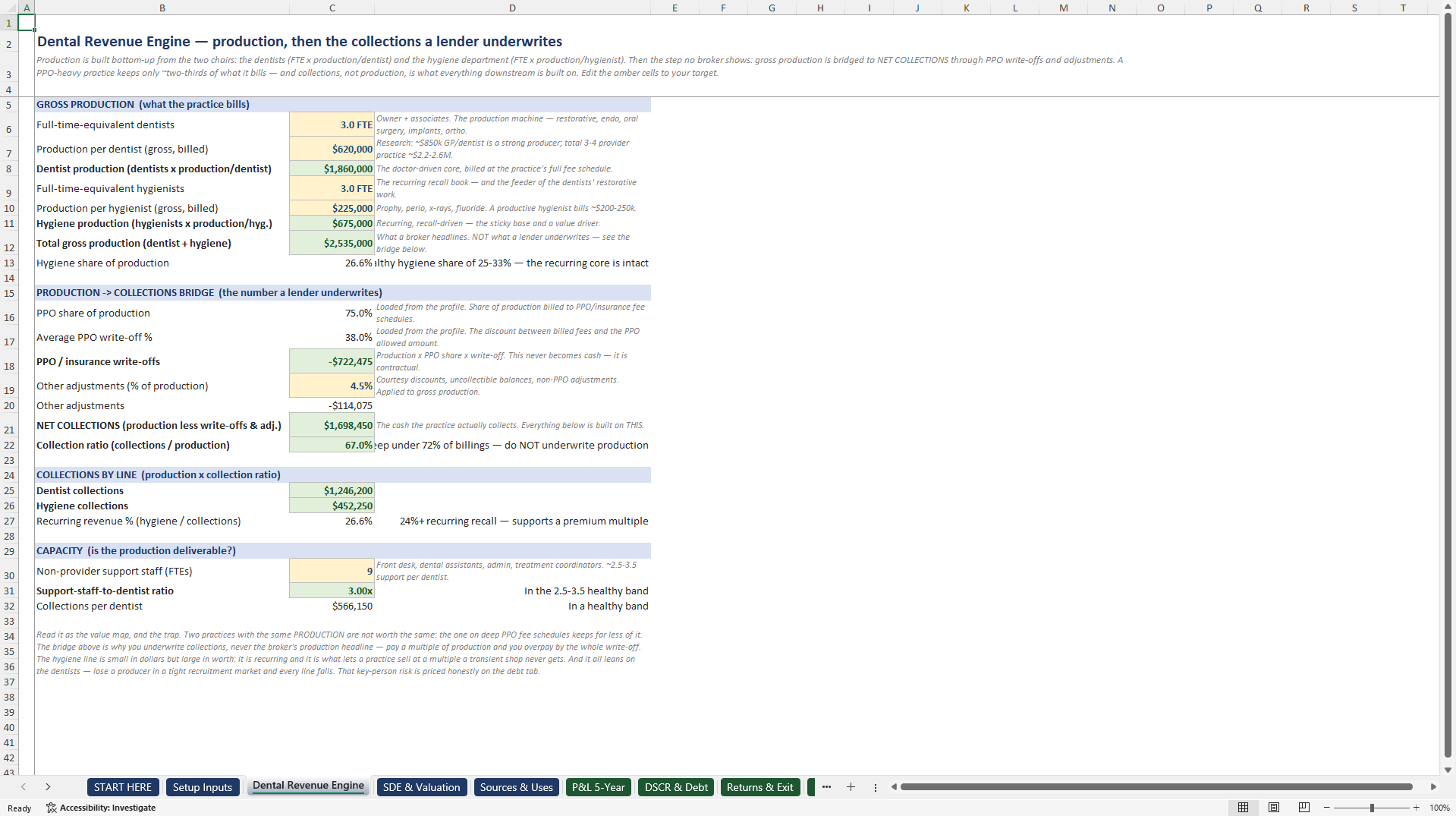
- Bridges gross production to net collections through PPO write-offs and adjustments, so you price the $1.70M the practice actually collects instead of the $2.54M it bills.
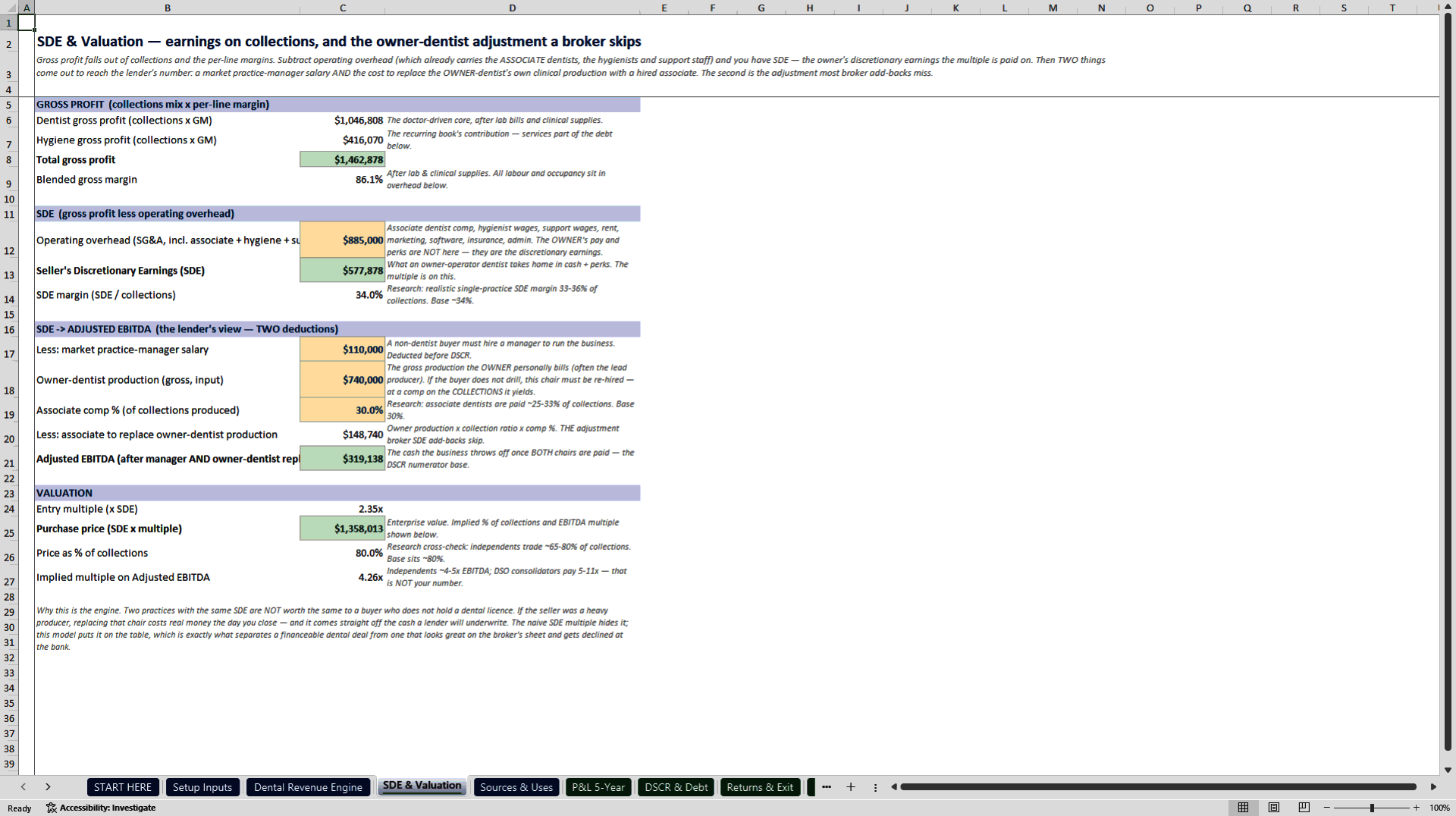
- Deducts both a practice manager and an associate at a share of collections to replace the owner-dentist's own production, and prints the resulting true DSCR of 1.53x next to the naive 2.33x.
- Runs the loss of one associate as a down-case, showing DSCR falling to 0.94x while the hygiene recall book still covers about 224% of debt service.
DENTAL SERVICES EXCEL DESCRIPTION
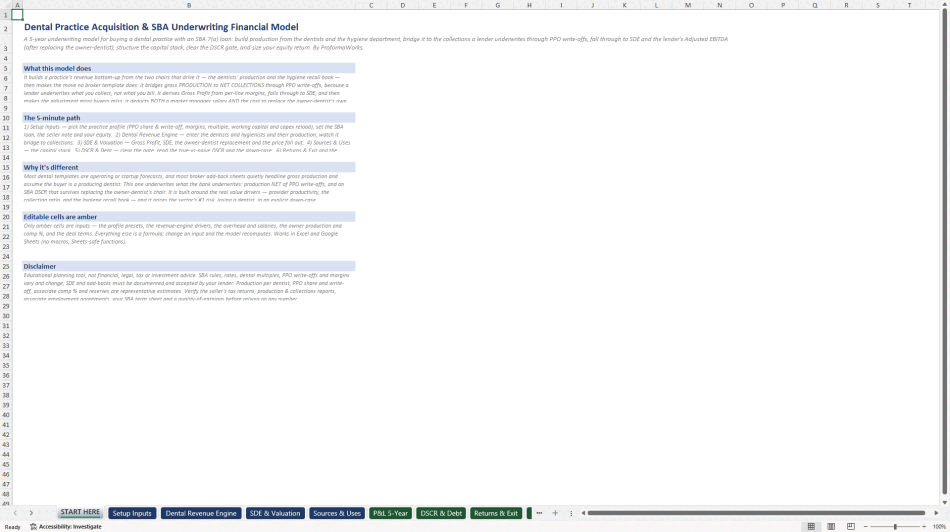
This is an acquisition-underwriting model for a buyer purchasing a single general-dentistry practice with an SBA 7(a) loan, and for the advisor or lender who has to defend the number. It intercepts the valuation error that a broker's production sheet depends on: paying a multiple of what the practice bills rather than what it keeps.
Production is not collections. Revenue is built bottom-up from the two chairs, FTE dentists times production per dentist plus the hygiene recall department, to reach gross production. The model then bridges gross production to net collections through PPO and insurance write-offs and adjustments. On the base case the practice bills $2.54M of production and collects $1.70M, a 67% collection ratio. Pay a multiple of production and you overpay by the entire write-off.
The second correction is the owner-dentist. The seller is usually a producing dentist, so if you or your buyer will not sit in that chair, an associate has to be hired at roughly 30% of collections, on top of a practice-manager salary. The model deducts both to reach Adjusted EBITDA and prints the true DSCR of 1.53x directly beside the naive broker-style DSCR of 2.33x. The gap is the seller's own production. It also runs the sector's main structural risk as a down-case: losing one associate, a production shock of about 22%, takes DSCR to 0.94x, below the lender floor, while the hygiene recall book covers about 224% of debt service on its own.
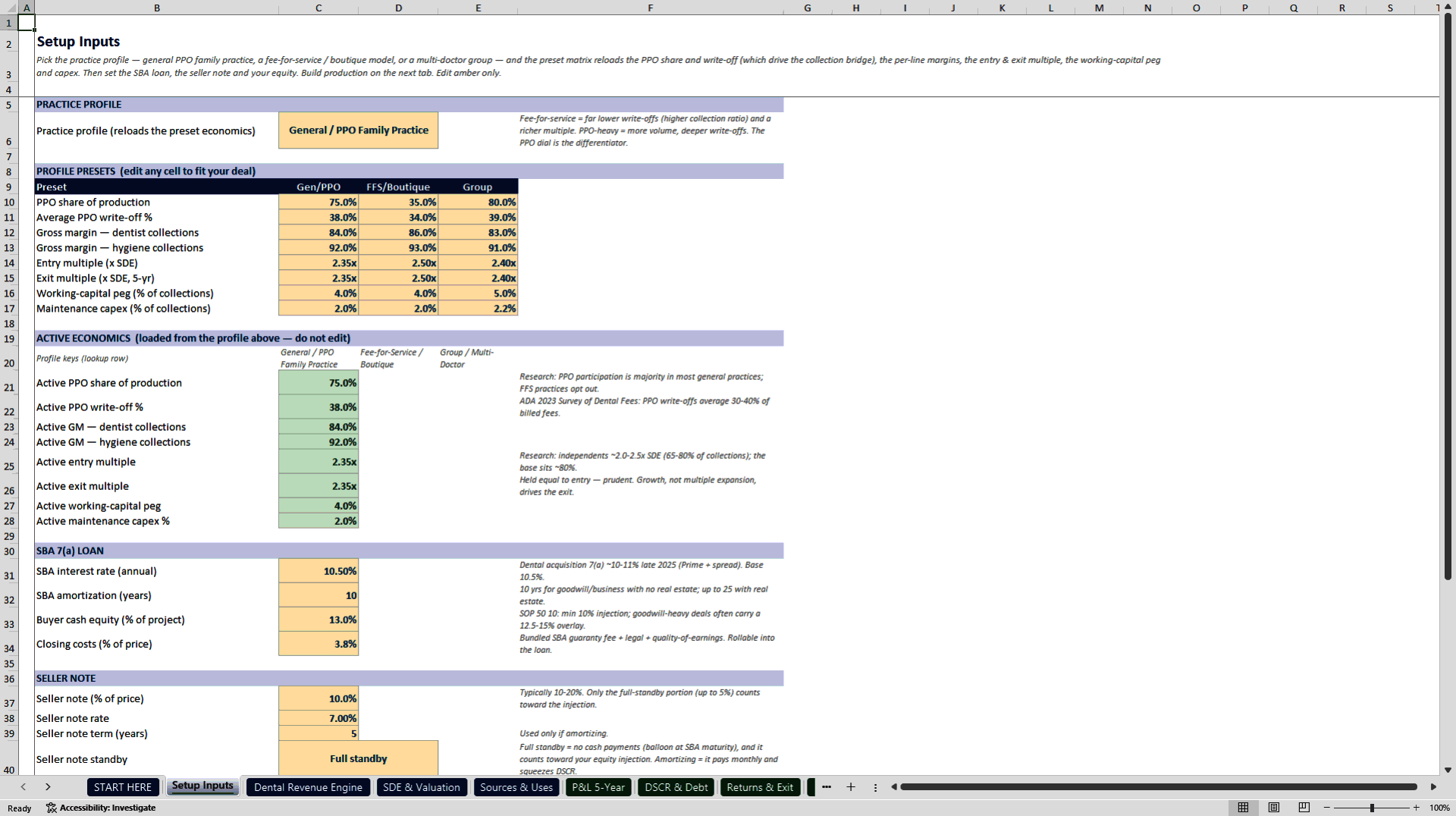
Ten sheets: START HERE, Setup, the Dental Revenue Engine with the production-to-collections bridge, a live collection ratio, a support-to-dentist ratio and a collections-per-dentist capacity check, SDE and Valuation, the SBA 7(a) capital stack with a full-standby versus amortizing seller-note toggle, the DSCR and Debt gate with debt yield, a five-year P&L, Returns and Exit, a Dashboard with a DSCR bankability grid across price and rate, and a Benchmarks and Sources tab. A three-way profile toggle reloads PPO share and write-off, margins, multiple, working capital and capex for a general PPO family practice, a fee-for-service boutique or a group multi-doctor practice. A 23-page PDF user guide is included.
What the model does not do. It does not headline an IRR, because on one small deal it is hostage to the exit multiple you assume. It holds the SDE margin at a realistic level rather than an inflated one, prices independents at roughly 2.0 to 2.5x SDE, and does not sell the DSO consolidator's 5 to 11x EBITDA as your return. A solo owner-heavy practice is shown not to pencil for a non-dentist buyer once the chair is re-hired. It is an educational planning tool, not financial, legal, tax or investment advice: verify the seller's tax returns, production and collections reports, associate employment agreements and your SBA term sheet before relying on any number. Excel and Google Sheets, no macros.
Got a question about the product? Email us at support@flevy.com or ask the author directly by using the "Ask the Author a Question" form. If you cannot view the preview above this document description, go here to view the large preview instead.
Source: Best Practices in Dental Services, Integrated Financial Model Excel: Dental Practice Acquisition and SBA Underwriting Model Excel (XLSX) Spreadsheet, ProformaWorks
ABOUT THE AUTHOR
ProformaWorks builds acquisition-grade financial models for Main Street and lower-middle-market businesses - the kind of deal financed with an SBA 7(a) loan or a small commercial facility.
Every model answers one question: does this deal pencil at the bank? That means SDE or NOI rebuilt from the seller's own numbers, the add-backs a lender will and will not accept, a debt-service
... [read more]
Ask the Author a Question
You must be logged in to contact the author.




























