
La gestion de la cybersécurité au sein d'une organisation est devenue une priorité majeure dans un environnement numérique de plus en plus complexe et menacé. Pour assurer une protection efficace des données et des systèmes informatiques, plusieurs aspects doivent être pris en compte.
Tout d'abord, il est essentiel d'intégrer la sécurité au sein même de la culture organisationnelle. Cela implique une sensibilisation de tous les acteurs aux enjeux de la cybersécurité, ainsi que la mise en place de politiques et de procédures adaptées pour prévenir les risques et réagir efficacement en cas d'incident.
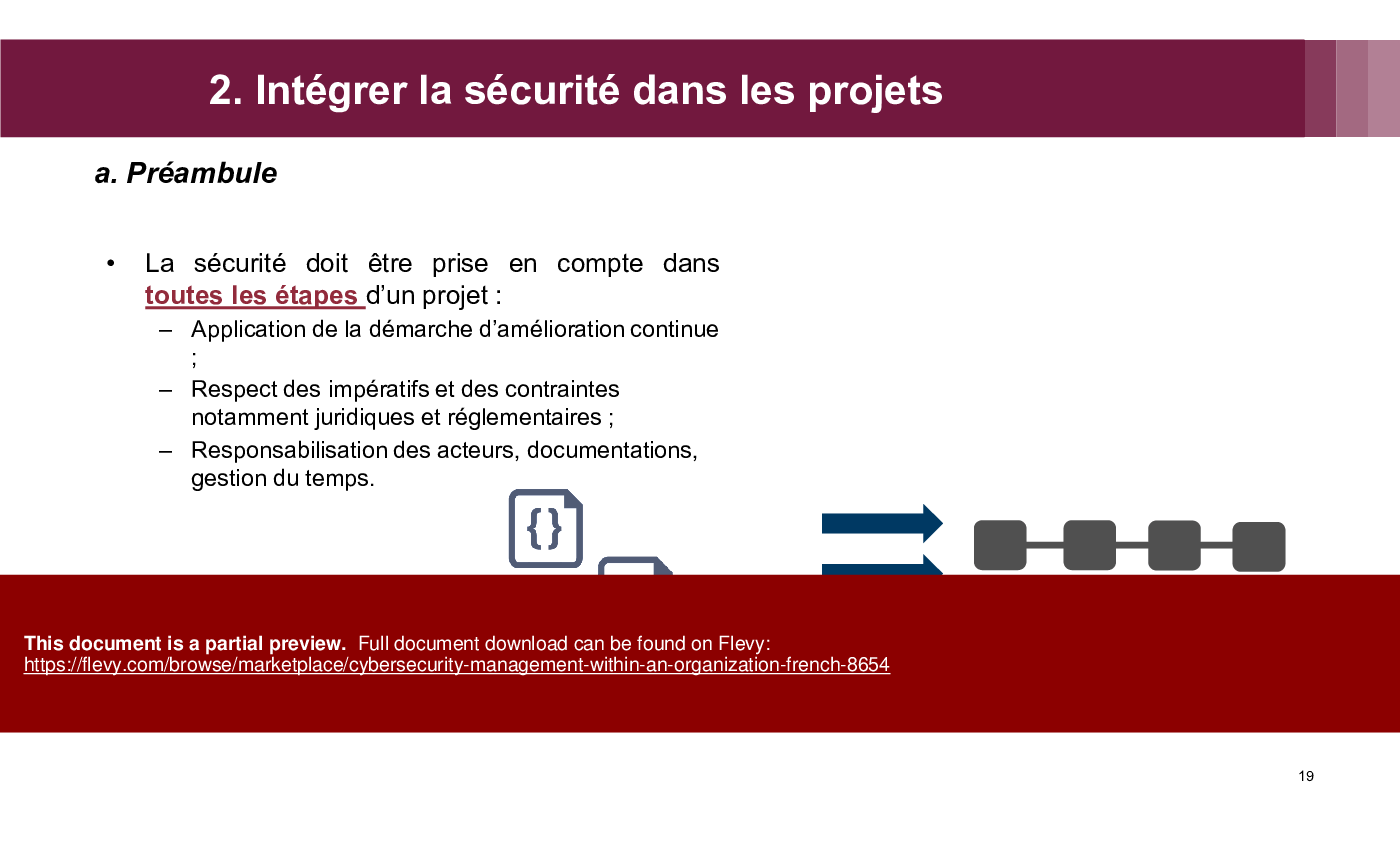
De plus, l'intégration de la sécurité dès le début des projets est cruciale pour garantir leur robustesse face aux menaces potentielles. Les équipes de développement doivent prendre en compte les aspects de sécurité dès la conception des systèmes et des applications, en suivant les meilleures pratiques et en intégrant des mécanismes de protection appropriés.
Cependant, malgré ces efforts, de nombreuses difficultés peuvent surgir lors de la prise en compte de la sécurité. La principale réside souvent dans le manque de ressources et de compétences spécialisées en cybersécurité au sein des organisations. La complexité croissante des technologies et des menaces nécessite des professionnels qualifiés et constamment formés pour faire face aux défis de sécurité.
Enfin, les métiers liés à la cybersécurité jouent un rôle essentiel dans la protection des organisations contre les cybermenaces. Ces métiers comprennent, entre autres, les analystes de sécurité, les experts en forensics, les ingénieurs en sécurité des systèmes, les spécialistes en gestion des risques, et les responsables de la conformité réglementaire. Leur expertise est indispensable pour mettre en œuvre des stratégies de sécurité efficaces et maintenir la résilience des infrastructures informatiques face aux attaques.
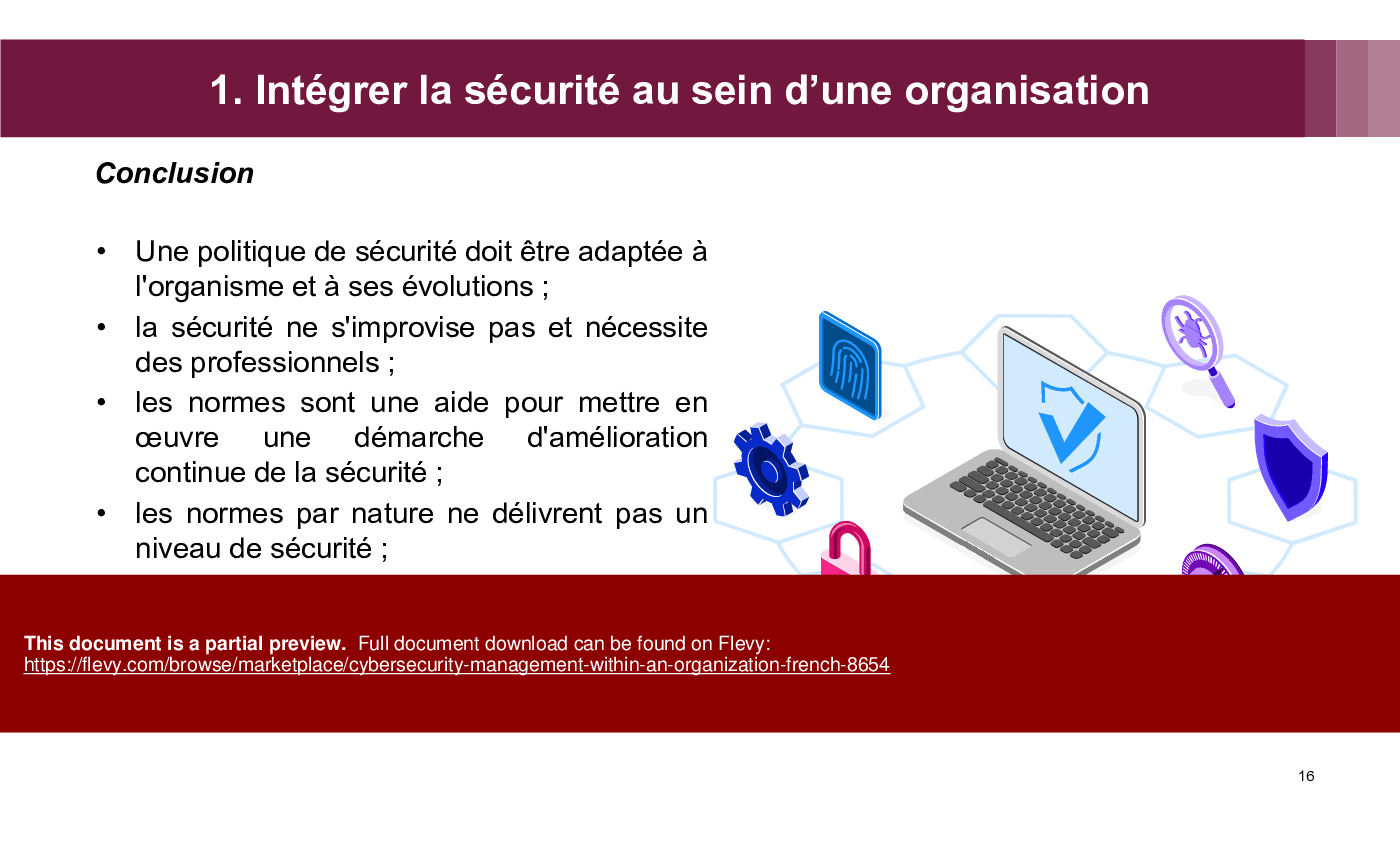
En conclusion, la gestion de la cybersécurité au sein d'une organisation nécessite une approche holistique, intégrant la sécurité à tous les niveaux et dans tous les aspects de l'activité. Malgré les défis rencontrés, l'implication de tous les acteurs et le recours à des professionnels qualifiés sont des éléments clés pour assurer une protection efficace contre les menaces cybernétiques.
Got a question about the product? Email us at support@flevy.com or ask the author directly by using the "Ask the Author a Question" form. If you cannot view the preview above this document description, go here to view the large preview instead.
Executive Summary
This presentation on Cybersecurity Management within an Organization provides a comprehensive framework for integrating security practices into organizational processes. Developed by experts with experience from leading consulting firms, this resource equips corporate executives and cybersecurity professionals with the necessary tools to assess risks, implement security measures, and respond to incidents effectively. The deck covers essential ISO standards, risk management strategies, and best practices, enabling organizations to enhance their cybersecurity posture and ensure compliance with regulatory requirements.
Who This Is For and When to Use
• Chief Information Security Officers (CISOs) responsible for developing and implementing security policies.
• IT managers overseeing cybersecurity initiatives and compliance.
• Project managers integrating security measures into project lifecycles.
• Human resources professionals involved in security training and awareness programs.
Best-fit moments to use this deck:
• During the development of a cybersecurity strategy or policy framework.
• When conducting risk assessments and identifying vulnerabilities within the organization.
• In training sessions aimed at enhancing employee awareness of cybersecurity practices.
Learning Objectives
• Define the key components of an effective cybersecurity management system.
• Identify relevant ISO standards and their application in organizational contexts.
• Establish a risk management framework tailored to the organization's needs.
• Implement best practices for information classification and access control.
• Develop a comprehensive action plan for incident response and recovery.
• Foster a culture of security awareness among employees and stakeholders.
Table of Contents
• Introduction to Cybersecurity Management (page 2)
• Integrating Security into Organizational Processes (page 3)
• Overview of ISO 27000 Series Standards (page 5)
• Risk Management Guidelines (page 12)
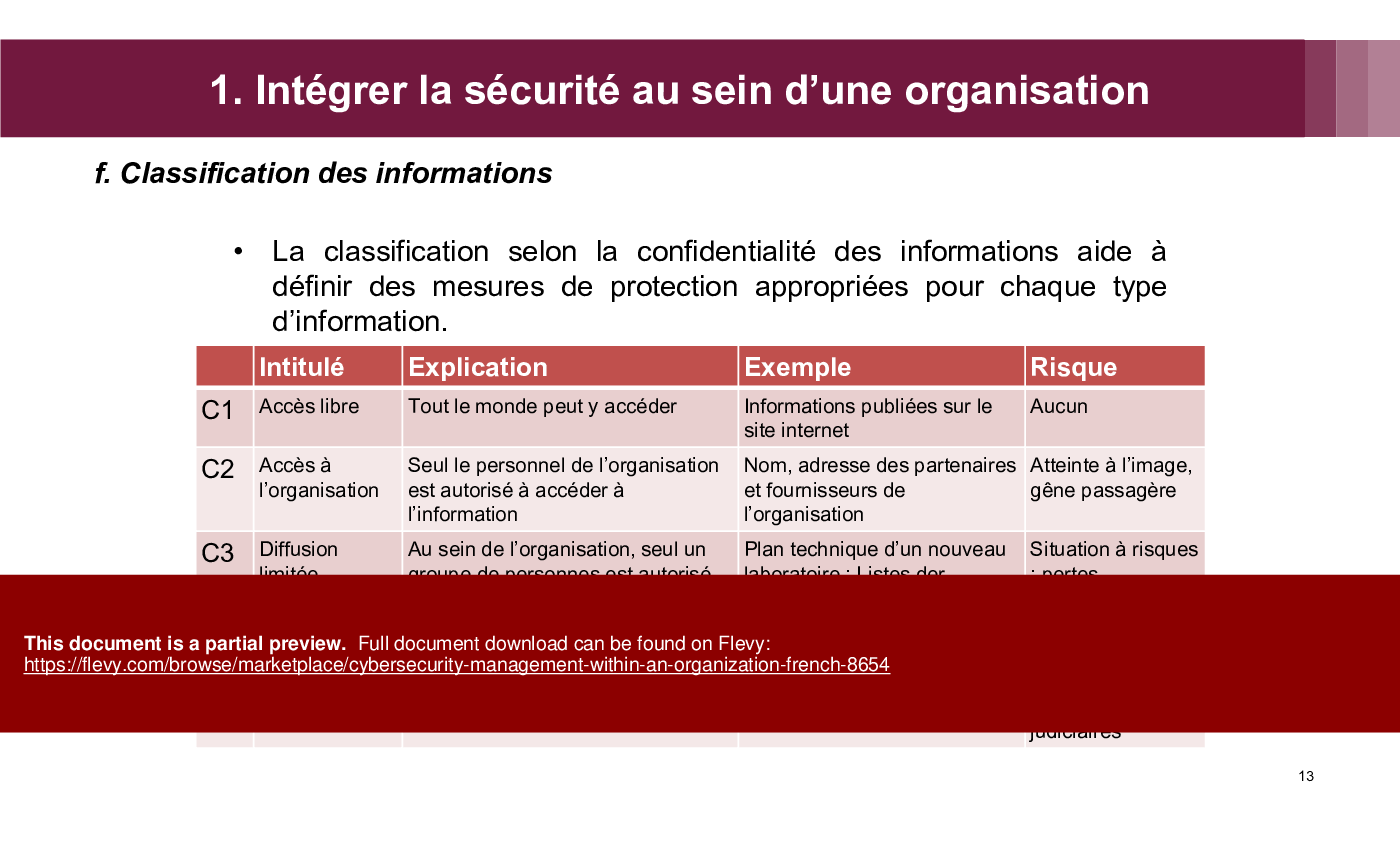
• Information Classification and Access Control (page 13)
• Human Resource Security Management (page 15)
• Security in Project Management (page 18)
• Challenges in Cybersecurity Implementation (page 30)
• Career Opportunities in Cybersecurity (page 52)
Primary Topics Covered
• Integrating Security into Organizational Processes - Strategies for embedding security within organizational culture and operations, ensuring compliance with regulations and standards.
• ISO 27000 Series Standards - Overview of key ISO standards relevant to information security management, including ISO 27001, 27002, and 27005.
• Risk Management - Framework for identifying, assessing, and mitigating risks associated with information security.
• Information Classification - Guidelines for categorizing information based on sensitivity and implementing appropriate protection measures.
• Human Resource Security - Best practices for managing personnel security, including recruitment, training, and termination processes.
• Project Management Security - Techniques for incorporating security considerations throughout the project lifecycle to mitigate risks.
Deliverables, Templates, and Tools
• Risk assessment templates for evaluating organizational vulnerabilities.
• Information classification policy templates to guide data handling practices.
• Incident response plan templates to streamline response efforts during security breaches.
• Training materials for employee awareness programs on cybersecurity best practices.
• Checklists for compliance with ISO 27000 series standards.
Slide Highlights
• Overview of ISO 27000 series standards and their relevance to cybersecurity management.
• Detailed framework for risk management, including steps for risk identification and mitigation.
• Examples of effective information classification strategies and access control measures.
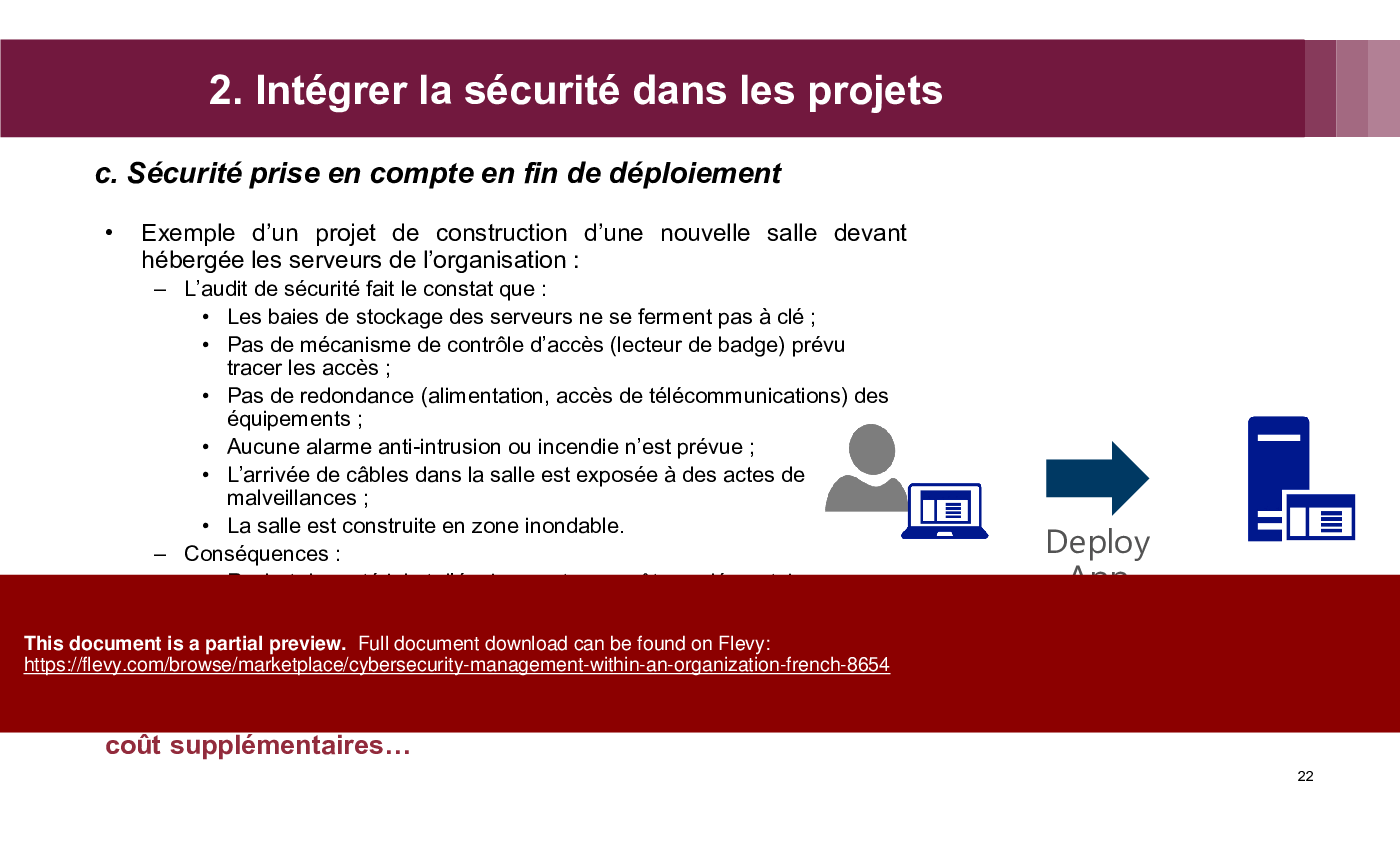
• Case studies illustrating the consequences of inadequate cybersecurity practices.
• Visual representations of the integration of security into project management phases.
Potential Workshop Agenda
Introduction to Cybersecurity Management (60 minutes)
• Overview of the importance of cybersecurity in organizations.
• Discussion of key concepts and frameworks.
Risk Management Workshop (90 minutes)
• Hands-on activities for identifying and assessing risks.
• Group discussions on developing risk mitigation strategies.
Implementing Security in Projects (90 minutes)
• Case studies on integrating security into project lifecycles.
• Group exercises to develop security plans for hypothetical projects.
Customization Guidance
• Tailor the risk assessment templates to reflect specific organizational risks and regulatory requirements.
• Adapt the information classification policy to align with the organization's data handling practices.
• Update training materials to include organization-specific examples and scenarios.
Secondary Topics Covered
• Challenges in understanding cybersecurity implications across different organizational levels.
• The role of leadership in fostering a security-conscious culture.
• Emerging trends in cybersecurity technologies and practices.
• The impact of remote work on organizational security posture.
Topic FAQ
Document FAQ
These are questions addressed within this presentation.
What are the key ISO standards relevant to cybersecurity?
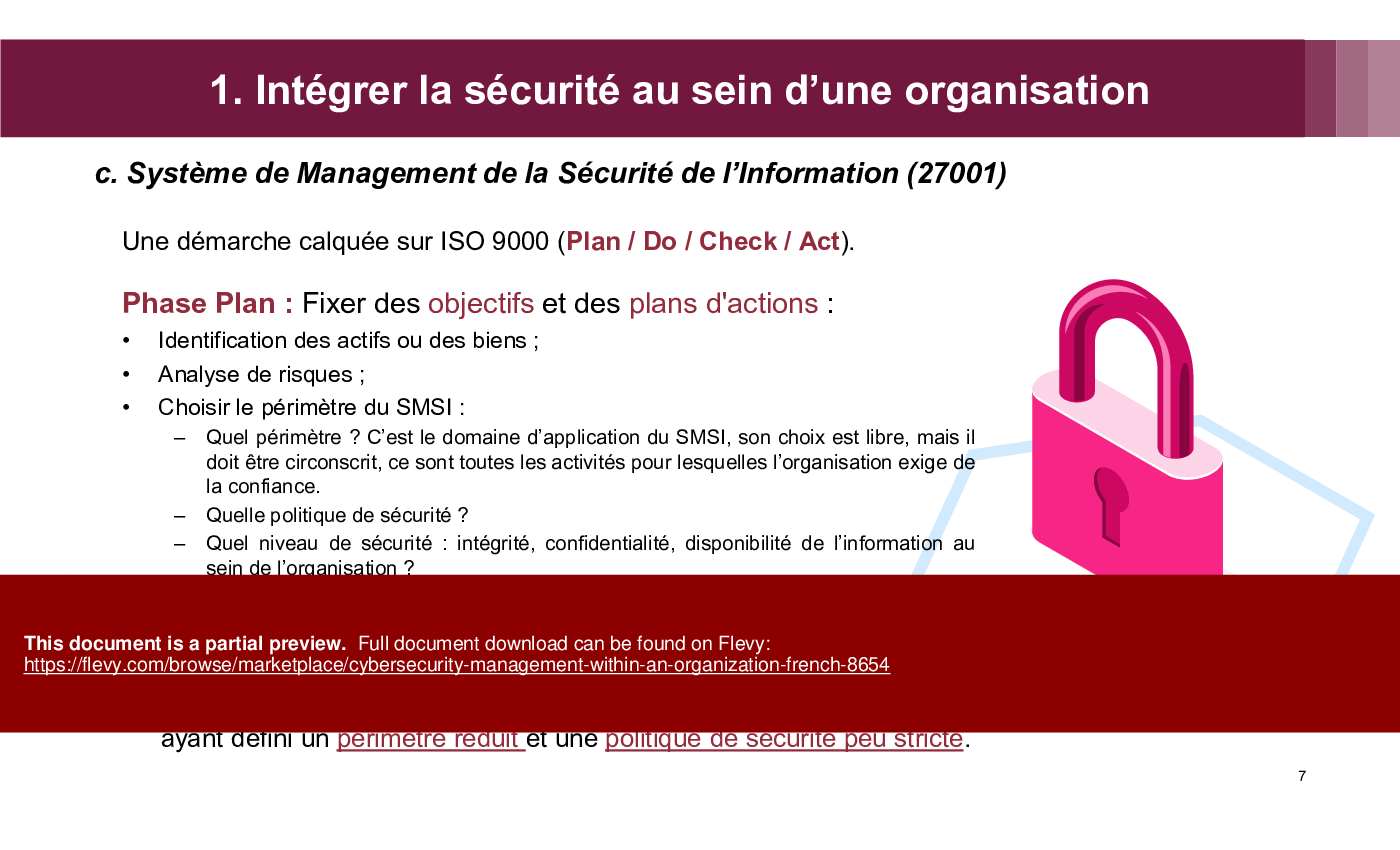
ISO 27001 focuses on establishing an information security management system, while ISO 27002 provides best practices for implementing security controls.
How can organizations assess their cybersecurity risks?
Organizations can conduct risk assessments using established frameworks to identify vulnerabilities, threats, and potential impacts on their operations.
What is the importance of information classification?
Classifying information helps organizations determine appropriate security measures based on the sensitivity and criticality of the data.
How can organizations foster a culture of security awareness?
Regular training sessions, clear communication of security policies, and involving employees in security initiatives can enhance awareness and compliance.
What are the challenges in implementing cybersecurity measures?
Common challenges include insufficient understanding of security implications, lack of leadership support, and balancing security with operational efficiency.
How can project managers integrate security into their projects?
Project managers should incorporate security assessments during the planning phase, involve security experts in project teams, and ensure compliance with security policies throughout the project lifecycle.
What career opportunities exist in cybersecurity?
Roles include security analysts, risk managers, compliance officers, and security architects, with increasing demand across various sectors.
What skills are essential for a career in cybersecurity?
Technical skills in information technology, knowledge of security frameworks, risk management expertise, and strong analytical abilities are crucial for success in cybersecurity roles.
Glossary
• ISO 27001 - Standard for establishing and maintaining an information security management system.
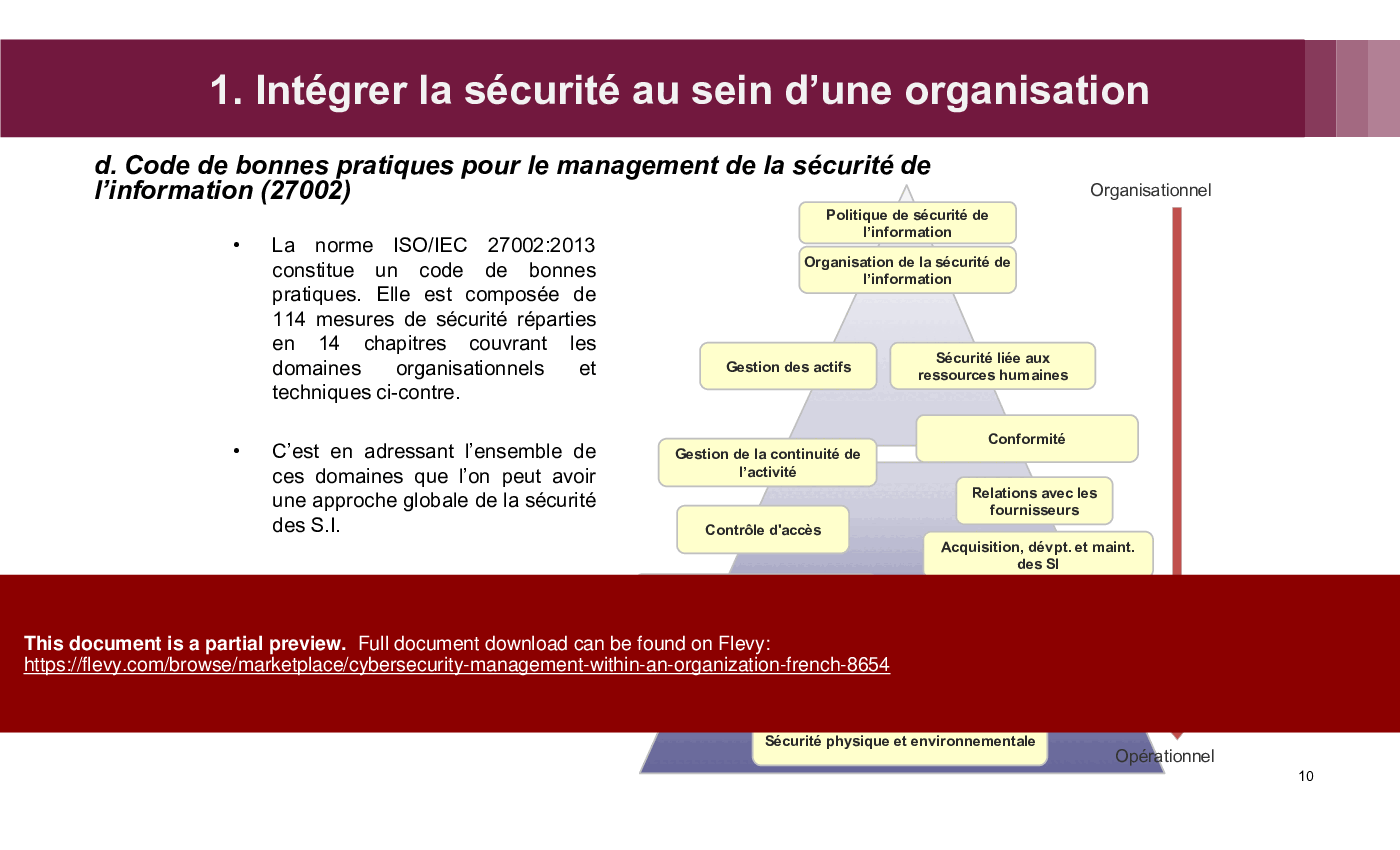
• ISO 27002 - Code of best practices for information security management.
• Risk Assessment - Process of identifying and evaluating risks to organizational assets.
• Information Classification - Categorization of information based on sensitivity and required protection measures.
• Incident Response - Actions taken to address and manage the aftermath of a security breach.
• Human Resource Security - Practices related to managing personnel security and awareness.
• Project Lifecycle - Phases through which a project progresses from initiation to closure.
• Cybersecurity Culture - Organizational mindset prioritizing security awareness and practices.
• Compliance - Adherence to laws, regulations, and standards related to information security.
• Data Breach - Unauthorized access to confidential information.
• Security Audit - Evaluation of an organization's security measures and compliance with standards.
• Threat - Potential cause of an unwanted incident that may result in harm to a system or organization.
• Vulnerability - Weakness in a system that can be exploited by threats.
• Access Control - Measures to restrict access to information and systems.
• Security Policy - Document outlining an organization's security objectives and procedures.
• Cybersecurity Framework - Structured approach to managing cybersecurity risks.
• Data Encryption - Process of converting information into a secure format to prevent unauthorized access.
• Security Awareness Training - Programs designed to educate employees about cybersecurity risks and best practices.
• Incident Management - Process of responding to and managing security incidents.
• Security Governance - Framework for managing and overseeing an organization's security efforts.
• Business Continuity - Planning for maintaining operations during and after a disruption.
• Cyber Threat Intelligence - Information about potential threats to an organization's cybersecurity.
• Malware - Malicious software designed to harm or exploit any programmable device or network.
Source: Best Practices in Cyber Security PowerPoint Slides: Cybersecurity Management within an Organization (French) PowerPoint (PPTX) Presentation Slide Deck, RadVector Consulting
|
Download our FREE Digital Transformation Templates
Download our free compilation of 50+ Digital Transformation slides and templates. DX concepts covered include Digital Leadership, Digital Maturity, Digital Value Chain, Customer Experience, Customer Journey, RPA, etc. |










