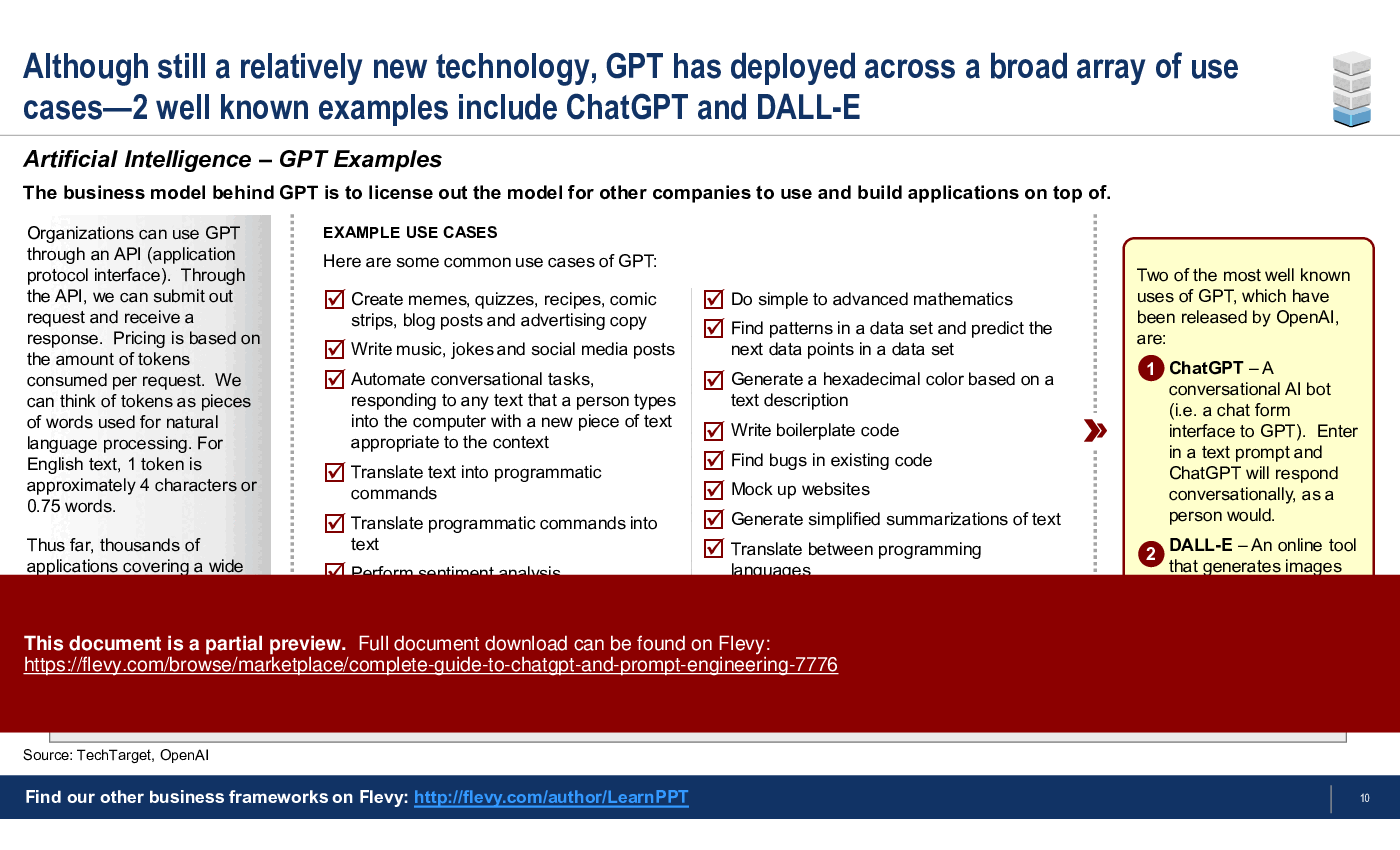
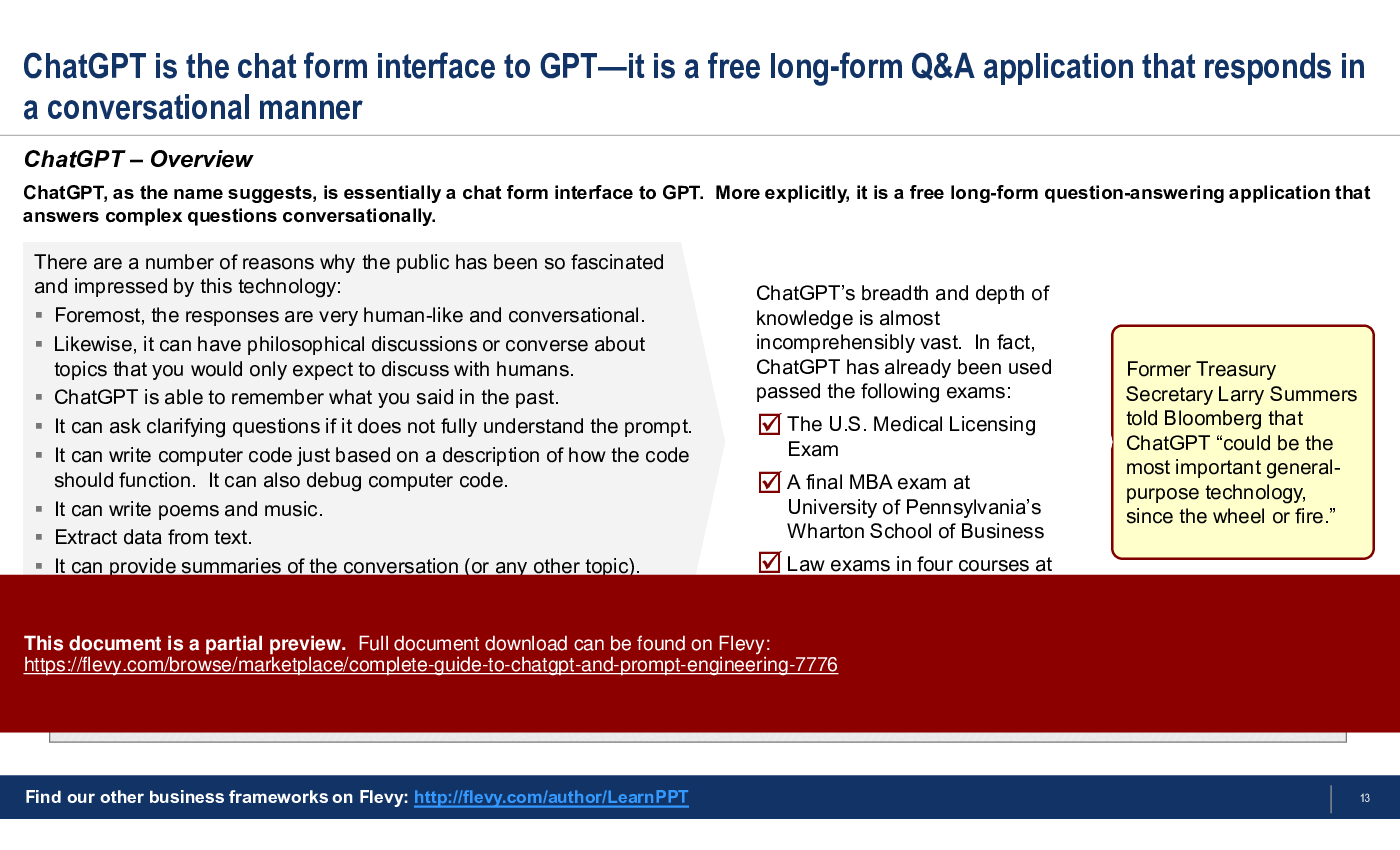
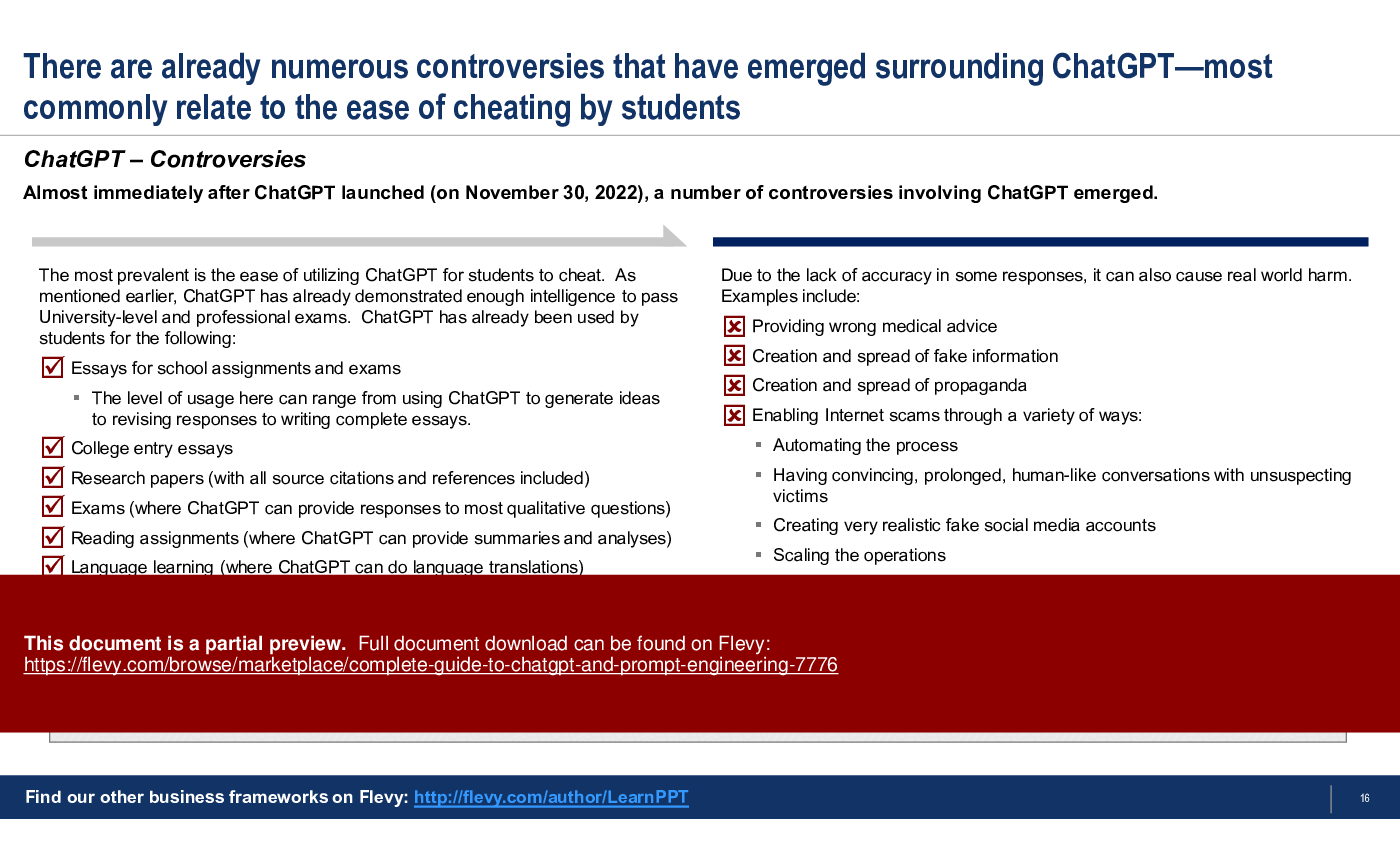
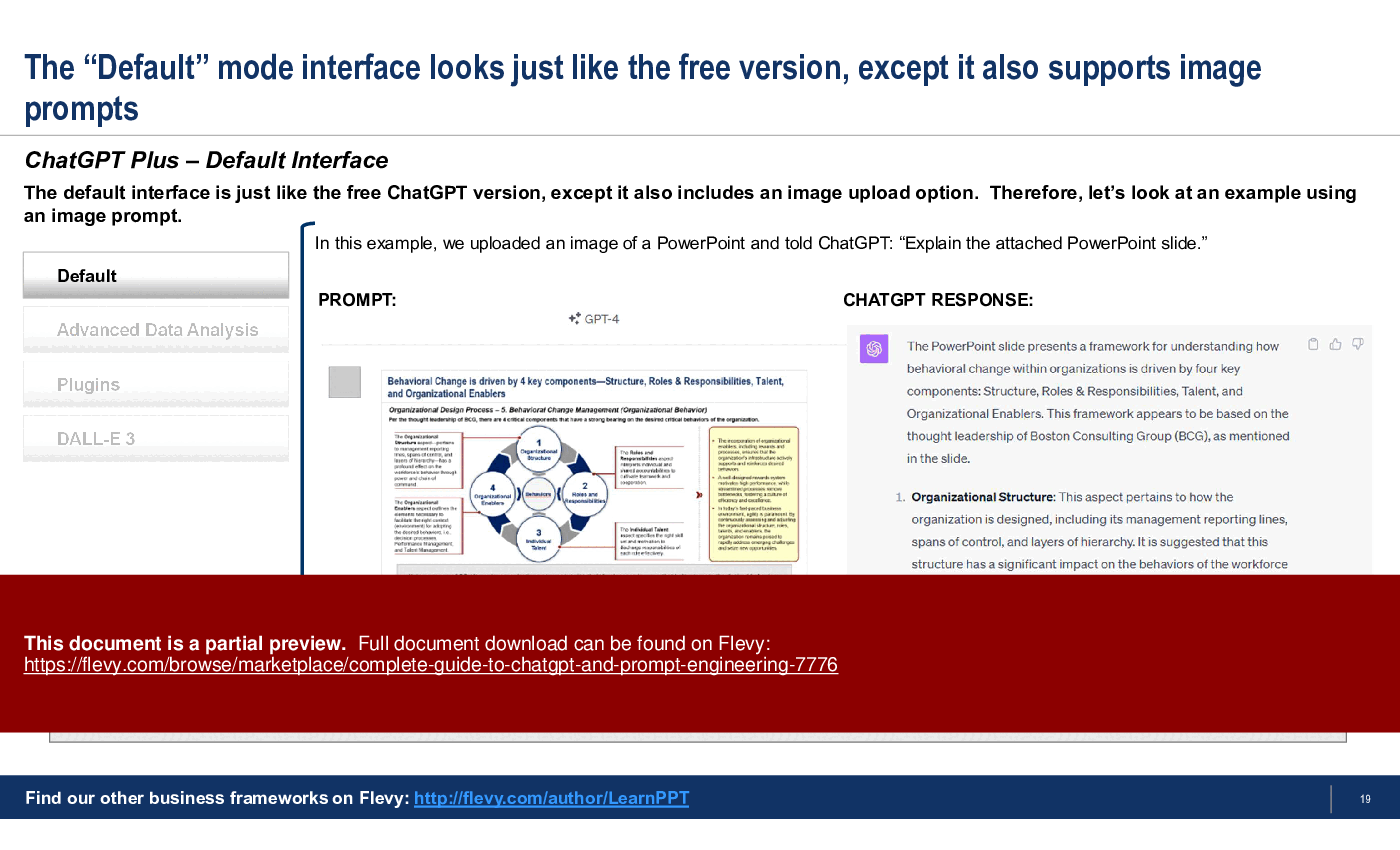

Everyone has heard of ChatGPT. Immediately after launch, it gained both fame and infamy, and grew to become the fastest growing application of all time. But, have you used it? And, more importantly, do you understand how to maximize its usage to derive the greatest value for your work or organization?

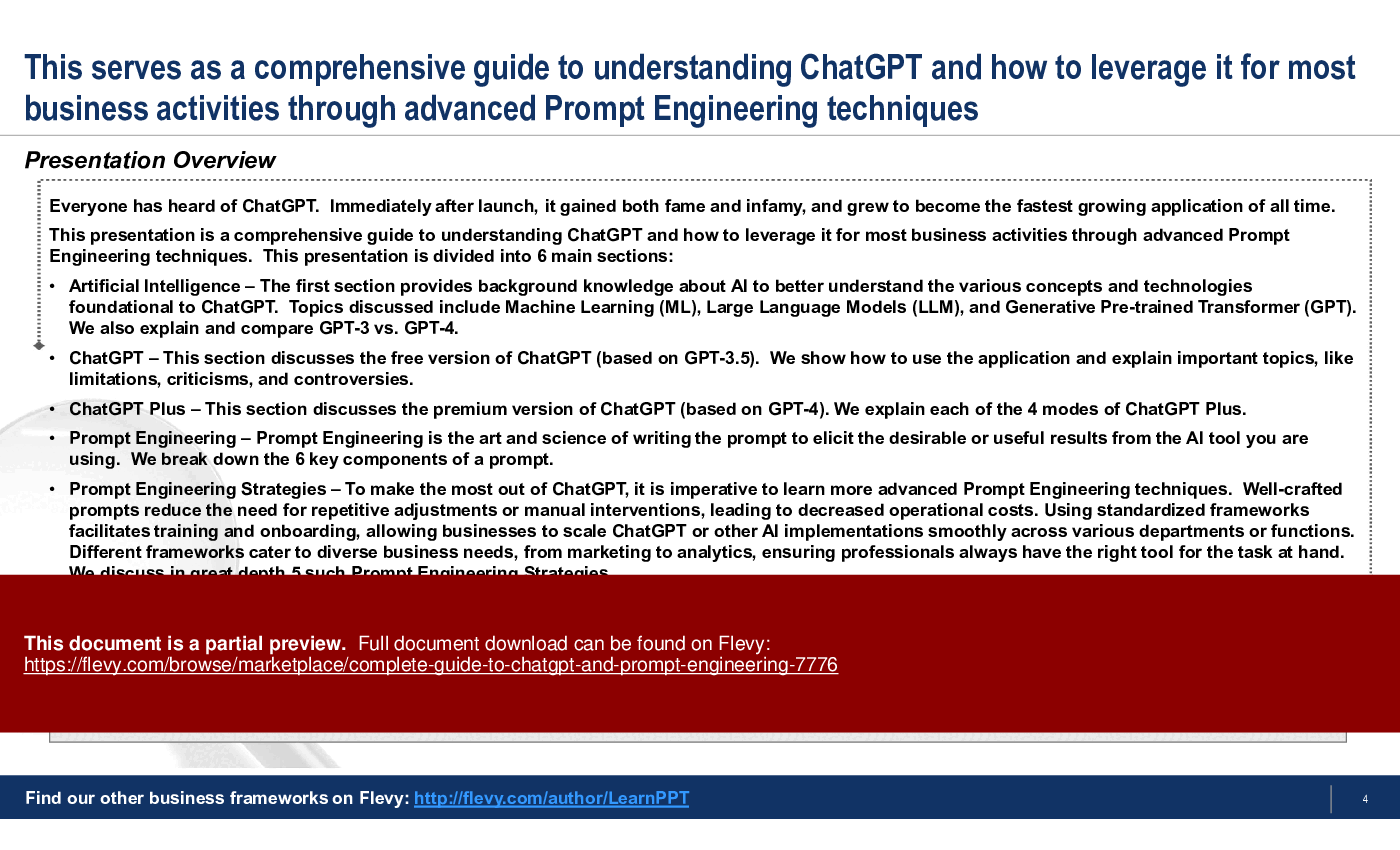
This PowerPoint presentation is a comprehensive guide to understanding ChatGPT and how to leverage it for most business activities through advanced Prompt Engineering techniques. This presentation is divided into 6 main sections:
Artificial Intelligence – The first section provides background knowledge about AI to better understand the various core concepts and technologies foundational to ChatGPT. Topics discussed include Machine Learning (ML), Large Language Models (LLM), and Generative Pre-trained Transformer (GPT). We also explain and compare GPT-3 vs. GPT-4.
ChatGPT – This section discusses the free version of ChatGPT (based on GPT-3.5). We show how to use the application and explain important topics, like limitations, criticisms, and controversies.
ChatGPT Plus – This section discusses the premium version of ChatGPT (based on GPT-4). We explain each of the 4 modes of ChatGPT Plus:
• Default (with Image prompting)
• Advanced Data Analysis
• Plugins
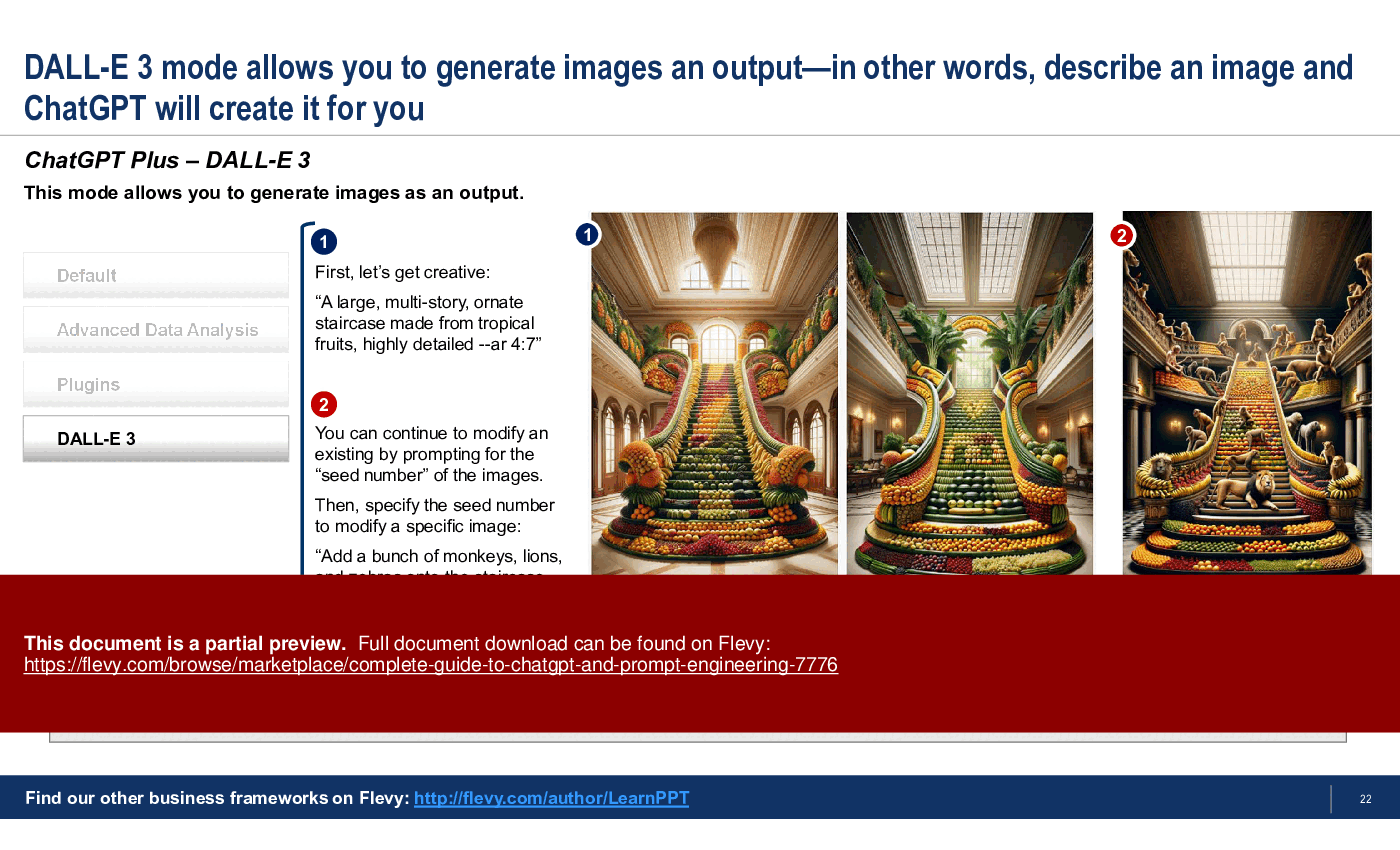
• DALL-E 3
Prompt Engineering – Prompt Engineering is the art and science of writing the prompt to elicit the desirable or useful results from the AI tool you are using. We break down the 6 key components of a prompt:
• Task
• Persona
• Context
• Format
• Tone
• Examples
Prompt Engineering Strategies – To make the most out of ChatGPT, it is imperative to learn more advanced Prompt Engineering techniques. Well-crafted prompts reduce the need for repetitive adjustments or manual interventions, leading to decreased operational costs. Using standardized frameworks facilitates training and onboarding, allowing businesses to scale ChatGPT or other AI implementations smoothly across various departments or functions. Different frameworks cater to diverse business needs, from marketing to analytics, ensuring professionals always have the right tool for the task at hand. We discuss in great depth 5 such Prompt Engineering Strategies:
• RTF Framework
• Chain of Thought (CoT)
• RISEN Framework
• RODES Framework
• Chain of Density (CoD)
Advanced Prompting Examples – This section showcases a couple advanced prompting examples. They are full conversations that will help you better understand capabilities and potential for ChatGPT; and should illuminate ways in which you can leverage this emergent AI technology for your work or organization.
This PowerPoint presentation on ChatGPT and Prompt Engineering also includes slide templates for you to use in your own business presentations.
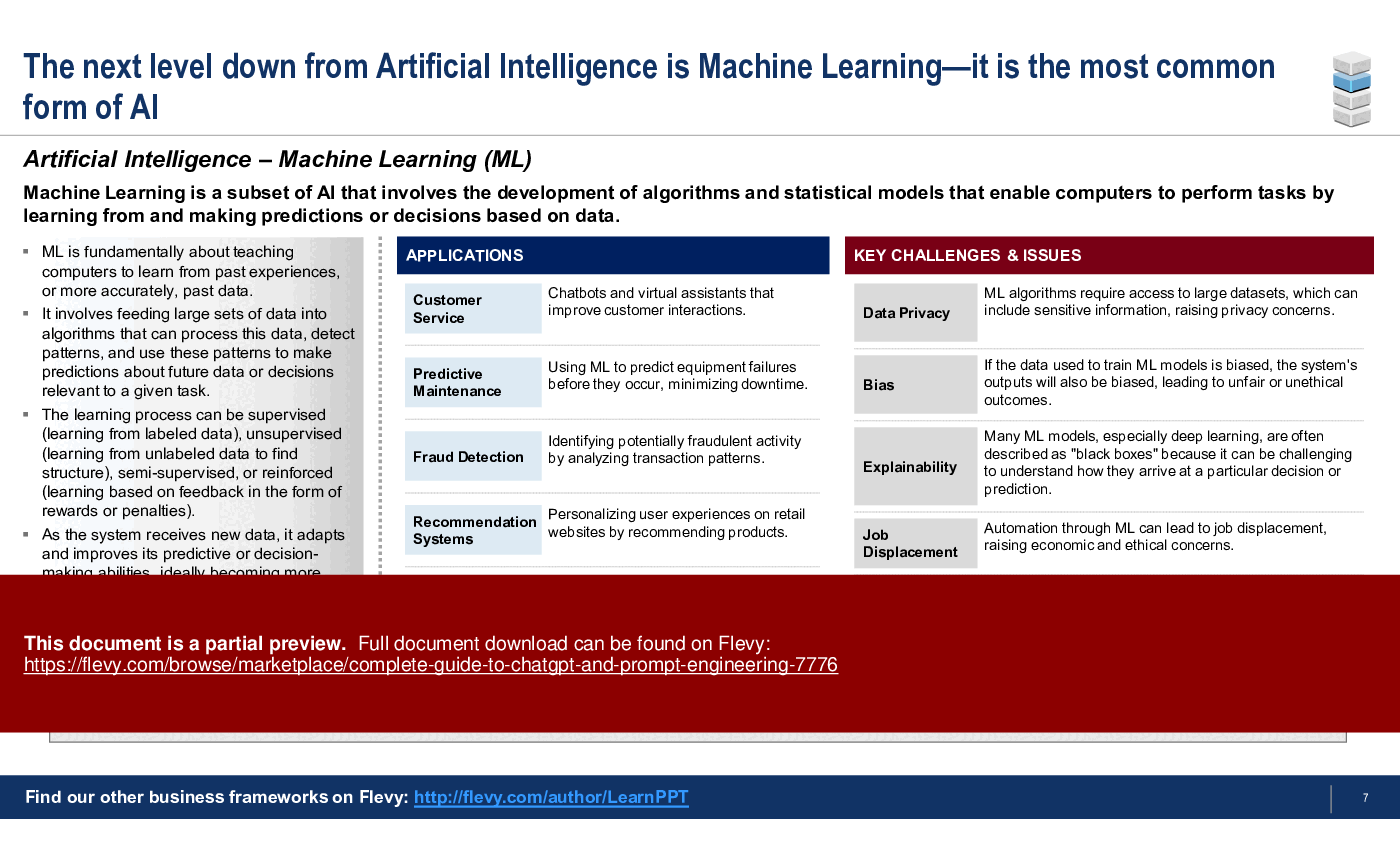
Gain insights into the most common applications and challenges of Machine Learning within AI. Understand how to leverage ChatGPT's capabilities for supply chain analysis and organizational design.
Got a question about the product? Email us at support@flevy.com or ask the author directly by using the "Ask the Author a Question" form. If you cannot view the preview above this document description, go here to view the large preview instead.
Executive Summary
The "Complete Guide to ChatGPT & Prompt Engineering" is an essential resource for corporate executives, integration leaders, and consultants aiming to harness the power of AI in their organizations. This presentation, crafted by former consultants from top firms like McKinsey, BCG, and Deloitte, provides a detailed exploration of ChatGPT, its functionalities, and advanced prompt engineering techniques. Users will gain insights into the distinctions between ChatGPT versions, practical applications, and strategies for effective prompt crafting, enabling them to maximize AI's potential in various business functions.
Who This Is For and When to Use
• Corporate executives seeking to implement AI solutions in their organizations.
• Integration leaders responsible for AI adoption and training.
• Consultants advising clients on AI strategy and implementation.
• Marketing and analytics professionals looking to leverage AI for customer engagement.
• HR leaders interested in AI applications for talent management and training.
Best-fit moments to use this deck:
• During AI strategy formulation sessions to understand ChatGPT's capabilities.
• In training workshops for teams adopting AI tools.
• When developing prompt engineering frameworks for specific business needs.
• For executive briefings on the implications of AI technologies in business.
Learning Objectives
• Define the core functionalities of ChatGPT and its applications in business.
• Distinguish between ChatGPT and its advanced version, ChatGPT Plus.
• Develop effective prompts using advanced prompt engineering techniques.
• Identify and apply various frameworks for prompt engineering across business functions.
• Evaluate the ethical considerations and limitations of using AI technologies.
• Create a plan for integrating AI tools into existing business processes.
Table of Contents
• Overview (page 3)
• Artificial Intelligence (page 5)
• ChatGPT (page 12)
• ChatGPT Plus (page 17)
• Prompt Engineering (page 23)
• Prompt Engineering Strategies (page 31)
• Advanced Prompting Examples (page 38)
• Templates (page 52)
Primary Topics Covered
• Artificial Intelligence Overview - This section introduces AI concepts, including Machine Learning and Large Language Models, establishing a foundational understanding for ChatGPT.
• ChatGPT Functionality - Discusses the free version of ChatGPT, its features, limitations, and how to effectively use it for various tasks.
• ChatGPT Plus Features - Explains the premium version's capabilities, including advanced data analysis and image prompt support.
• Prompt Engineering Basics - Outlines the art of crafting prompts to elicit desired responses from AI tools.
• Advanced Prompting Techniques - Details 5 effective strategies for prompt engineering, enhancing user engagement and output quality.
• Practical Examples of Prompting - Provides real-world examples to illustrate the application of advanced prompting techniques.
Deliverables, Templates, and Tools
• Frameworks for effective prompt engineering tailored to various business functions.
• Templates for crafting prompts that align with organizational goals.
• Examples of successful AI implementations across different industries.
• Guidelines for ethical AI usage and addressing potential biases in AI outputs.
• Checklists for evaluating AI tools and their integration into business processes.
Slide Highlights
• Overview of AI technologies foundational to ChatGPT, including ML and LLM.
• Comparison of ChatGPT and ChatGPT Plus, highlighting key differences.
• Detailed explanation of the 6 key elements of a robust prompt.
• Visual frameworks for various prompt engineering strategies.
• Real-world examples demonstrating the application of advanced prompting techniques.
Potential Workshop Agenda
Introduction to AI and ChatGPT (60 minutes)
• Overview of AI technologies and their relevance to business.
• Introduction to ChatGPT and its functionalities.
Prompt Engineering Fundamentals (90 minutes)
• Discuss the importance of prompt engineering.
• Explore the 6 key elements of effective prompts.
Advanced Prompting Techniques (120 minutes)
• Deep dive into 5 prompt engineering strategies.
• Hands-on practice crafting prompts for specific business scenarios.
Wrap-up and Q&A (30 minutes)
• Address participant questions and discuss next steps for AI integration.
Customization Guidance
• Tailor the presentation to reflect specific organizational goals and challenges.
• Modify examples and case studies to align with industry-specific contexts.
• Adjust the workshop agenda based on participant experience levels and needs.
• Incorporate company-specific terminology and metrics in templates and frameworks.
Secondary Topics Covered
• Ethical considerations in AI usage and potential biases.
• Limitations and criticisms of ChatGPT and AI technologies.
• Future trends in AI and their implications for businesses.
• Strategies for scaling AI implementations across departments.
• Best practices for training teams on AI tools and technologies.
Topic FAQ
Document FAQ
These are questions addressed within this presentation.
What is ChatGPT?
ChatGPT is a conversational AI tool that utilizes advanced natural language processing to generate human-like text responses based on user prompts.
How does ChatGPT differ from ChatGPT Plus?
ChatGPT Plus offers enhanced capabilities, including improved accuracy, support for image prompts, and advanced data analysis features.
What is prompt engineering?
Prompt engineering is the practice of crafting effective prompts to elicit desired responses from AI tools, enhancing the quality and relevance of outputs.
What are the key elements of an effective prompt?
The 6 key elements include Task, Persona, Context, Tone, Format, and Examples, each contributing to the overall effectiveness of the prompt.
How can I apply these techniques in my organization?
Utilize the frameworks and templates provided in this guide to develop tailored prompts for specific business needs, ensuring alignment with organizational goals.
What are the ethical considerations when using AI?
Considerations include data privacy, potential biases in AI outputs, and the implications of using AI-generated content in decision-making processes.
Can ChatGPT be used for customer service?
Yes, ChatGPT can be effectively utilized to power chatbots and virtual assistants, enhancing customer interactions and support.
What industries can benefit from ChatGPT?
Industries such as marketing, finance, healthcare, and education can leverage ChatGPT for various applications, from content creation to data analysis.
How do I measure the success of AI implementations?
Establish clear metrics and KPIs related to efficiency, customer satisfaction, and cost savings to evaluate the impact of AI tools in your organization.
Glossary
• Artificial Intelligence (AI) - Machines performing tasks that typically require human intelligence.
• Machine Learning (ML) - A subset of AI focused on algorithms that learn from data.
• Large Language Model (LLM) - AI models designed to understand and generate human-like text.
• Generative Pre-trained Transformer (GPT) - A specific type of LLM that generates text based on training data.
• Prompt Engineering - The art of crafting prompts to elicit desired results from AI tools.
• ChatGPT - A conversational AI interface based on the GPT architecture.
• ChatGPT Plus - The premium version of ChatGPT with enhanced capabilities.
• Ethical AI - Considerations surrounding the responsible use of AI technologies.
• Data Privacy - The protection of personal information in AI applications.
• Bias - Prejudices in AI outputs stemming from training data.
• Customer Experience - The overall perception of a customer’s interaction with a brand.
• KPI (Key Performance Indicator) - Metrics used to measure the success of an organization or project.
• Digital Transformation - The integration of digital technology into all areas of a business.
Source: Best Practices in Artificial Intelligence, ChatGPT, Prompt Engineering PowerPoint Slides: Complete Guide to ChatGPT & Prompt Engineering PowerPoint (PPTX) Presentation Slide Deck, LearnPPT Consulting
|
Download our FREE Digital Transformation Templates
Download our free compilation of 50+ Digital Transformation slides and templates. DX concepts covered include Digital Leadership, Digital Maturity, Digital Value Chain, Customer Experience, Customer Journey, RPA, etc. |