
Unlock the Power of Change with this Gafford Consultants Change Management PowerPoint Presentation!
In the dynamic landscape of business, change is not just constant; it's the key to success. Our Change Management PowerPoint presentation is your gateway to navigating the complexities of organizational transformation seamlessly and effectively.
Why Choose Our Presentation?
1. Expertly Crafted Content:
Our presentation is meticulously curated by seasoned change management specialists, ensuring that every slide delivers valuable insights, strategies, and best practices. It's not just a set of slides; it's a comprehensive guide to mastering the art of change.
2. Visual Appeal:
We understand the power of visuals in conveying complex concepts. Our presentation is designed with captivating graphics, charts, and diagrams that enhance understanding and retention. Engage your audience with compelling visuals that drive the message home.
3. Adaptable and Customizable:
Every organization is unique, and so are its change management needs. Our PowerPoint presentation is easily adaptable to suit diverse industries and company cultures. Tailor it to your specific requirements and watch as it seamlessly aligns with your organizational goals.
4. Prosci Certified Methodology:
Backed by the renowned Prosci methodology, our presentation ensures a structured and proven approach to change management. Leverage the power of ADKAR to guide your team through the stages of awareness, desire, knowledge, ability, and reinforcement.
5. User-Friendly Interface:
Navigating through our presentation is a breeze. Intuitive design and user-friendly features make it easy for presenters to deliver a compelling narrative, keeping your audience engaged from start to finish.
6. Time-Saving Solution:
Time is of the essence in business. Our presentation saves you the hassle of extensive research and content creation. It's a ready-to-use resource that allows you to focus on implementation rather than spending hours on building presentations from scratch.
Take the Leap Towards Change Excellence:
Equip your team with the knowledge and tools needed to embrace and drive change successfully. Our Change Management PowerPoint presentation is not just a presentation; it's a strategic asset that propels your organization into a future of innovation and growth.
Seize the opportunity – transform today for a brighter tomorrow!
Got a question about the product? Email us at support@flevy.com or ask the author directly by using the "Ask the Author a Question" form. If you cannot view the preview above this document description, go here to view the large preview instead.
Executive Summary
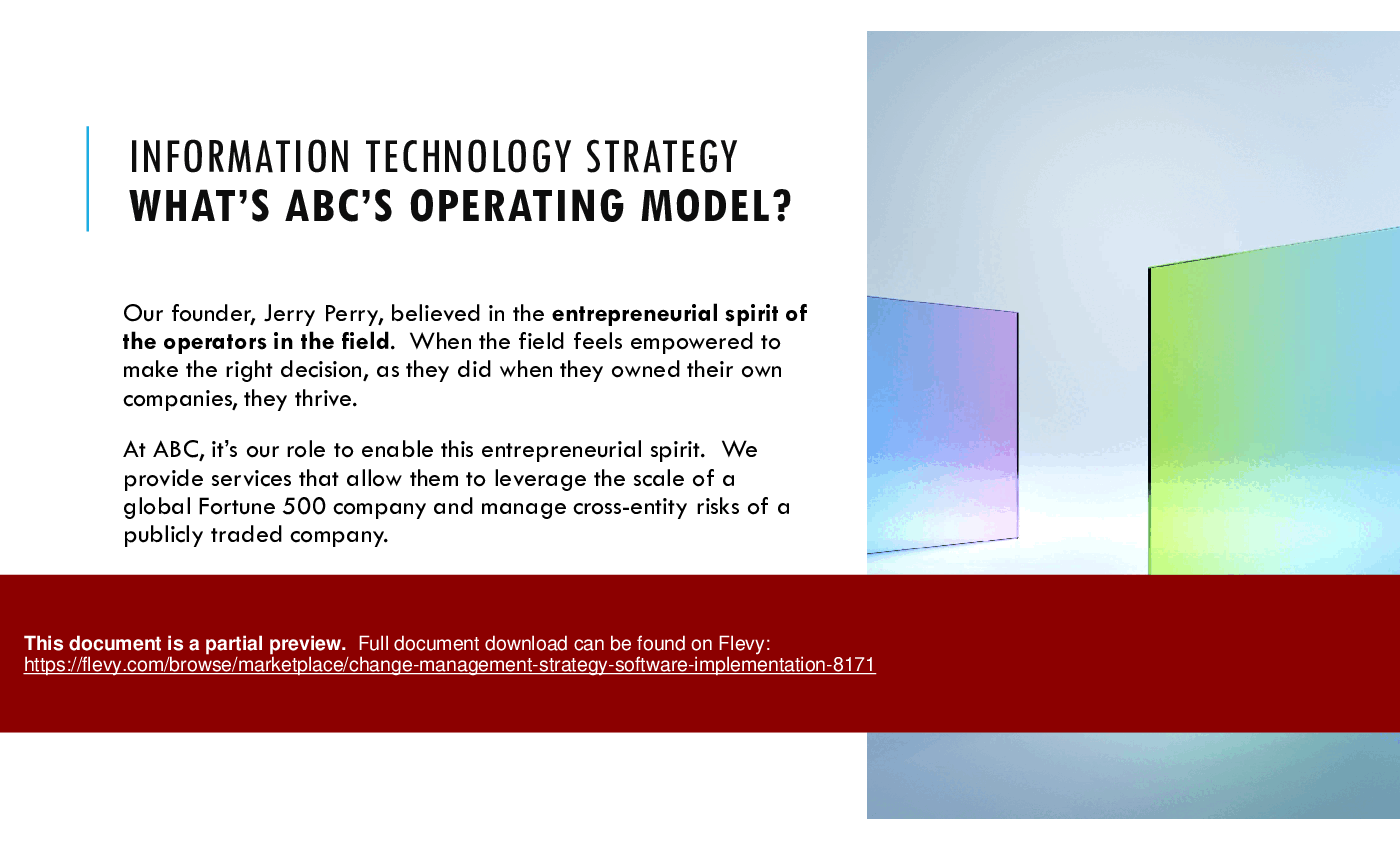
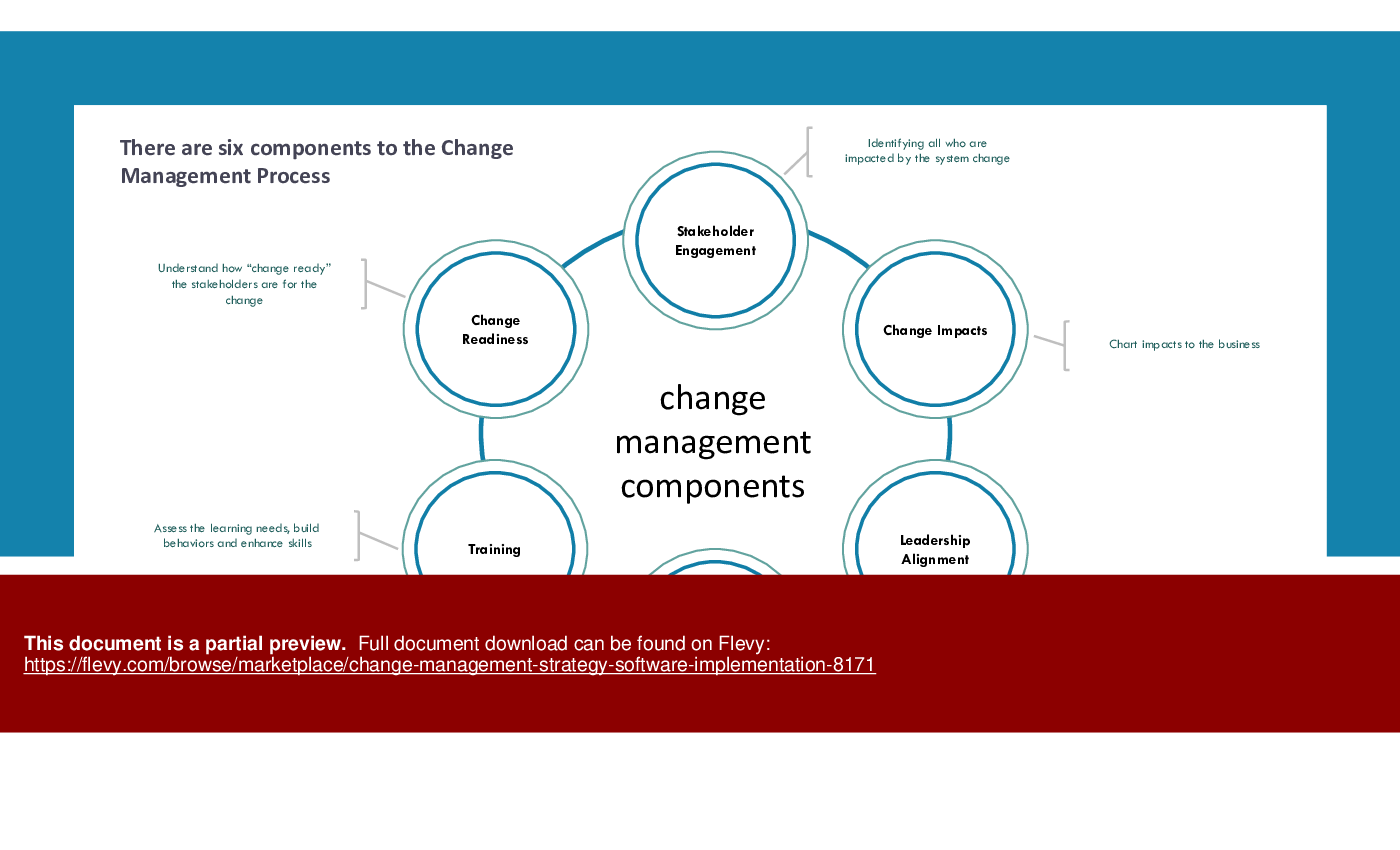
The "Change Management Strategy: Software Implementation" presentation is a comprehensive guide designed for organizations undergoing significant software changes. Developed by a seasoned IT Change Manager with over 15 years of experience, this presentation leverages proven methodologies to facilitate effective change management. It covers essential components such as stakeholder engagement, change impacts, leadership alignment, communication strategies, training requirements, and change readiness assessments. By utilizing this presentation, organizations can navigate the complexities of software implementation, ensuring a smoother transition and enhanced user adoption.
Who This Is For and When to Use
• Change Managers and Consultants overseeing software implementation projects
• Project Managers coordinating cross-functional teams during software transitions
• IT Leaders responsible for technology adoption and integration
• Human Resources professionals focused on training and employee engagement
Best-fit moments to use this deck:
• During the planning phase of a software implementation project
• When assessing stakeholder readiness and engagement levels
• In training sessions to prepare users for new systems and processes
• For ongoing communication throughout the software transition
Learning Objectives
• Define the components of an effective change management strategy for software implementation
• Identify key stakeholders and assess their readiness for change
• Develop a comprehensive communication plan to inform and engage stakeholders
• Create targeted training programs that address user needs and enhance skills
• Establish metrics to measure change readiness and user adoption
• Implement strategies to mitigate resistance and foster positive engagement
Table of Contents
• Project Vision and Purpose (page 3)
• Change Management Overview (page 2)
• Change Management Strategy (page 6)
• Stakeholder Engagement (page 10)
• Change Impacts (page 14)
• Leadership Alignment (page 17)
• Communication Plan (page 23)
• Training Lifecycle (page 25)
• Change Readiness (page 27)
• Appendix (page 32)
Primary Topics Covered
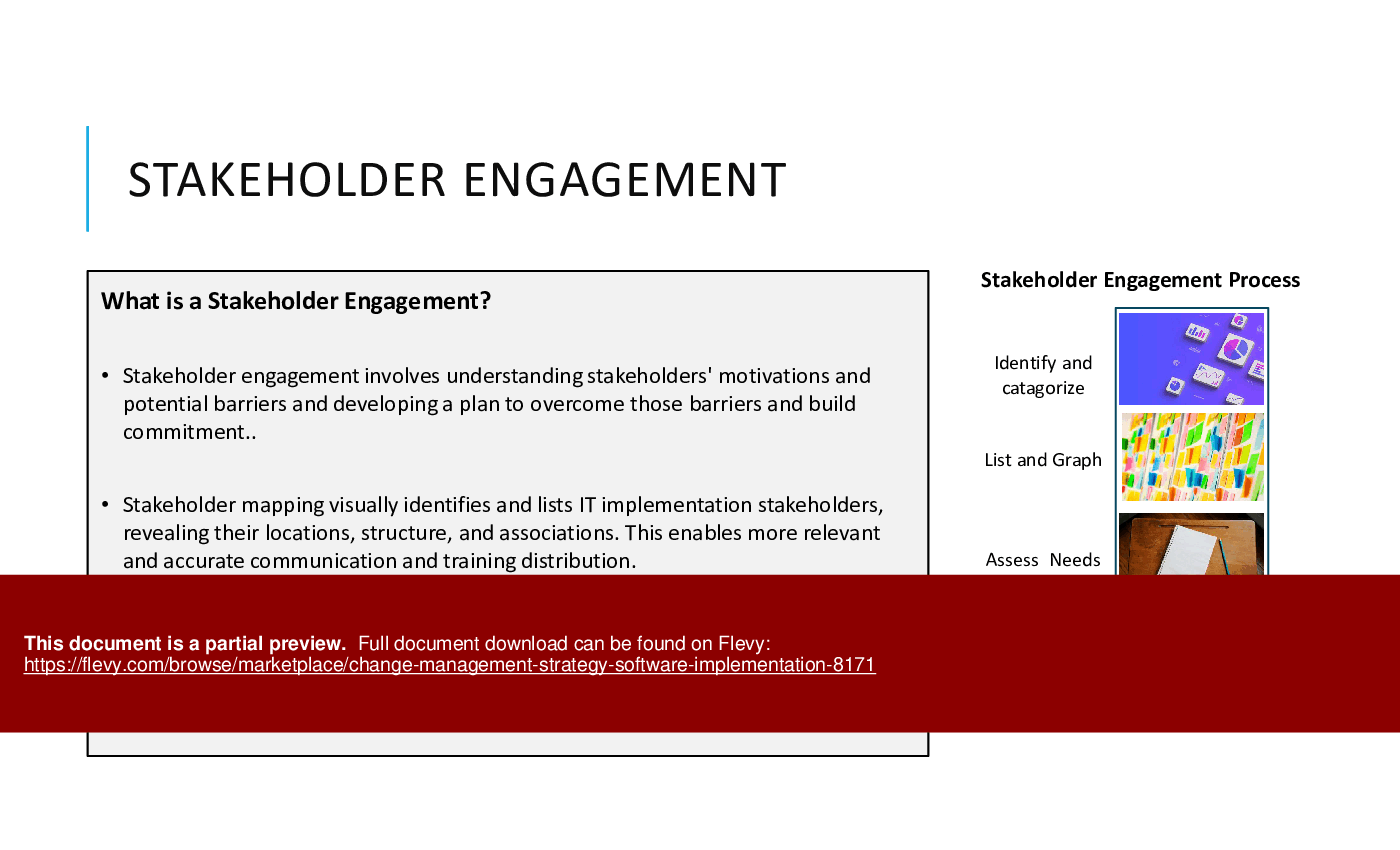
• Stakeholder Engagement - Identify and categorize stakeholders impacted by the software change, assessing their influence and support.
• Change Impacts - Analyze and document the effects of software implementation on employees and processes, developing mitigation strategies.
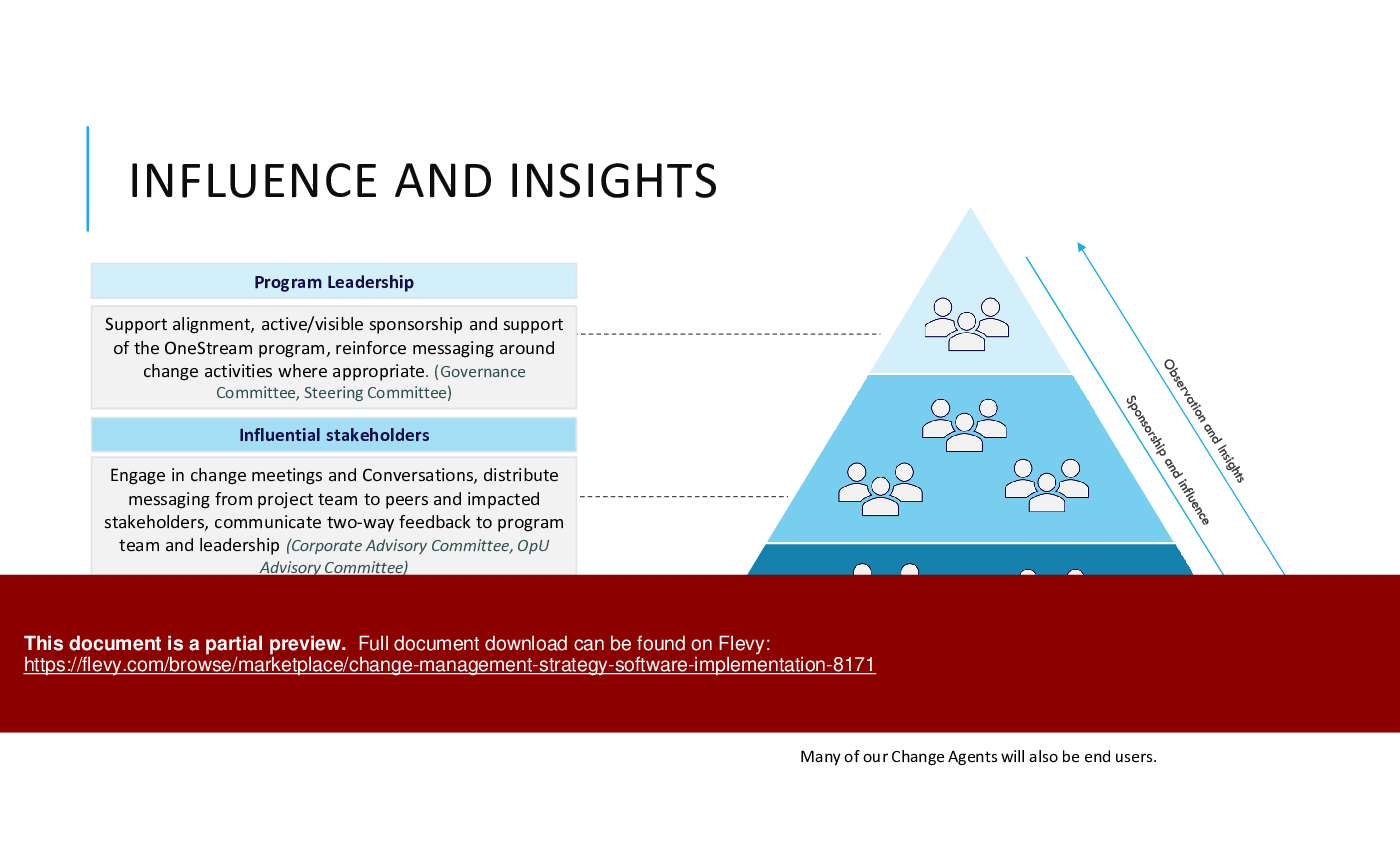
• Leadership Alignment - Establish a change agent network to ensure leaders are informed and engaged throughout the transition.
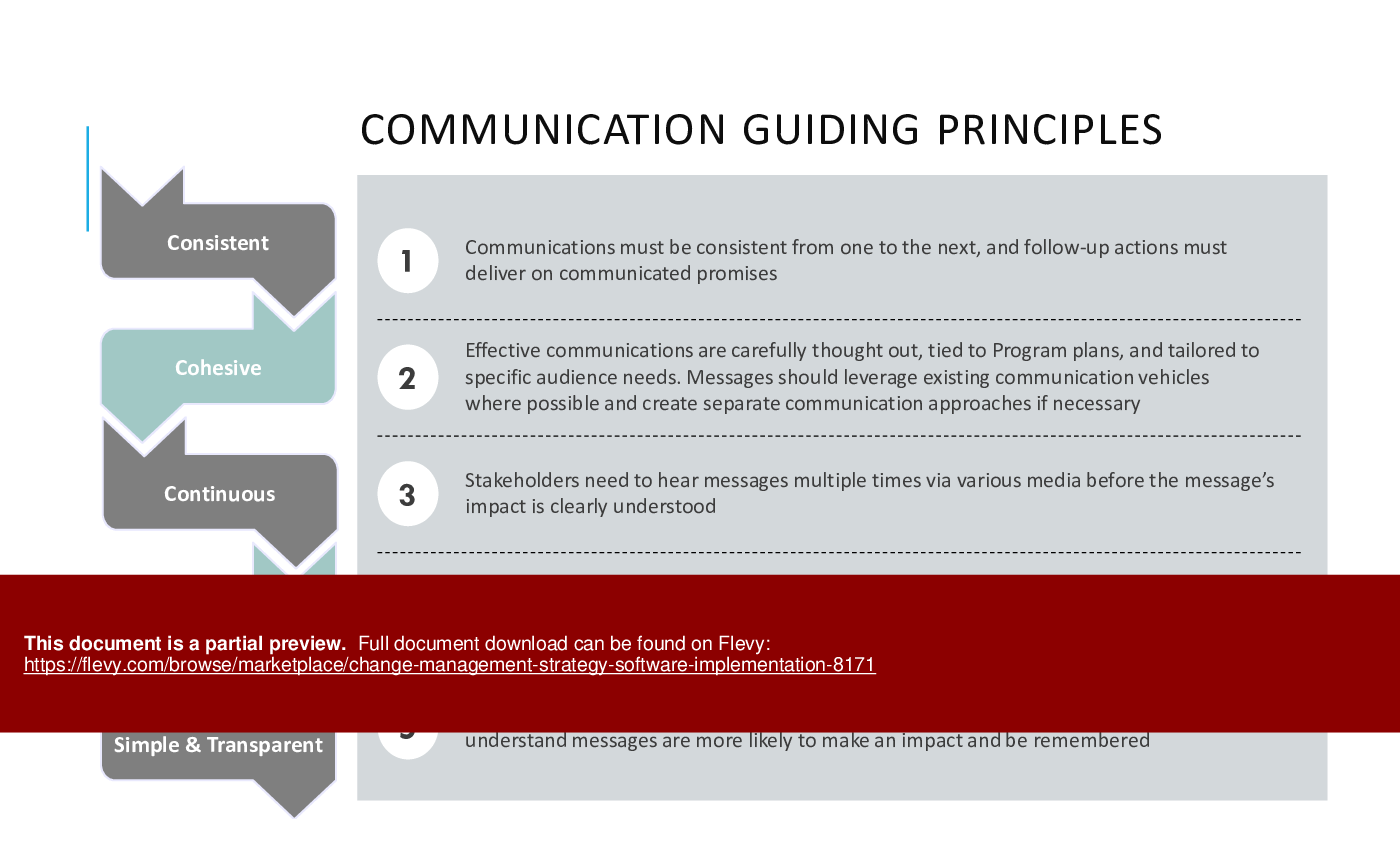
• Communication Strategy - Develop a comprehensive communication plan that delivers timely and relevant messages to all stakeholders.
• Training Development - Design and implement training programs tailored to user needs, ensuring effective knowledge transfer.
• Change Readiness Assessment - Evaluate the readiness of stakeholders for change through surveys and readiness reviews.

Deliverables, Templates, and Tools
• Stakeholder engagement matrix for mapping influence and support
• Change impact assessment template for documenting effects on processes and personnel
• Communication plan template outlining objectives, delivery methods, and schedules
• Training project plan detailing steps for developing and delivering training
• Change readiness survey template for assessing stakeholder preparedness
• Hypercare support plan for post-implementation assistance
Slide Highlights
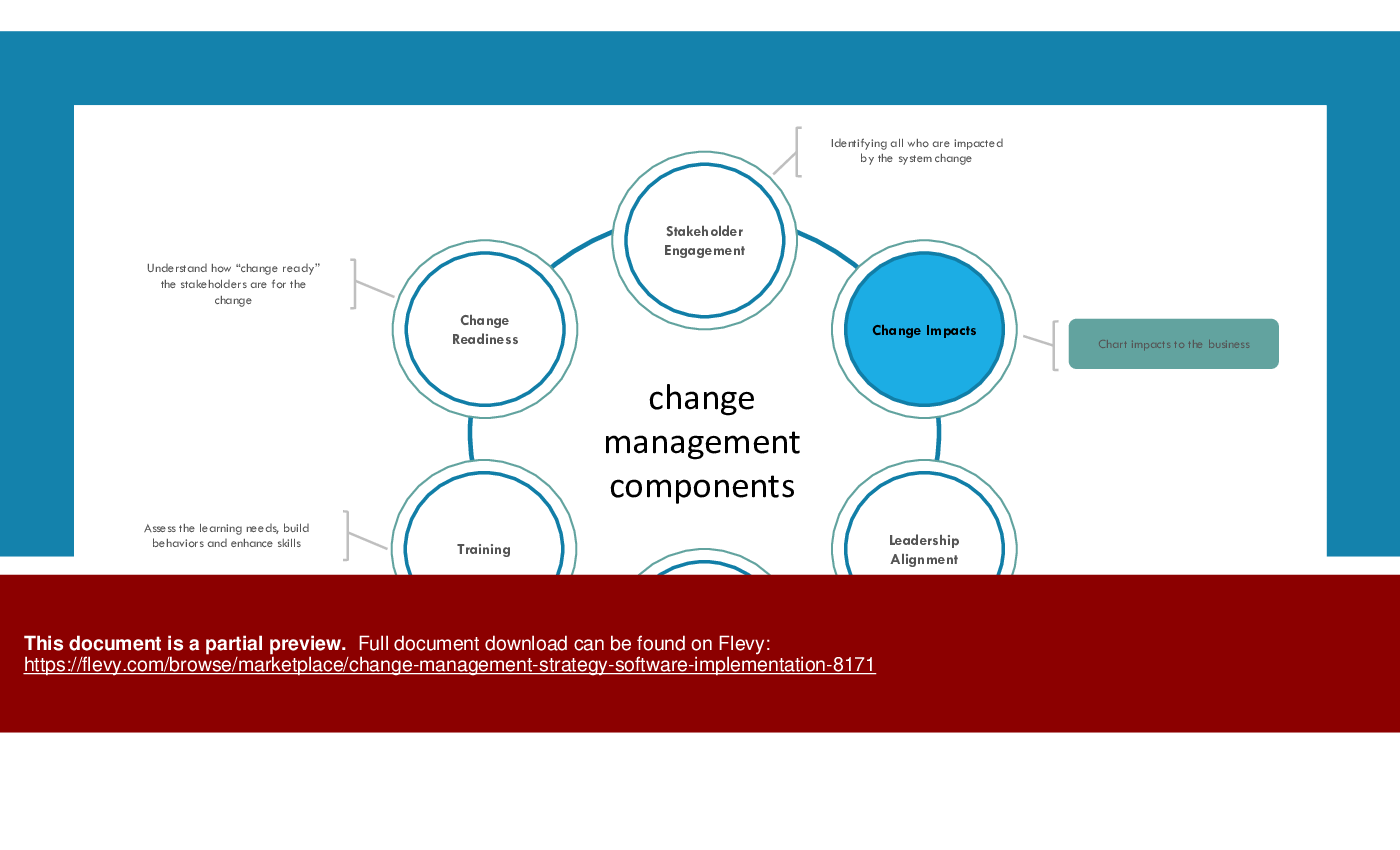
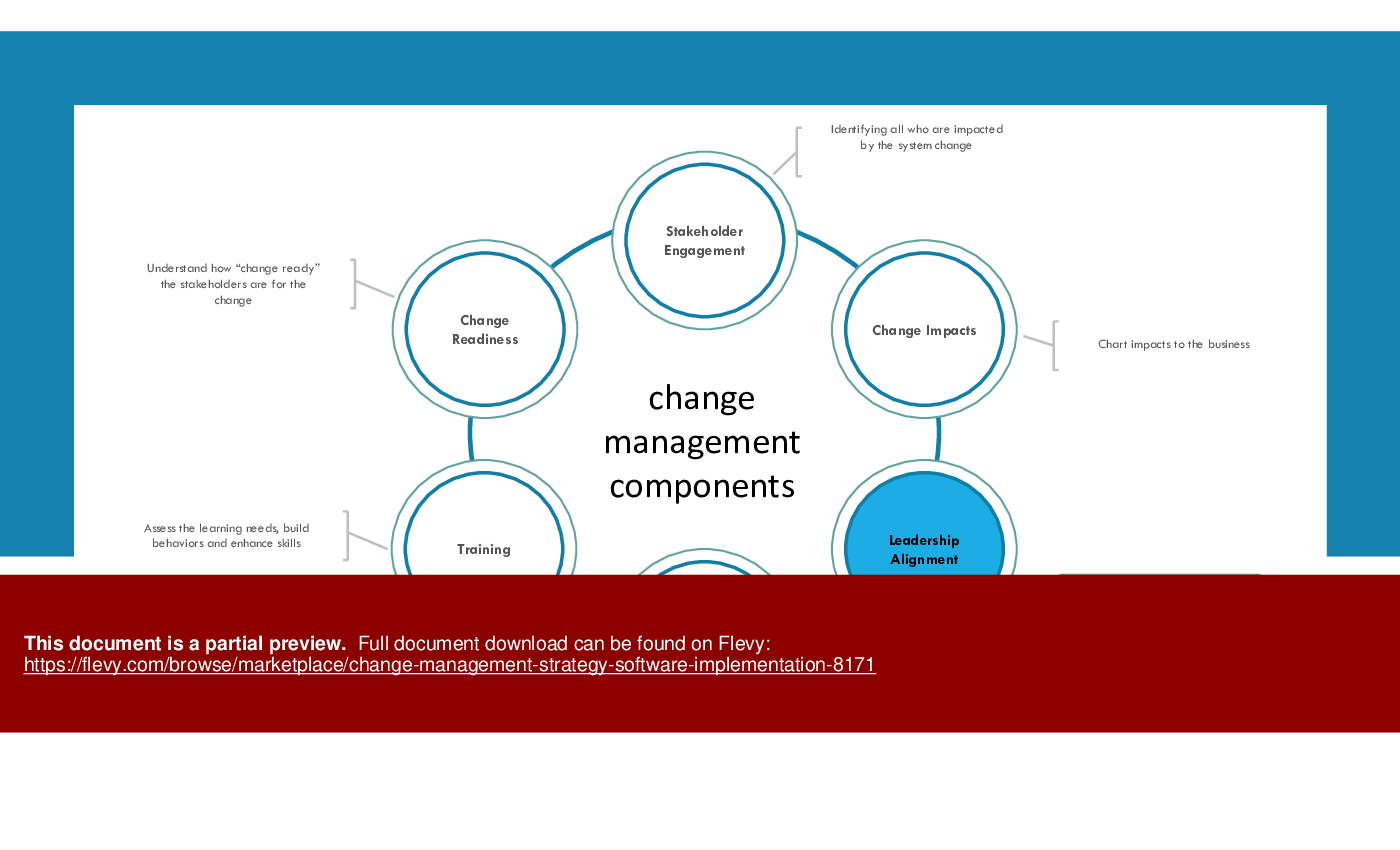
• Overview of the change management components, emphasizing stakeholder engagement and training
• Change impact matrix illustrating the effects on various stakeholder groups
• Communication plan detailing objectives and delivery methods for different audiences
• Training lifecycle diagram outlining steps from needs assessment to delivery
• Change readiness process showcasing readiness reviews and user adoption surveys
Potential Workshop Agenda
Change Management Overview Session (60 minutes)
• Introduce key concepts of change management and its importance
• Discuss the role of stakeholders in the change process
• Review the change management strategy and its components
Stakeholder Engagement Workshop (90 minutes)
• Identify and categorize stakeholders using the engagement matrix
• Develop engagement plans tailored to different stakeholder groups
• Share insights on overcoming potential barriers to engagement
Training Development Session (120 minutes)
• Assess training needs based on documented change impacts
• Create a training project plan outlining necessary steps and resources
• Discuss methods for delivering effective training and measuring outcomes
Customization Guidance
• Tailor the stakeholder engagement matrix to reflect your organization's specific roles and influence levels
• Adjust the communication plan to align with your organization's culture and preferred channels
• Modify training materials to incorporate company-specific processes and systems
• Update change readiness assessments to include relevant metrics for your organization
Secondary Topics Covered
• Change management best practices for software implementation
• Techniques for measuring user adoption and engagement
• Strategies for addressing resistance to change
• Importance of continuous feedback and improvement in change initiatives
Topic FAQ
Document FAQ
These are questions addressed within this presentation.
What is the purpose of stakeholder engagement?
Stakeholder engagement aims to understand motivations and potential barriers, developing plans to build commitment and support for the change initiative.
How do I assess change impacts?
Change impacts are assessed by analyzing design decisions, charting changing processes, and consulting with affected stakeholders to understand their experiences.
What is a change agent network?
A change agent network consists of committee leaders who bridge project activities and the organization, ensuring alignment and effective communication throughout the change process.
How should communication be structured during a change initiative?
Communication should be consistent, timely, and tailored to specific audiences, utilizing various channels to ensure messages are understood and retained.
What training methods are recommended for software implementation?
Training methods may include classroom sessions, one-on-one knowledge sharing, and online resources, tailored to meet the learning needs of different user groups.
How can change readiness be measured?
Change readiness can be measured through surveys, readiness reviews, and tracking predetermined KPIs to assess stakeholder preparedness for the transition.
What is hypercare support?
Hypercare support refers to the assistance provided post-implementation to sustain new processes and ensure high performance, including ongoing training and issue resolution.
What are lessons learned conversations?
Lessons learned conversations involve gathering insights from stakeholders about what worked and what didn’t during the change process, informing future initiatives.
Glossary
• Stakeholder Engagement - The process of involving individuals affected by a change to gain their support and commitment.
• Change Impact - The effects resulting from changes in systems, processes, or organizational structures.
• Change Agent Network - A group of individuals who facilitate communication and alignment between project teams and the broader organization.
• Communication Plan - A strategic outline detailing how information will be disseminated to stakeholders throughout the change process.
• Training Lifecycle - The series of steps involved in developing and delivering training programs to prepare users for new systems.
• Change Readiness - The state of preparedness of stakeholders to embrace and adapt to changes in their work environment.
• Hypercare Support - Post-implementation assistance aimed at ensuring the sustainability of new processes and addressing any issues.
• Lessons Learned - Insights gained from evaluating past projects to improve future change initiatives.
• User Adoption Surveys - Tools used to assess how well users are adapting to new systems and processes.
• Readiness Reviews - Evaluations conducted at critical milestones to assess stakeholder preparedness for upcoming changes.
• Training Needs Assessment - The process of identifying the skills and knowledge gaps that training programs should address.
• Mitigation Strategies - Plans developed to address potential barriers to successful change implementation.
Source: Best Practices in Change Management, MIS, ERP Change Management PowerPoint Slides: Change Management Strategy: Software Implementation PowerPoint (PPTX) Presentation Slide Deck, Gafford Consulting
|
Download our FREE Organization, Change, & Culture, Templates
Download our free compilation of 50+ slides and templates on Organizational Design, Change Management, and Corporate Culture. Methodologies include ADKAR, Burke-Litwin Change Model, McKinsey 7-S, Competing Values Framework, etc. |