
 Click main image to view in full screen. Unlock all 22 preview images:
Southeast Asia's EV Infrastructure Bottleneck – PDF
PDF document 25 Pages


BENEFITS OF THIS DOWNLOADABLE PDF DOCUMENT
- Identifies the infrastructure bottleneck most likely to constrain EV scaling before it becomes a visible market barrier.
- Provides a structured framework for assessing charging, grid, built-environment, economic, and policy readiness across six Southeast Asian markets.
- Translates fragmented EV infrastructure data into actionable priorities for utilities, investors, automakers, charging operators, and policymakers.
ENERGY INDUSTRY PDF DESCRIPTION
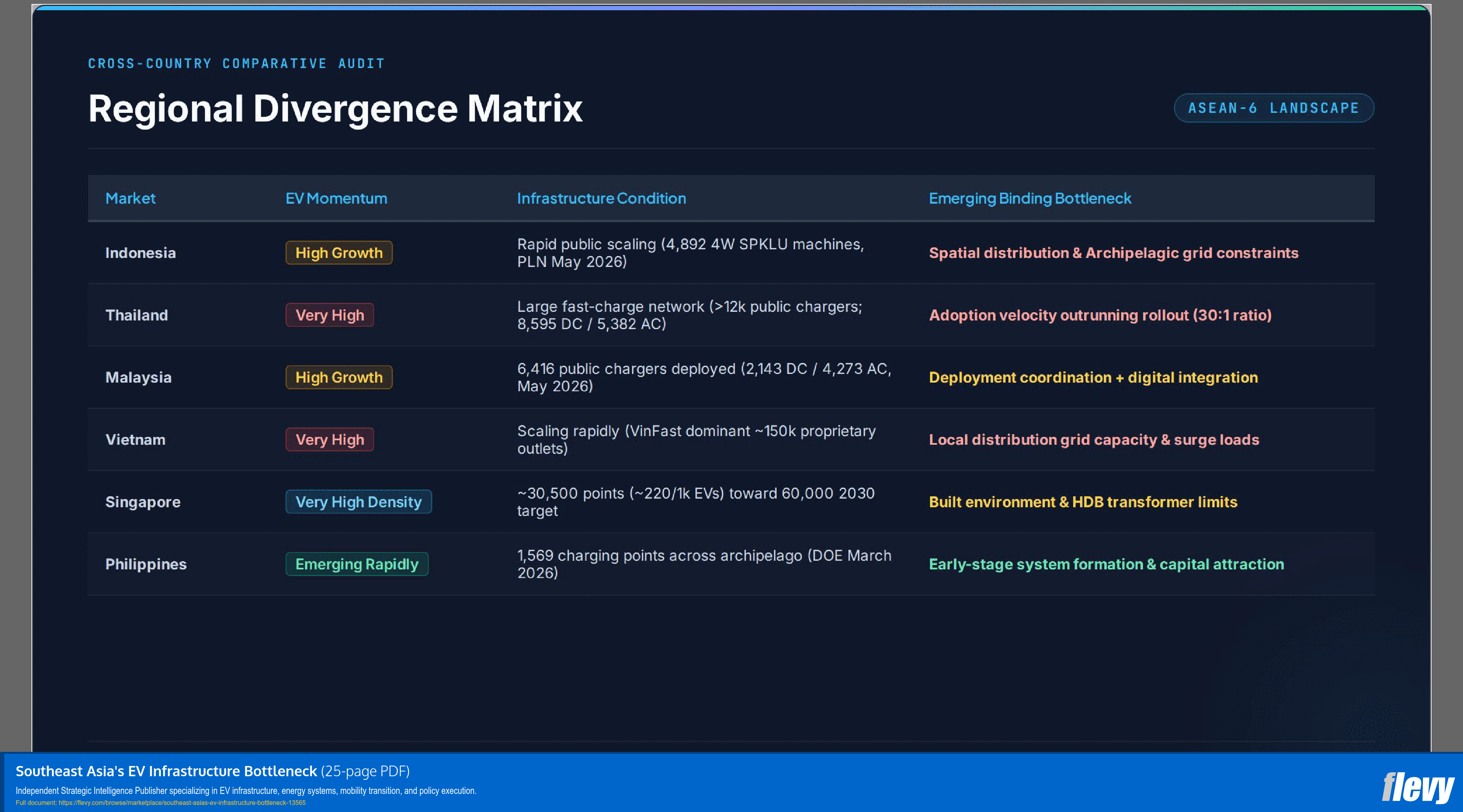
Southeast Asia's EV Infrastructure Bottleneck is a strategic intelligence assessment of the infrastructure constraints emerging as electric-vehicle adoption accelerates across Indonesia, Thailand, Malaysia, Vietnam, Singapore, and the Philippines.
The playbook challenges the conventional assumption that EV infrastructure readiness can be measured simply by counting public charging stations. It demonstrates that the binding constraint can migrate as markets mature—from charger availability and charging capacity toward geographic accessibility, local distribution-grid readiness, built-environment constraints, asset economics, interoperability, and policy execution.
Inside, you will find:
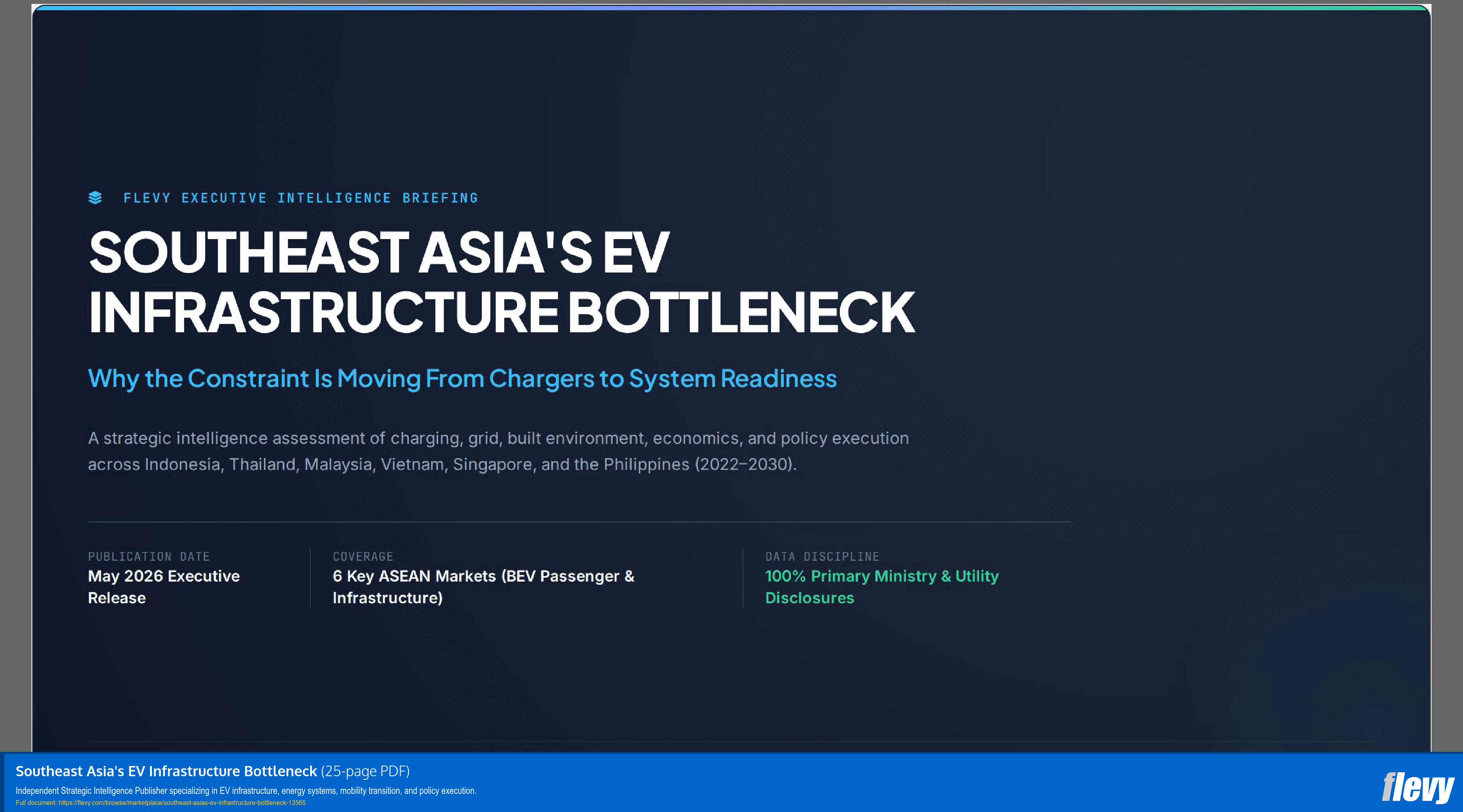
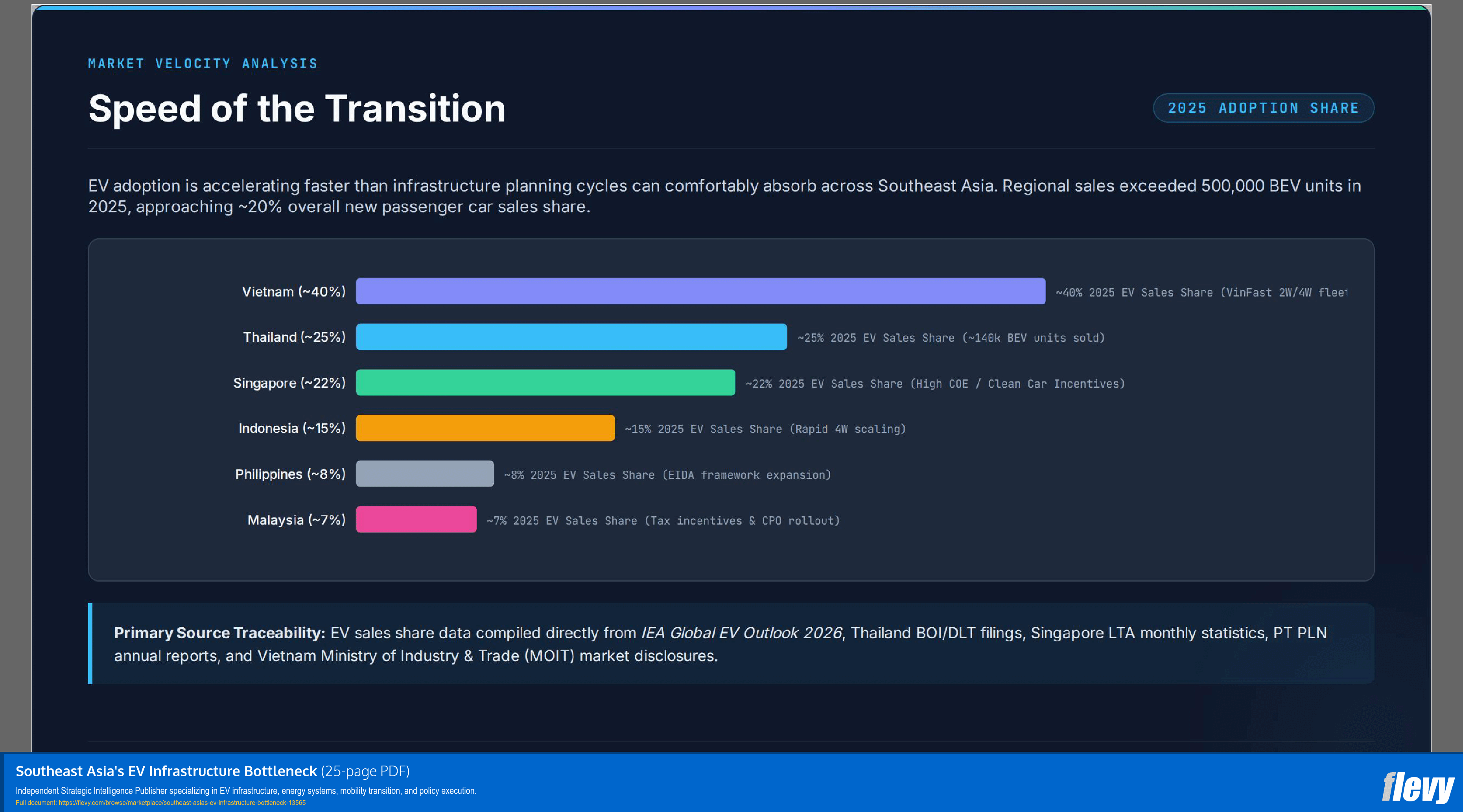
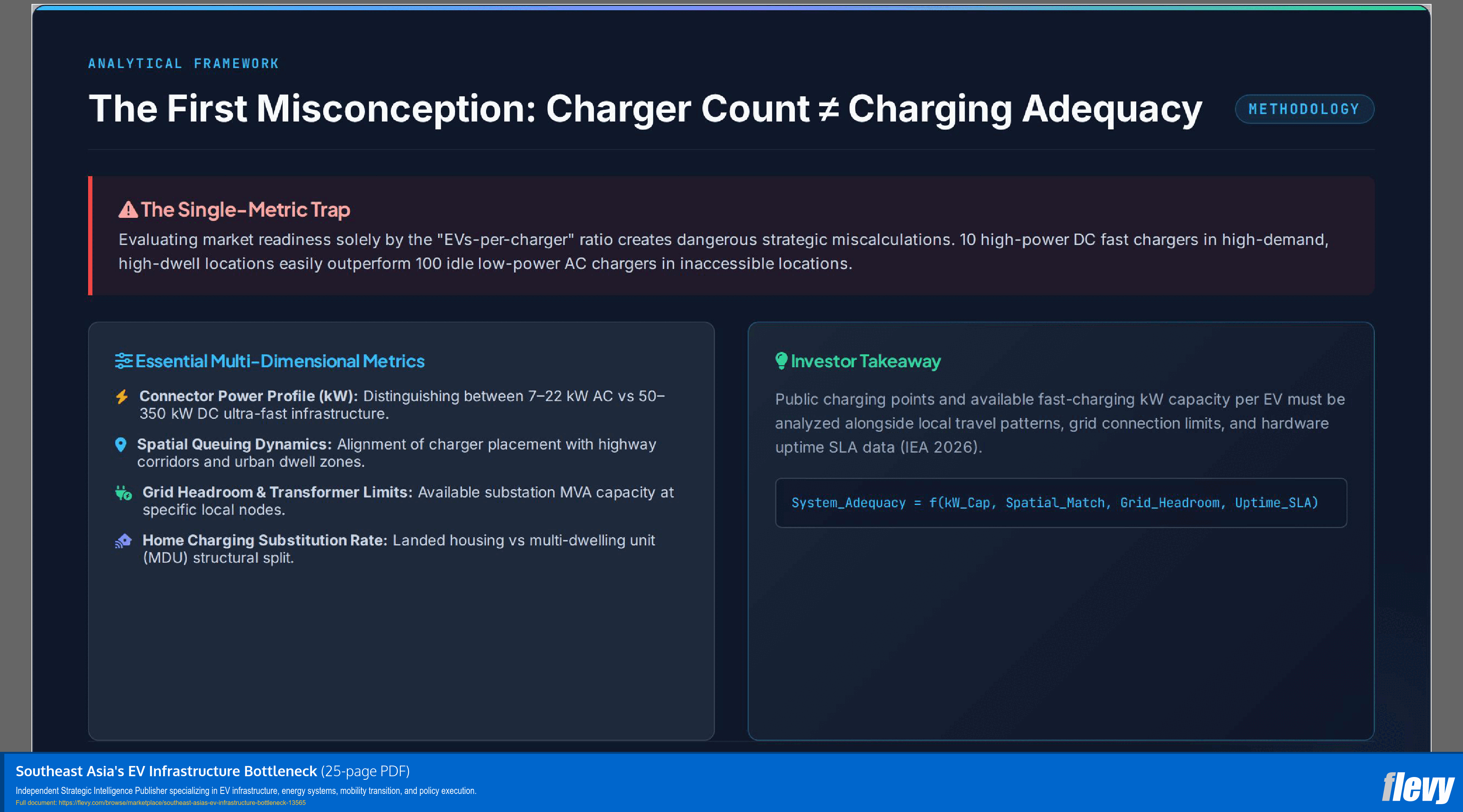
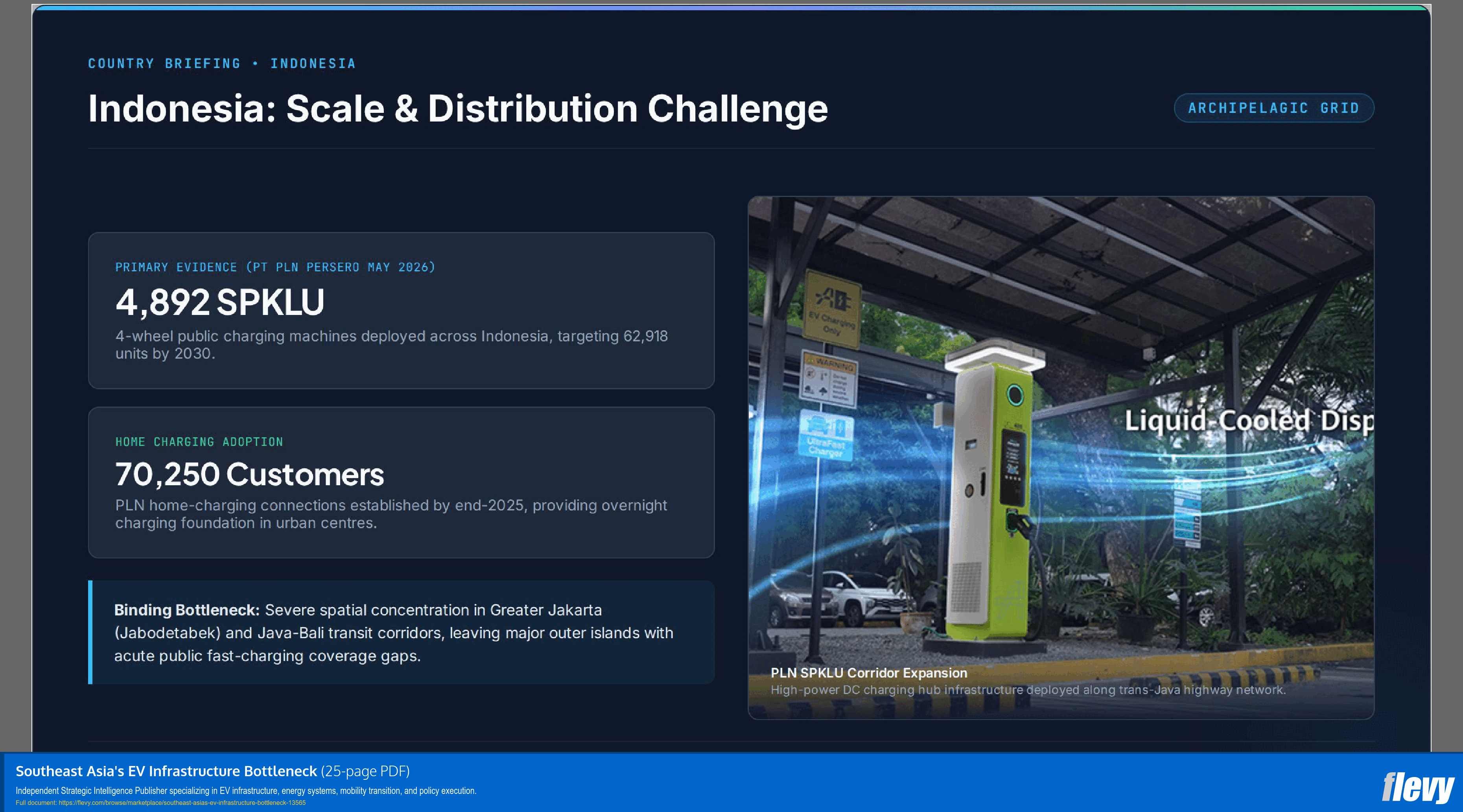
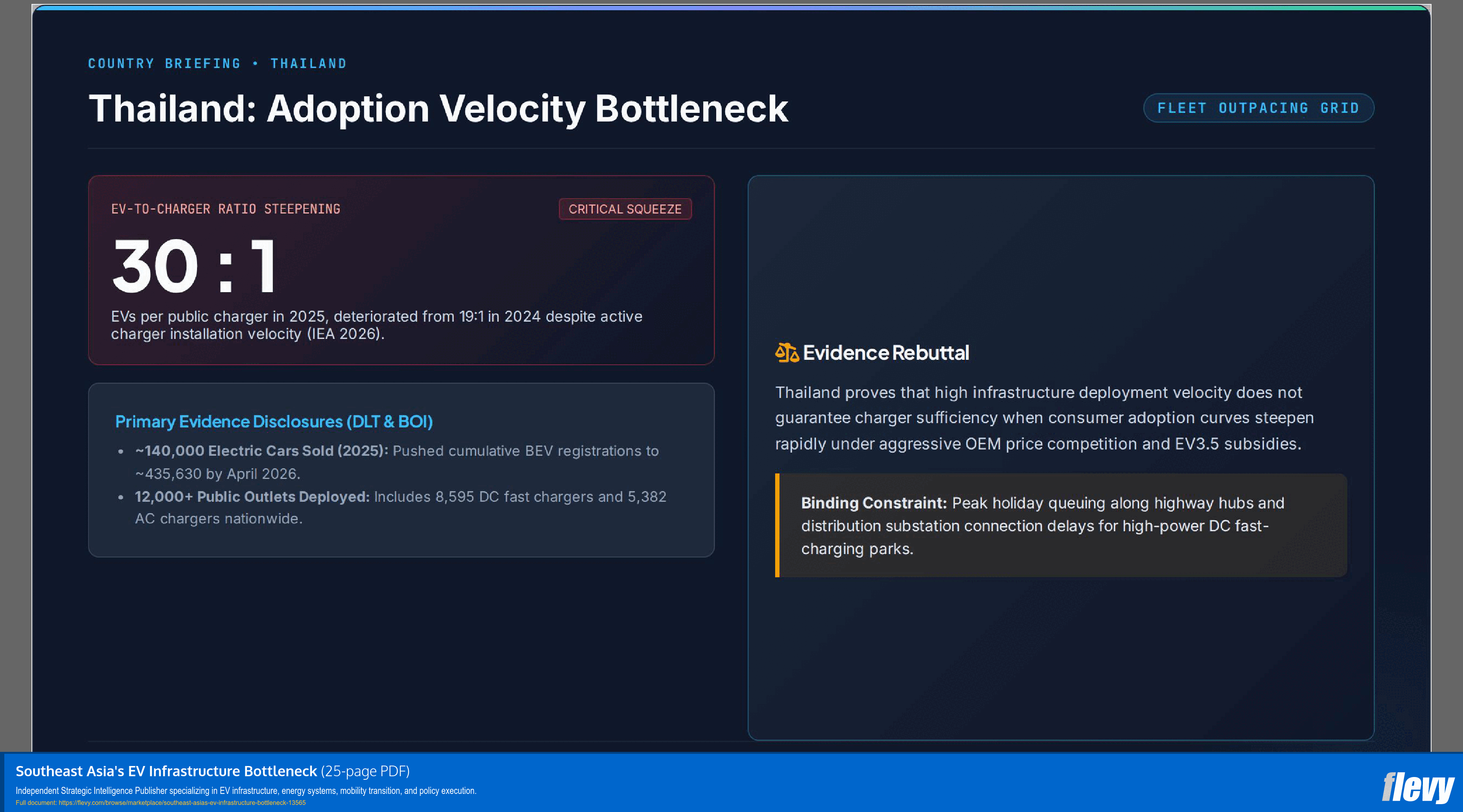
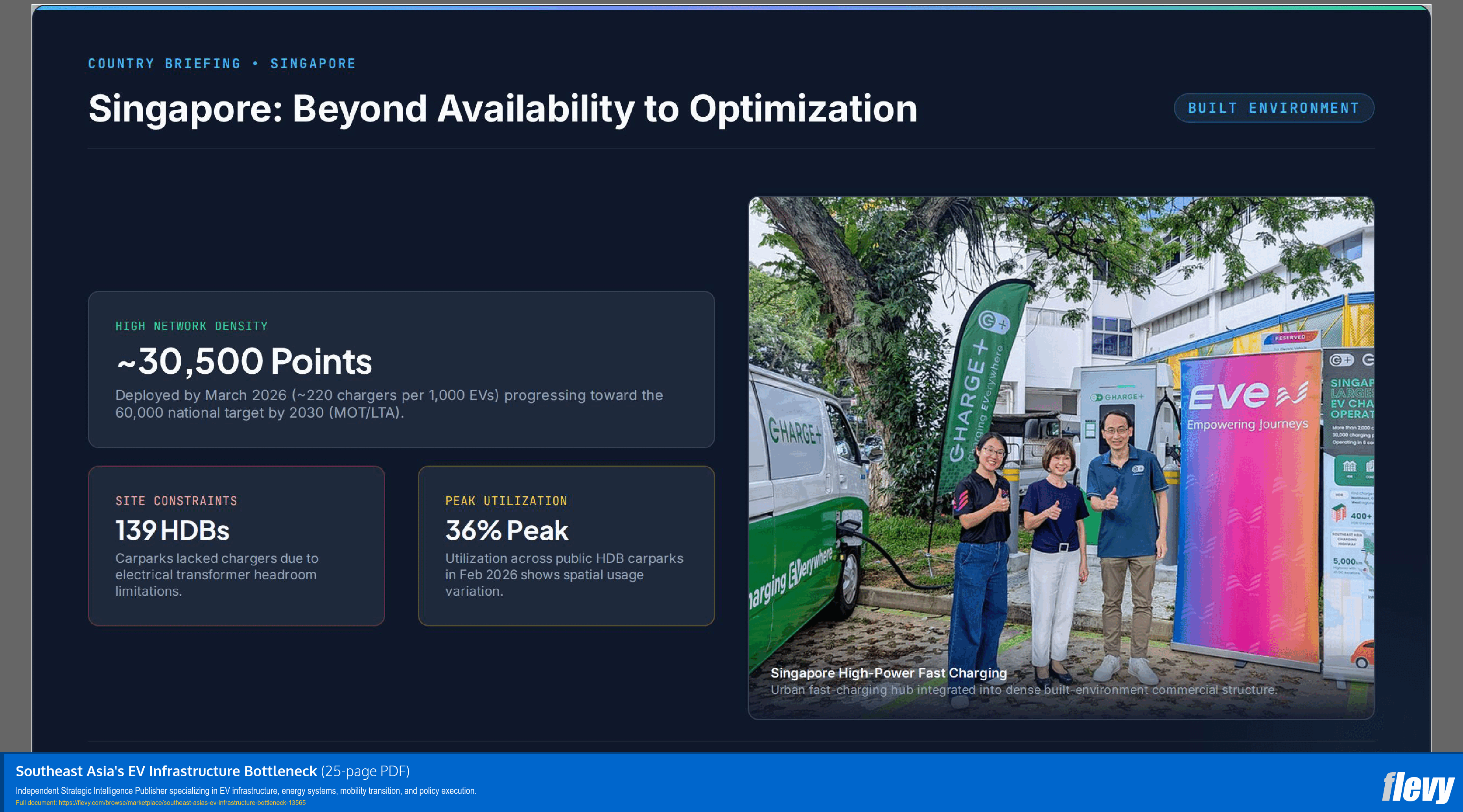
• A regional assessment of EV adoption velocity and charging-infrastructure development across six Southeast Asian markets. • The Charging Adequacy framework, explaining why EV-per-charger ratios alone can produce misleading strategic conclusions. • The Six-Bottleneck Architecture covering adoption pressure, charging capacity, spatial accessibility, grid readiness, built-environment readiness, and asset economics. • The Bottleneck Migration Curve, an analytical tendency model showing how infrastructure constraints can evolve from availability and capacity toward geography, grid, economics, and system integration. • Country-level assessments of Indonesia, Thailand, Singapore, Vietnam, Malaysia, and the Philippines, each characterized by a distinct emerging infrastructure constraint. • The Grid Bottleneck Paradox, demonstrating how concentrated fast-charging demand can create localized medium- and low-voltage constraints even when national generation capacity appears adequate. • The Home-Charging Paradox, examining how residential structure and electrical access alter public-charging demand. • The Asset Utilization Paradox, showing why charger deployment alone does not guarantee sustainable infrastructure economics. • The Interoperability Layer, connecting hardware standards, digital roaming, smart charging, and emerging vehicle-to-grid integration. • A Policy Execution Gap assessment comparing government EV and charging ambitions with current infrastructure deployment and implementation constraints. • An Evidence-to-Bottleneck Matrix and Analytical Market Archetypes that translate country-level evidence into actionable strategic classifications.
The analysis is designed for executives, utilities, charging-point operators, automakers, infrastructure investors, property owners, and policymakers who need to anticipate infrastructure constraints before they become barriers to EV market growth.
The central strategic question is simple: as Southeast Asia moves toward mass EV adoption, which infrastructure bottleneck becomes binding next—and what must stakeholders do before it constrains the transition?
Got a question about the product? Email us at support@flevy.com or ask the author directly by using the "Ask the Author a Question" form. If you cannot view the preview above this document description, go here to view the large preview instead.
Source: Best Practices in Energy Industry, Electric Vehicle PDF: Southeast Asia's EV Infrastructure Bottleneck PDF (PDF) Document, Wisnu Pandega Wardana
ABOUT THE AUTHOR

I am an independent Industrial Intelligence and Strategic Innovation Publisher focused on developing structured business intelligence, innovation frameworks, and opportunity-oriented research for decision-makers.
My work focuses on translating emerging technologies, industrial transformation, sustainability, resource efficiency, and market shifts into structured intelligence assets that
... [read more]
Ask the Author a Question
You must be logged in to contact the author.




























