
 Click main image to view in full screen. Unlock all 14 preview images:
Autonomous Supply Chain Execution Shift – PDF
PDF document 26 Pages


BENEFITS OF THIS DOWNLOADABLE PDF DOCUMENT
- Provides a structured framework for determining which supply-chain decisions can be delegated to AI and at what level of autonomy.
- Helps executives assess autonomy readiness across planning, inventory, procurement, manufacturing, logistics, and disruption management.
- Translates the emergence of agentic AI into a governed operating-model roadmap built around thresholds, controls, escalation, and accountability.
SUPPLY CHAIN MANAGEMENT PDF DESCRIPTION
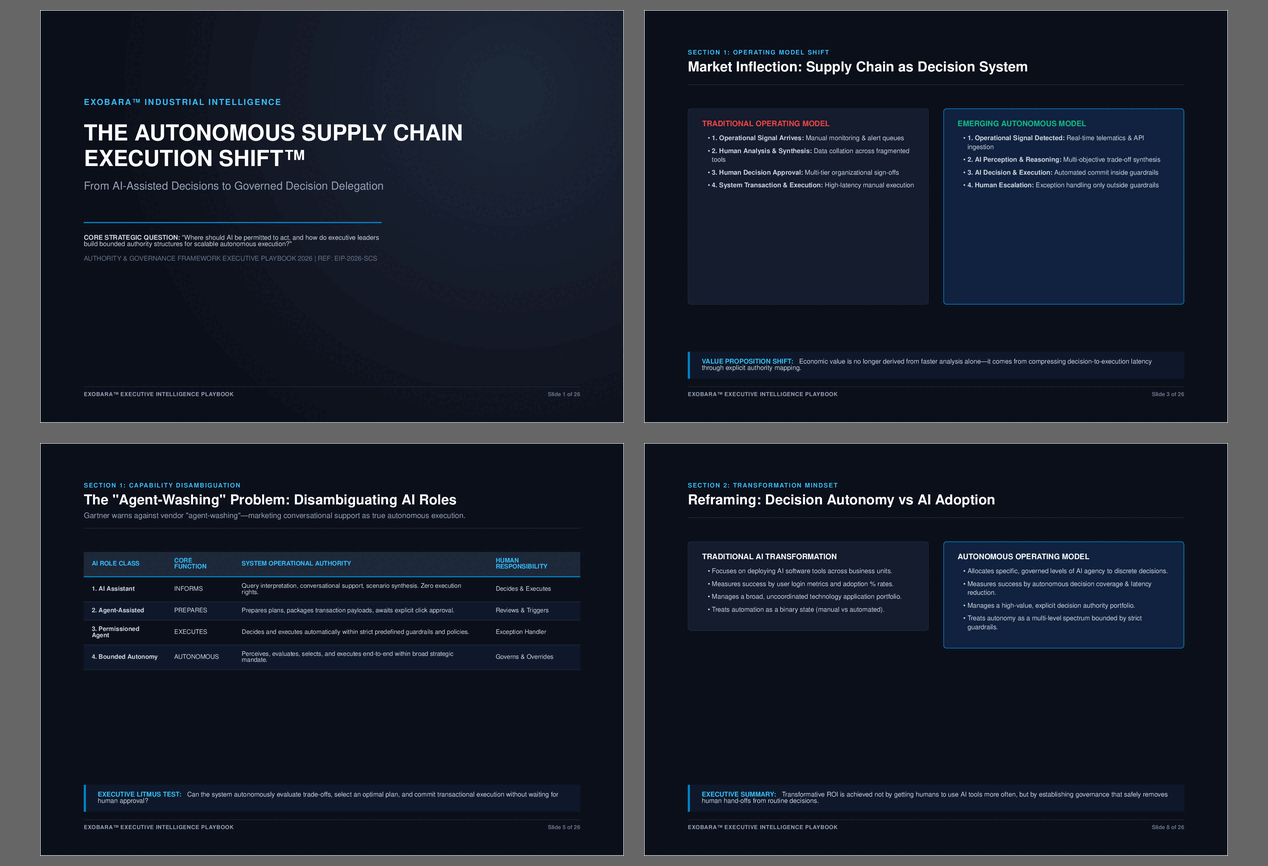
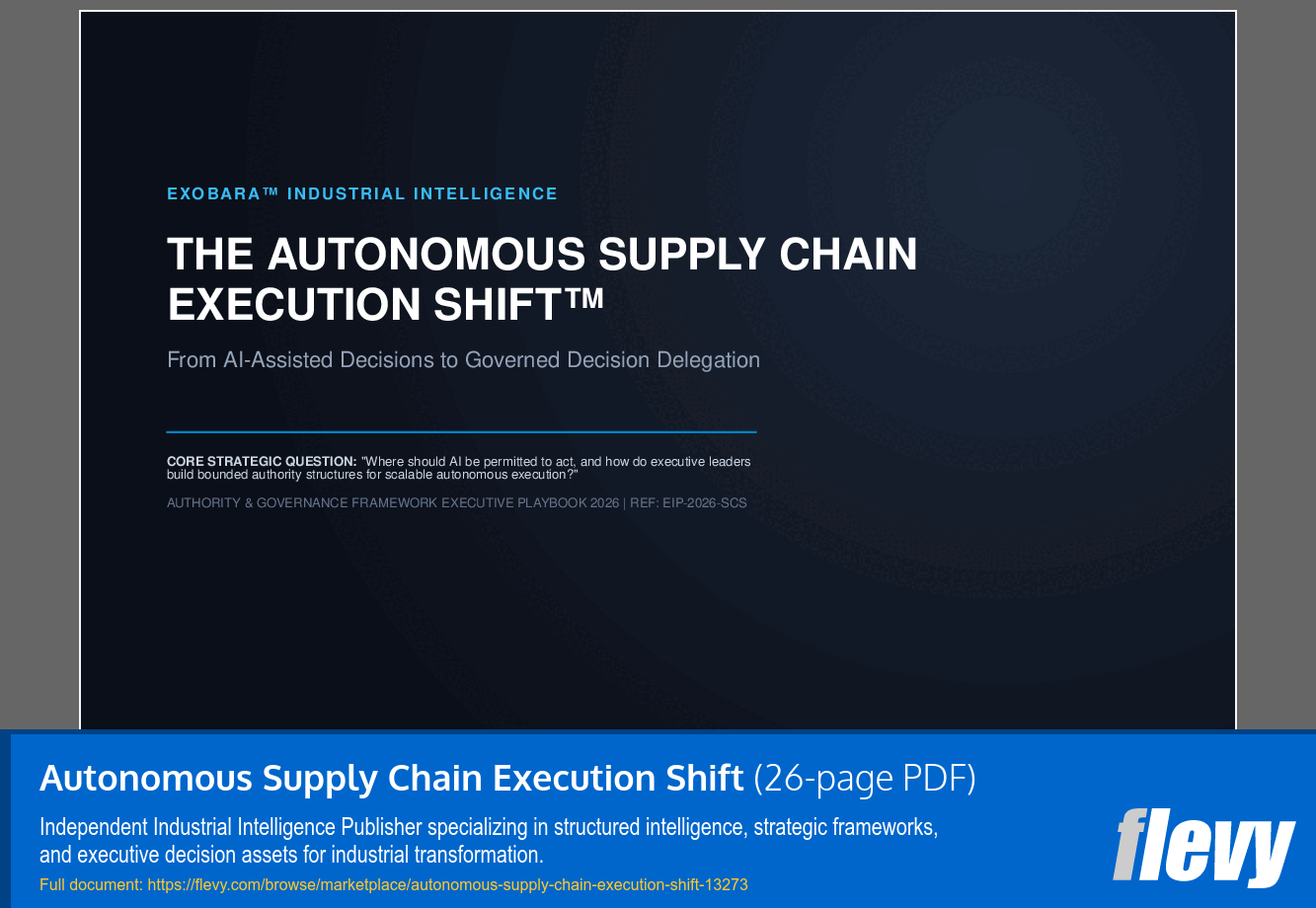
The Autonomous Supply Chain Execution Shift™ is an Executive Intelligence Playbook for leaders navigating the transition from AI-assisted supply-chain decision making toward permissioned and bounded autonomous execution.
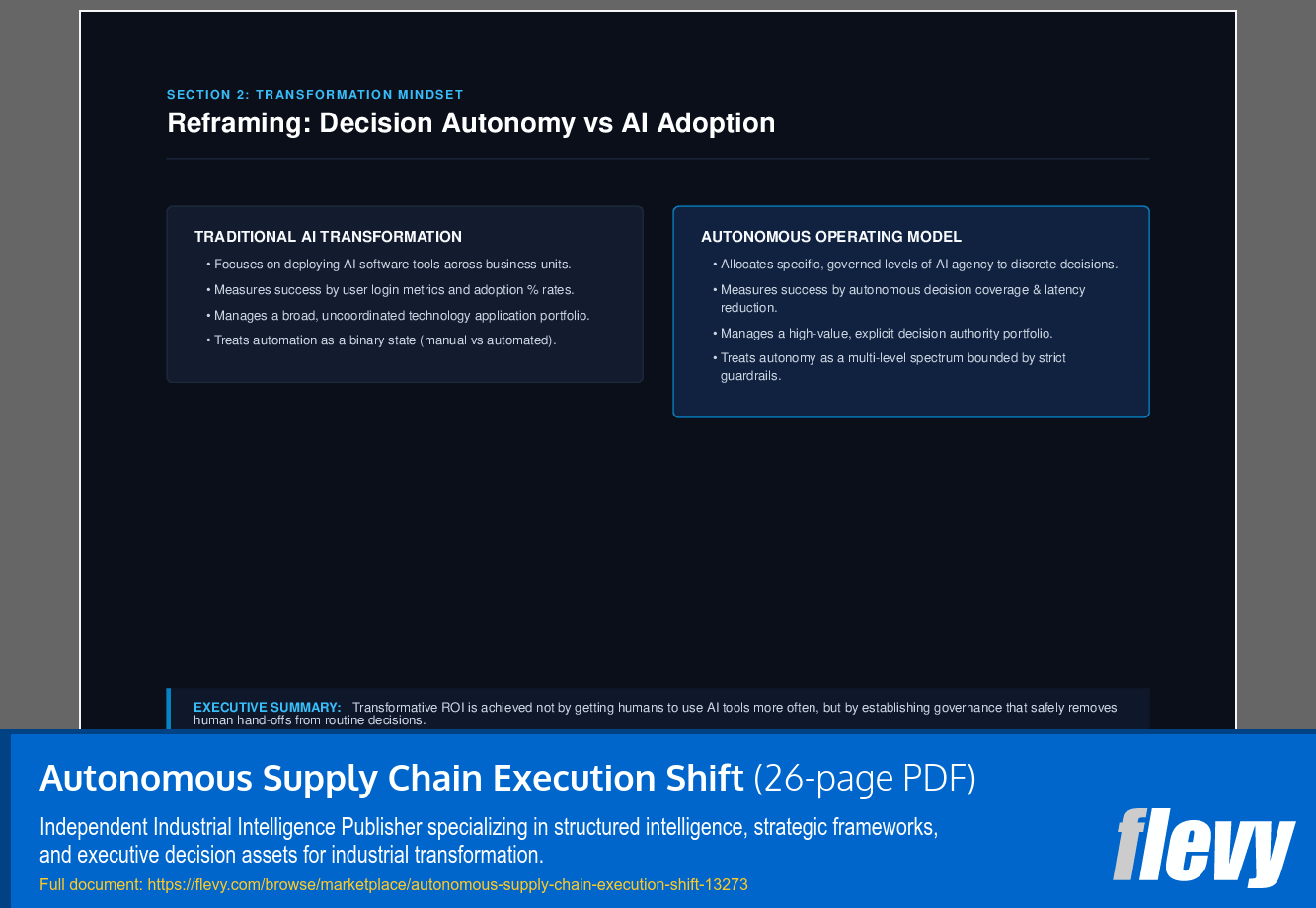
The central strategic question is no longer whether AI can participate in supply-chain decisions. It is deciding which decisions should be delegated to AI, at what autonomy level, under what controls, and with what human accountability.
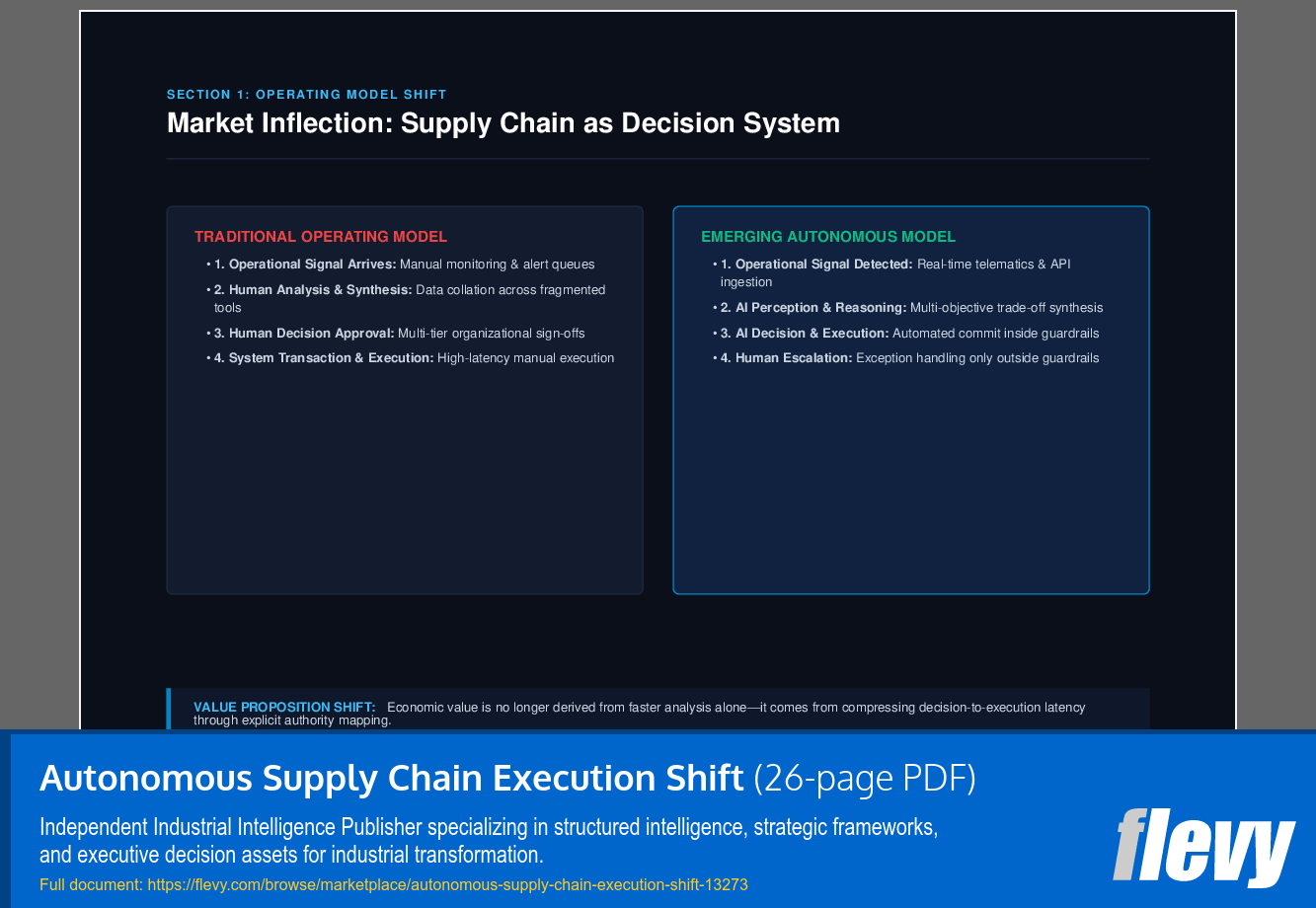
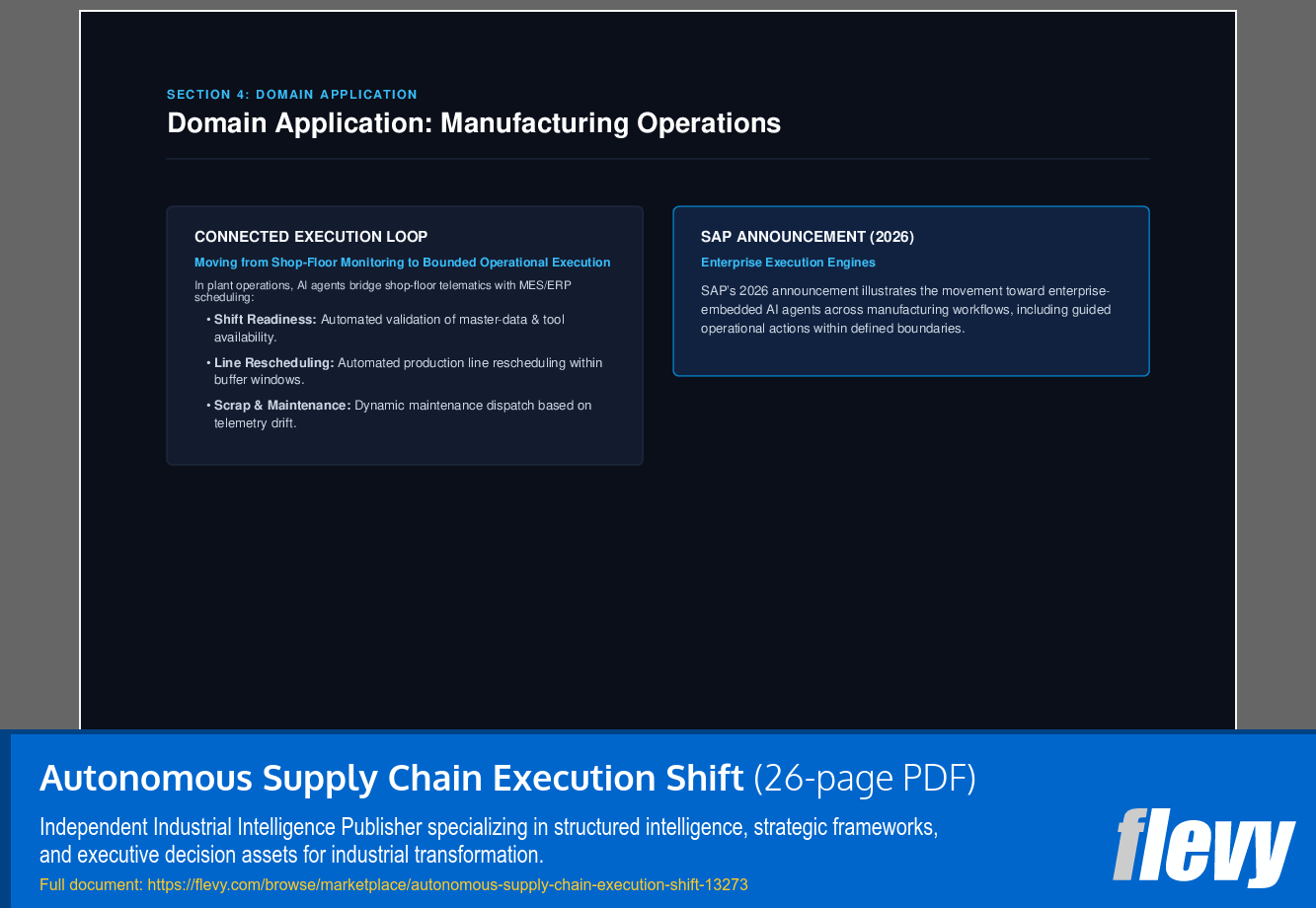
Across planning, inventory, procurement, manufacturing, logistics, and disruption management, organizations are moving beyond AI that merely analyzes information or recommends actions. The emerging operating model combines AI agents, enterprise systems, workflow automation, real-time data, and explicit decision boundaries to allow selected decisions to be executed with limited human intervention.
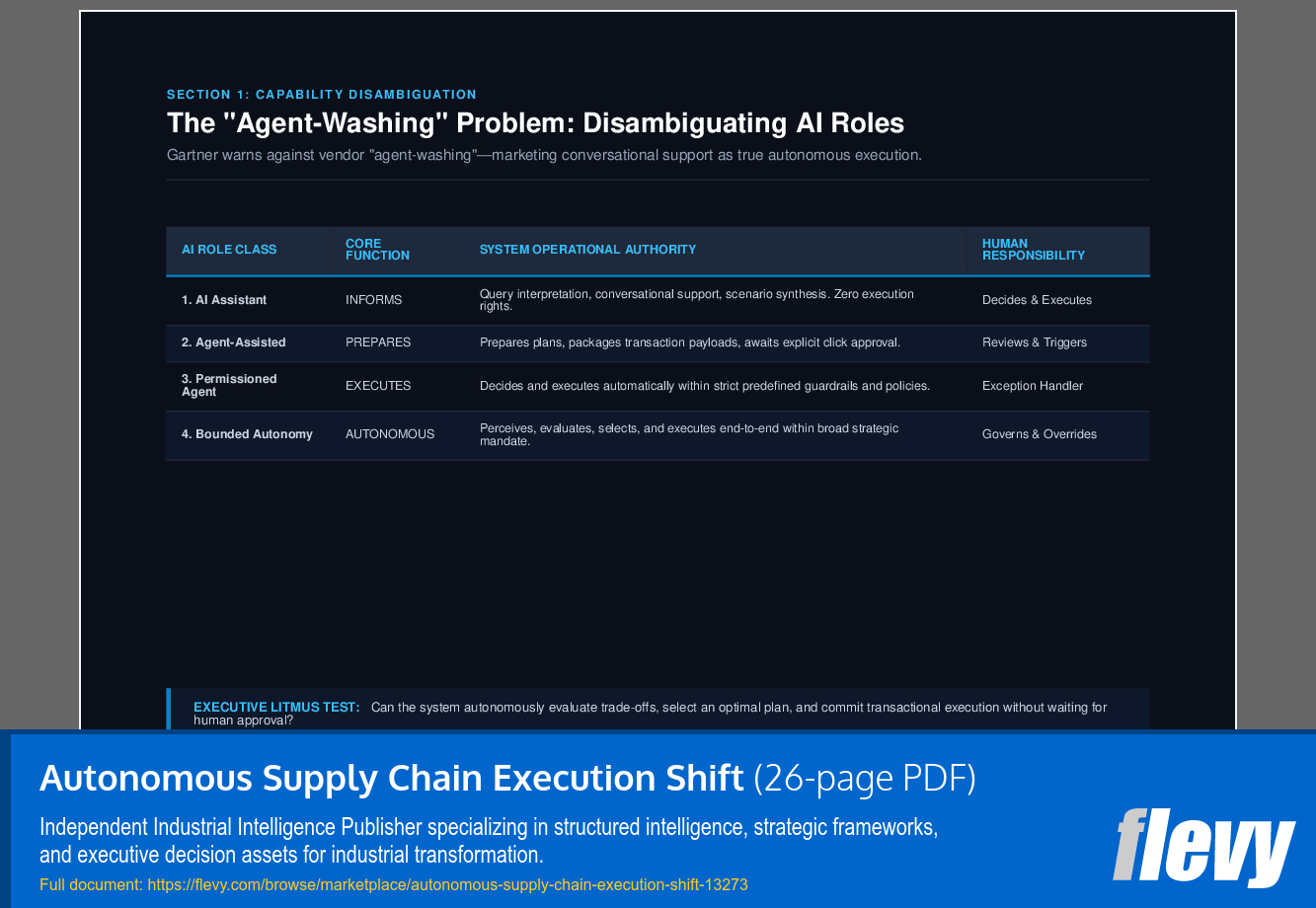
This playbook provides a structured way to evaluate that shift. It distinguishes three levels of operating autonomy: Assistive AI, Permissioned Autonomy, and Bounded Autonomous Execution. This distinction helps executives avoid treating every AI capability as equivalent and instead match autonomy to the consequence, reversibility, uncertainty, and control requirements of each decision.
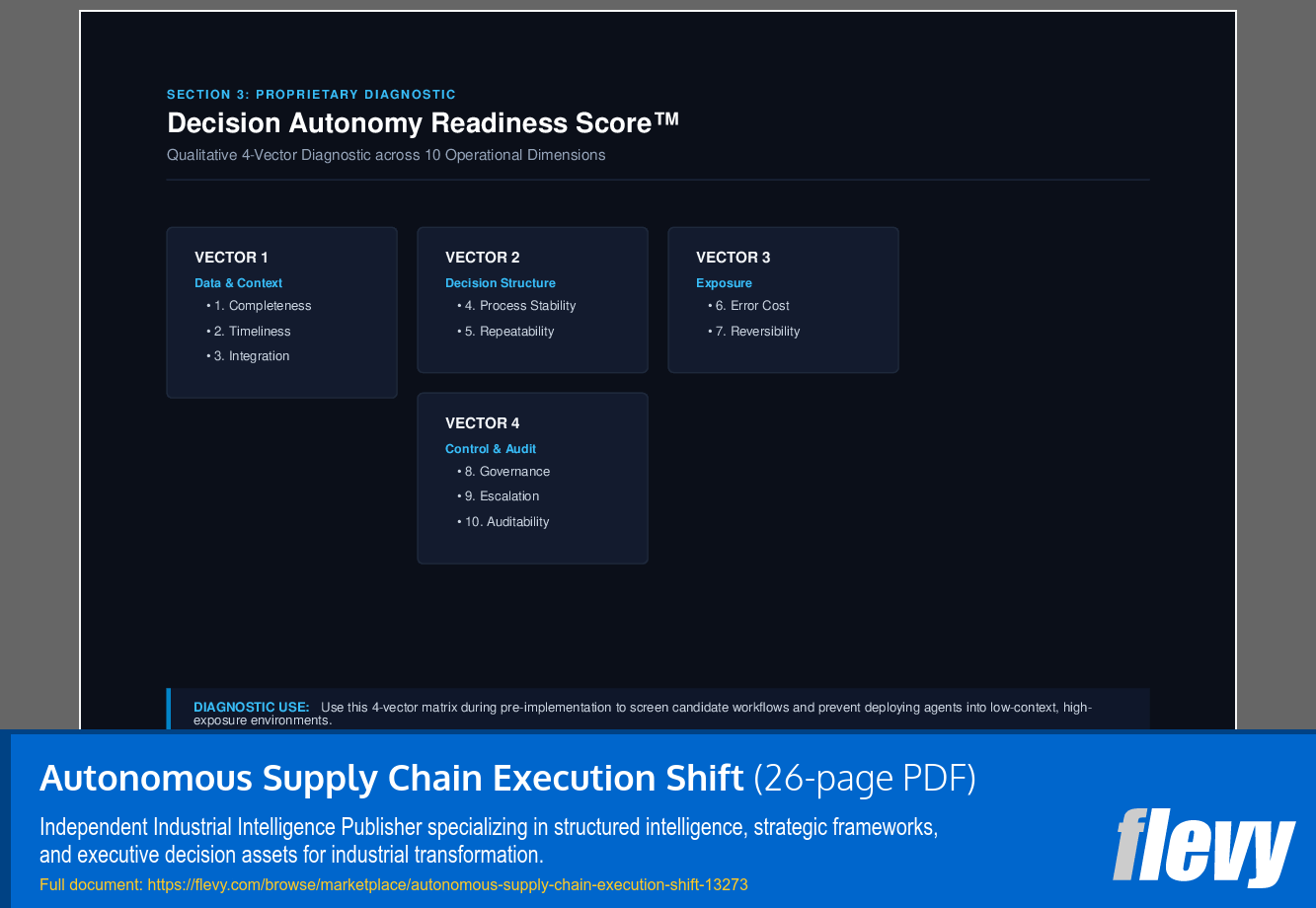
The playbook introduces three proprietary decision frameworks: the Autonomy Allocation Architecture™, the Supply Chain Autonomy Matrix™, and the Decision Autonomy Readiness Score™. Together, these frameworks help organizations identify where autonomy can create value, determine the appropriate level of delegation, assess organizational readiness, and establish the controls required before execution authority is transferred from people to AI-enabled systems.
The analysis also examines the strategic signals accelerating this transition, including the expansion of agentic AI capabilities within supply-chain software and the movement of major enterprise technology providers toward AI agents embedded directly into operational workflows.
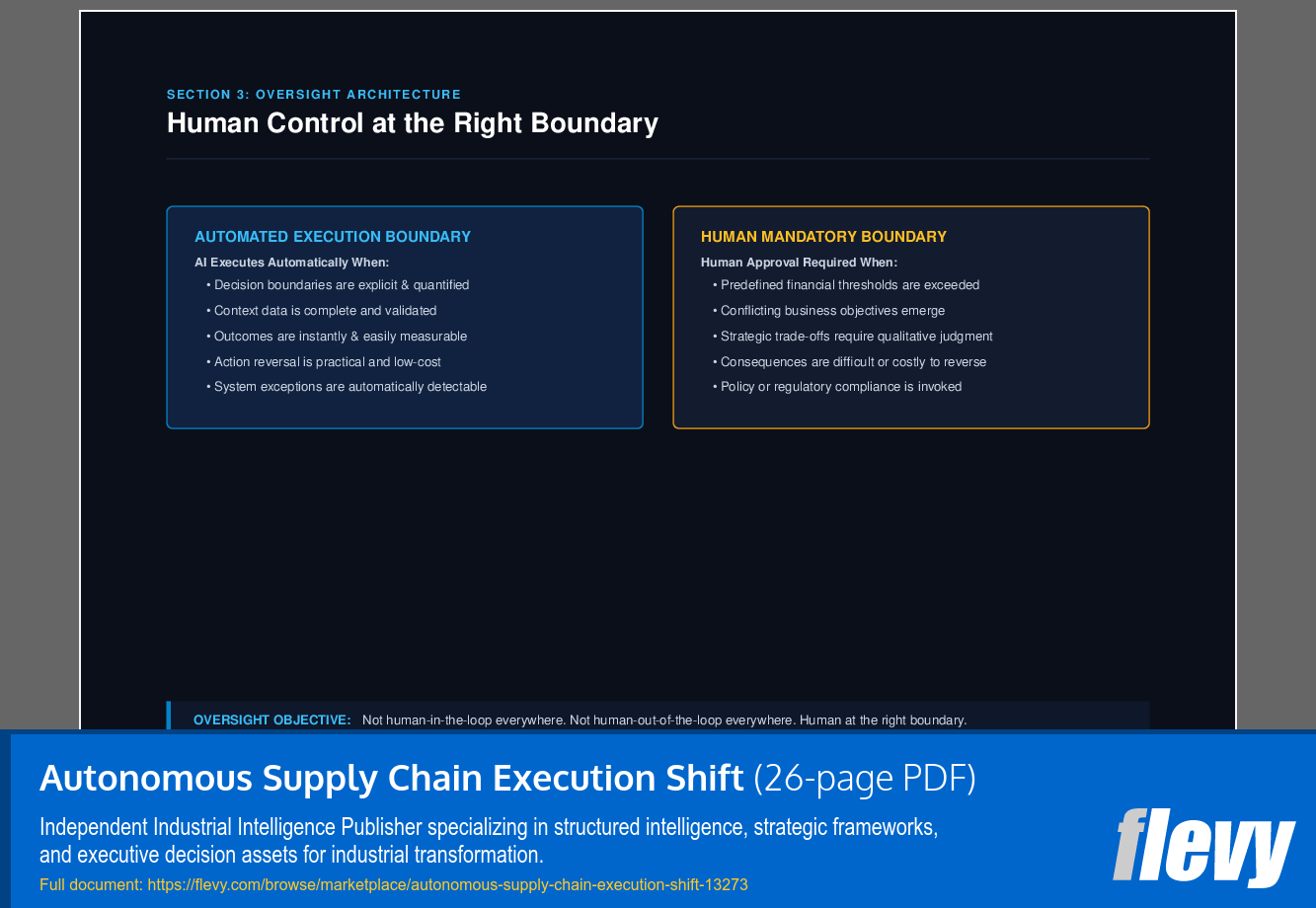
Rather than assuming that supply chains should become fully autonomous, the playbook takes a governed approach. It emphasizes permission boundaries, escalation rules, reversibility, accountability, exception handling, and human oversight where consequences or uncertainty remain material.
The resulting perspective is designed for executives, operations leaders, supply-chain leaders, transformation teams, technology strategists, and industrial decision makers who need to translate the rapid development of agentic AI into an actionable operating-model agenda.
The strategic conclusion is straightforward: the next supply-chain operating model is not defined by eliminating human decision makers. It is defined by governed decision delegation—systematically determining which decisions remain human, which become AI-assisted, and which can be safely executed autonomously within defined boundaries.
Got a question about the product? Email us at support@flevy.com or ask the author directly by using the "Ask the Author a Question" form. If you cannot view the preview above this document description, go here to view the large preview instead.
Source: Best Practices in Supply Chain Management, Artificial Intelligence PDF: Autonomous Supply Chain Execution Shift PDF (PDF) Document, Wisnu Pandega Wardana
ABOUT THE AUTHOR

I am an independent Industrial Intelligence and Strategic Innovation Publisher focused on developing structured business intelligence, innovation frameworks, and opportunity-oriented research for decision-makers.
My work focuses on translating emerging technologies, industrial transformation, sustainability, resource efficiency, and market shifts into structured intelligence assets that
... [read more]
Ask the Author a Question
You must be logged in to contact the author.