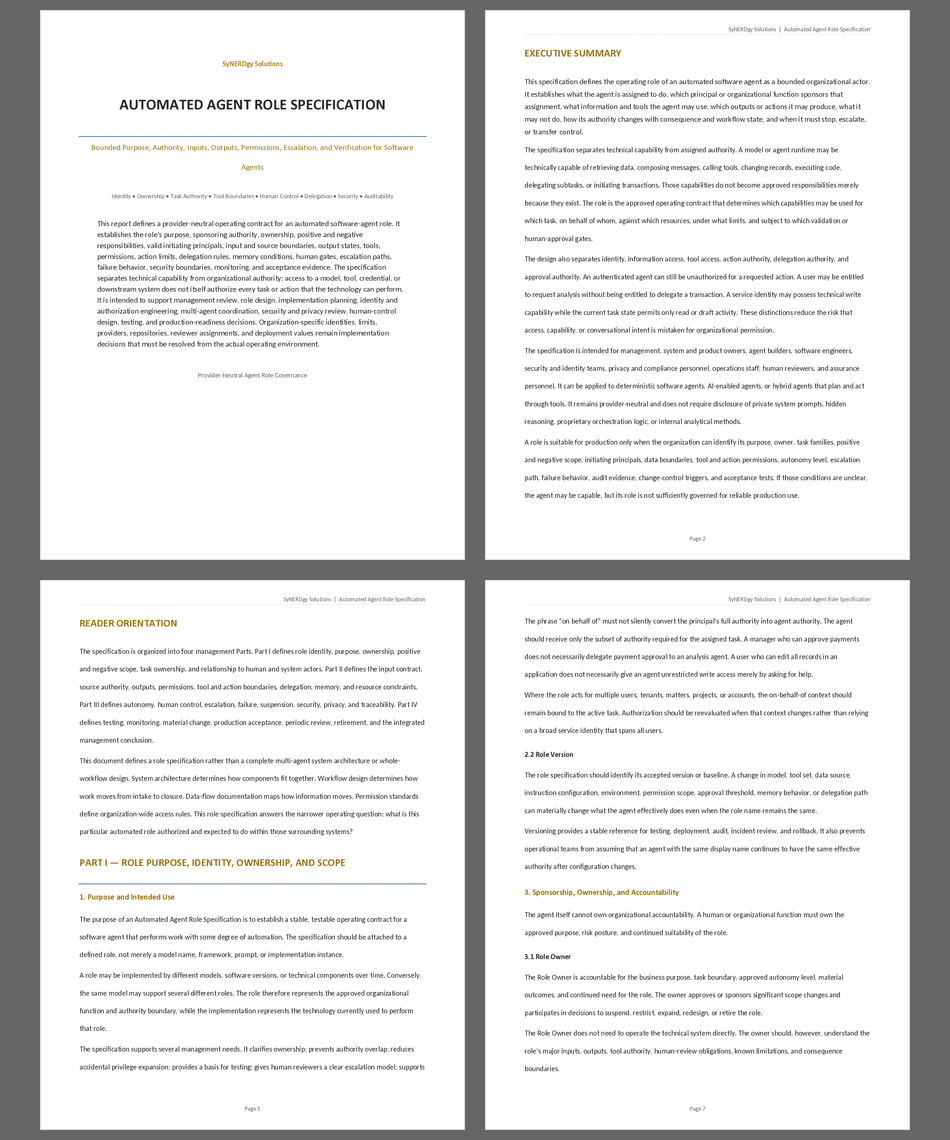
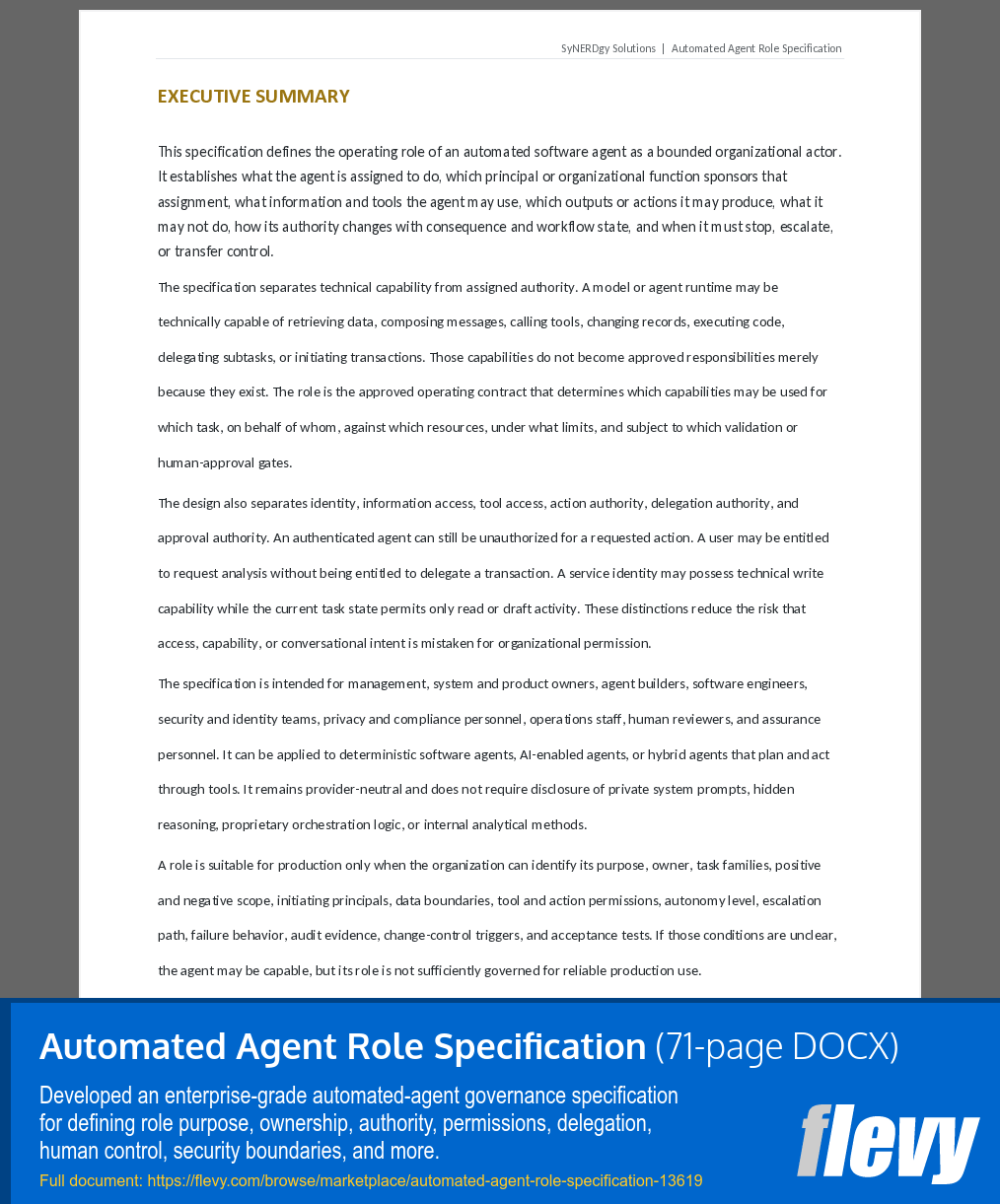
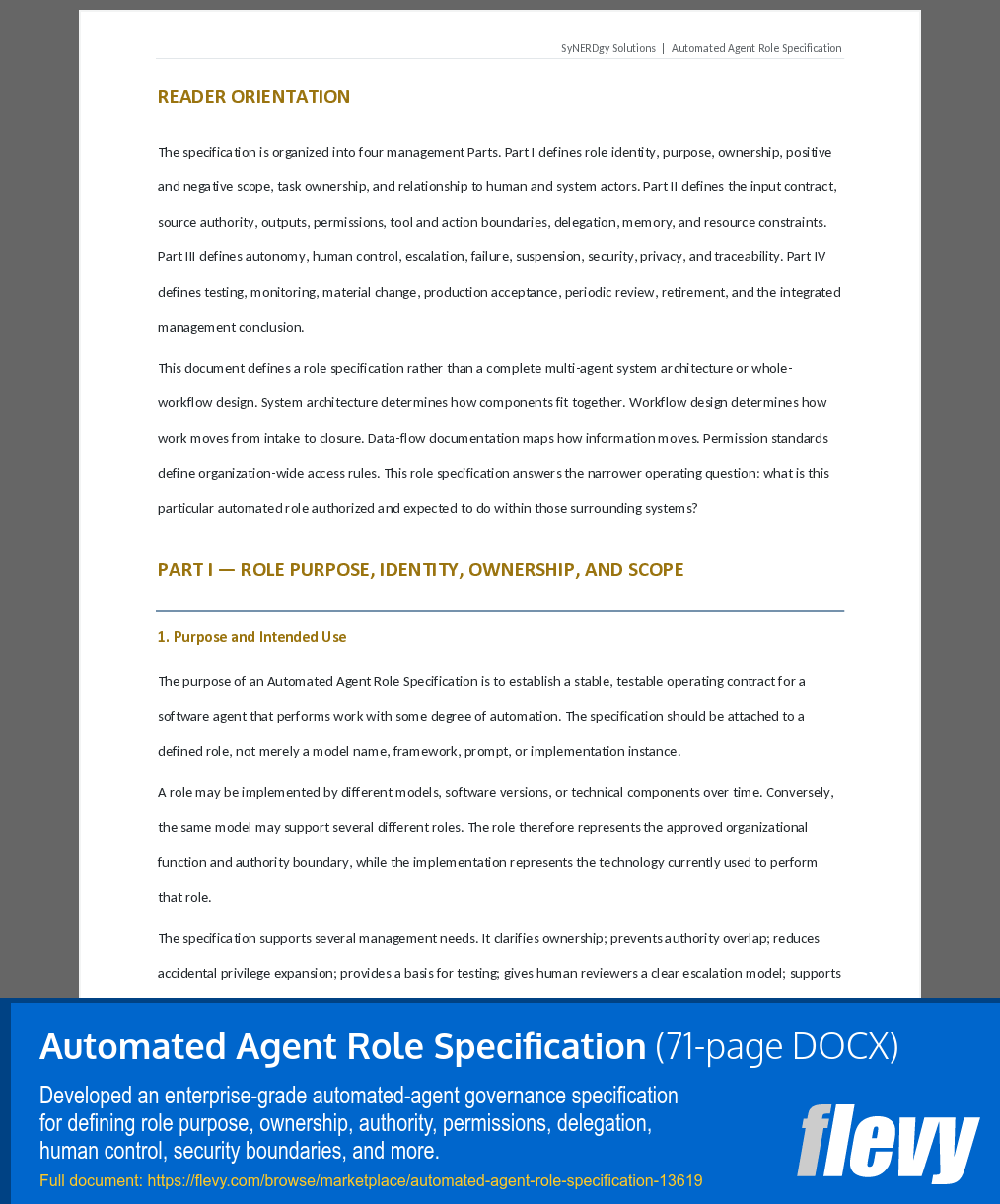

 Click main image to view in full screen. Unlock all 10 preview images:
Automated Agent Role Specification – Word DOCX
Word (DOCX) + PowerPoint (PPTX) 71 Pages


BENEFITS OF THIS DOWNLOADABLE WORD DOCUMENT
- Make agent governance testable before production.
- Prevent permission creep and unsafe delegation
- Separate technical capability from organizational authority.
ARTIFICIAL INTELLIGENCE WORD DESCRIPTION
Automated software agents can retrieve data, call tools, draft work, trigger workflows, delegate subtasks, and sometimes change external systems. The governance problem is not whether an agent is capable. The problem is whether that capability has been translated into a bounded organizational role with clear purpose, ownership, authority, permissions, escalation, and evidence.
This 72-page editable specification provides a provider-neutral framework for defining and governing an automated agent role before it moves into pilot, production, or expanded use. It helps management, technology, security, risk, compliance, operations, product, and assurance teams separate technical capability from approved authority so agent behavior can be designed, tested, monitored, and restricted without relying on informal assumptions.
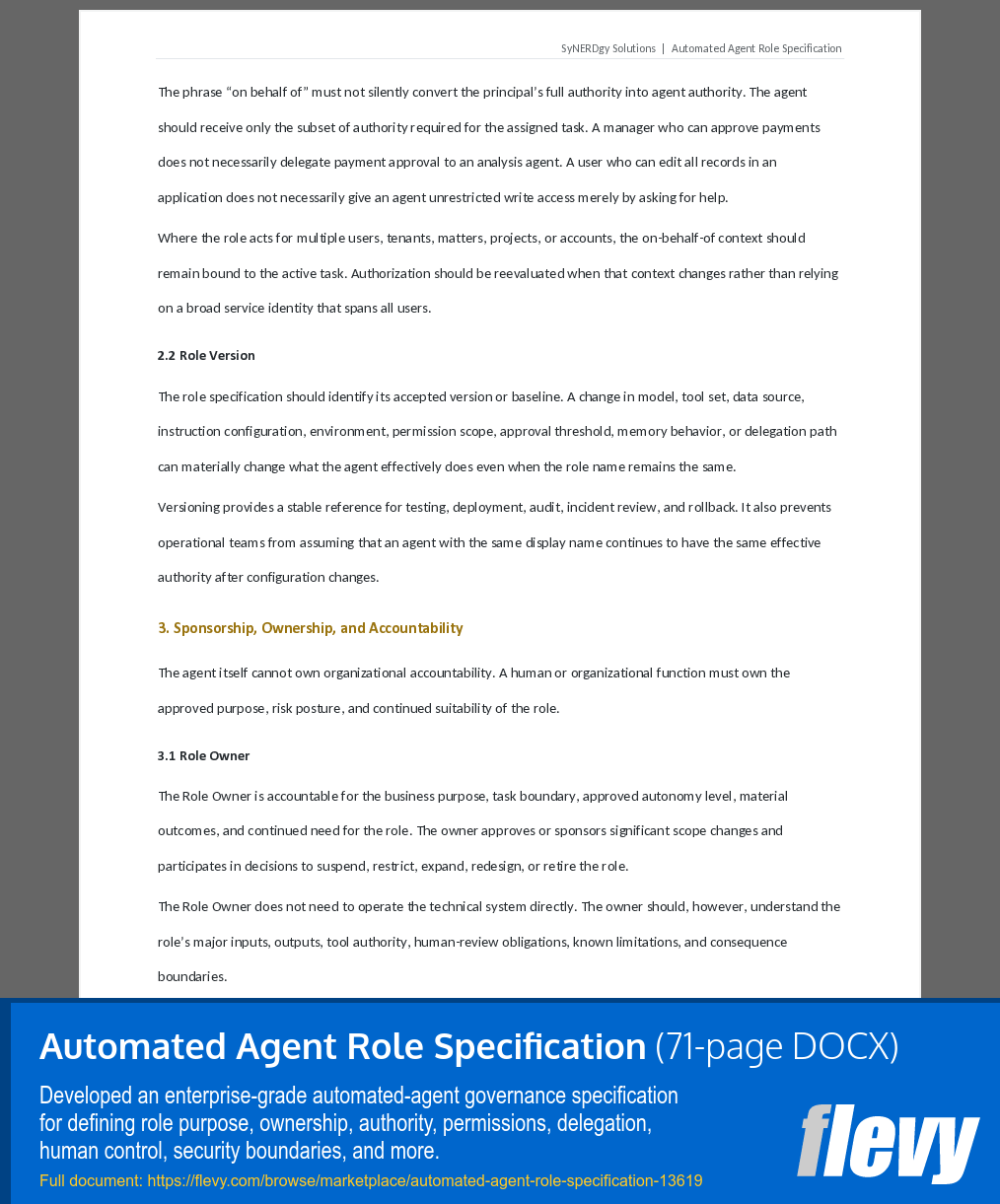
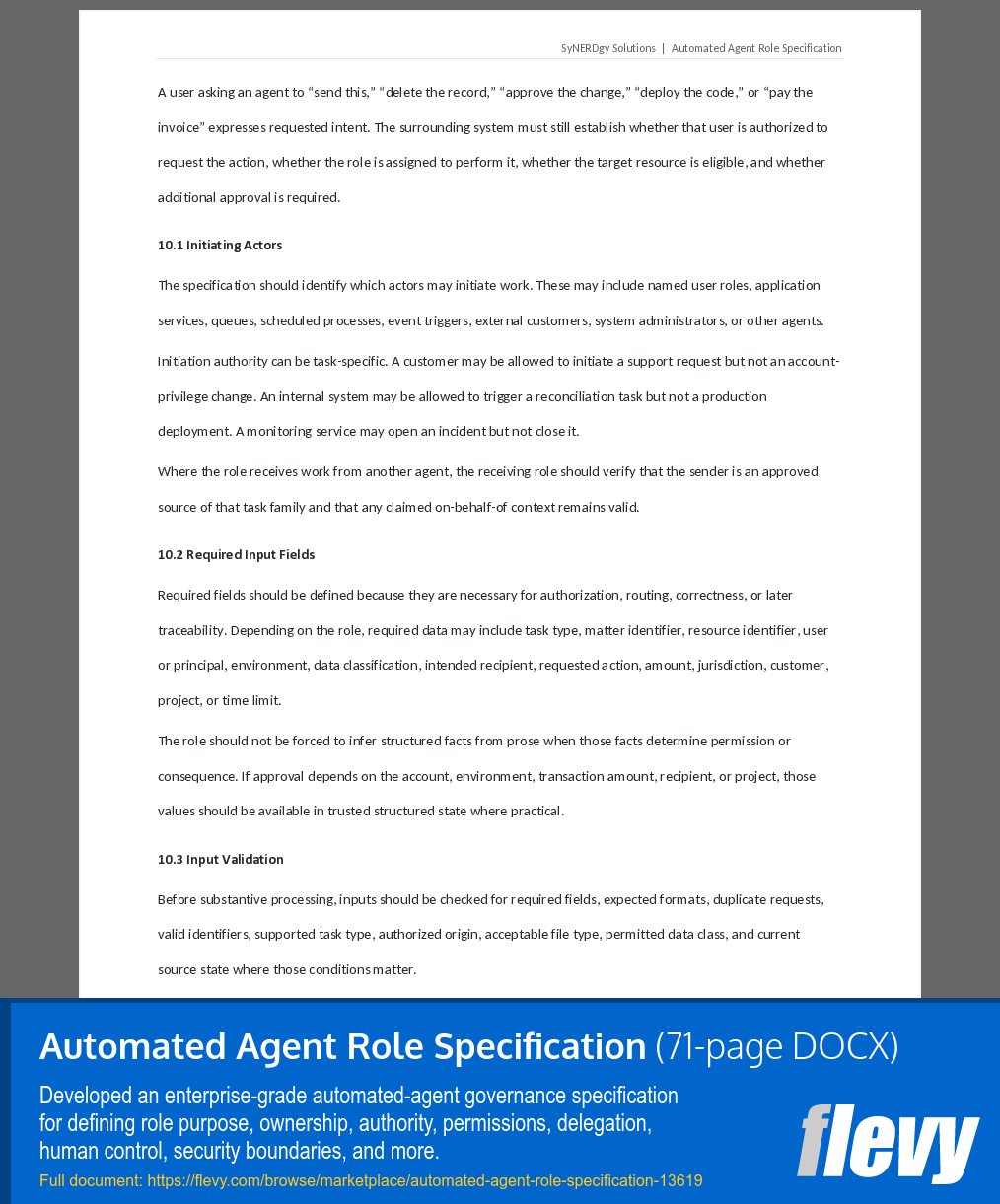
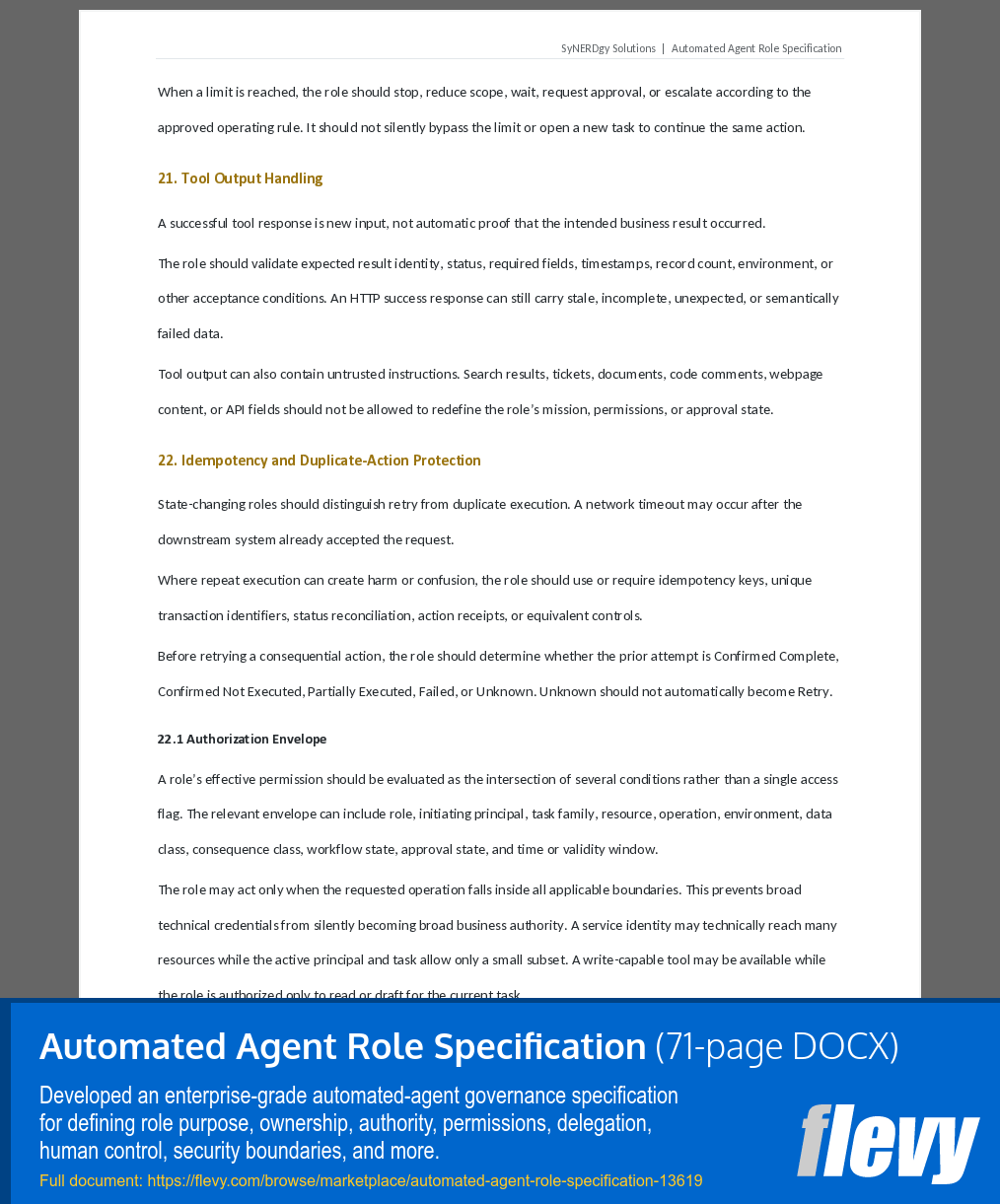
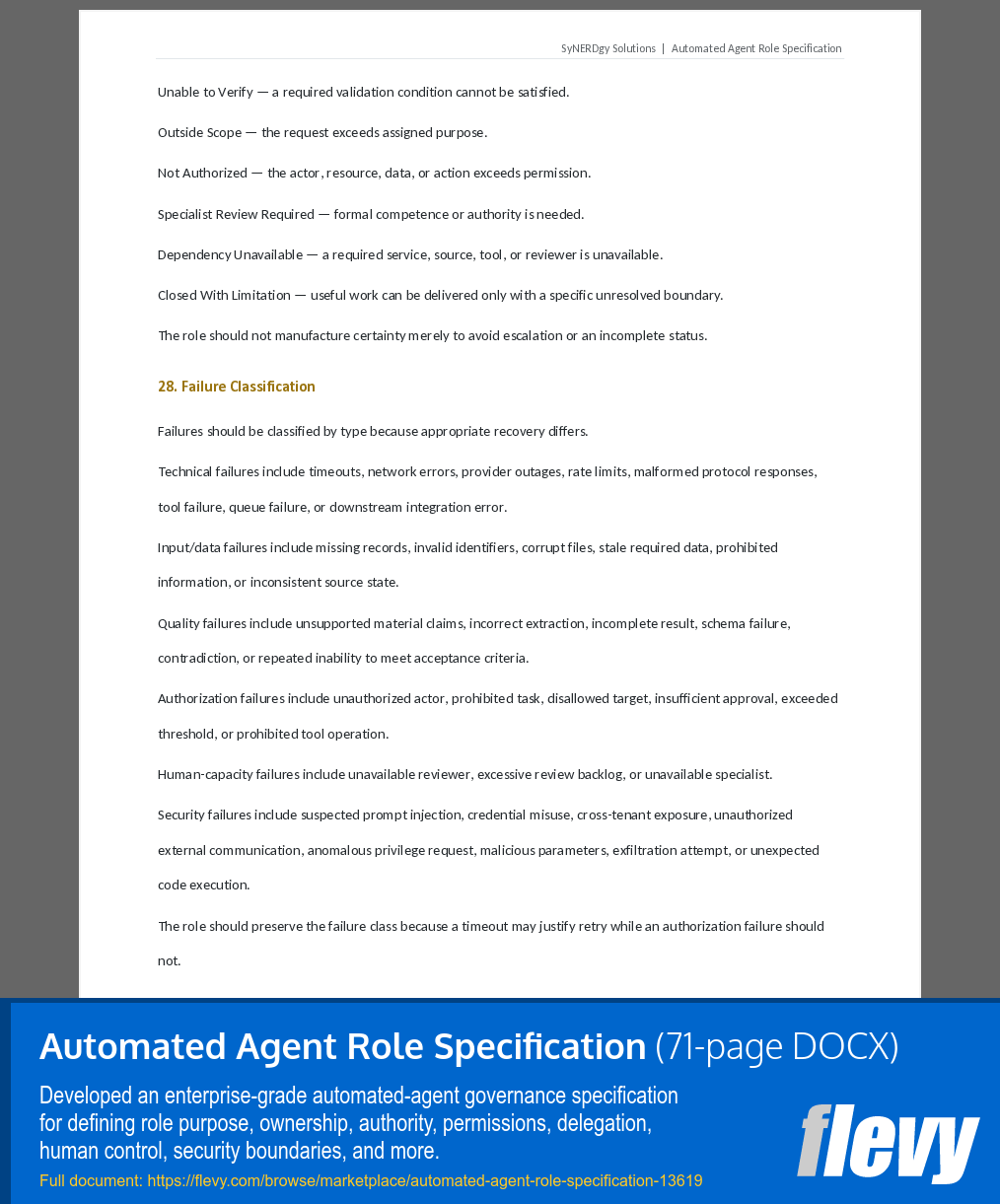
The specification covers role identity, sponsoring principal, on-behalf-of context, role ownership, positive responsibilities, negative scope, human-only boundaries, relationship to human and system roles, task ownership, delegation, lifecycle states, input contracts, source authority, output states, tool inventory, permission classes, consequence classes, parameter constraints, memory, resource limits, retry, idempotency, escalation, suspension, security boundaries, credential handling, sensitive data, monitoring, audit evidence, material change, staged release, conformance testing, production acceptance, periodic review, restriction, and retirement.
The document includes implementation annexes for role definition data modeling, authority and permission mapping, state-transition requirements, cross-role interface and delegation contracts, high-consequence role profiles, exception/escalation/recovery packages, role-conformance and acceptance matrices, and periodic role review. These sections support practical use by teams designing AI-enabled agents, deterministic agents, multi-agent workflows, workflow automation, internal copilots, tool-using assistants, and software roles that require explicit operating boundaries.
Use it to define a new agent role, review an existing agent before deployment, identify unsafe scope creep, design least-privilege permissions, separate drafting from execution, structure human approval and override, test negative scope, document delegation, prepare audit evidence, or build a common authority model across governance, engineering, and operations.
The framework is not a legal opinion, certification, or substitute for organization-specific controls. It gives teams a rigorous operating structure for deciding what an agent may do, what it must not do, who remains accountable, and what evidence proves the deployed role still matches the approved role
Got a question about the product? Email us at support@flevy.com or ask the author directly by using the "Ask the Author a Question" form. If you cannot view the preview above this document description, go here to view the large preview instead.
Source: Best Practices in Artificial Intelligence, Agentic AI Word: Automated Agent Role Specification Word (DOCX) Document, SyNERDgy Solutions | R&D Systems
ABOUT THE AUTHOR
SyNERDgy Solutions develops proprietary enterprise frameworks and professional systems for complex organizational and technical environments.
Our work spans operational excellence, governance and risk, enterprise architecture, systems and AI, assurance, implementation, evidence analysis, and financial decision support.
SyNERDgy products are independently developed and subsequently cross-mapped
... [read more]
Ask the Author a Question
You must be logged in to contact the author.




























