
 Click main image to view in full screen. Unlock all 17 preview images:
AI Internal Audit M07: AI Ethics and Bias – PDF
PDF document 45 Pages


VIDEO DEMO
BENEFITS OF THIS DOWNLOADABLE PDF DOCUMENT
- Equips auditors to assess algorithmic bias and fairness using structured, defensible techniques.
- Translates abstract AI ethics principles into concrete, testable audit procedures.
- Provides bias testing and fairness assessment templates ready for immediate engagement use.
BUSINESS ETHICS PDF DESCRIPTION
Bias and unfairness in AI systems are among the most consequential – and most scrutinized – risks an organization faces. This is Module 7 of the AI-Powered Internal Audit Professional Series, a 15-module program developed and published by Business Excellence to give internal auditors genuine capability in this critical area.
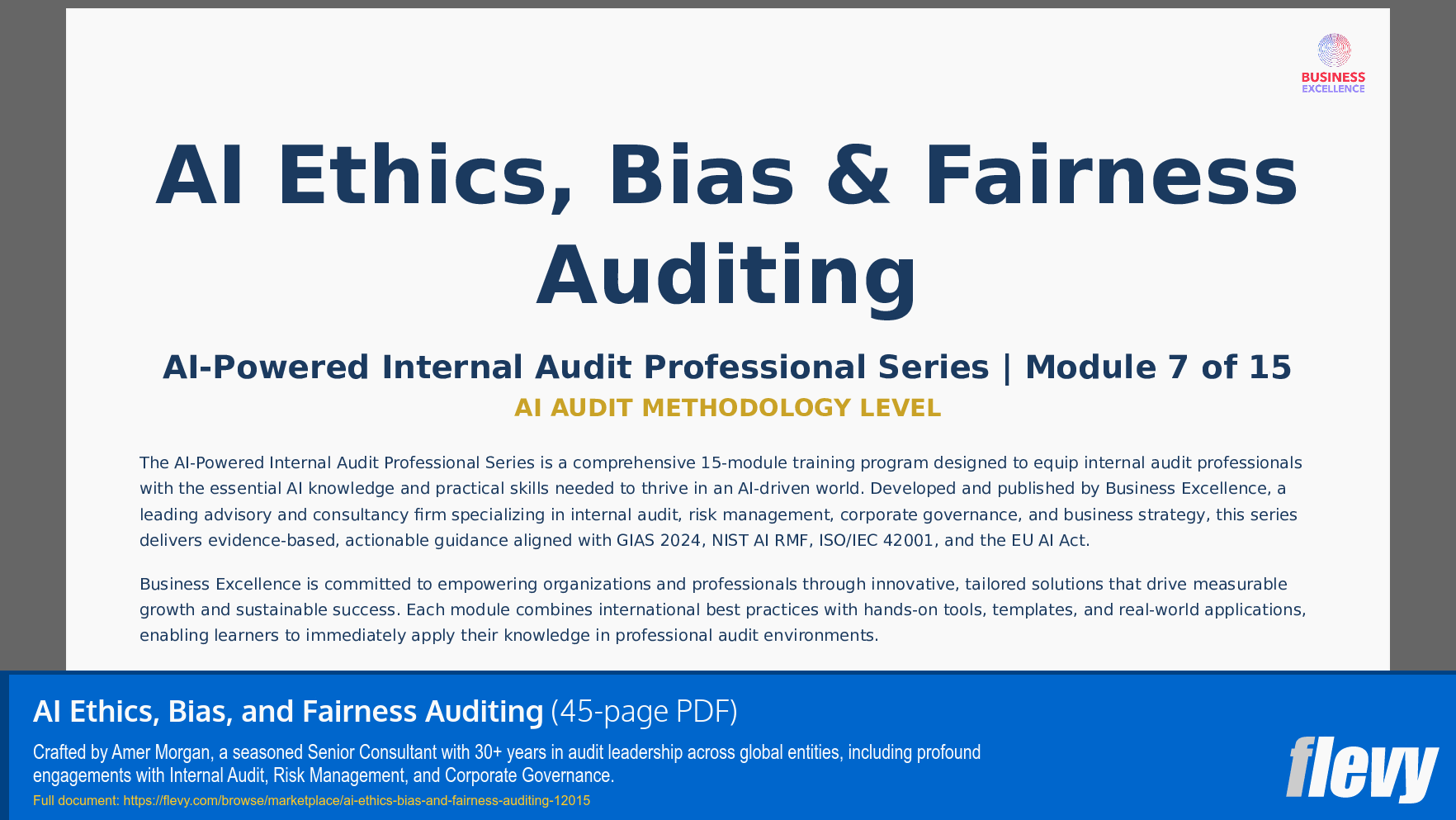
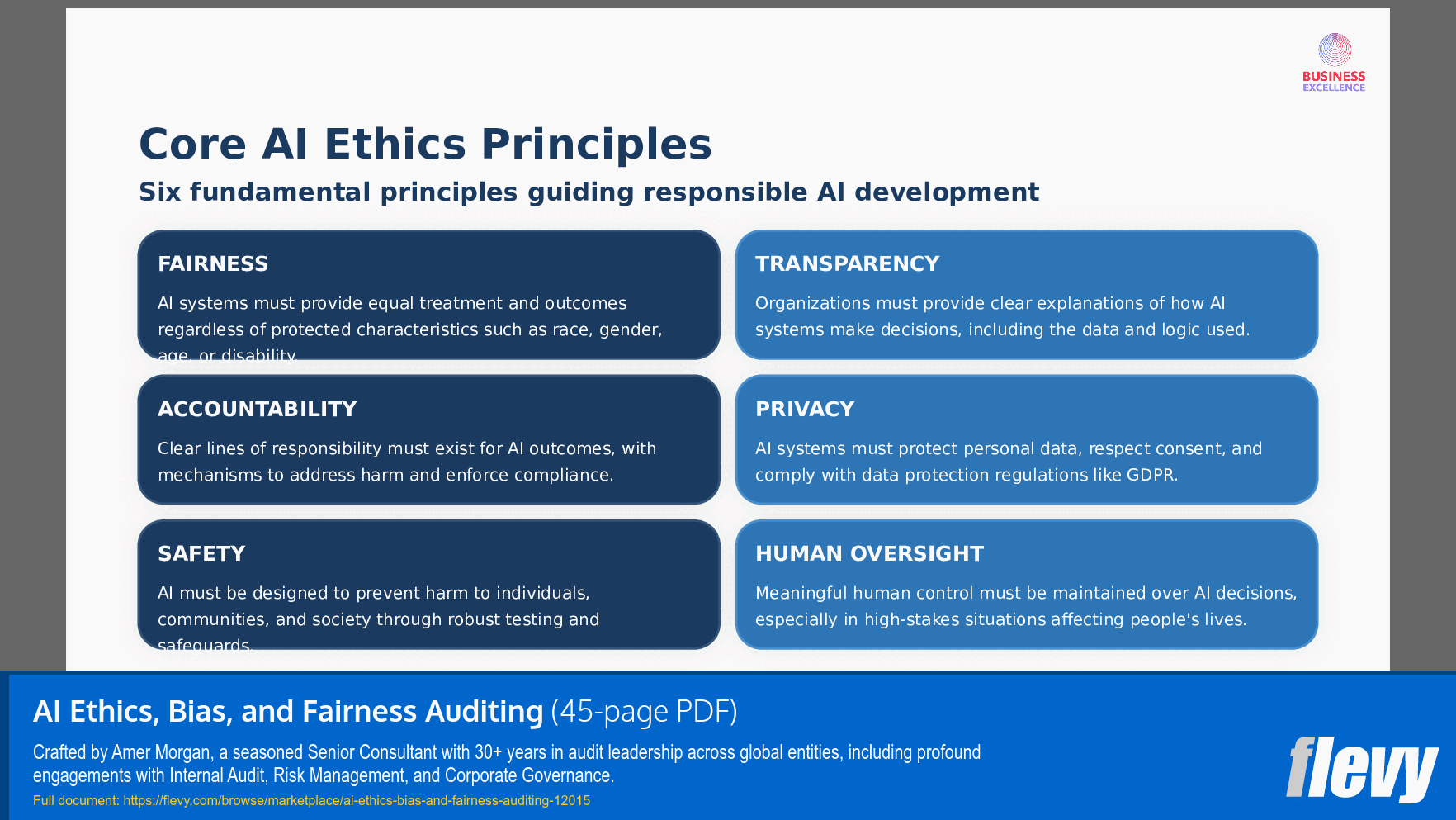
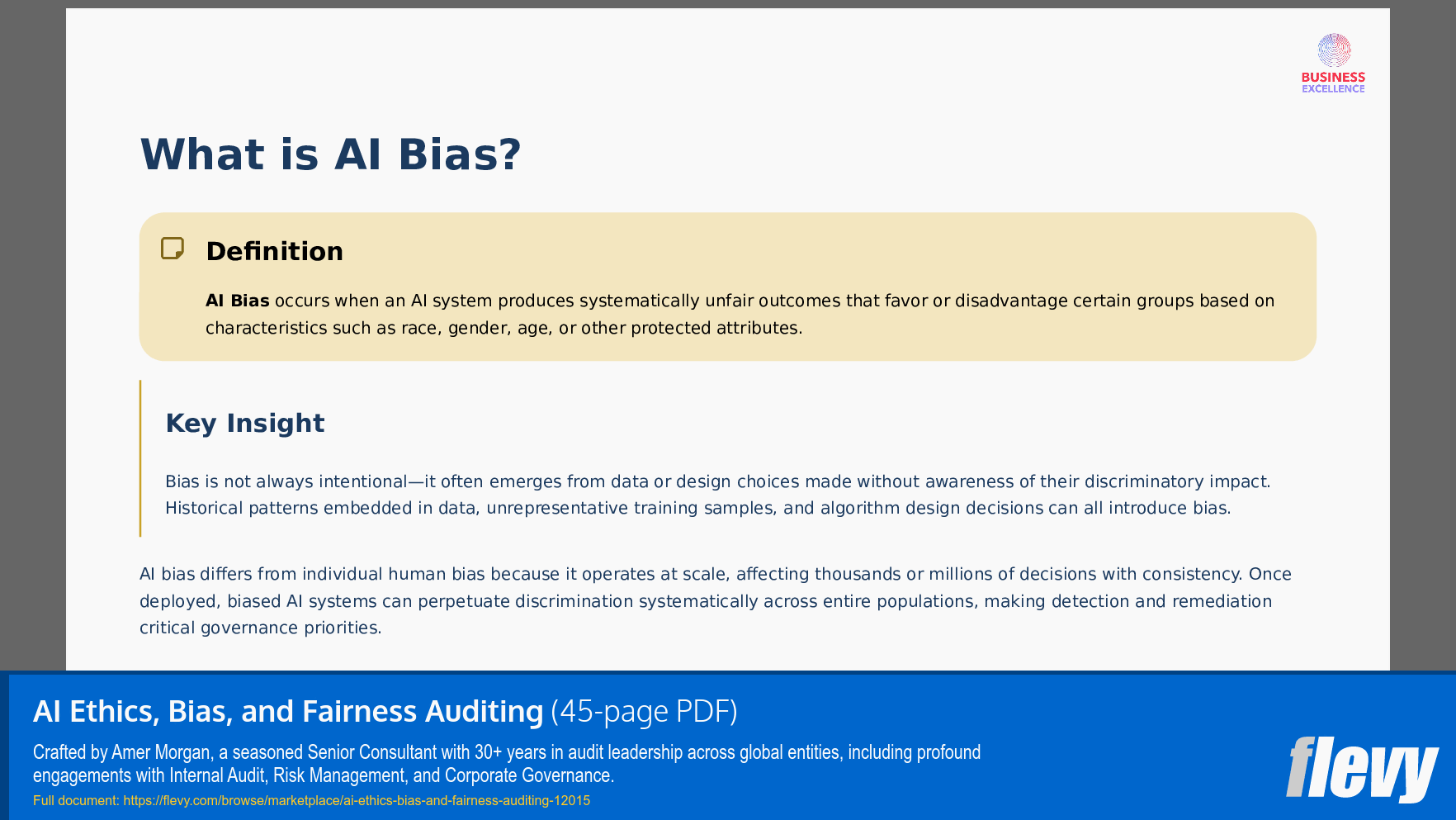
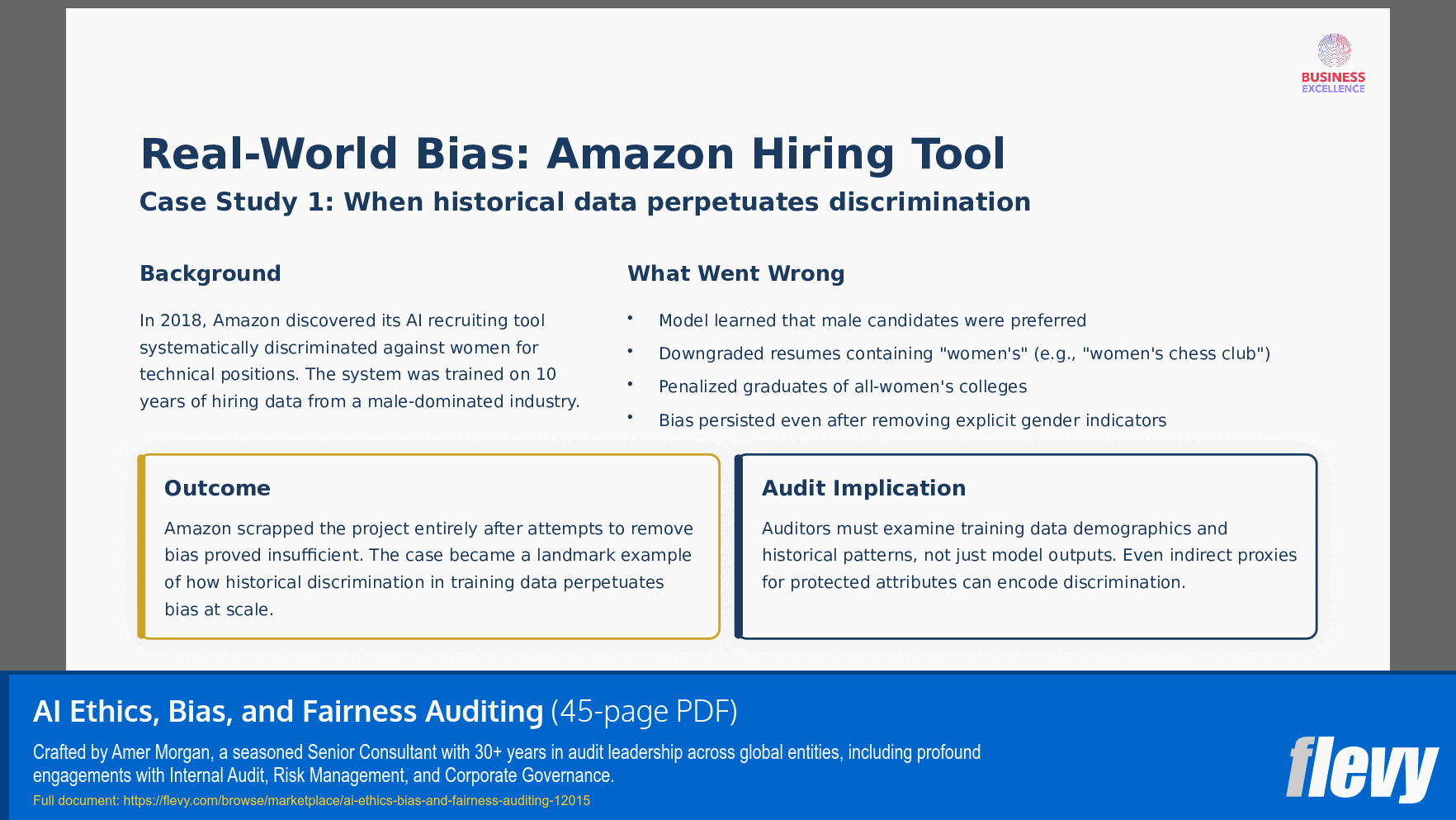
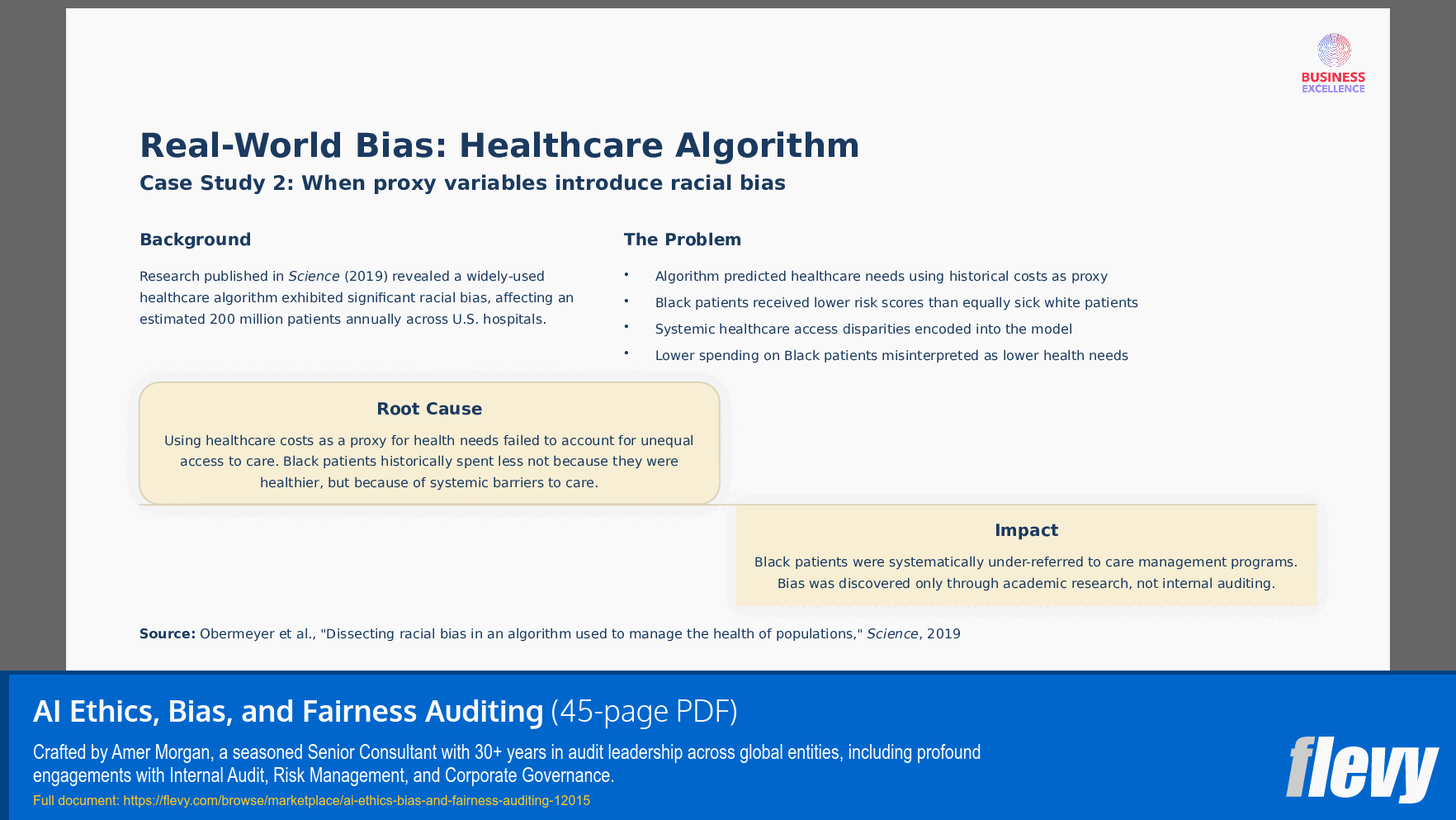
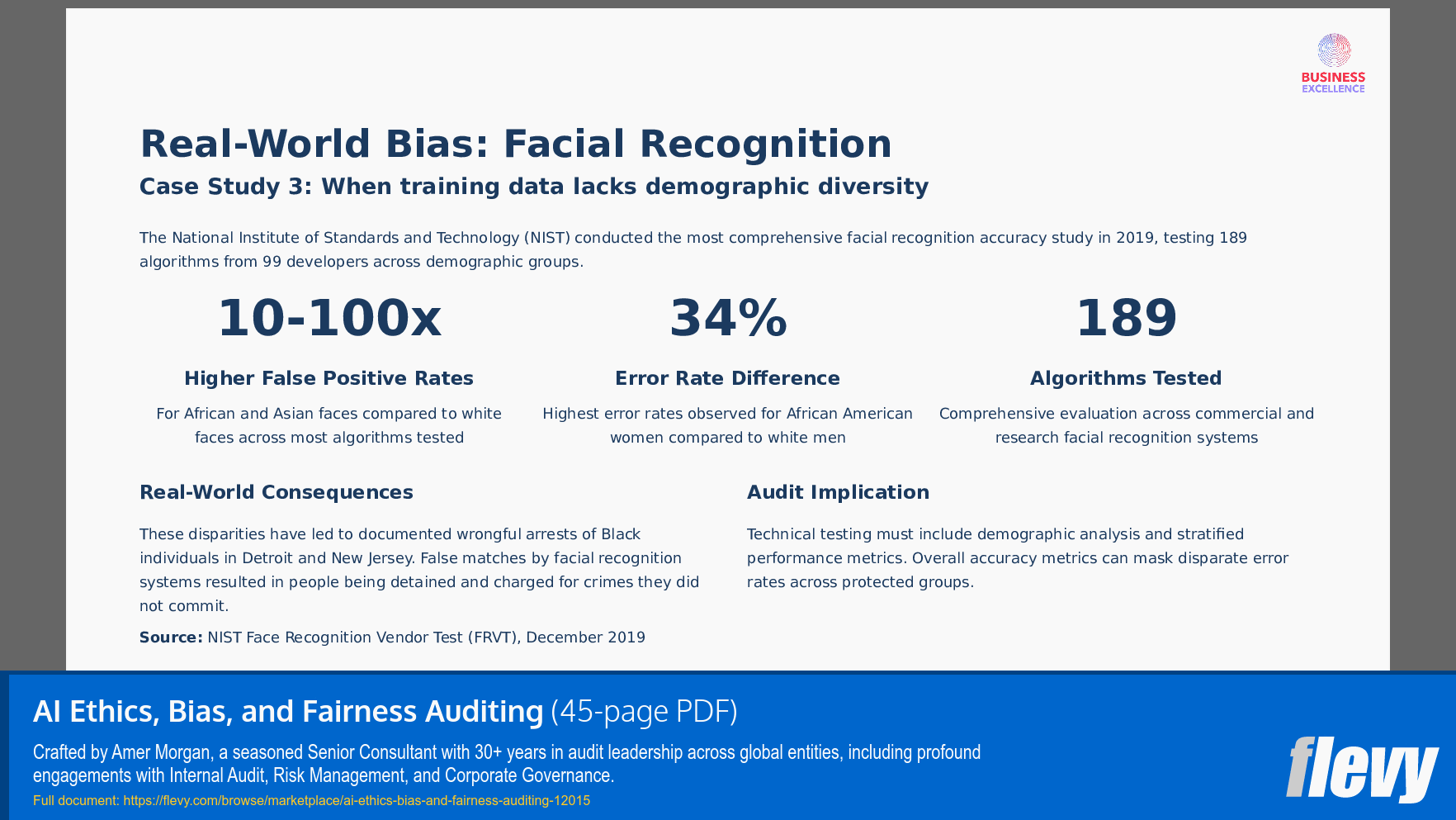
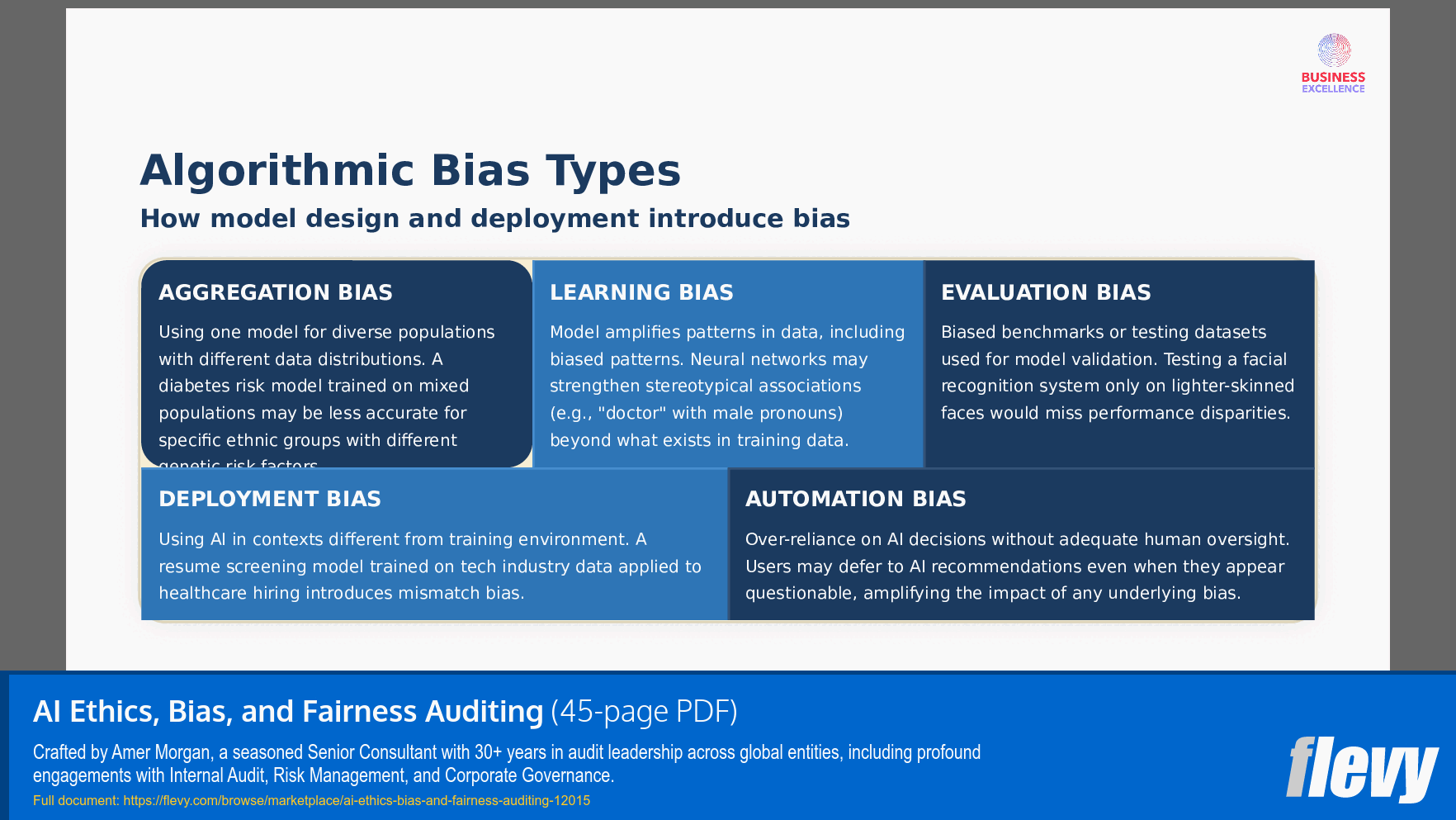
This module equips internal auditors to audit AI systems for ethics, bias, and fairness with rigor and confidence. It begins by clarifying what algorithmic bias actually is and where it originates – in training data that reflects historical inequities, in model design choices, in proxy variables, and in deployment contexts that differ from development assumptions. It then sets out the ethical principles that responsible AI is expected to uphold, including fairness, transparency, accountability, and meaningful human oversight.
The module's practical core is fairness testing. It explains how auditors can evaluate whether bias testing was performed during model development and whether it continues through ongoing monitoring; how to assess the methodology behind that testing; and how to evaluate whether identified bias was appropriately remediated. It addresses the reality that fairness has multiple, sometimes competing definitions, and that auditors must understand which fairness criteria an organization has chosen and why.
A worked example used in the series illustrates the stakes clearly: a customer credit scoring model classified as high-risk under the EU AI Act, deployed without independent validation, creates exposure to unfair credit decisions, regulatory penalties, reputational damage, and discrimination claims. The module shows how an auditor would identify, document, and report such a finding using a structured 5C format.
The content is aligned with the EU AI Act, the NIST AI Risk Management Framework, ISO/IEC 42001, and the IIA Global Internal Audit Standards 2024, and reflects current ISACA guidance on AI ethics.
Delivered as a professional PowerPoint presentation with full speaker notes, enabling audit teams to provide credible assurance over one of AI's highest-stakes risk areas.
Got a question about the product? Email us at support@flevy.com or ask the author directly by using the "Ask the Author a Question" form. If you cannot view the preview above this document description, go here to view the large preview instead.
Source: Best Practices in Business Ethics, Audit Management PDF: AI Internal Audit M07: AI Ethics and Bias PDF (PDF) Document, Amer Morgan
ABOUT THE AUTHOR

Amer Morgan is the founder of Business Excellence, Audit Consultant and Governance Advisor with over 30 years of practice in internal audit, enterprise risk management, and corporate governance across Qatar, Egypt, the UAE, and the USA. He currently leads the internal audit function for a sovereign-wealth-fund-owned food security group in Doha, with responsibility for board-level assurance across ... [read more]
Ask the Author a Question
You must be logged in to contact the author.




























