
 Click main image to view in full screen. Unlock all 10 preview images:
AI Infrastructure Lifecycle Architecture™ – PDF
PDF document + PowerPoint (PPTX) 17 Pages


BENEFITS OF THIS DOWNLOADABLE PDF DOCUMENT
- Provides a structured, seven-gate decision architecture to evaluate AI infrastructure lifecycle pathways, preserve asset value, and identify unresolved risks.
- Connects security, environmental, operational, and financial considerations to practical lifecycle decisions, governance checkpoints, and recovery options.
- Equips cross-functional leaders with reusable decision tools, reference governance models, and an implementation roadmap for lifecycle management.
ARTIFICIAL INTELLIGENCE PDF DESCRIPTION
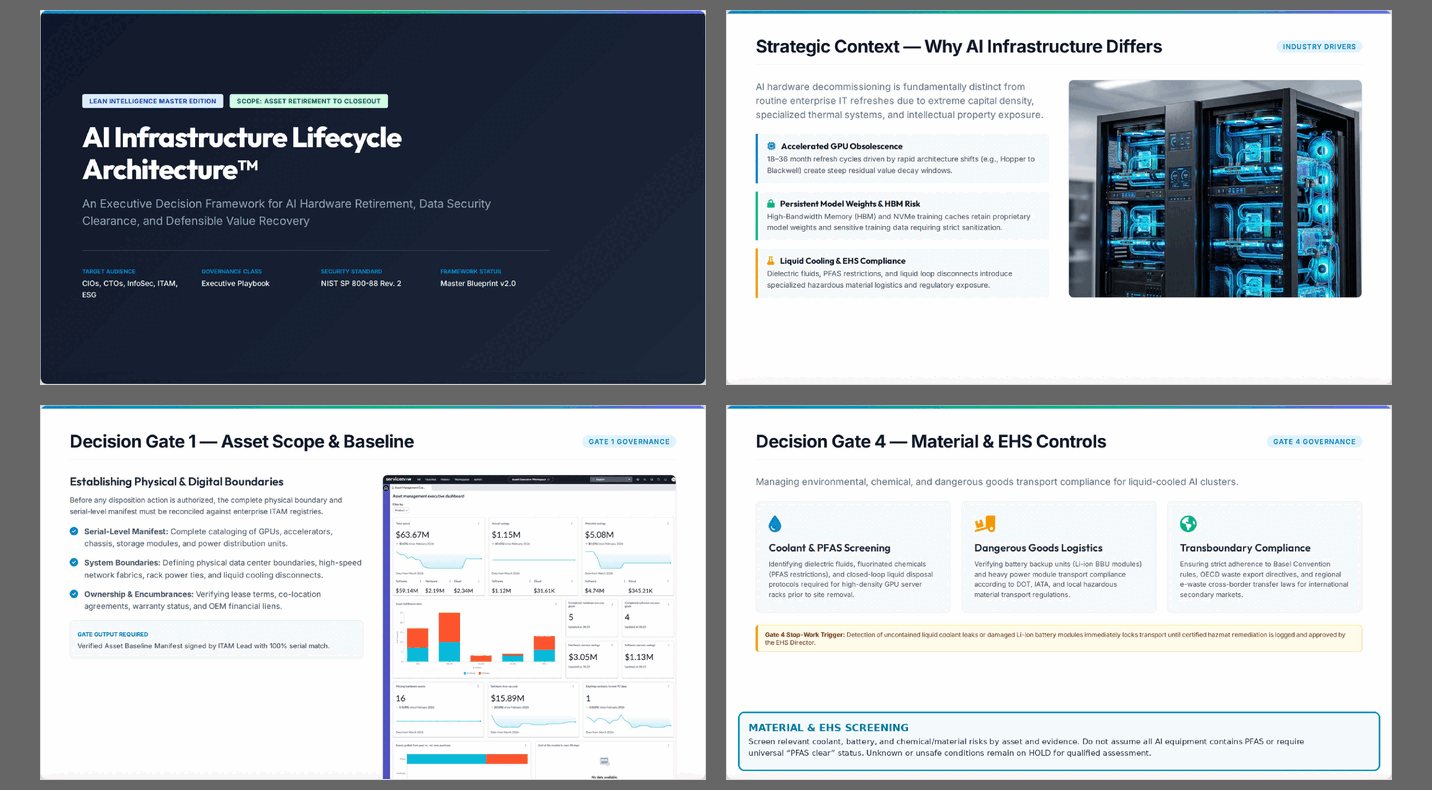
AI Infrastructure Lifecycle Architecture™ is a practical executive intelligence playbook for organizations navigating the growing complexity of AI infrastructure lifecycle decisions.
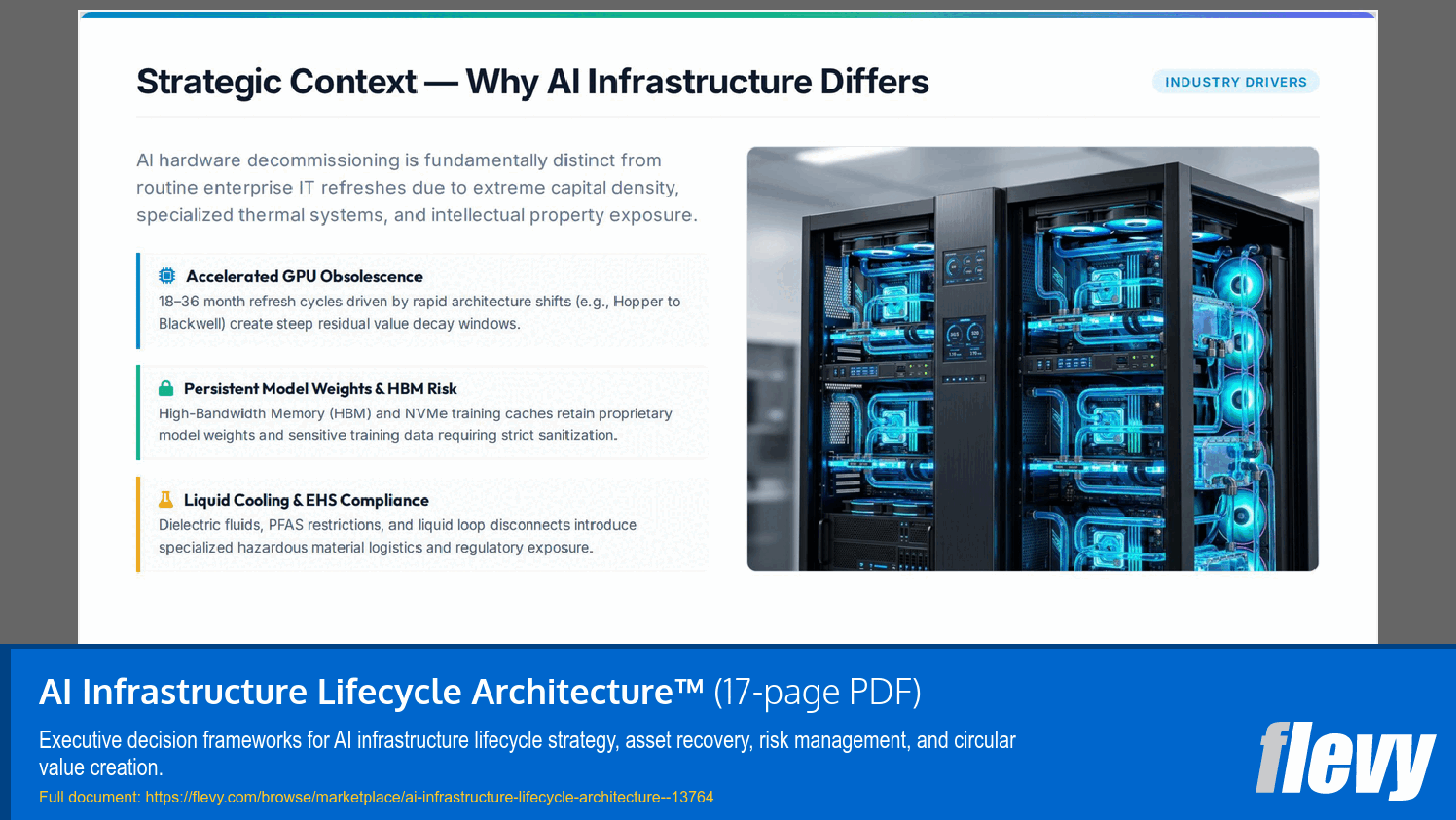
As AI infrastructure expands, organizations face interconnected decisions involving asset deployment, operational use, data security, equipment retirement, material recovery, environmental exposure, and end-of-life pathways. These decisions are often managed across separate functions, creating fragmented accountability and missed opportunities to preserve asset value.
This playbook introduces a structured, seven-gate decision architecture to help organizations connect lifecycle requirements with operational, financial, security, and governance considerations. Rather than treating equipment retirement as an isolated disposal activity, it positions lifecycle management as an integrated decision system spanning infrastructure planning, asset use, recovery, and final disposition.
Designed for corporate strategy, technology, infrastructure, operations, sustainability, finance, and risk leaders, the framework helps decision-makers assess lifecycle pathways, identify unresolved risks, establish governance checkpoints, and structure investment and implementation priorities.
Inside, you will find:
• Seven-Gate Lifecycle Architecture – a structured sequence for evaluating AI infrastructure lifecycle decisions and identifying critical control points.
• Lifecycle Decision Engine™ – a decision logic for progressing assets through pass, hold, remediation, or approved-exception pathways.
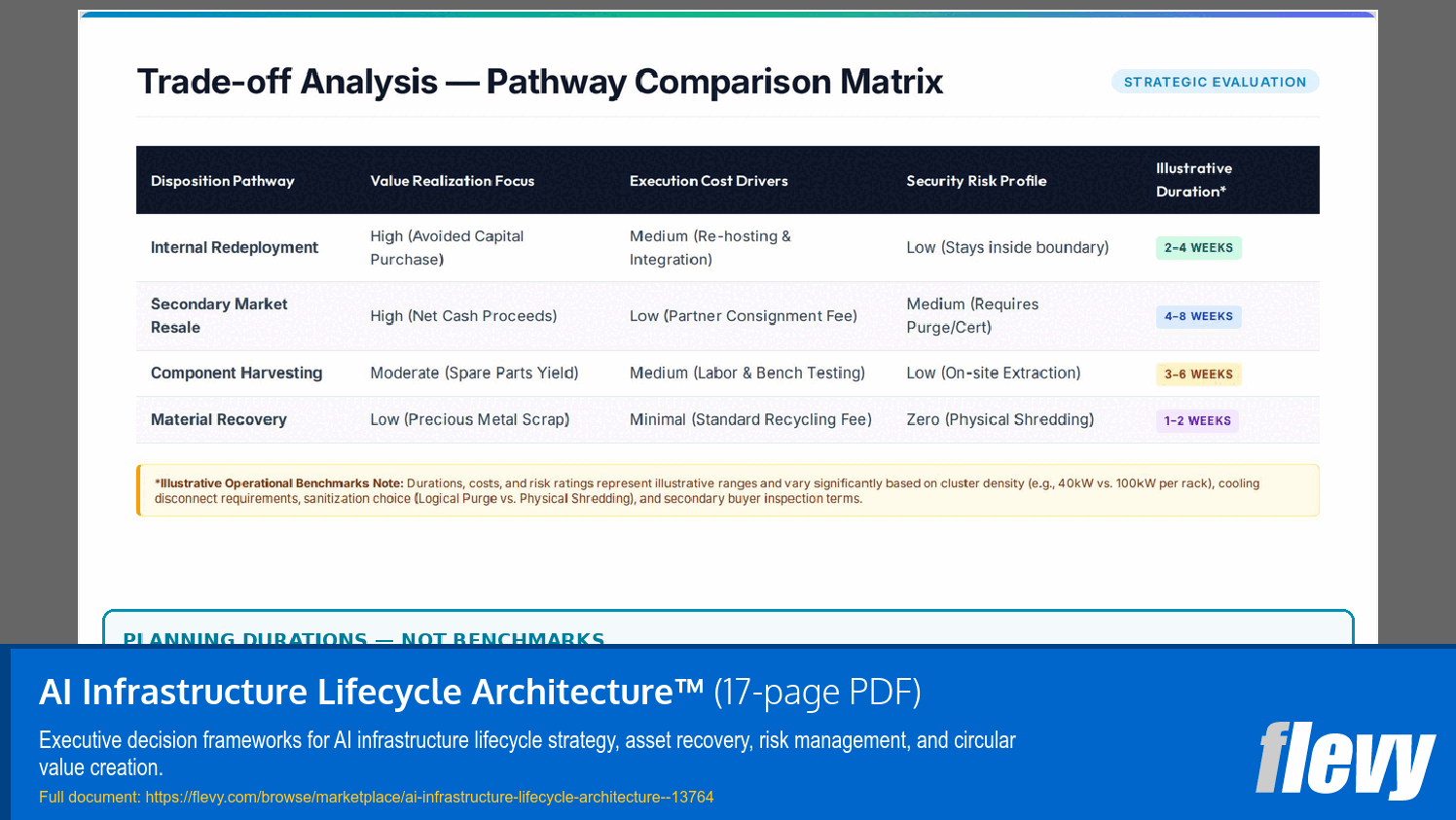
• Lifecycle Pathway Matrix – a practical way to compare potential asset disposition and recovery routes against relevant decision criteria.
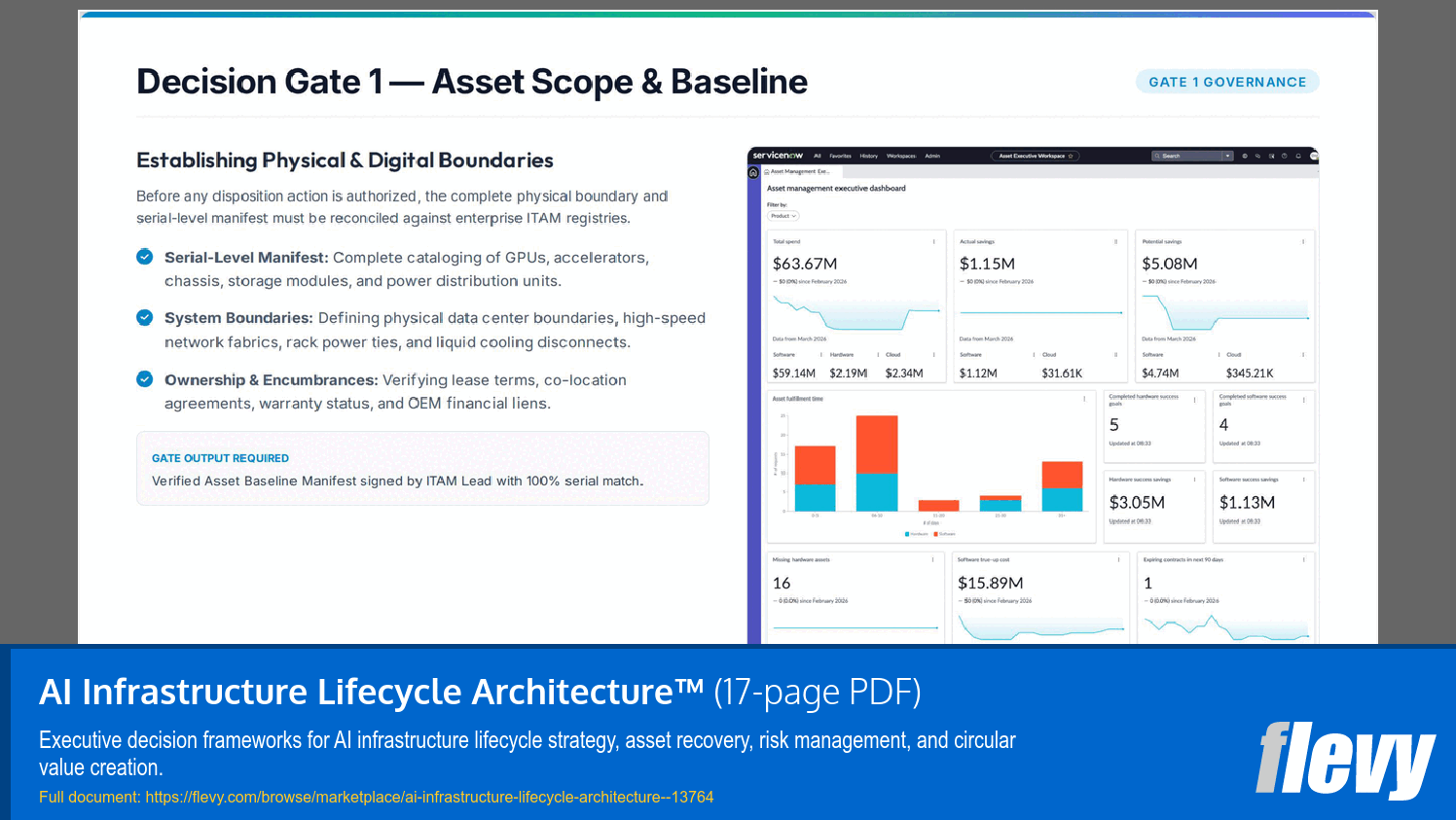
• Security and Data Handling Considerations – guidance for incorporating data sanitization evidence and security requirements into asset lifecycle decisions.
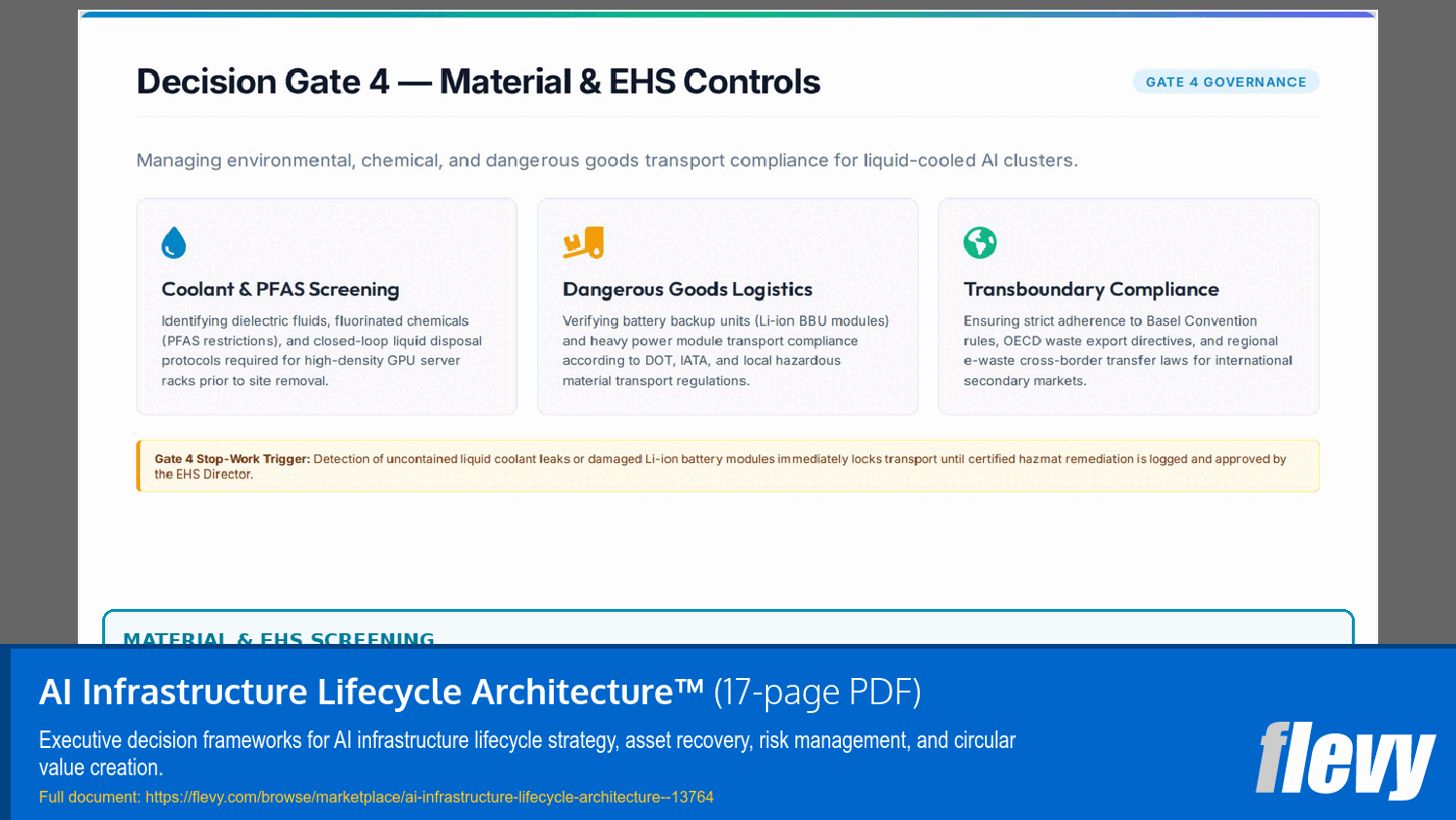
• Environmental and Material Screening – a structured approach to identifying relevant material, environmental, and end-of-life considerations without assuming universal applicability.
• Value Recovery Economics – a framework for distinguishing potential resale proceeds from net avoided costs and evaluating lifecycle value more transparently.
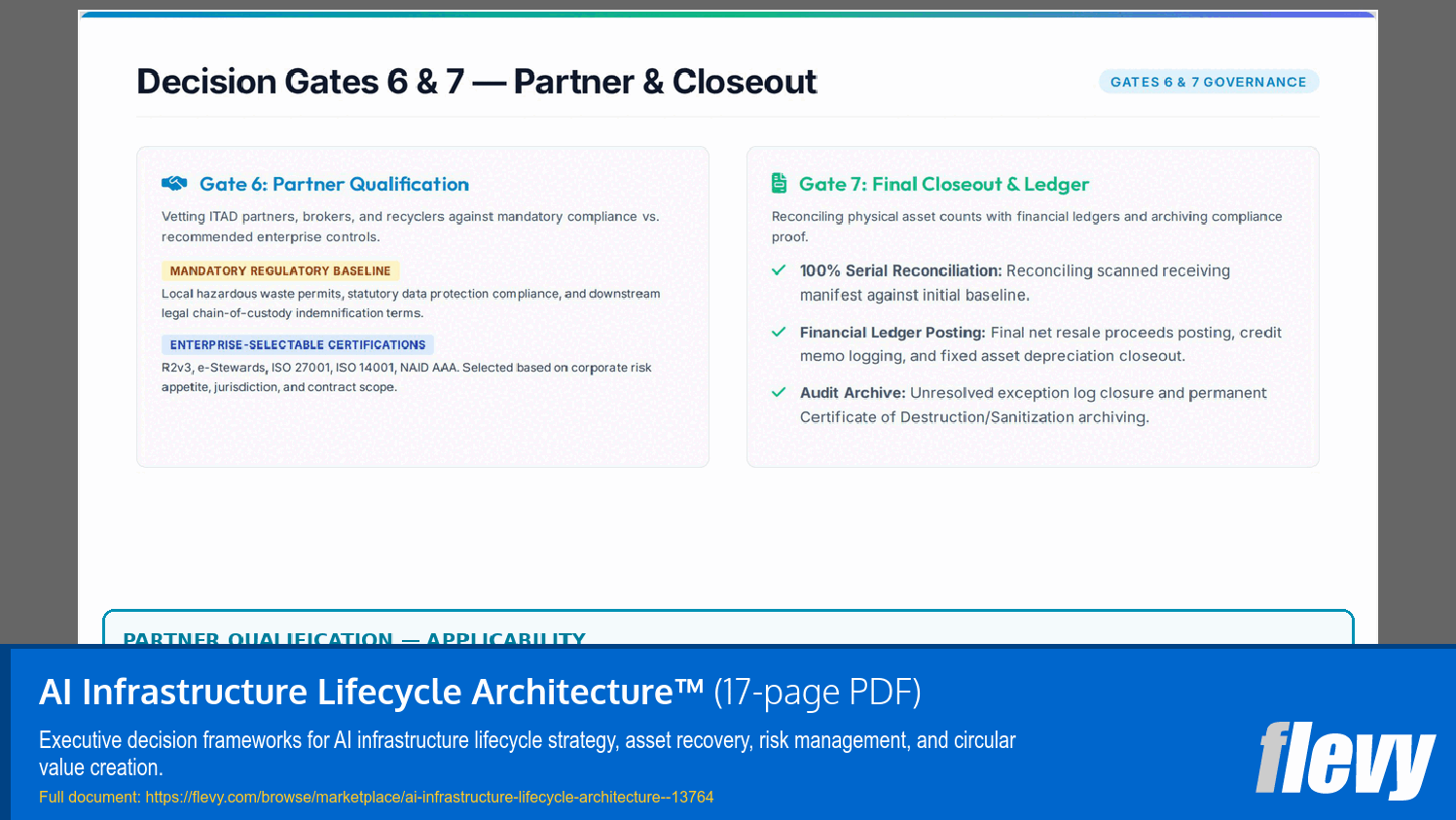
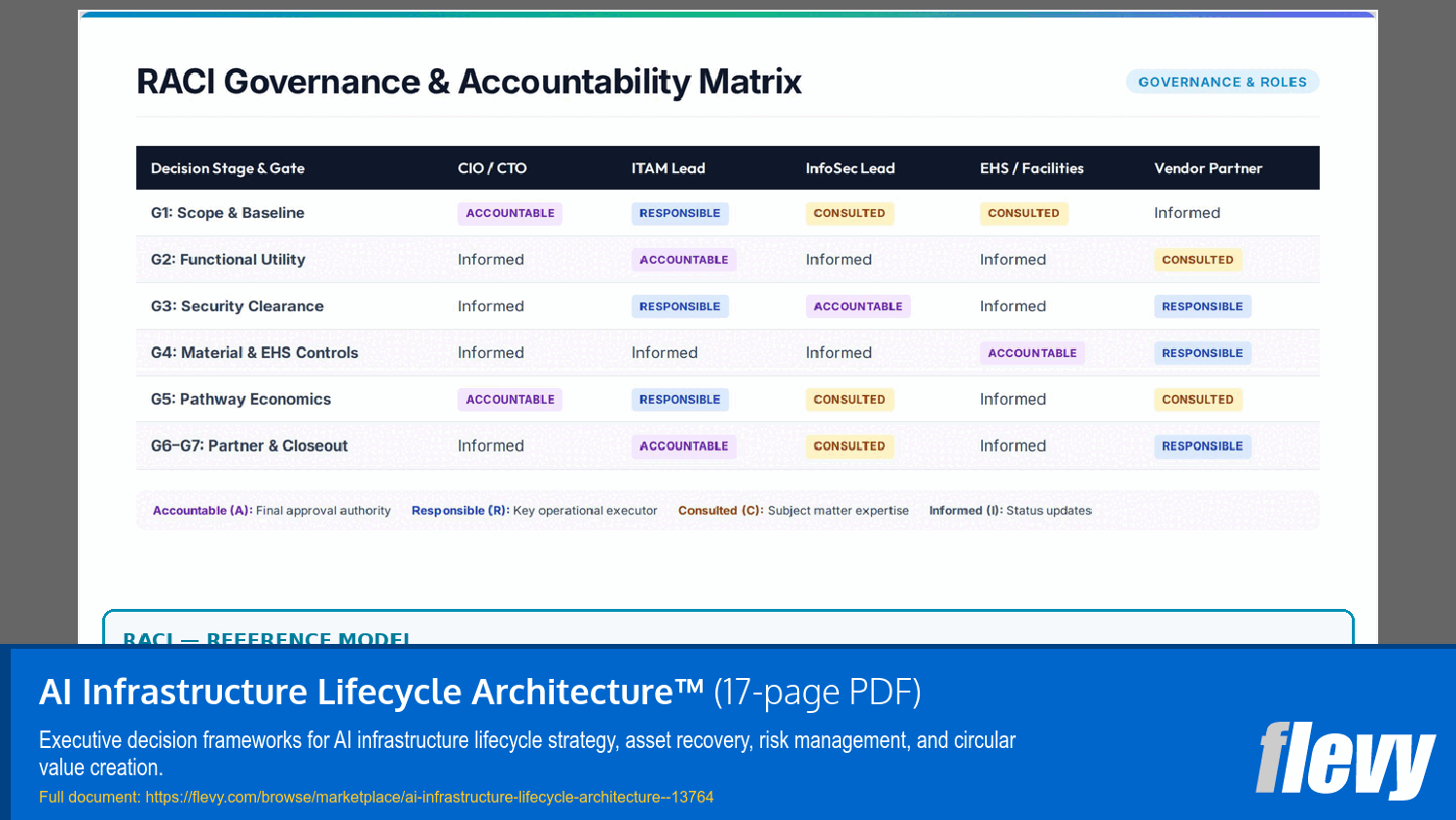
• Governance and Implementation Roadmap – reference structures for roles, decision thresholds, remediation, escalation, and phased implementation.
• Illustrative GPU Case – an example of how lifecycle decision logic can be applied, with assumptions distinguished from verified operating results.
The playbook is designed to help organizations move from fragmented asset retirement practices toward a more coordinated lifecycle decision process. It supports executive discussions about value preservation, risk exposure, infrastructure governance, and the conditions required for responsible asset recovery.
The frameworks, thresholds, governance structures, and planning durations should be adapted to each organization's operating context, contractual obligations, technical environment, and applicable regulations. Illustrative examples are not universal benchmarks or guarantees of financial, regulatory, or environmental outcomes.
The outcome: a repeatable executive framework for evaluating AI infrastructure lifecycle choices, aligning cross-functional stakeholders, and translating complex lifecycle considerations into structured decisions and actionable next steps.
Got a question about the product? Email us at support@flevy.com or ask the author directly by using the "Ask the Author a Question" form. If you cannot view the preview above this document description, go here to view the large preview instead.
Source: Best Practices in Artificial Intelligence, Data Center PDF: AI Infrastructure Lifecycle Architecture™ PDF (PDF) Document, Wisnu Pandega Wardana
ABOUT THE AUTHOR

I am an independent Industrial Intelligence and Strategic Innovation Publisher focused on developing structured business intelligence, innovation frameworks, and opportunity-oriented research for decision-makers.
My work focuses on translating emerging technologies, industrial transformation, sustainability, resource efficiency, and market shifts into structured intelligence assets that
... [read more]
Ask the Author a Question
You must be logged in to contact the author.




























