 Click main image to view in full screen.
6 GW Question: Cross-Border Electricity – PDF
PDF document 19 Pages


BENEFITS OF THIS DOWNLOADABLE PDF DOCUMENT
- Provides a structured framework for evaluating whether cross-border electricity projects can progress from announced capacity to bankable and deliverable infrastructure.
- Helps decision-makers identify downstream bottlenecks across financing, transmission, HVDC interconnection, market design, grid integration, and regulatory alignment.
- Provides reusable screening and risk frameworks that can be applied to Singapore–Indonesia projects and other emerging ASEAN cross-border electricity corridors.
ENERGY INDUSTRY PDF DESCRIPTION
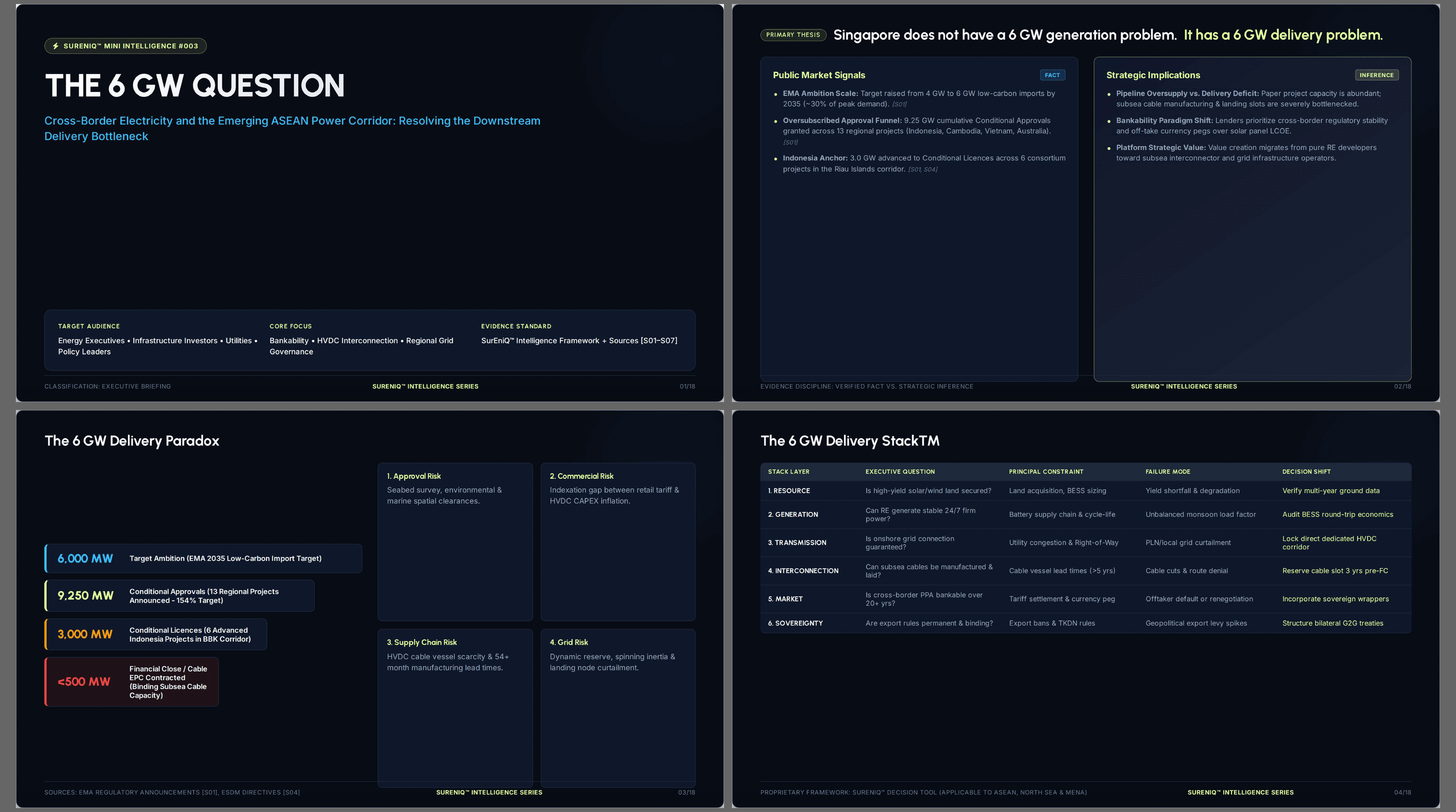
The 6 GW Question: Cross-Border Electricity is a compact executive intelligence asset examining the strategic implications of Singapore's ambition to import approximately 6 GW of low-carbon electricity by 2035 and the emerging infrastructure architecture required to deliver that electricity reliably across borders.
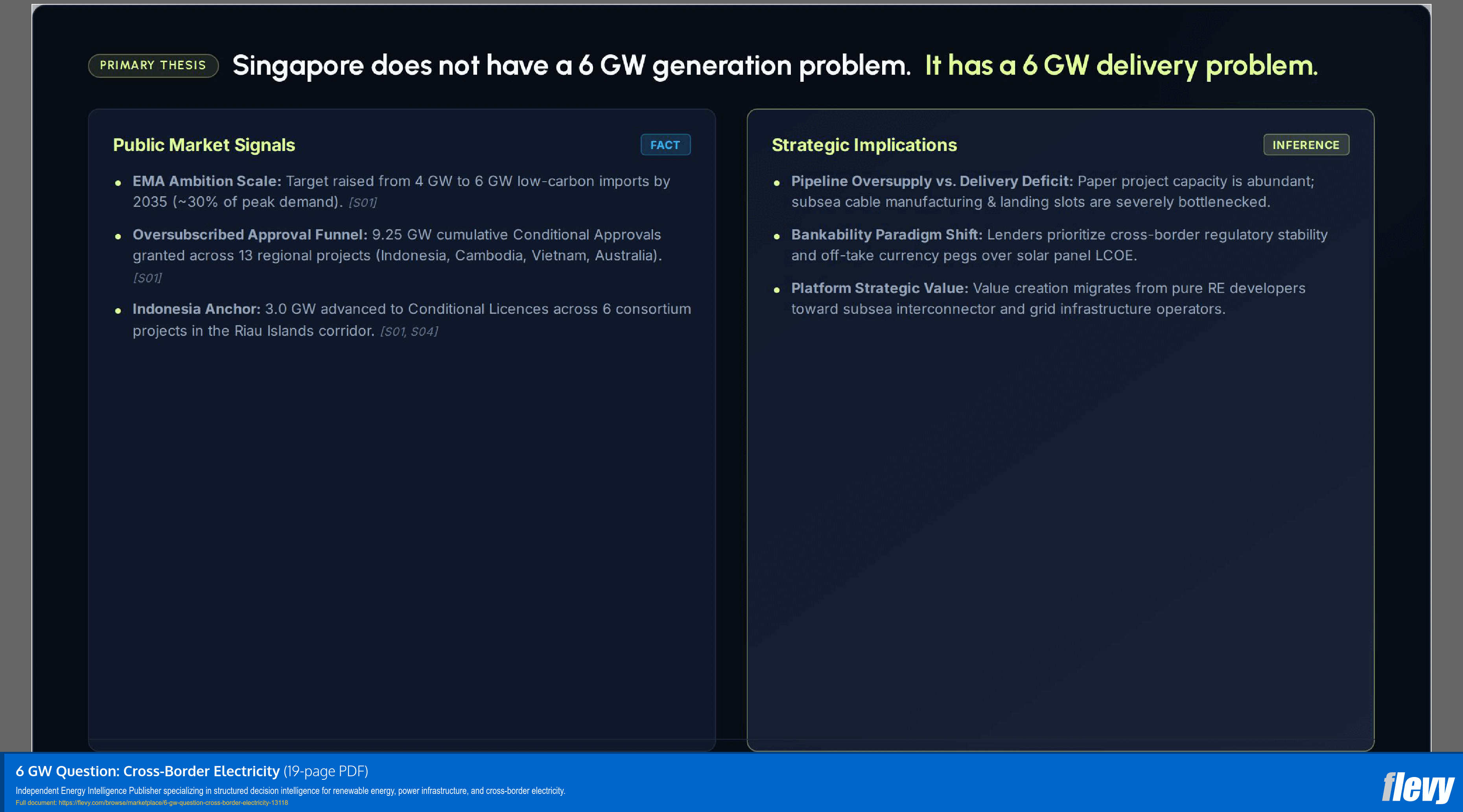
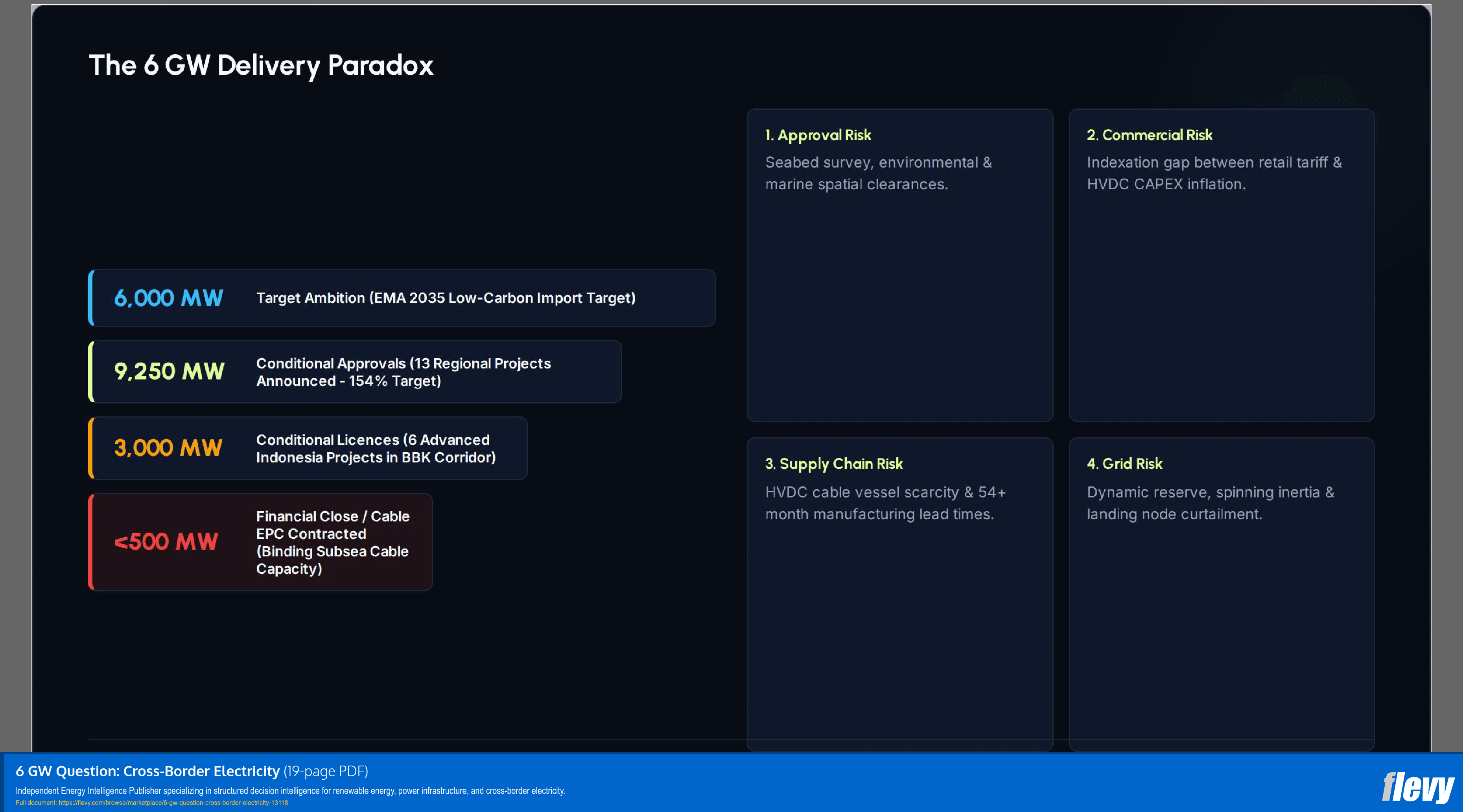
The central thesis is deliberately different from a conventional ASEAN renewable-energy report: Singapore does not have a 6 GW generation problem; it has a 6 GW delivery problem. The document examines why announced and conditionally approved generation capacity should not be treated as equivalent to bankable, interconnected, and operational electricity supply.
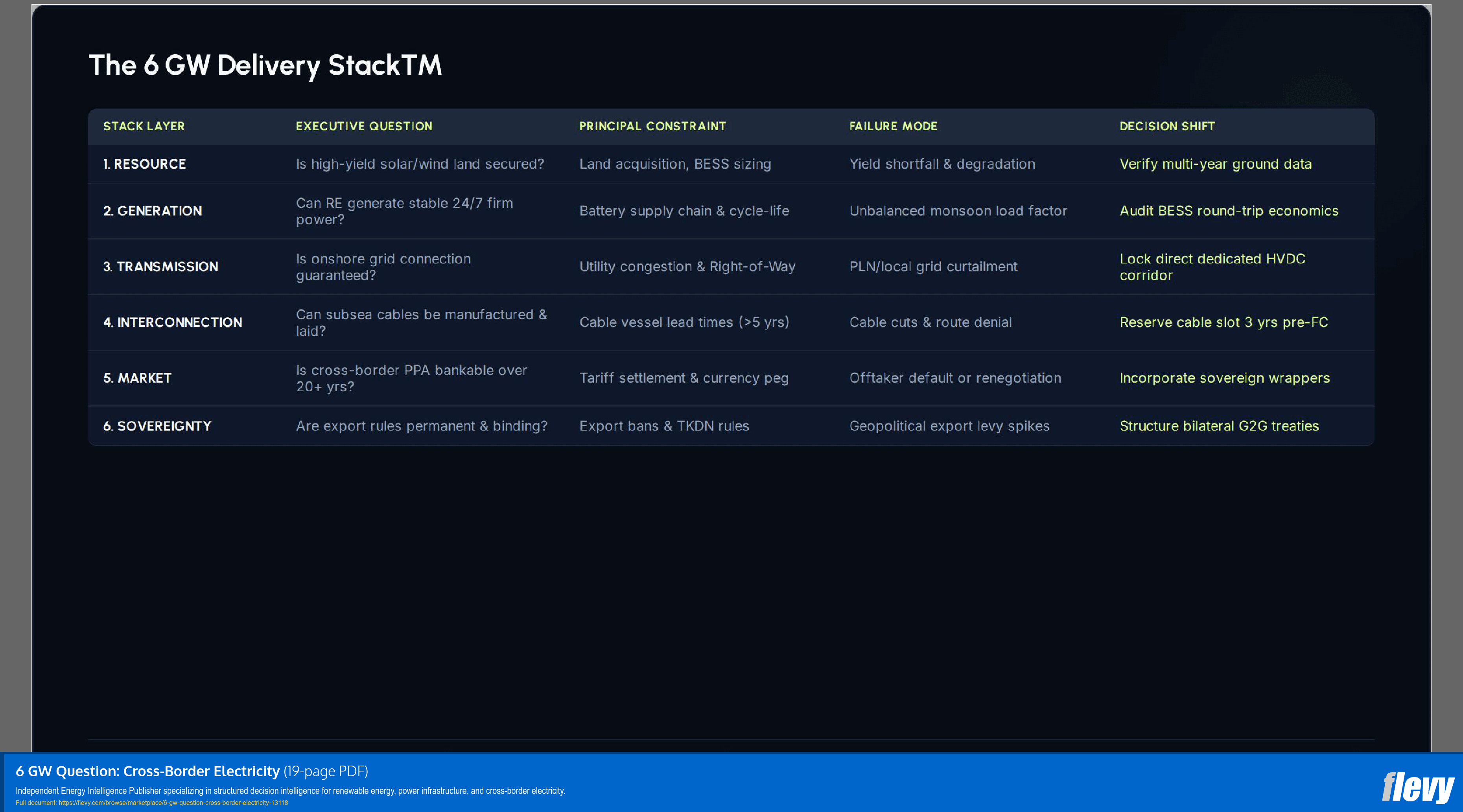
The analysis moves beyond generation capacity to examine the downstream delivery stack: renewable resource, generation, transmission, interconnection, market structure, and sovereignty. It identifies how the marginal bottleneck can migrate downstream as renewable generation scales, with particular attention to HVDC subsea cables, grid integration, financing, long-term offtake, regulatory alignment, and regional electricity-market governance.
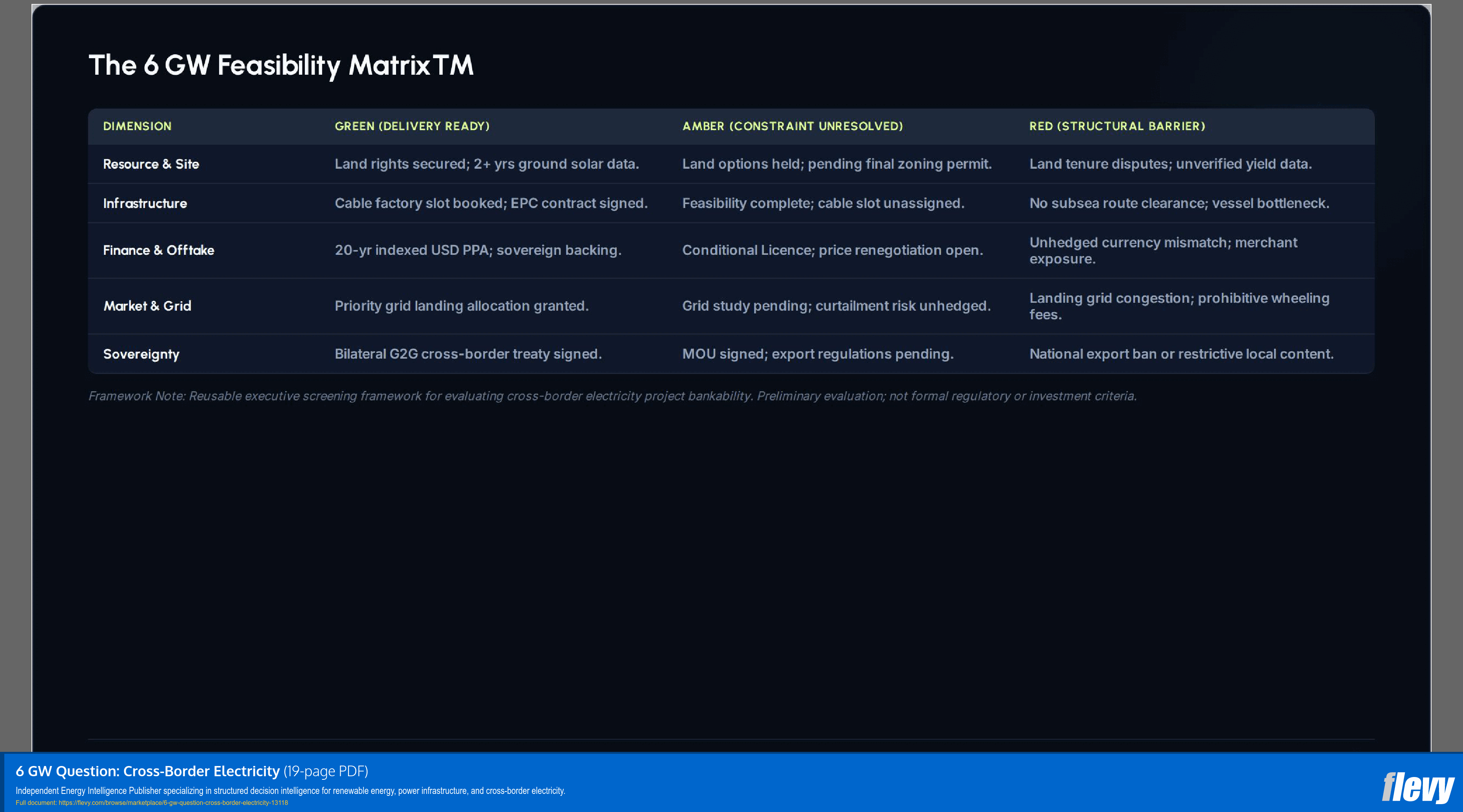
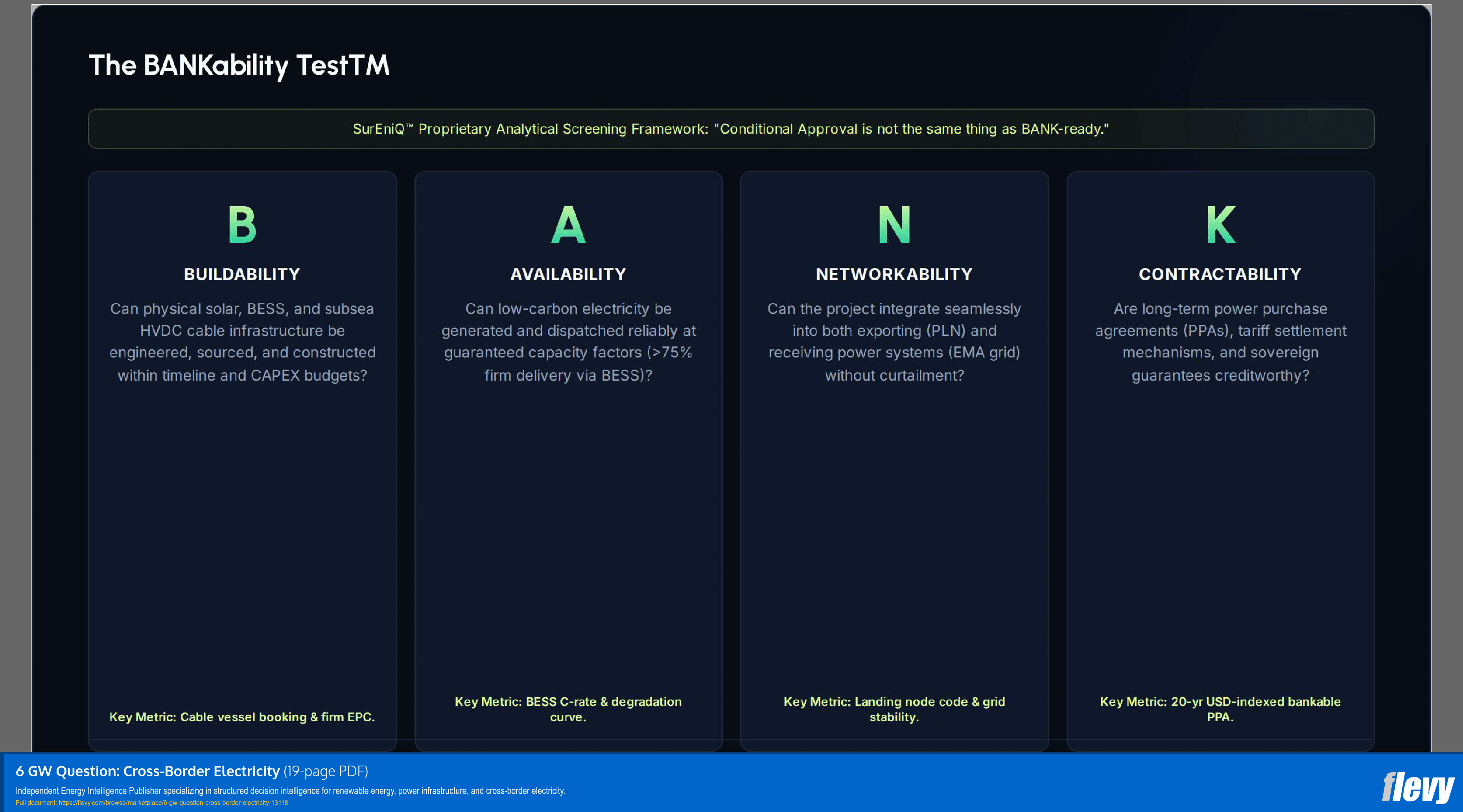
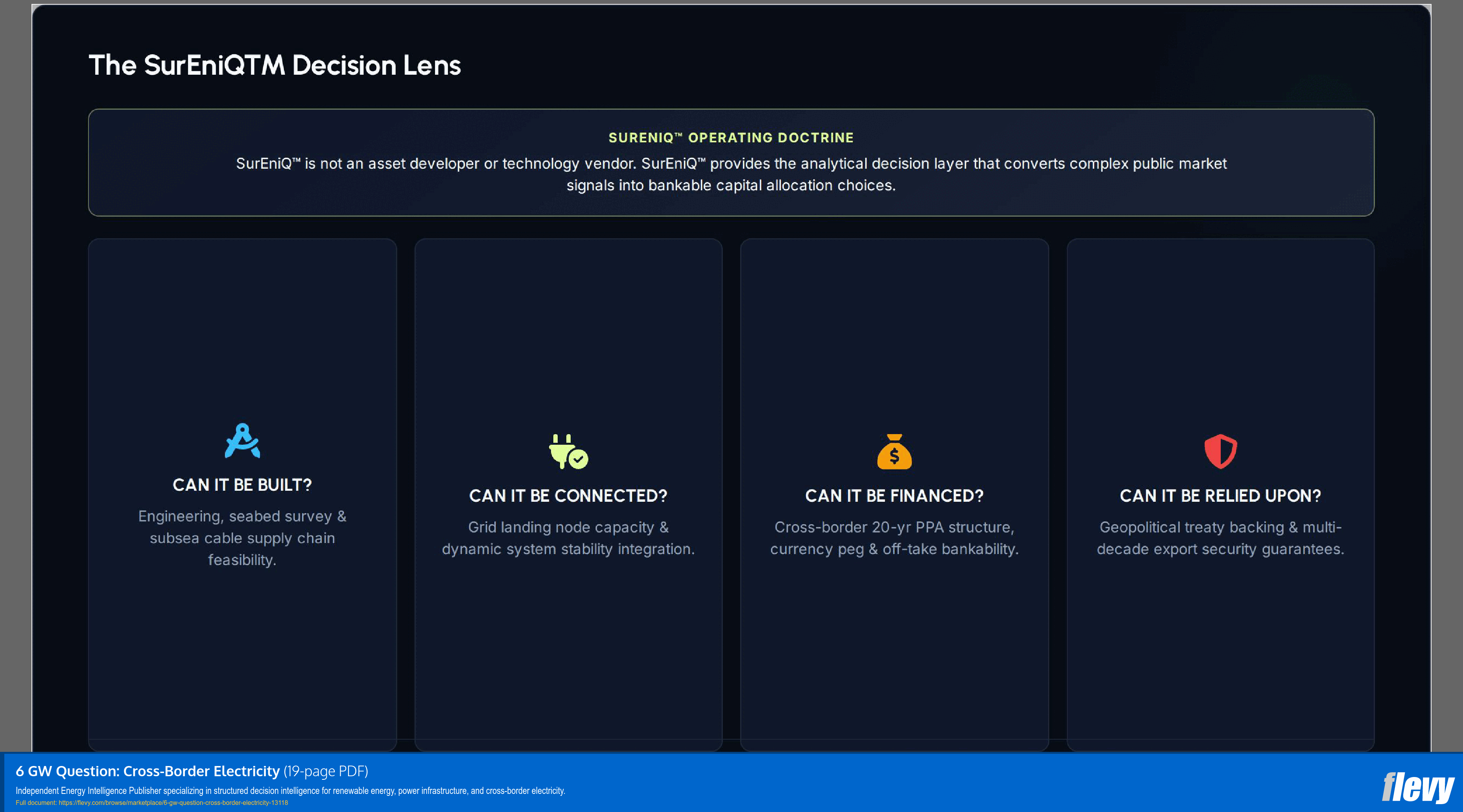
The document includes several reusable SurEniQ analytical frameworks. The 6 GW Delivery Stack™ evaluates the critical layers between renewable resources and delivered electricity. The 6 GW Feasibility Matrix™ provides an executive screening structure across resource, infrastructure, finance and offtake, market and grid, and sovereignty dimensions. The BANKability Test™ evaluates Buildability, Availability, Networkability, and Contractability. A six-mode failure analysis identifies early warning signals and mitigation considerations for policy mismatch, PPA price gaps, interconnector delays, financial-close failure, grid curtailment, and maritime-route conflict.
The intelligence also examines Indonesia's potential role as a regional infrastructure platform rather than simply an electricity supplier, including renewable generation, battery energy storage, domestic value creation, transmission, and cross-border interconnection. It then places the Singapore–Indonesia opportunity within the wider ASEAN Power Grid context and evaluates three strategic trajectories: fragmented corridors, connected sub-grids, and a more integrated ASEAN grid.
Designed for energy executives, infrastructure investors, utilities, renewable-energy developers, transmission and cable companies, policymakers, and large electricity consumers, this document is intended to support strategic screening, infrastructure opportunity assessment, risk identification, and cross-border electricity investment discussions.
The document is evidence-led and distinguishes verified public facts from SurEniQ analytical inference. It includes primary-source references and a citation-mapping architecture covering Singapore regulatory and government sources, ASEAN energy institutions, Indonesian energy authorities, international energy institutions, and relevant supply-chain evidence.
This is an executive decision-intelligence asset rather than a technical engineering study, investment recommendation, regulatory opinion, or project feasibility report.
Got a question about the product? Email us at support@flevy.com or ask the author directly by using the "Ask the Author a Question" form. If you cannot view the preview above this document description, go here to view the large preview instead.
Source: Best Practices in Energy Industry PDF: 6 GW Question: Cross-Border Electricity PDF (PDF) Document, Wisnu Pandega Wardana
ABOUT THE AUTHOR

I am an independent Industrial Intelligence and Strategic Innovation Publisher focused on developing structured business intelligence, innovation frameworks, and opportunity-oriented research for decision-makers.
My work focuses on translating emerging technologies, industrial transformation, sustainability, resource efficiency, and market shifts into structured intelligence assets that
... [read more]
Ask the Author a Question
You must be logged in to contact the author.




























