
This framework is developed by a team of former McKinsey and Big 4 consultants. The presentation follows the headline-body-bumper slide format used by global consulting firms.
Explore the TRIZ Methodology Primer, crafted by ex-McKinsey and Big 4 consultants. Learn innovative problem-solving techniques for complex systems. TRIZ Methodology Primer is a 32-slide PPT PowerPoint presentation slide deck (PPTX) available for immediate download upon purchase.
Complex and competitive organizations across industries such as engineering, manufacturing, and product development face significant challenges in solving problems effectively and fostering innovation. Traditional problem-solving methods often fall short in addressing the multifaceted nature of these challenges, leading to inefficiencies and missed opportunities for innovation.
Developed by Genrich Altshuller, the Theory of Inventive Problem Solving (TRIZ) is a sophisticated tool that helps organizations overcome these challenges through a systematic and structured approach. Rooted in the analysis of global patent literature, TRIZ identifies patterns and principles that can be applied to solve technical contradictions and drive innovative solutions.
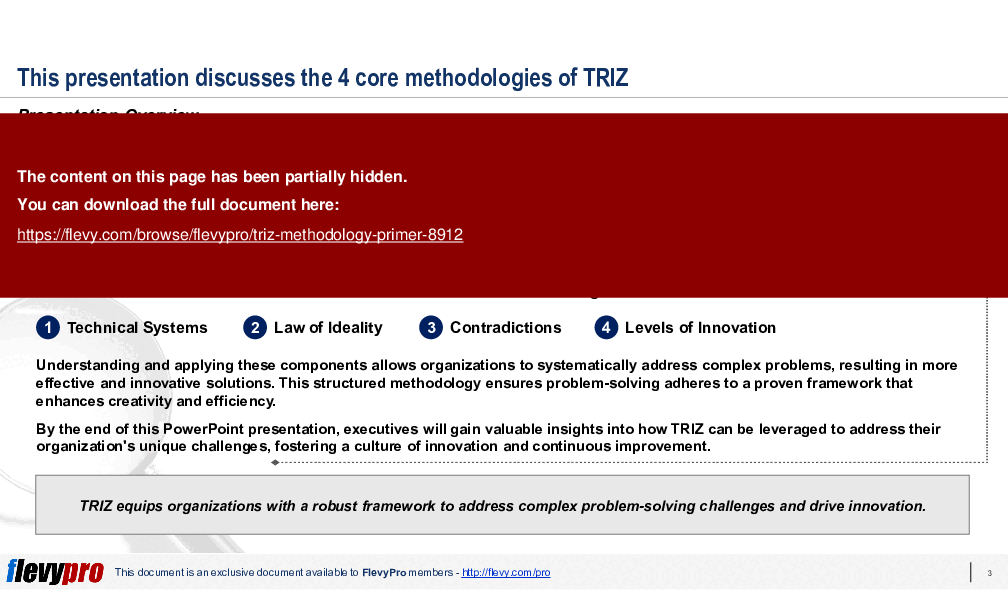
In this PowerPoint presentation, we will delve on the core concepts, methodologies, and introduce tools used in TRIZ, exploring its significance and relevance across various industries. We will focus on the 4 core methodologies of TRIZ:
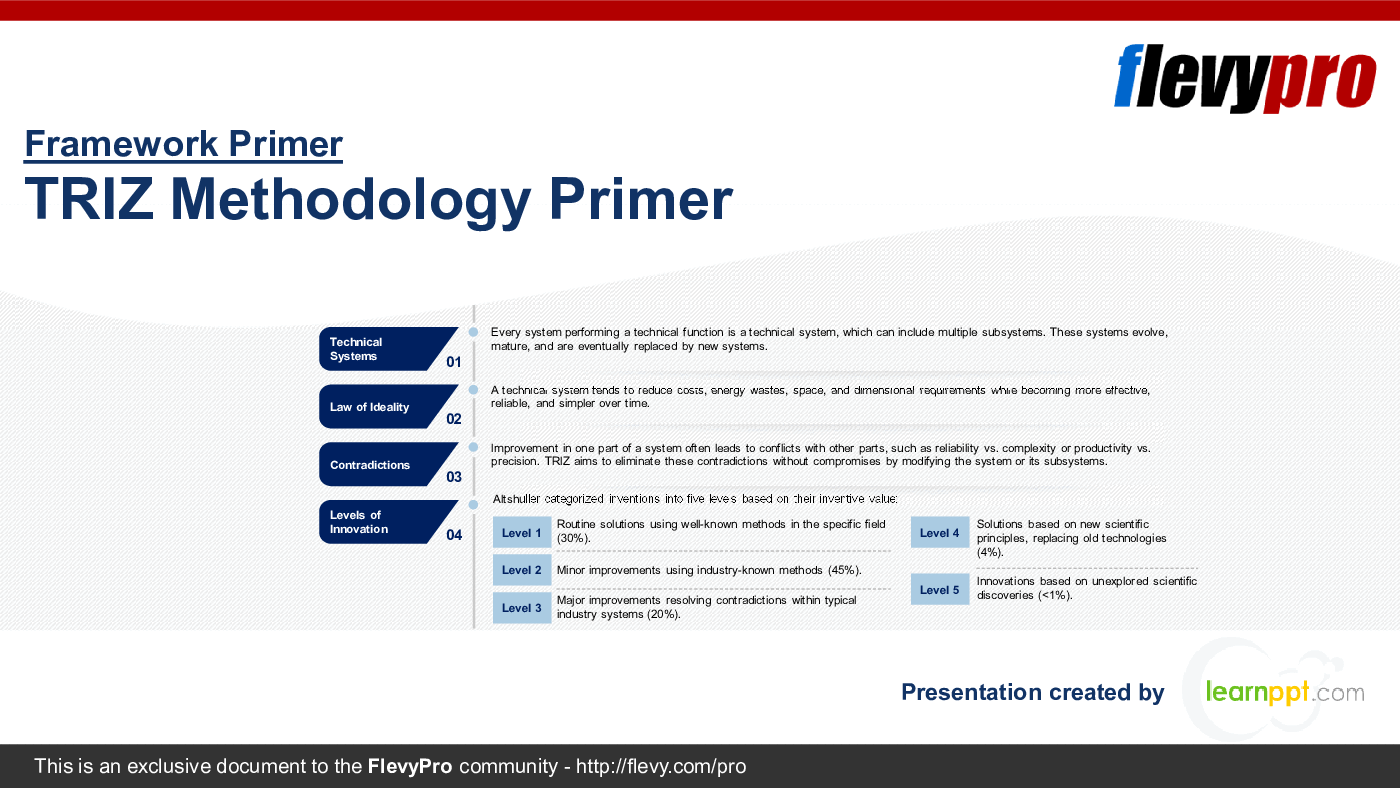
1. Technical Systems – Every system performing a technical function is a technical system, which can include multiple subsystems. These systems evolve, mature, and are eventually replaced by new systems.
2. Law of Ideality – A technical system tends to reduce costs, energy wastes, space, and dimensional requirements while becoming more effective, reliable, and simpler over time.
3. Contradictions – Improvement in one part of a system often leads to conflicts with other parts, such as reliability vs. complexity or productivity vs. precision. TRIZ aims to eliminate these contradictions without compromises by modifying the system or its subsystems.
4. Levels of Innovation – Altshuller categorized inventions into 5 levels based on their inventive value.
Understanding and applying these components allows organizations to systematically address complex problems, resulting in more effective and innovative solutions. This structured methodology ensures problem-solving adheres to a proven framework that enhances creativity and efficiency.
By the end of this PPT presentation, executives will gain valuable insights into how TRIZ can be leveraged to address their organization's unique challenges, fostering a culture of innovation and continuous improvement.
This primer to the TRIZ methodology also includes slide templates for you to use in your own business presentations.
The TRIZ methodology addresses complex problems in technical systems through 4 core principles. The first principle, Technical Systems, emphasizes that systems consist of multiple dynamic subsystems that evolve over time. The second principle, the Law of Ideality, states that systems progress towards greater effectiveness, reliability, and simplicity while reducing costs and resource consumption. The third principle, Contradictions, identifies conflicts within a system, such as the trade-off between reliability and complexity. TRIZ resolves these contradictions by modifying systems or components. Lastly, the Levels of Innovation categorizes inventions into 5 levels, from routine solutions (Level 1) to groundbreaking discoveries (Level 5), aiding organizations in assessing innovation strategies and identifying improvement areas. These principles provide a structured framework for effective problem-solving and innovation in complex systems.
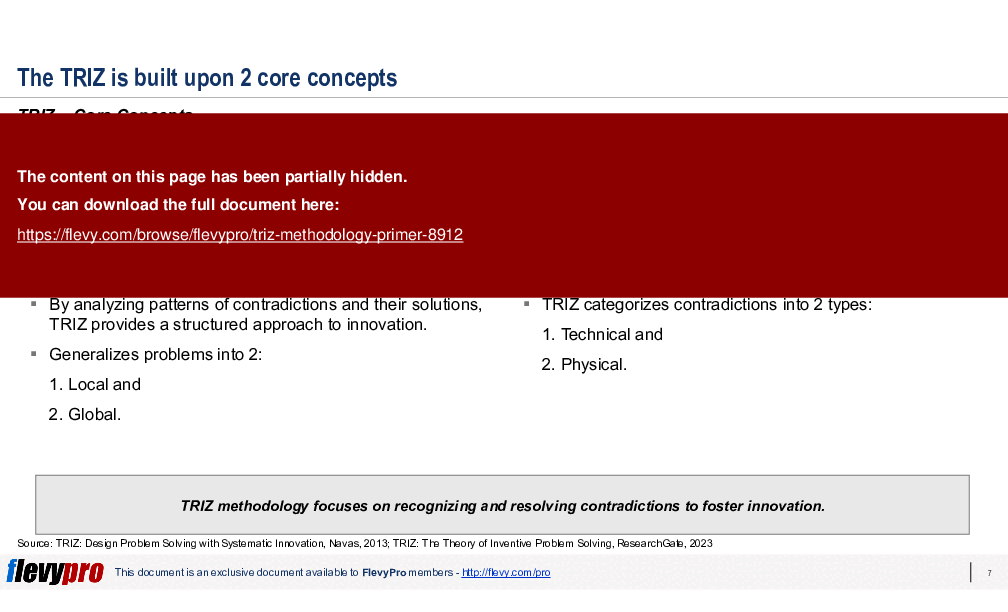
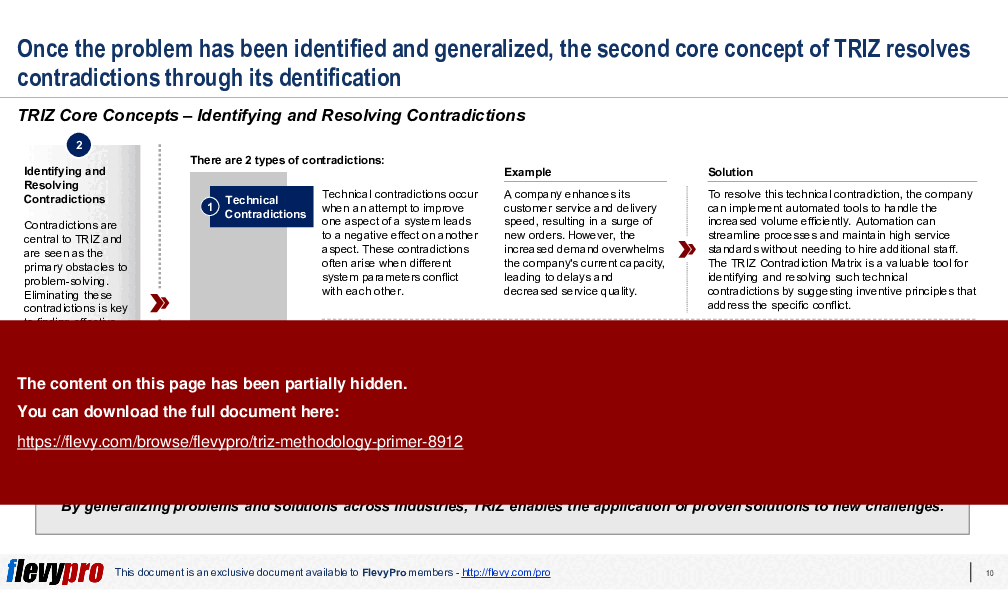
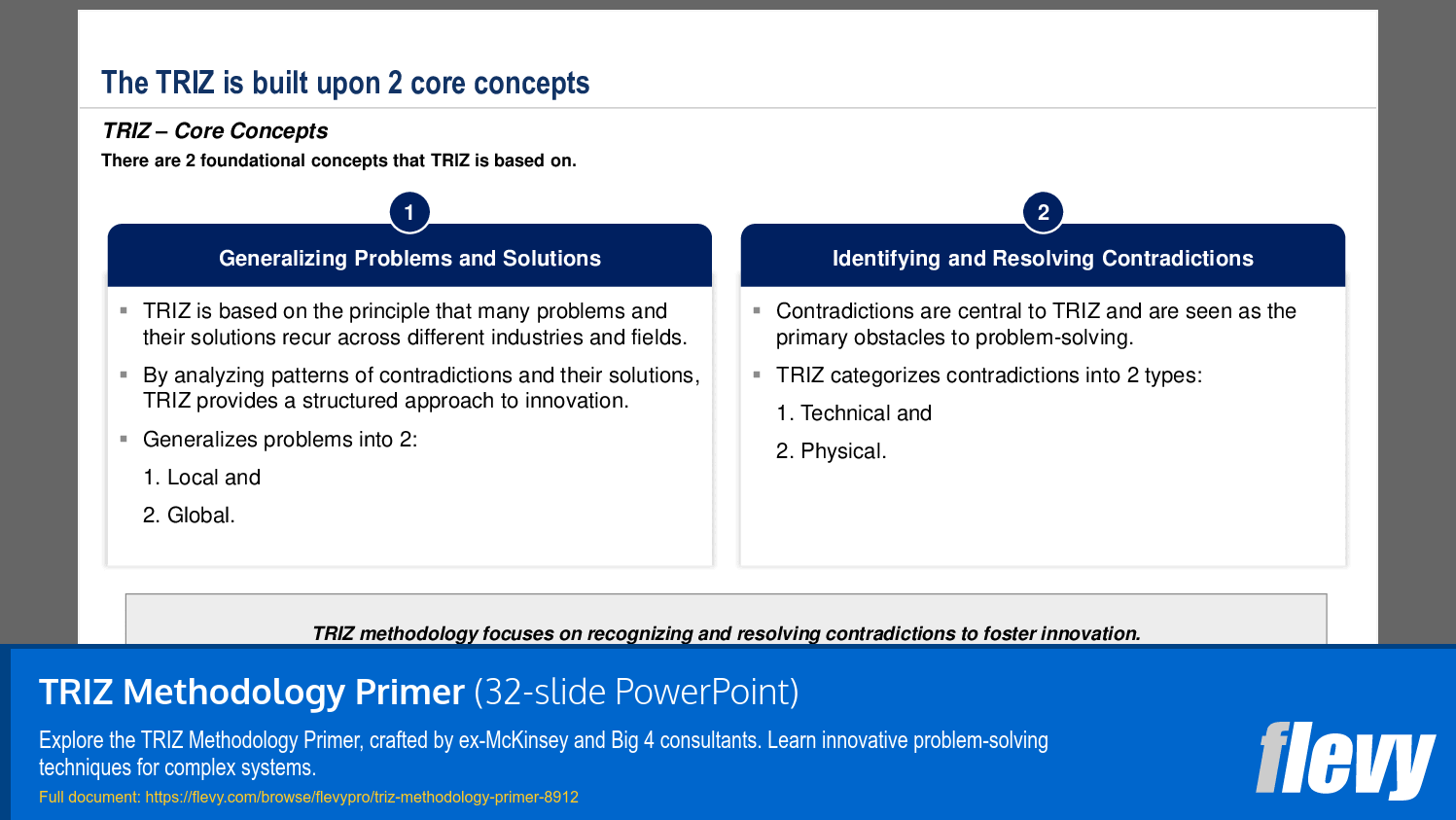
This PPT slide outlines 2 foundational concepts of the TRIZ methodology for enhancing innovation through structured problem-solving. The first concept involves generalizing problems and solutions across industries, allowing organizations to leverage existing solutions to foster innovation. Problems are categorized as local or global, emphasizing the importance of understanding their scope for effective resolution. The second concept focuses on identifying and resolving contradictions, which are significant barriers to problem-solving. Contradictions are classified into technical and physical types, enabling organizations to pinpoint obstacles and adopt targeted solutions. This structured approach facilitates innovation by recognizing patterns in problem-solving and systematically addressing contradictions.
This PPT slide outlines the TRIZ methodology's "Levels of Innovation," presenting a structured approach to problem-solving through 3 key steps. The first step, "Identify the Innovation Level," assesses the current solution's position within the innovation spectrum, crucial for pinpointing areas for improvement. The second step, "Strategize for Higher Levels," encourages organizations to pursue advanced innovation by adopting new scientific principles and seeking transformative innovations beyond incremental changes. The final step, "Implement and Review," emphasizes executing innovative solutions and evaluating their market impact, creating a vital feedback loop for assessing effectiveness. An example of Apple's iPhone development illustrates various innovation levels, from routine improvements to breakthroughs like the M1 chip, contextualizing how a structured approach can drive significant advancements in technology and processes.
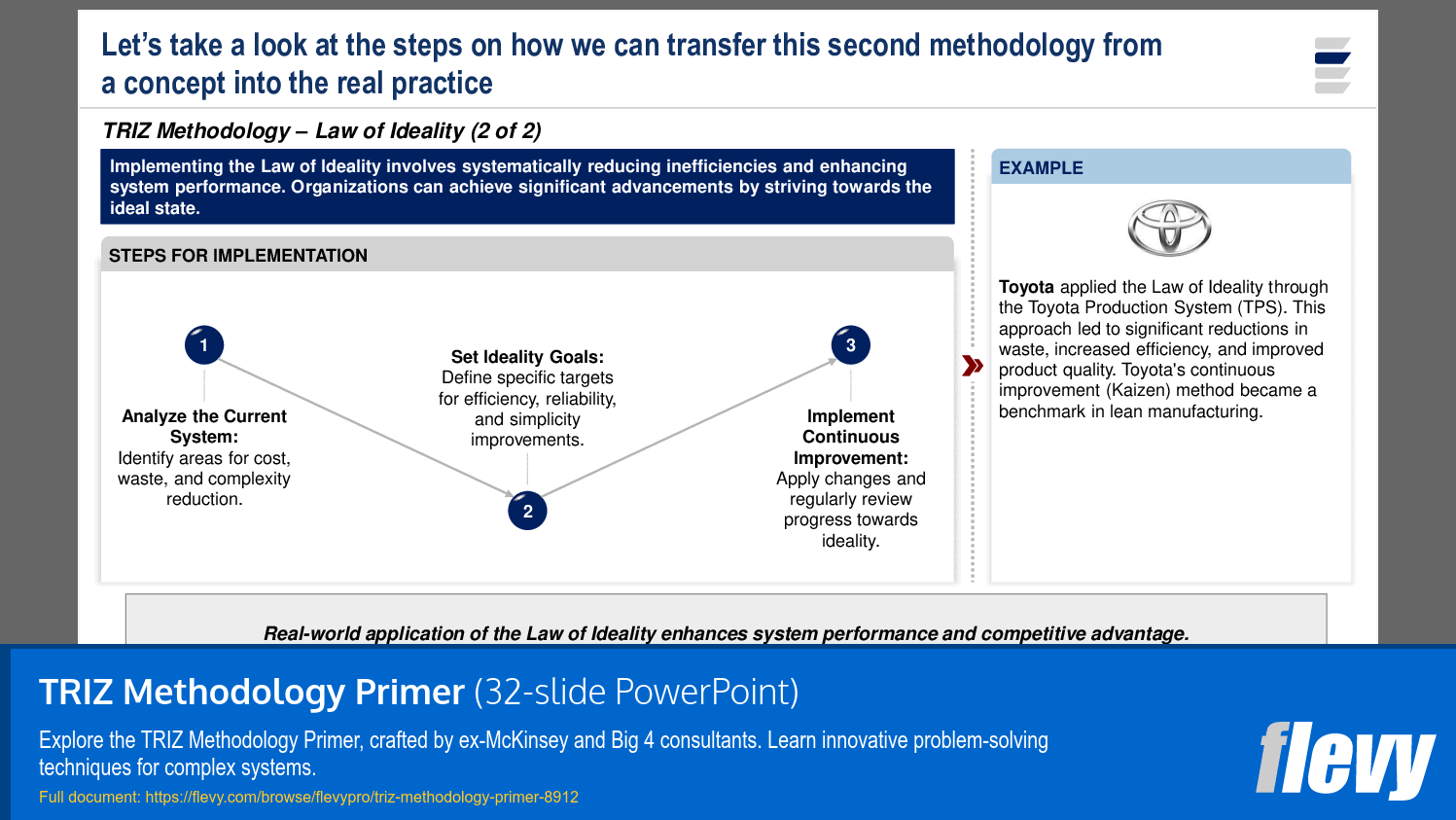
This PPT slide outlines the implementation steps of the TRIZ methodology, focusing on the Law of Ideality to enhance system performance by reducing inefficiencies. The first step, "Analyze the Current System," identifies areas for minimizing costs, waste, and complexity. The second step, "Set Ideality Goals," defines targets for efficiency, reliability, and simplicity, aligning organizational efforts towards measurable objectives. The final step, "Implement Continuous Improvement," emphasizes applying changes and reviewing progress towards established ideals. An example from Toyota demonstrates the practical application of the Law of Ideality, showcasing significant waste reductions and enhanced efficiency through its Production System and the continuous improvement method, Kaizen.
This PPT slide presents the TRIZ methodology, focusing on problem generalization to identify effective solutions. Problems are categorized as local or global: local problems can be solved by modifying existing subsystems, while global problems require developing new systems based on different principles. This distinction necessitates innovative thinking and a paradigm shift. The TRIZ problem-solving process includes defining the problem, formalizing it, identifying contradictions, and exploring past solutions. This structured approach encourages leveraging existing solutions for new challenges. Understanding local versus global problems enables better resource allocation and strategic initiatives, making TRIZ a valuable tool for enhancing operational efficiency and driving innovation.
The TRIZ methodology for technical systems analysis comprises 5 key steps to enhance problem-solving and drive innovation. The first step involves defining the system and its boundaries, ensuring clarity about its components and external environment. Next, identifying the Main Useful Function (MUF) determines the system's primary purpose, aligning further analysis with core objectives. The third step, decomposing the system, breaks it into subsystems to analyze interactions and identify inefficiencies. The fourth step focuses on recognizing harmful effects within the system to address inefficiencies and improve performance. Finally, performing a functional analysis provides insights into the roles and interactions of each component. An example of Ford Motor Company illustrates TRIZ's practical application, optimizing assembly lines for increased productivity and cost reductions.
Source: Best Practices in Problem Solving, TRIZ PowerPoint Slides: TRIZ Methodology Primer PowerPoint (PPTX) Presentation Slide Deck, LearnPPT Consulting
This framework is developed by a team of former McKinsey and Big 4 consultants. The presentation follows the headline-body-bumper slide format used by global consulting firms.
For $10.00 more, you can download this document plus 2 more FlevyPro documents. That's just $13 each.
ABOUT FLEVYPRO
This document is part of the FlevyPro Library, a curated knowledge base of documents for our FlevyPro subscribers.
FlevyPro is a subscription service for on-demand business frameworks and analysis tools. FlevyPro subscribers receive access to an exclusive library of curated business documents—business framework primers, presentation templates, Lean Six Sigma tools, and more—among other exclusive benefits.
The average daily rate of a McKinsey consultant is $6,625 (not including expenses). The average price of a Flevy document is $65.
Trusted by over 10,000+ Client Organizations
Since 2012, we have provided business templates to over 10,000 businesses and organizations of all sizes, from startups and small businesses to the Fortune 100, in over 130 countries.
"As an Independent Management Consultant, I find Flevy to add great value as a source of best practices, templates and information on new trends. Flevy has matured and the quality and quantity of the library is excellent. Lastly the price charged is reasonable, creating a win-win value for
the customer, Flevy and the various authors. This is truly a service that benefits the consulting industry and associated clients. Thanks for providing this service.
"
– Jim Schoen, Principal at FRC Group
"As a consulting firm, we had been creating subject matter training materials for our people and found the excellent materials on Flevy, which saved us 100's of hours of re-creating what already exists on the Flevy materials we purchased."
– Michael Evans, Managing Director at Newport LLC
"As a young consulting firm, requests for input from clients vary and it's sometimes impossible to provide expert solutions across a broad spectrum of requirements. That was before I discovered Flevy.com.
Through subscription to this invaluable site of a plethora of topics that are key and crucial to consulting, I
have been able to exceed expectations and deliver quality advice and solutions to my clients. The quality and expertise of the authors are exemplary and gives me great confidence to use as part of my service offerings.
I highly recommend this company for any consultant wanting to apply international best practice standards in their service offerings.
"
– Nishi Singh, Strategist and MD at NSP Consultants
"As a small business owner, the resource material available from FlevyPro has proven to be invaluable. The ability to search for material on demand based our project events and client requirements was great for me and proved very beneficial to my clients. Importantly, being able to easily edit and tailor
the material for specific purposes helped us to make presentations, knowledge sharing, and toolkit development, which formed part of the overall program collateral. While FlevyPro contains resource material that any consultancy, project or delivery firm must have, it is an essential part of a small firm or independent consultant's toolbox.
"
– Michael Duff, Managing Director at Change Strategy (UK)
"The wide selection of frameworks is very useful to me as an independent consultant. In fact, it rivals what I had at my disposal at Big 4 Consulting firms in terms of efficacy and organization."
– Julia T., Consulting Firm Owner (Former Manager at Deloitte and Capgemini)
"Flevy is now a part of my business routine. I visit Flevy at least 3 times each month.
Flevy has become my preferred learning source, because what it provides is practical, current, and useful in this era where the business world is being rewritten.

many challenges and there is the need to make the right decisions in a short time, with so much scattered information, we are fortunate to have Flevy. Flevy investigates, selects, and puts at our disposal the best of the best to help us be successful in our work.
"
– Omar Hernán Montes Parra, CEO at Quantum SFE
"Flevy is our 'go to' resource for management material, at an affordable cost. The Flevy library is comprehensive and the content deep, and typically provides a great foundation for us to further develop and tailor our own service offer."
– Chris McCann, Founder at Resilient.World
"As a niche strategic consulting firm, Flevy and FlevyPro frameworks and documents are an on-going reference to help us structure our findings and recommendations to our clients as well as improve their clarity, strength, and visual power. For us, it is an invaluable resource to increase our impact and value."
– David Coloma, Consulting Area Manager at Cynertia Consulting
Receive our FREE whitepaper on the Top 101 Consulting Frameworks
Download our 200+ page guide summarizing the Top 101 Management Consulting Frameworks. Each framework provides a structured approach to analyzing and solving a common business problem.