
 Click main image to view in full screen.


SWOT EXCEL DESCRIPTION
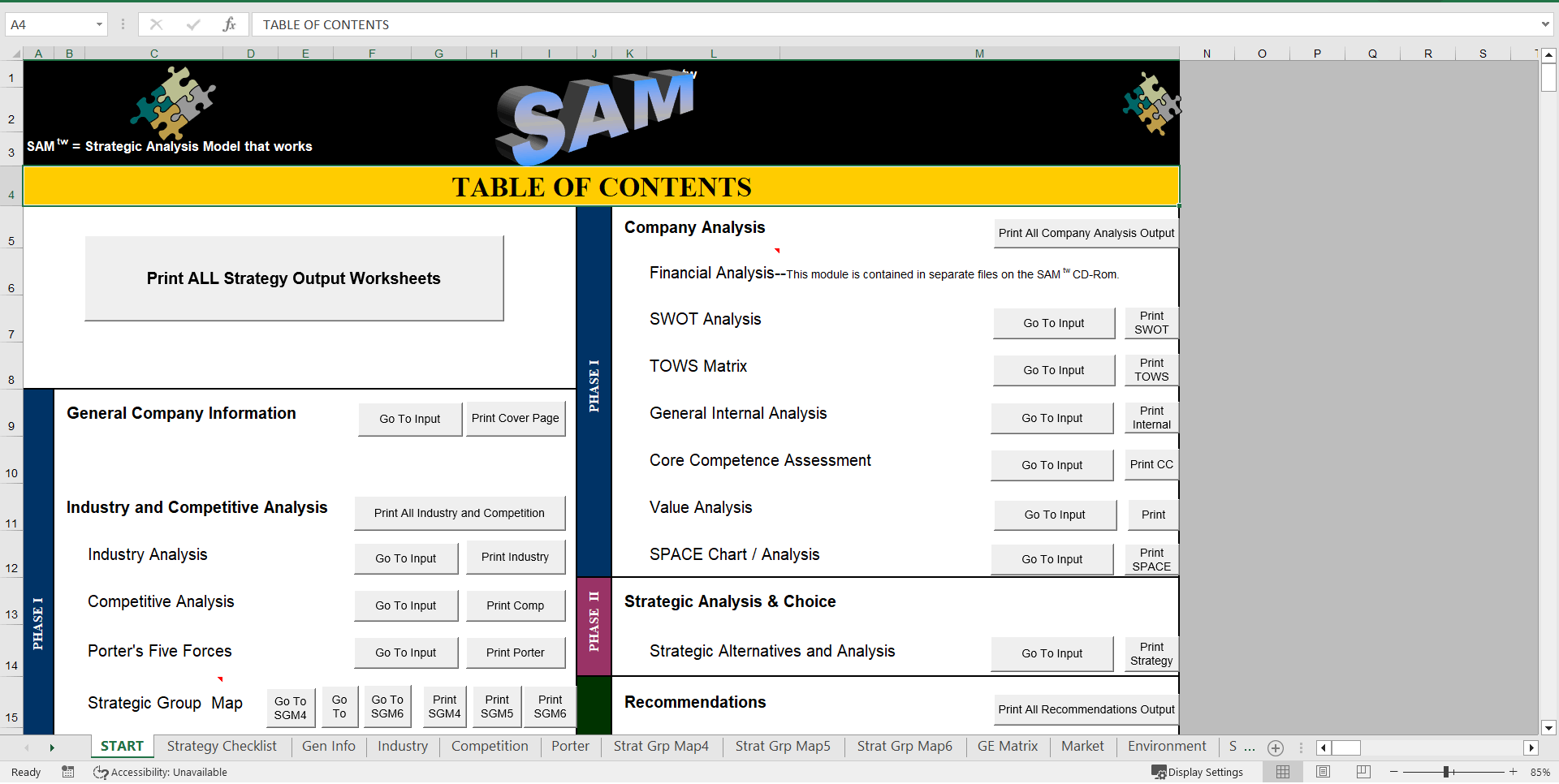
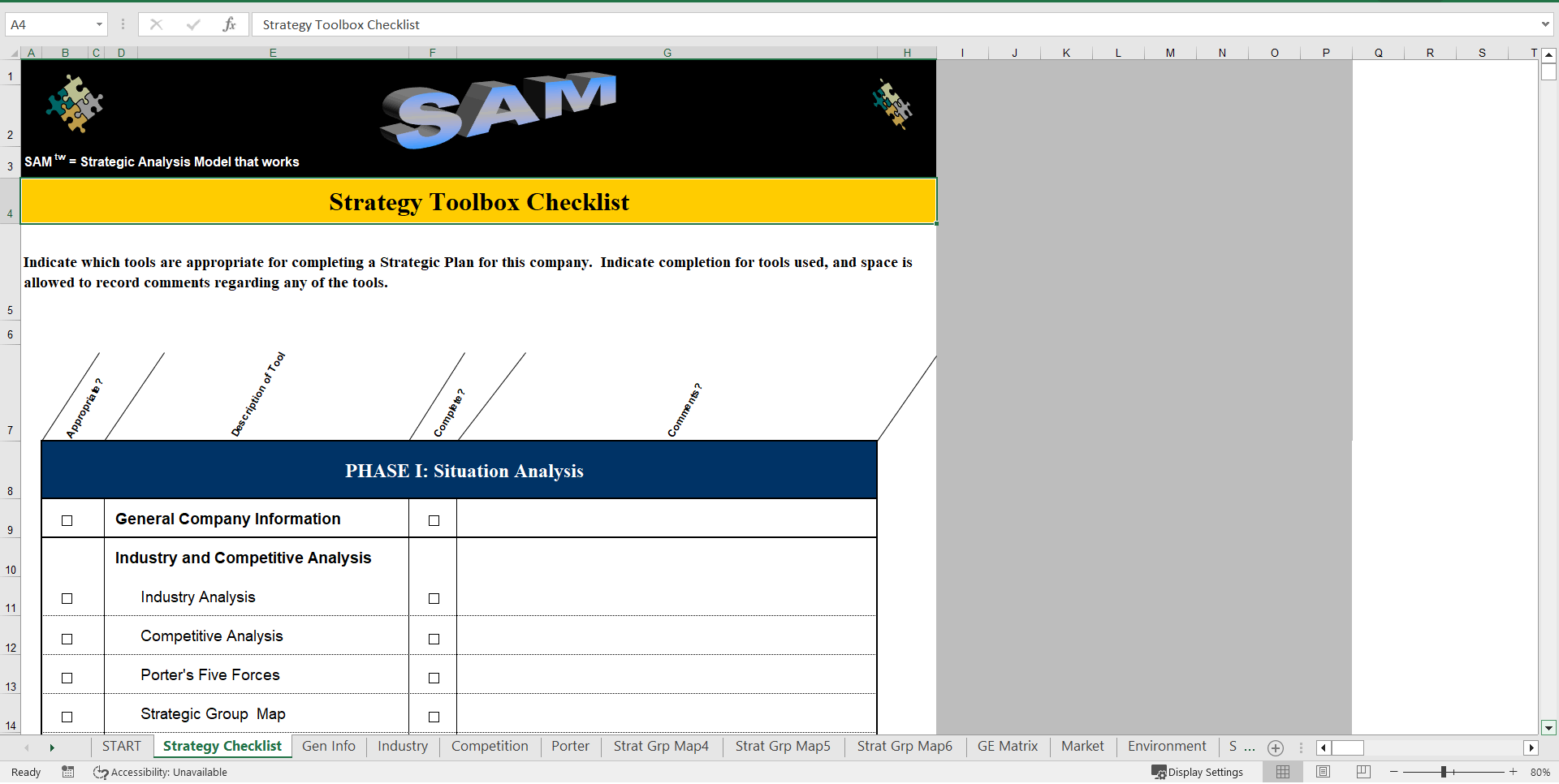
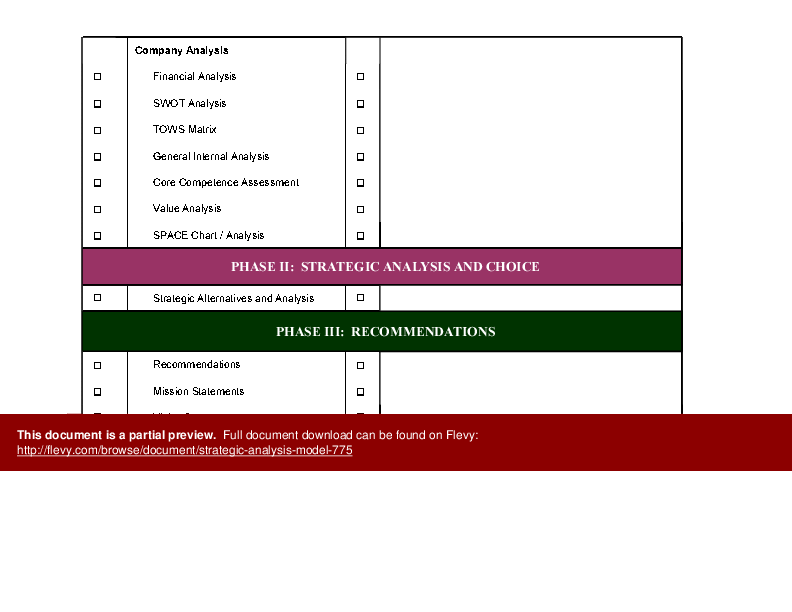
This is a collection of major strategic analysis models into one practical toolkit (in excel format), including:
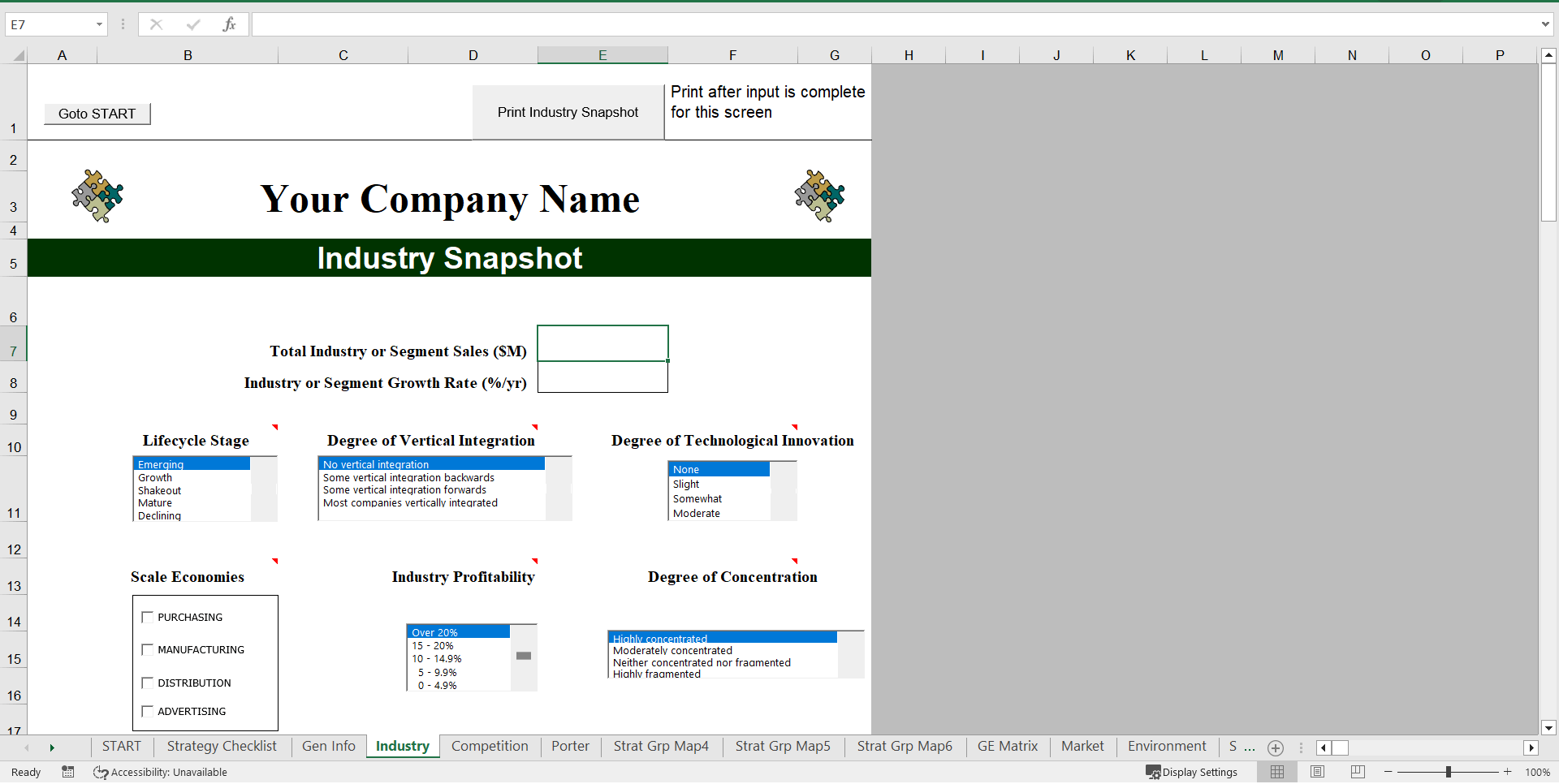
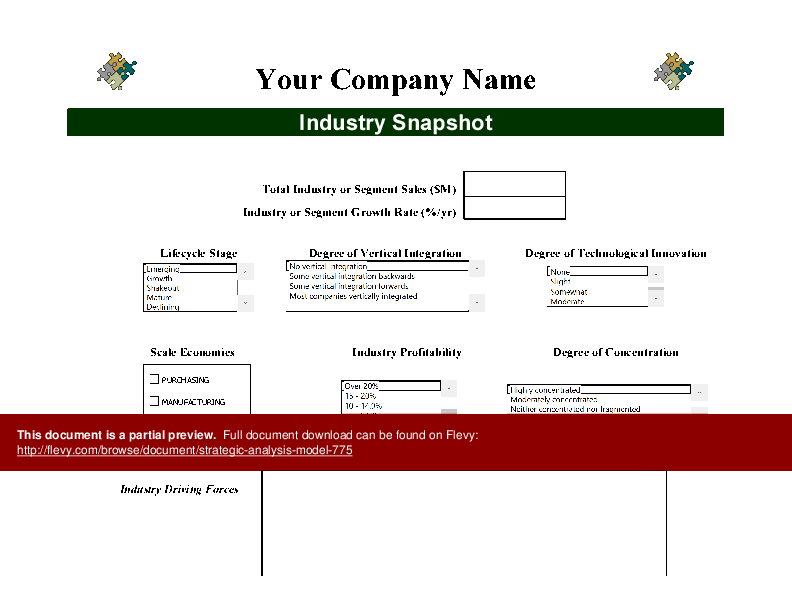
• Industry analysis
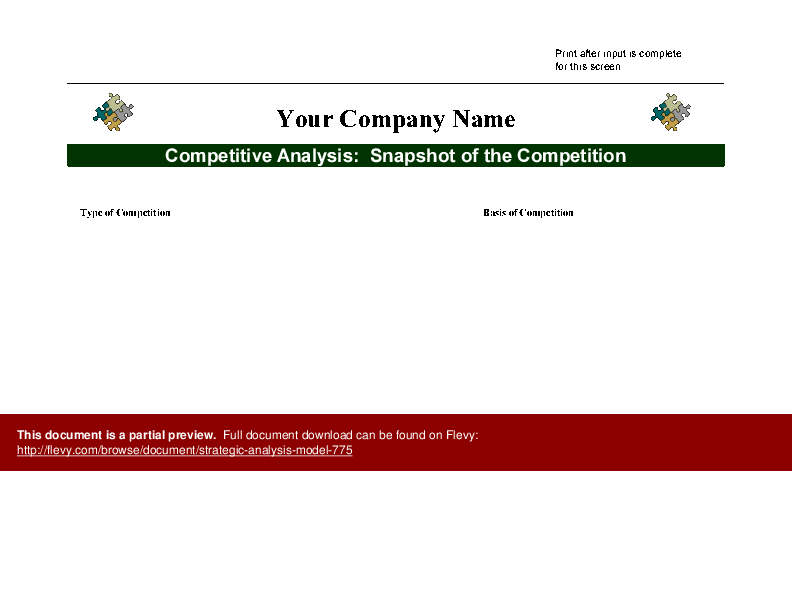
• Competitive analysis
• Porter's five forces model
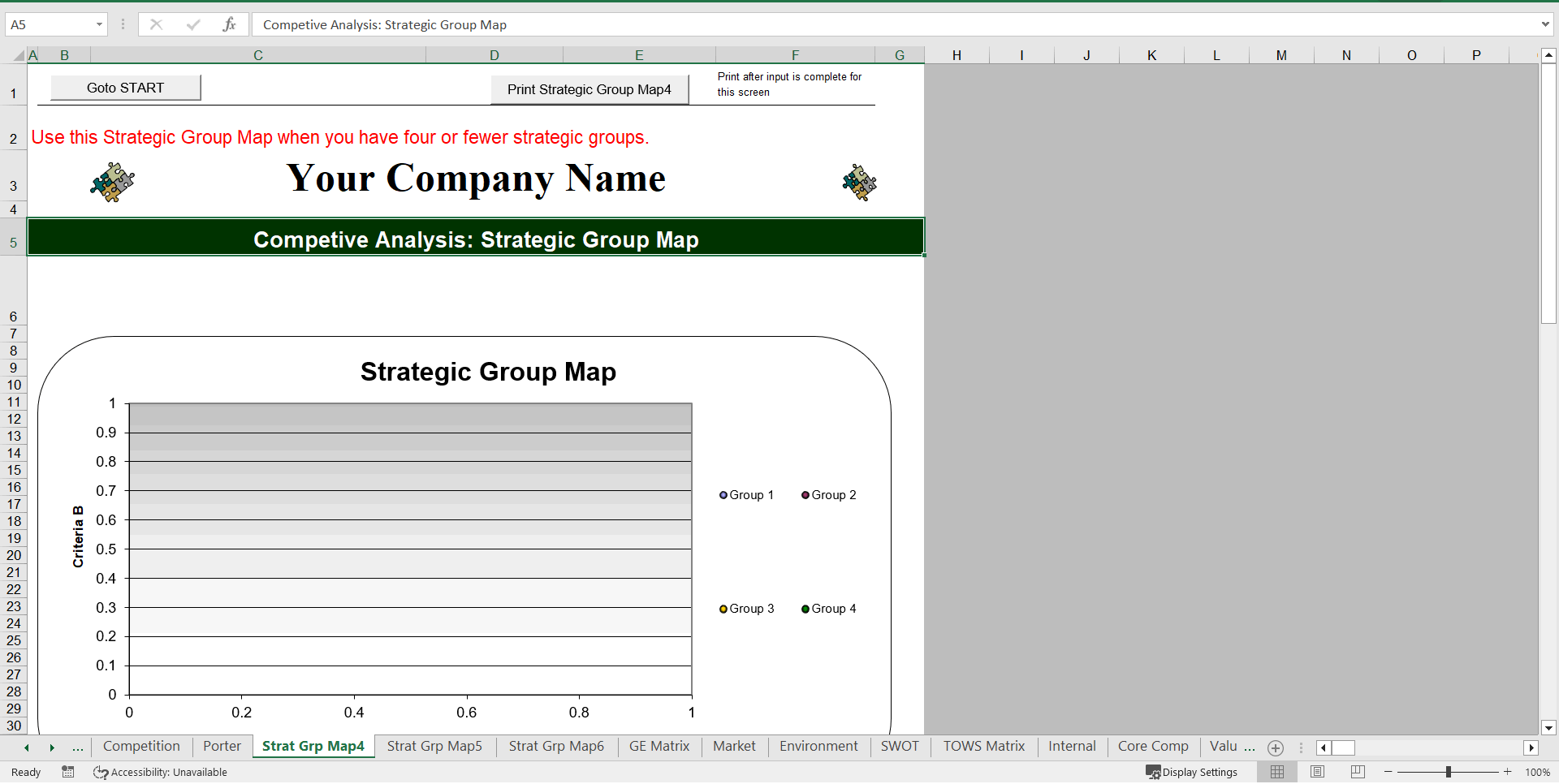
• Strategic group map
• GE matrix
• Market analysis
• Environmental analysis
• SWOT analysis
• TOWS matrix
• Financial analysis
• General internal analysis
• Core competence assessment
• Value analysis
• SPACE chart
• Strategic alternatives and analysis
• Mission statement
• Vision statement
• Recommendations
The model contains various charts, diagrams, matrix and tables. It is an ideal tool to conduct a comprehensive strategic analysis.
The Strategic Analysis Model is structured to guide you through a thorough examination of your company's strategic positioning. Starting with Phase I, the Situation Analysis, you will gather essential company information, providing a solid foundation for your strategic planning. This phase ensures that all relevant data is captured, from the number of employees to the geographic scope of operations.
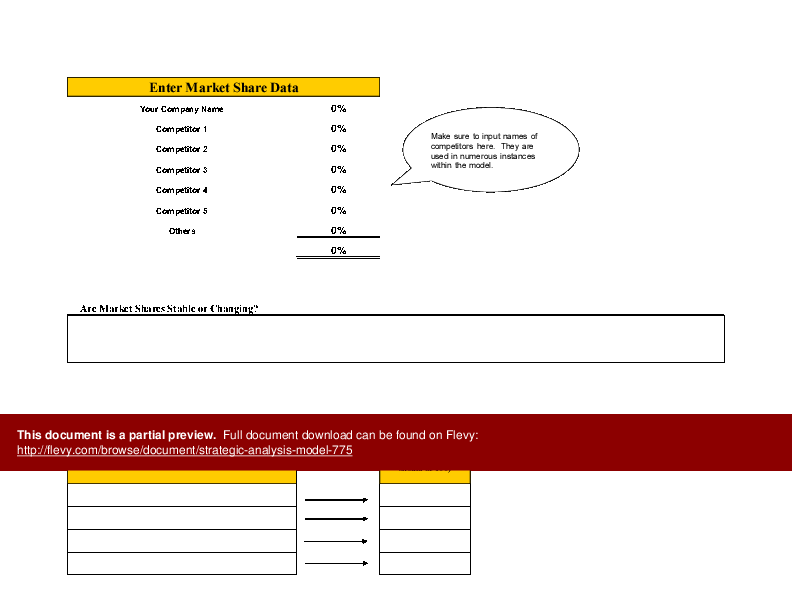
Moving into Phase II, Strategic Analysis and Choice, the model dives deep into competitive analysis. You will evaluate market share data, critical success factors, and competitive advantages. This phase is designed to highlight your company's strengths and weaknesses relative to competitors, enabling informed strategic decisions.
The final phase, Recommendations, synthesizes the insights gained from the previous analyses. You will outline strategic intents, programs, and contingencies, ensuring a comprehensive action plan. This phase is crucial for translating analysis into actionable strategies, driving your company towards its vision and mission.
Got a question about the product? Email us at support@flevy.com or ask the author directly by using the "Ask the Author a Question" form. If you cannot view the preview above this document description, go here to view the large preview instead.
TOPIC FAQ
What components typically make up a comprehensive strategic analysis?
A comprehensive strategic analysis aggregates external and internal assessments: industry and market analysis, competitive positioning (Porter's Five Forces, strategic group maps), environmental scanning, internal capability reviews (core competence, value analysis), and synthesis into strategic alternatives and recommendations, as exemplified by the Strategic Analysis Model’s included tools.How should I structure a strategic analysis engagement from data gathering to recommendations?
A common structure begins with a Situation Analysis to gather company facts and scope, proceeds to Strategic Analysis and Choice assessing market share, critical success factors, and competitive advantages, and concludes with Recommendations that define strategic intents, programs, and contingencies across 3 phases.Which frameworks are most useful for assessing industry attractiveness and competition?
Industry and competition are commonly assessed with Porter's Five Forces for structural attractiveness, strategic group maps for competitor clusters, the GE matrix for portfolio prioritization, and SPACE charts for positioning; these frameworks help quantify competitive pressure and opportunity using tools like Porter's Five Forces.What tools help evaluate a company's internal capabilities and value proposition?
Internal evaluation typically uses general internal analysis, core competence assessment, value analysis, and financial analysis to identify strengths and weaknesses. These analyses feed into SWOT and TOWS matrices to link capabilities to strategic options, with core competence assessment as a central tool.What should I look for in an Excel strategic analysis toolkit when buying for a small consulting team?
Prioritize tool breadth (external and internal analyses), phase coverage from situation assessment through recommendations, included visuals (charts/diagrams/matrices), and editable Excel worksheets for client customization. The Strategic Analysis Model provides this coverage in Excel format and across the three-phase structure.How do prebuilt templates speed up preparing a strategic plan for leadership?
Prebuilt templates centralize standard analyses—industry, competitive, SWOT/TOWS, financials—and include charts, diagrams, matrices, and tables, reducing the need to build each model from scratch. Using an Excel toolkit with these elements consolidates work into reusable artifacts such as charts and matrices.I need to prepare strategic recommendations after a sudden market decline—what analysis sequence should I follow?
Begin with a Situation Analysis to capture company scope and immediate impacts, then perform Strategic Analysis and Choice to reassess market share, critical success factors, and competitive advantages, and finish by drafting Recommendations that specify strategic intents, programs, and contingencies for leadership review.Which methods help turn a SWOT into concrete strategic initiatives?
Use a TOWS matrix to cross-match internal strengths/weaknesses with external opportunities/threats, then develop strategic alternatives and prioritized initiatives. Complement this with mission and vision review and formal Recommendations to translate SWOT findings into actionable programs, using the TOWS matrix as the bridge.Source: Best Practices in SWOT, Competitive Analysis, Strategic Analysis, Industry Analysis Excel: Strategic Analysis Model Excel (XLS) Spreadsheet, Documents & Files




























