
This framework is developed by a team of former McKinsey and Big 4 consultants. The presentation follows the headline-body-bumper slide format used by global consulting firms.
Make-or-Buy Decision PPT: Learn how to analyze outsourcing vs in-house options with clear frameworks, weighted analysis, and decision templates. Download now. Make-or-Buy Decision Analysis is a 23-slide PPT PowerPoint presentation slide deck (PPT) available for immediate download upon purchase.
As organizations are being put under increasing pressure to cut expenses and improve return on assets, the dilemma of whether to keep key functions in-house or outsource them has taken center stage.
Manufacturing units are being identified with Make-or-Buy Decisions as third-party suppliers in Eastern Europe, China, Southeast Asia, and other low-cost regions hold out a promise of significant advantage that companies in developed countries can't offer.
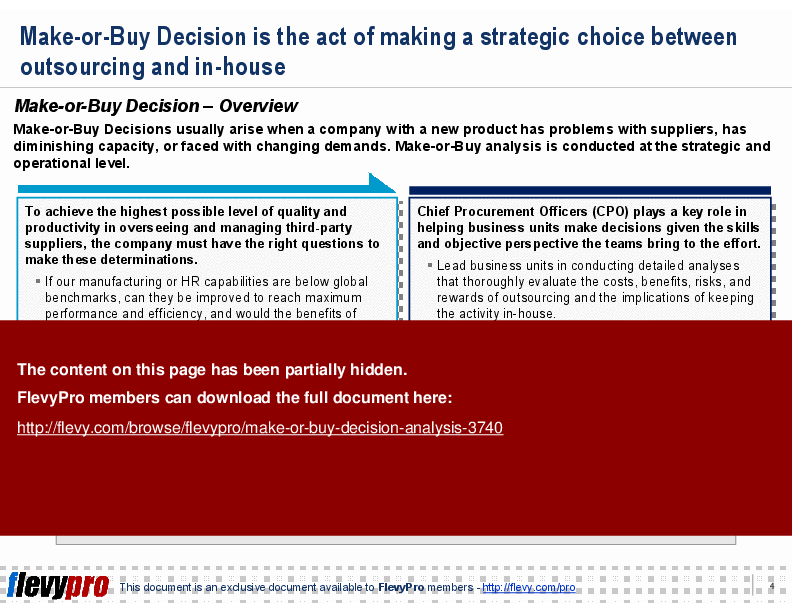
The Make-or-Buy Decision extends beyond manufacturing. It encompasses human resources, information technology, maintenance, and other fundamental business functions. Chief Procurement Officers (CPO) are now expected to play a key role in helping business units make decisions given the skills and objective perspective the teams bring to the effort. While the choice to keep an activity in-house or outsourced may be cross-functional and strategic, it is the role of the CPO to make outsourcing decisions work.
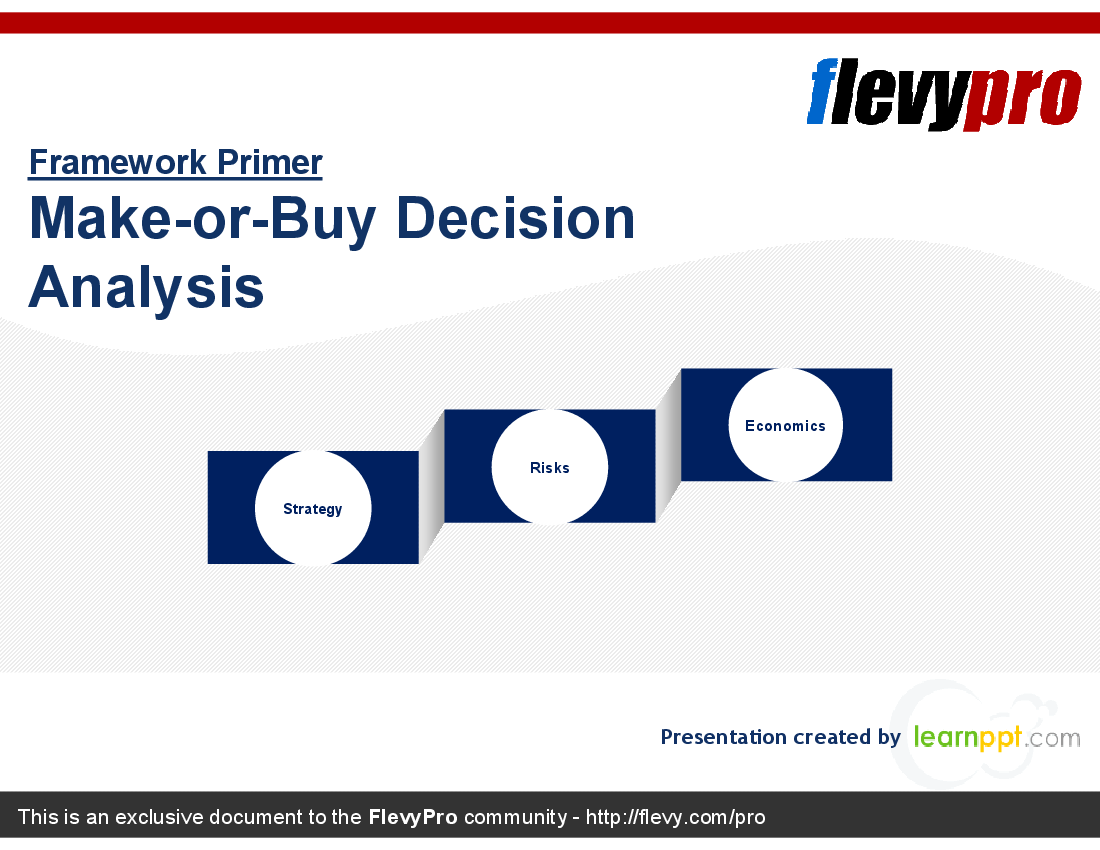
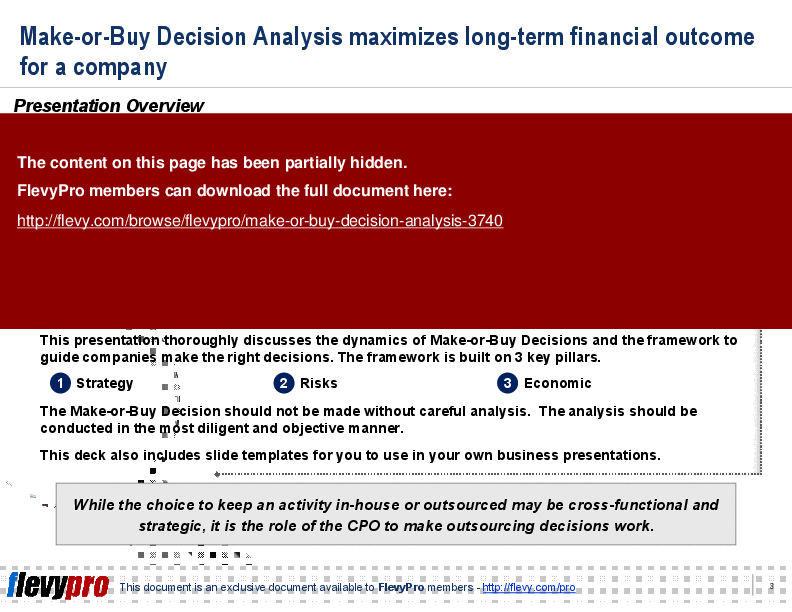
This presentation thoroughly discusses the dynamics of Make-or-Buy Decisions and the framework to guide companies make the right decisions. The framework is built on 3 key pillars.
1. Strategy
2. Risks
3. Economics
The Make-or-Buy Decision should not be made without careful analysis. The analysis should be conducted in the most diligent and objective manner.
This deck also includes slide templates for you to use in your own business presentations.
This PPT provides a comprehensive toolkit for executives to navigate the complexities of Make-or-Buy Decisions with precision. It includes detailed criteria for evaluating strategic, risk, and economic factors, ensuring a holistic approach to decision-making. The presentation also offers practical templates to streamline your analysis and presentations. By leveraging this framework, you can make informed, strategic decisions that align with your company's long-term goals and operational capabilities. This resource is indispensable for CPOs and business leaders aiming to optimize their procurement strategies and enhance organizational efficiency.
This PPT slide outlines key decision criteria for make-or-buy evaluations in corporate strategy, focusing on in-house production versus outsourcing. The first criterion, "Attractiveness of the process/business," emphasizes differentiation; in-house processes that enhance products may be retained, while unattractive outsourcing options due to labor shortages or regulatory issues may favor internal capabilities. The second criterion, "Critically for overall business success," highlights synergies; in-house production is preferred if it aligns with existing processes and enhances performance. The third criterion, "Industry dynamics and competitive positioning," assesses market conditions; a hostile supply market may necessitate in-house operations for control, while a favorable environment may support outsourcing. Lastly, "Dynamics of the technology or capability" considers technological change; in-house capabilities are essential for innovation, while effective suppliers may justify outsourcing.
This PPT slide outlines the risks associated with outsourcing, highlighting the importance of effective risk management. Key risks include lower quality, reliability, and predictability compared to in-house operations, as well as challenges in supplier selection and relationship sustainability. The "Decision Rule" emphasizes a thorough supplier selection process informed by an understanding of the supplier's strategy, operations, and cost structure to mitigate risks. In the "Role of CPO" section, the Chief Procurement Officer (CPO) is responsible for managing these risks, fostering partnerships with suppliers, and overseeing risk assessments during make-or-buy evaluations. The CPO must also ensure contracts protect the organization against potential outsourcing shortcomings. This strategic approach to risk management is essential for leveraging external partnerships effectively.
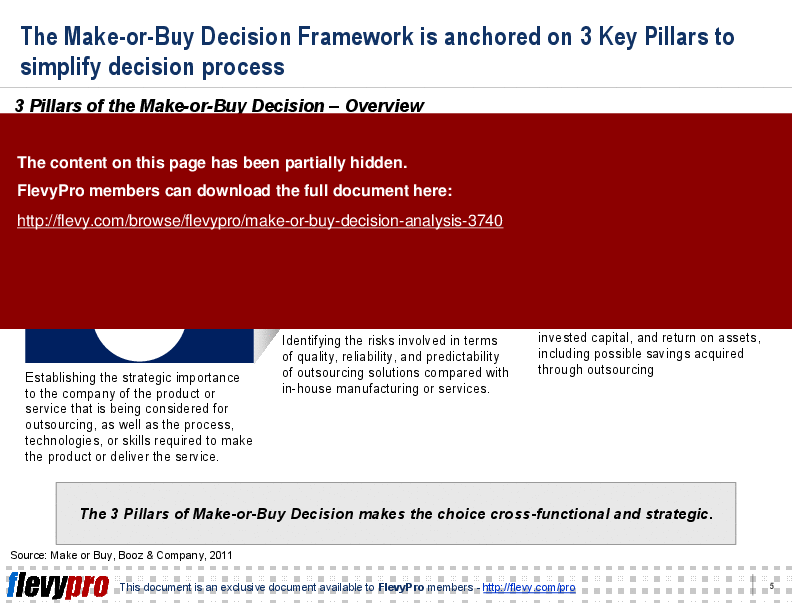
This PPT slide outlines the economic considerations in Make-or-Buy Decision Analysis, focusing on the impact of outsourcing on capital expenditures, return on invested capital, and return on assets. It emphasizes a shift from evaluating product price to understanding the overall cost of providing a service, encouraging a comprehensive analysis of long-term implications. The role of the Chief Procurement Officer (CPO) includes identifying supplier cost drivers and designing pricing mechanisms that reflect current and anticipated costs, facilitating effective negotiations and strategic supplier partnerships. Ongoing cost improvements should be incorporated into contracts, fostering collaboration between the outsourcing entity and the CPO’s organization. A gain-sharing mechanism is also crucial, rewarding suppliers for contributions and ensuring cost improvement benefits are shared with the buyer, enhancing the outsourcing relationship.
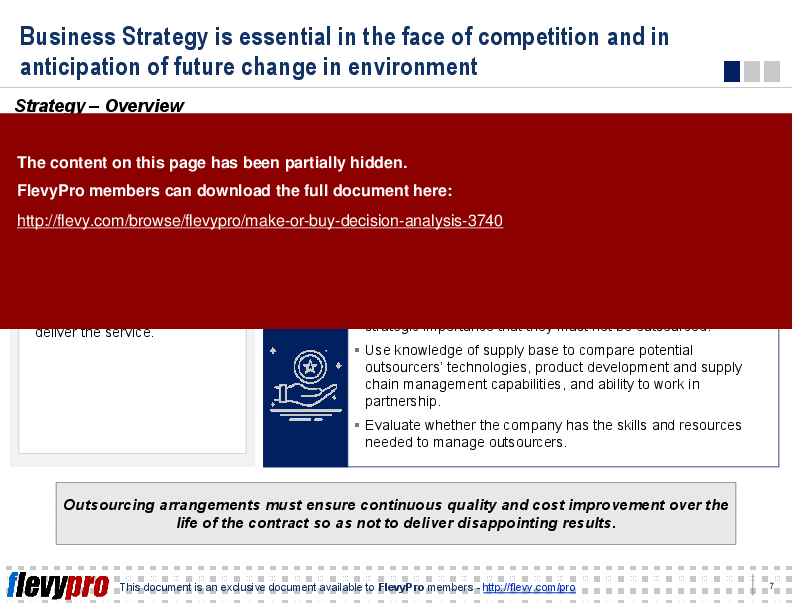
This PPT slide outlines a strategic framework for evaluating outsourcing decisions. It emphasizes the strategic importance of products or services and the necessary processes, technologies, or skills for delivery. The "Decision Rule" section prioritizes in-house capabilities for essential functions, indicating a careful consideration of core operations. The "Role of CPO" highlights the Chief Procurement Officer's responsibilities in assessing which aspects should remain in-house versus outsourced. This includes evaluating potential outsourcing partners' technological capabilities and product development processes. The CPO must also determine if the organization has the necessary skills and resources for effective management of outsourcing relationships. Maintaining quality and cost efficiency throughout the contract is crucial, necessitating ongoing evaluation to prevent subpar outsourcing results.
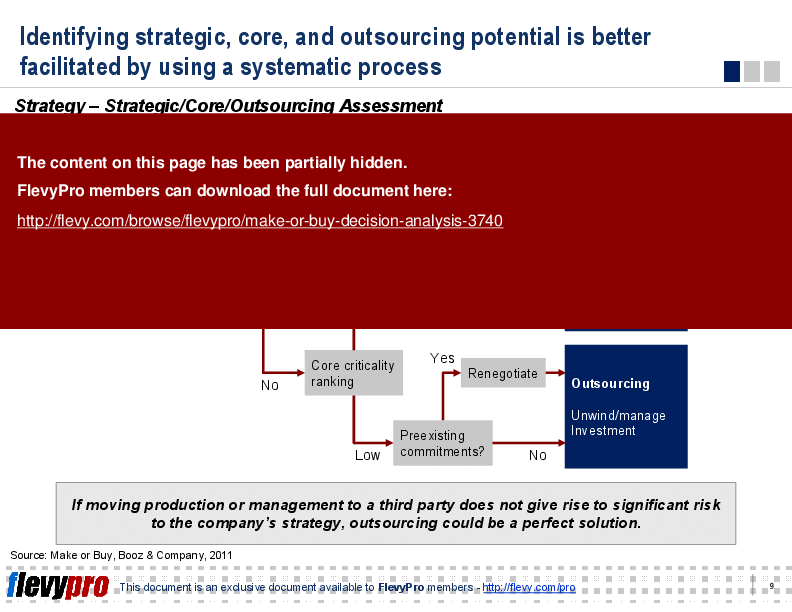
This PPT slide outlines a systematic approach for assessing the strategic value of services and manufacturing processes, categorizing them into strategic, core, and outsourcing options. The decision-making process evaluates whether a service or process provides a competitive advantage or involves emerging technology, leading to a core criticality ranking. High core criticality necessitates checking for preexisting commitments, with recommendations to renegotiate if they exist, or to ensure world-class capability for core activities. Low core criticality suggests considering outsourcing while managing investments effectively. For strategic processes, adequate investment is essential to maintain value. This structured method aids organizations in aligning operational capabilities with strategic objectives and optimizing resource allocation.
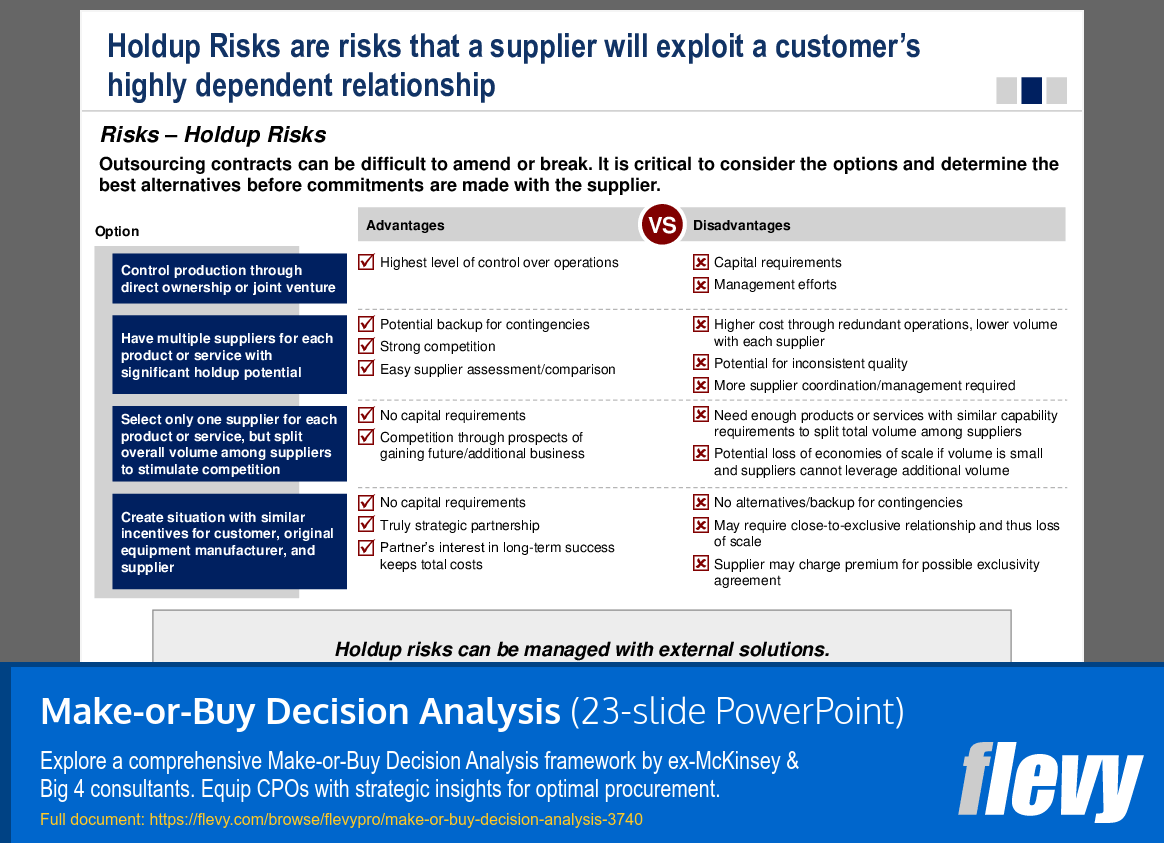
Holdup risks arise when suppliers exploit customer dependency. Evaluating outsourcing options before contracts is essential. The first strategy involves controlling production through direct ownership or joint ventures, offering high operational control, but requiring significant capital and management. The second strategy is using multiple suppliers for each product, fostering competition, but potentially increasing costs due to redundancy. The third option suggests selecting a single supplier while splitting volume among multiple suppliers to stimulate competition, which avoids capital investment, but may challenge economies of scale. The final strategy focuses on creating incentives for all parties, fostering strategic partnerships that keep costs low, but may limit future alternatives. Each outsourcing strategy presents trade-offs that impact supplier relationships.
Source: Best Practices in Manufacturing, Outsourcing PowerPoint Slides: Make-or-Buy Decision Analysis PowerPoint (PPT) Presentation Slide Deck, LearnPPT Consulting
This framework is developed by a team of former McKinsey and Big 4 consultants. The presentation follows the headline-body-bumper slide format used by global consulting firms.
For $10.00 more, you can download this document plus 2 more FlevyPro documents. That's just $13 each.
ABOUT FLEVYPRO
This document is part of the FlevyPro Library, a curated knowledge base of documents for our FlevyPro subscribers.
FlevyPro is a subscription service for on-demand business frameworks and analysis tools. FlevyPro subscribers receive access to an exclusive library of curated business documents—business framework primers, presentation templates, Lean Six Sigma tools, and more—among other exclusive benefits.
The average daily rate of a McKinsey consultant is $6,625 (not including expenses). The average price of a Flevy document is $65.
Trusted by over 10,000+ Client Organizations
Since 2012, we have provided business templates to over 10,000 businesses and organizations of all sizes, from startups and small businesses to the Fortune 100, in over 130 countries.
"I like your product. I'm frequently designing PowerPoint presentations for my company and your product has given me so many great ideas on the use of charts, layouts, tools, and frameworks. I really think the templates are a valuable asset to the job."
– Roberto Fuentes Martinez, Senior Executive Director at Technology Transformation Advisory
"My FlevyPro subscription provides me with the most popular frameworks and decks in demand in today’s market. They not only augment my existing consulting and coaching offerings and delivery, but also keep me abreast of the latest trends, inspire new products and service offerings for my practice, and educate me
in a fraction of the time and money of other solutions. I strongly recommend FlevyPro to any consultant serious about success.
"
– Bill Branson, Founder at Strategic Business Architects
"Flevy is now a part of my business routine. I visit Flevy at least 3 times each month.
Flevy has become my preferred learning source, because what it provides is practical, current, and useful in this era where the business world is being rewritten.

many challenges and there is the need to make the right decisions in a short time, with so much scattered information, we are fortunate to have Flevy. Flevy investigates, selects, and puts at our disposal the best of the best to help us be successful in our work.
"
– Omar Hernán Montes Parra, CEO at Quantum SFE
"FlevyPro provides business frameworks from many of the global giants in management consulting that allow you to provide best in class solutions for your clients."
– David Harris, Managing Director at Futures Strategy
"Flevy is our 'go to' resource for management material, at an affordable cost. The Flevy library is comprehensive and the content deep, and typically provides a great foundation for us to further develop and tailor our own service offer."
– Chris McCann, Founder at Resilient.World
"If you are looking for great resources to save time with your business presentations, Flevy is truly a value-added resource. Flevy has done all the work for you and we will continue to utilize Flevy as a source to extract up-to-date information and data for our virtual and onsite presentations!"
– Debbi Saffo, President at The NiKhar Group
"As a niche strategic consulting firm, Flevy and FlevyPro frameworks and documents are an on-going reference to help us structure our findings and recommendations to our clients as well as improve their clarity, strength, and visual power. For us, it is an invaluable resource to increase our impact and value."
– David Coloma, Consulting Area Manager at Cynertia Consulting
"As a consulting firm, we had been creating subject matter training materials for our people and found the excellent materials on Flevy, which saved us 100's of hours of re-creating what already exists on the Flevy materials we purchased."
Receive our FREE presentation on Operational Excellence
This 50-slide presentation provides a high-level introduction to the 4 Building Blocks of Operational Excellence. Achieving OpEx requires the implementation of a Business Execution System that integrates these 4 building blocks.