
This framework is developed by a team of former McKinsey and Big 4 consultants. The presentation follows the headline-body-bumper slide format used by global consulting firms.
Explore a comprehensive AI strategy framework by ex-McKinsey consultants. Learn to integrate Assisted, Augmented, and Autonomous Intelligence for business success. AI Strategy in Digital Transformation is a 27-slide PPT PowerPoint presentation slide deck (PPT) available for immediate download upon purchase.
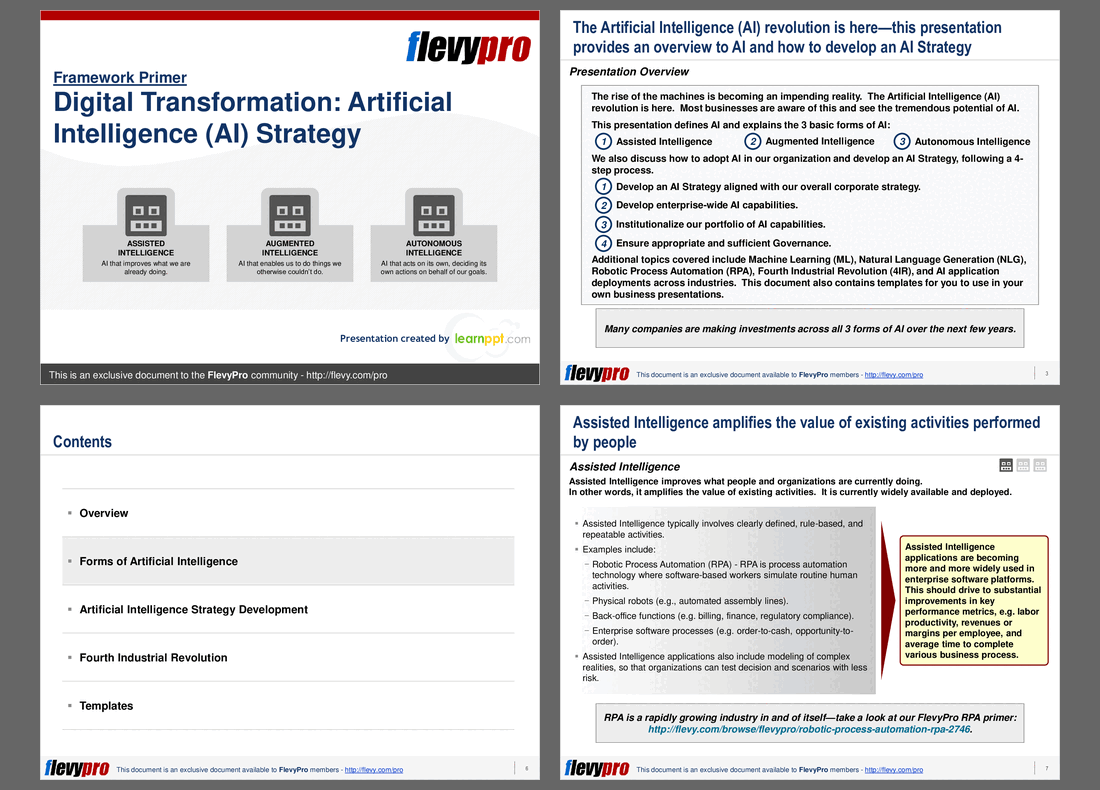
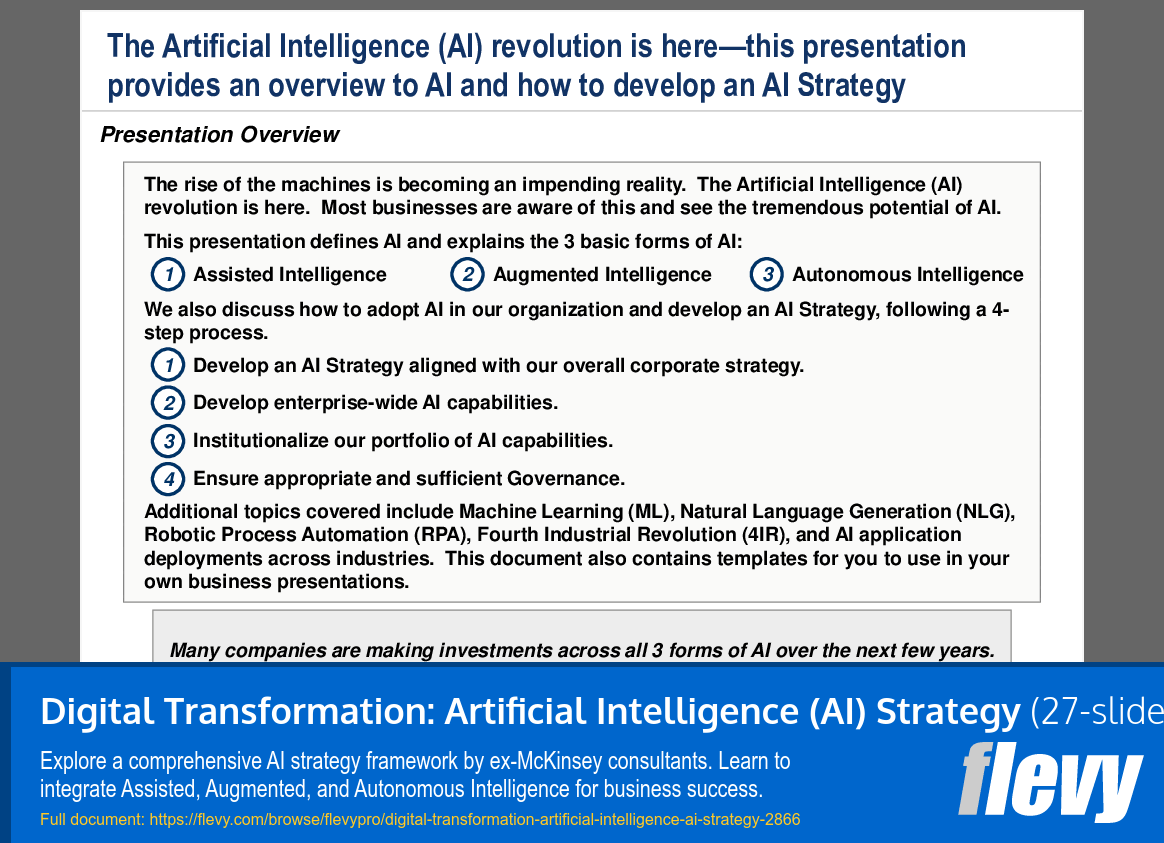
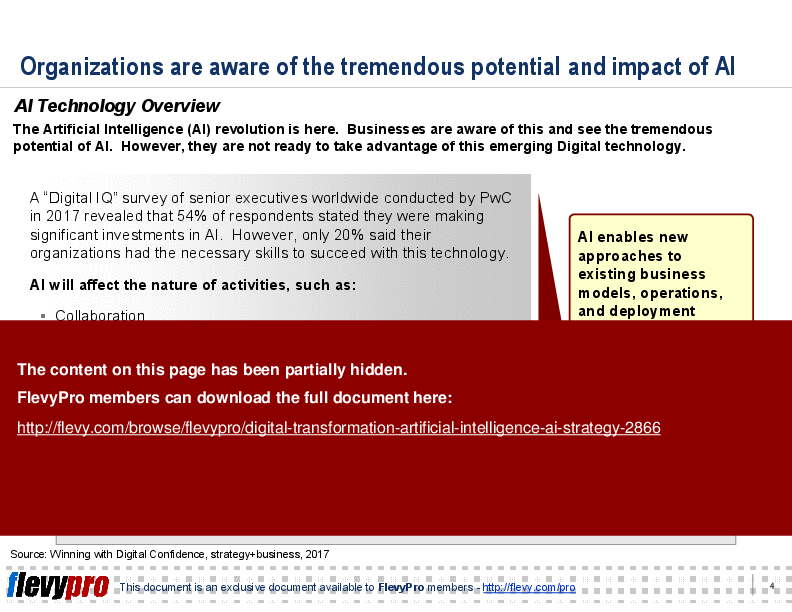
The rise of the machines is becoming an impending reality. The Artificial Intelligence (AI) revolution is here. Most businesses are aware of this and see the tremendous potential of AI.
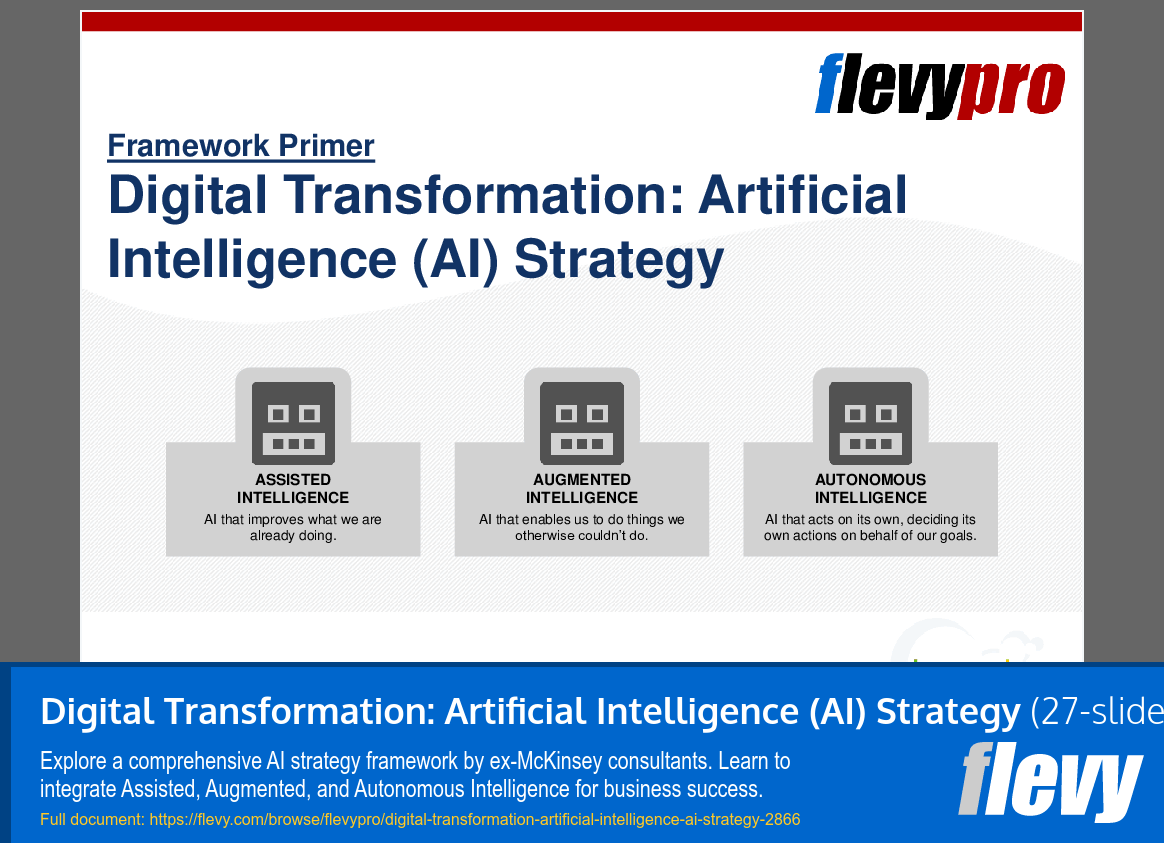
This presentation defines AI and explains the 3 basic forms of AI:
Many companies are making investments across all 3 forms of AI over the next few years.
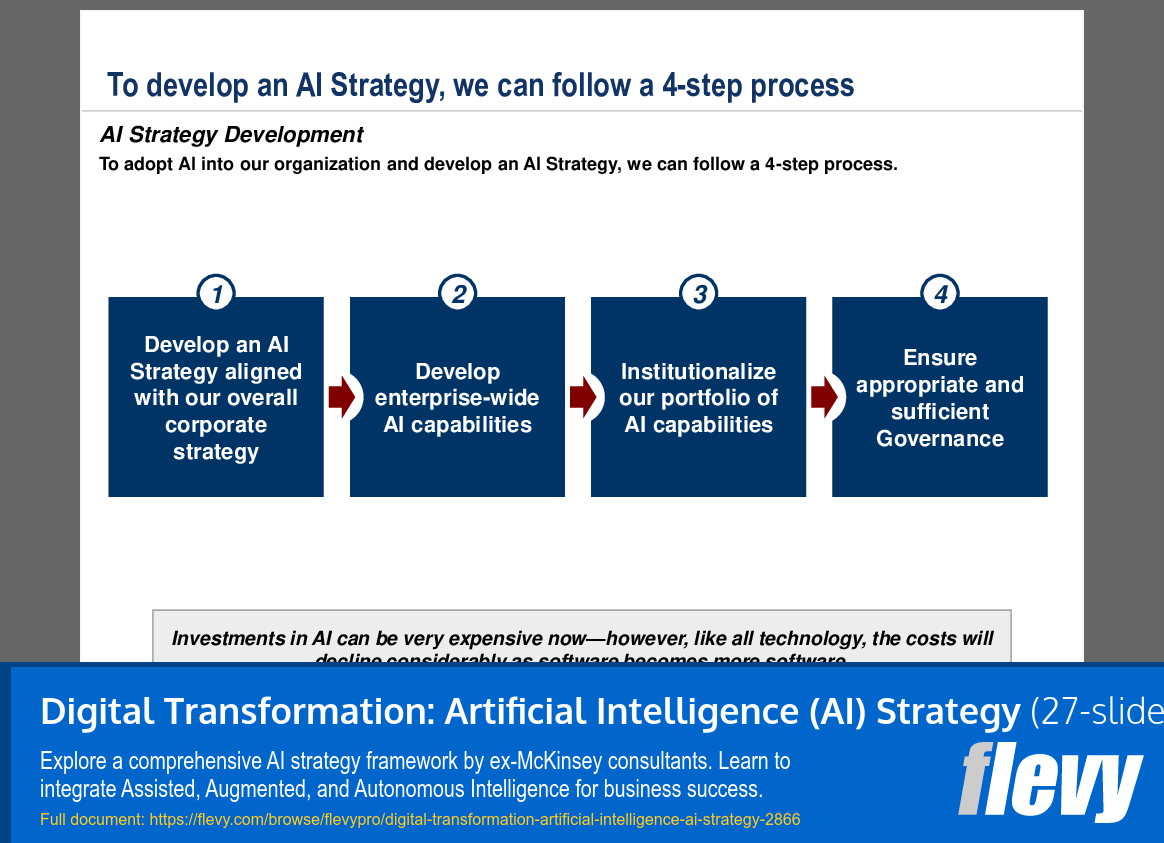
We also discuss how to adopt AI in our organization and develop an AI Strategy, following a 4-step process.
1. Develop an AI Strategy aligned with our overall corporate strategy.
2. Develop enterprise-wide AI capabilities.
3. Institutionalize our portfolio of AP capabilities.
4. Ensure appropriate and sufficient Governance.
Additional topics covered include Machine Learning (ML), Natural Language Generation (NLG), Robotic Process Automation (RPA), Fourth Industrial Revolution (4IR), and AI application deployments across industries. This document also contains templates for you to use in your own business presentations.
This PPT provides a comprehensive overview of the three forms of AI—Assisted, Augmented, and Autonomous Intelligence. It delves into how each form can be strategically deployed to enhance business operations. Assisted Intelligence amplifies existing activities, Augmented Intelligence introduces new capabilities, and Autonomous Intelligence represents the future of AI, acting independently to achieve organizational goals.
The presentation also includes a detailed 4-step process to develop an AI strategy that aligns with corporate objectives. It emphasizes the importance of embedding AI throughout business processes and establishing clear governance policies. With insights into Machine Learning, Natural Language Generation, and Robotic Process Automation, this document is an essential resource for executives looking to leverage AI for competitive advantage.
This PPT slide outlines a four-step process for developing an AI strategy within an organization. The first step is aligning the AI strategy with corporate strategy to ensure AI initiatives support broader business objectives. The second step focuses on developing enterprise-wide AI capabilities, integrating AI across various functions rather than siloing it. The third step emphasizes institutionalizing the AI capabilities portfolio, embedding AI practices into the organizational framework for sustainability and evolution. The final step highlights governance, underscoring the need for appropriate oversight and management structures for successful AI implementation. This framework provides a comprehensive approach to navigating AI adoption complexities, ensuring strategic and sustainable investments in AI.
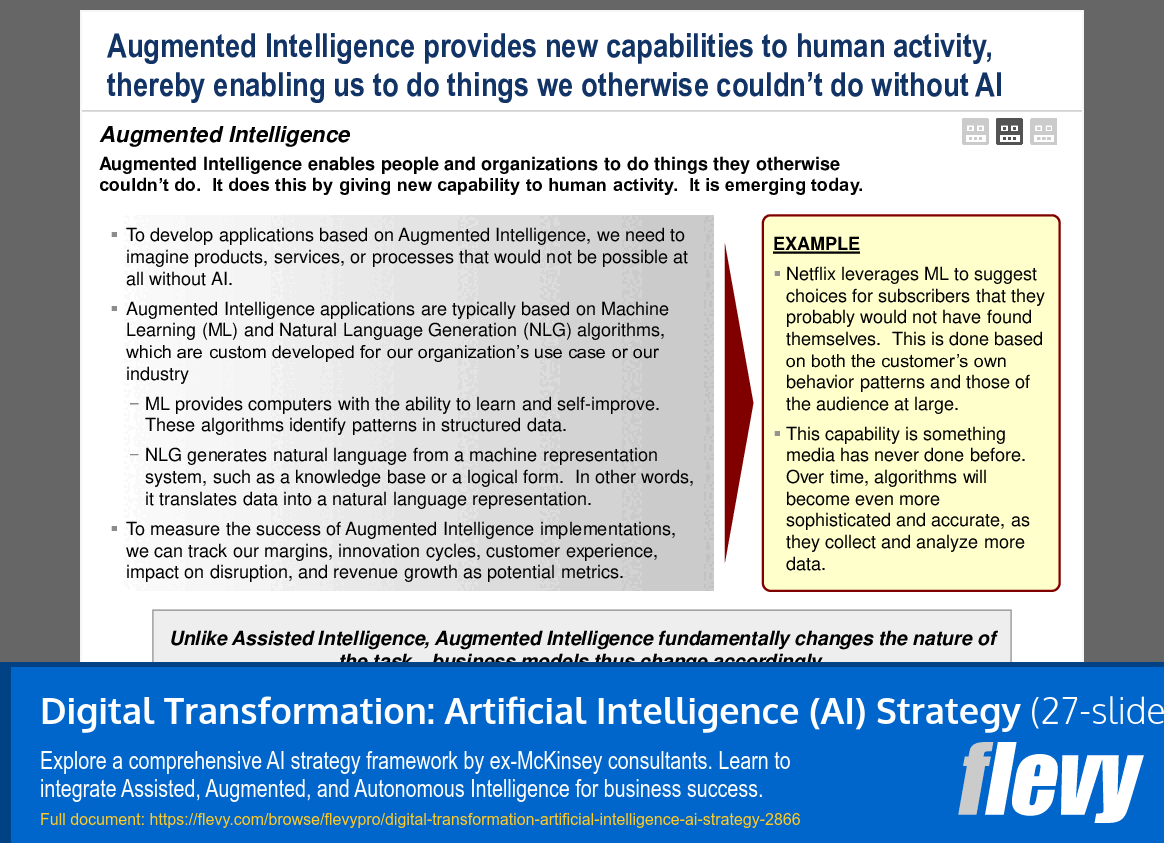
Augmented Intelligence enhances human capabilities through applications that leverage artificial intelligence, distinguishing it from traditional AI. Key components include Machine Learning (ML) and Natural Language Generation (NLG). ML enables computers to autonomously learn and identify patterns in structured data, critical for effective data utilization. NLG converts machine-generated data into natural language, facilitating insight communication from complex data sets. Metrics for evaluating Augmented Intelligence success include margins, innovation cycles, customer experience, disruption impact, and revenue growth. An example from Netflix illustrates ML's role in suggesting content to subscribers by analyzing behavior patterns, showcasing the unique advantages of Augmented Intelligence in driving innovation and operational efficiency.
This PPT slide outlines 2 critical steps for developing an AI strategy aligned with corporate strategy. The first step is integrating AI into existing digital and analytics frameworks, assessing business areas for disruption or enhancement, and considering new business models for improved productivity. Long-term investments in autonomous intelligence are essential for AI adoption.
The second step focuses on building enterprise-wide AI capabilities by redesigning products and services to incorporate machine learning, enhancing customer experiences and operational efficiency. Automation improves decision-making processes, streamlining operations and reducing human error. Additionally, automating existing processes or developing new ones can yield significant efficiency gains. Recruiting AI-skilled engineers is vital for driving AI initiatives, emphasizing integration, capability building, and talent acquisition as key components for success in the digital age.
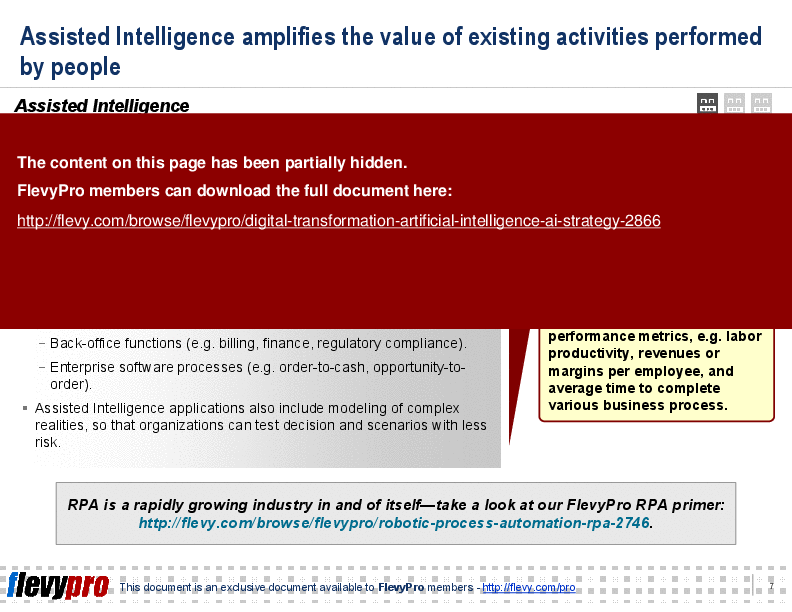
Assisted Intelligence enhances the effectiveness of tasks performed by individuals and organizations without replacing human effort, particularly in clearly defined, rule-based activities. Key technologies include Robotic Process Automation (RPA), where software automates routine tasks, leading to efficiency improvements across sectors. Applications of Assisted Intelligence can model complex scenarios, enabling organizations to test decisions with reduced risk, crucial for innovation while minimizing downsides. Integration into enterprise software platforms can substantially improve key performance metrics, enhancing labor productivity, revenue generation, and overall efficiency. This positions Assisted Intelligence as a strategic asset for optimizing operations and driving growth.
Source: Best Practices in Fourth Industrial Revolution, Artificial Intelligence, Robotic Process Automation PowerPoint Slides: Digital Transformation: Artificial Intelligence (AI) Strategy PowerPoint (PPT) Presentation Slide Deck, LearnPPT Consulting
This framework is developed by a team of former McKinsey and Big 4 consultants. The presentation follows the headline-body-bumper slide format used by global consulting firms.
For $10.00 more, you can download this document plus 2 more FlevyPro documents. That's just $13 each.
ABOUT FLEVYPRO
This document is part of the FlevyPro Library, a curated knowledge base of documents for our FlevyPro subscribers.

FlevyPro is a subscription service for on-demand business frameworks and analysis tools. FlevyPro subscribers receive access to an exclusive library of curated business documents—business framework primers, presentation templates, Lean Six Sigma tools, and more—among other exclusive benefits.
The average daily rate of a McKinsey consultant is $6,625 (not including expenses). The average price of a Flevy document is $65.
Trusted by over 10,000+ Client Organizations
Since 2012, we have provided business templates to over 10,000 businesses and organizations of all sizes, from startups and small businesses to the Fortune 100, in over 130 countries.
Read Customer Testimonials
"I have used FlevyPro for several business applications. It is a great complement to working with expensive consultants. The quality and effectiveness of the tools are of the highest standards."
– Moritz Bernhoerster, Global Sourcing Director at Fortune 500
"My FlevyPro subscription provides me with the most popular frameworks and decks in demand in today’s market. They not only augment my existing consulting and coaching offerings and delivery, but also keep me abreast of the latest trends, inspire new products and service offerings for my practice, and educate me
in a fraction of the time and money of other solutions. I strongly recommend FlevyPro to any consultant serious about success.
"
– Bill Branson, Founder at Strategic Business Architects
"The wide selection of frameworks is very useful to me as an independent consultant. In fact, it rivals what I had at my disposal at Big 4 Consulting firms in terms of efficacy and organization."
– Julia T., Consulting Firm Owner (Former Manager at Deloitte and Capgemini)
"Flevy.com has proven to be an invaluable resource library to our Independent Management Consultancy, supporting and enabling us to better serve our enterprise clients.
The value derived from our [FlevyPro] subscription in terms of the business it has helped to gain far exceeds the investment made, making a subscription a no-brainer for any growing consultancy – or in-house strategy team."
– Dean Carlton, Chief Transformation Officer, Global Village Transformations Pty Ltd.
"As a consultant requiring up to date and professional material that will be of value and use to my clients, I find Flevy a very reliable resource.
The variety and quality of material available through Flevy offers a very useful and commanding source for information. Using Flevy saves me time, enhances my expertise and ends up being a good decision."
– Dennis Gershowitz, Principal at DG Associates
"FlevyPro has been a brilliant resource for me, as an independent growth consultant, to access a vast knowledge bank of presentations to support my work with clients. In terms of RoI, the value I received from the very first presentation I downloaded paid for my subscription many times over! The
quality of the decks available allows me to punch way above my weight – it's like having the resources of a Big 4 consultancy at your fingertips at a microscopic fraction of the overhead.
"
– Roderick Cameron, Founding Partner at SGFE Ltd
"Flevy is our 'go to' resource for management material, at an affordable cost. The Flevy library is comprehensive and the content deep, and typically provides a great foundation for us to further develop and tailor our own service offer."
– Chris McCann, Founder at Resilient.World
"As a consulting firm, we had been creating subject matter training materials for our people and found the excellent materials on Flevy, which saved us 100's of hours of re-creating what already exists on the Flevy materials we purchased."
Download our FREE Digital Transformation Templates
Download our free compilation of 50+ Digital Transformation slides and templates. DX concepts covered include Digital Leadership, Digital Maturity, Digital Value Chain, Customer Experience, Customer Journey, RPA, etc.