
This framework is developed by a team of former McKinsey and Big 4 consultants. The presentation follows the headline-body-bumper slide format used by global consulting firms.
Corporate Corruption and Fraud PPT: Learn to identify bribery, extortion, and employee fraud with practical examples and controls. Download this ethical compliance guide. Corporate Corruption and Fraud is a 24-slide PPT PowerPoint presentation slide deck (PPT) available for immediate download upon purchase.
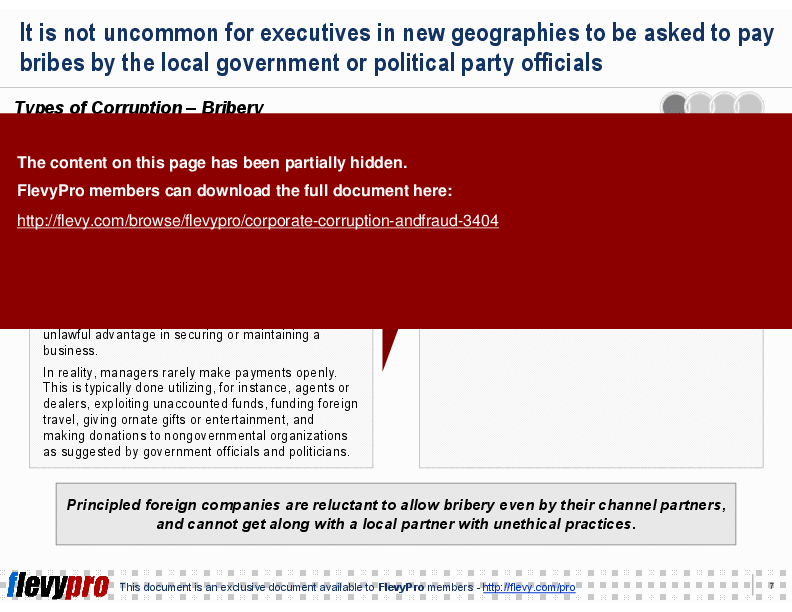
Markets today offer rewarding opportunities for organizations in new territories. But these opportunities are not devoid of the perils of encountering new risks concerning corporate corruption and fraud.
To contest the danger of denting their reputation and results, senior leaders must strive to make coping with corruption a fundamental organizational capability. This demands an uncompromising attention to compliance, a solid leadership commitment to ethical behavior, and a strong will to bear the consequences and costs of uploading these ethical practices. It requires policies, controls, commitment, and culture to endure the pressure of corrupt and fraudulent entities.
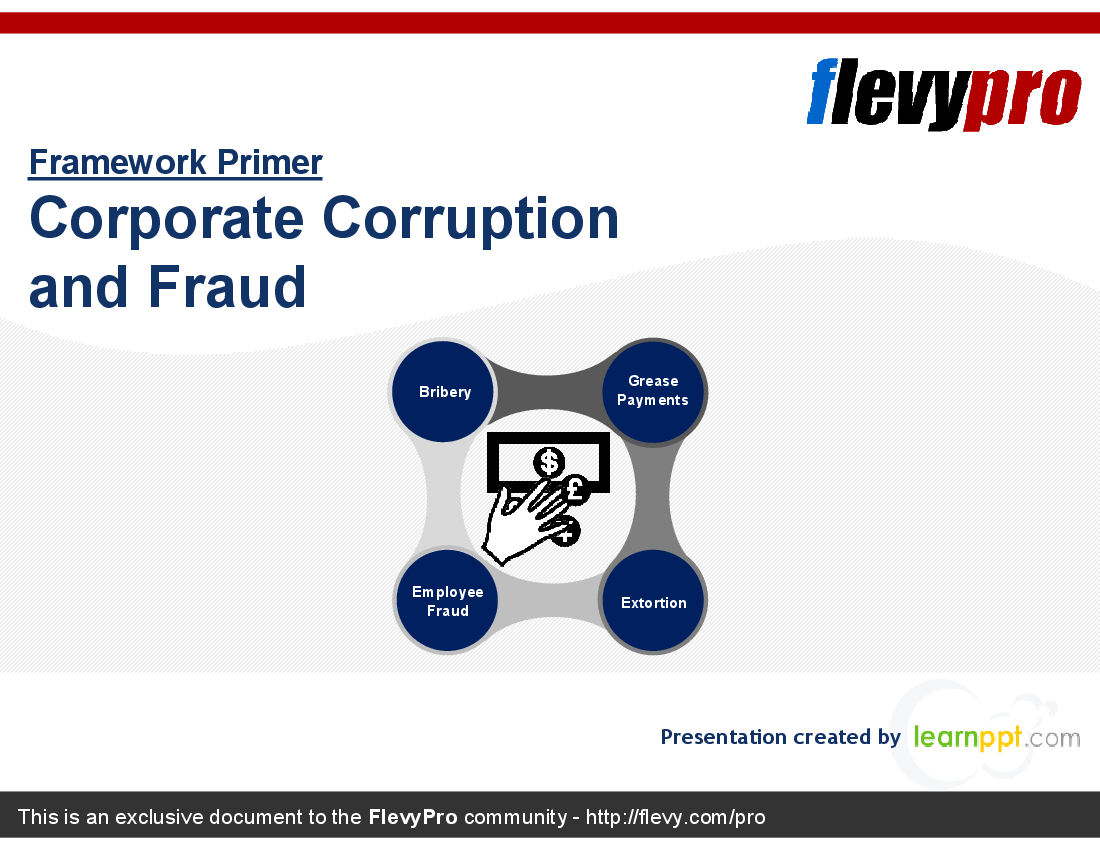
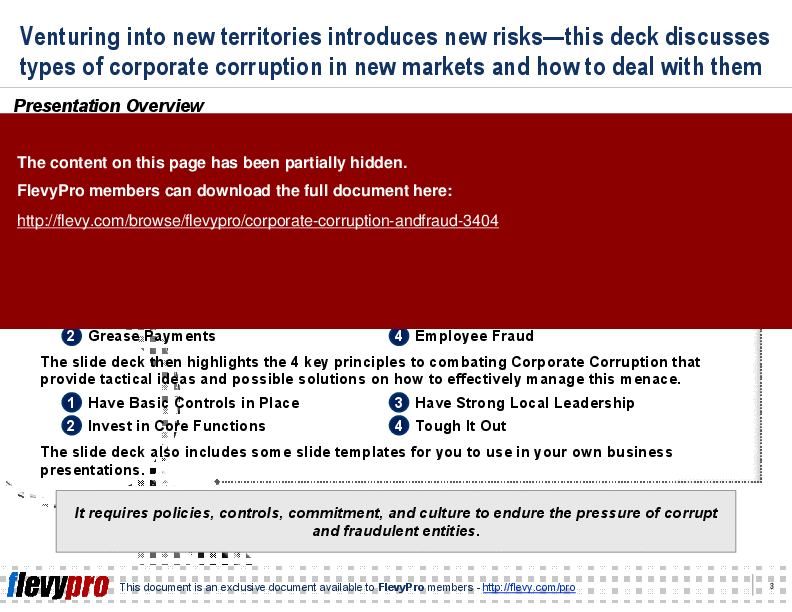
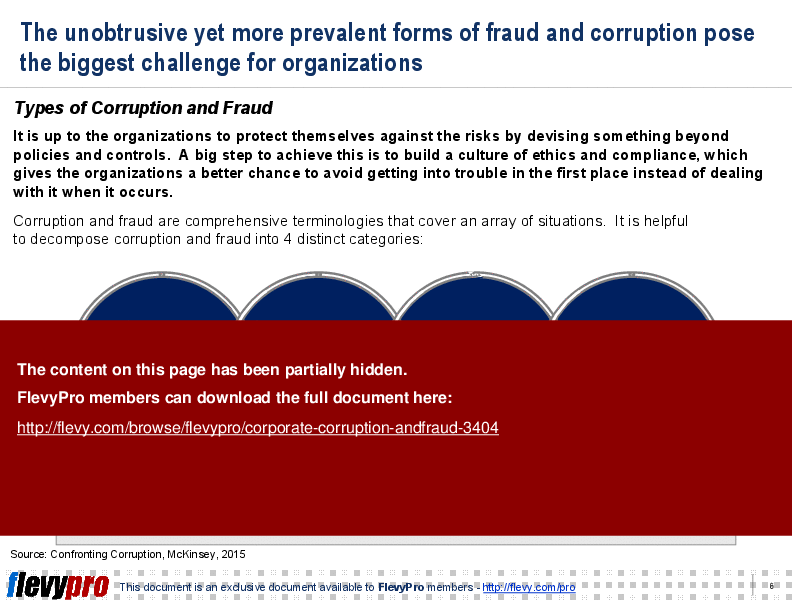
This presentation describes the 4 broad categories of corruption and fraud that executives are likely to come across in various geographies globally:
The slide deck then highlights the 4 key principles to combating Corporate Corruption that provide tactical ideas and possible solutions on how to effectively manage this menace.
1. Have Basic Controls in Place
2. Invest in Core Functions
3. Have Strong Local Leadership
4. Tough It Out
The slide deck also includes some slide templates for you to use in your own business presentations.
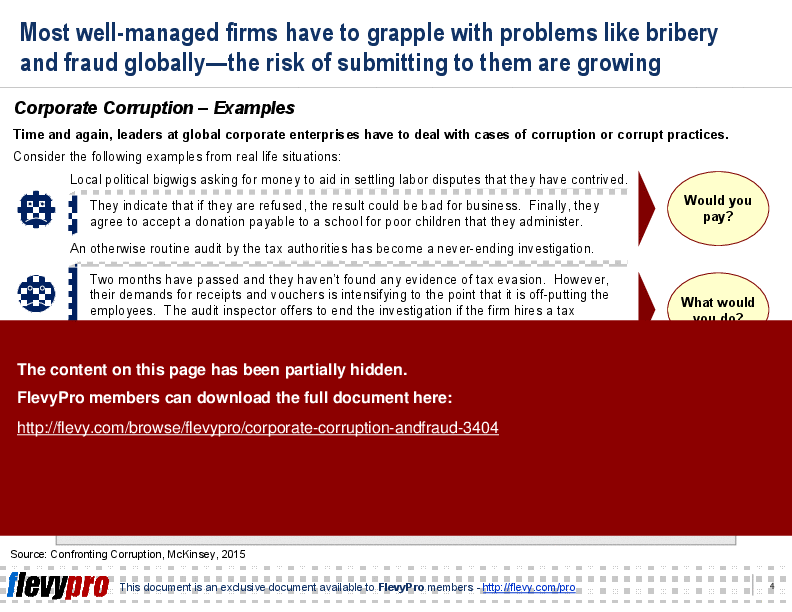
This slide deck offers real-life examples of corporate corruption, providing practical scenarios to help executives understand the nuances of dealing with bribery, extortion, and other fraudulent activities. The examples illustrate the complexities and pressures faced by organizations, making it clear that a proactive approach is essential for maintaining ethical standards and protecting the company's reputation.
The PPT also emphasizes the importance of investing in core functions such as legal, finance, and internal audit to build a robust defense against corruption. By highlighting the need for strong local leadership and a commitment to ethical practices, this presentation equips senior leaders with the knowledge and tools to navigate and mitigate the risks associated with corporate corruption and fraud.
Corruption and fraud in organizations necessitate proactive measures and robust policies. Key categories include Bribery, Grease Payments, Extortion, and Employee Fraud, each requiring tailored prevention strategies. Bribery involves offering value to influence actions, while Grease Payments are small sums paid to expedite processes. Extortion entails threats to obtain value, and Employee Fraud consists of dishonest acts for personal gain. Understanding these categories equips executives to address specific threats and fosters a culture of ethics and compliance, ultimately safeguarding organizational integrity and operational effectiveness.
This PPT slide addresses grease payments, a form of corruption involving payments to expedite routine business processes. Unlike traditional bribes, which are for actions that should not occur, grease payments are for actions that should happen, but at an accelerated pace. Businesses may face delays in obtaining licenses or clearing shipments, leading them to consider grease payments for operational efficiency. While often viewed as necessary, these payments are illegal in many jurisdictions, with exceptions under the US Foreign Corrupt Practices Act (FCPA). Companies must recognize the illegality of grease payments, assess their necessity, ensure intermediaries are reputable, and vet payments with legal experts. Clear documentation and transparency are essential to mitigate associated risks.
Strong local leadership is essential in combating organizational corruption. Key best practices include holding country CEOs accountable for compliance with local laws and codes of conduct, establishing a clear line of responsibility. Integrating integrity evaluations into leaders' performance appraisals promotes ethical behavior and aligns leadership with organizational values. Fostering a culture of small acts of honesty contributes to a broader ethical environment, with proper resource use setting precedents for larger ethical considerations. Employee perceptions are critical; employees often notice suspicious behaviors, but may hesitate to report unless they trust management's commitment to addressing wrongdoing. A zero-tolerance approach to unethical behavior is necessary. Additionally, thorough personal due diligence during hiring processes can mitigate potential issues, reinforcing the organization's commitment to integrity.
Organizations must prioritize compliance to combat corruption effectively, as many allocate insufficient budgets for audits and reviews. A 2014 Ernst & Young survey revealed only 35% of companies took action against corrupt employees, with 20% lacking policies to address such behavior. This highlights the necessity for clear internal protocols. A Kroll study (2011/2012) found less than one-third of respondents received training on bribery and corruption laws, indicating a gap in legal awareness. Proactive steps include creating a formal code of conduct, mandatory compliance training for customer-facing roles, and clear guidelines for discounts, gifts, travel, and charitable contributions. Effective communication of these policies fosters a culture of integrity and mitigates risks.
Source: Best Practices in Risk Management, Code of Ethics, Business Ethics, Corruption, Fraud PowerPoint Slides: Corporate Corruption and Fraud PowerPoint (PPT) Presentation Slide Deck, LearnPPT Consulting
This framework is developed by a team of former McKinsey and Big 4 consultants. The presentation follows the headline-body-bumper slide format used by global consulting firms.
For $10.00 more, you can download this document plus 2 more FlevyPro documents. That's just $13 each.
ABOUT FLEVYPRO
This document is part of the FlevyPro Library, a curated knowledge base of documents for our FlevyPro subscribers.

FlevyPro is a subscription service for on-demand business frameworks and analysis tools. FlevyPro subscribers receive access to an exclusive library of curated business documents—business framework primers, presentation templates, Lean Six Sigma tools, and more—among other exclusive benefits.
The average daily rate of a McKinsey consultant is $6,625 (not including expenses). The average price of a Flevy document is $65.
Trusted by over 10,000+ Client Organizations
Since 2012, we have provided business templates to over 10,000 businesses and organizations of all sizes, from startups and small businesses to the Fortune 100, in over 130 countries.
"I like your product. I'm frequently designing PowerPoint presentations for my company and your product has given me so many great ideas on the use of charts, layouts, tools, and frameworks. I really think the templates are a valuable asset to the job."
– Roberto Fuentes Martinez, Senior Executive Director at Technology Transformation Advisory
"As an Independent Management Consultant, I find Flevy to add great value as a source of best practices, templates and information on new trends. Flevy has matured and the quality and quantity of the library is excellent. Lastly the price charged is reasonable, creating a win-win value for
the customer, Flevy and the various authors. This is truly a service that benefits the consulting industry and associated clients. Thanks for providing this service.
"
– Jim Schoen, Principal at FRC Group
"Flevy.com has proven to be an invaluable resource library to our Independent Management Consultancy, supporting and enabling us to better serve our enterprise clients.
The value derived from our [FlevyPro] subscription in terms of the business it has helped to gain far exceeds the investment made, making a subscription a no-brainer for any growing consultancy – or in-house strategy team."
– Dean Carlton, Chief Transformation Officer, Global Village Transformations Pty Ltd.
"The wide selection of frameworks is very useful to me as an independent consultant. In fact, it rivals what I had at my disposal at Big 4 Consulting firms in terms of efficacy and organization."
– Julia T., Consulting Firm Owner (Former Manager at Deloitte and Capgemini)
"Flevy is our 'go to' resource for management material, at an affordable cost. The Flevy library is comprehensive and the content deep, and typically provides a great foundation for us to further develop and tailor our own service offer."
– Chris McCann, Founder at Resilient.World
"Last Sunday morning, I was diligently working on an important presentation for a client and found myself in need of additional content and suitable templates for various types of graphics. Flevy.com proved to be a treasure trove for both content and design at a reasonable price, considering the time I
saved. I encountered a download issue during the ordering process. However, a quick email to Flevy's support team, even on a Sunday (!!!), resulted in assistance within less than an hour, allowing me to download the content I needed. Fantastic job, Flevy! I give 5 stars for both content/price and customer service. Thank you!
"
– M. E., Chief Commercial Officer, International Logistics Service Provider
"[Flevy] produces some great work that has been/continues to be of immense help not only to myself, but as I seek to provide professional services to my clients, it gives me a large "tool box" of resources that are critical to provide them with the quality of service and outcomes they are expecting."
– Royston Knowles, Executive with 50+ Years of Board Level Experience
"If you are looking for great resources to save time with your business presentations, Flevy is truly a value-added resource. Flevy has done all the work for you and we will continue to utilize Flevy as a source to extract up-to-date information and data for our virtual and onsite presentations!"
Download our free compilation of 50+ slides and templates on Organizational Design, Change Management, and Corporate Culture. Methodologies include ADKAR, Burke-Litwin Change Model, McKinsey 7-S, Competing Values Framework, etc.