
 Click main image to view in full screen. Unlock all 24 preview images:
Agile & Scrum Introduction – PowerPoint PPTX Template
PowerPoint (PPTX) 107 Slides


BENEFITS OF THIS DOWNLOADABLE POWERPOINT DOCUMENT
- AGILE & SCRUM Overview
- AGILE & SCRUM Awareness
- SCRUM Certification and learning
AGILE PPT TEMPLATE DESCRIPTION
This PPT gives an Introduction to Agile & detailed insight in the SCRUM Sprint Cycle.
This PPT is based on a new Scrum Guide (November 2020) snd gives an detailed insight in the SCRUM Sprint Cycle. It explains one sprint cycle, including:
1. Scrum Team
2. Scrum Events
3. Scrum Artifacts
4. Key terms and definitions
Scrum is a framework for developing, delivering, and sustaining complex products. The Scrum framework consists of: Roles, Events, Artifacts, and Rules that bring them together.
Scrum Team:
1. Product Owner
2. Scrum Master
3. Development team
Events:
Prescribed events used in Scrum create regularity and minimize the need for meetings not defined in Scrum. Rules and meetings are aggressively simplified to optimise work flows and minimise waste.
Primary Scrum events are:
Sprint
1. Sprint Planning
2. Daily Scrum / Standup
3. Sprint Review
4. Sprint Retrospective
and Backlog Refinement
• each with their own timebox and deliverables.
Artifacts:
Scrum's artifacts represent work or value in various ways that are useful in providing transparency and opportunities for inspection and adaptation.
Primary Scrum artifacts:
A. Product Backlog
B. Sprint Backlog
C. Increment
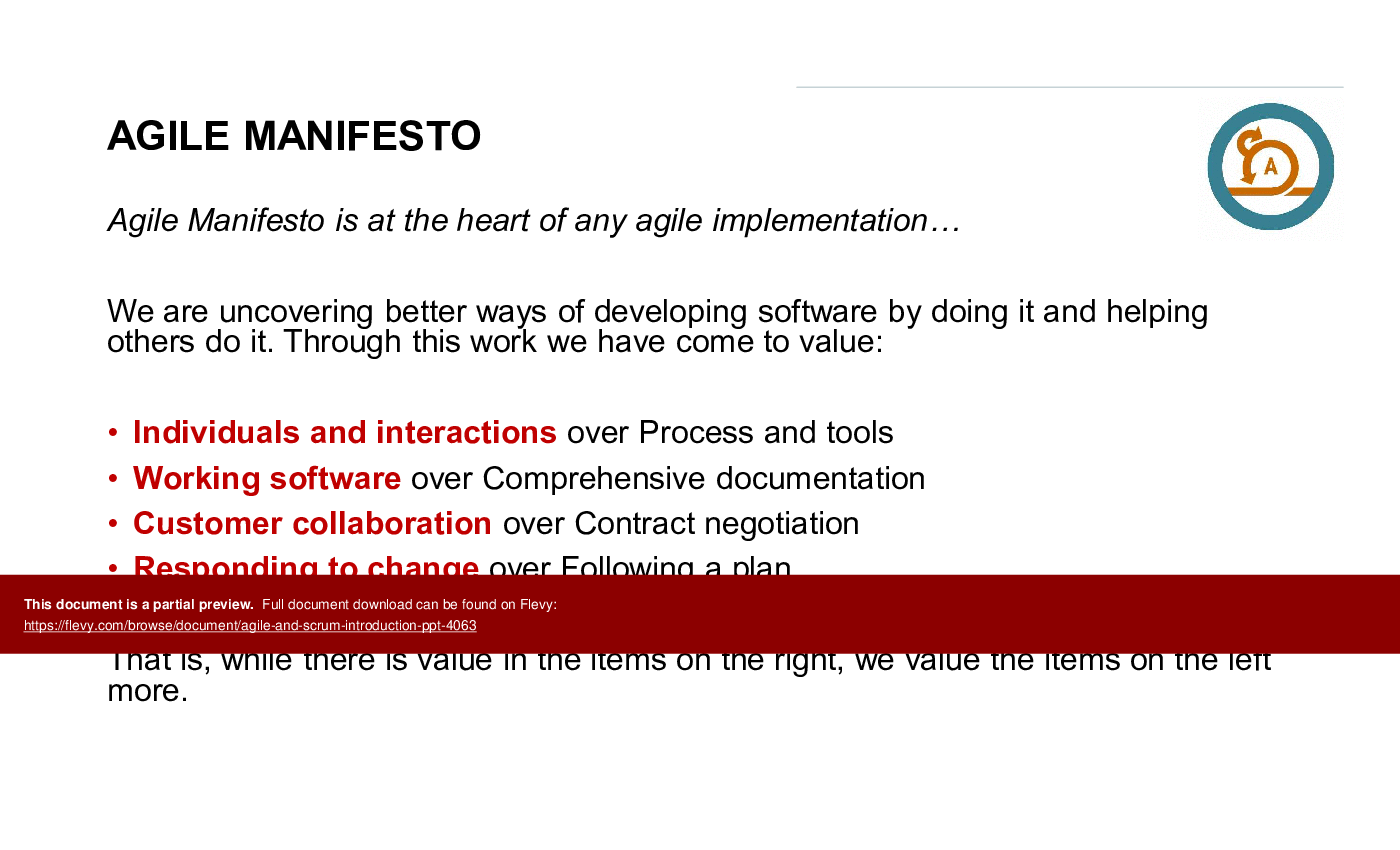
This presentation also covers the Agile Manifesto, which is the foundation of any Agile implementation. It emphasizes the value of individuals and interactions over processes and tools, working software over comprehensive documentation, customer collaboration over contract negotiation, and responding to change over following a plan. These principles are critical for fostering a collaborative and adaptive work environment that can respond to the evolving needs of the market.
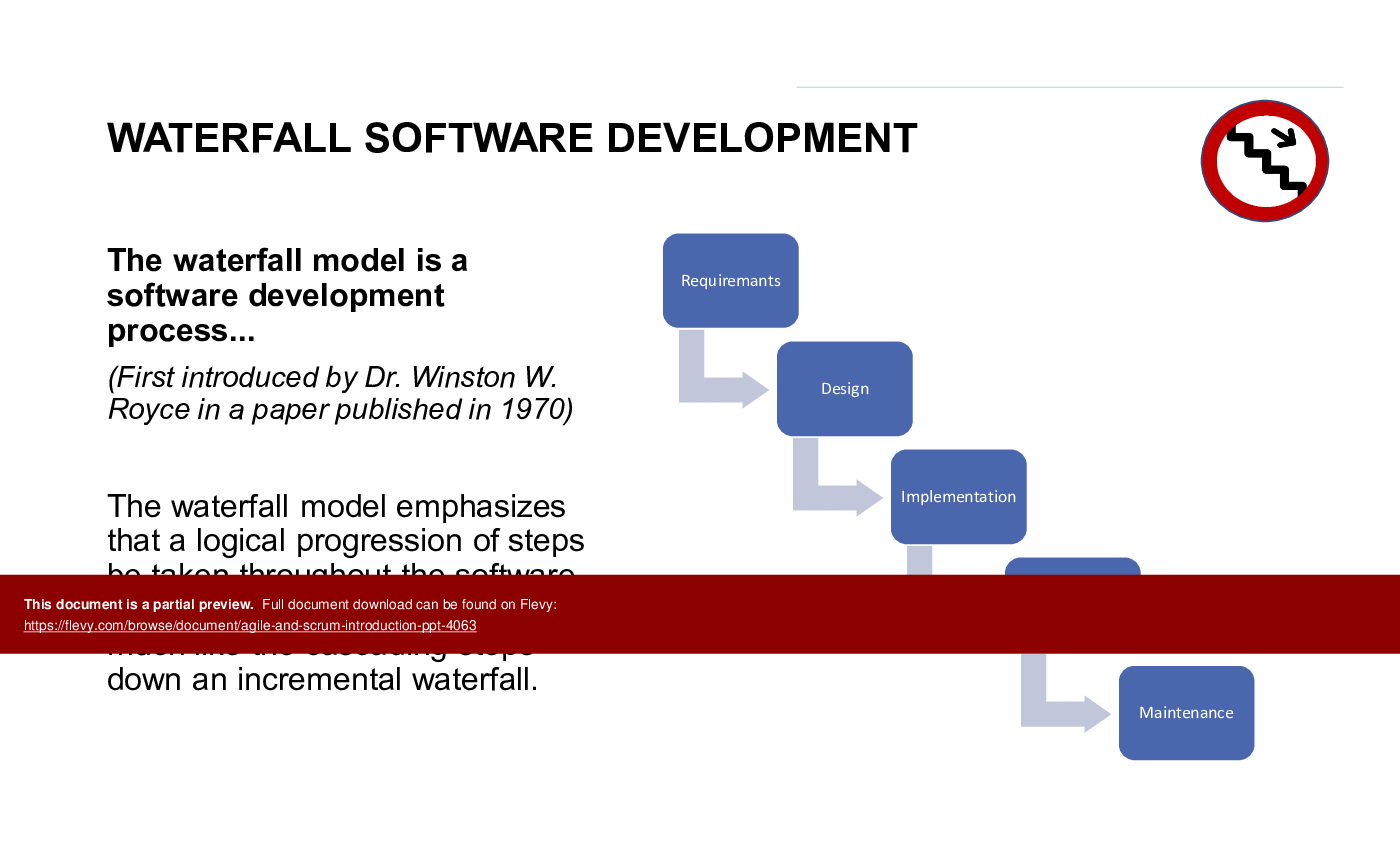
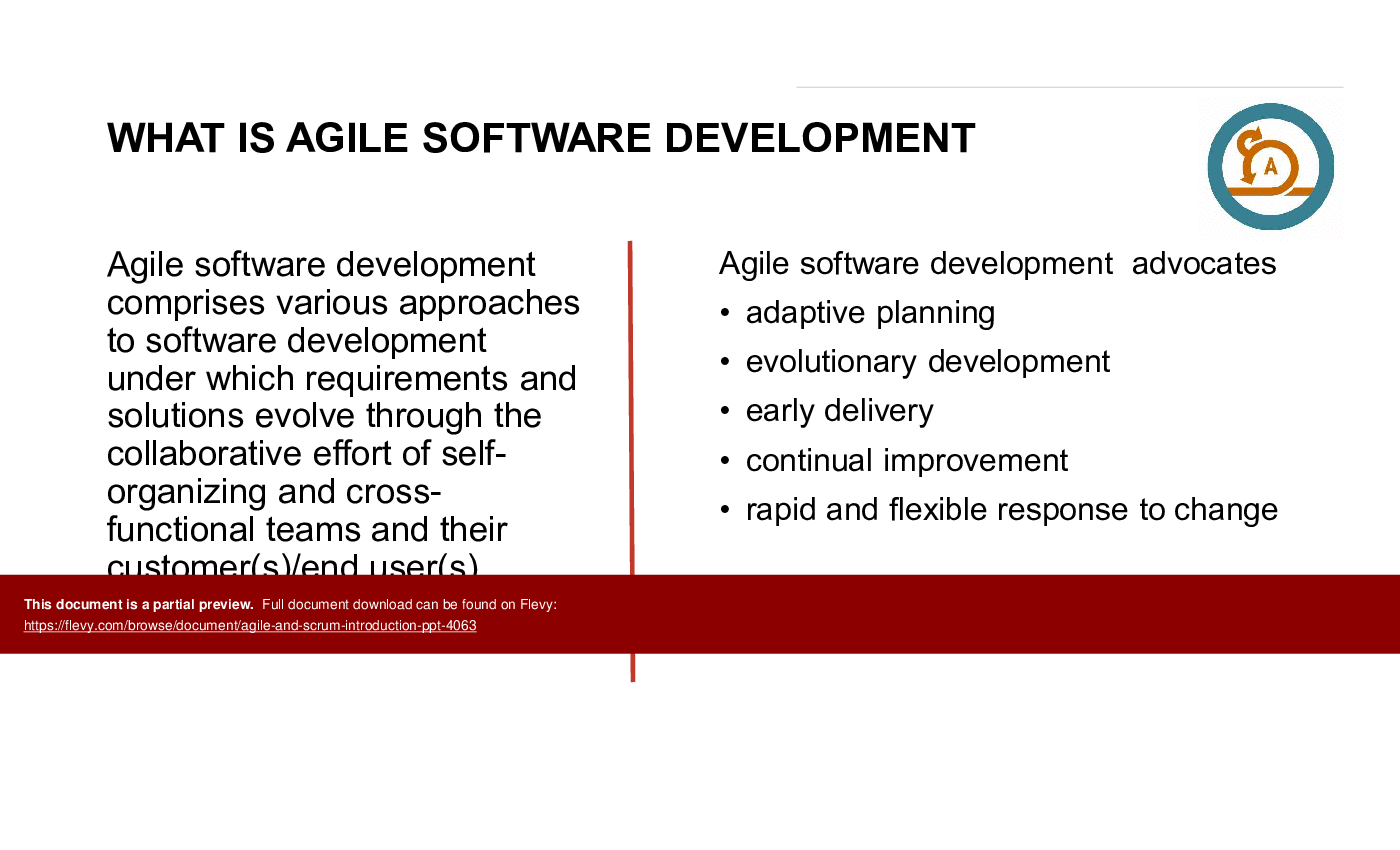
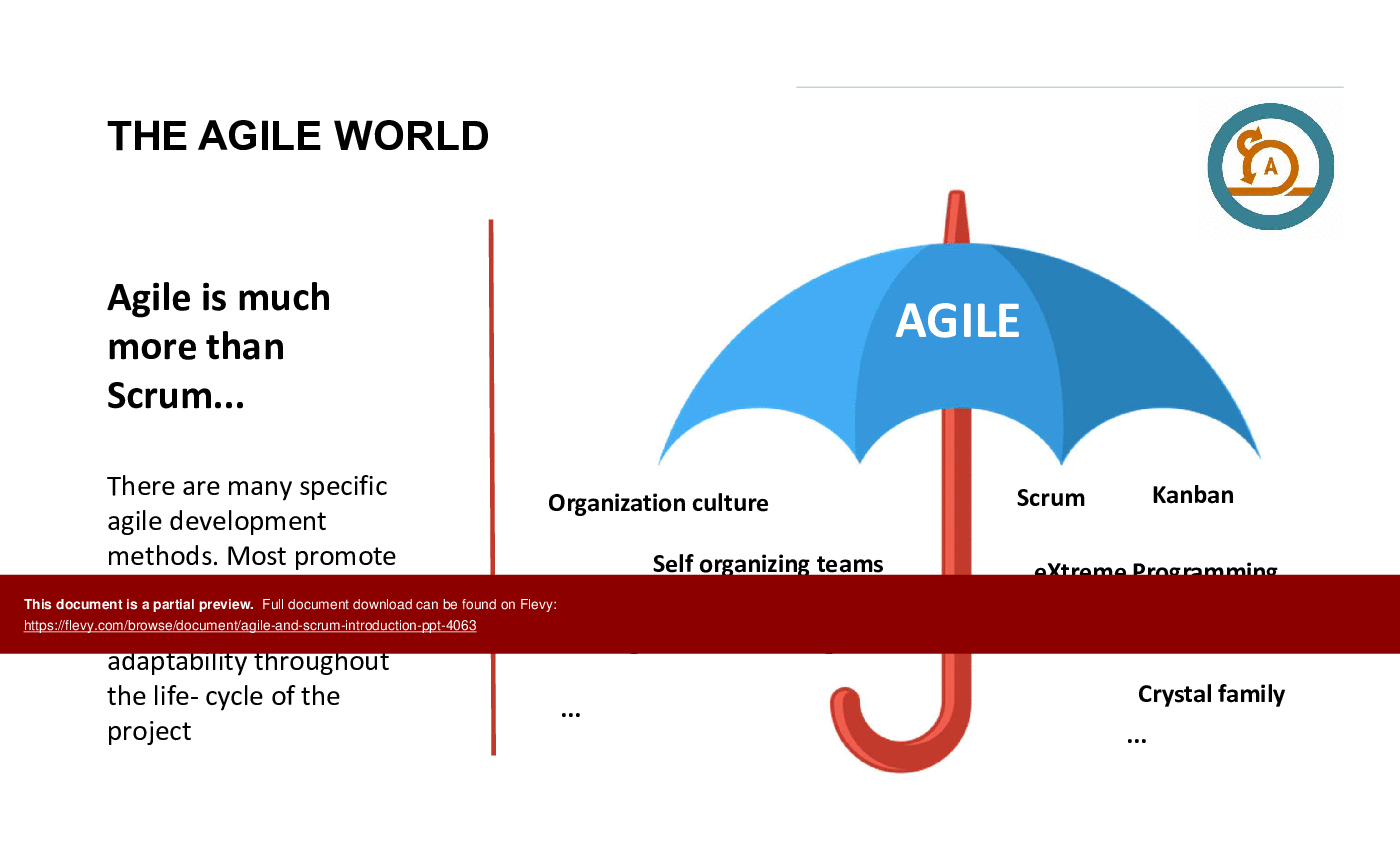
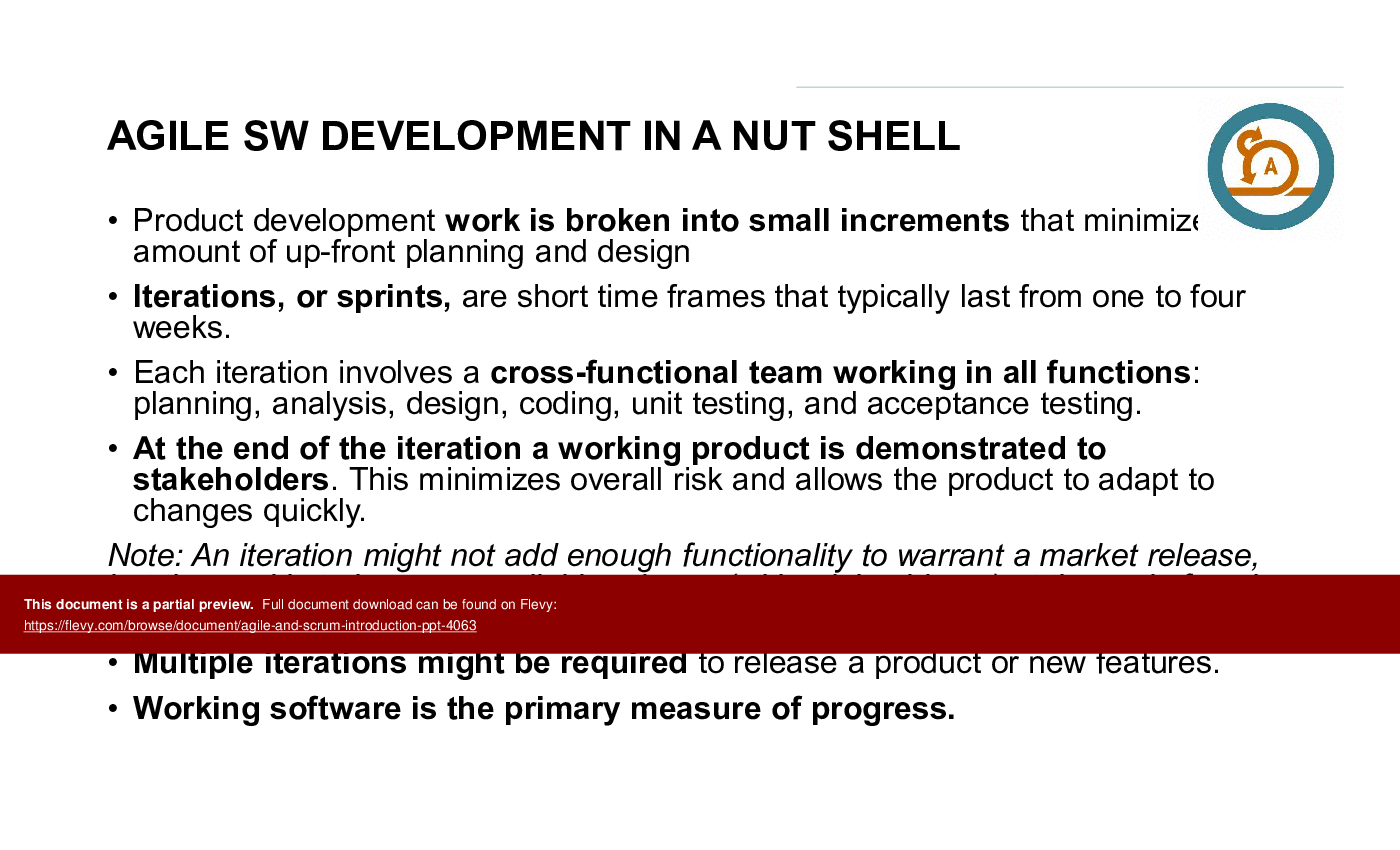
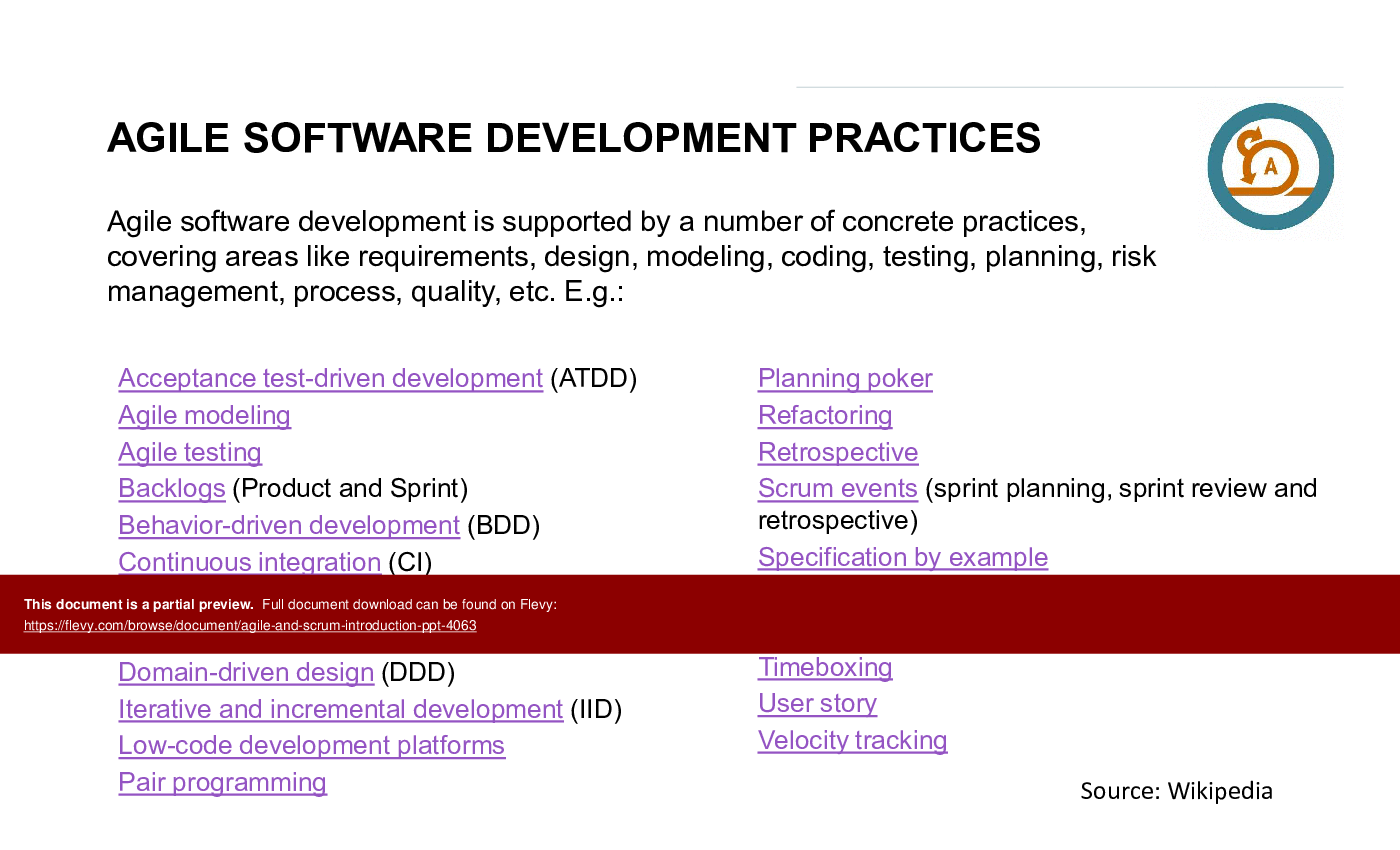
The PPT contrasts Agile with the traditional Waterfall model, highlighting the benefits of iterative development and continuous feedback. Agile promotes adaptive planning, evolutionary development, and early delivery, which are essential for maintaining a competitive edge. The presentation also delves into various Agile practices, such as test-driven development, continuous integration, and pair programming, providing a comprehensive overview of the methodologies that drive successful Agile projects.
Got a question about the product? Email us at support@flevy.com or ask the author directly by using the "Ask the Author a Question" form. If you cannot view the preview above this document description, go here to view the large preview instead.
TOPIC FAQ
What are the core components of the Scrum framework I should teach a team?
Scrum is composed of Roles, Events, Artifacts, and Rules that integrate them. Roles include Product Owner, Scrum Master, and Development Team; Events include Sprint Planning, Daily Scrum, Sprint Review, Sprint Retrospective, and Backlog Refinement; Artifacts include the Product Backlog, Sprint Backlog, and Increment, such as the Product Backlog.Which events form the Scrum Sprint cycle and what is their purpose?
The primary Scrum events that structure a Sprint are Sprint Planning, Daily Scrum/Standup, Sprint Review, and Sprint Retrospective, with Backlog Refinement as a recurring activity. These events create regularity, minimize ad-hoc meetings, and provide opportunities for inspection and adaptation, concluding with the Sprint Retrospective.What key values from the Agile Manifesto should I emphasize in training?
Emphasize valuing individuals and interactions over processes and tools; working software over comprehensive documentation; customer collaboration over contract negotiation; and responding to change over following a plan, ending with the principle of responding to change over following a plan.What engineering practices support Scrum teams in delivering iterative value?
Common Agile engineering practices that support Scrum include test-driven development (TDD), continuous integration (CI), and pair programming, each improving feedback and quality during sprints, with pair programming as a highlighted example.How much content should an Agile & Scrum introductory slide deck include for team onboarding?
An effective onboarding deck should cover the Agile Manifesto, Scrum Team roles, Scrum Events, Scrum Artifacts, a Waterfall comparison, and core Agile practices like TDD and CI; Flevy’s Agile & Scrum Introduction provides that coverage across 107 slides.What should I look for when choosing a Scrum training deck for practitioners?
Choose a deck aligned to the Scrum Guide that clearly explains Roles, Events, Artifacts, the Agile Manifesto, and practical engineering practices; Agile & Scrum Introduction is explicitly based on the Scrum Guide (November 2020) as a reference.I need to onboard Product Owners and Scrum Masters — which topics are essential for each role?
Product Owners need training on backlog creation and prioritization and stakeholder collaboration; Scrum Masters need facilitation of events and removing impediments; both should understand Sprint Events and Artifacts—topics covered under Scrum Team and Scrum Events in the deck.We’re shifting from Waterfall to Agile — which areas should we focus on first during training?
Prioritize the Agile Manifesto values, iterative delivery and continuous feedback, the Scrum Events cadence, and supporting engineering practices like TDD and CI to enable evolutionary development and early delivery, starting with Product Backlog practices.Source: Best Practices in Agile, Scrum PowerPoint Slides: Agile & Scrum Introduction PowerPoint (PPTX) Presentation Slide Deck, ITSM Consulting




























