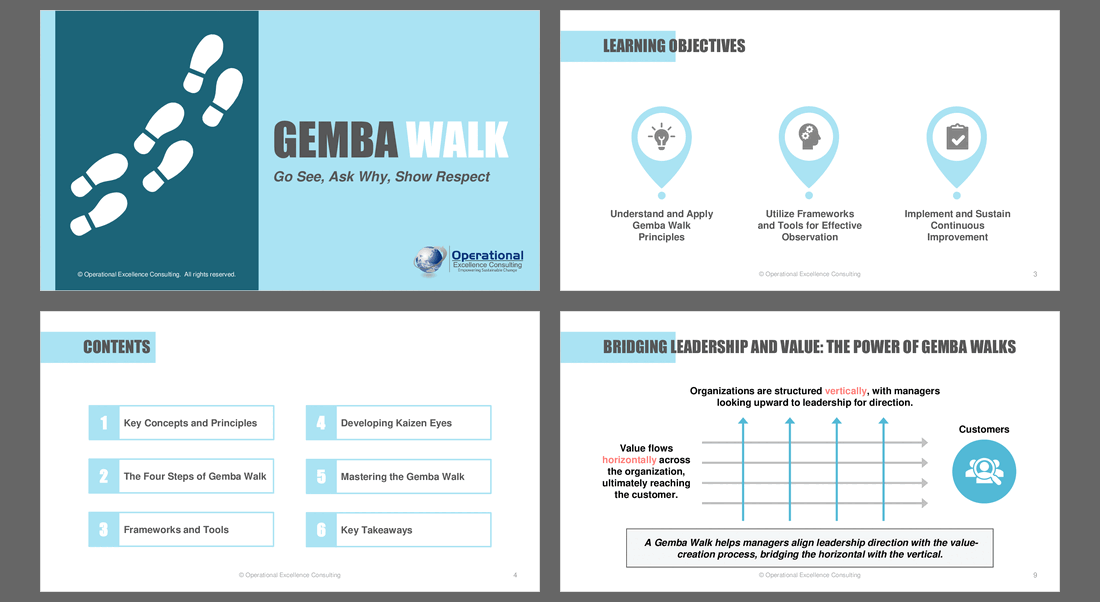

The Gemba Walk Slide Deck is a comprehensive and professionally designed resource that equips leaders and teams with the tools and knowledge to drive meaningful improvements through effective Gemba Walks. Built around proven Lean principles, this slide deck guides you step-by-step from understanding the core concepts of Gemba Walks to mastering their implementation.

Key Features:
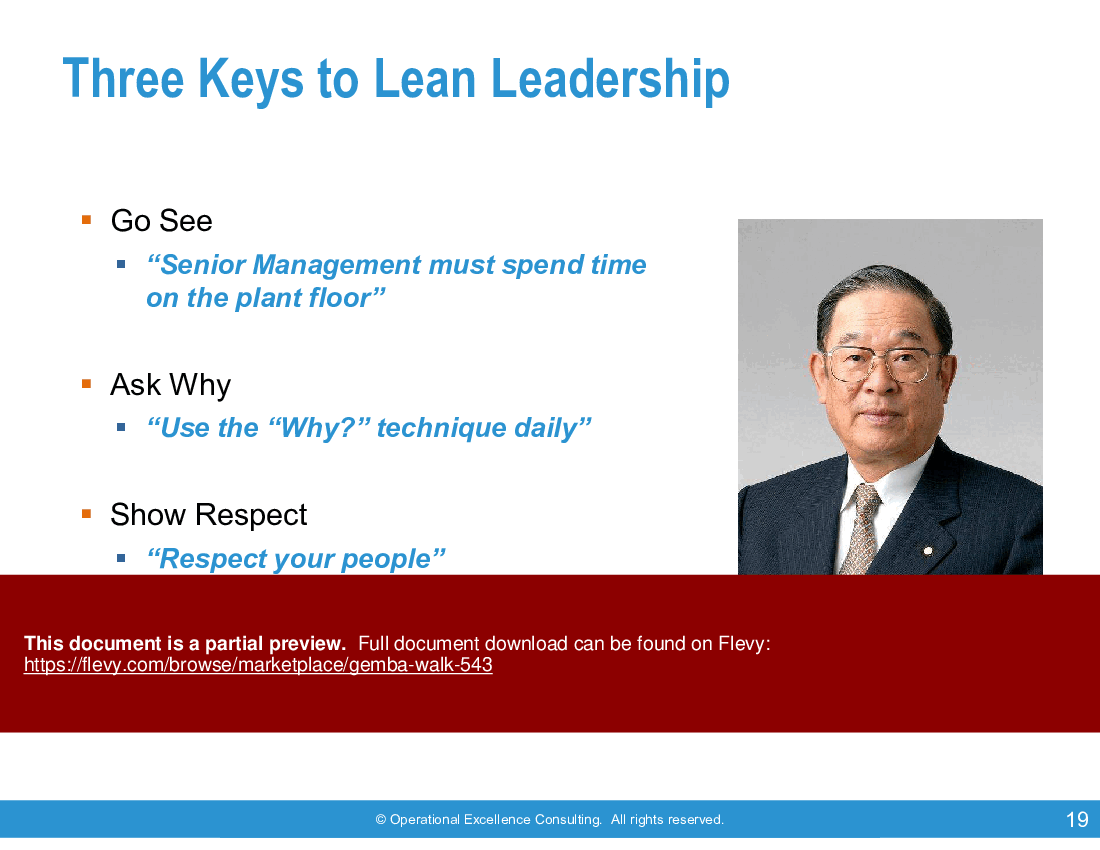
✅ Key Concepts & Principles: Gain a clear understanding of the foundational principles, including "Go See, Ask Why, Show Respect."
✅ Structured Approach: Learn the Four Steps of Gemba Walk to observe processes, identify inefficiencies, and implement improvements.
✅ Powerful Frameworks & Tools: Apply industry-standard frameworks like the 3 MUs, 4Ms, 3Ps, and the 5W1H to enhance your observations and insights.
✅ Kaizen Eyes Development: Cultivate the ability to see opportunities for improvement through focused observation and questioning.
✅ Mastering the Gemba Walk: Discover actionable strategies for leading impactful Gemba Walks, engaging employees, and driving continuous improvement.
This slide deck is ideal for professionals in Lean, operations, or management roles who want to foster a culture of excellence and innovation within their organizations. Whether you're introducing Gemba Walks to your team or refining your existing practices, this resource will help you achieve sustainable results.
||||||||||||||||||||||||||||||||||||||||||||||||||||||||||||||||||||||||||||||||||||||||||||||||||||||||||||||||||||||||||||||||||||||||||||||||||||||
This training package includes:
1. Gemba Walk PPT training presentation (PowerPoint format, in 16:9 widescreen)
2. Gemba Walk poster (PDF format, in color and monochrome, printable in A3 size)
||||||||||||||||||||||||||||||||||||||||||||||||||||||||||||||||||||||||||||||||||||||||||||||||||||||||||||||||||||||||||||||||||||||||||||||||||||||
LEARNING OBJECTIVES
1. Understand and Apply Gemba Walk Principles
• Grasp the core principles: Go See, Ask Why, Show Respect.
• Master the Four Steps of Gemba Walk to guide observations and drive improvements.
2. Utilize Frameworks and Tools for Effective Observation
• Apply frameworks like the 3 MUs, 4Ms, 5W & 1H, 3Ps, and House of Gemba to identify waste, inefficiencies, and opportunities for improvement.
• Develop Kaizen Eyes to sharpen your observation skills and enhance decision-making.
3. Implement and Sustain Continuous Improvement
• Learn how to engage employees, document insights, and follow up to ensure improvements are sustained.
• Master the art of leading impactful Gemba Walks that drive lasting change.
CONTENTS
1. Key Concepts and Principles
• Explore the foundational ideas that underpin the Gemba Walk, including its importance in Lean methodology and how it drives continuous improvement.
2. The Four Steps of Gemba Walk
• A step-by-step guide to conducting effective Gemba Walks, ensuring leaders can identify opportunities for optimization and engage teams meaningfully.
3. Frameworks and Tools
• Learn the essential frameworks, such as 5W1H and 4Ms, and tools used to guide observations and analyses during a Gemba Walk.
4. Developing Kaizen Eyes
• Build the ability to spot inefficiencies, risks, and improvement opportunities by honing your observational skills and fostering a mindset of continuous improvement.
5. Mastering the Gemba Walk
• Discover advanced strategies to refine your Gemba Walk approach, integrating insights and driving actionable change across processes.
6. Key Takeaways
• A consolidated summary of essential insights and actionable points to ensure lasting impact from your Gemba Walk efforts.
Got a question about the product? Email us at support@flevy.com or ask the author directly by using the "Ask the Author a Question" form. If you cannot view the preview above this document description, go here to view the large preview instead.
Executive Summary
The Gemba Walk presentation is a vital resource for organizations aiming to enhance operational efficiency through Lean management principles. Developed by Operational Excellence Consulting, this presentation equips leaders with the knowledge to engage directly with frontline processes, fostering a culture of continuous improvement. By implementing Gemba Walks, organizations can identify waste, enhance accountability, and align value creation with strategic objectives. This ready-to-use presentation empowers leaders to observe, analyze, and implement actionable improvements effectively.
Who This Is For and When to Use
• Lean practitioners and consultants focused on operational excellence
• Managers and team leaders seeking to improve process efficiency
• Quality assurance teams aiming to enhance product and service delivery
• Organizational development professionals implementing continuous improvement initiatives
Best-fit moments to use this deck:
• During training sessions for new managers on Lean practices
• As part of workshops aimed at fostering a culture of continuous improvement
• When planning Gemba Walks to identify operational inefficiencies
• In strategy meetings focused on aligning operational processes with business goals
Learning Objectives
• Understand and apply Gemba Walk principles effectively
• Implement and sustain continuous improvement initiatives
• Utilize frameworks and tools for effective observation and analysis
• Analyze current state processes to identify areas for improvement
• Engage frontline employees to gather insights and foster collaboration
• Develop actionable strategies based on Gemba Walk observations
Table of Contents
• Key Concepts and Principles (page 1)
• The Four Steps of Gemba Walk (page 2)
• Frameworks and Tools (page 3)
• Developing Kaizen Eyes (page 4)
• Mastering the Gemba Walk (page 5)
• Key Takeaways (page 6)
Primary Topics Covered
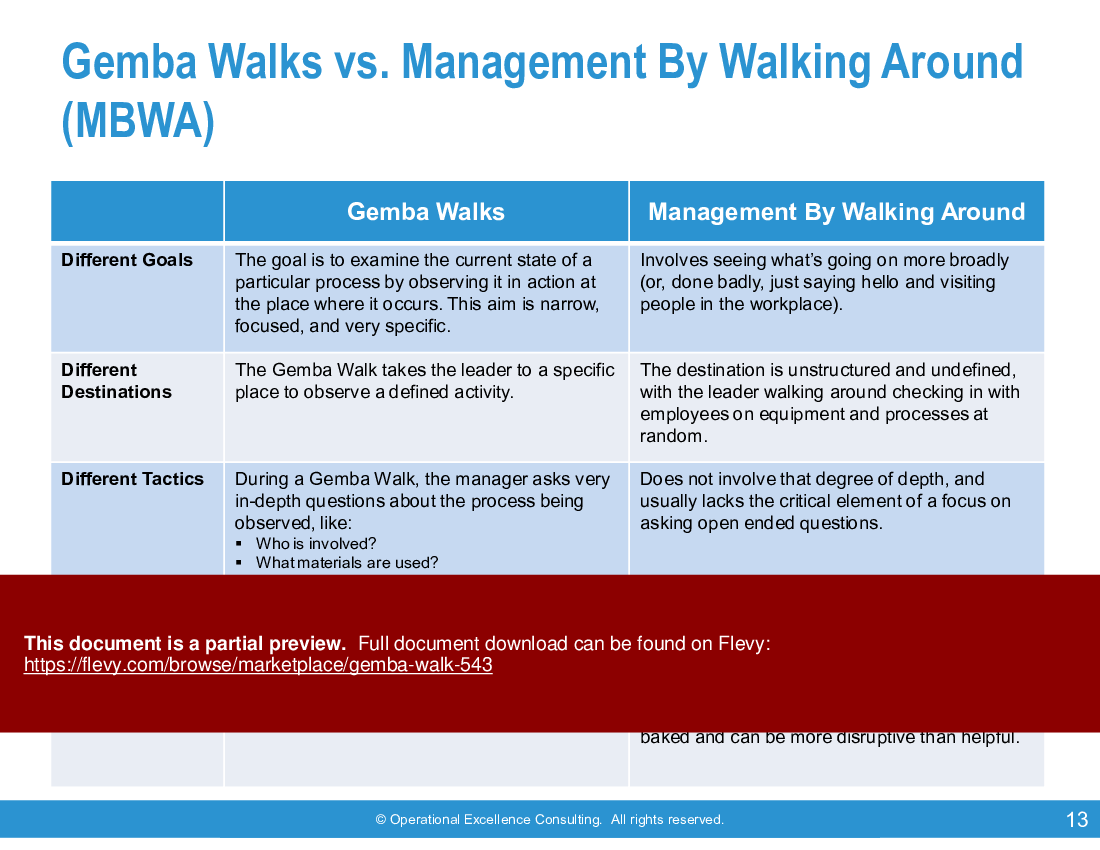
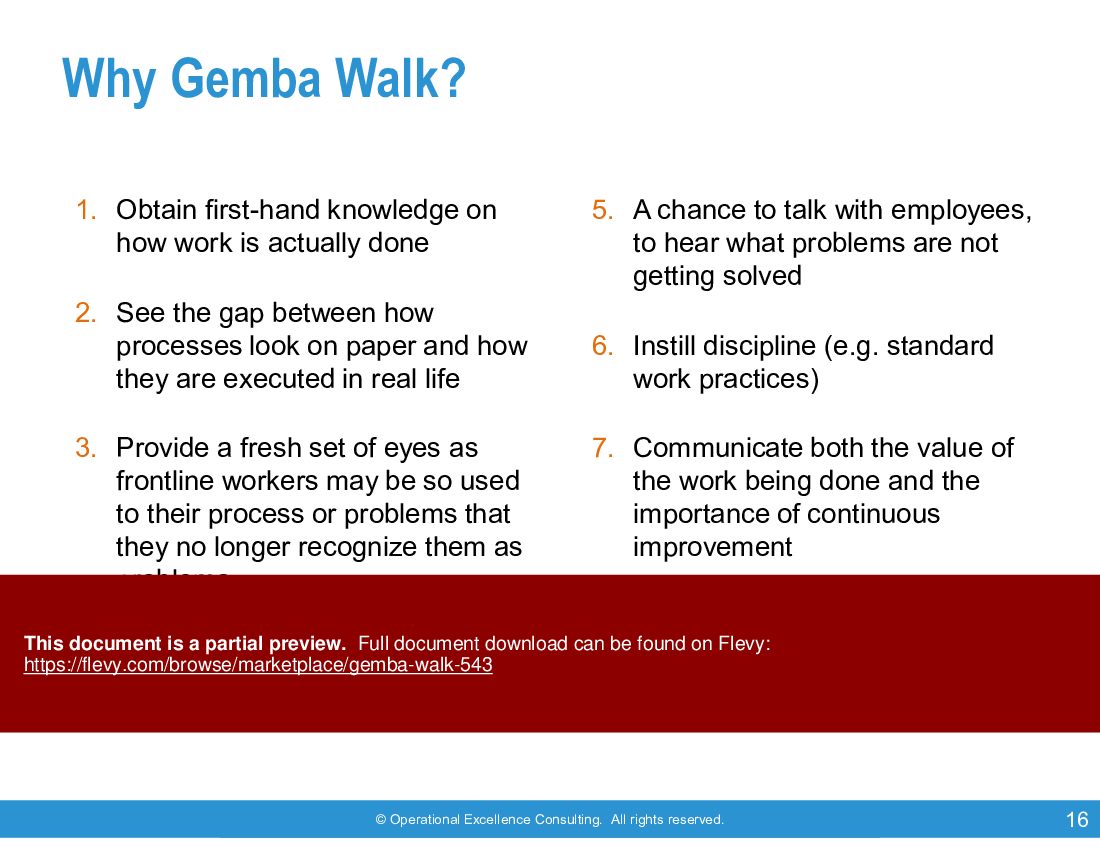
• Key Concepts and Principles - Gemba, meaning "the actual place," emphasizes the importance of leaders observing work processes firsthand to identify improvement opportunities.
• The Four Steps of Gemba Walk - The structured approach includes defining objectives, assessing the current state, analyzing insights, and implementing improvements.
• Frameworks and Tools - Various frameworks such as the 3 MUs (Muda, Mura, Muri) and 4Ms (Man, Method, Machine, Material) guide effective Gemba Walks.
• Developing Kaizen Eyes - Encourages leaders to sharpen their observation skills to identify inefficiencies and improvement opportunities.
• Mastering the Gemba Walk - Focuses on conducting effective walks, engaging employees, and documenting findings for continuous improvement.
Deliverables, Templates, and Tools
• Gemba Walk checklist for preparation, observation, and follow-up
• Framework templates for analyzing processes (3 MUs, 4Ms)
• Documentation templates for recording observations and insights
• Action plan templates for implementing improvements
• Training materials for engaging employees in Gemba Walks
Slide Highlights
• Overview of Gemba Walk principles and their significance in Lean management
• Visual representation of the Four Steps of Gemba Walk
• Frameworks for identifying waste and inefficiencies in processes
• Key questions to guide observations during Gemba Walks
• Checklist for effective Gemba Walk preparation and follow-up
Potential Workshop Agenda
Gemba Walk Training Session (90 minutes)
• Introduction to Gemba Walk principles and objectives
• Overview of the Four Steps of Gemba Walk
• Interactive session on frameworks and tools for effective observation
Practical Application of Gemba Walk (60 minutes)
• Conducting a mock Gemba Walk in teams
• Sharing insights and observations with the group
• Developing action plans based on findings
Customization Guidance
• Tailor the Gemba Walk checklist to align with specific organizational processes and goals
• Adjust frameworks and tools based on industry-specific requirements
• Incorporate company-specific terminology and metrics into the presentation
Secondary Topics Covered
• The role of leadership in fostering a culture of continuous improvement
• Techniques for effective employee engagement during Gemba Walks
• Strategies for aligning operational processes with organizational goals
• Best practices for documenting and following up on Gemba Walk observations
FAQ
What is a Gemba Walk?
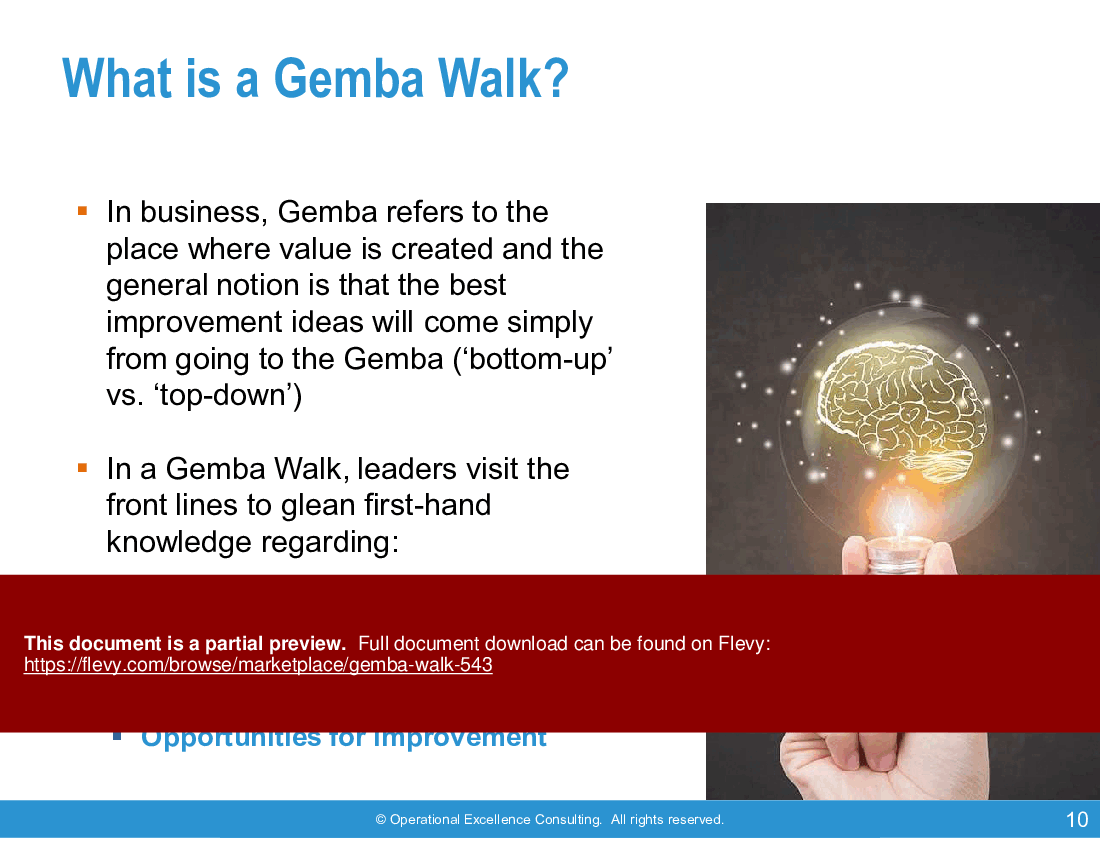
A Gemba Walk is a structured approach where leaders observe work processes firsthand to identify inefficiencies and improvement opportunities.
How can Gemba Walks enhance accountability?
Gemba Walks empower employees by involving them in the improvement process, fostering ownership and responsibility at all levels.
What frameworks are used in Gemba Walks?
Key frameworks include the 3 MUs (Muda, Mura, Muri) for identifying waste, and the 4Ms (Man, Method, Machine, Material) for analyzing processes.
How do I prepare for a Gemba Walk?
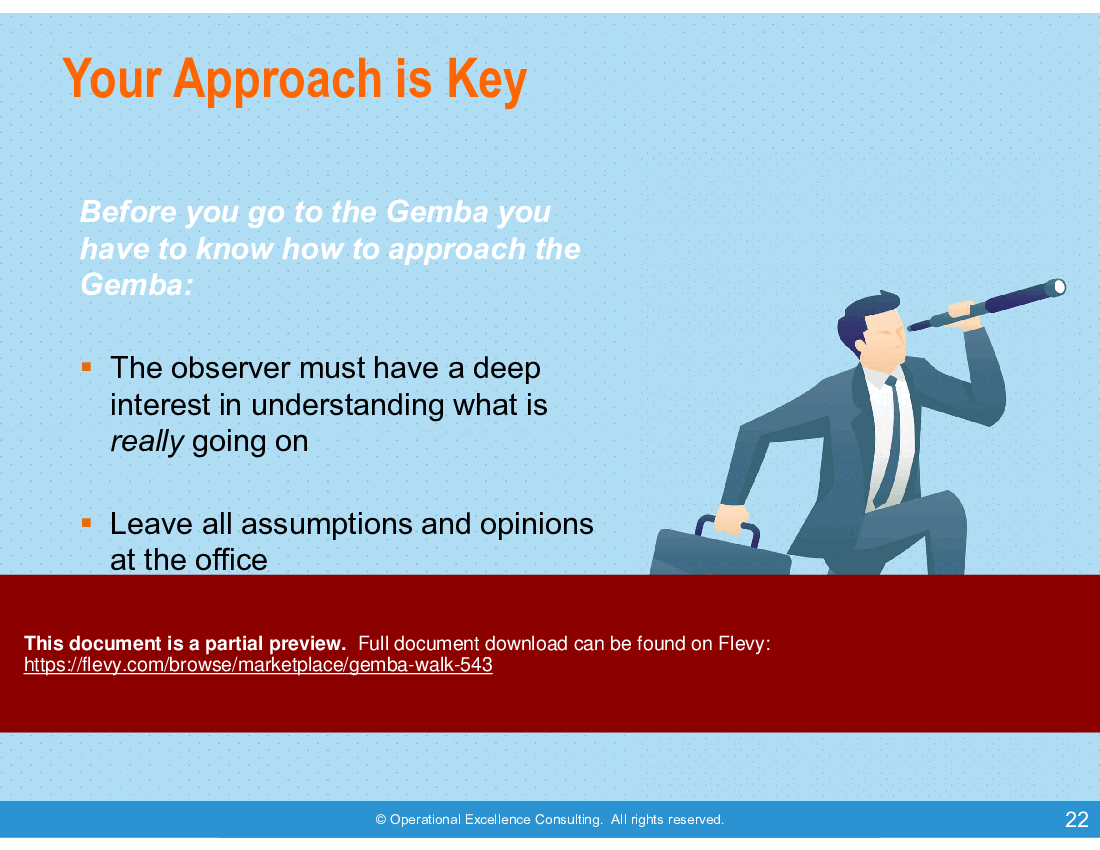
Define clear objectives, identify key areas to observe, and assemble tools for documentation prior to the walk.
What should I focus on during a Gemba Walk?
Focus on value-adding activities, process efficiency, and employee engagement to gather actionable insights.
How do I document findings from a Gemba Walk?
Record observations and insights in a concise memo, summarizing key issues and opportunities for improvement.
What are the key takeaways from a Gemba Walk?
Identify areas for improvement, drive Kaizen initiatives, and integrate insights into operational strategies.
How often should Gemba Walks be conducted?
Gemba Walks should be an ongoing practice, integrated into regular operational reviews and improvement cycles.
Glossary
• Gemba - The actual place where work is done.
• Muda - Waste or non-value-added activities.
• Mura - Unevenness or inconsistency in processes.
• Muri - Overburden or excessive strain on people or equipment.
• Kaizen - Continuous improvement philosophy.
• Lean Management - A systematic approach to minimizing waste without sacrificing productivity.
• Value Stream - The series of steps that an organization uses to deliver a product or service to customers.
• Standard Work - Documented procedures that define the most efficient way to perform a task.
• Continuous Improvement - Ongoing efforts to improve products, services, or processes.
• Observation - The act of watching processes to gather insights for improvement.
• Engagement - Involvement of employees in the improvement process.
• Action Plan - A detailed plan outlining actions needed to achieve a goal.
• Documentation - The process of recording observations and insights for future reference.
Source: Best Practices in Operational Excellence, Lean, Gemba Walk PowerPoint Slides: Gemba Walk PowerPoint (PPTX) Presentation Slide Deck, Operational Excellence Consulting
This document is available as part of the following discounted bundle(s):
Save %!
Lean Leadership Essentials
This bundle contains 3 total documents. See all the documents to the right.
|
Receive our FREE presentation on Operational Excellence
This 50-slide presentation provides a high-level introduction to the 4 Building Blocks of Operational Excellence. Achieving OpEx requires the implementation of a Business Execution System that integrates these 4 building blocks. |