
This presentation is created by former McKinsey, BCG, Deloitte, EY, and Capgemini consultants. It breaks down 4 critical business ecosystems foundational to a successful Digital Transformation Program.
Editor Summary
Digital Transformation: Integrated Business Ecosystems is an 81-slide PowerPoint presentation by LearnPPT Consulting, developed by former McKinsey, BCG, Deloitte, EY, and Capgemini consultants, that explains 4 critical business ecosystems—Customer Solutions, Operations, Technology, and People—and a 4-level Digital Maturity Model.
Read moreIncludes six-step approach to becoming a Digital Leader and 6 downloadable templates (Digital Maturity Assessment, Ecosystem Integration Roadmap, Customer Solutions Framework, Operations Planning, Technology Implementation Checklist, People Development Plan); available on Flevy with immediate digital download.
Use this deck when organizations need to assess or plan digital transformation across interdependent capability areas—typical triggers include strategic planning, post-merger integration, or building a governance model for digital initiatives.
Corporate executives prioritizing investments across Customer Solutions, Operations, Technology, and People ecosystems to set a transformation vision and budget.
Integration leaders mapping stakeholders, defining governance, and aligning cross-functional workstreams for ecosystem integration.
External consultants conducting digital maturity assessments and gap analyses using a four-level model.
Change leads designing people development plans and cultural interventions tied to capability uplift.
The six-step, ecosystem-based diagnostic-to-roadmap sequence mirrors hypothesis-driven diagnostic and roadmap development practices used at McKinsey, BCG, and Deloitte.
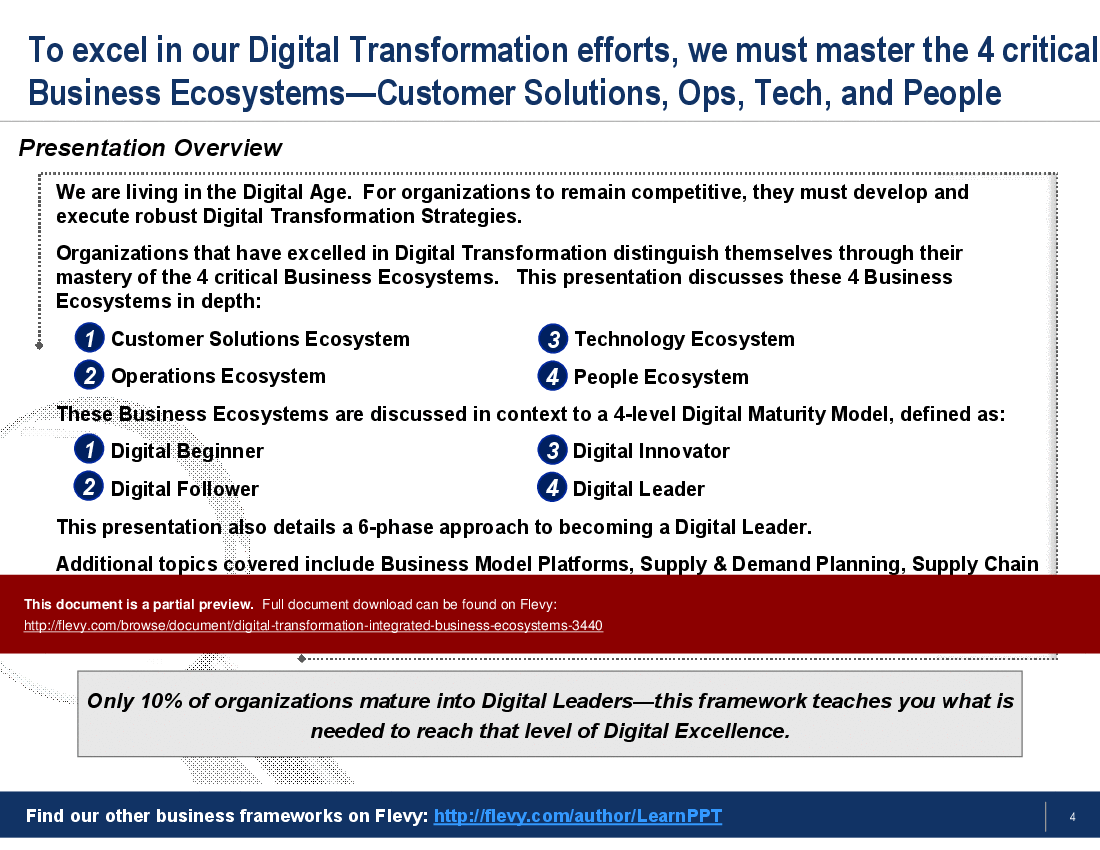
We are living in the Digital Age. For organizations to remain competitive, they must develop and execute robust Digital Transformation Strategies.
Organizations that have excelled in Digital Transformation distinguish themselves through their mastery of the 4 critical Business Ecosystems. This presentation discusses these 4 Business Ecosystems in depth:
These Business Ecosystems are discussed in context to a 4-level Digital Maturity Model, defined as:
1. Digital Beginner
2. Digital Follower
3. Digital Innovator
4. Digital Leader
Only 10% of organizations mature into Digital Leaders. This presentation teaches you what is needed to reach that level of Digital Excellence through a 6-phase approach that ties implementation to the 4 ecosystems.
Additional topics covered include Business Model Platforms, Supply & Demand Planning, Supply Chain Integration, Types of Artificial Intelligence, Analog vs. Digital Culture, among other topics.
This document also includes slide templates for you to use in your own business presentations.
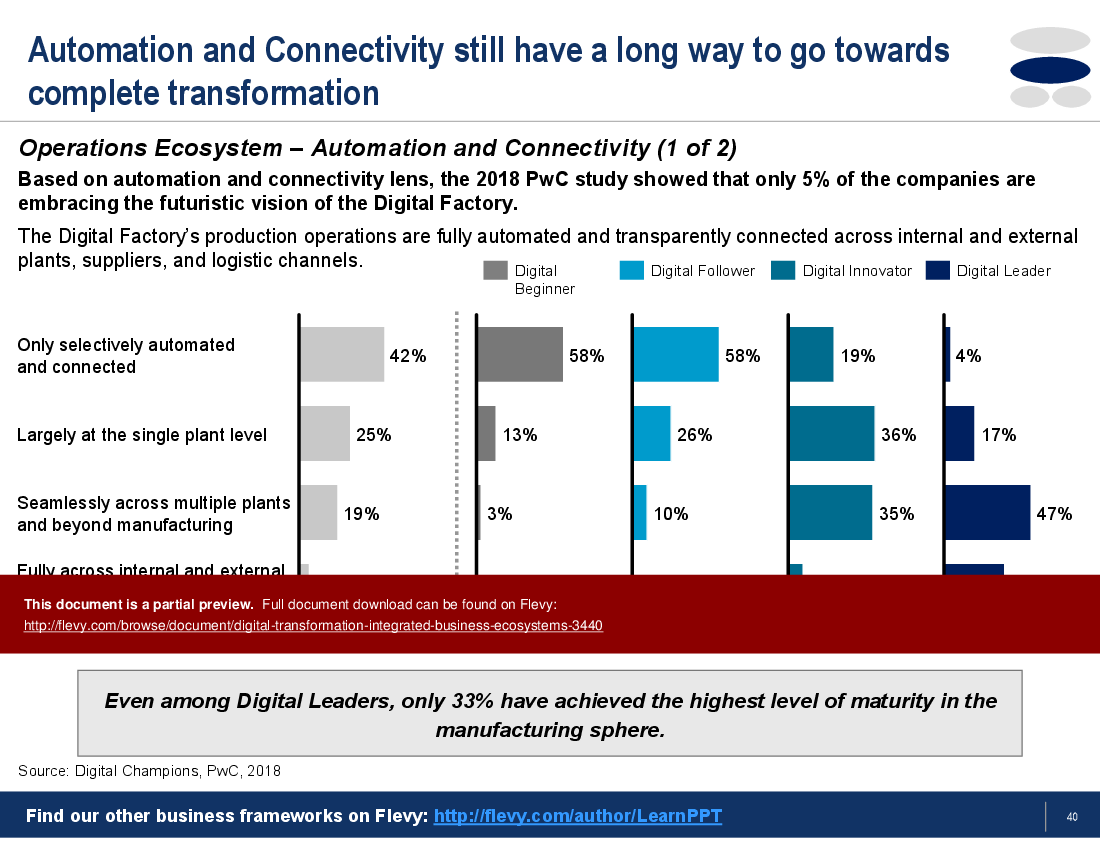
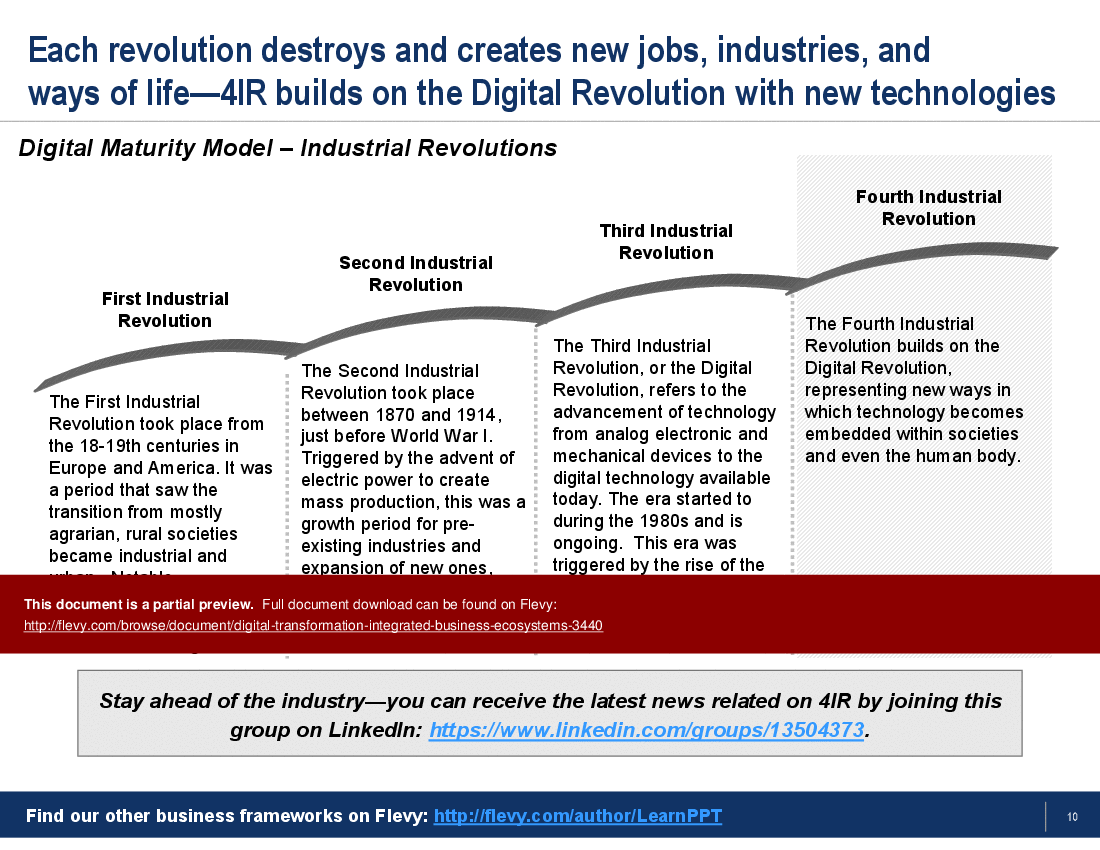
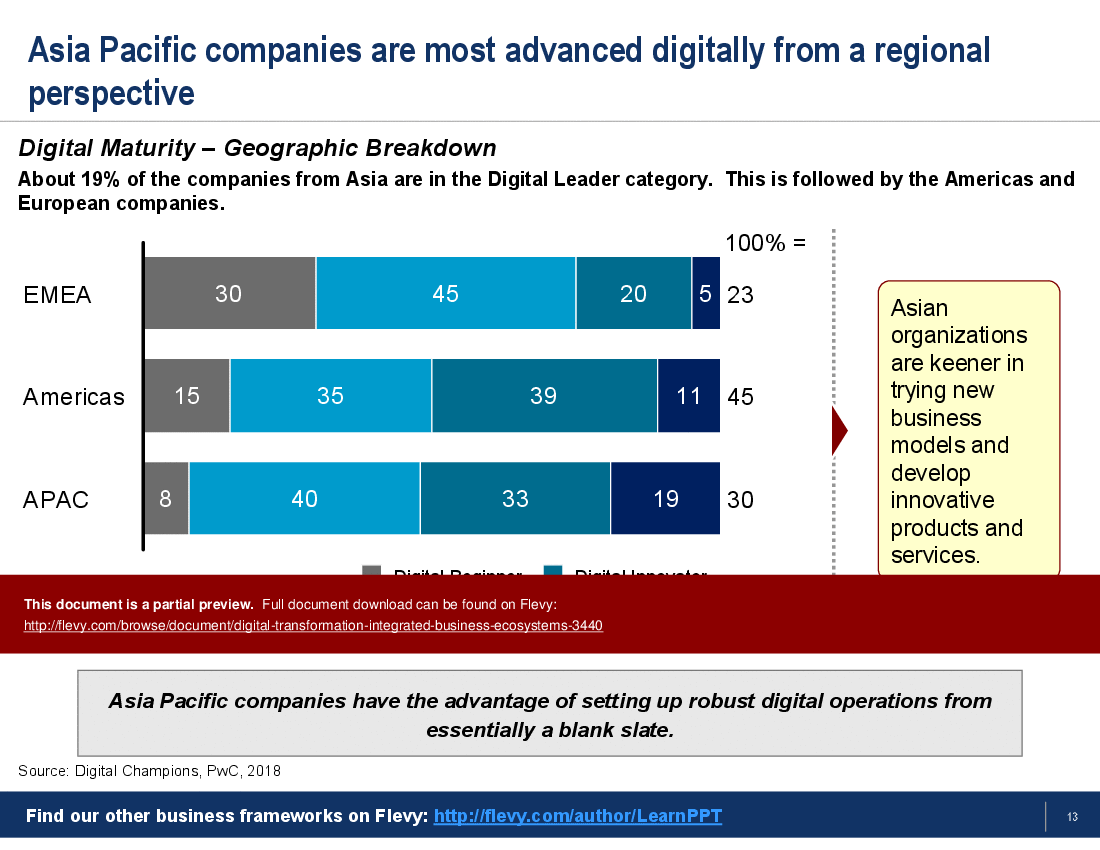
This presentation delves into the evolution of industrial revolutions, emphasizing the transition from the First Industrial Revolution to the Fourth Industrial Revolution (4IR). The 4IR represents a significant leap, embedding technology deeply within societies and even the human body. The PPT provides a geographic breakdown of digital maturity, highlighting that Asia Pacific companies lead in digital advancements, with 19% categorized as Digital Leaders. These organizations are more inclined to experiment with new business models and innovative products.
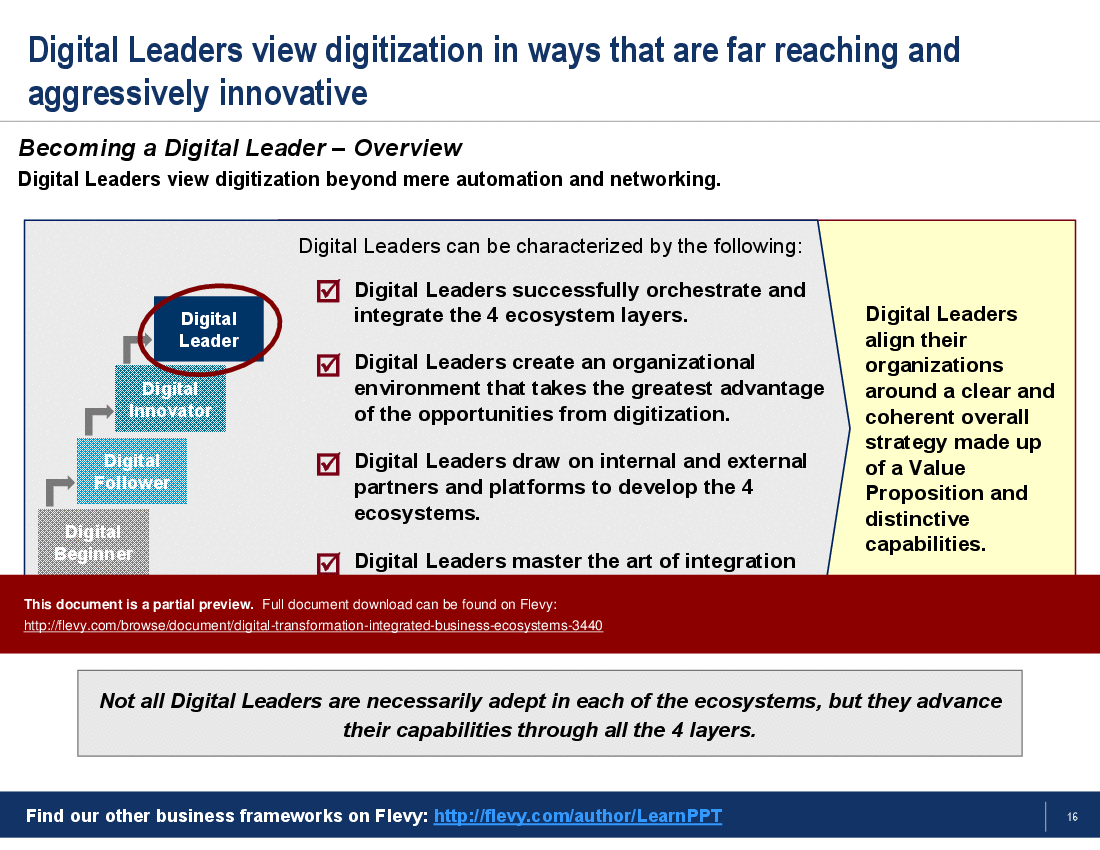
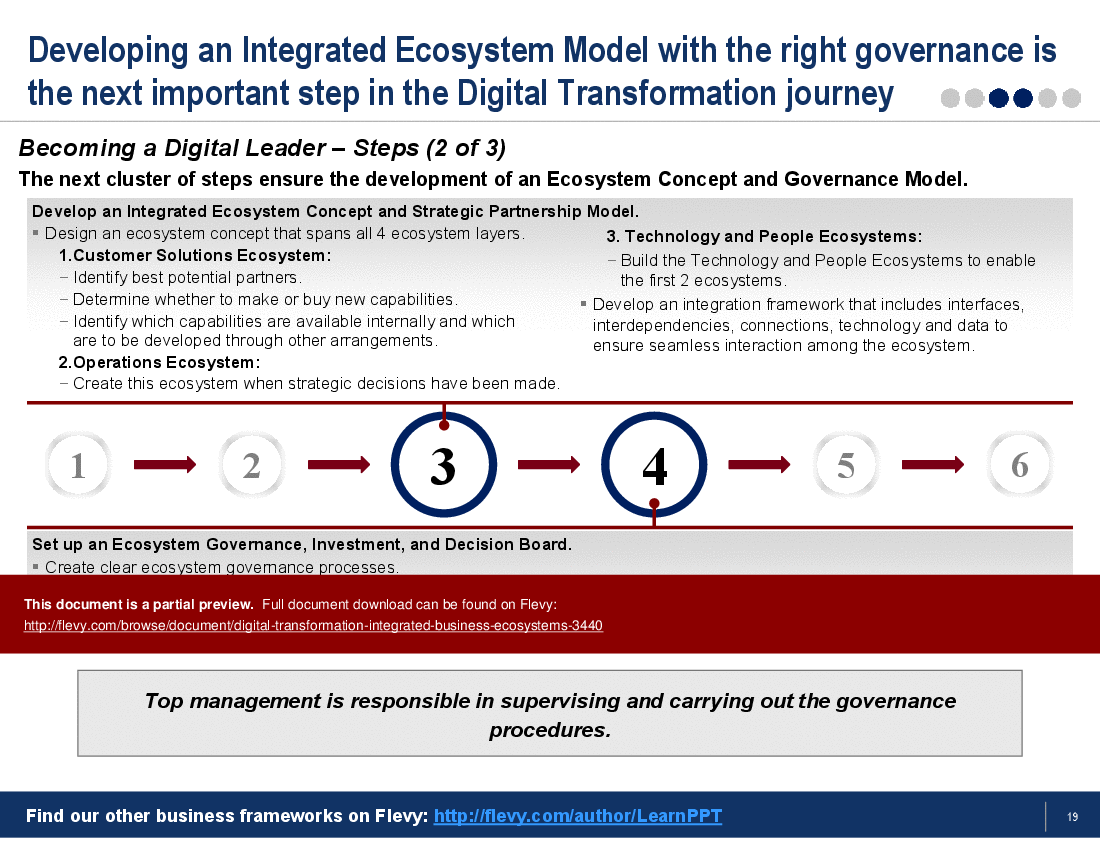
Digital Leaders are characterized by their ability to orchestrate and integrate the four ecosystem layers effectively. They create an environment that maximizes the opportunities from digitization, drawing on internal and external partners to develop these ecosystems. The presentation outlines a step-by-step approach to developing an Integrated Ecosystem Concept and Governance Model, ensuring strategic decisions are made with clear ecosystem governance processes. The Customer Solutions Ecosystem, for instance, integrates external entities to create additional value, emphasizing the importance of personalization, customization, and innovative designs.
Got a question about the product? Email us at support@flevy.com or ask the author directly by using the "Ask the Author a Question" form. If you cannot view the preview above this document description, go here to view the large preview instead.
MARCUS OVERVIEW
This synopsis was written by Marcus [?] based on the analysis of the full 81-slide presentation.
Executive Summary
This presentation, titled "Digital Transformation: Integrated Business Ecosystems," is crafted by former consultants from top firms like McKinsey, BCG, and Deloitte, ensuring a McKinsey, Bain, or BCG-quality standard (consulting-grade; not affiliated). It provides a comprehensive framework for understanding and implementing 4 critical business ecosystems essential for a successful digital transformation program. Buyers will gain insights into the Customer Solutions, Operations, Technology, and People ecosystems, enabling them to develop robust digital strategies and enhance organizational capabilities.
Who This Is For and When to Use
• Corporate executives overseeing digital transformation initiatives
• Integration leaders managing cross-functional teams
• Consultants advising organizations on digital maturity
• Change management professionals facilitating organizational shifts
Best-fit moments to use this deck:
• During strategic planning sessions focused on digital transformation
• When assessing current digital maturity and identifying gaps
• In workshops aimed at aligning teams around integrated business ecosystems
Learning Objectives
• Define the 4 critical business ecosystems and their interdependencies
• Build a roadmap for achieving digital maturity across ecosystems
• Establish governance structures to support integrated digital strategies
• Identify key technologies driving the Fourth Industrial Revolution
• Develop a culture that fosters innovation and agility
• Create actionable plans for enhancing customer solutions and operational efficiency
Table of Contents
• Overview (page 3)
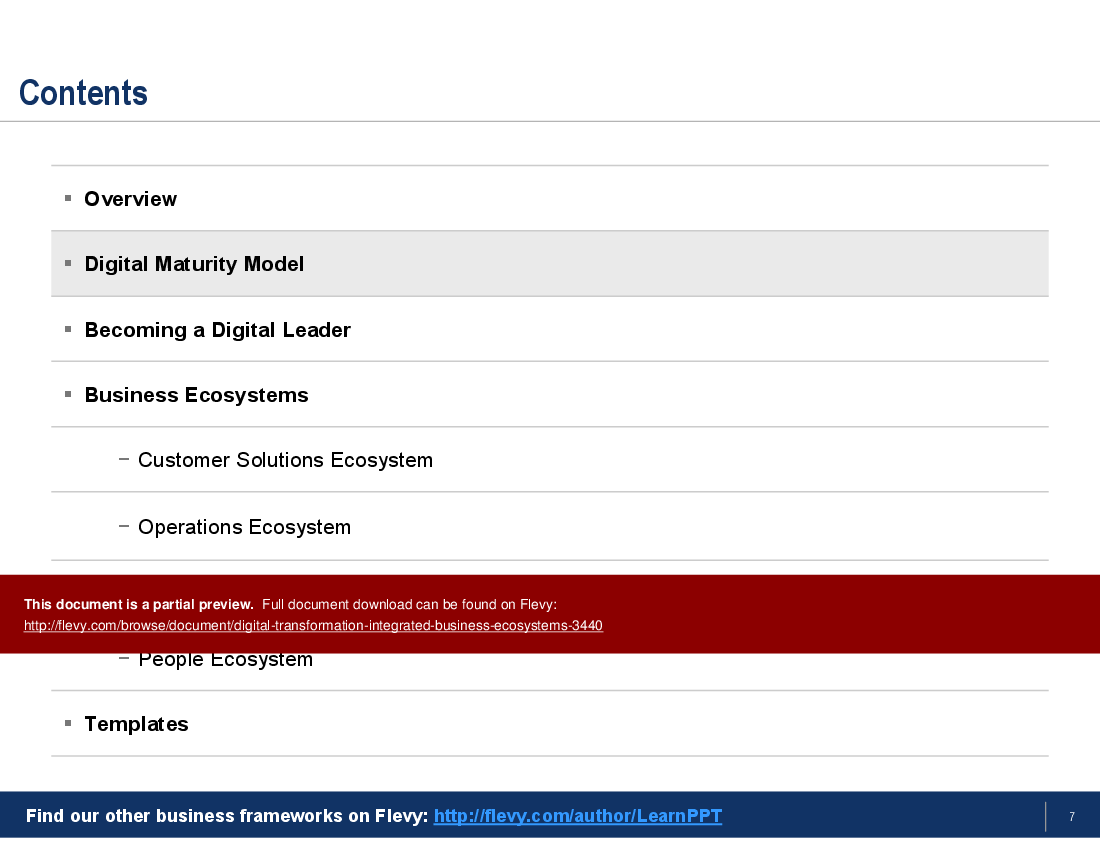
• Digital Maturity Model (page 7)
• Becoming a Digital Leader (page 15)
• Business Ecosystems (page 21)
• Customer Solutions Ecosystem (page 21)
• Operations Ecosystem (page 31)
• Technology Ecosystem (page 42)
• People Ecosystem (page 54)
• Templates (page 64)
Primary Topics Covered
• Digital Maturity Model - A framework categorizing organizations into 4 levels of digital maturity: Digital Beginner, Digital Follower, Digital Innovator, and Digital Leader.
• Becoming a Digital Leader - A six-step approach to developing capabilities and integrating ecosystems for successful digital transformation.

• Customer Solutions Ecosystem - Focuses on delivering personalized solutions and enhancing customer interactions through integrated platforms.
• Operations Ecosystem - Encompasses the physical activities and flows that support customer solutions, including logistics and procurement.
• Technology Ecosystem - Drives improvements through advanced technologies like AI, IoT, and automation, supporting all other ecosystems.
• People Ecosystem - Centers on organizational competence, culture, and the skills necessary for digital transformation.
Deliverables, Templates, and Tools
• Digital Maturity Assessment Template
• Ecosystem Integration Roadmap
• Customer Solutions Framework Template
• Operations Ecosystem Planning Template
• Technology Ecosystem Implementation Checklist
• People Ecosystem Development Plan
Slide Highlights
• Overview of the Digital Maturity Model with visual representations of each maturity level.
• Framework for becoming a Digital Leader, outlining the 6 critical steps.
• Detailed breakdown of the Customer Solutions Ecosystem, emphasizing integration and personalization.
• Visuals illustrating the interconnectedness of the Operations, Technology, and People ecosystems.
• Key statistics on the impact of digital transformation on organizational performance.
Potential Workshop Agenda
Digital Transformation Strategy Session (90 minutes)
• Discuss current digital maturity and identify gaps
• Define the vision for integrated business ecosystems
• Develop a preliminary action plan for implementation
Ecosystem Integration Workshop (120 minutes)
• Explore the interdependencies between ecosystems
• Identify key stakeholders and governance structures
• Create a roadmap for ecosystem integration and alignment
Customization Guidance
• Tailor the digital maturity assessment to reflect specific organizational contexts.
• Adjust the ecosystem frameworks to align with industry-specific challenges and opportunities.
• Incorporate organizational terminology and metrics into the templates provided.
Secondary Topics Covered
• Supply and demand planning in the context of digital ecosystems
• The role of artificial intelligence in enhancing operational efficiency
• Strategies for fostering a digital culture within organizations
• Case studies of successful digital transformation initiatives
Topic FAQ
What are the core business ecosystems I should consider when planning digital transformation?
Effective digital transformation planning typically considers 4 interdependent ecosystems: Customer Solutions (personalization and integrated platforms), Operations (logistics, procurement, flows), Technology (AI, IoT, automation infrastructure), and People (culture, skills, organizational competence). These 4 ecosystems are the framework presented in the product, Customer Solutions, Operations, Technology, and People.
What are the levels in a practical digital maturity model?
A commonly used digital maturity model categorizes organizations into 4 levels: Digital Beginner, Digital Follower, Digital Innovator, and Digital Leader. The presentation uses this four-level model to assess current state and prioritize capability development toward Digital Leader status, with explicit definitions for each of the 4 levels.
Which technologies are most often highlighted as drivers of the Fourth Industrial Revolution?
Planning for the Fourth Industrial Revolution typically emphasizes technologies such as artificial intelligence, Internet of Things (IoT), 3D printing, and robotic process automation as enablers of improved efficiency and new business models. These specific technologies are identified in the presentation as key 4IR drivers, including AI, IoT, 3D printing, and RPA.
How should governance be organized to allow ecosystems to integrate effectively?
Successful ecosystem integration requires clear governance structures, defined stakeholder roles, and decision-making processes that span Customer, Operations, Technology, and People ecosystems. The presentation outlines the need for an Integrated Ecosystem Concept and Governance Model to ensure strategic choices and cross-ecosystem alignment, called the Integrated Ecosystem Concept and Governance Model.
What should I look for when choosing a digital transformation deck for strategy workshops?
Look for a deck that includes a maturity assessment framework, ecosystem breakdowns, a stepwise approach to capability development, practical templates, and sample workshop agendas. The Flevy product Digital Transformation: Integrated Business Ecosystems includes templates and agendas, notably a 90-minute strategy session and a 120-minute ecosystem integration workshop agenda.
How can slide templates in a digital transformation toolkit reduce preparation time?
Ready-made templates provide formatted diagnostics, roadmaps, and checklists that reduce time to prepare assessments and presentations. The presentation includes specific templates such as a Digital Maturity Assessment Template and an Ecosystem Integration Roadmap, which can be adapted to organizational terminology and metrics, including the Digital Maturity Assessment Template.
After a merger, how can I map responsibilities to support integrated digital initiatives?
Map responsibilities by identifying which ecosystem each activity sits in (Customer Solutions, Operations, Technology, People), define cross-ecosystem handoffs, and establish governance and stakeholder ownership. The presentation provides an Ecosystem Integration Roadmap and guidance for defining governance to support these mappings, specifically the Ecosystem Integration Roadmap.
How long do typical initial diagnostic and roadmap workshops take when assessing digital maturity?
The sample agendas provided suggest a Digital Transformation Strategy Session of approximately 90 minutes for initial maturity discussion and gap identification, and a more detailed Ecosystem Integration Workshop of approximately 120 minutes for stakeholder alignment and preliminary roadmapping, i.e., 90 minutes and 120 minutes.
Document FAQ
These are questions addressed within this presentation.
What are the 4 critical business ecosystems?
The 4 ecosystems are Customer Solutions, Operations, Technology, and People, each playing a vital role in digital transformation.
How can organizations assess their digital maturity?
Organizations can use the Digital Maturity Model outlined in the presentation to evaluate their current state and identify areas for improvement.
What is the significance of the Customer Solutions Ecosystem?
This ecosystem focuses on delivering personalized solutions and enhancing customer interactions, which are crucial for competitive advantage.
How do organizations become Digital Leaders?
By following the six-step approach outlined in the presentation, organizations can develop capabilities and integrate ecosystems effectively.
What technologies are driving the Fourth Industrial Revolution?
Key technologies include artificial intelligence, IoT, 3D printing, and robotic process automation, all of which are essential for digital transformation.
How can the People Ecosystem support digital transformation?
The People Ecosystem fosters a culture of innovation, continuous learning, and adaptability, which are critical for successful digital initiatives.
What are the expected benefits of a mature Operations Ecosystem?
A mature Operations Ecosystem provides transparency, real-time data sharing, and enhanced collaboration, leading to improved efficiency and responsiveness.
How can organizations ensure successful integration of ecosystems?
Establishing clear governance structures and fostering collaboration among stakeholders are essential for effective ecosystem integration.
Glossary
• Digital Maturity - The level of sophistication an organization has achieved in its digital transformation efforts.
• Ecosystem - A network of interconnected entities that collaborate to deliver value.
• Customer Solutions Ecosystem - The framework for delivering integrated customer solutions through various channels.
• Operations Ecosystem - The physical activities and flows that support customer solutions.
• Technology Ecosystem - The technological infrastructure that enables digital transformation.
• People Ecosystem - The organizational culture and competencies that support digital initiatives.
• Fourth Industrial Revolution (4IR) - The current era characterized by the fusion of digital, physical, and biological technologies.
• Agility - The ability of an organization to respond quickly to changes in the market or environment.
• Data Analytics - The process of analyzing data to gain insights and inform decision-making.
• Digital Transformation - The integration of digital technology into all areas of a business, fundamentally changing how it operates and delivers value.
• Governance - The framework of rules, practices, and processes by which an organization is directed and controlled.
• Innovation - The process of translating an idea or invention into a good or service that creates value.
• Integration - The process of combining different systems or processes to work together effectively.
• Personalization - Tailoring products or services to meet individual customer preferences.
• Supply Chain - The network between a company and its suppliers to produce and distribute a specific product.
• Value Chain - The full range of activities that businesses engage in to bring a product or service from conception to delivery.
• Workstream - A defined sequence of tasks or activities that are part of a larger project or process.
• Digital Culture - The mindset and behaviors that support digital transformation within an organization.
• Collaboration - Working together to achieve a common goal, often across different teams or organizations.
• Customer Insights - Understanding customer needs and preferences through data analysis and feedback.
• Competitive Advantage - The attributes that allow an organization to outperform its competitors.
This PPT slide outlines a six-step approach for organizations to achieve digital leadership in the Fourth Industrial Revolution (4IR). The first step is designing a comprehensive digital transformation strategy, which sets the direction for subsequent actions. Next, organizations must define the specific capabilities required to support their transformation efforts, aligning resources with strategic vision. The third step involves creating pilot projects to test concepts before broader implementation. Mastery in data analytics is the fourth step, as data-driven decision-making is vital for successful digital initiatives. The fifth step focuses on transforming into a digital enterprise by integrating digital technologies into all business aspects. Finally, organizations should plan an ecosystem approach, developing partnerships that enhance digital capabilities and market position. Moving with deliberate speed is essential to maintain first-mover advantages in a rapidly evolving digital landscape.
This PPT slide categorizes the technology ecosystem of artificial intelligence (AI) into 2 main groups based on human involvement: "Human in the loop" and "No human in the loop." "Human in the loop" includes "Assisted intelligence," which supports decision-making without learning from interactions, and "Augmented intelligence," which enhances human capabilities by learning from user interactions. "No human in the loop" encompasses "Automation," which streamlines routine tasks without innovating processes, and "Autonomous intelligence," which adapts to new situations independently. Even basic automated intelligence can empower organizations to leverage data effectively, improving decision-making and operational efficiency. This framework aids organizations in assessing their AI strategy and implementation.
This PPT slide analyzes the role of culture and organizational structure in digital transformation, categorizing organizations as Digital Beginners, Digital Followers, Digital Innovators, and Digital Leaders. Key insights show that 59% of Digital Leaders invest heavily in workforce training to enhance digital capabilities, while 52% view failures as essential for fostering a culture of learning. Additionally, 52% of Digital Leaders implement flat hierarchies and agile decision-making processes, enabling quicker responses to market changes. The focus on digital customer experience is evident, with 54% prioritizing this aspect, reflecting the need to align organizational culture with customer expectations. A strong cultural foundation and adaptable structure are vital for successful digital transformation.
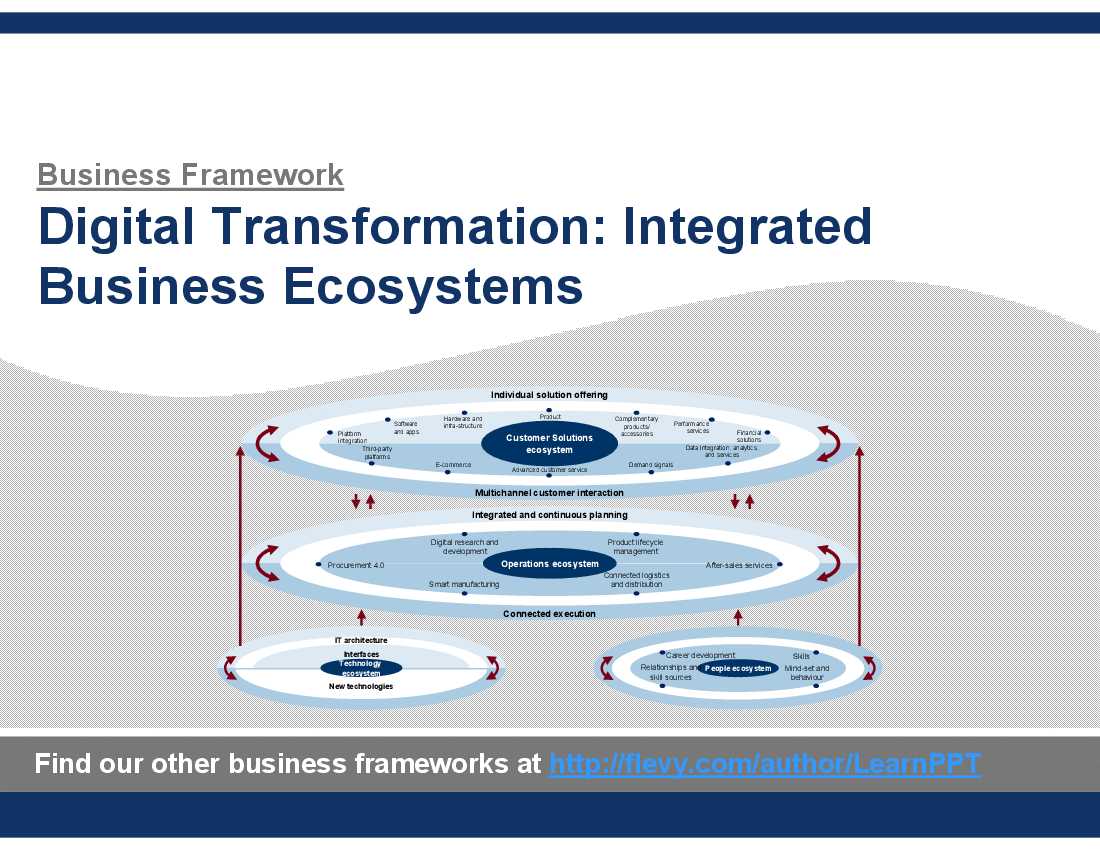
This PPT slide outlines a framework for integrating 4 Business Ecosystem layers: Operations, Technology, People, and Customer Solutions, essential for effective Digital Transformation. The Customer Solutions ecosystem focuses on tailoring offerings through multichannel interactions, while the Operations ecosystem includes processes like digital R&D, smart manufacturing, and connected logistics, emphasizing continuous planning and execution. The Technology ecosystem highlights IT architecture and interfaces that support the other layers. The People ecosystem centers on career development and relationships that drive innovation and adaptability. Aligning these ecosystems creates a comprehensive operational model, enhancing organizational effectiveness and responsiveness in a rapidly changing market. This framework serves as a strategic guide for navigating Digital Transformation complexities.
The framework for digital maturity categorizes organizations into 4 levels: Digital Beginner, Digital Follower, Digital Innovator, and Digital Leader. Digital Beginners, comprising 22% of organizations, operate with functional silos, limiting their digital tool effectiveness. Digital Followers, at 42%, have established functionally connected practices, but lack comprehensive integration for advanced operations. Digital Innovators, making up 27%, connect practices across functions and maintain an Operations Ecosystem linking technology and people, indicating progress toward a mature digital strategy. Digital Leaders, only 10% of organizations, fully integrate customer solutions, operations, technology, and people ecosystems, excelling in digital transformation. Organizations must adopt an iterative approach to develop capabilities across all levels, driving innovation and identifying areas for improvement in their digital maturity.
This PPT slide analyzes organizational capabilities in data analytics, revealing that only 14% of companies have a dedicated data analysis department, indicating a gap in centralized data management essential for decision-making. Additionally, 35% integrate data analytics within specific functions, leading to fragmented insights. Notably, 9% lack significant data analysis capabilities, raising concerns about leveraging data for strategic advantage. Furthermore, 5% outsource data analysis, which may hinder internal capability development, while 38% rely on ad hoc analysis by individual employees, resulting in inconsistent data usage. Diverse skill sets, including process expertise and advanced algorithms, are vital for enhancing data analytics capabilities and achieving higher digital maturity. Organizations must assess their data analytics frameworks and invest in robust internal capabilities.
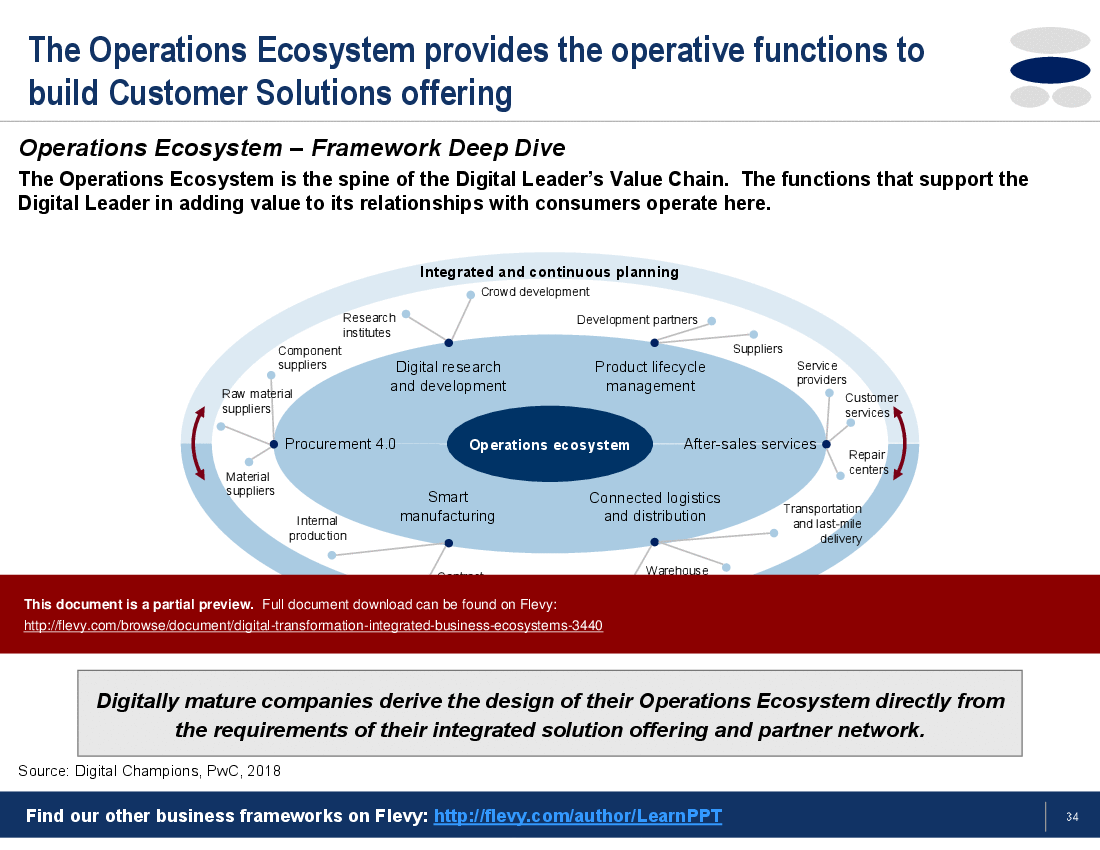
The Operations Ecosystem is a foundational framework that enhances the value chain for digital leaders by integrating critical functions such as digital research and development, product lifecycle management, and after-sales services. It supports a seamless customer experience and emphasizes modern processes like "Procurement 4.0" and "Smart manufacturing" to improve efficiency. The interconnectedness of the Operations, Technology, and People ecosystems highlights the necessity of collaboration for operational excellence. Dynamic interactions between these ecosystems suggest that success in one area positively influences others. Key concepts include "integrated and continuous planning" and "connected execution," essential for adaptability in a rapidly changing market, reinforcing collaboration and transparency across the value chain to drive operational success and customer satisfaction.
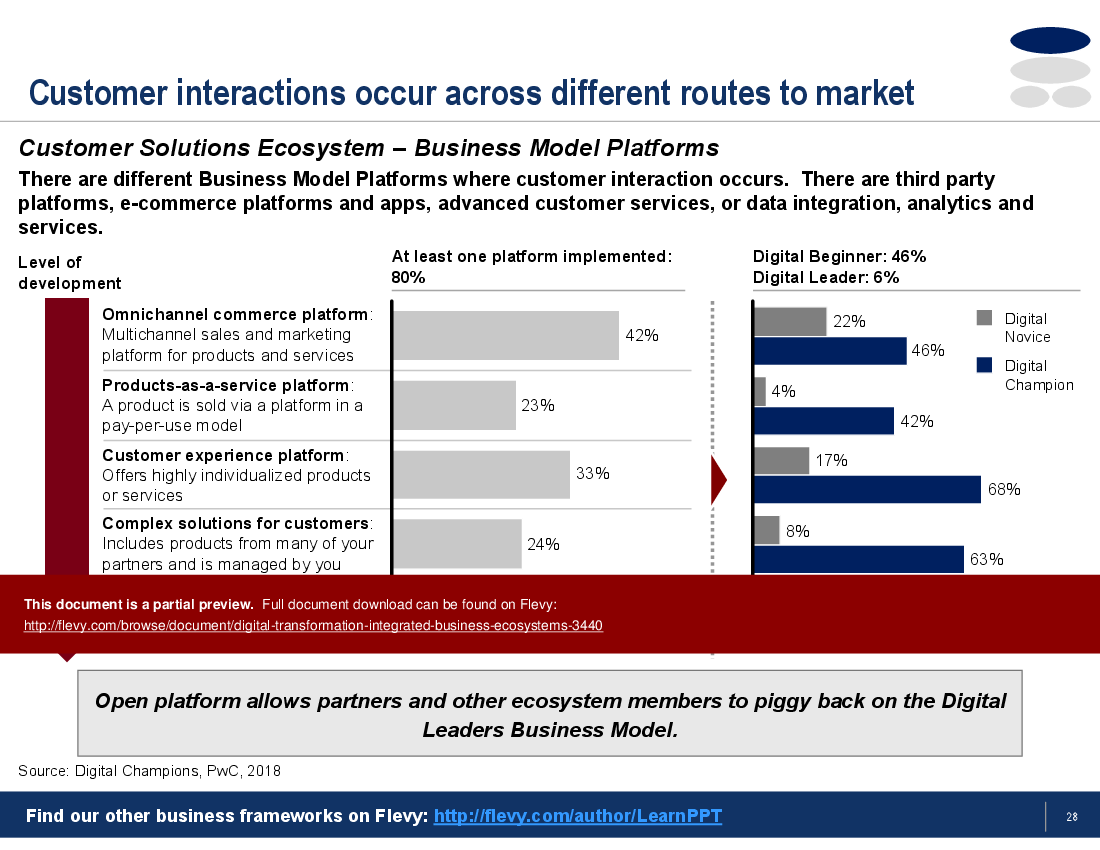
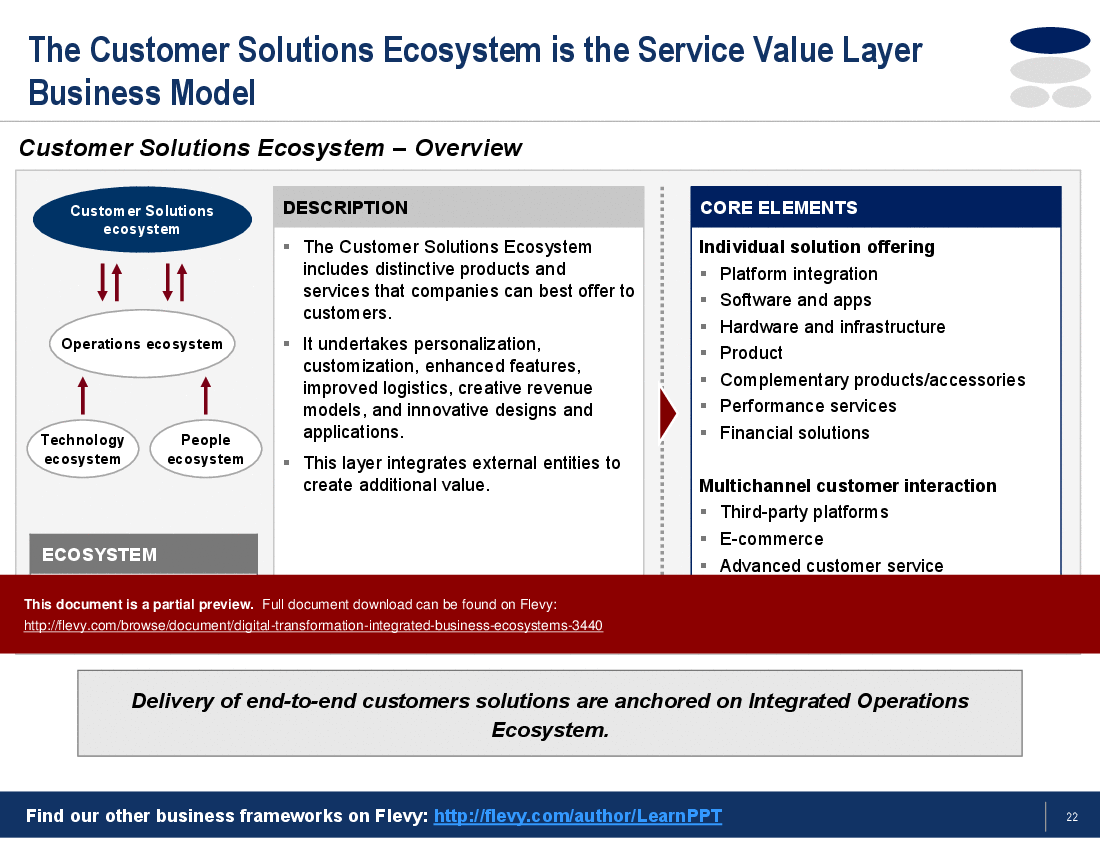
The Customer Solutions Ecosystem framework serves as a service value layer within a business model, connecting 3 components: operations ecosystem, technology ecosystem, and people ecosystem. This integration is essential for delivering personalized products and services that enhance customer engagement. Key aspects include improved logistics and innovative revenue models, which companies can leverage for unique offerings. The ecosystem comprises individual solution offerings, such as platform integration, software, hardware, and complementary products, alongside multichannel customer interaction through third-party platforms, e-commerce, and advanced customer service. Demand signals and data integration highlight the role of analytics in understanding customer behavior and preferences, driving value through integration and innovation.
This PPT slide outlines 4 essential layers of business ecosystems leveraged by digital leaders: Customer Solutions, Operations, Technology, and People. The Customer Solutions ecosystem generates significant value through integrated digital products and services, essential for maintaining a competitive edge. The Operations ecosystem is customized to optimize efficiency and responsiveness, aligning technologies, people, and culture with organizational needs. The Technology ecosystem supports the integration of these layers, providing necessary tools and infrastructure. The People ecosystem fosters talent and culture, ensuring workforce alignment with strategic goals. Successful digital organizations integrate these ecosystems to achieve strategic objectives and outpace competitors.
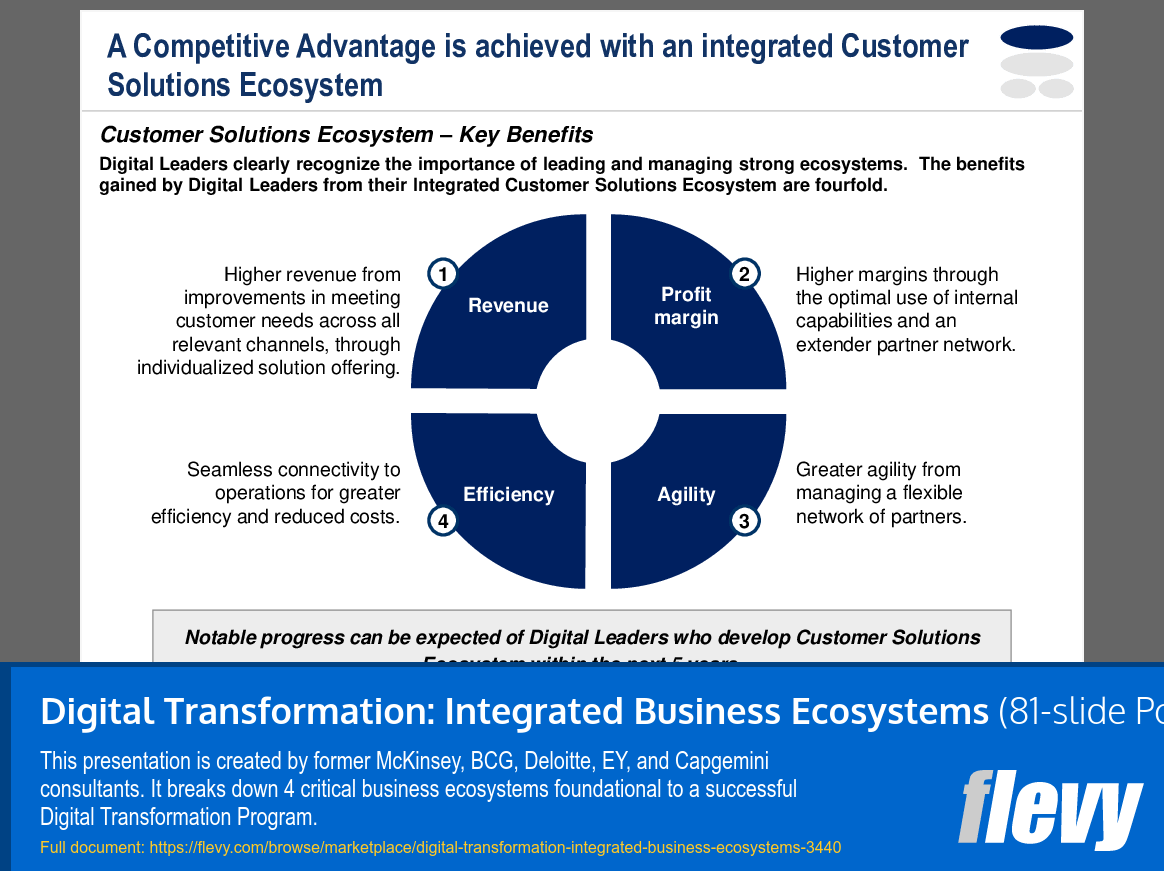
The Integrated Customer Solutions Ecosystem offers 4 key benefits for organizations. First, increased revenue is achieved through improved customer engagement by tailoring solutions to diverse needs across channels, enhancing offerings and driving sales. Second, higher profit margins result from leveraging internal capabilities and partner resources, optimizing asset utilization for cost-effective operations. Third, agility is gained by managing a flexible partner network, allowing swift responses to market changes and customer demands, crucial in a fast-paced business environment. Lastly, efficiency is enhanced through seamless connectivity across operations, reducing costs and streamlining processes by integrating functions. Digital Leaders investing in these ecosystems can expect significant progress within 5 years.
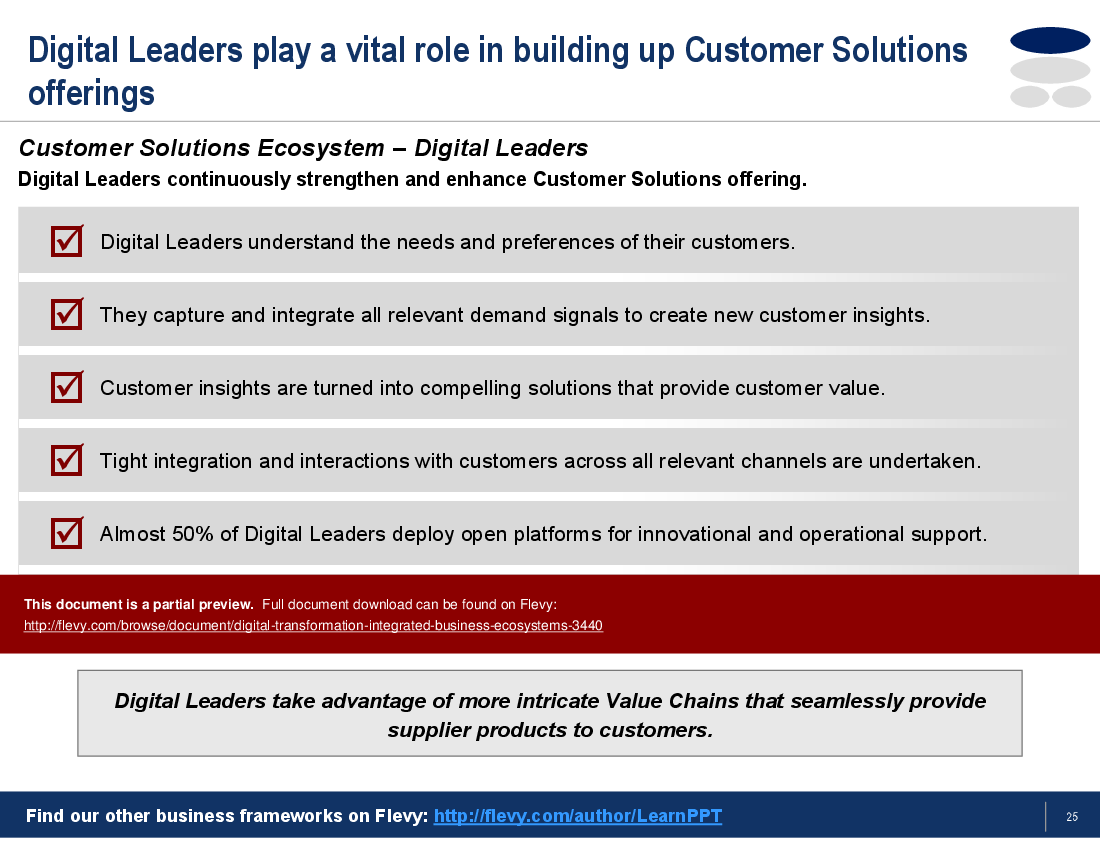
This PPT slide outlines the Customer Solutions Ecosystem, focusing on the integration of individualized solutions and multichannel customer interactions. Digital Leaders play a key role in generating customer value through a structured ecosystem. Components such as software, hardware, and service providers collaborate to create cohesive offerings. The ecosystem includes individual solutions for customers, users, suppliers, and subject matter experts, highlighting the importance of IT partners, platform integration, and third-party platforms. Continuous improvement and adaptation of solutions are essential for relevance in a changing market. Data integration, analytics, and services are leveraged to enhance decision-making and customer interactions. Strengthening access and outreach across multiple channels is a strategic imperative for organizations in a digital-first environment.
Source: Best Practices in Digital Transformation PowerPoint Slides: Digital Transformation: Integrated Business Ecosystems PowerPoint (PPT) Presentation Slide Deck, LearnPPT Consulting
This presentation is created by former McKinsey, BCG, Deloitte, EY, and Capgemini consultants. It breaks down 4 critical business ecosystems foundational to a successful Digital Transformation Program.
We are a team of management consultants trained by top tier global consulting firms (including McKinsey, BCG, Deloitte, EY, Capgemini) with a collective experience of several decades. We specialize in business frameworks based on real-life consulting engagements.
We have served 100s of clients that range from Fortune 500 companies to tech startups to
... [read more] $1B+ private companies.
Utilize our consulting frameworks to apply structured thinking & analysis to address your business challenges, uncover strategic insights, and implement workable solutions. Our PowerPoint presentations follow traditional consulting slide design formats, starting with a clear slide headline. Easily customize and repurpose our slides for your own business presentations.
Beyond business frameworks & methodologies, we also offer PowerPoint templates and other business templates. Our templates are professionally designed and have been used in thousands of deliverables & work products across hundreds of clients.
Since 2012, we have provided business templates to over 10,000 businesses and organizations of all sizes, from startups and small businesses to the Fortune 100, in over 130 countries.
"As an Independent Management Consultant, I find Flevy to add great value as a source of best practices, templates and information on new trends. Flevy has matured and the quality and quantity of the library is excellent. Lastly the price charged is reasonable, creating a win-win value for
the customer, Flevy and the various authors. This is truly a service that benefits the consulting industry and associated clients. Thanks for providing this service.
"
– Jim Schoen, Principal at FRC Group
"My FlevyPro subscription provides me with the most popular frameworks and decks in demand in today’s market. They not only augment my existing consulting and coaching offerings and delivery, but also keep me abreast of the latest trends, inspire new products and service offerings for my practice, and educate me
in a fraction of the time and money of other solutions. I strongly recommend FlevyPro to any consultant serious about success.
"
– Bill Branson, Founder at Strategic Business Architects
"As a consultant requiring up to date and professional material that will be of value and use to my clients, I find Flevy a very reliable resource.
The variety and quality of material available through Flevy offers a very useful and commanding source for information. Using Flevy saves me time, enhances my expertise and ends up being a good decision."
– Dennis Gershowitz, Principal at DG Associates
"I like your product. I'm frequently designing PowerPoint presentations for my company and your product has given me so many great ideas on the use of charts, layouts, tools, and frameworks. I really think the templates are a valuable asset to the job."
– Roberto Fuentes Martinez, Senior Executive Director at Technology Transformation Advisory
"FlevyPro provides business frameworks from many of the global giants in management consulting that allow you to provide best in class solutions for your clients."
– David Harris, Managing Director at Futures Strategy
"As a niche strategic consulting firm, Flevy and FlevyPro frameworks and documents are an on-going reference to help us structure our findings and recommendations to our clients as well as improve their clarity, strength, and visual power. For us, it is an invaluable resource to increase our impact and value."
– David Coloma, Consulting Area Manager at Cynertia Consulting
"As a young consulting firm, requests for input from clients vary and it's sometimes impossible to provide expert solutions across a broad spectrum of requirements. That was before I discovered Flevy.com.
Through subscription to this invaluable site of a plethora of topics that are key and crucial to consulting, I
have been able to exceed expectations and deliver quality advice and solutions to my clients. The quality and expertise of the authors are exemplary and gives me great confidence to use as part of my service offerings.
I highly recommend this company for any consultant wanting to apply international best practice standards in their service offerings.
"
– Nishi Singh, Strategist and MD at NSP Consultants
"I am extremely grateful for the proactiveness and eagerness to help and I would gladly recommend the Flevy team if you are looking for data and toolkits to help you work through business solutions."
– Trevor Booth, Partner, Fast Forward Consulting
Save with Bundles
This document is available as part of the following discounted bundle(s):
Download our FREE Digital Transformation Templates
Download our free compilation of 50+ Digital Transformation slides and templates. DX concepts covered include Digital Leadership, Digital Maturity, Digital Value Chain, Customer Experience, Customer Journey, RPA, etc.