
 Click main image to view in full screen. Unlock all 29 preview images:
A3 Problem Solving Process & Tools – PowerPoint PPTX Template
PowerPoint (PPTX) + Zip archive file (ZIP) 256 Slides


BENEFITS OF THIS DOWNLOADABLE POWERPOINT DOCUMENT
- Acquire a deep understanding of A3 principles and application, empowering you with the tools for effective problem-solving and continuous improvement.
- Navigate the A3 problem-solving process seamlessly, from theme development to follow-up, supported by practical insights, tools, and examples.
- Develop skills to create clear, concise A3 reports, adapting them to diverse audiences, and avoiding common pitfalls, fostering a culture of genuine improvement.
A3 PPT TEMPLATE DESCRIPTION
Uncover the structured problem-solving engine behind Lean's A3 approach. This presentation delivers a complete, step-by-step A3 Problem Solving system built for execution—compiling essential tools, techniques, and templates to tackle real operational challenges. It's designed to go beyond theory and equip practitioners to diagnose, act, and sustain improvement with discipline.
Use this deck to guide teams through the full A3 process: defining themes, analyzing root causes, designing countermeasures, verifying results, and following up. It's ideal for improvement projects, technical training, and operational execution across functions.
||||||||||||||||||||||||||||||||||||||||||||||||||||||||||||||||||||||||||||||||||||||||||||||||||||||||||||||||||||||||||||||||||||||||||||||||||||||
Included in this package:
1. Editable A3 Problem Solving PPT presentation
2. A3 Report templates (PowerPoint + Word)
3. A3 poster formats (PDF – color, monochrome, printable in A3)
||||||||||||||||||||||||||||||||||||||||||||||||||||||||||||||||||||||||||||||||||||||||||||||||||||||||||||||||||||||||||||||||||||||||||||||||||||||
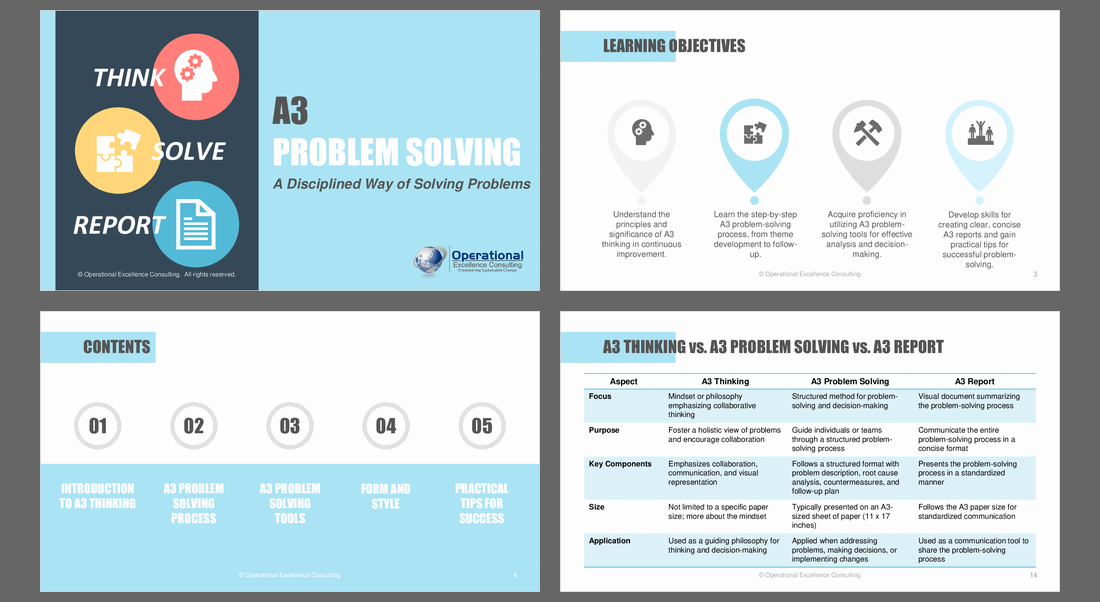
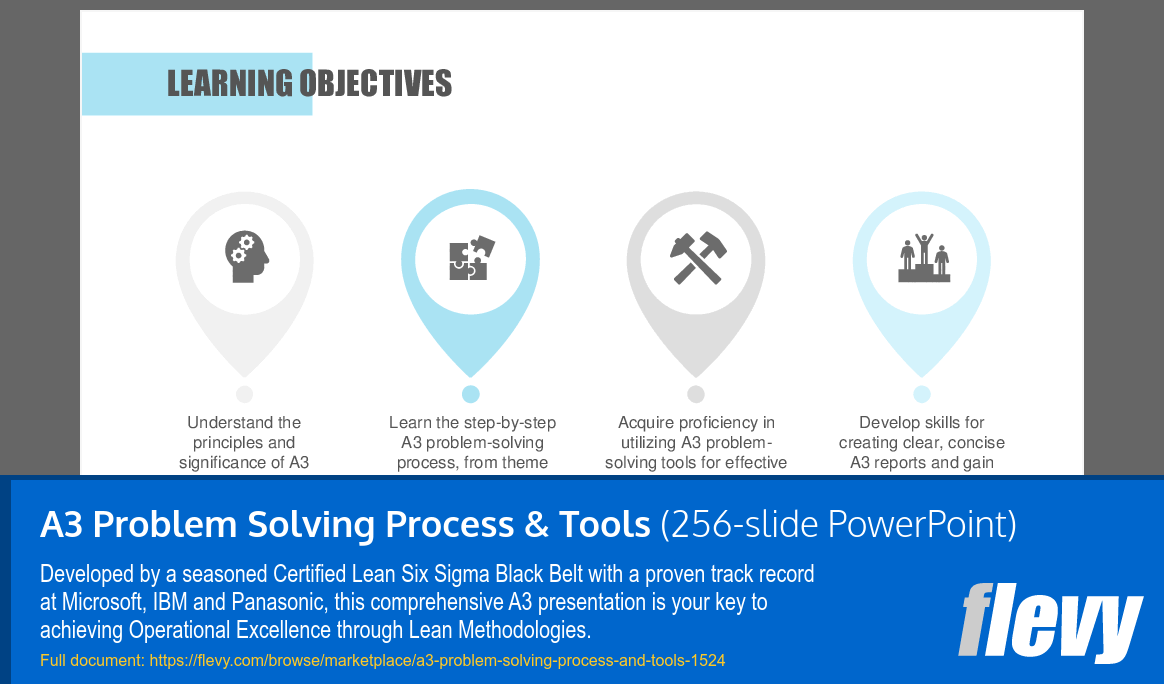
LEARNING OBJECTIVES
1. Understand the core A3 problem-solving methodology and its role in continuous improvement
2. Navigate the A3 process – from theme selection through goal setting, root cause analysis, solution design, checking, and follow-up
3. Apply key analytical tools (Pareto, 5 Whys, Fishbone, control charts, etc.) for evidence-based diagnosis
4. Develop and communicate robust countermeasures aligned to root causes
5. Create polished A3 reports and presentations that clearly convey problem logic and results
CONTENTS
1. Introduction to A3 Thinking
• Core ideas, concept vs. report, and problem-solving lineage
• When and how to apply A3 reports
• Types of A3s (project, status, proposal, etc.)
2. A3 Problem Solving Process
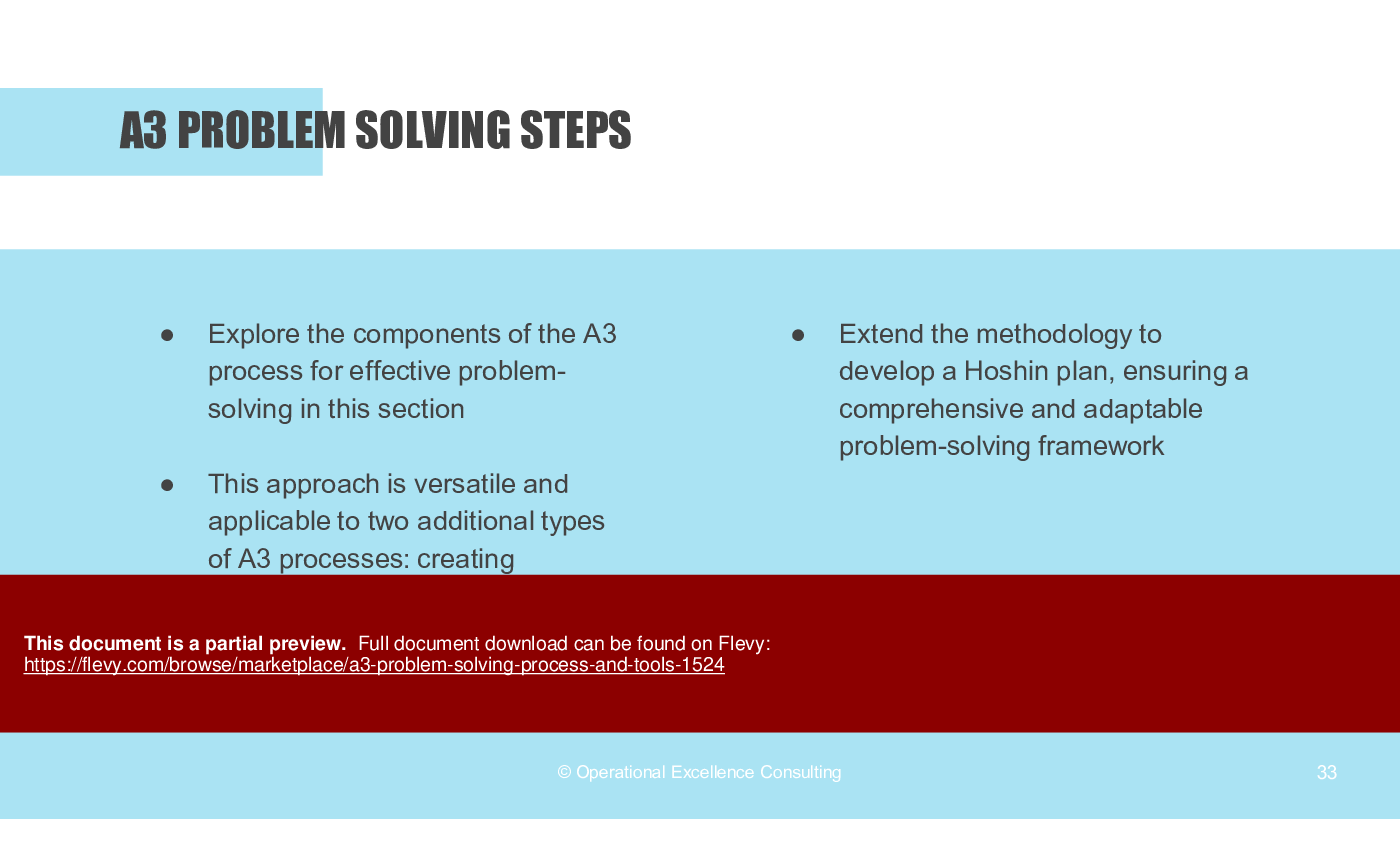
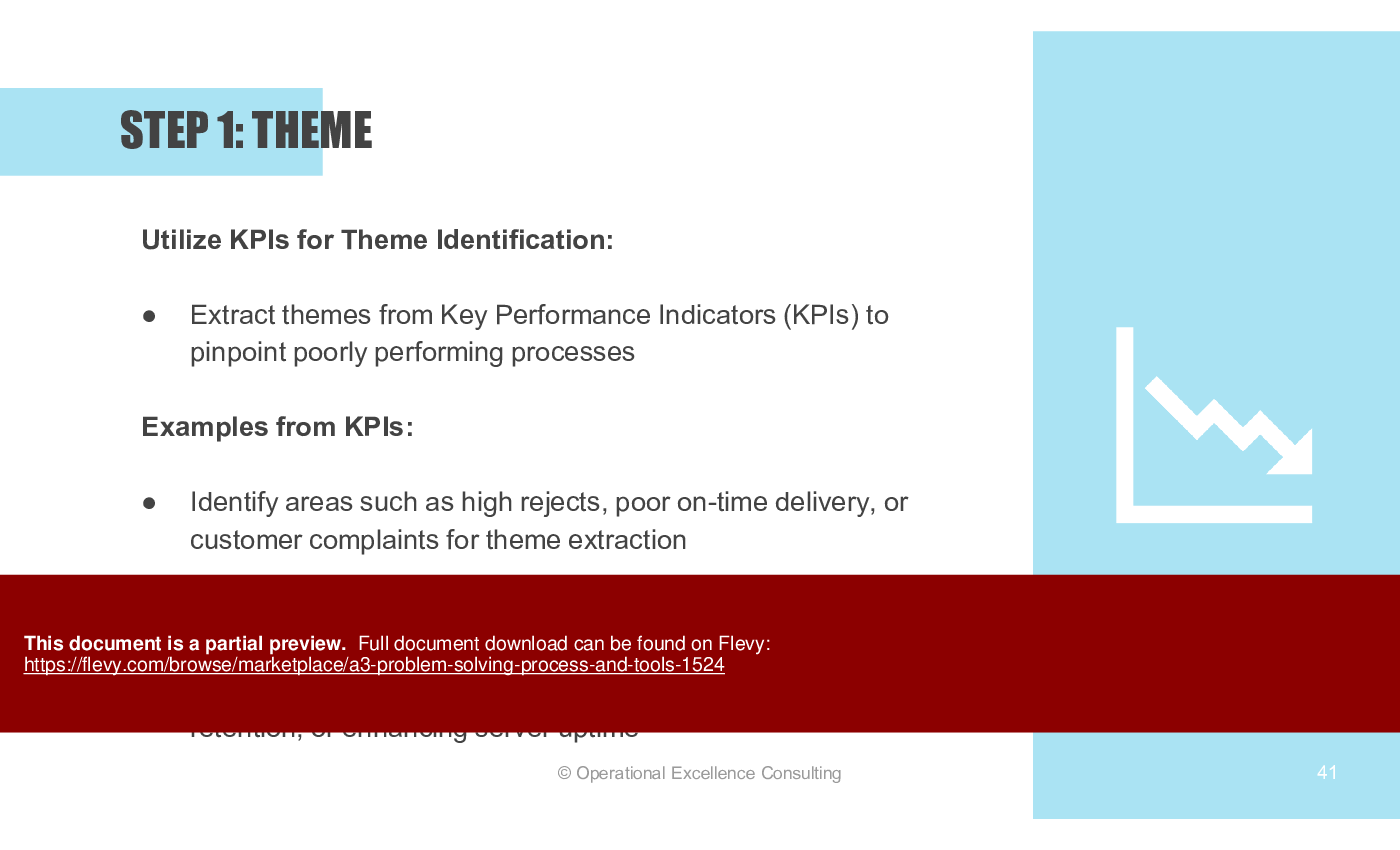
• All eight steps: Theme → Background → Current Condition → Goal → Root Causes → Countermeasures → Check/Effect → Follow-Up
3. A3 Tools for Analysis & Decision Making
• Stratification & check sheets
• Pareto analysis & histograms
• 5 Whys & Cause & Effect diagrams
• Scatter & control charts
• Tree & relations diagrams
4. Form & Style
• Storytelling in A3 format
• Audience adaptation and readability
• Review practices in Toyota
• Common pitfalls and design mistakes
5. Practical Tips for Success
• Real-world tactics for success
• Learning cycles, mentoring, and sustainability
• Getting results and closing the loop
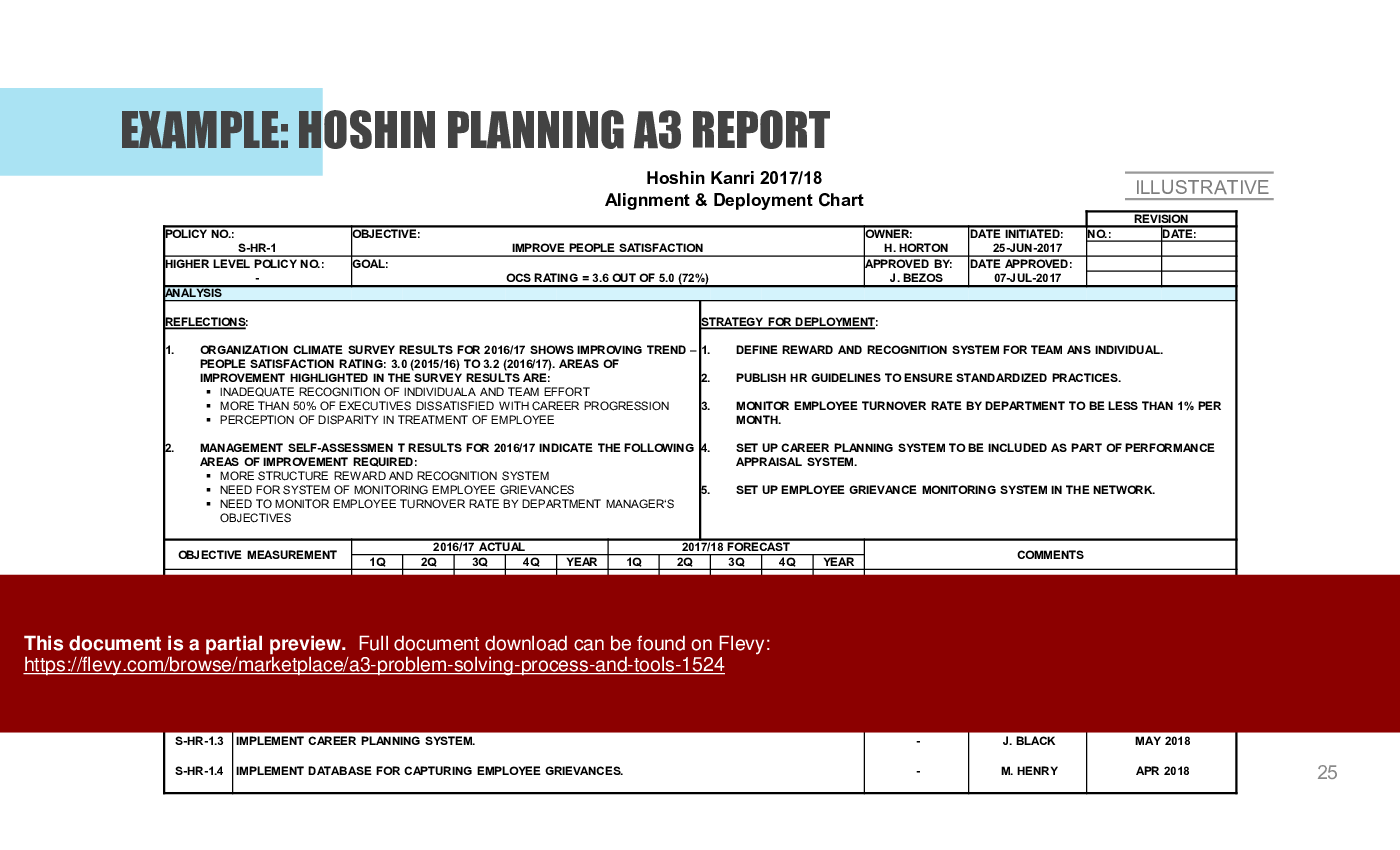
This presentation focuses on the structured, step-by-step A3 Problem Solving process – guiding users through each stage from theme selection to follow-up. It emphasizes the logical flow of PDCA-based thinking, the disciplined use of analysis tools, and the creation of clear, actionable A3 reports. Ideal for trainers, facilitators, and teams seeking a practical, hands-on resource for improving daily problem-solving effectiveness.
Differentiator: Emphasizes the process and tools of A3 as a practical problem-solving framework.
TARGET USERS
• Improvement practitioners and operations teams
• Engineers, analysts, or quality staff who lead technical projects
• Lean/Six Sigma practitioners needing structured problem-solving rigor
• Trainers and CI coaches who facilitate process workshops
KEY ADVANTAGES
• A deep, tool-oriented focus that puts real methods into your hands
• Fully editable and ready to be applied in live improvement projects
• Rich with analytical content, templates, and examples for execution
• Ideal for teams that already understand Lean and want strong problem-solving capability
Got a question about the product? Email us at support@flevy.com or ask the author directly by using the "Ask the Author a Question" form. If you cannot view the preview above this document description, go here to view the large preview instead.
PRESENTATION DEEP DIVE ANALYSIS
This deep-dive analysis was generated from the full 256-slide PowerPoint presentation.
Source: Best Practices in A3 PowerPoint Slides: A3 Problem Solving Process & Tools PowerPoint (PPTX) Presentation Slide Deck, Operational Excellence Consulting
ABOUT THE AUTHOR

Operational Excellence Consulting, founded in 2009 by Allan Ung, draws from extensive experience at Microsoft, IBM, and Underwriters Laboratories (UL). We specialize in strategy deployment, customer experience design, and operational excellence, applying Design Thinking, Lean, and Systems Thinking to maximize customer value and minimize waste.
Our
... [read more]
Ask the Author a Question
You must be logged in to contact the author.