
Building an Enduring Corporate Vision: Core Ideology and Envisioned Future
There are some companies with exceptionally durable visions that have been built to last. What distinguishes their visions from most others?
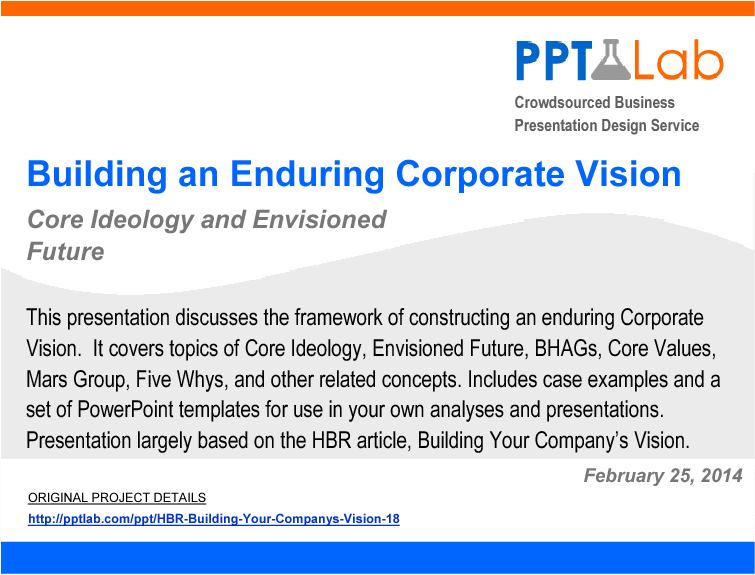
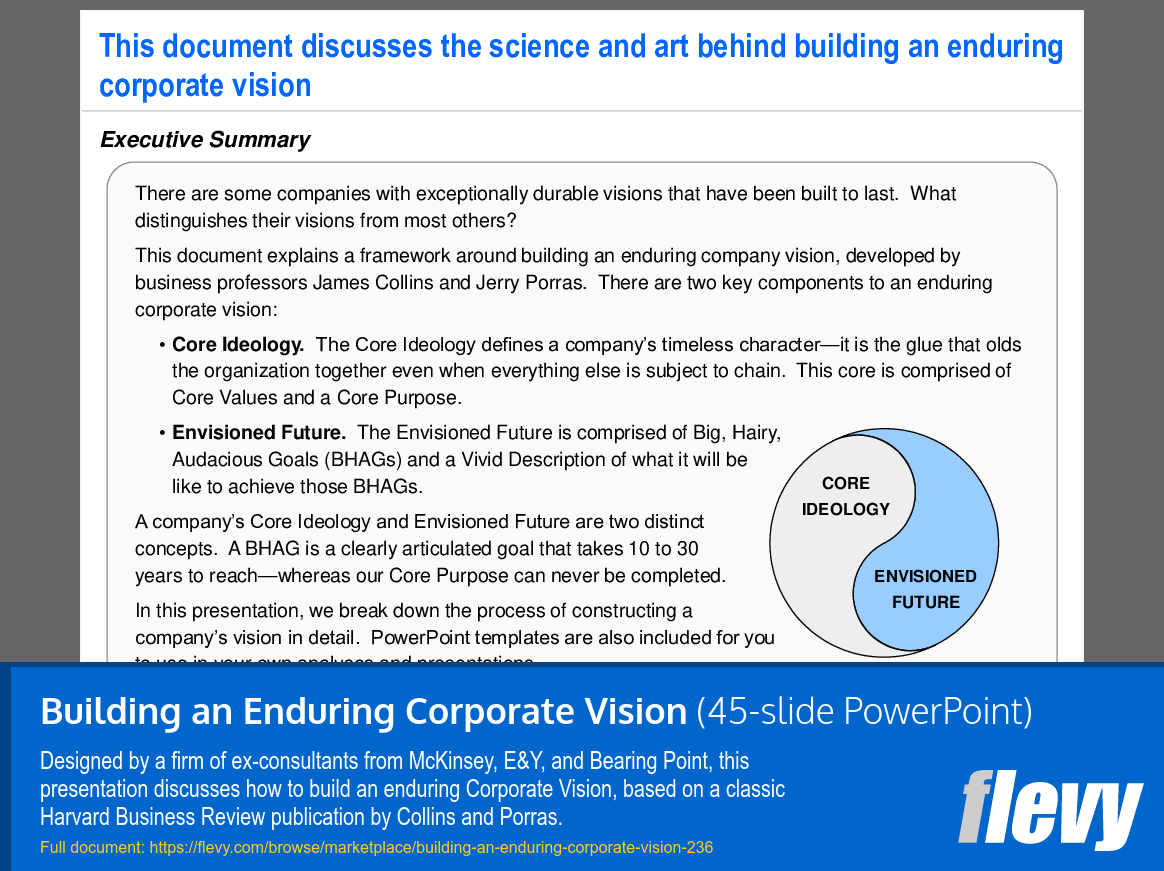
This document explains a framework around building an enduring company vision, developed by business professors James Collins and Jerry Porras. There are two key components to an enduring corporate vision:
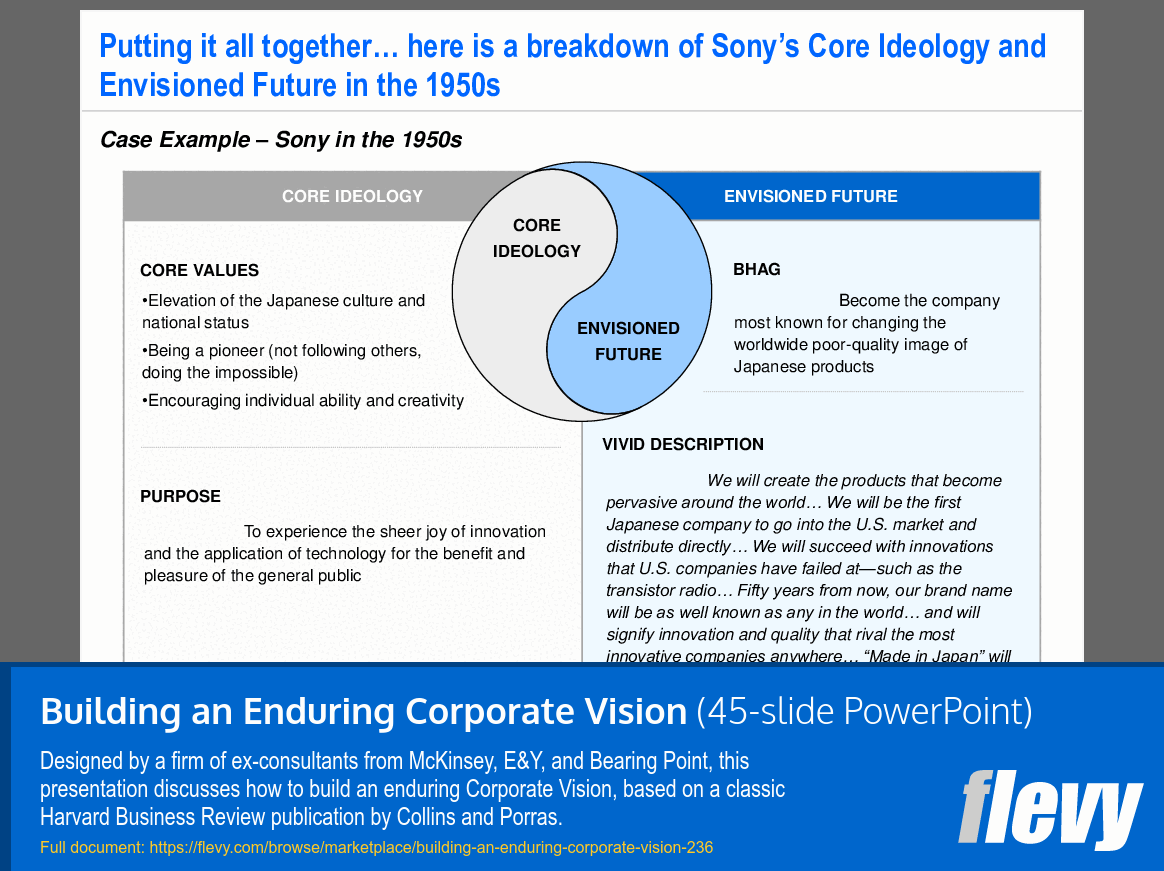
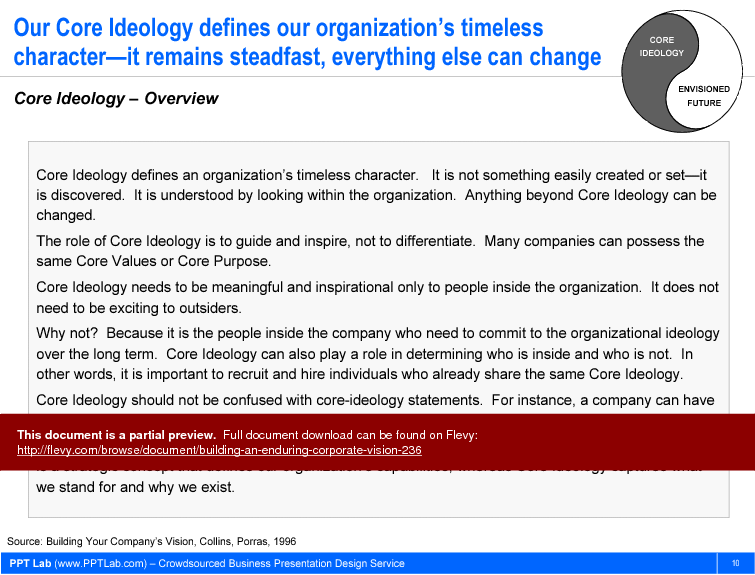
*Core Ideology. The Core Ideology defines a company's timeless character—it is the glue that olds the organization together even when everything else is subject to chain. This core is comprised of Core Values and a Core Purpose.
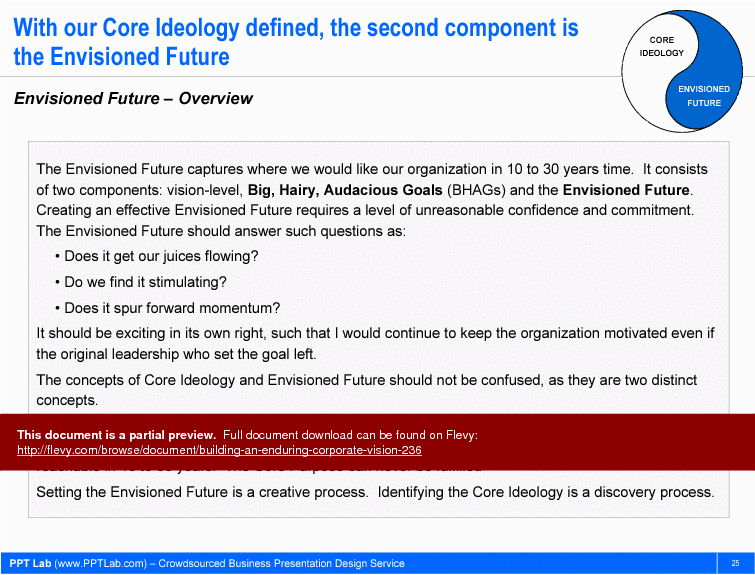
*Envisioned Future. The Envisioned Future is comprised of Big, Hairy, Audacious Goals (BHAGs) and a Vivid Description of what it will be like to achieve those BHAGs.
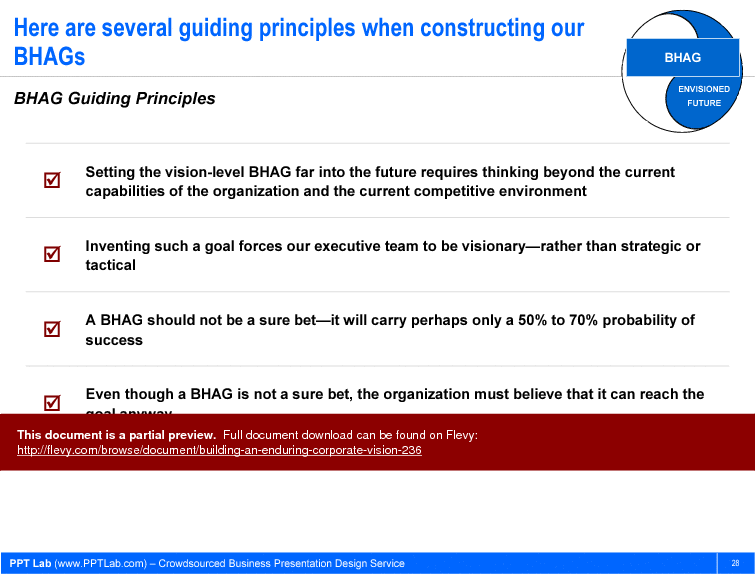
A company's Core Ideology and Envisioned Future are two distinct concepts. A BHAG is a clearly articulated goal that takes 10 to 30 years to reach—whereas our Core Purpose can never be completed.
In this presentation, we break down the process of constructing a company?s vision in detail. PowerPoint templates are also included for you to use in your own analyses and presentations.
This document also includes comprehensive examples of enduring companies with well-defined core values and purposes. These examples serve as benchmarks, showcasing how leading organizations have successfully articulated and embedded their ideologies into their corporate fabric. The case studies provide actionable insights and practical applications, making it easier for you to translate theory into practice within your own organization.
The presentation is structured to guide you through the entire process, from understanding the foundational concepts to implementing them effectively. It includes detailed templates for crafting your own corporate vision, ensuring you have the tools needed to facilitate strategic discussions and workshops. This resource is essential for any executive looking to solidify their company's long-term vision and drive sustainable success.
Got a question about the product? Email us at support@flevy.com or ask the author directly by using the "Ask the Author a Question" form. If you cannot view the preview above this document description, go here to view the large preview instead.
Executive Summary
This presentation, "Building an Enduring Corporate Vision," is designed to guide organizations in constructing a lasting corporate vision grounded in the principles outlined by business professors James Collins and Jerry Porras. It offers a McKinsey, Bain, or BCG-quality framework (consulting-grade; not affiliated) that emphasizes the importance of Core Ideology and Envisioned Future. The presentation equips executives with actionable insights and PowerPoint templates to articulate their corporate vision effectively, ensuring alignment with both timeless values and ambitious long-term goals.
Who This Is For and When to Use
• Corporate executives looking to define or refine their organization's vision
• Integration leaders responsible for aligning teams around a unified corporate direction
• Consultants assisting clients in developing a sustainable corporate vision
• Strategy teams focused on long-term planning and organizational alignment
Best-fit moments to use this deck:
• During strategic planning sessions to establish or revisit the corporate vision
• In workshops aimed at aligning leadership around Core Ideology and Envisioned Future
• When preparing for stakeholder presentations to communicate the corporate vision
Learning Objectives
• Define Core Ideology and its significance in organizational culture
• Build an Envisioned Future that aligns with long-term strategic goals
• Establish Big, Hairy, Audacious Goals (BHAGs) to drive organizational momentum
• Create a vivid description that inspires and motivates stakeholders
• Utilize templates to facilitate the articulation of corporate vision
• Apply the Five Whys technique to uncover deeper organizational purpose
Table of Contents
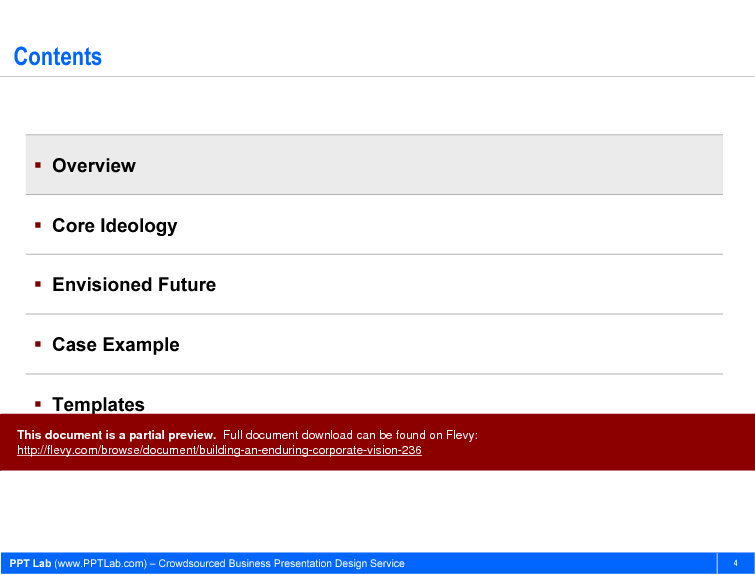
• Overview (page 4)
• Core Ideology (page 9)
• Envisioned Future (page 24)
• Case Example (page 35)
• Templates (page 37)
Primary Topics Covered
• Core Ideology - Defines the timeless character of an organization, encompassing Core Values and Core Purpose that guide decision-making and inspire commitment.
• Envisioned Future - Outlines the aspirational goals of the organization, including BHAGs and a vivid description of the desired future state.
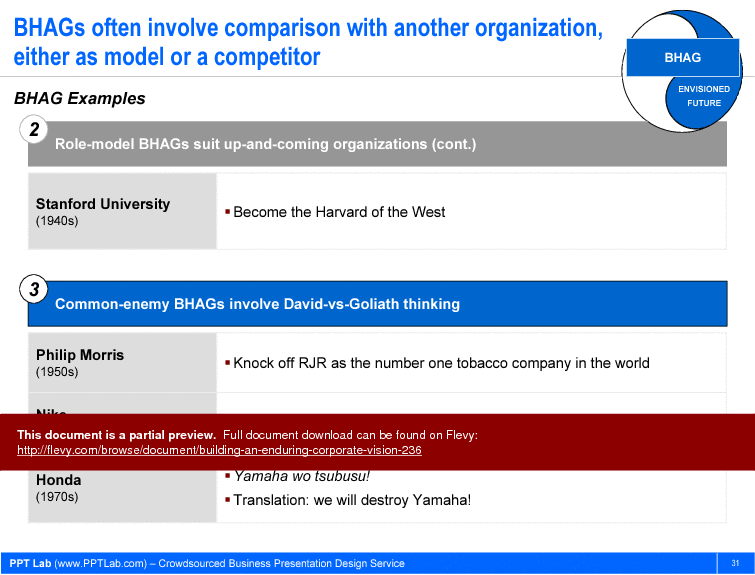
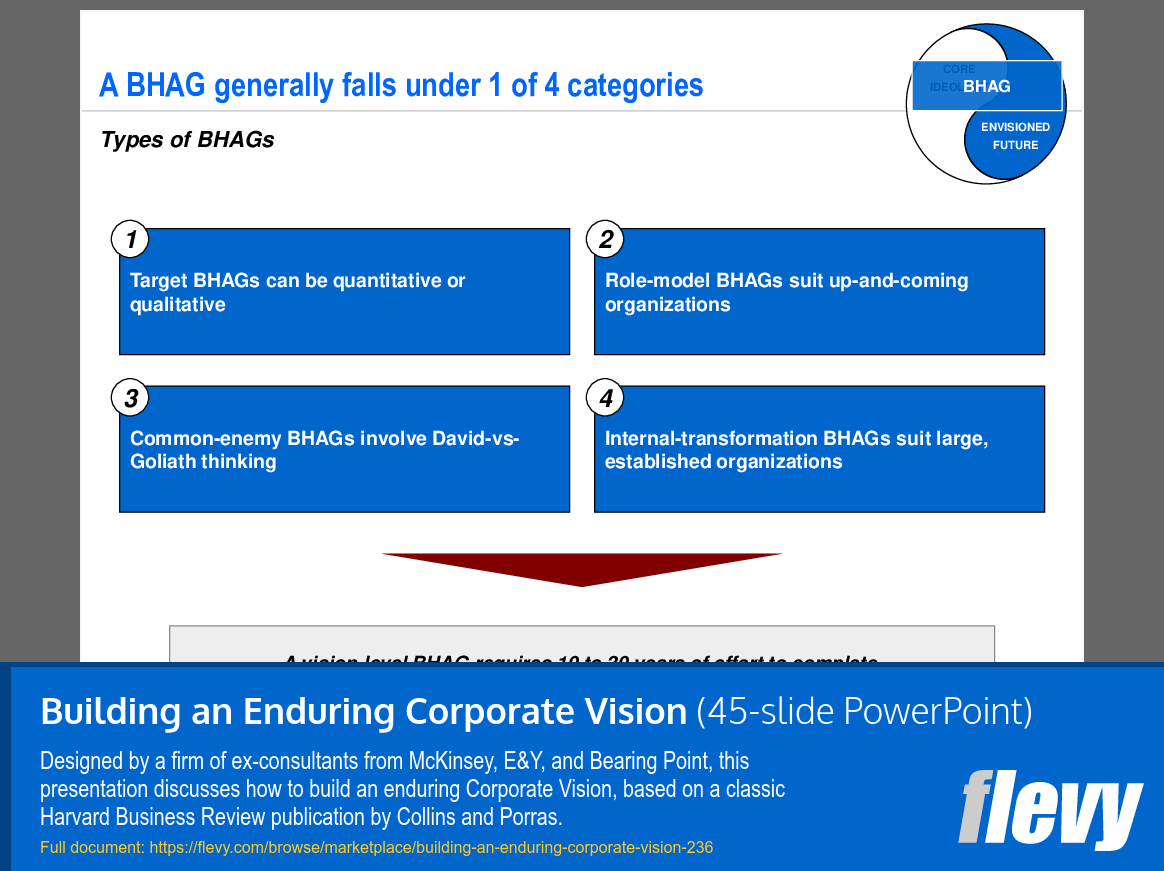
• Big, Hairy, Audacious Goals (BHAGs) - Strategic goals that are bold and challenging, designed to unify efforts and stimulate progress over a 10 to 30-year horizon.
• Vivid Description - A compelling narrative that makes the BHAG tangible and engaging, fostering emotional connection among stakeholders.
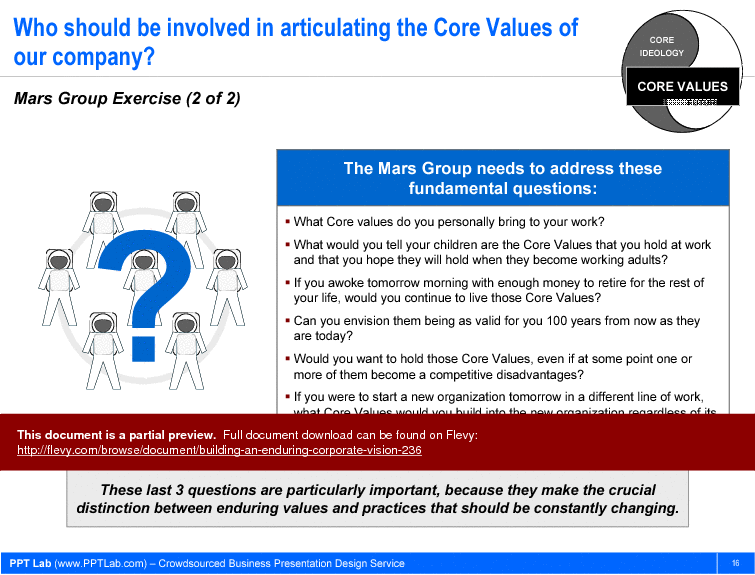
• Mars Group Exercise - A method for identifying Core Values by selecting key representatives who embody the organization's essence.
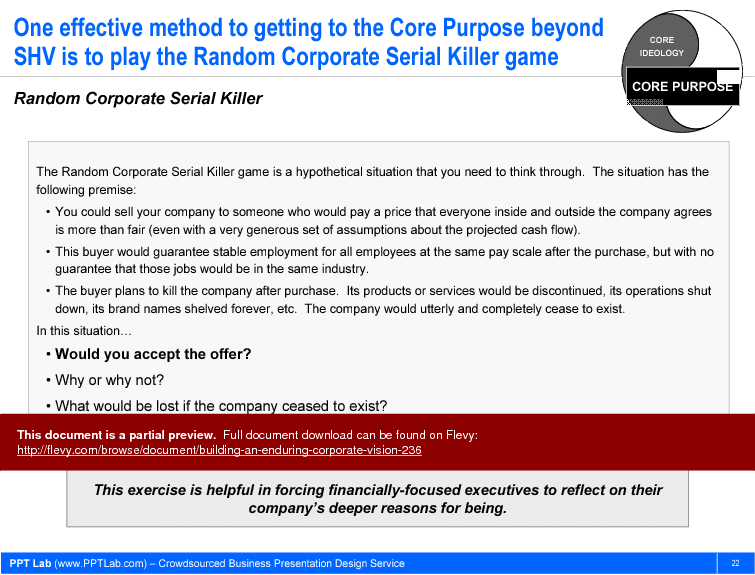
• Five Whys Technique - A questioning method used to delve deeper into the organization's Core Purpose, ensuring clarity and alignment with its mission.
Deliverables, Templates, and Tools
• Yin Yang Diagram template illustrating the relationship between Core Ideology and Envisioned Future
• Case Example template for documenting organizational vision components
• Five Whys template to facilitate exploration of Core Purpose
• Mars Group template for identifying key representatives and their values
• BHAG framework template to outline ambitious organizational goals
• Vivid Description template to craft engaging narratives around the envisioned future
Slide Highlights
• Overview slide defining the framework for building an enduring corporate vision
• Core Ideology slide detailing the components of Core Values and Core Purpose
• Envisioned Future slide outlining the significance of BHAGs and vivid descriptions
• Case Example slide showcasing Sony's vision in the 1950s as a practical illustration
• Template slides for practical application, including the Yin Yang Diagram and Five Whys
Potential Workshop Agenda
Defining Core Ideology (90 minutes)
• Discuss the importance of Core Values and Core Purpose
• Conduct the Mars Group exercise to identify key representatives
• Draft initial statements of Core Ideology
Crafting the Envisioned Future (90 minutes)
• Define BHAGs and their role in organizational strategy
• Develop a vivid description that aligns with the BHAGs
• Share and refine descriptions among participants
Customization Guidance
• Tailor the Core Values and Core Purpose statements to reflect the unique culture of your organization
• Adjust the BHAGs to align with specific industry challenges and opportunities
• Incorporate organizational terminology and metrics into the templates provided
Secondary Topics Covered
• The distinction between Core Ideology and strategic goals
• The role of vision in guiding organizational change and continuity
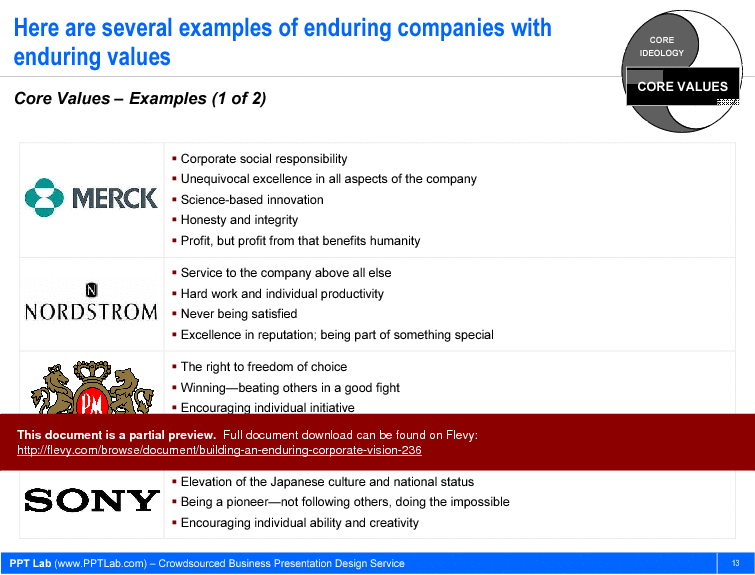
• Examples of enduring companies and their successful Core Ideologies
• Techniques for engaging stakeholders in the vision-building process
FAQ
What is Core Ideology?
Core Ideology defines the timeless character of an organization, consisting of Core Values and Core Purpose that guide its actions and decisions.
How do I define a BHAG?
A BHAG is a bold, long-term goal that serves as a unifying focal point for the organization, typically requiring 10 to 30 years to achieve.
What is the purpose of a Vivid Description?
A Vivid Description translates the BHAG into an engaging narrative that inspires and motivates stakeholders by painting a clear picture of the desired future.
How can the Five Whys technique help?
The Five Whys technique helps uncover the deeper motivations behind the organization's existence, ensuring alignment with its Core Purpose.
What is the Mars Group exercise?
The Mars Group exercise involves selecting key representatives who embody the organization's values, helping to articulate its Core Values effectively.
How can I customize the templates provided?
Templates can be tailored by incorporating specific organizational terminology, metrics, and cultural elements to ensure relevance and alignment.
What are some examples of enduring companies?
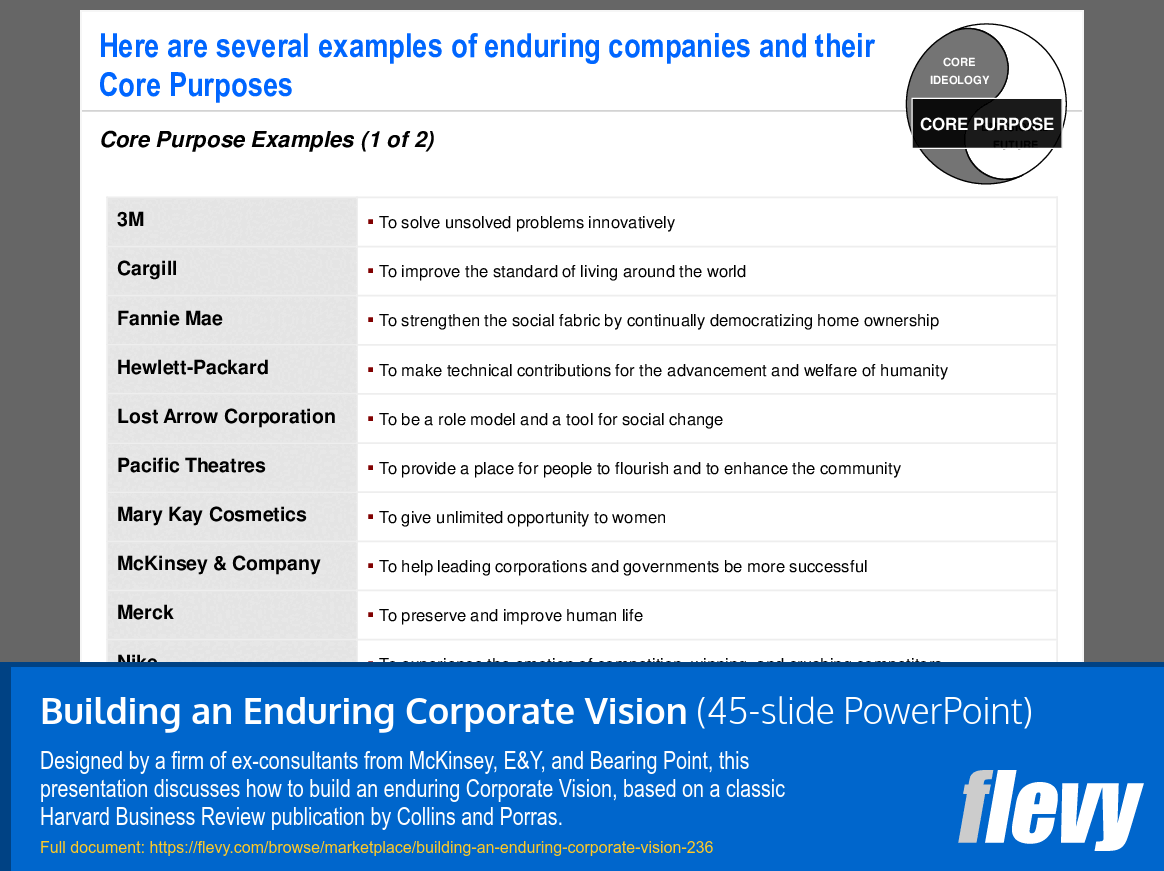
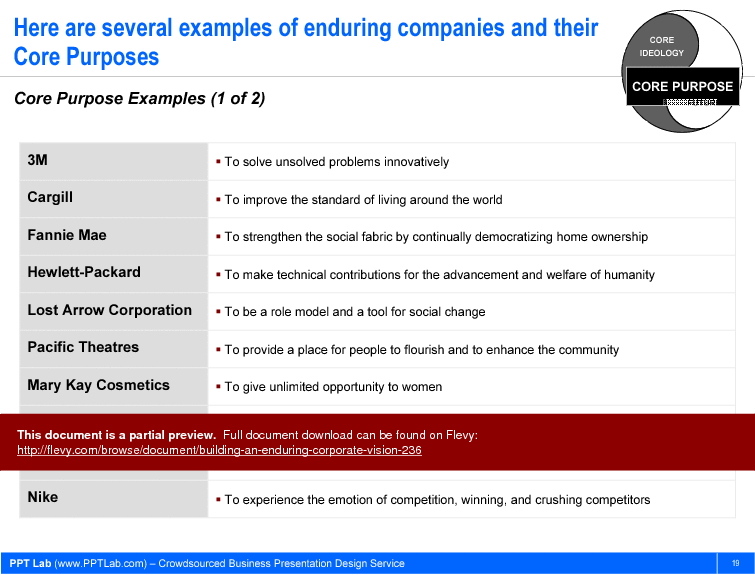
Examples include 3M, Hewlett-Packard, and Walt Disney, each with a well-defined Core Purpose that transcends specific products or services.
Why is it important to differentiate between Core Ideology and strategic goals?
Understanding this distinction ensures that the organization maintains its foundational values while adapting its strategies to meet changing market conditions.
Glossary
• Core Ideology - The enduring character of an organization, comprising Core Values and Core Purpose.
• Core Values - Essential principles that guide an organization's behavior and decision-making.
• Core Purpose - The fundamental reason for an organization's existence, reflecting its idealistic motivations.
• Envisioned Future - The aspirational state of the organization, including BHAGs and vivid descriptions.
• BHAG - Big, Hairy, Audacious Goal; a bold, long-term organizational goal.
• Vivid Description - A compelling narrative that illustrates the desired future state associated with the BHAG.
• Mars Group - An exercise for identifying key representatives who embody the organization's values.
• Five Whys - A technique for exploring the deeper motivations behind an organization's purpose.
• Consulting-Grade - High-quality, professional presentation standards typically associated with top consulting firms.
• Stakeholders - Individuals or groups with an interest in the organization's success, including employees, customers, and investors.
• Vision - A structured definition of what an organization aspires to achieve in the future.
• Strategic Goals - Specific, measurable objectives that guide an organization's efforts toward achieving its vision.
Source: Best Practices in Mission, Vision, Values PowerPoint Slides: Building an Enduring Corporate Vision PowerPoint (PPT) Presentation Slide Deck, PPT Lab
|
Download our FREE Strategy & Transformation Framework Templates
Download our free compilation of 50+ Strategy & Transformation slides and templates. Frameworks include McKinsey 7-S, Balanced Scorecard, Disruptive Innovation, BCG Curve, and many more. |