
 Click main image to view in full screen. Unlock all 10 preview images:
Trucking & Fleet Management Financial Model Template – Excel XLSX
Excel (XLSX)


BENEFITS OF THIS DOWNLOADABLE EXCEL DOCUMENT
- Model your entire trucking operation in one file with 60 month revenue, cost, cash flow, and KPI projections linked to fleet size, utilization, rates, and fuel assumptions.
- Test different growth and pricing scenarios instantly to see how changes in freight rates, fuel prices, driver pay, or fleet expansion affect EBITDA, cash balance, debt capacity, and investor returns.
- Present lender ready financials with full income statement, balance sheet, cash flow, breakeven analysis, and valuation metrics to support financing, investment, or acquisition decisions.
TRANSPORTATION EXCEL DESCRIPTION
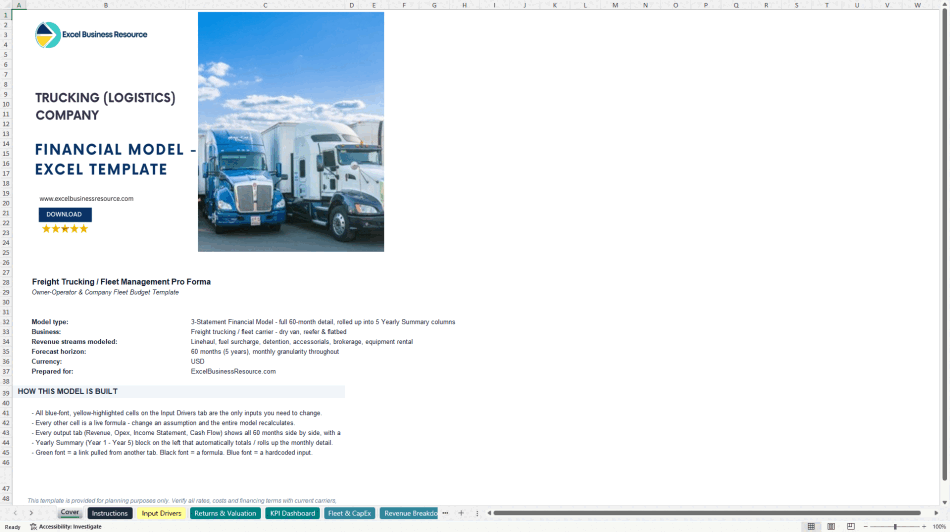
Download a ready to use Trucking & Fleet Management Financial Model Template for planning, forecasting, budgeting, and evaluating a freight transportation business. This Excel model is designed for trucking companies, fleet carriers, owner operator businesses, brokerage operations, and logistics companies managing dry van, reefer, and flatbed fleets.
The model provides a complete 60 month financial forecast with monthly detail and five year annual summaries. It connects operational assumptions to revenue, expenses, fleet investment, debt financing, cash flow, profitability, valuation, and key performance indicators.
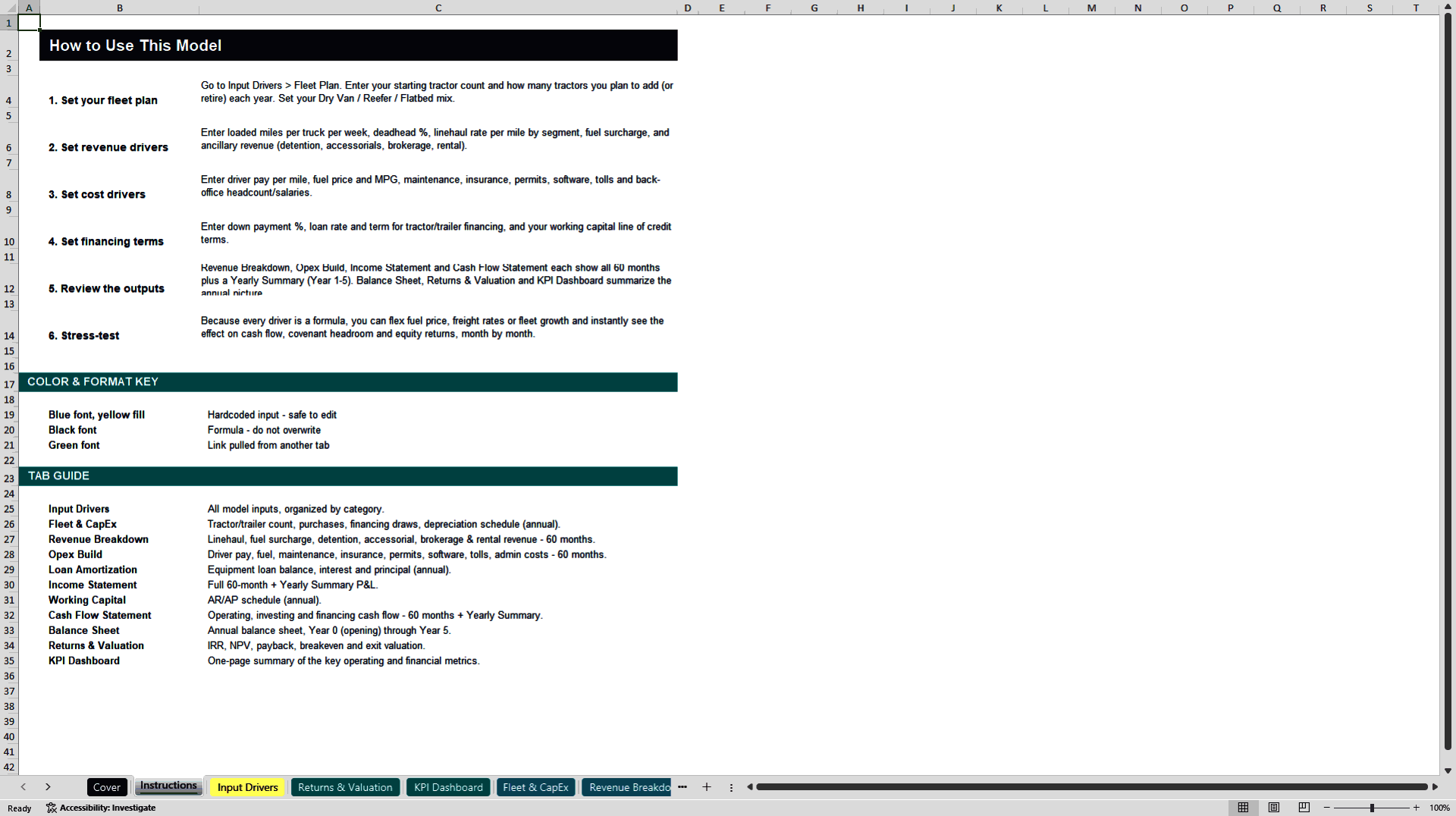
This Financial Projection Model for Trucking Company helps you test different fleet growth plans, freight rates, fuel prices, utilization levels, driver costs, financing terms, and working capital assumptions. Change the blue font and yellow highlighted input cells, and the linked formulas update the full model automatically.
💰What revenue streams can you model?
The spreadsheet supports several revenue sources commonly used by freight and logistics businesses:
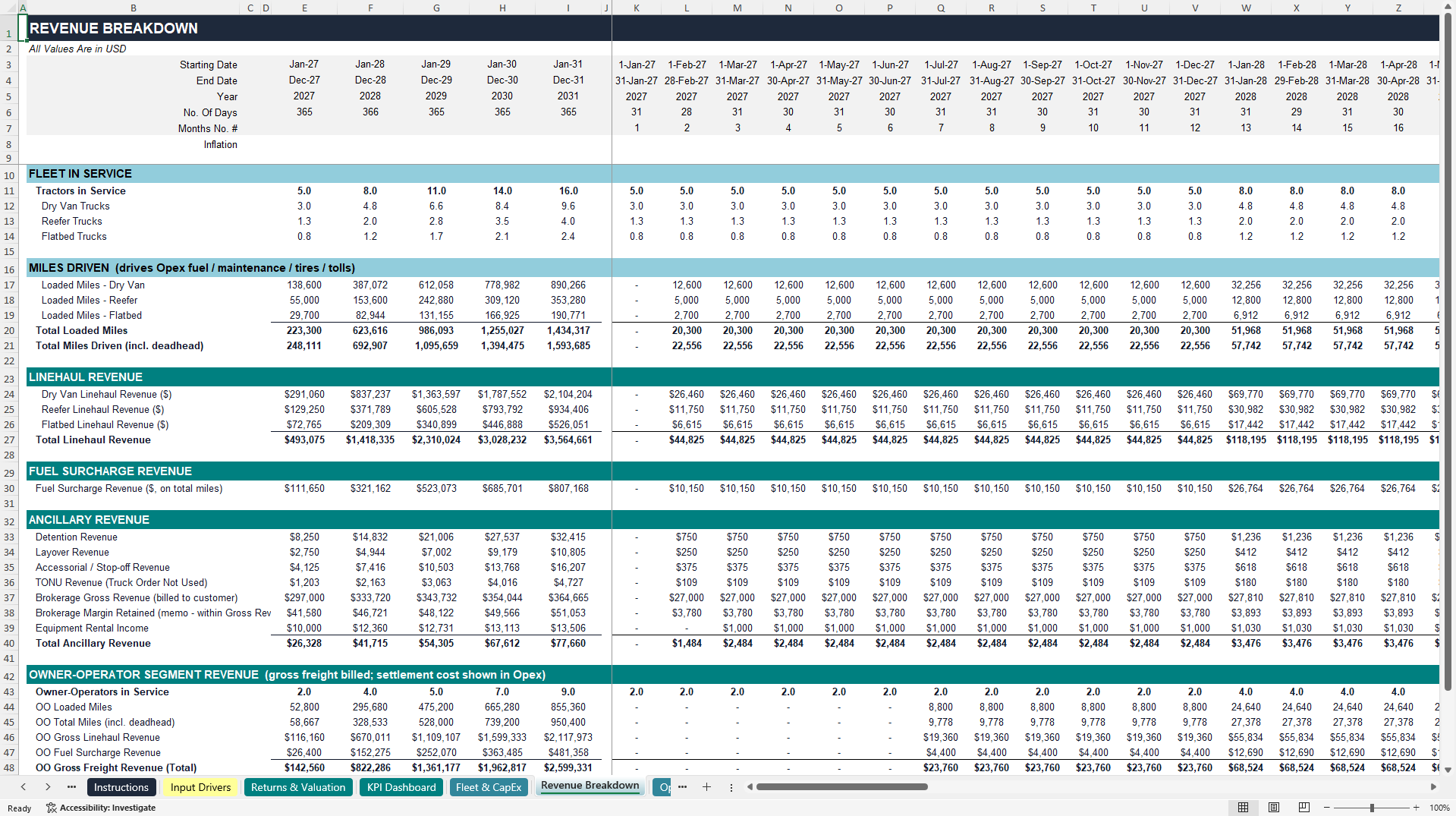
• Dry van, reefer, and flatbed linehaul revenue.
• Fuel surcharge revenue based on total miles.
• Detention, layover, accessorial, stop off, and TONU revenue.
• Brokerage revenue, including loads, gross billing, and retained margin.
• Equipment rental income.
• Owner operator gross freight revenue and company retained dispatch or management fees.
This structure makes the file useful as a Trucking Company Financial Projections Excel tool and as a planning resource for asset based carriers, owner operator fleets, and businesses combining transportation and brokerage services.
⚙️Which inputs are included?
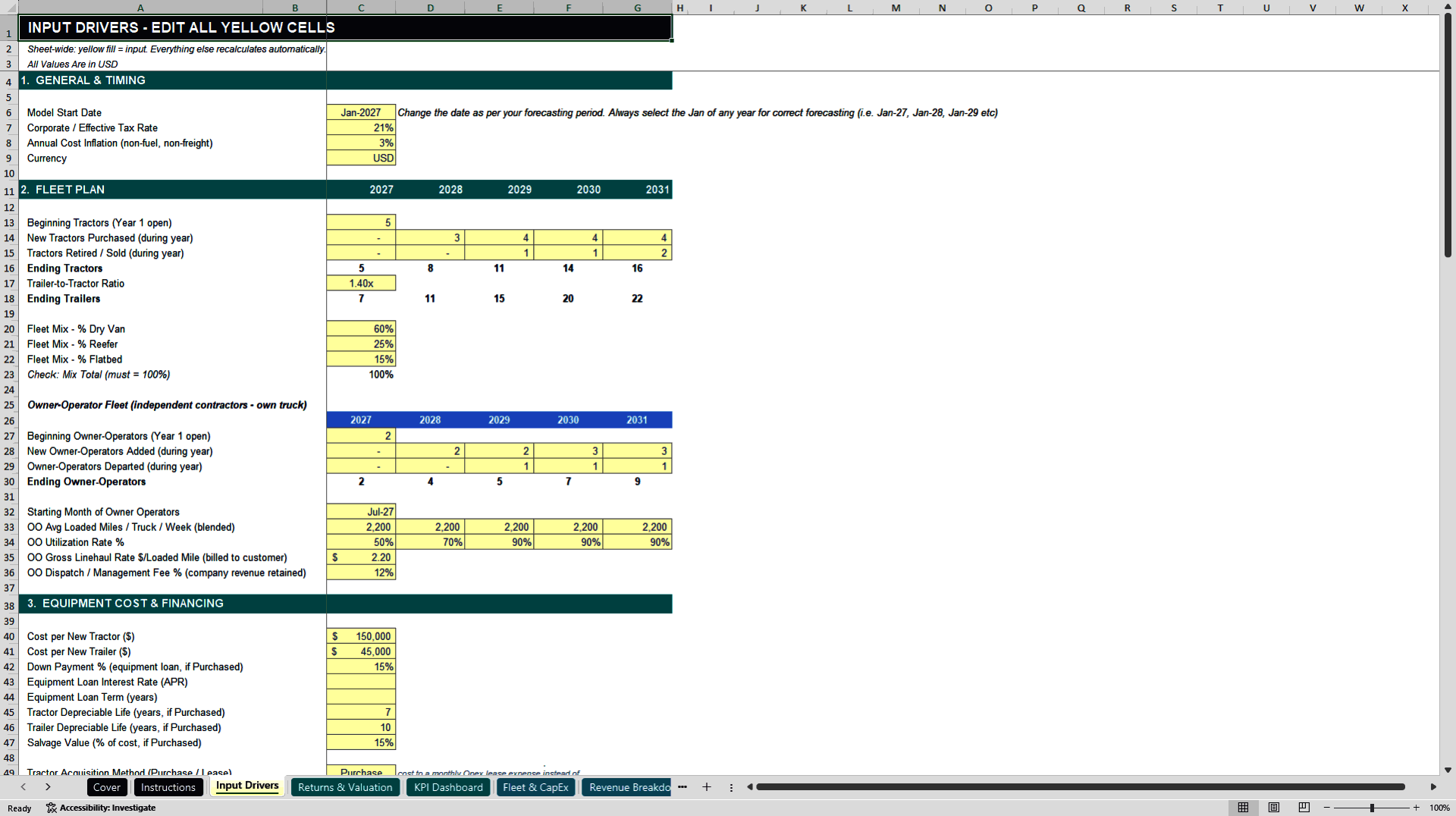
The Input Drivers tab organizes the main assumptions in one place. Key variables include:
• Fleet and operating assumptions
• Beginning tractors and trailers.
• Annual tractor purchases, retirements, and sales.
• Trailer to tractor ratio.
• Dry van, reefer, and flatbed fleet mix.
• Beginning, added, and departing owner operators.
• Fleet utilization rate and operating weeks per year.
• Loaded miles per truck per week.
• Deadhead or empty mile percentage.
• Pricing and revenue assumptions
• Linehaul rate per loaded mile by equipment type.
• Fuel surcharge recovery per total mile.
• Annual freight rate escalation.
• Detention, layover, accessorial, and TONU fees.
• Brokerage load volume, average billing, and retained margin.
• Equipment rental income.
⛽ Cost assumptions
• Driver pay per total mile.
• Driver per diem and bonus.
• Employer payroll tax and workers compensation.
• Fuel price and average fuel economy.
• Maintenance, repair, tire, and toll costs per mile.
• Insurance, permits, licensing, ELD, and telematics costs.
• Yard rent, dispatch salaries, admin salaries, marketing, and other overhead.
🏦Financing and cash flow assumptions
• Tractor and trailer purchase costs.
• Purchase or lease acquisition method.
• Down payment percentage.
• Equipment loan rate and term.
• Revolver limit and interest rate.
• Accounts receivable and accounts payable days.
Tax rate, discount rate, and exit EBITDA multiple.
📊 What tabs are included?
This Fleet Management Financial Model includes the following worksheets:
• Instructions with model guidance and color coding.
• Input Drivers for all editable operating and financial assumptions.
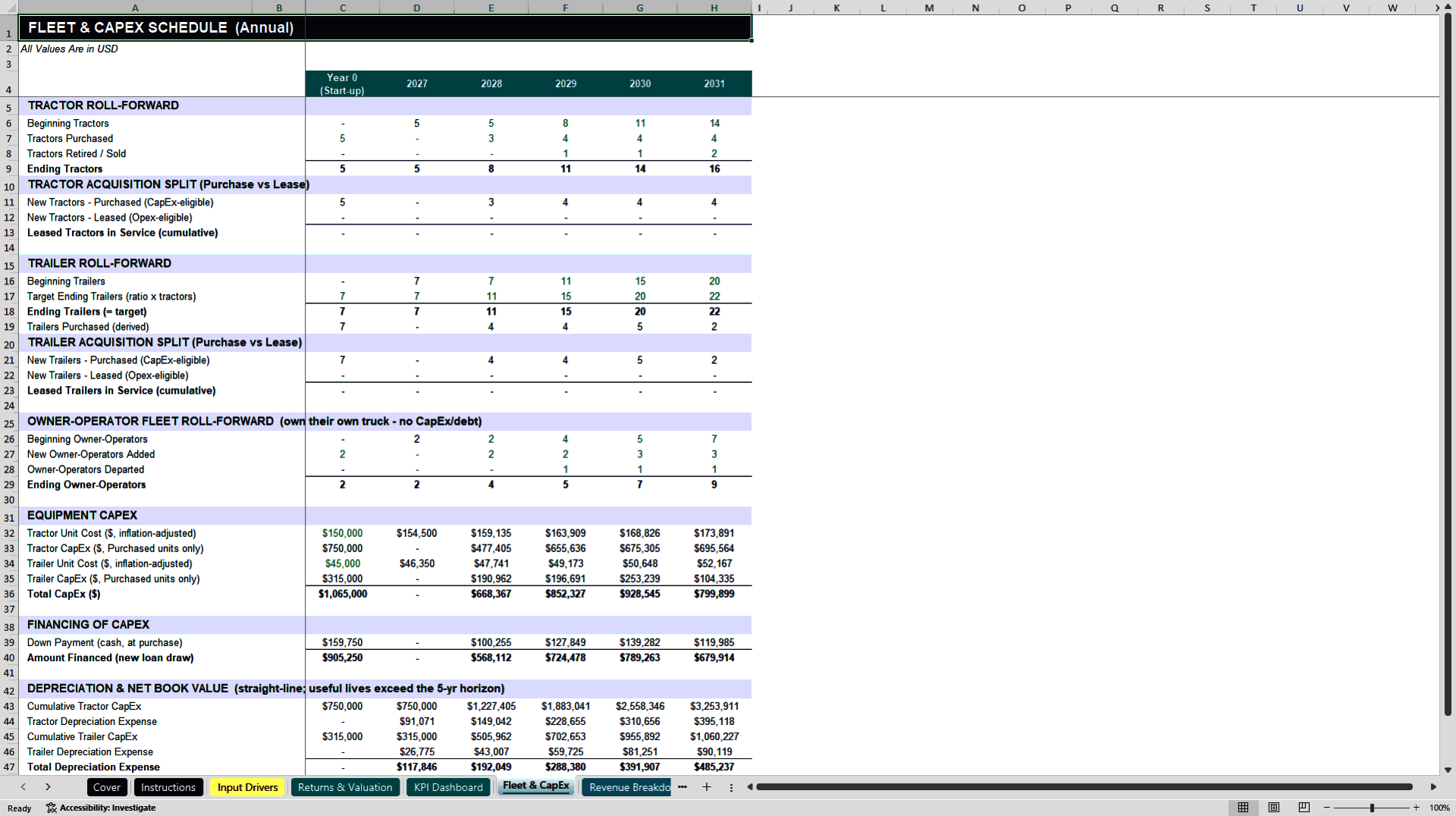
• Fleet & CapEx for tractor, trailer, owner operator, financing, and depreciation schedules.
• Revenue Breakdown for 60 month revenue forecasting.
• Opex Build for direct costs, vehicle costs, fuel, driver expenses, and overhead.
• Loan Amortization for equipment debt, interest, principal, and outstanding balances.
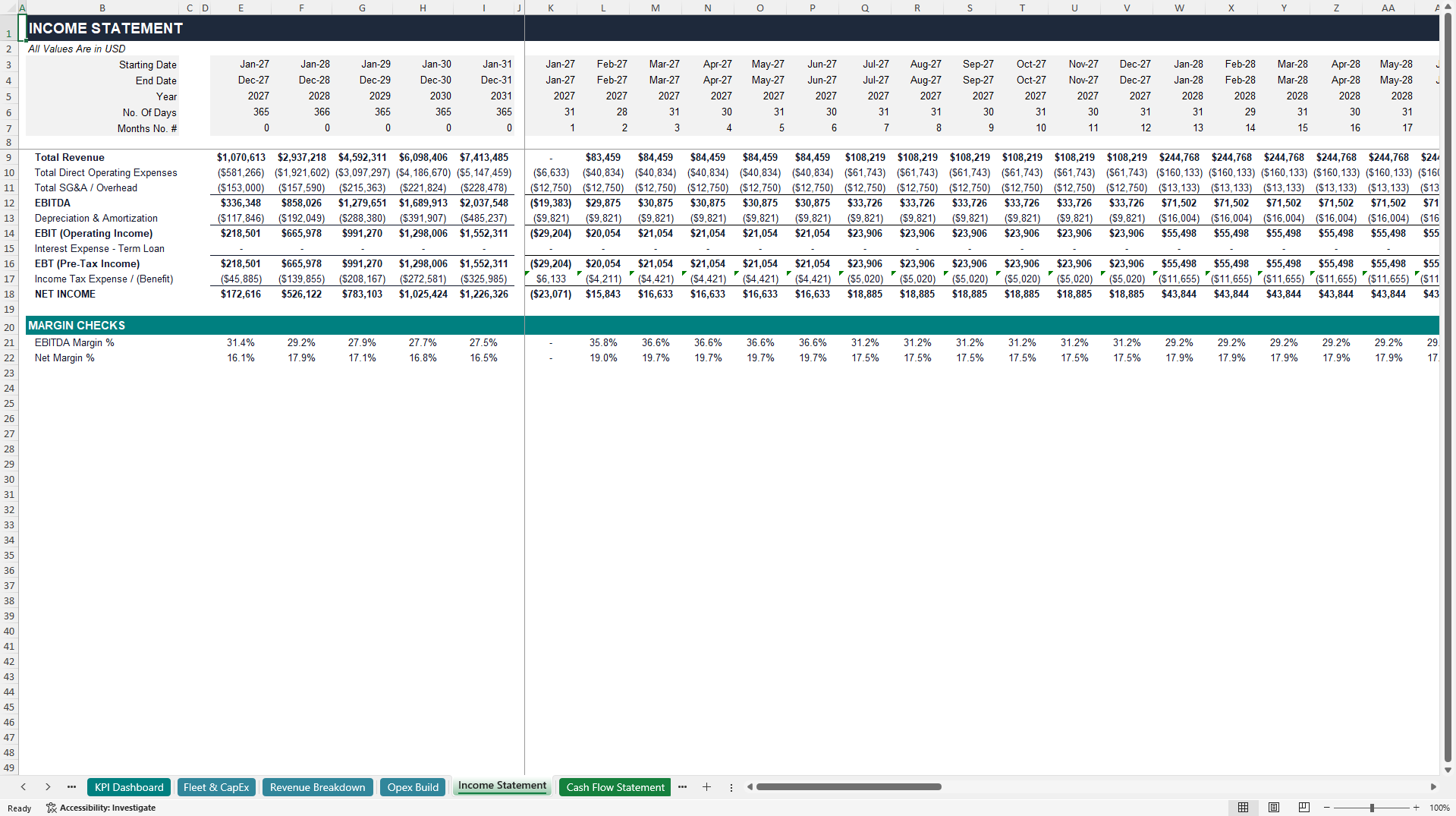
• Income Statement with monthly and annual profit and loss projections.
• Working Capital for accounts receivable and accounts payable calculations.
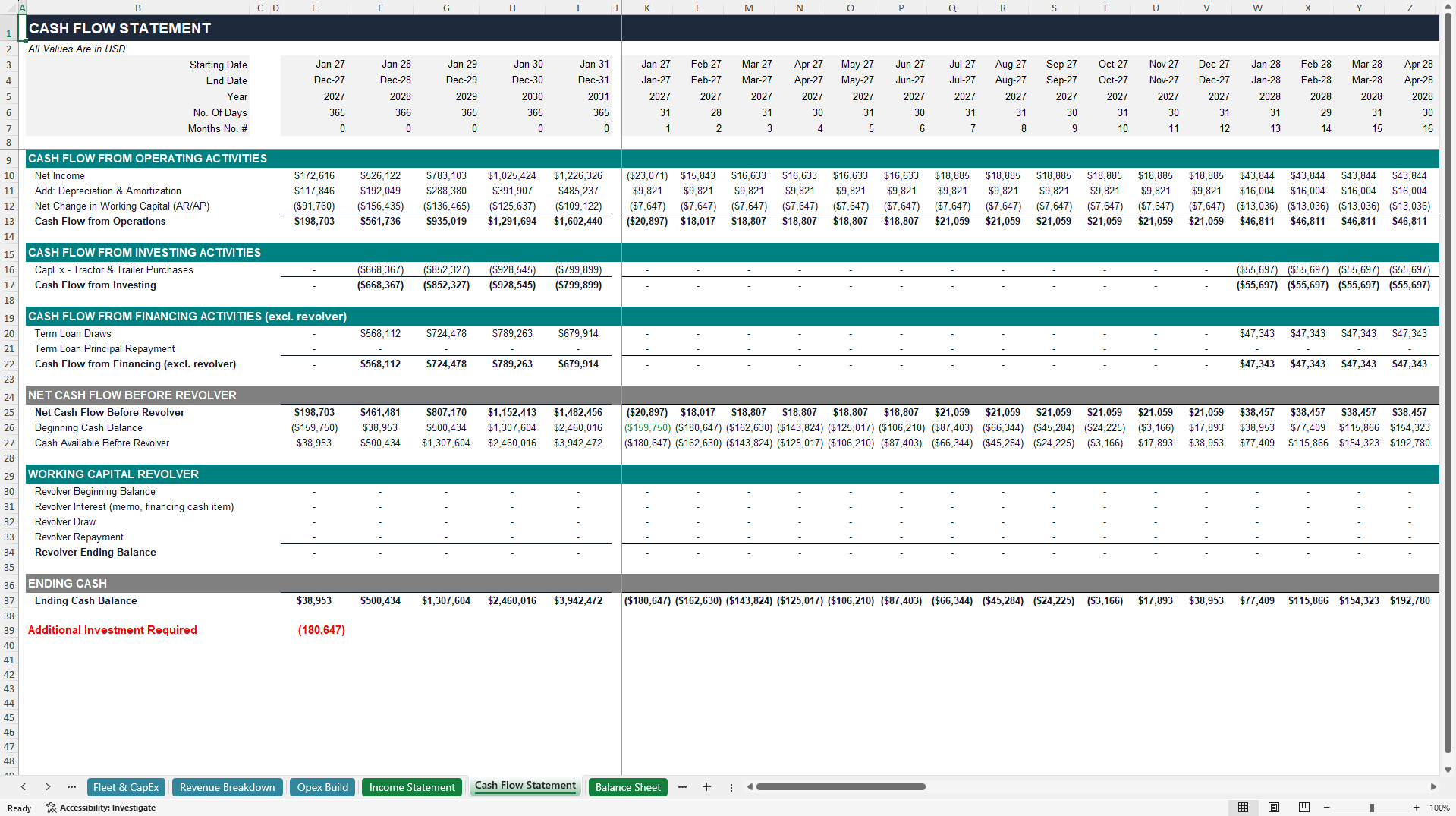
• Cash Flow Statement covering operating, investing, and financing cash flows.
• Balance Sheet with opening balances and five year projections.
• Returns & Valuation for IRR, NPV, payback, breakeven, and exit value analysis.
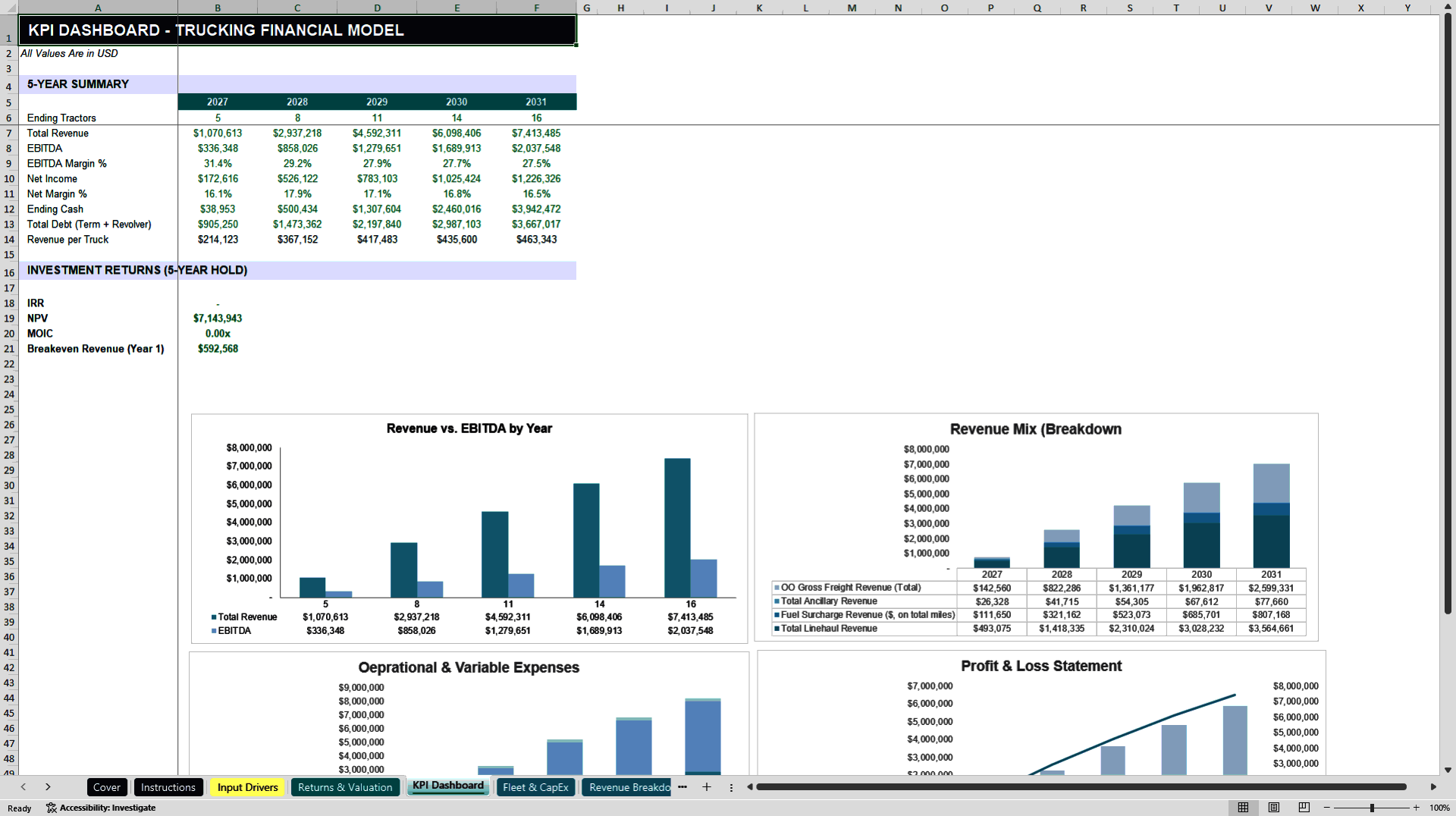
• KPI Dashboard for operating, financial, and investment performance.
🚜 How does this model benefit your trucking business?
This Trucking and Logistics Company Financial Forecasting Model helps you:
• Build a realistic five year operating budget.
• Estimate revenue by equipment type and service line.
• Understand the effect of fuel prices and freight rates on profit.
• Plan tractor and trailer purchases, leases, and financing.
• Monitor cash requirements during fleet expansion.
• Evaluate driver, maintenance, insurance, and overhead costs.
• Prepare financial information for lenders, investors, and partners.
• Test breakeven revenue and required truck count.
• Measure EBITDA, net income, margins, revenue per truck, cash, debt, and equity returns.
⏳Ready to plan your trucking operation?
Download this simple and flexible Freight Transport Financial Model. The workbook is not password protected, so you can customize business names, dates, currency, assumptions, descriptions, rates, and fleet structure after purchase.
The model includes input guidance, formula driven schedules, linked financial statements, checks, and a clear dashboard. Use it as a Trucking Company Business Plan financial section, a budgeting workbook, a lender presentation support file, or an internal FP&A planning tool.
Free support and error correction are available to help you use the template effectively.
Got a question about the product? Email us at support@flevy.com or ask the author directly by using the "Ask the Author a Question" form. If you cannot view the preview above this document description, go here to view the large preview instead.
Source: Best Practices in Transportation, Integrated Financial Model Excel: Trucking & Fleet Management Financial Model Template Excel (XLSX) Spreadsheet, Excel Business Resource
ABOUT THE AUTHOR

Excel Business Resource offers a leading-edge solution for streamlined financial modeling, budgeting, and reporting. Our customizable templates, curated by FP&A and FMVA experts, provide the foundation for precise, tailored financial analysis. From dynamic modeling to flexible budgeting and board-ready reports, our platform empowers informed decision-making for businesses of all sizes. ... [read more]
Ask the Author a Question
You must be logged in to contact the author.




























