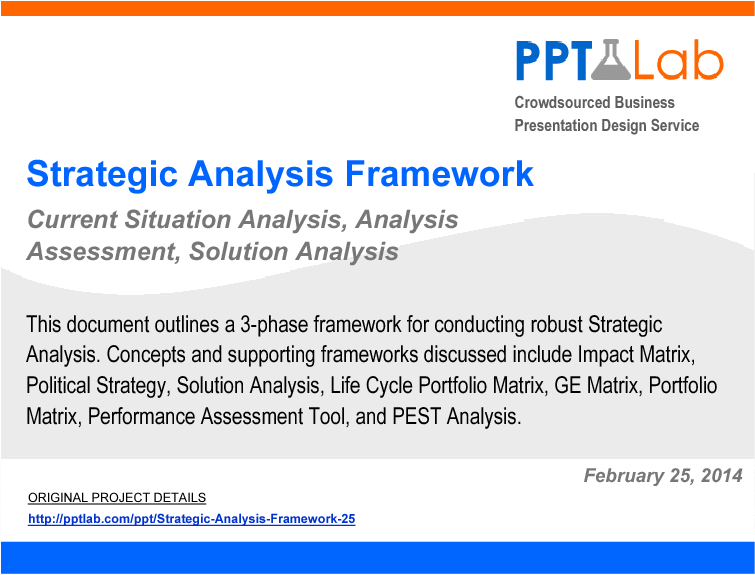
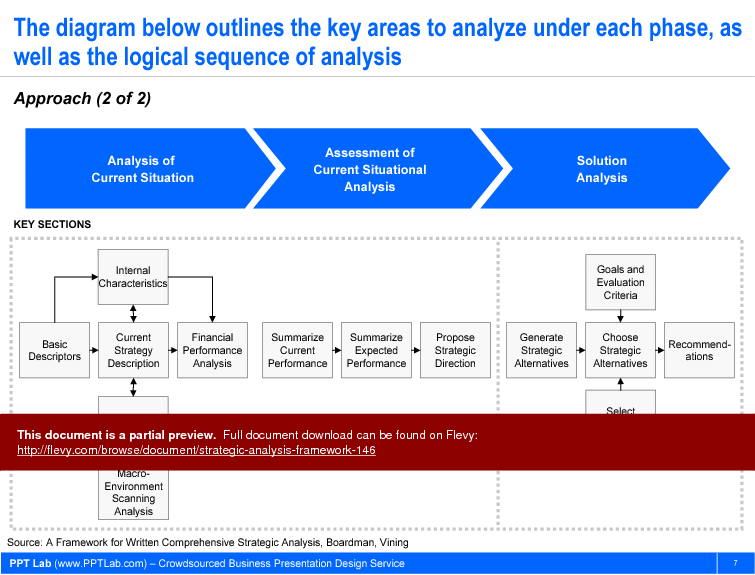
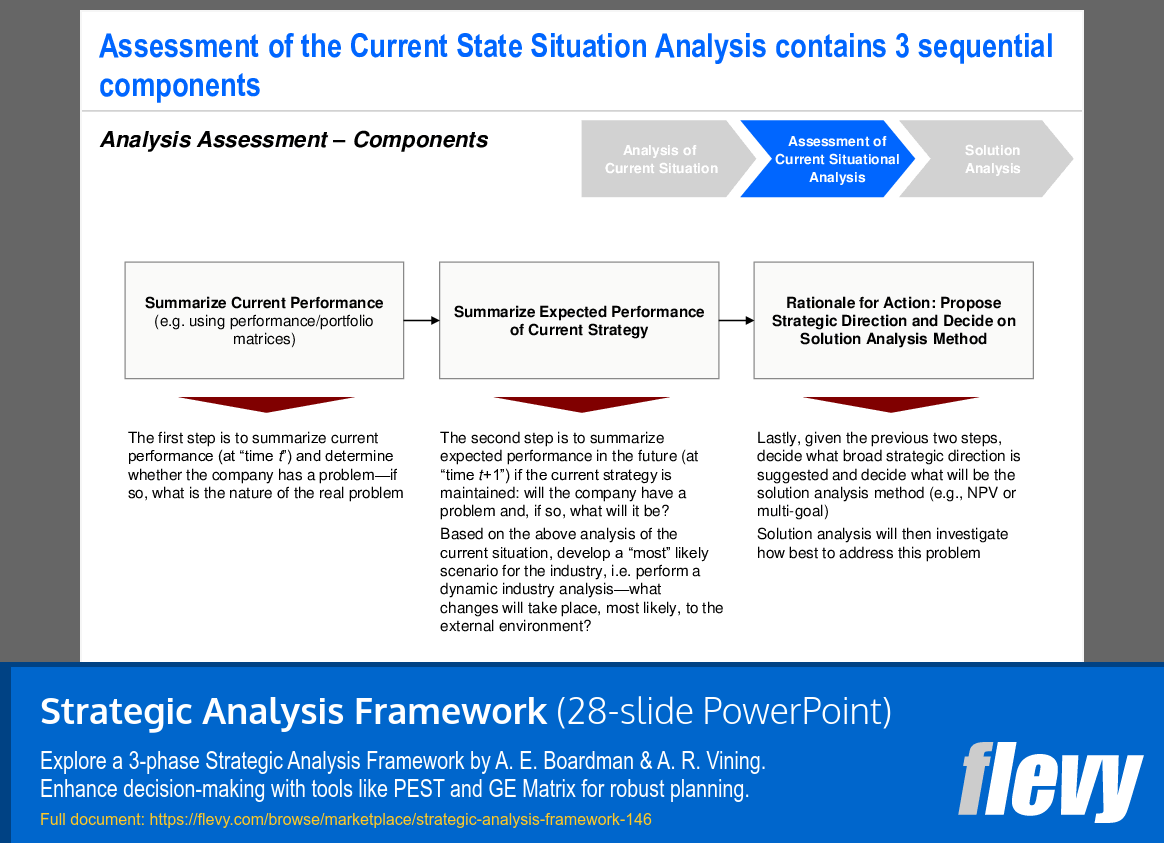

This document outlines a 3-phase framework for conducting robust Strategic Analysis, based on a paper published by A. E. Boardman and A. R. Vining. The framework describes the major elements of a strategic analysis, and consists of a logically-sequenced, coherent skeleton of a comprehensive strategic analysis. The phases are:
1. Current Situational Analysis
2. Analysis Assessment
3. Solution Analysis
Concepts and supporting frameworks discussed include Impact Matrix, Political Strategy, Solution Analysis, Life Cycle Portfolio Matrix, GE Matrix, Portfolio Matrix, Performance Assessment Tool, and PEST Analysis.
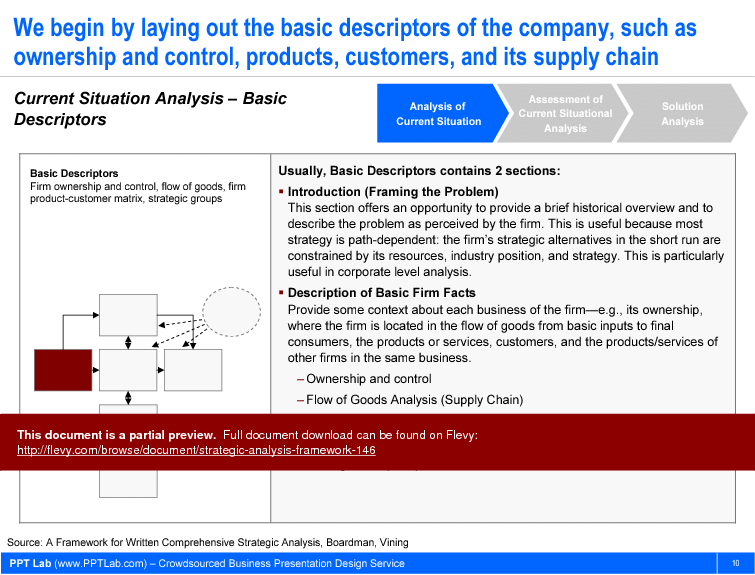
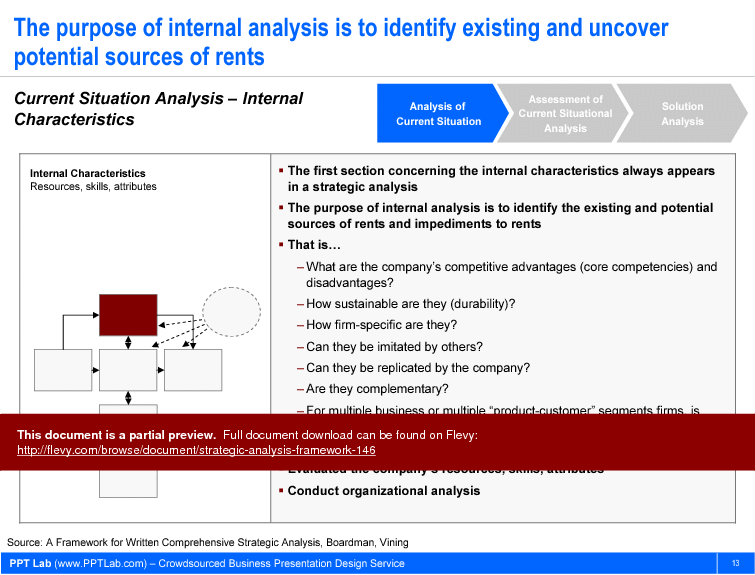
This Strategic Analysis Framework delves deep into the core of strategic planning, offering a granular breakdown of each phase. The document begins with a thorough Current Situation Analysis, covering basic descriptors like firm ownership, control, and supply chain dynamics. It then transitions into an internal characteristics assessment, identifying competitive advantages and potential sources of rents. This section is critical for understanding the firm's intrinsic strengths and weaknesses.
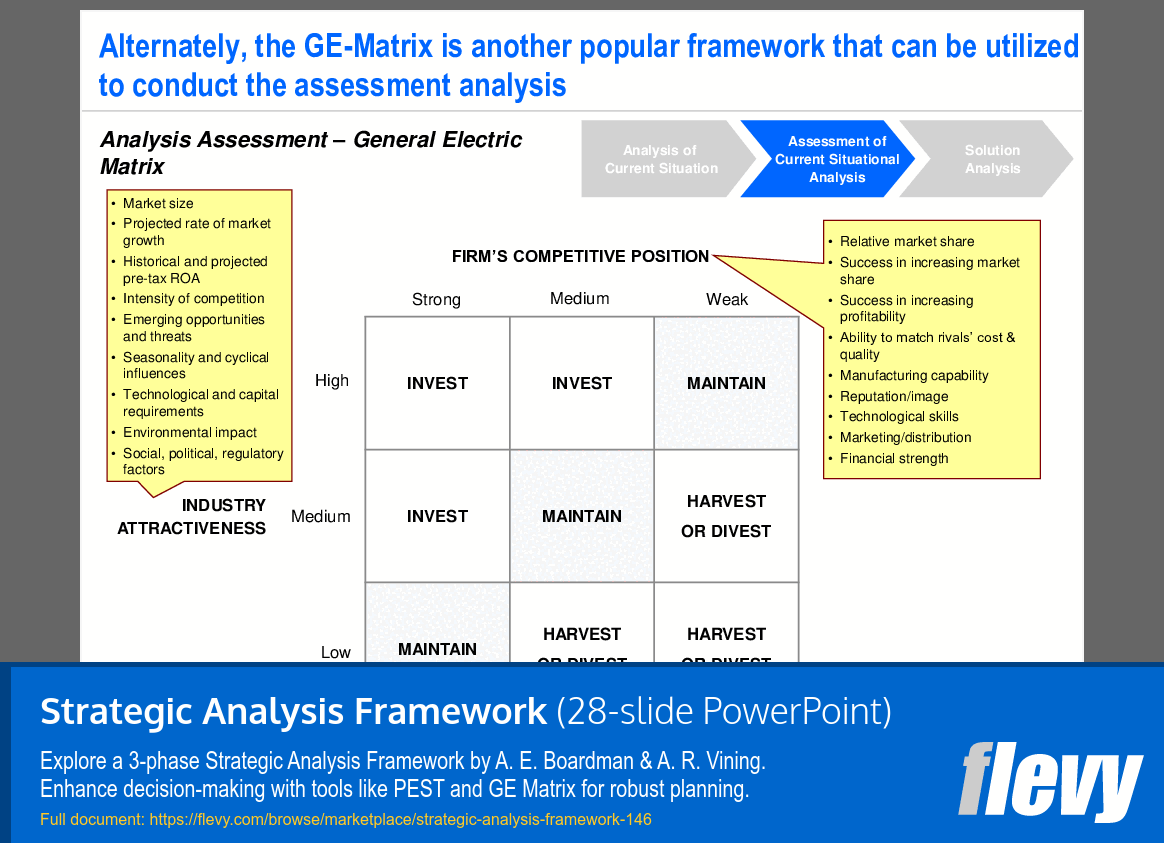
The Analysis Assessment phase employs tools such as the Basic Portfolio Matrix to evaluate the firm's competitive position within the industry. By mapping out industry attractiveness against the firm's competitive stance, this framework provides a clear visual representation of strategic positioning. This phase is essential for identifying growth opportunities and potential areas of improvement, making it a vital component for any strategic analysis.
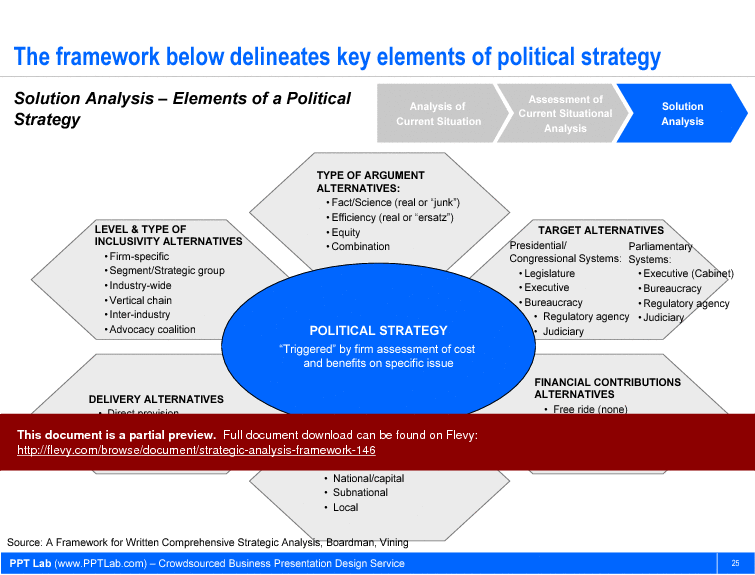
The Solution Analysis phase incorporates elements of political strategy, addressing how firms can navigate regulatory landscapes and stakeholder interests. This section includes a detailed examination of argument alternatives, target alternatives, and financial contribution strategies. This comprehensive approach ensures that all aspects of strategic planning are covered, providing a robust framework for decision-making and strategic direction.
Got a question about the product? Email us at support@flevy.com or ask the author directly by using the "Ask the Author a Question" form. If you cannot view the preview above this document description, go here to view the large preview instead.
Executive Summary
This presentation outlines a 3-phase framework for conducting robust Strategic Analysis, as articulated by A. E. Boardman and A. R. Vining. The framework is designed to provide a structured approach to strategic analysis, enabling organizations to assess their current situation, evaluate strategic alternatives, and recommend actionable solutions. Utilizing tools such as the Impact Matrix, GE Matrix, and PEST Analysis, this consulting-grade presentation equips executives with the insights needed to generate returns exceeding opportunity costs.
Who This Is For and When to Use
• Corporate strategists focused on long-term planning and competitive positioning
• Business analysts conducting market assessments and performance evaluations
• Management consultants advising clients on strategic direction
• Executives seeking to align organizational goals with market realities
Best-fit moments to use this deck:
• During strategic planning sessions to evaluate current performance and future directions
• When assessing the impact of external factors on business strategy
• In workshops aimed at generating and analyzing strategic alternatives
Learning Objectives
• Define the components of a comprehensive strategic analysis framework
• Build a structured approach to assess current business situations
• Establish criteria for evaluating strategic alternatives
• Generate actionable recommendations based on situational assessments
• Analyze external and internal factors influencing strategic decisions
• Utilize various analytical tools to enhance decision-making processes
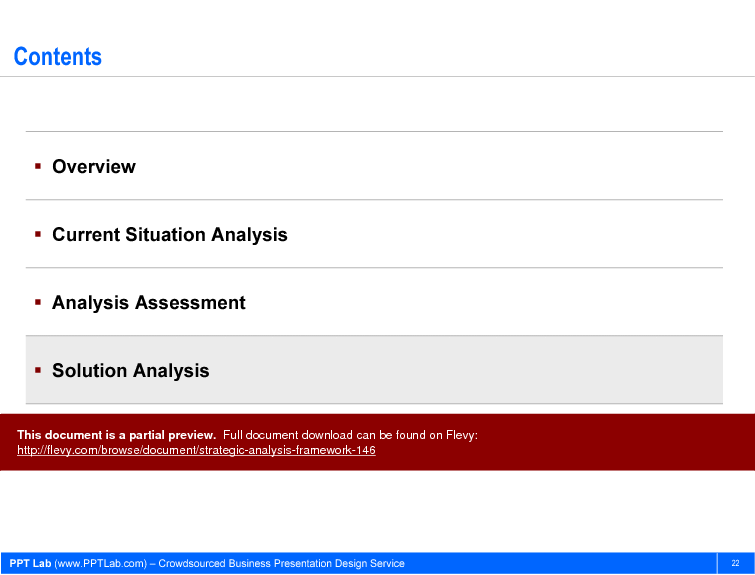
Table of Contents
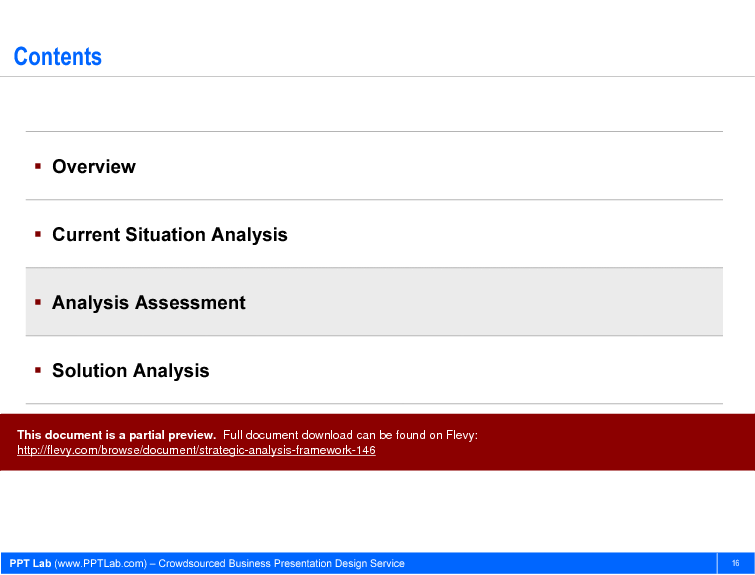
• Overview (page 4)
• Current Situation Analysis (page 8)
• Analysis Assessment (page 16)
• Solution Analysis (page 22)
Primary Topics Covered
• Current Situation Analysis - A detailed examination of the firm’s products, customers, and competitive landscape to understand its current positioning.
• Analysis Assessment - Evaluates the effectiveness of the current strategy and identifies potential issues that may arise if the strategy continues unchanged.
• Solution Analysis - Proposes strategic alternatives and evaluates them against established goals and criteria to recommend the best course of action.
• Impact Matrix - A tool for comparing strategic alternatives based on their expected impact on organizational goals.
• GE Matrix - A framework for assessing business units based on industry attractiveness and competitive position.
• PEST Analysis - An analysis of external macro-environmental factors affecting the organization, including political, economic, social, and technological influences.
Deliverables, Templates, and Tools
• Impact Matrix template for evaluating strategic alternatives
• GE Matrix for assessing business unit performance
• PEST Analysis framework for macro-environmental scanning
• Performance Assessment Tool for summarizing current and expected performance
• Life Cycle Portfolio Matrix for evaluating product offerings
• Strategic Group Maps for visualizing competitive positioning
Slide Highlights
• Overview of the 3-phase Strategic Analysis Framework
• Key questions for each phase of the analysis process
• Visual representation of the logical sequence of analysis
• Detailed breakdown of the Current Situation Analysis components
• Examples of the Impact Matrix and GE Matrix in action
Potential Workshop Agenda
Introduction to Strategic Analysis Framework (30 minutes)
• Overview of the framework and its importance
• Discussion of key components and tools
Current Situation Analysis Session (60 minutes)
• Identify and analyze current products and customers
• Assess competitive landscape and external factors
Solution Analysis Workshop (90 minutes)
• Generate strategic alternatives based on assessments
• Evaluate alternatives using the Impact Matrix and GE Matrix
Customization Guidance
• Tailor the framework to reflect specific organizational contexts and industry dynamics
• Adjust the PEST Analysis to include relevant external factors specific to the firm
• Modify the Impact Matrix to align with unique organizational goals and performance metrics
Secondary Topics Covered
• Organizational analysis and its role in strategic assessment
• Financial performance metrics and their implications for strategy
• Competitive forces analysis using Porter’s Five Forces framework
• Internal characteristics that influence strategic advantages and disadvantages
FAQ
What is the purpose of the Strategic Analysis Framework?
The framework is designed to provide a structured approach for organizations to assess their current situation, evaluate strategic alternatives, and make informed recommendations for future actions.
How can the Impact Matrix be utilized?
The Impact Matrix allows organizations to compare and measure the effectiveness of various strategic alternatives against established goals, facilitating informed decision-making.
What is the significance of the GE Matrix?
The GE Matrix helps organizations assess their business units based on industry attractiveness and competitive position, guiding resource allocation and strategic focus.
How does PEST Analysis contribute to strategic planning?
PEST Analysis provides insights into external macro-environmental factors that may impact the organization, allowing for proactive strategy adjustments.
What are the key components of Current Situation Analysis?
Current Situation Analysis includes understanding the firm’s products, customers, competitive landscape, and financial performance, among other factors.
How can organizations assess the effectiveness of their current strategy?
Organizations can evaluate their current strategy by analyzing performance metrics, identifying potential issues, and forecasting future outcomes based on existing strategic directions.
What types of strategic alternatives should be considered?
Organizations should consider both corporate-level and business-level strategic alternatives, ensuring a comprehensive approach to strategic planning.
How can the framework be customized for different industries?
The framework can be tailored by incorporating industry-specific factors into the PEST Analysis and adjusting the evaluation criteria in the Impact Matrix to reflect unique organizational goals.
Glossary
• Strategic Analysis - A systematic approach to understanding an organization's current position and future direction.
• Impact Matrix - A tool for evaluating the potential impacts of strategic alternatives on organizational goals.
• GE Matrix - A framework for assessing business units based on their competitive position and industry attractiveness.
• PEST Analysis - An analysis of external macro-environmental factors: Political, Economic, Social, and Technological.
• Current Situation Analysis - An assessment of the firm's existing products, customers, and competitive landscape.
• Analysis Assessment - The evaluation of current strategy effectiveness and identification of potential issues.
• Solution Analysis - The process of generating and evaluating strategic alternatives to recommend actionable solutions.
• Performance Assessment Tool - A framework for summarizing current and expected performance metrics.
• Life Cycle Portfolio Matrix - A tool for evaluating the portfolio of offerings based on their market position and profitability.
• Strategic Group Maps - Visual representations of competitive positioning within an industry.
• Financial Ratio Analysis - An assessment of a company's financial health through key ratios.
• Macro-Environment Scanning - The process of analyzing external factors that may impact the organization.
• Competitive Forces Analysis - An evaluation of the competitive landscape using frameworks like Porter’s Five Forces.
• Core Competencies - Unique strengths and capabilities that provide a competitive advantage.
• Rents - Returns generated in excess of opportunity costs.
• Strategic Direction - The overarching path an organization chooses to pursue in its strategic planning.
• Scenario Analysis - The process of evaluating different future scenarios to inform strategic decision-making.
• Goals and Evaluation Criteria - Specific, measurable objectives used to assess strategic alternatives.
• Organizational Analysis - An assessment of internal characteristics, resources, and capabilities.
• Competitive Position - The relative standing of a firm in its industry compared to competitors.
Source: Best Practices in Strategy Development, Strategic Analysis PowerPoint Slides: Strategic Analysis Framework PowerPoint (PPT) Presentation Slide Deck, PPT Lab
|
Download our FREE Strategy & Transformation Framework Templates
Download our free compilation of 50+ Strategy & Transformation slides and templates. Frameworks include McKinsey 7-S, Balanced Scorecard, Disruptive Innovation, BCG Curve, and many more. |