 Click main image to view in full screen.
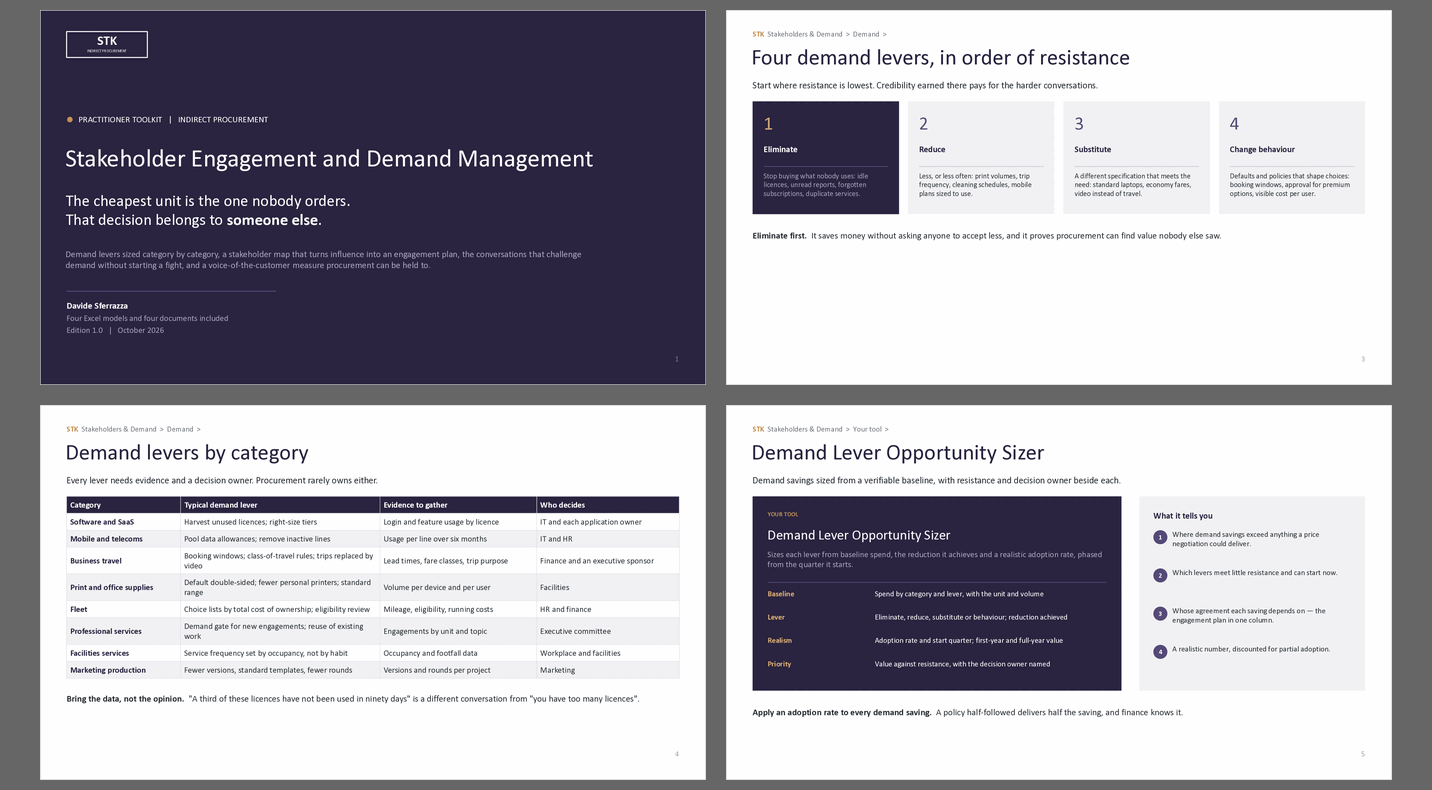
Stakeholder Engagement and Demand Management Toolkit – PowerPoint PPTX Template
PowerPoint (PPTX) + Zip archive file (ZIP) 15 Slides


BENEFITS OF THIS DOWNLOADABLE POWERPOINT DOCUMENT
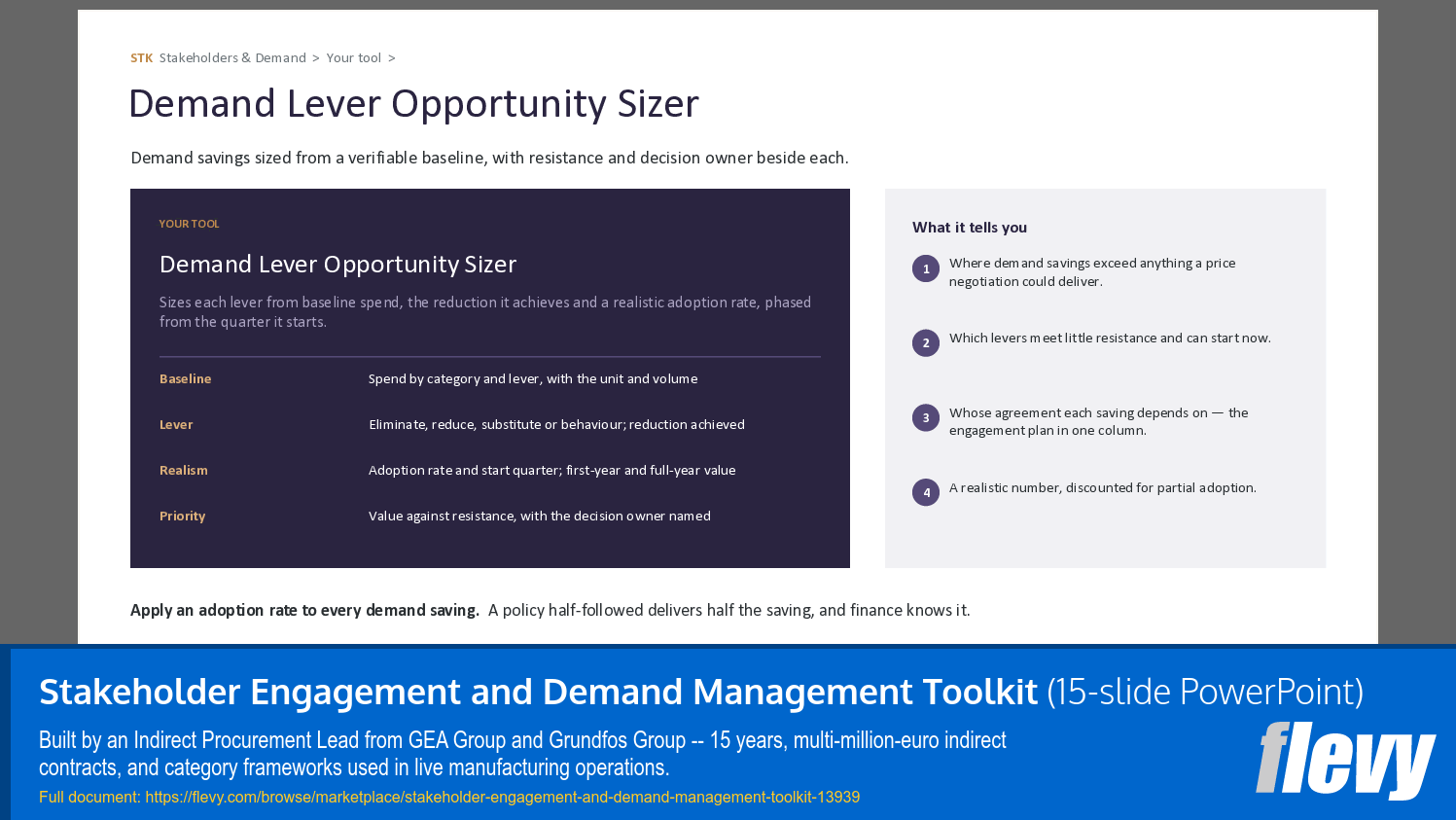
- Size demand savings - eliminate, reduce, substitute, change behaviour - from a verifiable baseline, discounted for realistic adoption and ranked by value against resistance
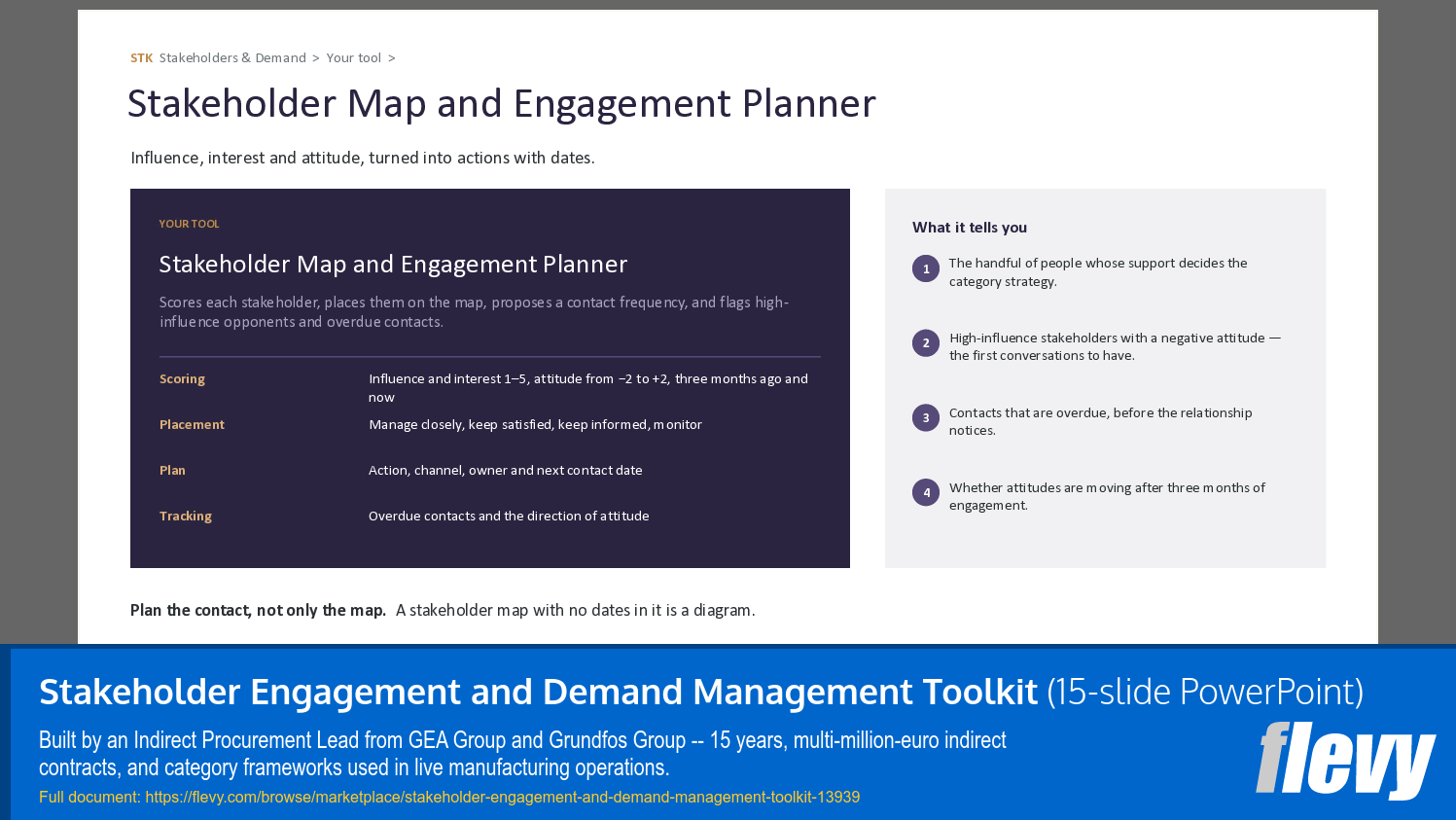
- Turn a stakeholder map into an engagement plan with actions, owners and contact dates, and find the influential opponents to talk to first
- Measure how the business experiences procurement on twelve service items, and see which ones to fix first and where effort is over-invested
STAKEHOLDER MANAGEMENT PPT TEMPLATE DESCRIPTION
In indirect spend the largest saving is usually in quantity and specification, not in price. The cheapest unit is the one nobody orders. But procurement owns neither the quantity nor the specification: the budget holder decides how much, how often, to what standard and whether at all. That is why demand is the lever least used, and why stakeholder engagement is not a soft skill but the route to the biggest savings in the category.
Stakeholders rarely resist procurement as such. They resist losing control of a decision they will be blamed for. Address that risk explicitly and most resistance disappears.
THE SEQUENCE THIS PACK IS BUILT ON
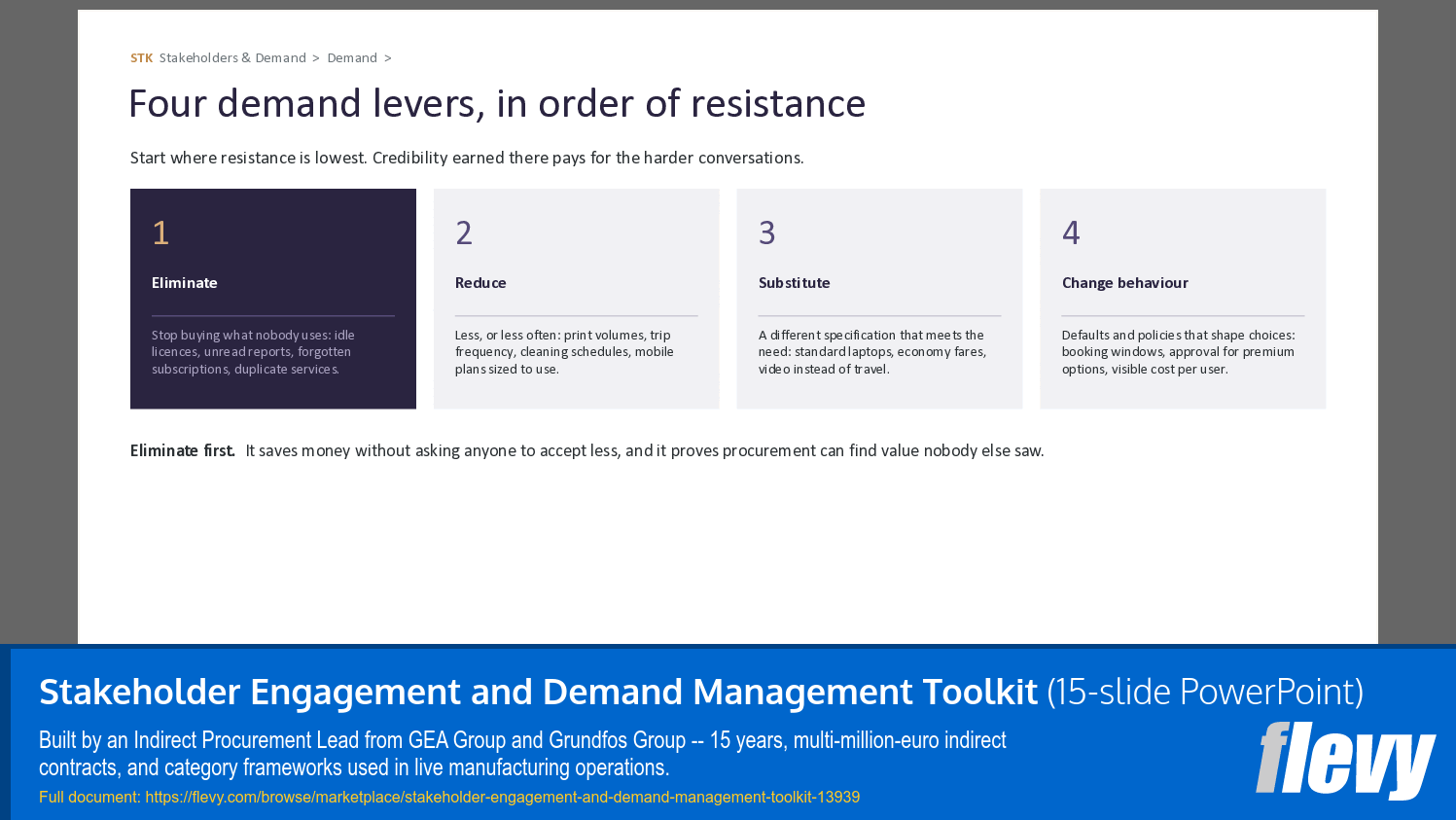
Listen, earn the right, then shape demand. Four demand levers in order of resistance: eliminate what nobody uses, reduce quantity and frequency, substitute a specification that meets the need, and change behaviour through defaults and policies. Start where resistance is lowest. Credibility earned there – a licence harvest, an inactive mobile line cancelled – pays for the harder conversations about travel policy or professional services.
WHAT IS INCLUDED
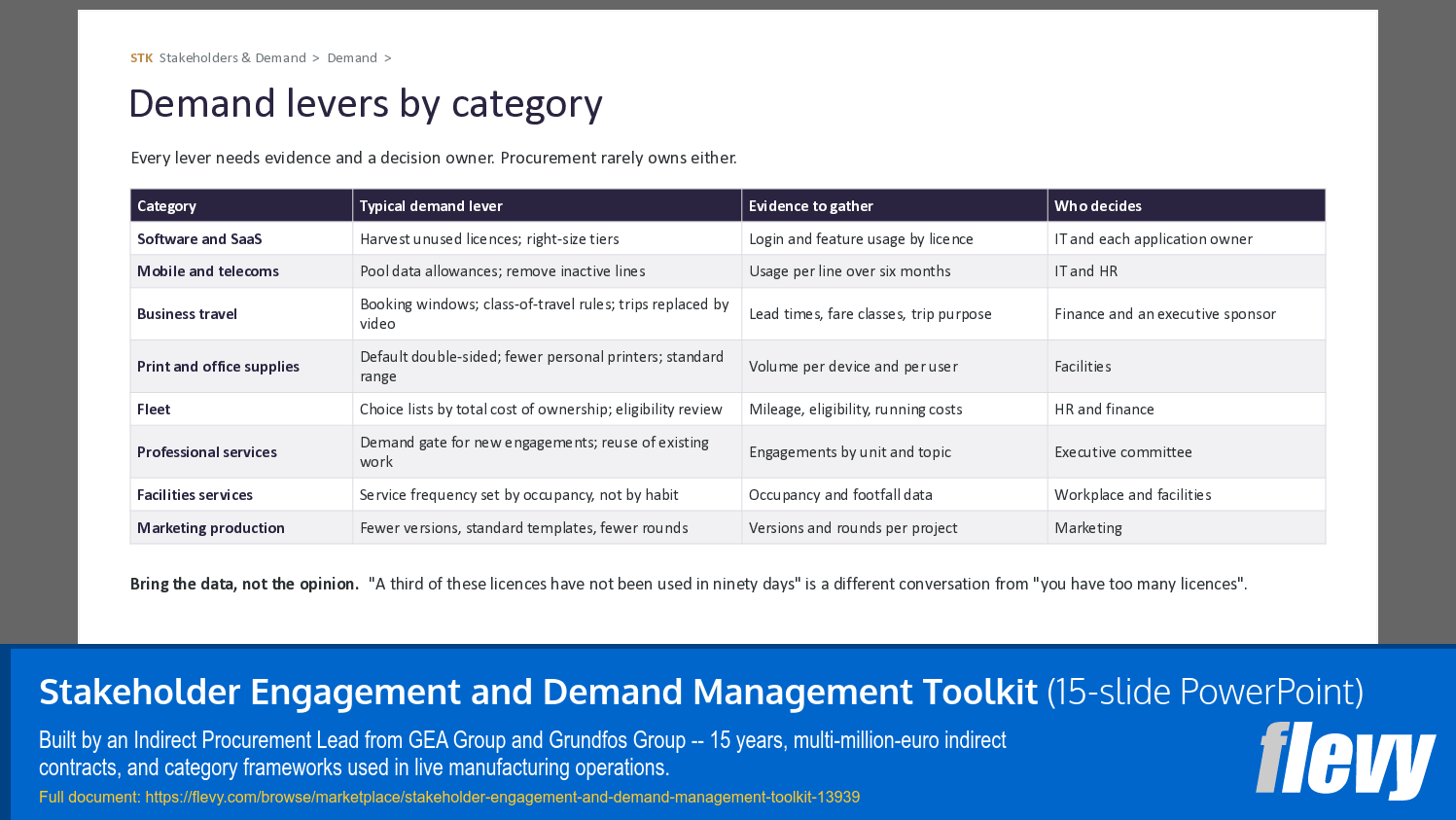
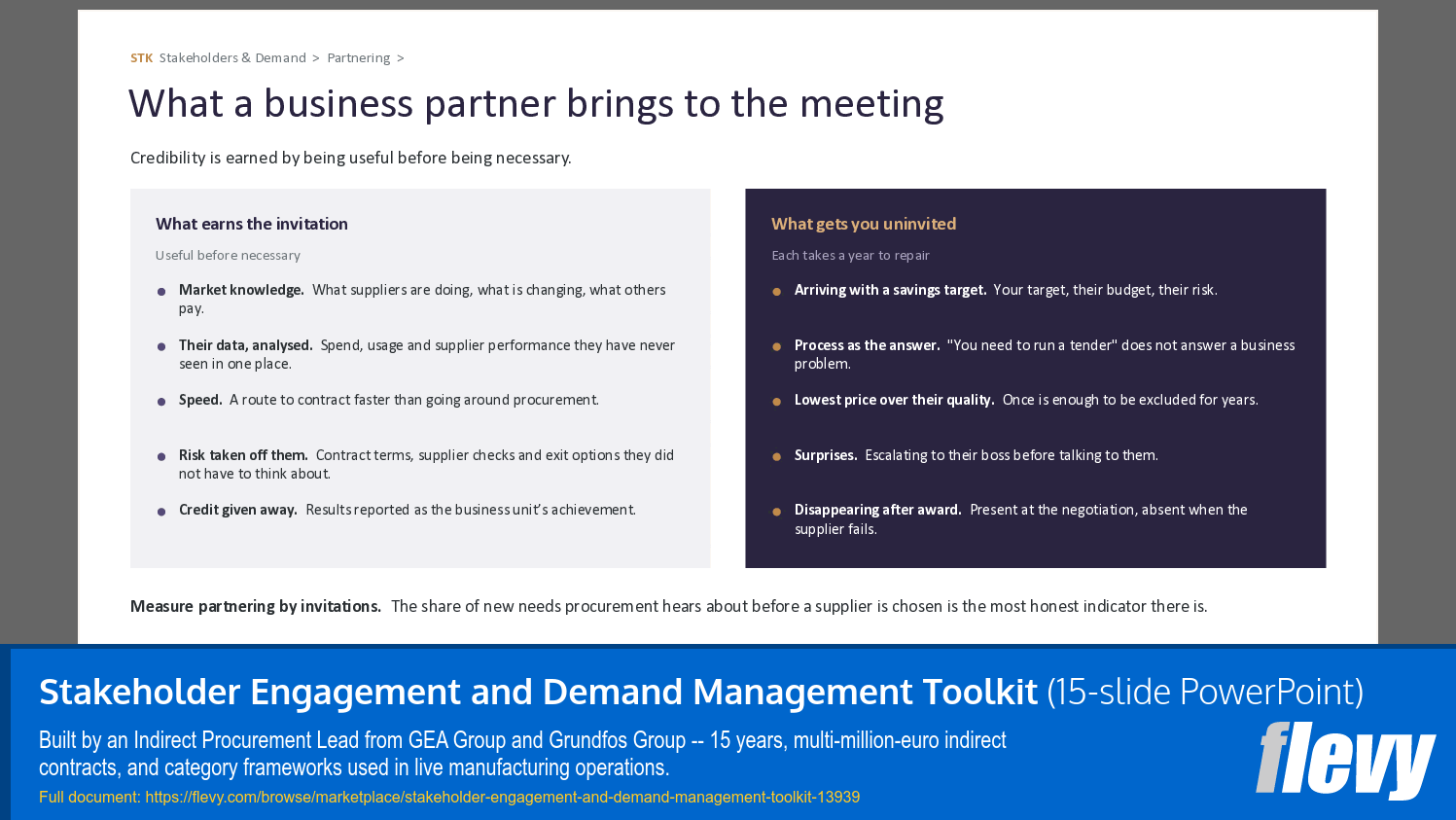
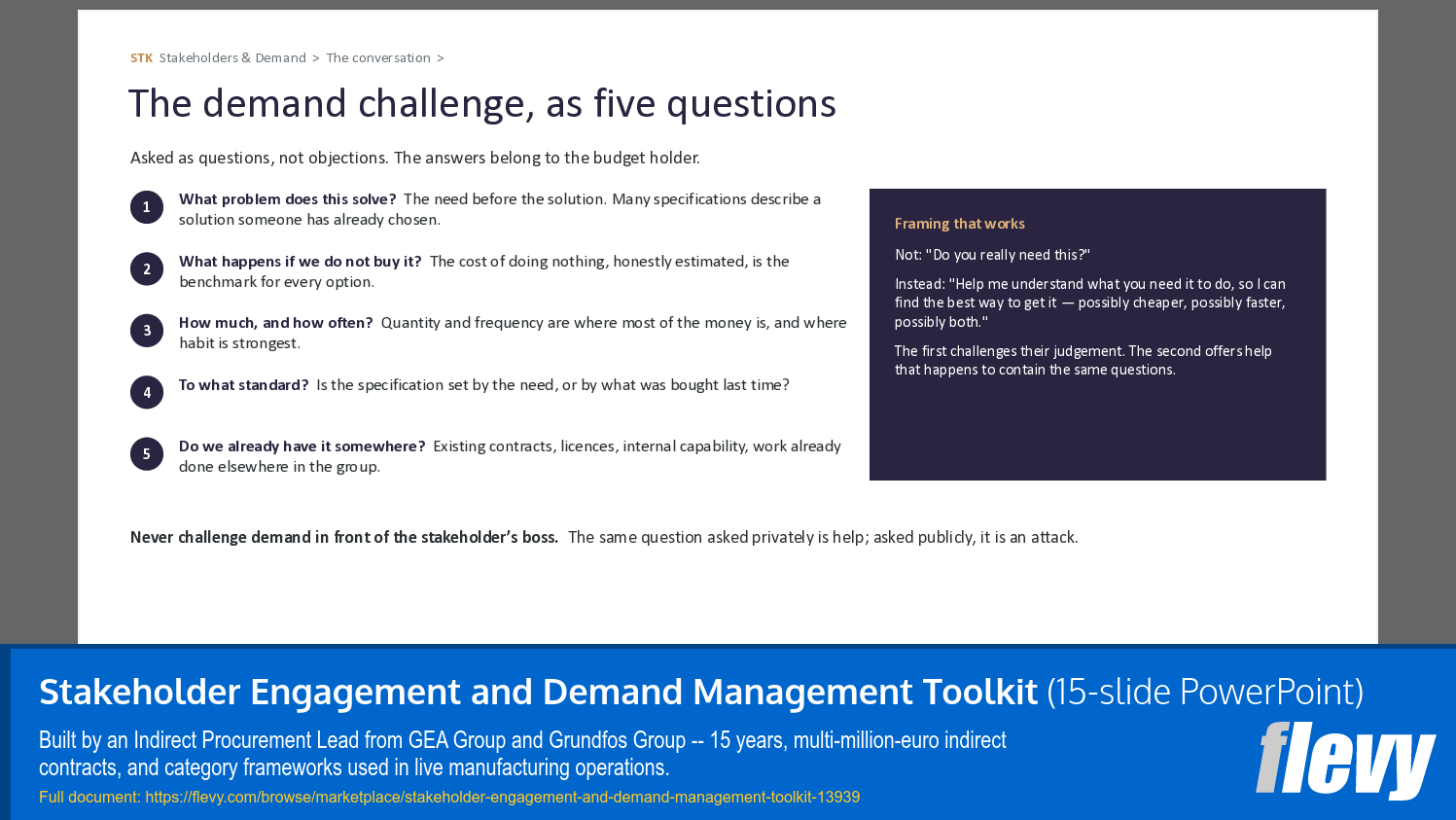
Primary document – a 14-slide guide covering the four demand levers, demand levers by category with the evidence to gather and the decision owner, six kinds of stakeholder and what each needs, what a business partner brings to the meeting and what gets procurement uninvited, an engagement model by stakeholder level, the five demand-challenge questions and the framing that works, and a hundred-day plan.
Four Excel models, all unlocked with live formulas and a worked example:
Demand Lever Opportunity Sizer – twelve worked levers across software, mobile, travel, print, fleet, professional services, facilities and marketing, each sized from baseline spend, reduction and adoption, phased from its start quarter, ranked by value against resistance and summarised by lever type.
Stakeholder Map and Engagement Planner – influence, interest and attitude now and three months ago, quadrant placement, contact frequency by quadrant, next contact and overdue flags, attitude trend, a priority score for influential opponents, and an influence-interest chart.
Voice of the Customer Survey Analyser – twelve service items rated for importance and performance, importance-performance gaps and quadrants (fix first, maintain, over-invested, low priority), and a net recommendation score by business unit.
Sourcing RACI and Engagement Cadence – fourteen sourcing steps across seven roles with automatic checks for a single accountable owner and a workable number of responsible parties, plus a calendar of engagement forums.
Four documents: a Stakeholder Interview Guide; a Demand Challenge Conversation Guide with phrases that work and demand levers by category; a Procurement Service Charter Template with commitments on both sides; and Category Communication Templates that give the credit to the business.
WHO IT IS FOR
Category managers and procurement business partners. Procurement leaders trying to move from gatekeeper to partner. Finance business partners working on cost programmes. Consultants running demand-management or cost-reduction work in indirect spend.
WHAT THIS IS NOT
It is not a generic stakeholder-management course. Everything in it is specific to procurement and to indirect categories, and it contains no psychological profiling. It is a practical method for getting invited earlier and for reducing what is bought, not only what it costs.
Got a question about the product? Email us at support@flevy.com or ask the author directly by using the "Ask the Author a Question" form. If you cannot view the preview above this document description, go here to view the large preview instead.
Source: Best Practices in Stakeholder Management, Procurement Strategy PowerPoint Slides: Stakeholder Engagement and Demand Management Toolkit PowerPoint (PPTX) Presentation Slide Deck, Davide Sferrazza
ABOUT THE AUTHOR

Indirect Procurement Lead, with 15 years spent in the categories most organisations manage least well: MRO, facilities, utilities and energy, marketing services, IT and software, professional services, logistics and CapEx.
That career has been inside manufacturing groups -- Pavan (GEA Group) and DAB Pumps (Grundfos Group) -- leading procurement transformation projects, negotiating
... [read more]
Ask the Author a Question
You must be logged in to contact the author.




























