 Click main image to view in full screen.
Small Business Acquisition (ETA) Underwriting Model – Excel XLSX
Excel (XLSX) + supplemental PDF


BENEFITS OF THIS DOWNLOADABLE EXCEL DOCUMENT
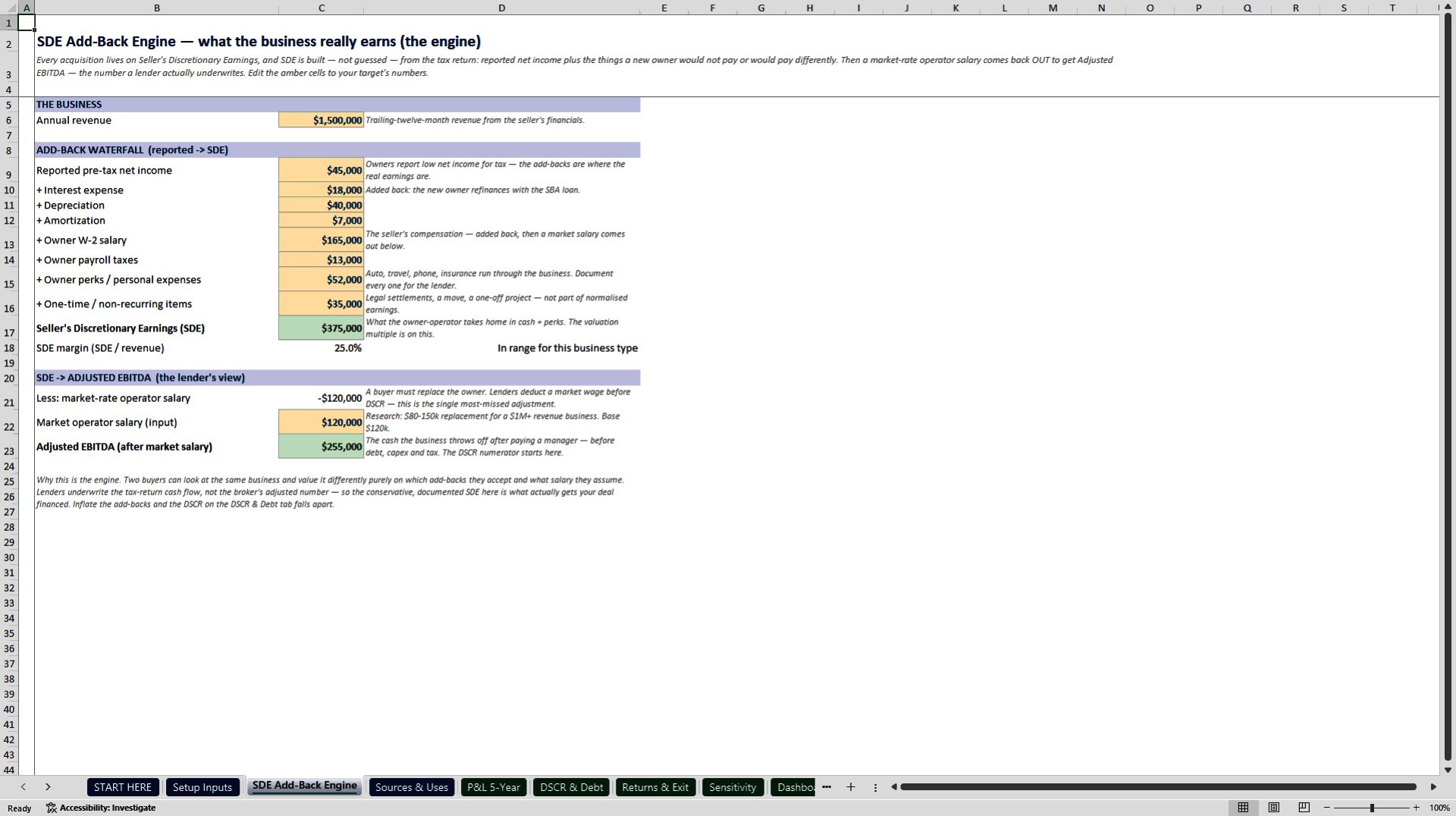
- Rebuilds Seller's Discretionary Earnings line by line from the tax return and then removes a market-rate operator salary, so the coverage test runs on the Adjusted EBITDA a lender finances rather than the broker's number.
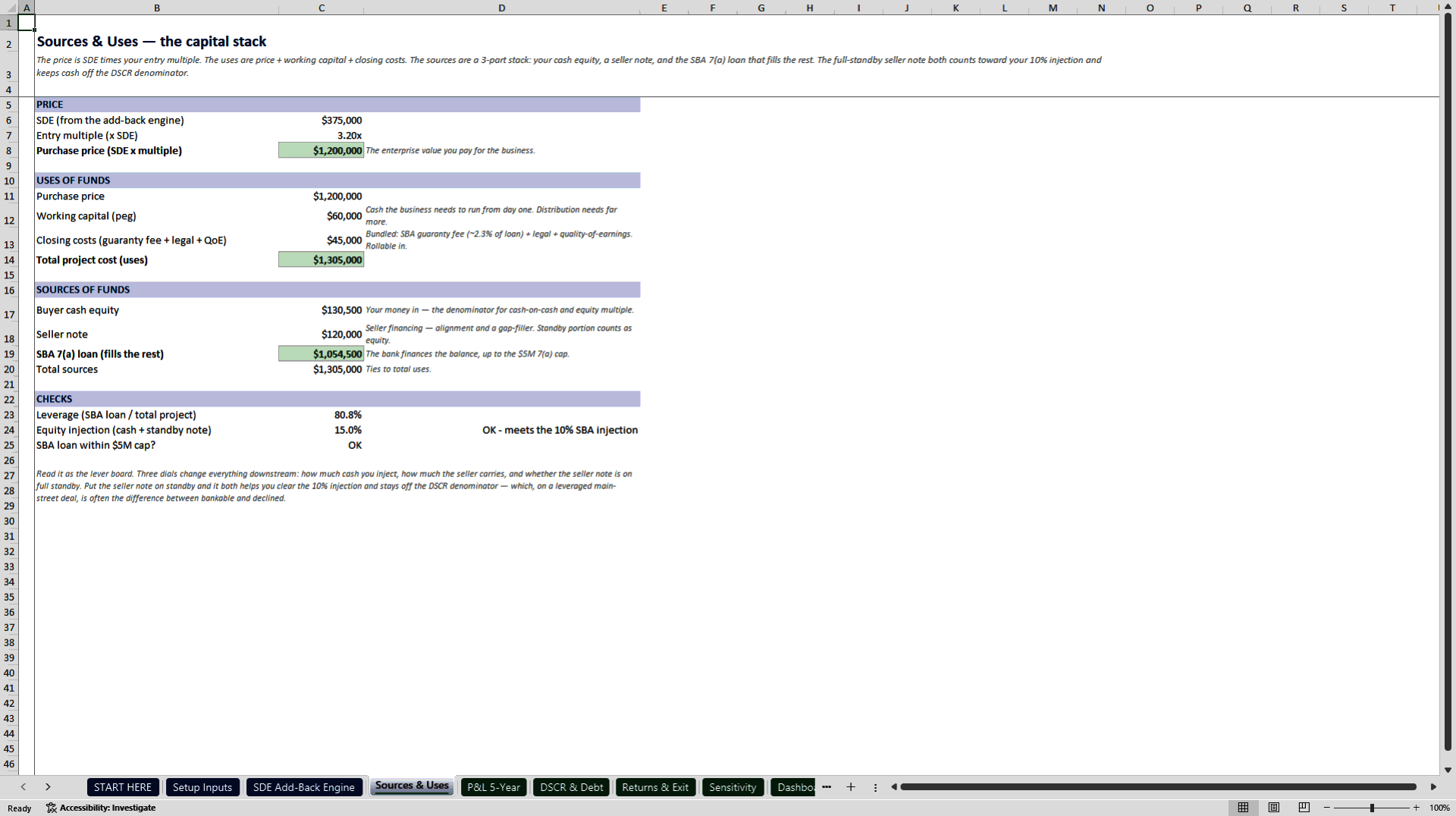
- Structures the three-part stack of buyer equity, seller note and SBA 7(a) loan with the 10% equity-injection rule and the $5M program cap checked as you change the inputs.
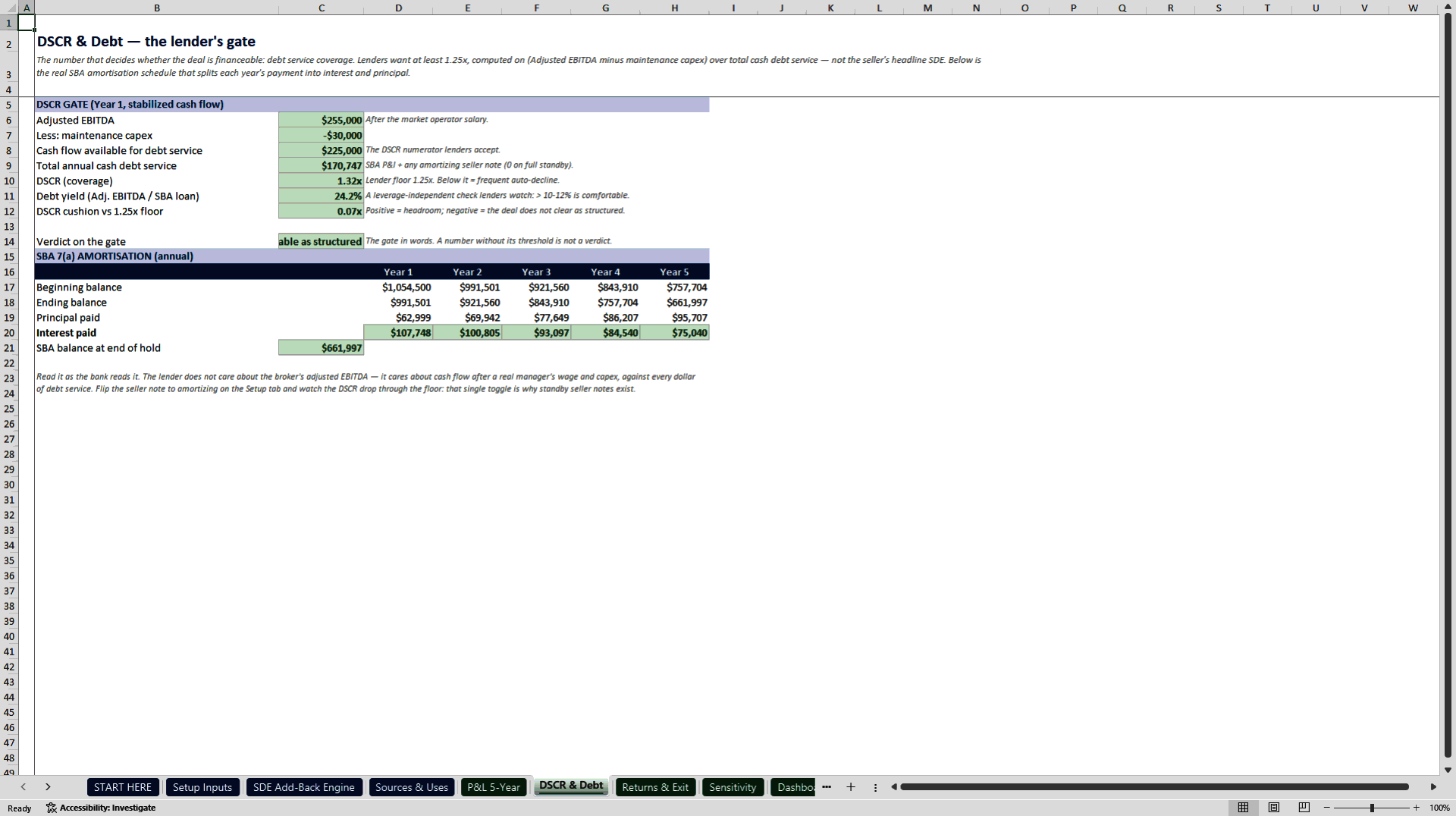
- Puts the seller-note standby decision on one toggle: full standby holds coverage at 1.32x, amortizing drops it to 1.13x, below the 1.25x floor most lenders apply.
M&A (MERGERS & ACQUISITIONS) EXCEL DESCRIPTION
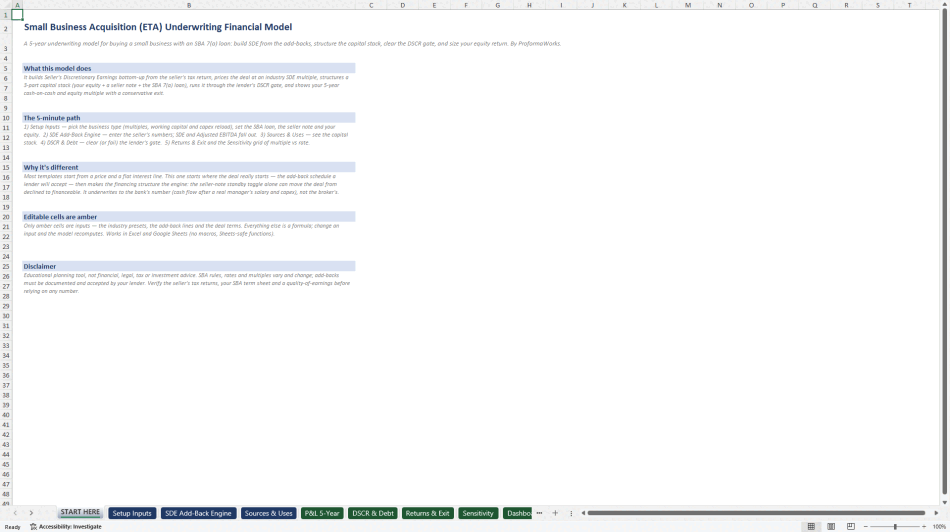
The broker hands you an adjusted EBITDA. Your SBA lender underwrites something else entirely. This model builds a small-business buyout the way the bank will, so you know whether the deal is financeable before you sign the LOI. It is written for a self-funded searcher, an entrepreneurship-through-acquisition buyer or an advisor working with one.
The engine starts with the SDE Add-Back Engine. Seller's Discretionary Earnings is rebuilt line by line from the tax return: reported net income plus interest plus depreciation and amortization plus the owner's full compensation plus perks plus one-time items. Then a market-rate operator salary comes back out to reach Adjusted EBITDA, which is the number a lender actually finances. Inflate the add-backs and the coverage ratio falls apart, deliberately, because that is what happens at the bank.
The capital stack has three parts: your cash equity, a seller note, and the SBA 7(a) loan that fills the rest, with the 10% equity-injection rule and the $5M 7(a) cap checked for you. The seller-note standby toggle is the lever that decides many deals. On full standby the note pays no cash, counts toward your injection and keeps coverage at 1.32x. Flip it to amortizing and coverage drops to 1.13x, below the 1.25x floor most lenders apply. One switch, two verdicts.
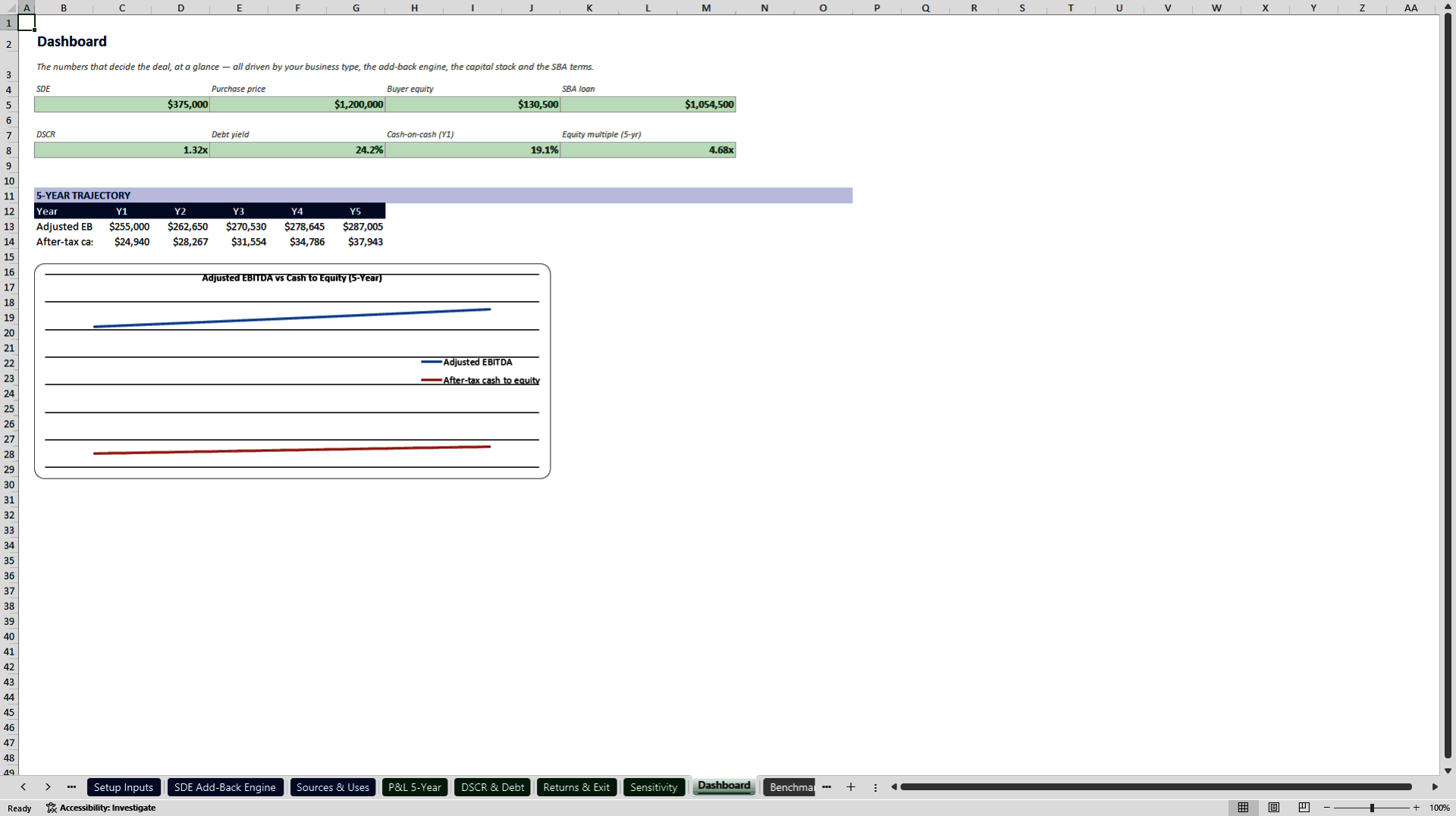
The coverage test itself is computed as Adjusted EBITDA minus maintenance capex, divided by total cash debt service, with SBA interest pulled from a real amortization schedule rather than a flat assumption. It is therefore built on the cash flow a bank accepts, after a manager's wage, not on the broker's SDE. A debt-yield cross-check sits beside it, and a sensitivity grid shows coverage across entry multiple and interest rate.
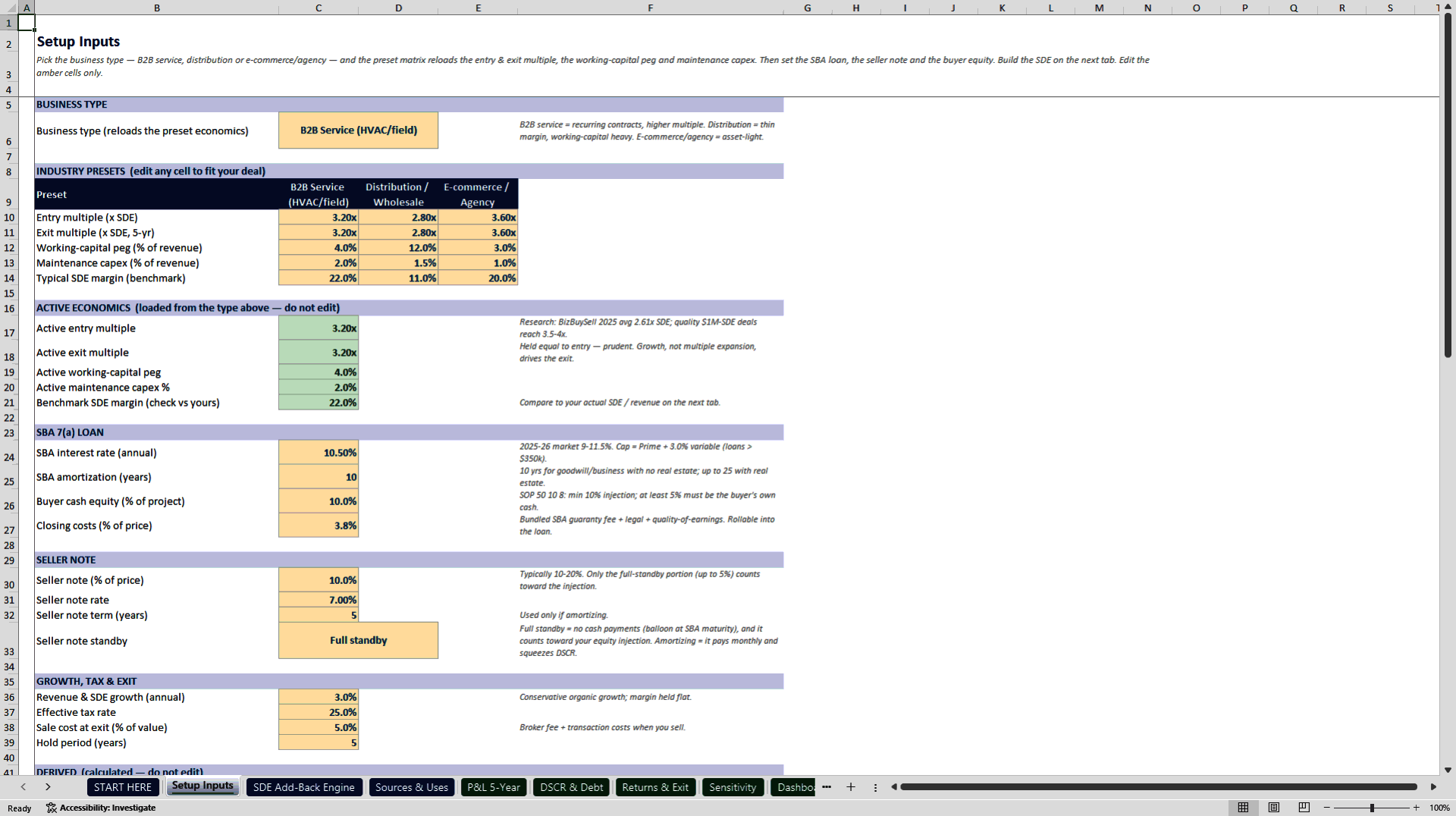
One toggle reloads entry and exit multiple, working-capital peg and maintenance capex for three business types: B2B service, distribution and wholesale, or e-commerce and agency. You get ten sheets, a 19-page PDF user guide covering quick start, a sheet-by-sheet walkthrough, how to build SDE a lender will accept, how the stack and the coverage gate work, the standby lever and a full FAQ, plus a benchmarks sheet with sourced SBA terms, valuation multiples and coverage ranges.
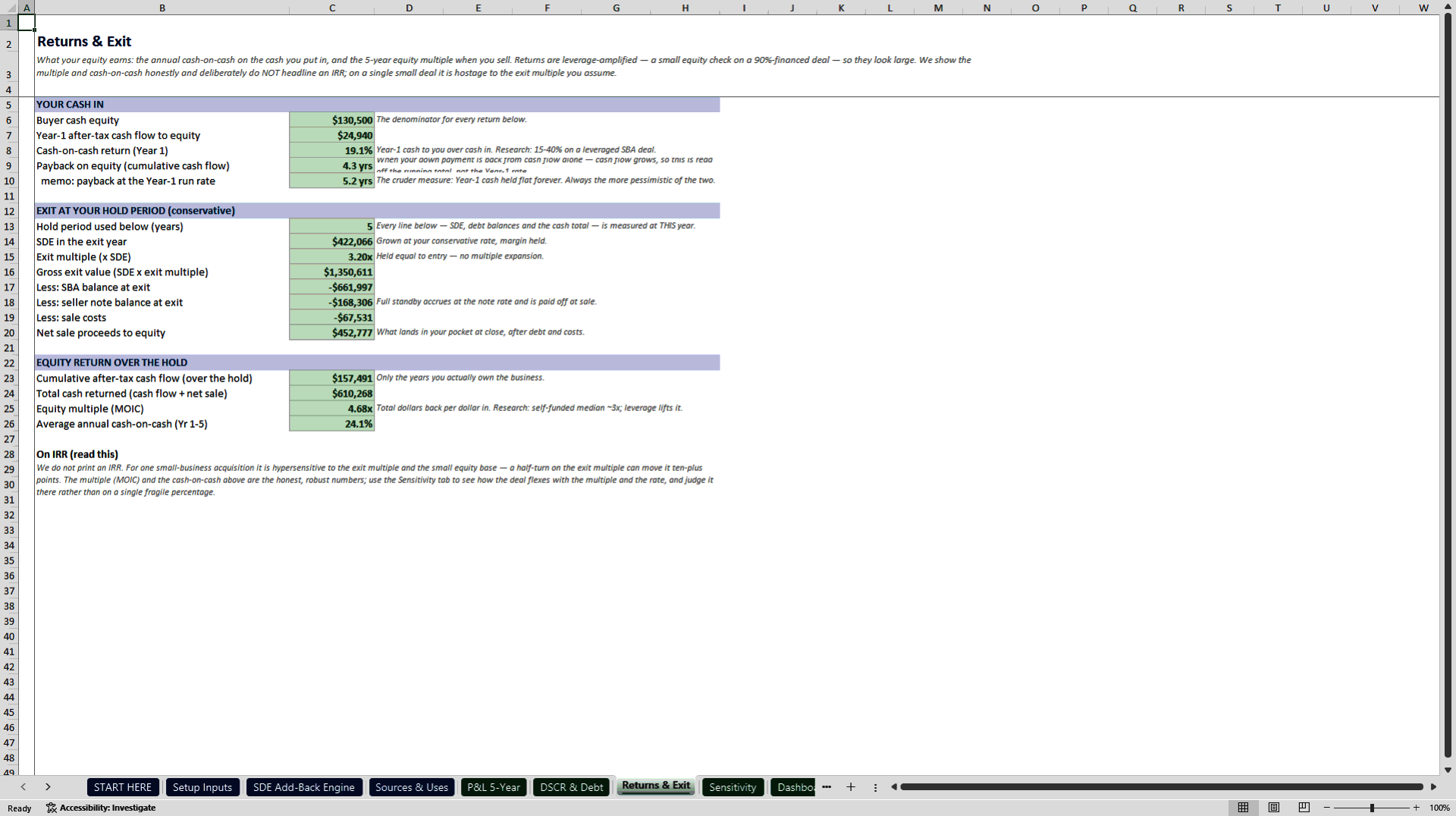
What the model does not do. It does not headline an IRR, because on a single small deal an IRR is hostage to the exit multiple you assume; DSCR, debt yield, cash-on-cash and the equity multiple are shown instead. It states plainly that returns on a roughly 10% equity check against a 90% financed deal are leverage-amplified rather than presenting them as operating performance. Every formula is machine-verified across three independent engines. It is an educational planning tool, not financial, investment, tax, lending or legal advice: add-backs must be documented and accepted by a quality-of-earnings review, and SBA rules, rates and multiples vary by lender. Excel and Google Sheets, no macros.
Got a question about the product? Email us at support@flevy.com or ask the author directly by using the "Ask the Author a Question" form. If you cannot view the preview above this document description, go here to view the large preview instead.
Source: Best Practices in M&A (Mergers & Acquisitions), Integrated Financial Model Excel: Small Business Acquisition (ETA) Underwriting Model Excel (XLSX) Spreadsheet, ProformaWorks
ABOUT THE AUTHOR

ProformaWorks builds acquisition-grade financial models for Main Street and lower-middle-market businesses - the kind of deal financed with an SBA 7(a) loan or a small commercial facility.
Every model answers one question: does this deal pencil at the bank? That means SDE or NOI rebuilt from the seller's own numbers, the add-backs a lender will and will not accept, a debt-service
... [read more]
Ask the Author a Question
You must be logged in to contact the author.




























