
 Click main image to view in full screen.
Six Sigma - Statistical Process Control (SPC) (PowerPoint PPTX Slide Deck)
PowerPoint (PPTX) + (XLS) 138 Slides


SPC PPT DESCRIPTION
The Six Sigma – Statistical Process Control (SPC) Training Module includes:
1. MS PowerPoint Presentation including 136 slides covering
• Introduction to Statistical Process Thinking,
• Basic Statistics,
• Introduction to Statistical Process Control,
• Statistical Process Control Charts,
• Sample Size & Frequency,
• Out-of-Control Action Plan, and
• Process Control Plan.
2. MS Excel Confidence Interval Analysis Calculator making it really easy to calculate confidence intervals (mean value, standard deviation, capability indices, proportion, count) and perform a Comparison of two statistics (mean values, standard deviations, proportions, counts).
"After you have downloaded the training material, you can change any part of the training material and remove all logos and references to Operational Excellence Consulting. You can share the material with your colleagues and clients, and re-use it as you need. The only restriction is that you cannot publicly re-distribute, sell, rent or license the material as though it is your own. Thank you."
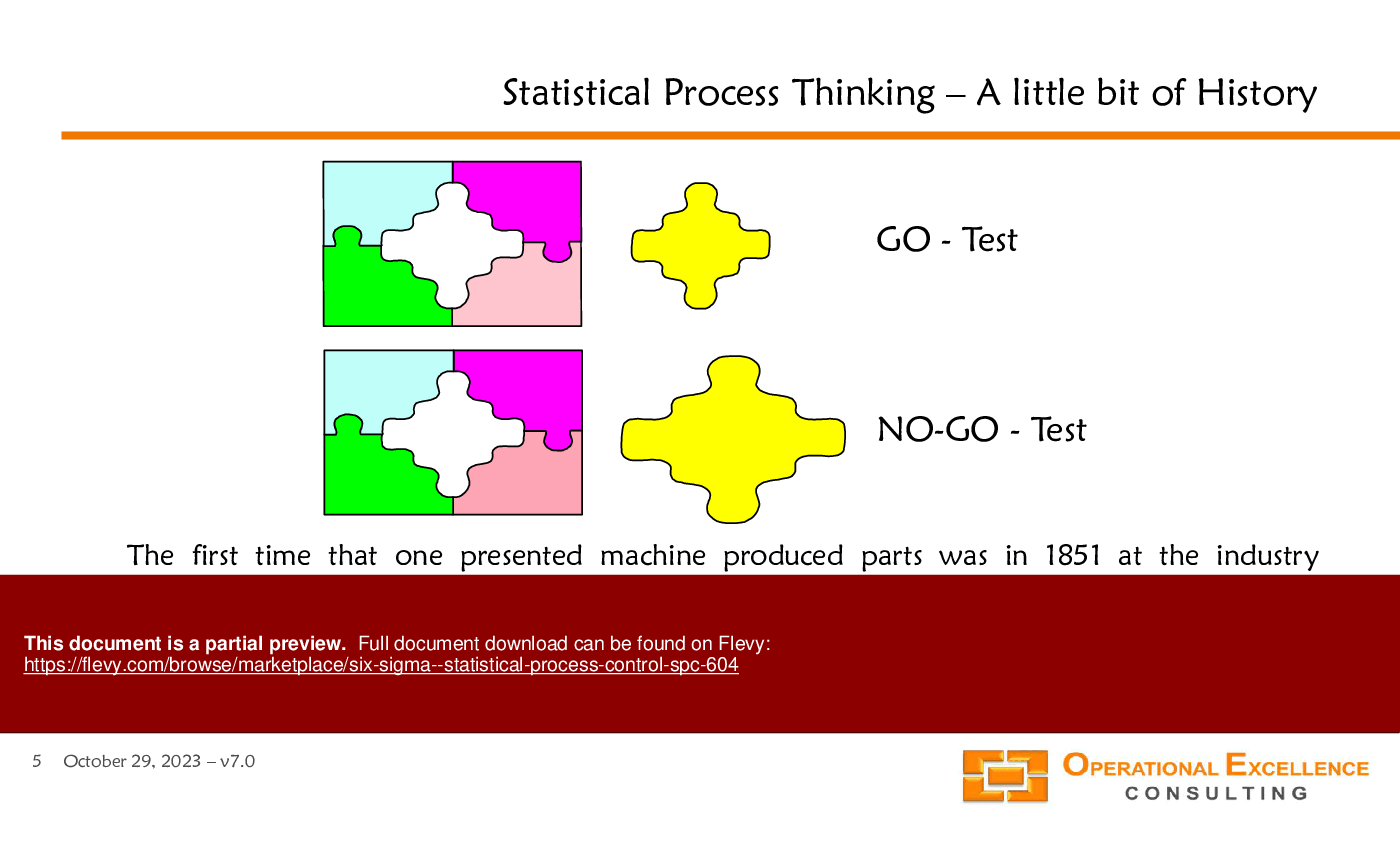
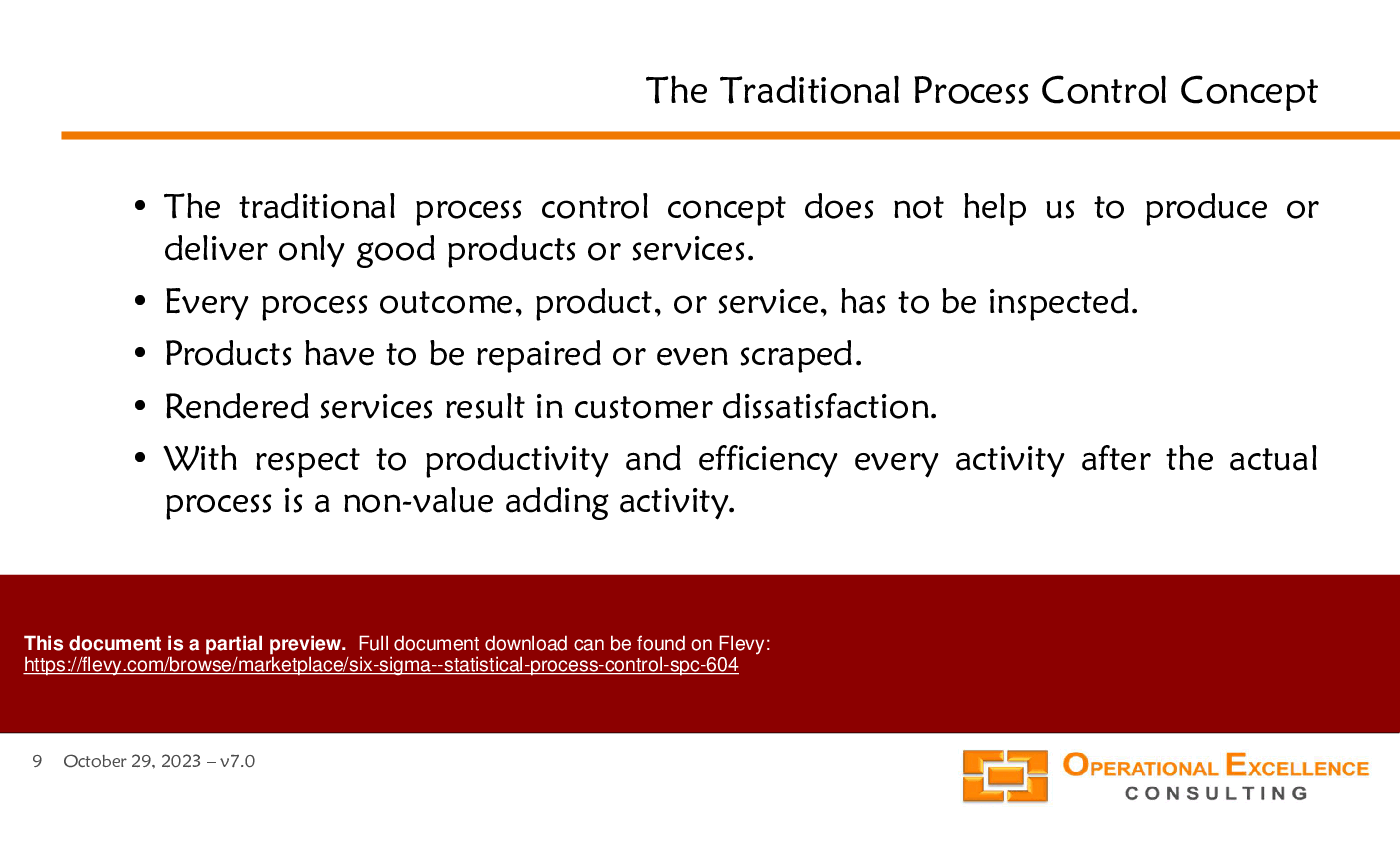
This comprehensive training module delves into the intricacies of Statistical Process Control (SPC), providing a historical context and a detailed examination of traditional process control concepts. It outlines the limitations of conventional methods and introduces the critical importance of identifying and addressing process variations. The module emphasizes practical applications, ensuring that your team can implement these strategies effectively to enhance productivity and customer satisfaction.
The presentation also covers advanced statistical techniques, including the creation and interpretation of control charts, and the application of various statistical tests to ensure process stability and capability. By integrating these tools into your operational framework, you can proactively manage process performance, reduce variability, and achieve higher levels of operational excellence. This training is an essential resource for any organization committed to continuous improvement and operational efficiency.
Got a question about the product? Email us at support@flevy.com or ask the author directly by using the "Ask the Author a Question" form. If you cannot view the preview above this document description, go here to view the large preview instead.
MARCUS OVERVIEW
This synopsis was written by Marcus [?] based on the analysis of the full 138-slide presentation.
Executive Summary
This presentation on Six Sigma Statistical Process Control (SPC) offers a comprehensive introduction to SPC methodologies, designed to enhance process quality and efficiency. Created by an experienced Operational Excellence Coach, this deck equips corporate executives and consultants with the tools to implement SPC effectively. Users will learn to analyze process variations, utilize control charts, and develop action plans for out-of-control situations, ultimately leading to improved operational performance and customer satisfaction.
Who This Is For and When to Use
• Quality Assurance Managers focused on process improvement
• Operations Managers seeking to enhance production efficiency
• Six Sigma Practitioners implementing quality control measures
• Consultants advising organizations on operational excellence
Best-fit moments to use this deck:
• During SPC training sessions for team members
• In workshops aimed at process improvement initiatives
• For presentations to stakeholders on quality control strategies
Learning Objectives
• Define Statistical Process Control and its significance in quality management
• Identify types of process variations and their implications
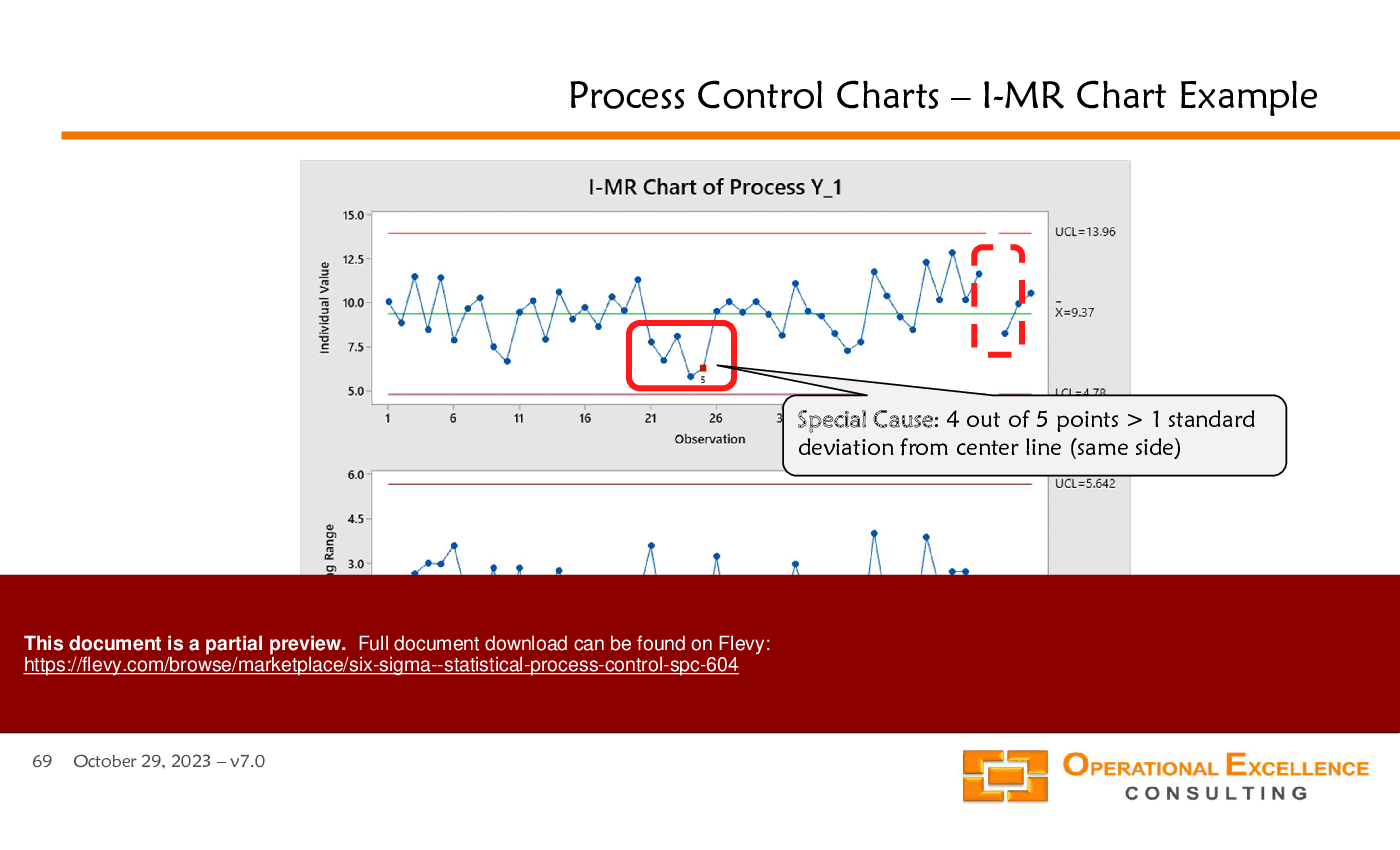
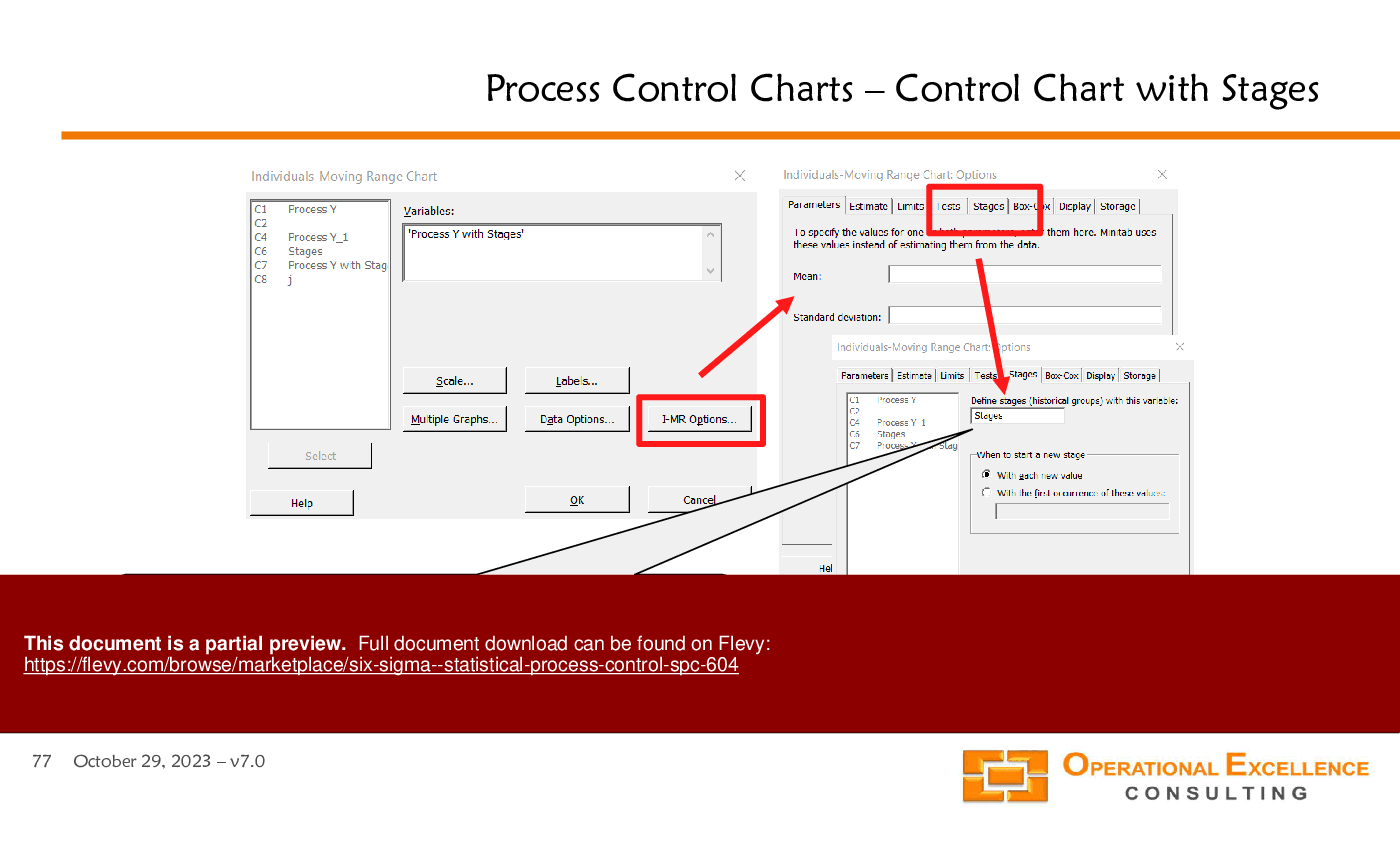
• Construct and interpret various SPC charts, including I-MR and X-bar/R charts
• Develop an Out-of-Control Action Plan (OCAP) for effective response strategies
• Implement a Process Control Plan to institutionalize quality improvements
• Analyze sample size and frequency for optimal data collection in SPC
Table of Contents
• Statistical Process Thinking (page 1)
• Basic Statistics (page 17)
• Introduction to Statistical Process Control (page 38)
• Statistical Process Control Charts (page 56)
• Sample Size and Frequency (page 113)
• Out-of-Control Action Plan (page 119)
• Process Control Plan (page 128)
Primary Topics Covered
• Statistical Process Thinking - Understanding interconnected processes and the importance of reducing variation for success.
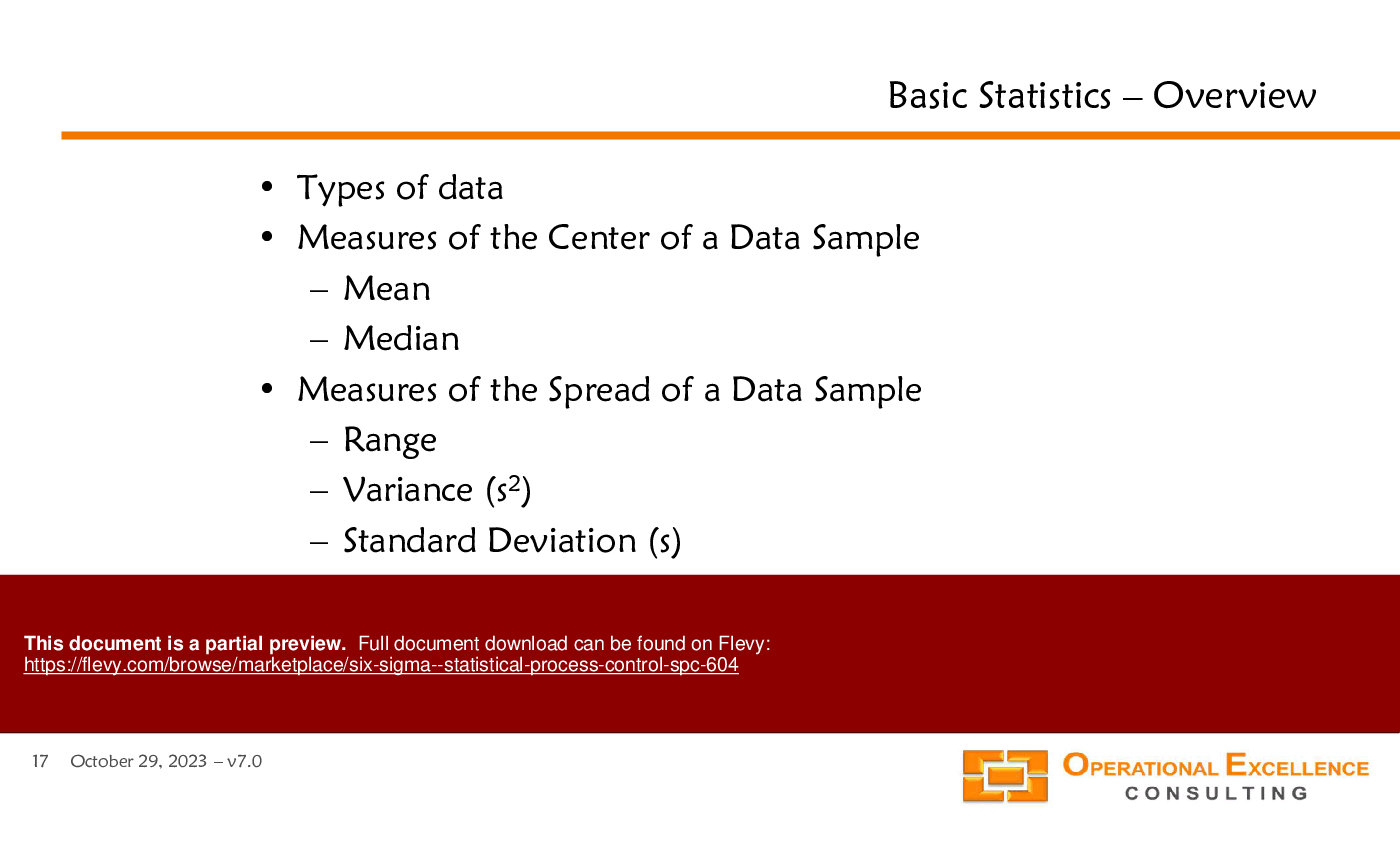
• Basic Statistics - Overview of data types, measures of central tendency, and variability essential for SPC.
• Statistical Process Control - Definition and significance of maintaining statistical control in processes.
• Control Charts - Tools for monitoring process stability and identifying variations through visual data representation.
• Out-of-Control Action Plans - Framework for responding to out-of-control situations effectively.
• Process Control Plans - Structured approach to ensure consistent quality and minimize variation in processes.
Deliverables, Templates, and Tools
• SPC control chart templates for various data types
• Out-of-Control Action Plan (OCAP) flowchart
• Process Control Plan template for quality assurance
• Statistical analysis tools for data interpretation
• Guidelines for sample size determination and frequency of data collection
Slide Highlights
• Historical context of statistical process control and its evolution
• Visual representations of control charts and their applications
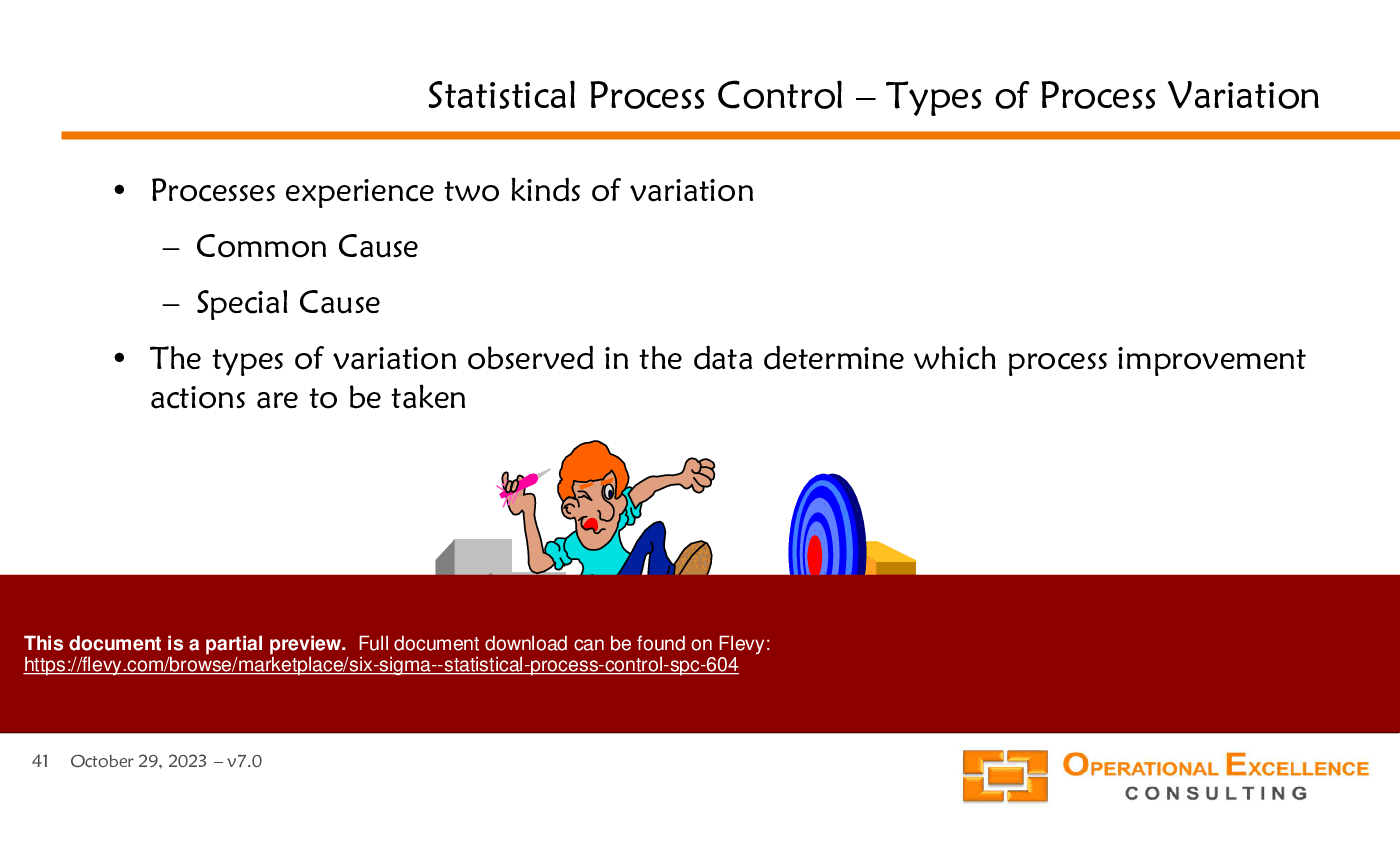
• Examples of common and special causes of variation
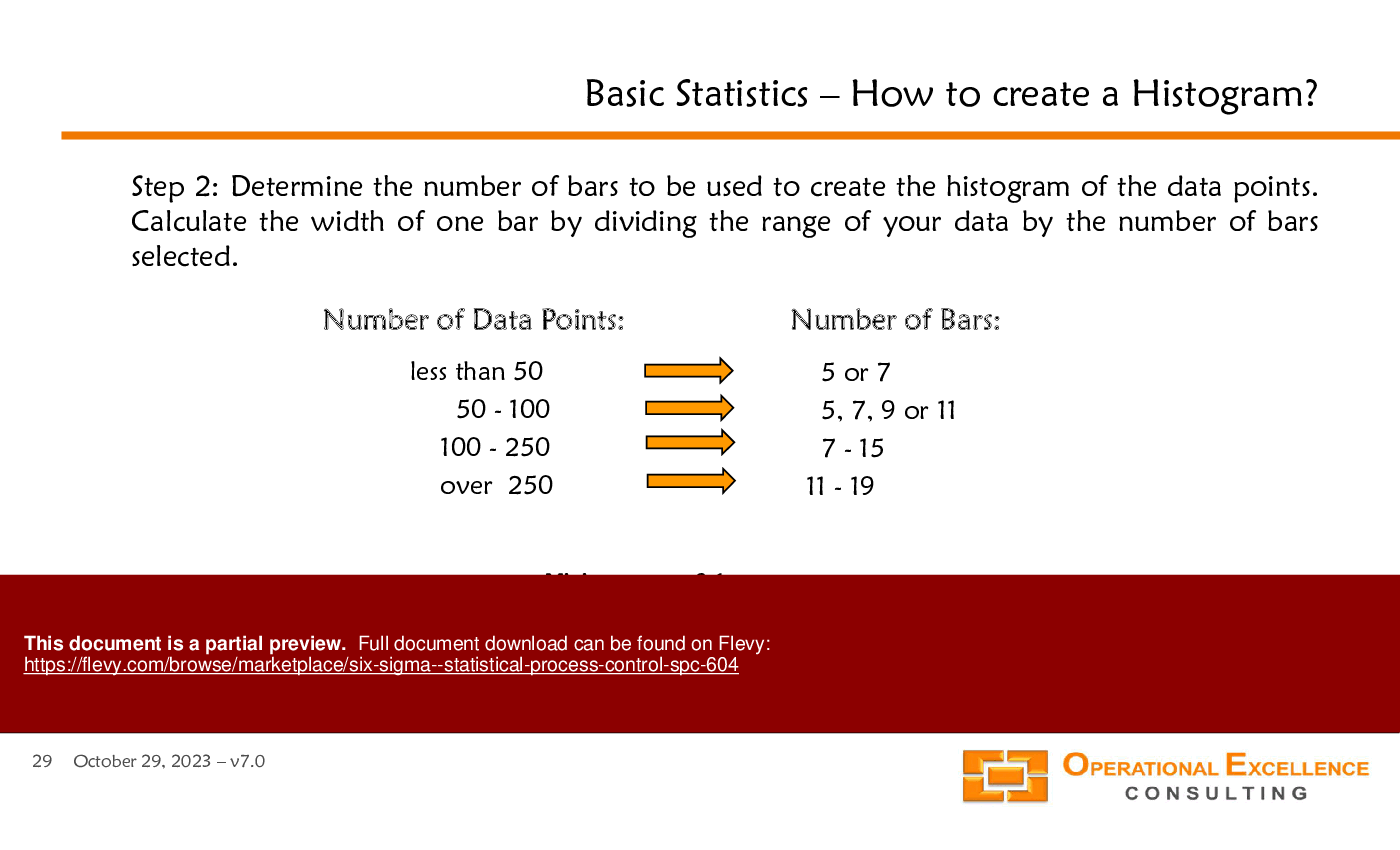
• Step-by-step guide on creating histograms for data analysis
• Key metrics for evaluating process performance and stability
Potential Workshop Agenda
Introduction to SPC (30 minutes)
• Overview of SPC principles and objectives
• Discussion on the importance of process control
Control Chart Construction (60 minutes)
• Hands-on activity to create control charts using sample data
• Analysis of chart results and implications for process management
Out-of-Control Action Plans (45 minutes)
• Review of OCAP components and development of a sample plan
• Group exercise to identify potential assignable causes
Process Control Plan Development (45 minutes)
• Collaborative session to draft a Process Control Plan for a specific process
• Presentation of plans and feedback from peers
Customization Guidance
• Tailor the control chart templates to fit specific organizational processes
• Adjust the OCAP flowchart based on unique operational challenges
• Incorporate company-specific metrics and terminology into the Process Control Plan
Secondary Topics Covered
• Types of data and their relevance in SPC
• Measures of central tendency and variability
• The importance of rational subgrouping in data analysis
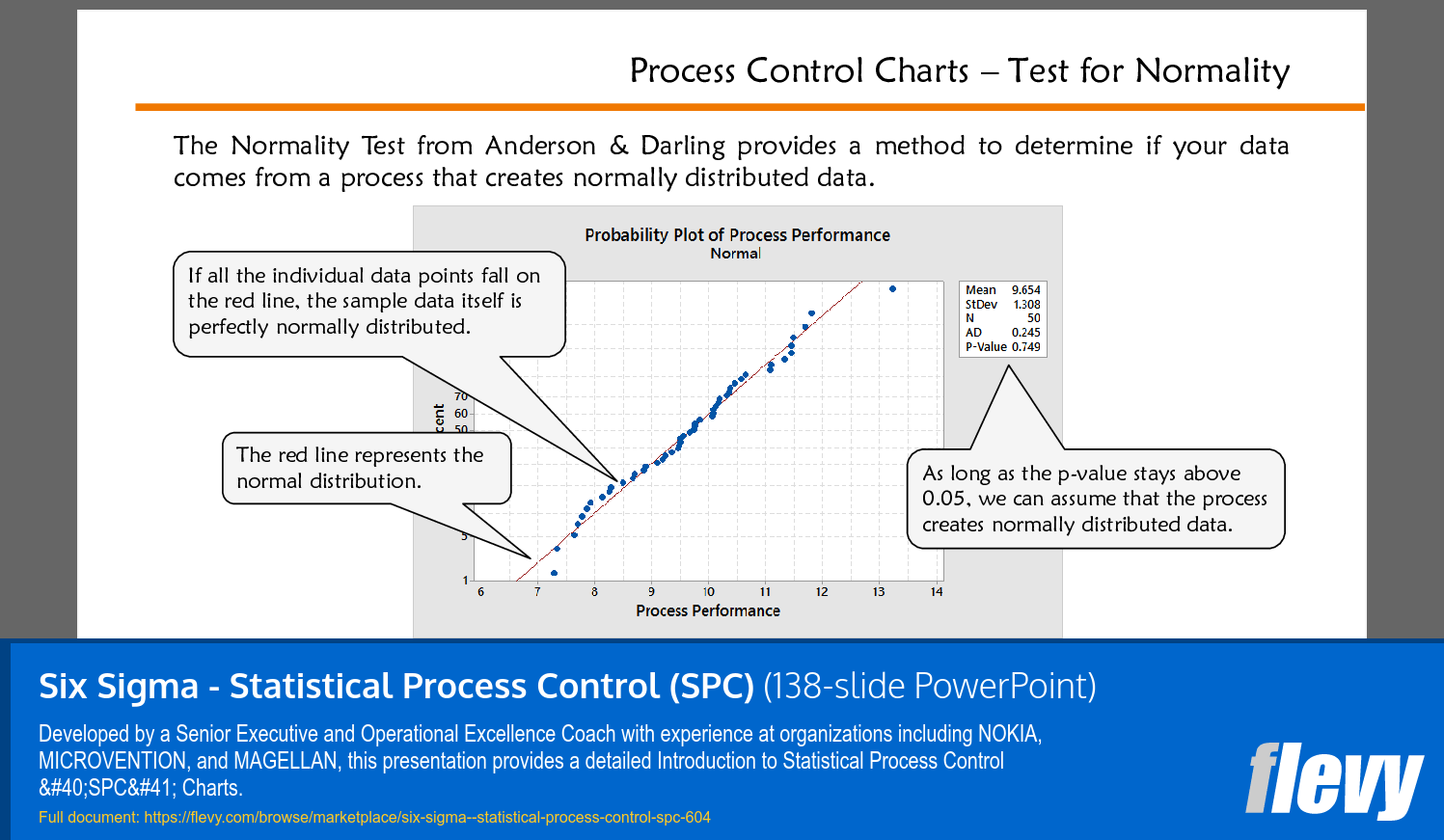
• Statistical tests for normality in process data
• The role of training in successful SPC implementation
FAQ
What is Statistical Process Control (SPC)?
SPC is a method used to monitor and control a process through statistical analysis, ensuring that it operates at its full potential.
How do control charts help in process management?
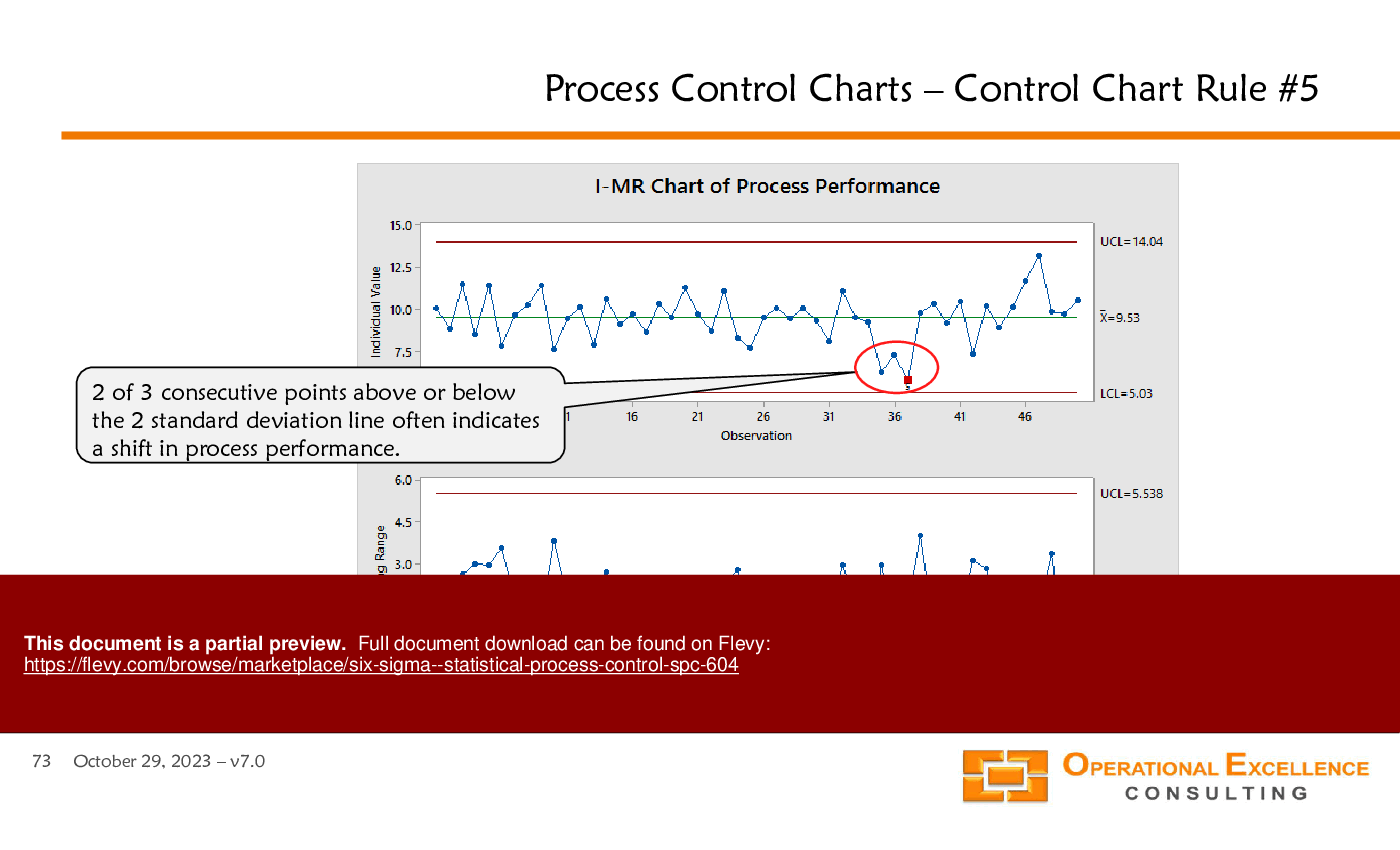
Control charts visually display process data over time, allowing for the identification of trends, shifts, and out-of-control conditions.
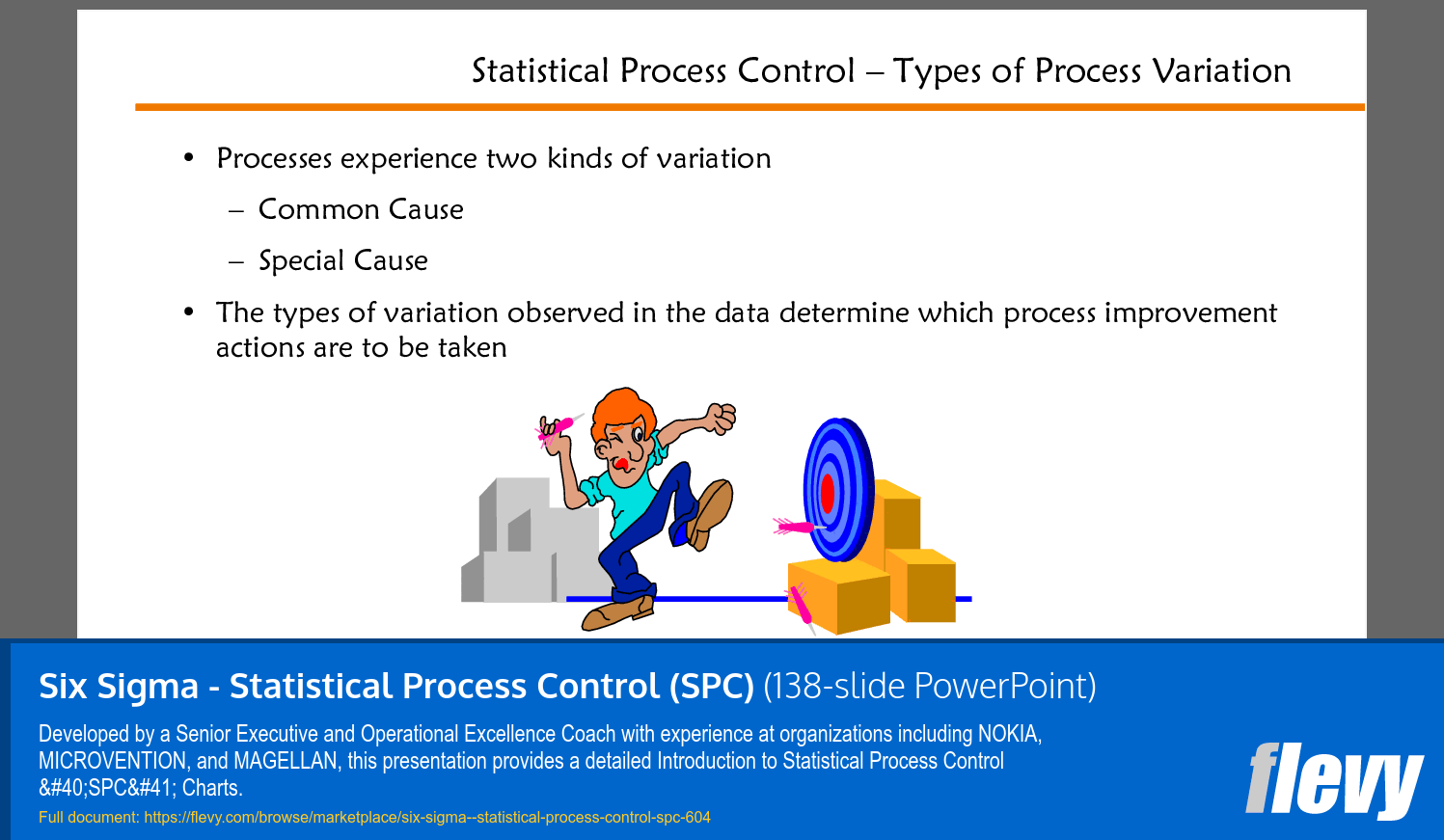
What is the difference between common and special causes of variation?
Common causes are inherent to the process and predictable, while special causes arise from external factors and indicate a need for investigation.
How can I implement an Out-of-Control Action Plan (OCAP)?
An OCAP outlines steps to take when a process goes out of control, including identifying activators, checkpoints, and corrective actions.
What are the key components of a Process Control Plan?
A Process Control Plan includes process specifications, control methods, sample sizes, and reaction plans for out-of-spec conditions.
How do I determine the appropriate sample size for data collection?
Sample size can be calculated based on the desired sensitivity to detect shifts in the process average, considering the standard deviation and acceptable error margins.
What types of control charts are used in SPC?
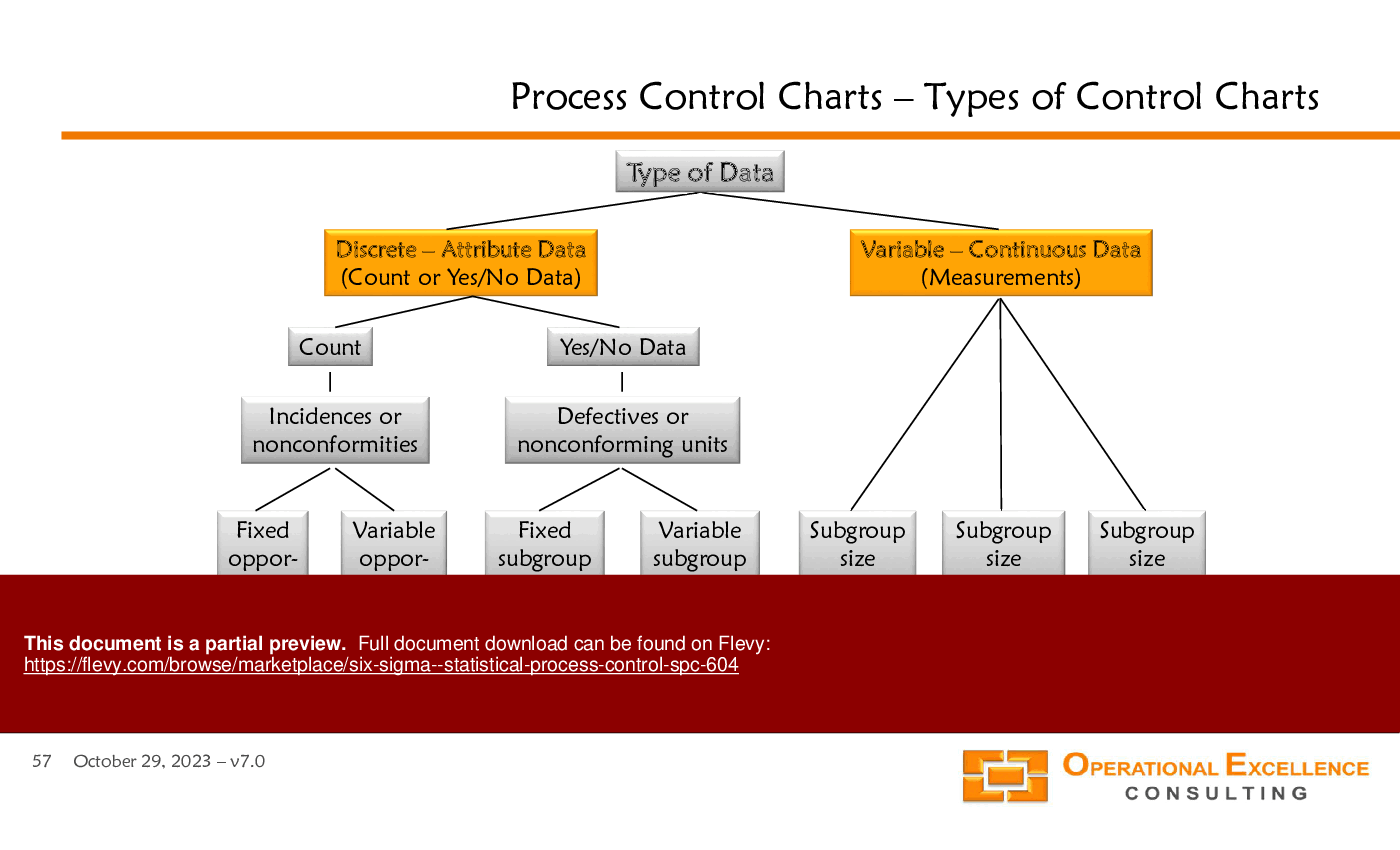
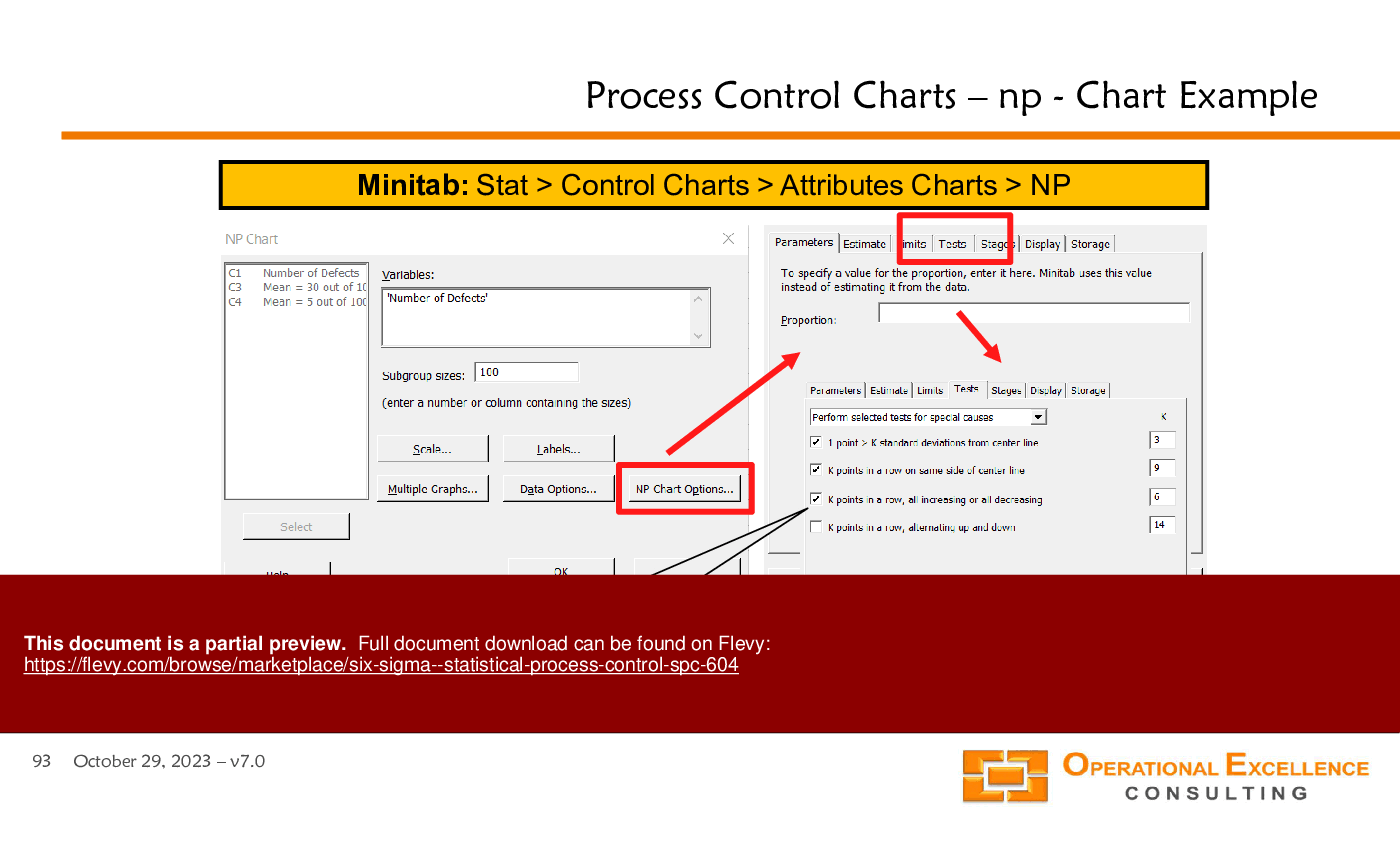
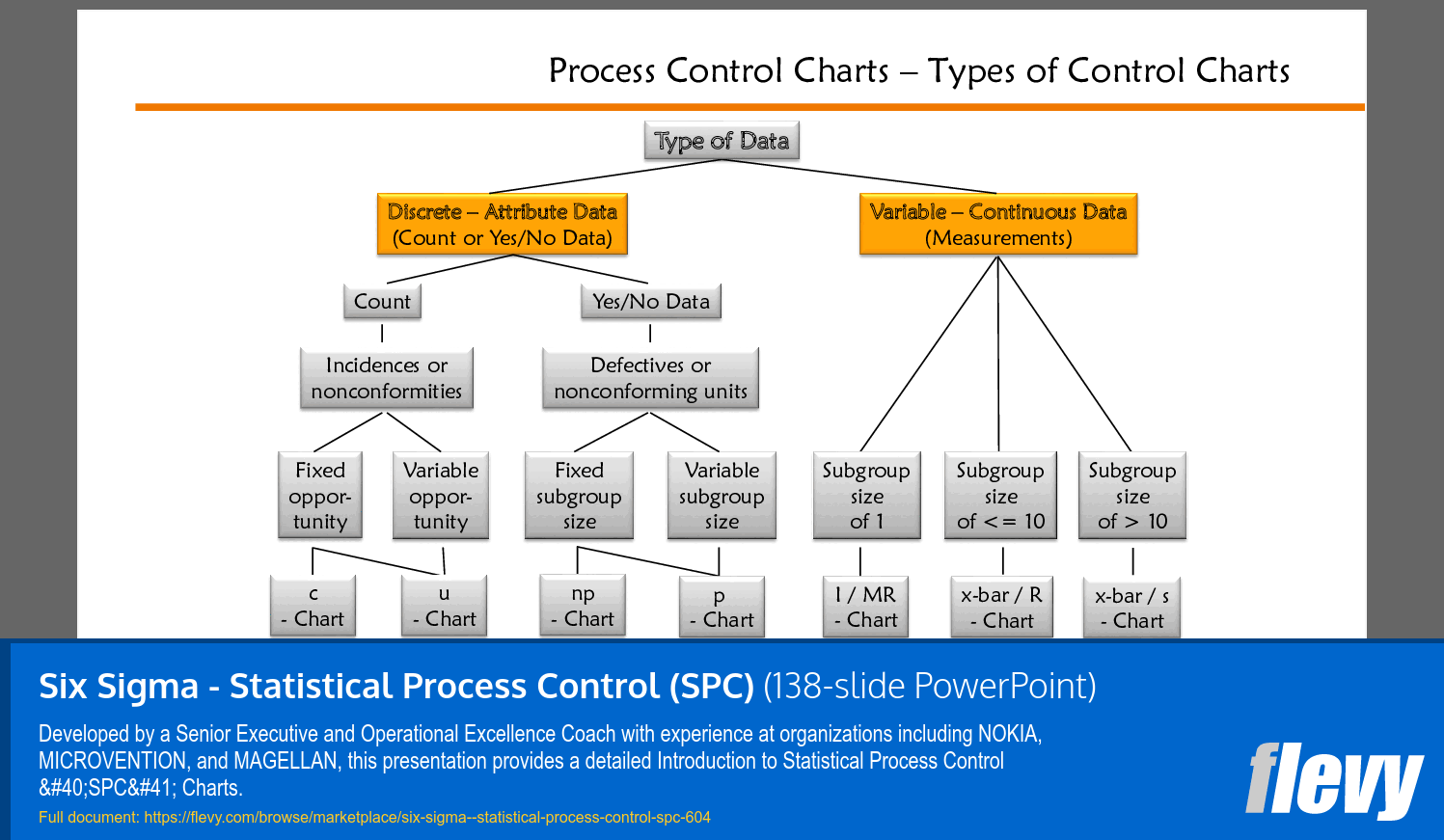
Common control charts include I-MR charts for individual measurements, X-bar/R charts for subgroup averages, and p and np charts for attribute data.
How often should I review control charts?
Control charts should be reviewed regularly, ideally in real-time during process monitoring, to ensure timely corrective actions are taken.
Glossary
• Statistical Process Control (SPC) - A method of quality control using statistical methods to monitor and control processes.
• Control Chart - A graphical tool used to determine if a process is in a state of control.
• Common Cause Variation - Natural variations inherent in a process.
• Special Cause Variation - Variations that arise from external factors affecting the process.
• Out-of-Control Action Plan (OCAP) - A structured response plan for addressing out-of-control situations.
• Process Control Plan - A document outlining quality control measures for a specific process.
• Sample Size - The number of observations or data points collected for analysis.
• Rational Subgrouping - The practice of grouping data to detect differences over time.
• Histogram - A graphical representation of the distribution of numerical data.
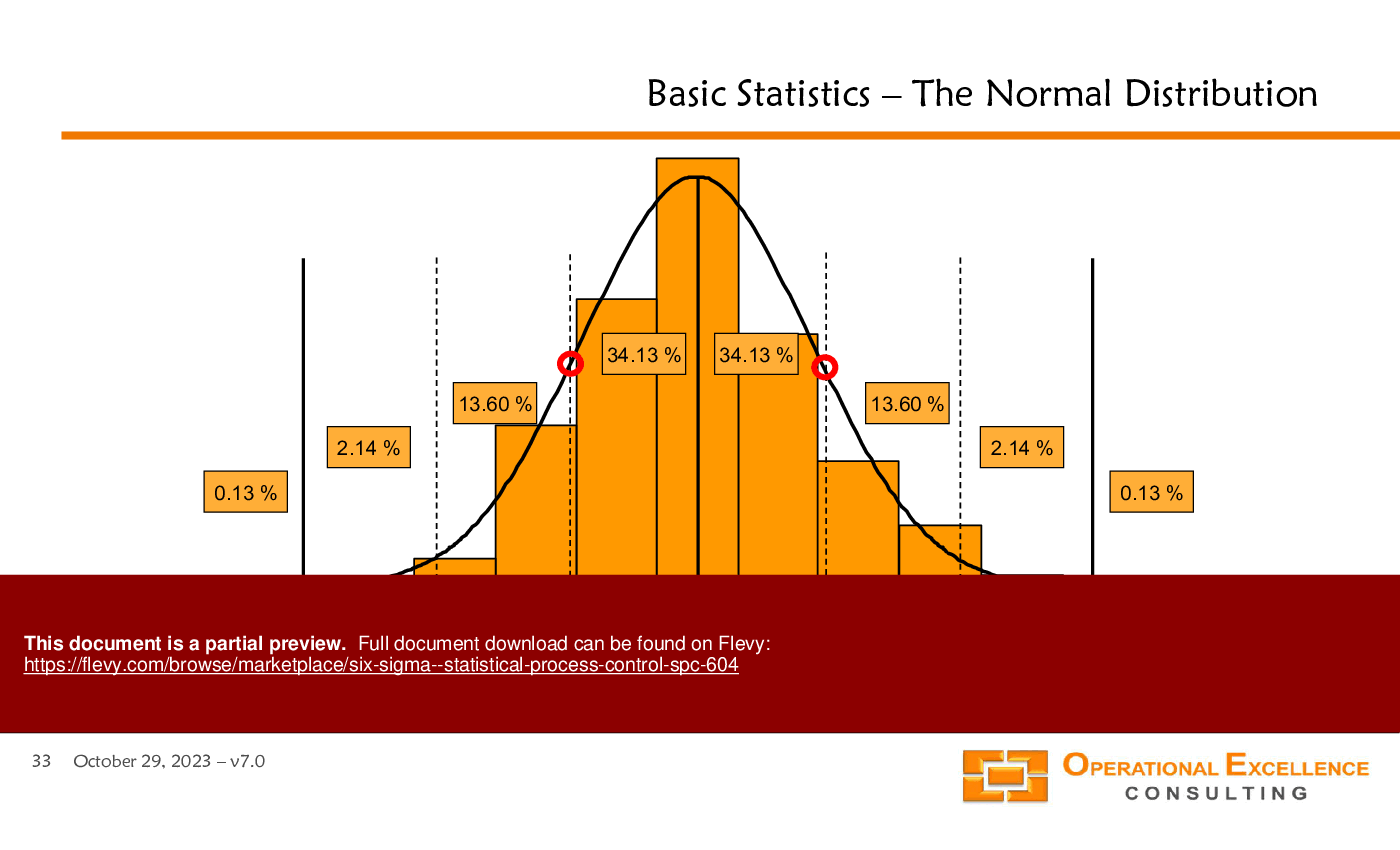
• Normal Distribution - A probability distribution that is symmetric about the mean, showing that data near the mean are more frequent in occurrence.
• Binomial Distribution - A distribution representing the number of successes in a fixed number of trials.
• Poisson Distribution - A probability distribution used to model the number of events occurring within a fixed interval of time or space.
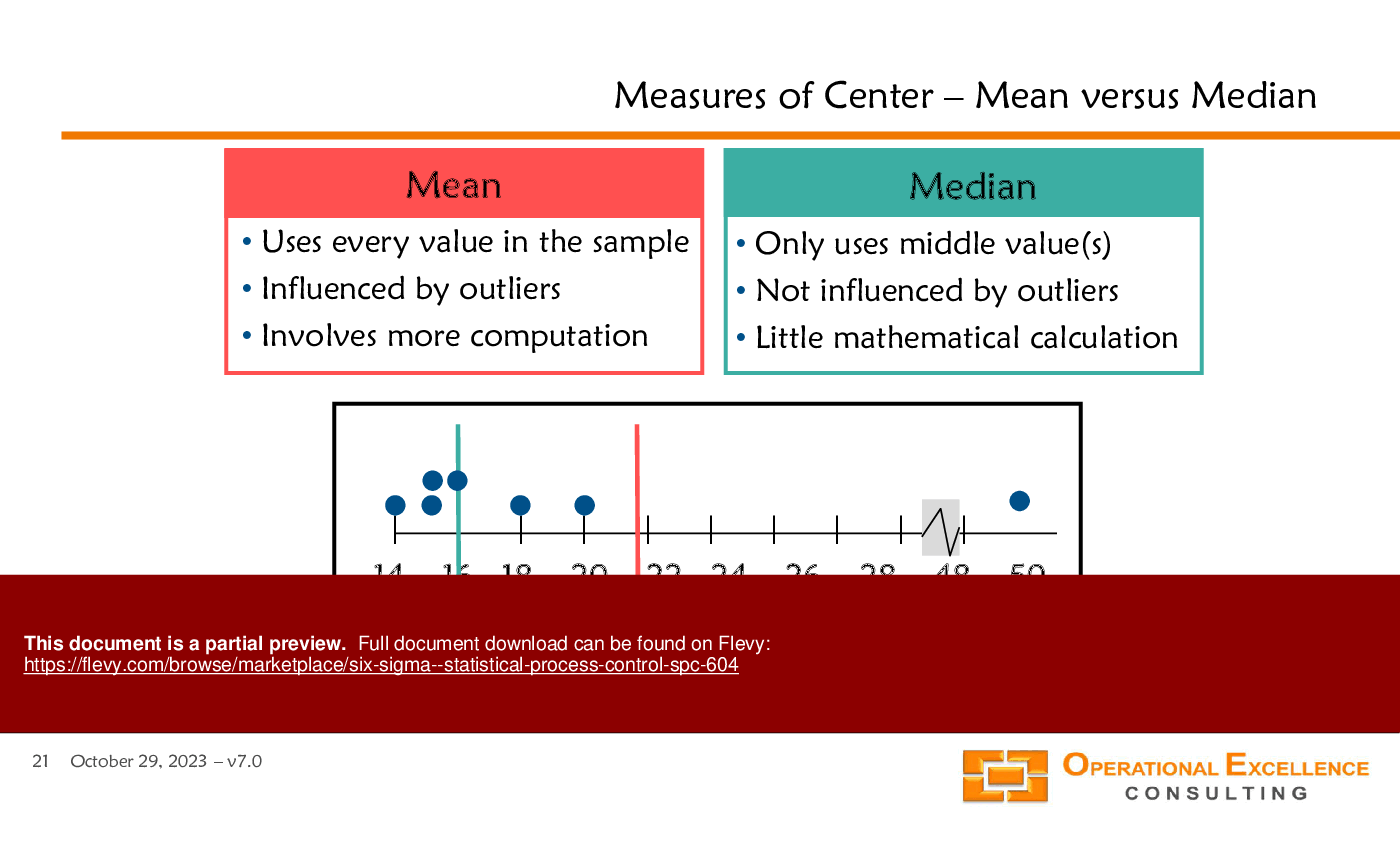
• Mean - The average of a set of values.
• Median - The middle value in a data set when arranged in ascending order.
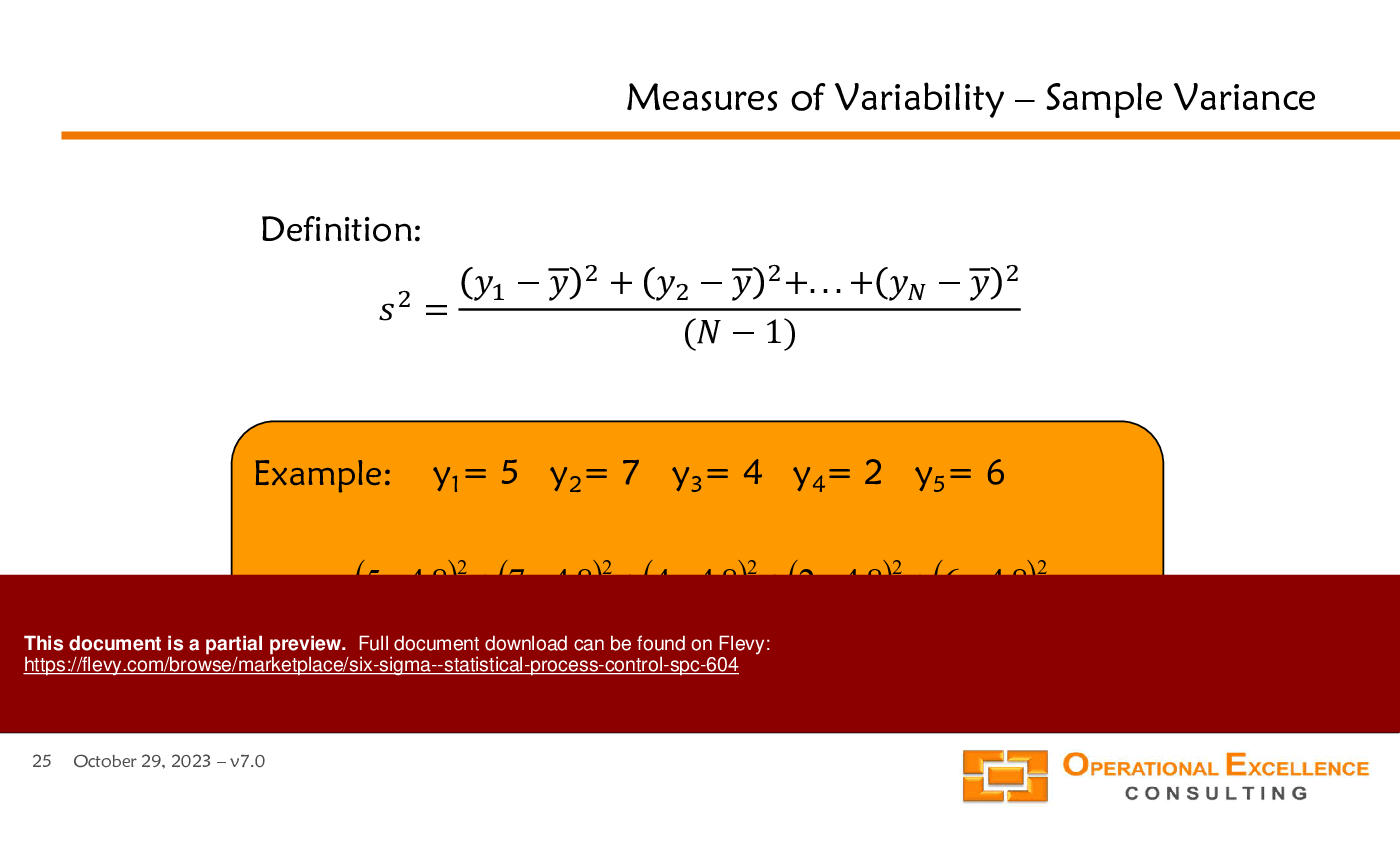
• Standard Deviation - A measure of the amount of variation or dispersion in a set of values.
• Control Limits - The boundaries of acceptable variation in a control chart, typically set at ±3 standard deviations from the mean.
• Specification Limits - The range of acceptable values for a process characteristic.
• Gage R&R - A study to evaluate the repeatability and reproducibility of a measurement system.
• FMEA (Failure Mode and Effects Analysis) - A systematic method for evaluating processes to identify where and how they might fail and assessing the relative impact of different failures.
SPC PPT SLIDES

Source: Best Practices in SPC, Six Sigma Project PowerPoint Slides: Six Sigma - Statistical Process Control (SPC) PowerPoint (PPTX) Presentation Slide Deck, Operational Excellence Consulting LLC
ABOUT THE AUTHOR

Operational Excellence Consulting LLC provides assessments, training solutions, kaizen event facilitation, and implementation support to enable our clients to achieve superior performance through Operational Excellence - Strategy Deployment & Hoshin Planning, Performance Management & Balanced Scorecards, Process Excellence & Lean Six Sigma, and High
... [read more]
.
Frank Adler co-founded OEC LLC in 2009 to follow his passion for Operational Excellence and to be able to work with individuals and organizations that share this passion.
He is an accomplished and recognized Operational Excellence, Lean Management, and Six Sigma coach, with over 20 years of domestic and international executive leadership experience in General Management, multi-site Operations & Supply Chain Management, and Quality & Customer Support Management.
Frank is a certified and experienced Lean Six Sigma Master Black Belt with a proven track record of implementing these methods, concepts, and tools in various organizations and industries.
He holds a Master of Science in Mathematics & Physics from the Freie University of Berlin (Germany) and a Doctor of Philosophy in Applied Mathematics & Industrial Economics from the Helsinki University of Technology (Finland).
Ask the Author a Question
You must be logged in to contact the author.