What are the main steps in conducting sentiment analysis with big data?
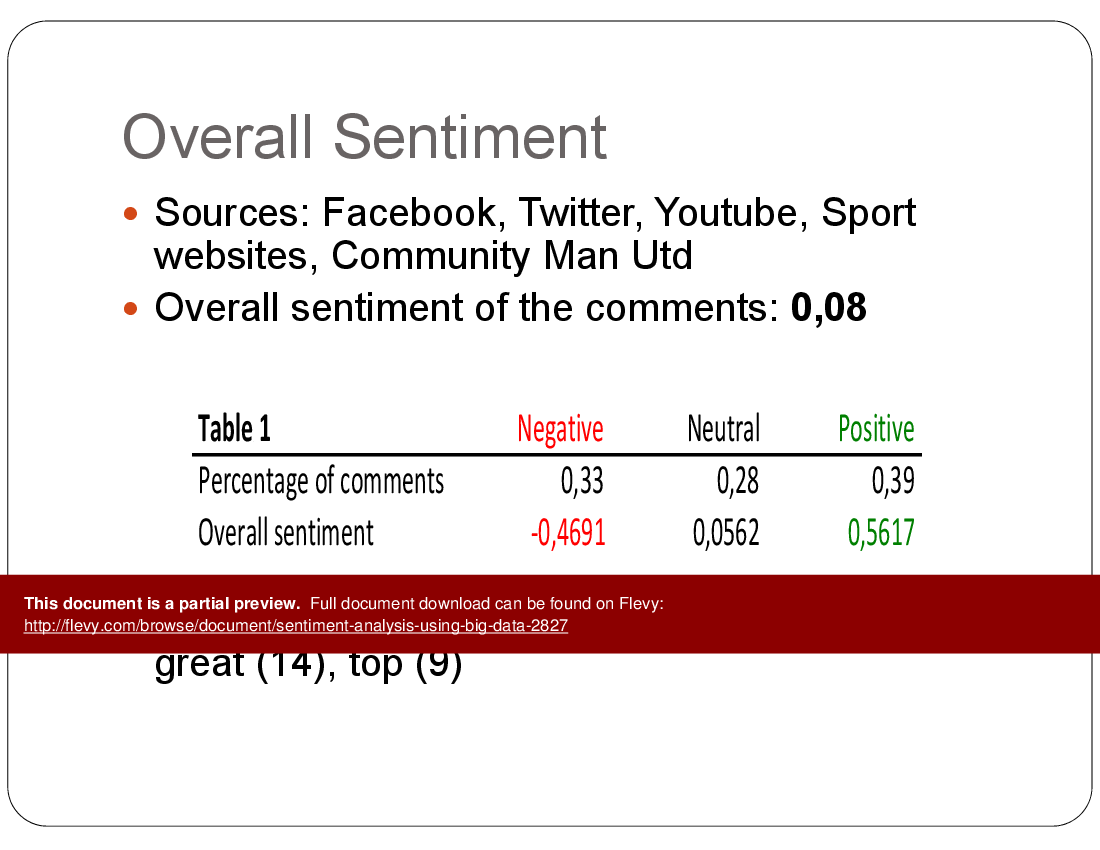
A typical process starts with defining sentiment objectives, identifying data sources (social media, reviews), collecting and preprocessing text, applying algorithms or a tool like Semantria to score polarity and extract facets/attributes, and then visualizing and reporting trends using templates and charts, such as the Semantria usage guide.
What data sources can I use to measure customer sentiment?
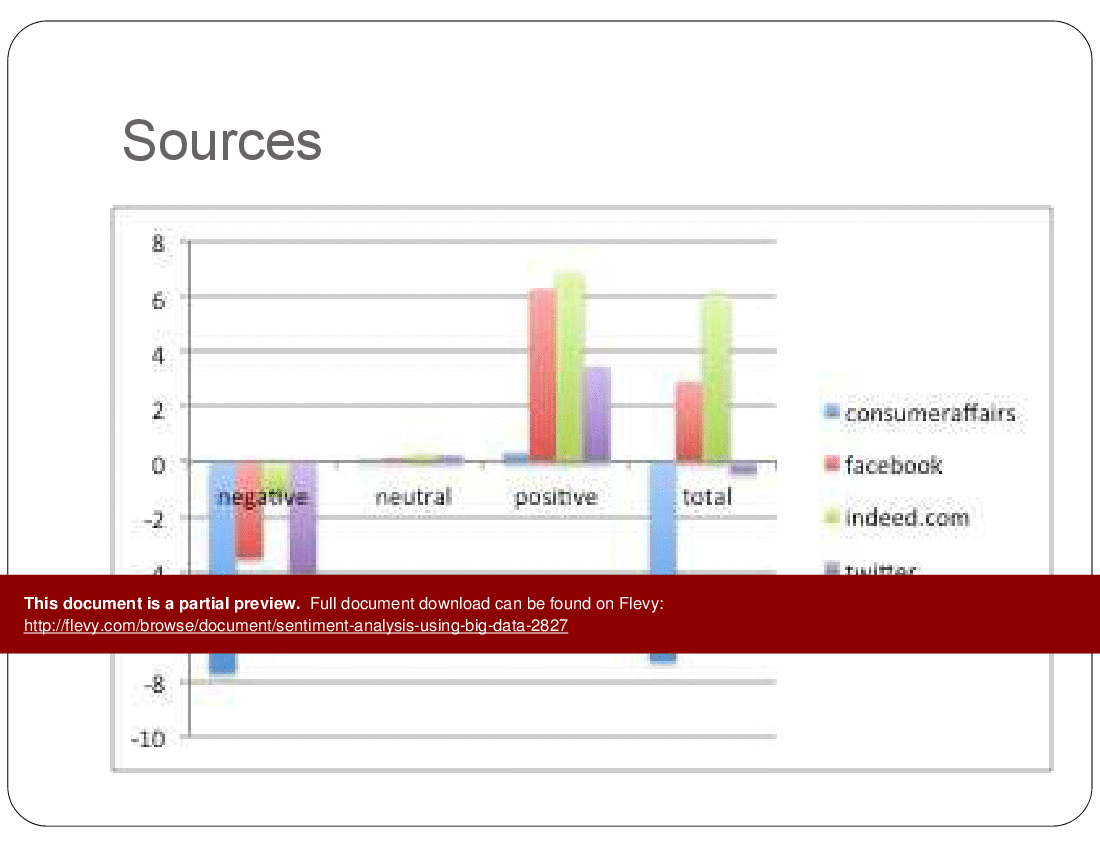
Common text sources for sentiment analysis include social media posts, product and hotel reviews, customer emails, and survey responses. The document specifically lists social media and product reviews and provides data-collection templates for gathering these inputs.
How do facets and attributes work in sentiment analysis?
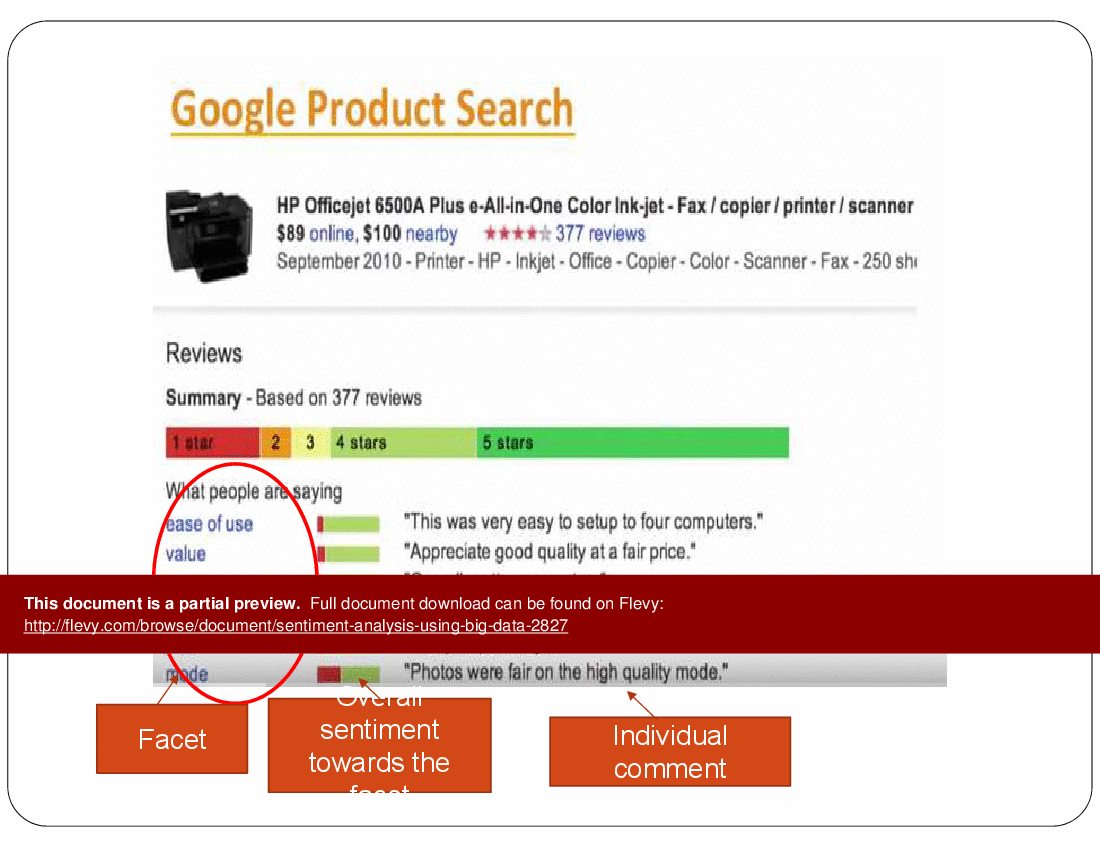
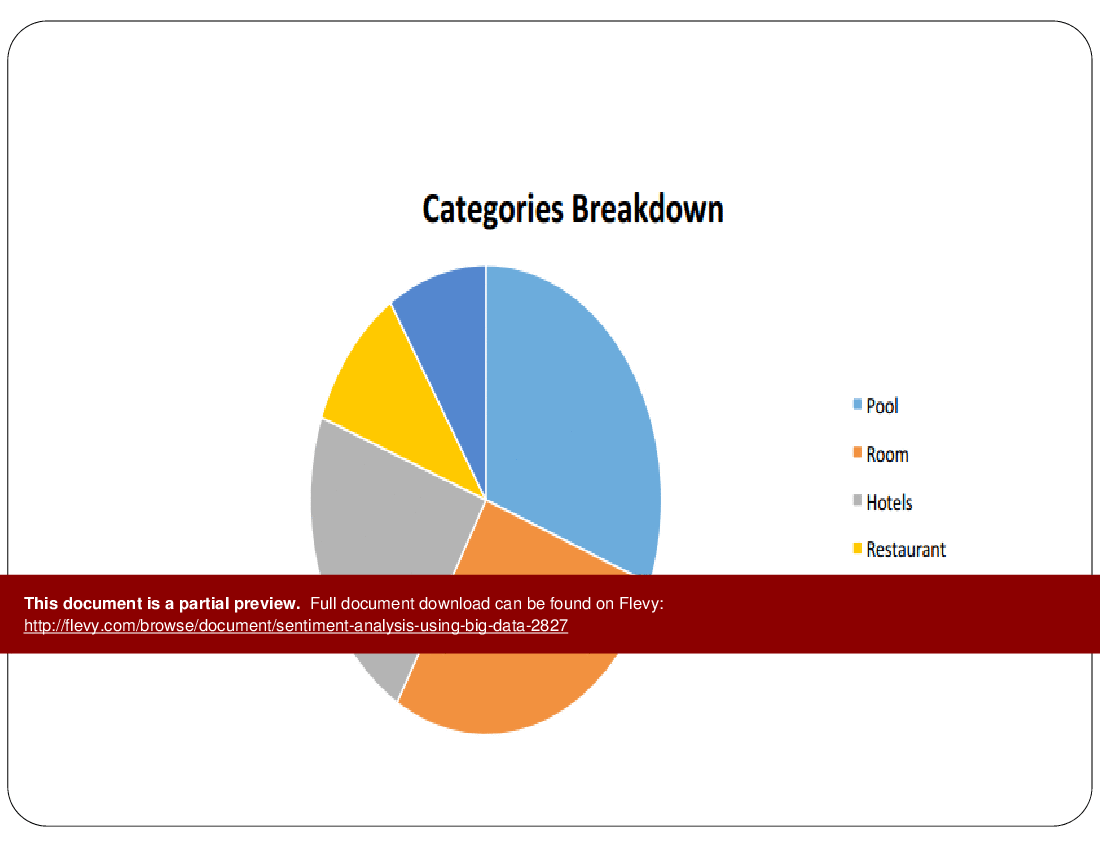
Facets are key themes or topics identified within text, while attributes are descriptive words that provide context to those facets. Analyses break down sentiment by facet and attribute to reveal nuanced opinions, a capability demonstrated via the presentation’s facet/attribute examples and templates.
What common challenges affect sentiment analysis accuracy?
Accuracy is commonly affected by sarcasm, ambiguous context, and cultural language differences, which can mislead polarity scoring. The presentation highlights these limitations and discusses techniques to improve accuracy, including careful facet definition and tool calibration against sample data.
How much time does a basic sentiment analysis training and setup require?
The presentation suggests a hands-on workshop agenda totaling 135 minutes: a 30-minute introduction to sentiment analysis, 60 minutes of Semantria tool training, and a 45-minute competitive analysis workshop, useful as a baseline for initial team setup and training.
What should I look for when choosing a sentiment analysis toolkit or template?
Look for a framework template, clear data-collection templates, tool-specific guidance (e.g., Semantria usage), case studies demonstrating application, and reporting templates or visualization charts to summarize results—features all listed among the document’s deliverables.
How should I assess brand sentiment after a marketing campaign?
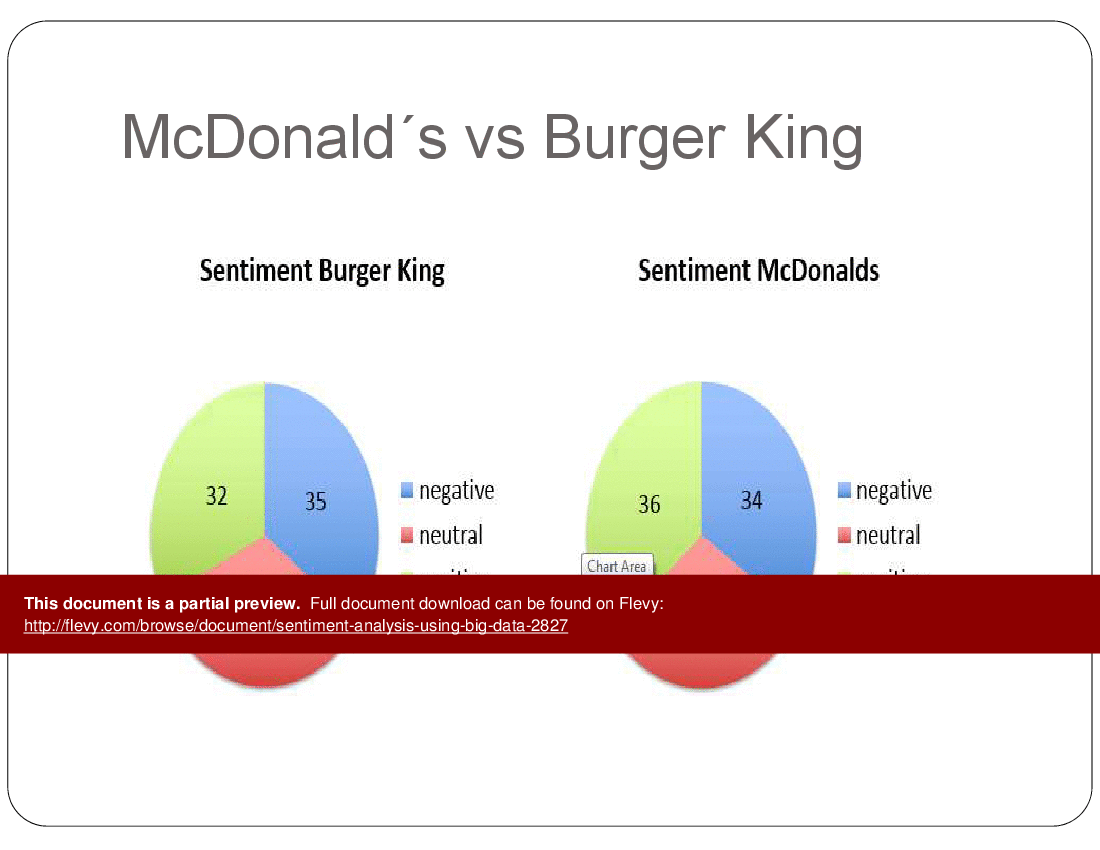
Collect pre- and post-campaign social media and review data, apply polarity scoring and facet extraction with a tool like Semantria, compare sentiment trend visualizations and competitive analysis charts, and summarize findings in reporting templates to show campaign impact using competitive analysis comparison charts.
Can sentiment analysis from user reviews help prioritize product features?
Yes. By extracting facets and attributes from review text and quantifying associated sentiment, teams can identify frequently mentioned features with negative or positive sentiment, supporting prioritization. The presentation includes case study examples and data-collection templates for deriving such feature insights.

 Click main image to view in full screen. Unlock all 17 preview images:




























