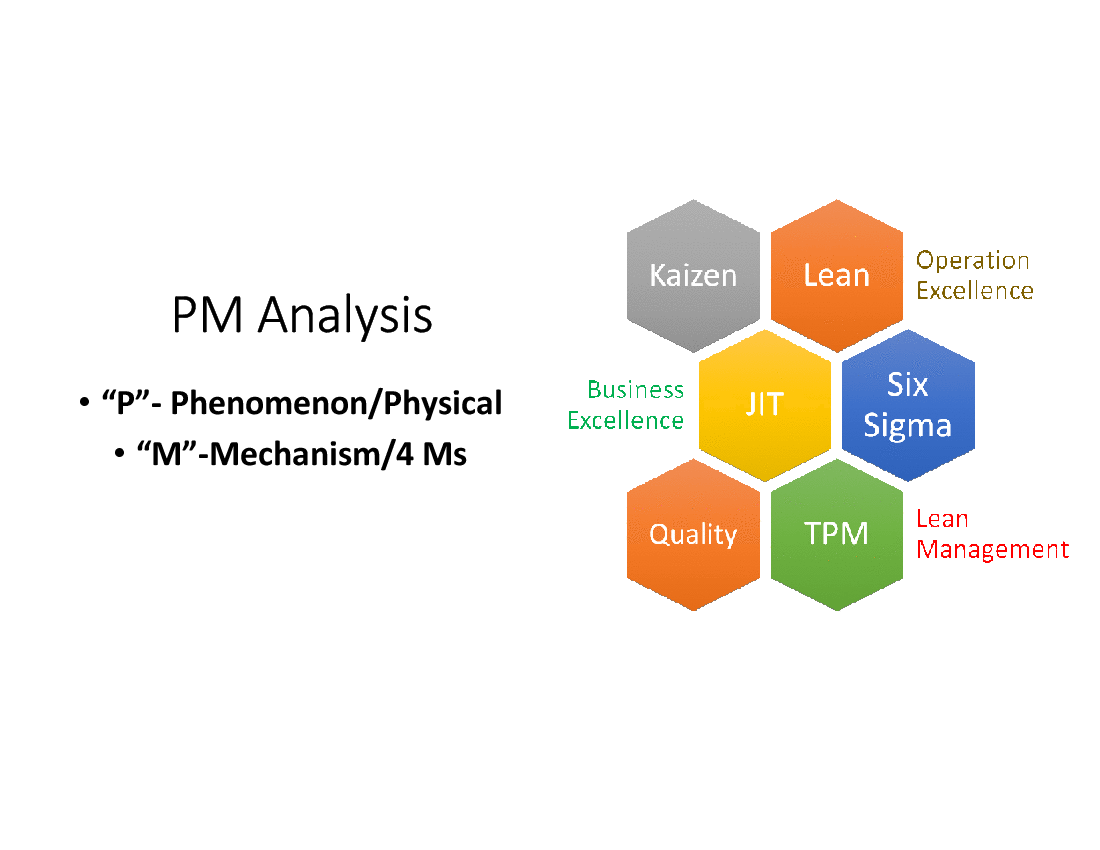

PM Analysis is a systematic Problem Solving Philosophy for Chronic Losses. The term P-M Analysis comes from the following origin:
P – Phenomena(non), Physical
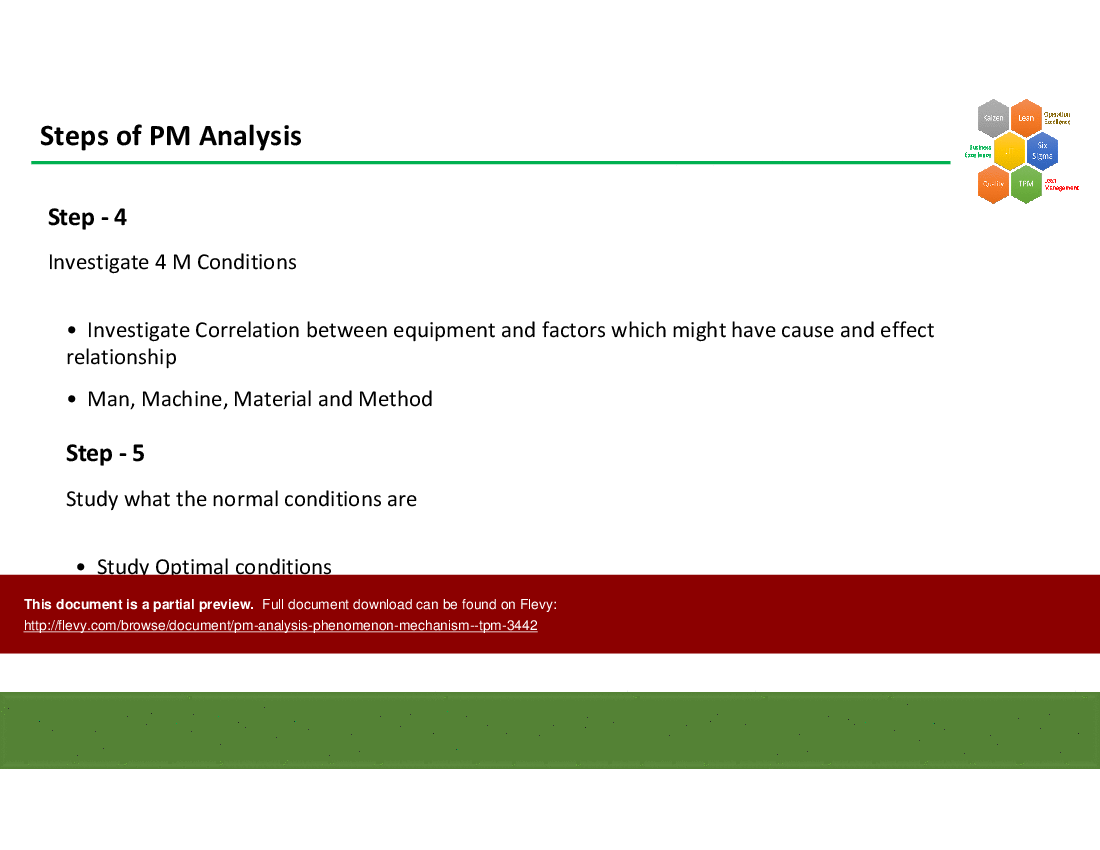
M – Mechanism, Relationship (Machine, Man/Woman, Material, Method)
This documents can be modified or change as per business requirement. It is suitable for formal classroom training.
Contents:
• Types of Problem Solving Techniques
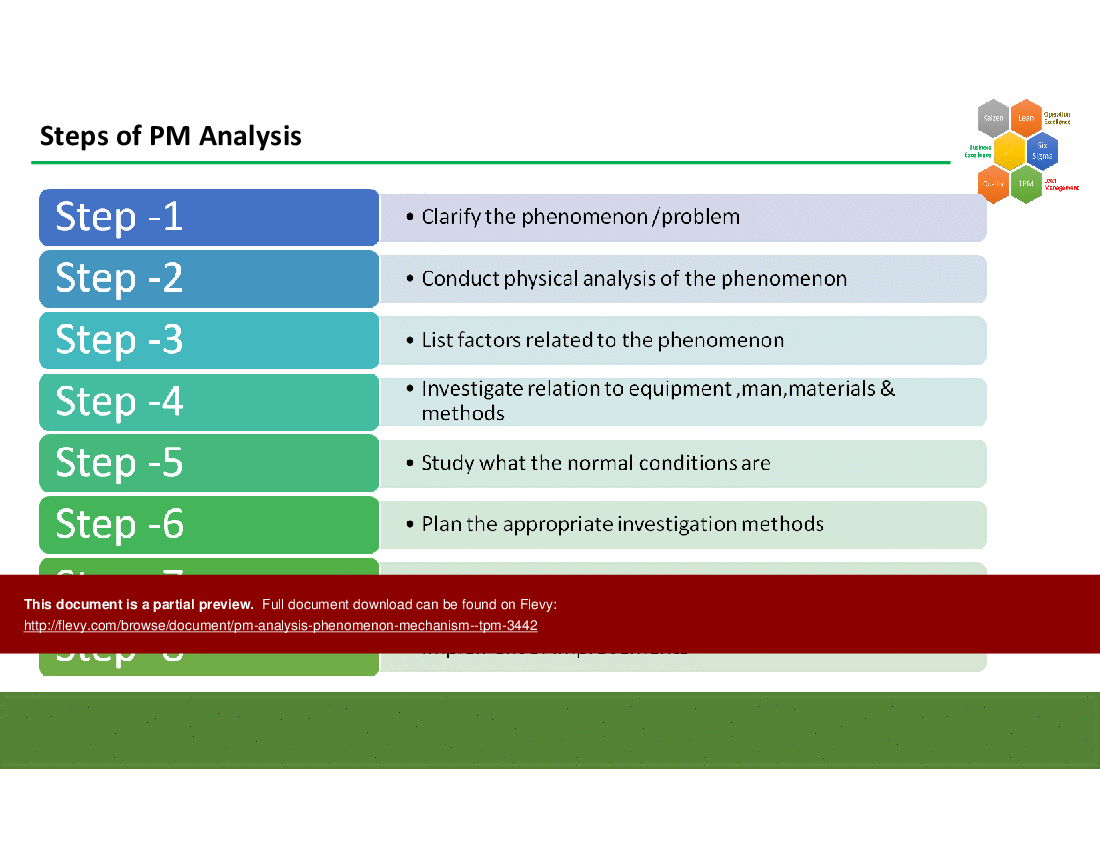
• 8 Steps of PM Analysis
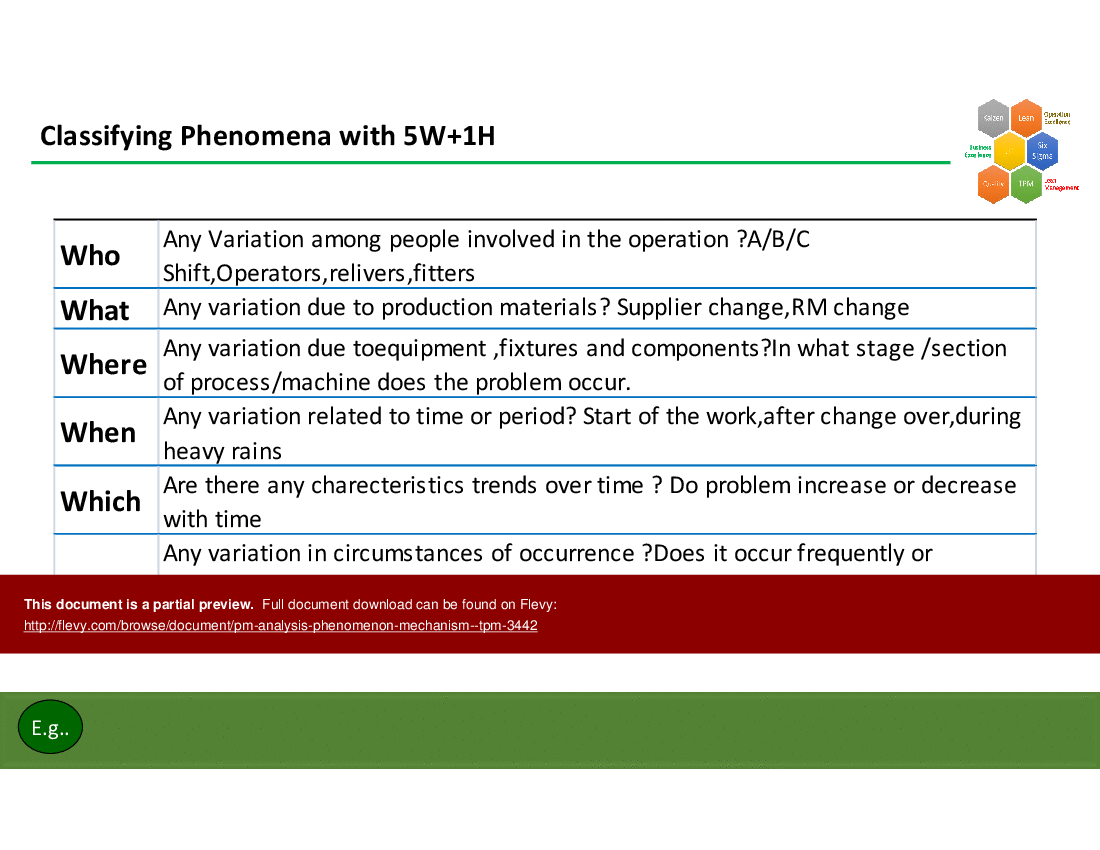
• Classifying Phenomenon With 5W 1H
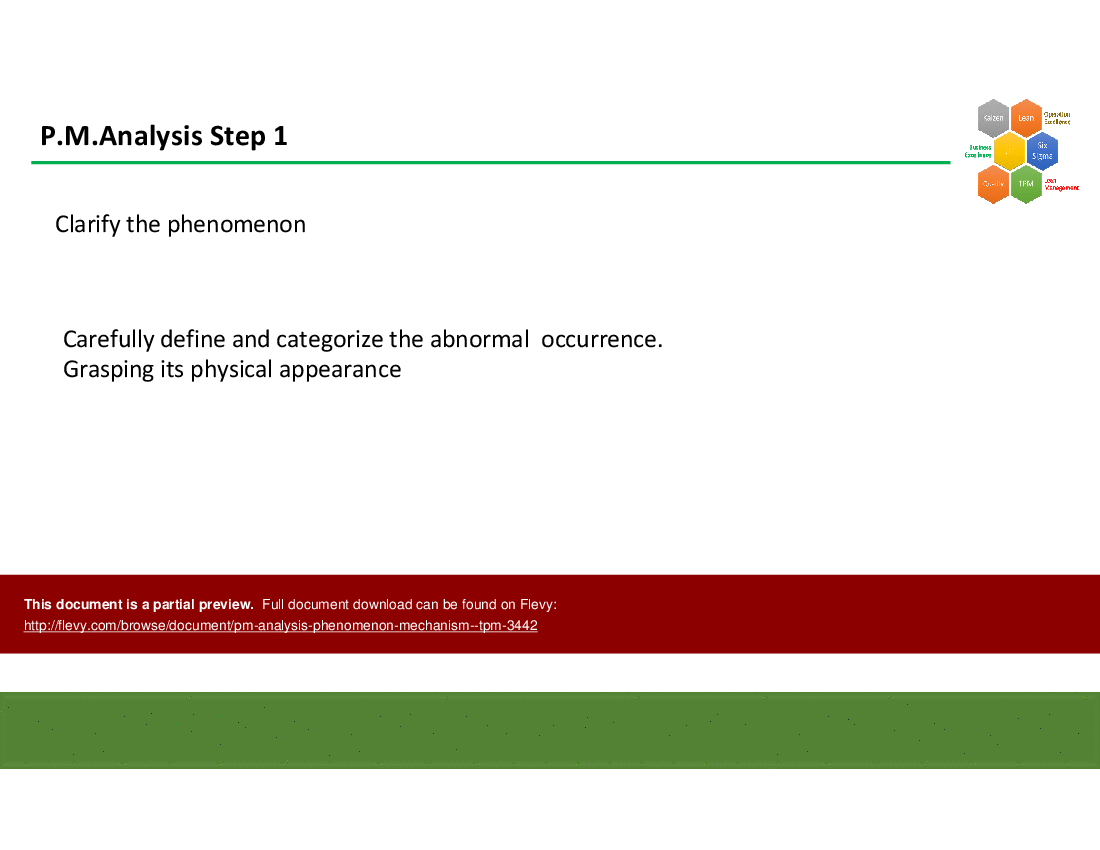
This PPT delves into the intricacies of PM Analysis, breaking down the process into eight actionable steps. Each step is meticulously detailed, from clarifying the phenomenon to proposing and implementing improvements. The PPT emphasizes the importance of identifying and investigating all contributing factors, ensuring thorough analysis and effective problem-solving.
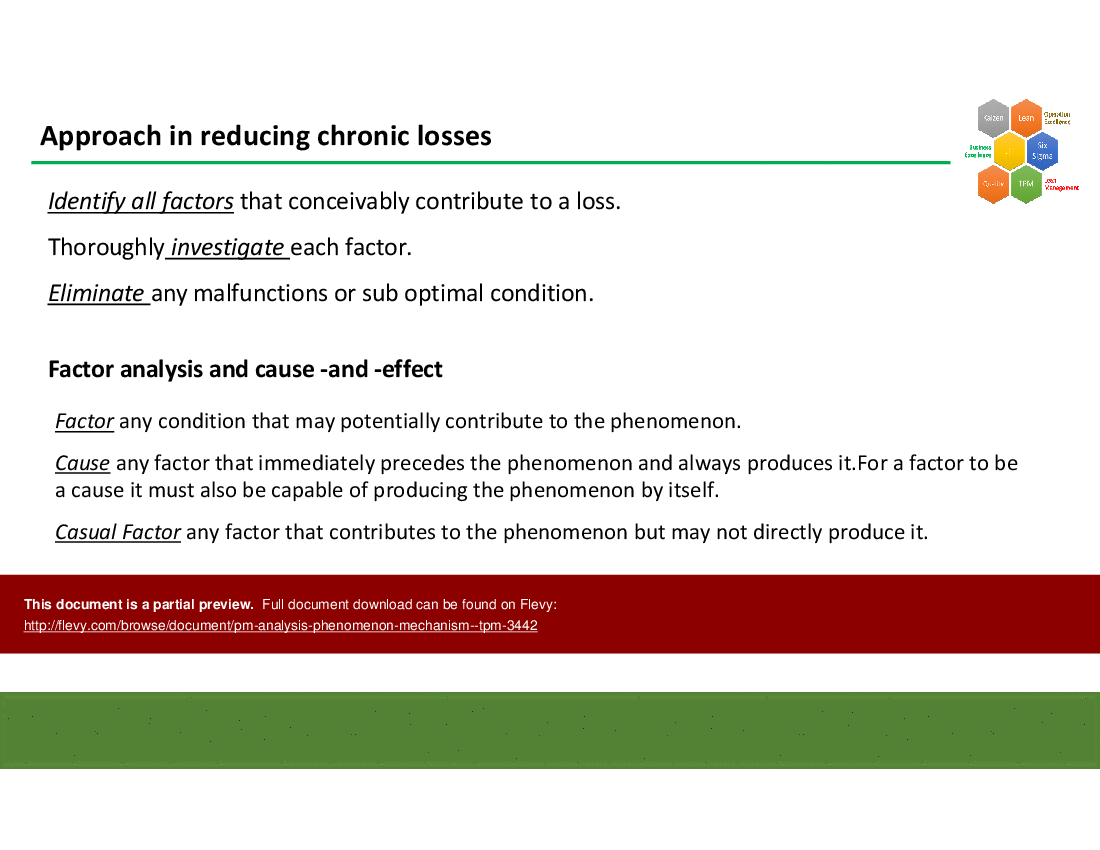
The approach to reducing chronic losses is laid out clearly, with a focus on identifying, investigating, and eliminating malfunctions or suboptimal conditions. Factor analysis and cause-and-effect relationships are explored in depth, providing a robust framework for understanding and addressing chronic losses. The document also includes practical examples and detailed survey sheets to guide users through the process.
The physical analysis section is particularly comprehensive, covering operating principles, standards, and interacting elements. Detailed diagrams and step-by-step instructions help users visualize and understand complex processes. This document is an invaluable resource for anyone looking to implement PM Analysis in their organization, offering practical tools and insights to drive continuous improvement.
Got a question about the product? Email us at support@flevy.com or ask the author directly by using the "Ask the Author a Question" form. If you cannot view the preview above this document description, go here to view the large preview instead.
Executive Summary
The PM Analysis (Phenomenon Mechanism) PowerPoint presentation is designed to address chronic losses in operational processes through a structured eight-step problem-solving approach. This framework emphasizes the identification and analysis of factors contributing to defects, utilizing tools such as factor analysis and cause-effect diagrams. By applying this methodology, corporate executives and consultants can effectively restore mechanisms to their defect-free states, ultimately enhancing operational efficiency and quality.
Who This Is For and When to Use
• Quality Assurance Managers focused on reducing defect rates
• Operations Executives aiming to improve process reliability
• Lean Management Teams implementing continuous improvement initiatives
• Consultants specializing in operational excellence and quality management
Best-fit moments to use this deck:
• During root cause analysis sessions for chronic defects
• When developing training programs for operational teams
• In workshops aimed at fostering a culture of continuous improvement
Learning Objectives
• Define chronic and sporadic losses in operational contexts
• Identify factors contributing to chronic losses using the 4Ms (Machine, Man, Material, Method)
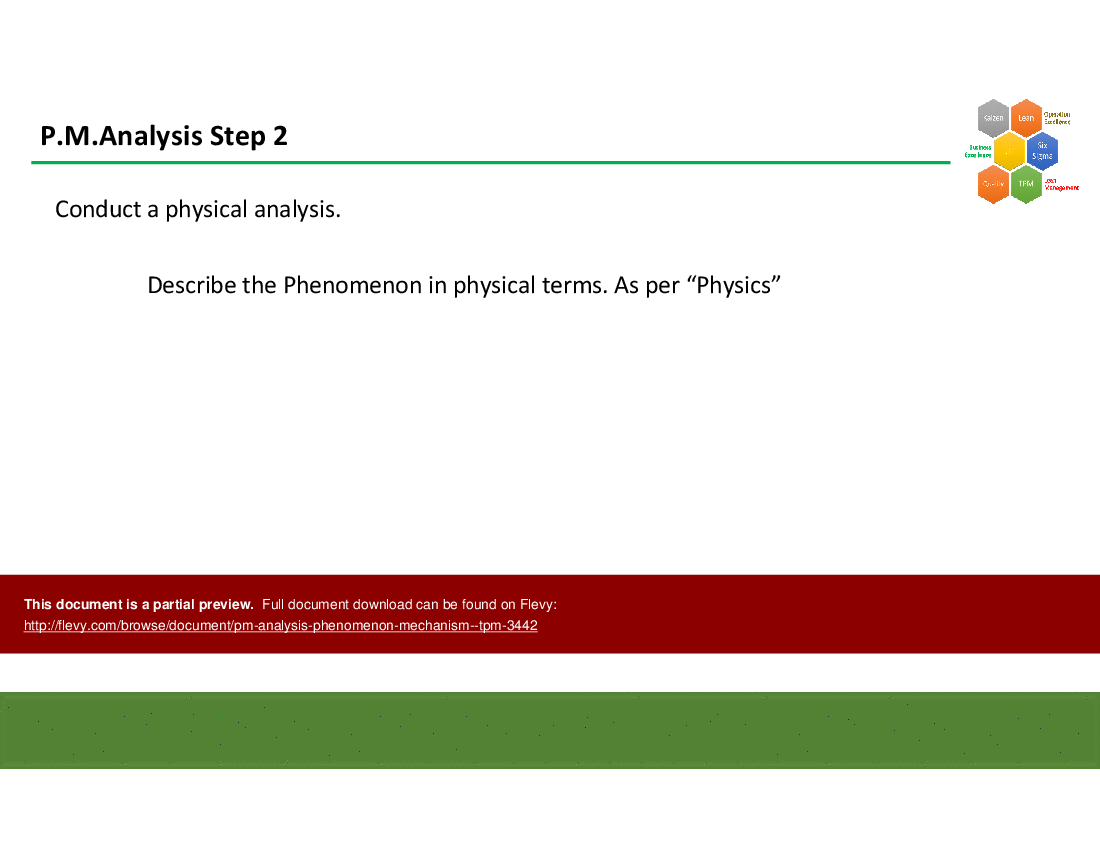
• Conduct a physical analysis of phenomena to understand underlying causes
• Implement corrective measures to restore optimal conditions
• Establish preventive maintenance procedures to sustain improvements
• Utilize cause-and-effect analysis to pinpoint specific issues
Table of Contents
• Introduction to PM Analysis (page 3)
• Understanding Chronic Losses (page 5)
• Steps of PM Analysis (page 10)
• Physical Analysis Techniques (page 15)
• Identifying Constituent Conditions (page 20)
• Implementing Improvements (page 25)
• Case Studies and Examples (page 30)
• Conclusion and Next Steps (page 35)
Primary Topics Covered
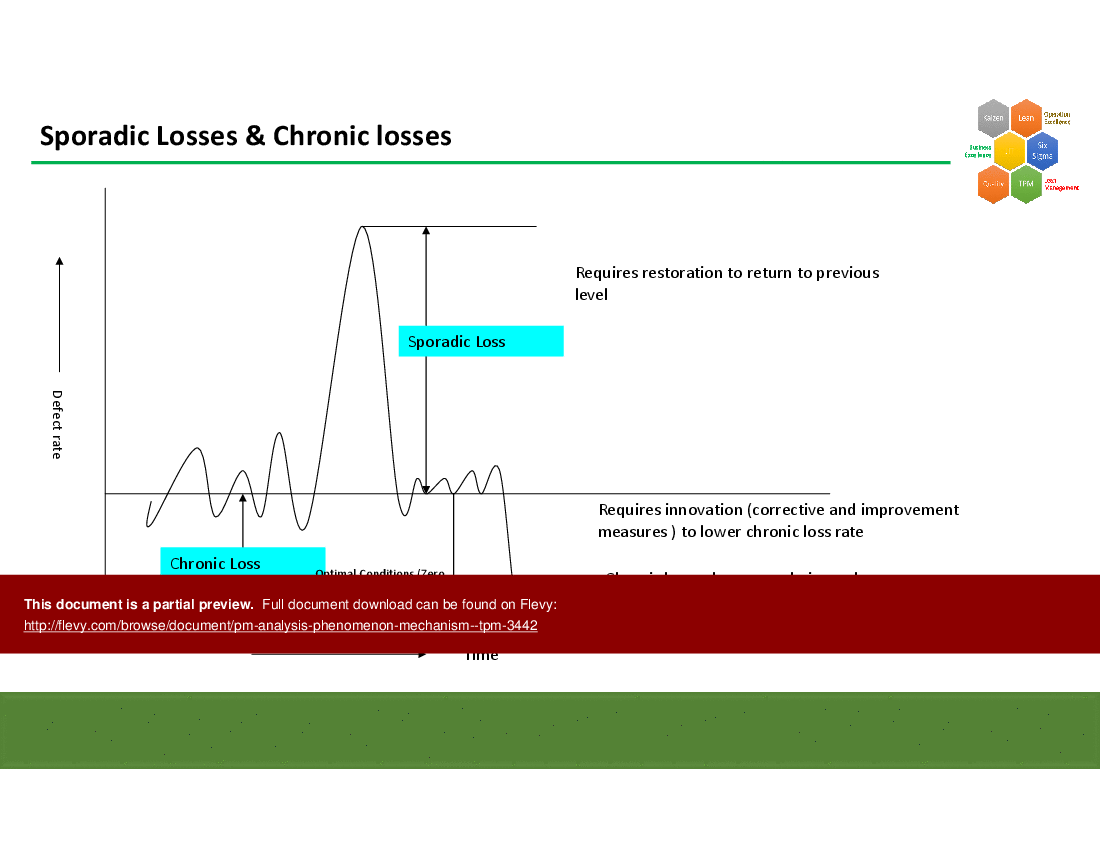
• Chronic Losses - Frequent, small deviations from the norm that become accepted over time, requiring innovative solutions for resolution.
• Sporadic Losses - Infrequent and significant deviations that are easier to identify and correct.
• 4Ms Framework - A comprehensive approach to analyzing the factors contributing to operational issues: Machine, Man, Material, and Method.
• Physical Analysis - Techniques to describe phenomena in physical terms, focusing on how they occur rather than why.
• Cause-Effect Analysis - Tools used to establish relationships between various factors and the resulting operational phenomena.
• Improvement Implementation - Steps to propose and enact corrective measures, ensuring sustainability of improvements.
Deliverables, Templates, and Tools
• PM Analysis framework template for structured problem-solving
• Cause-and-effect diagram template for visualizing relationships
• Physical analysis checklist to guide investigations
• Survey sheet for measuring and evaluating operational conditions
• Action plan template for tracking improvement initiatives
• Training materials for operational teams on PM Analysis techniques
Slide Highlights
• Overview of chronic vs. sporadic losses with visual graphs
• Detailed steps of PM Analysis illustrated for clarity
• Examples of physical analysis demonstrating real-world applications
• Case studies showcasing successful implementation of PM Analysis
• Action plan templates for immediate application in operational settings
Potential Workshop Agenda
Introduction to PM Analysis (30 minutes)
• Overview of chronic and sporadic losses
• Introduction to the 4Ms framework
Hands-on PM Analysis Workshop (90 minutes)
• Breakout sessions to identify chronic losses in participants' operations
• Group discussions on applying physical analysis techniques
Implementation Planning (60 minutes)
• Develop action plans based on identified issues
• Establish metrics for measuring improvement success
Customization Guidance
• Tailor the PM Analysis framework to specific operational contexts and challenges
• Adjust the 4Ms analysis to reflect unique organizational structures and processes
• Incorporate company-specific examples into training materials for relevance
Secondary Topics Covered
• The role of innovation in addressing chronic losses
• Importance of preventive maintenance in sustaining improvements
• Techniques for fostering a culture of continuous improvement
• The impact of training on operational excellence
Topic FAQ
Document FAQ
These are questions addressed within this presentation.
What is PM Analysis?
PM Analysis is a structured approach to identifying and resolving chronic losses in operational processes through a detailed examination of contributing factors.
How does PM Analysis differ from traditional problem-solving methods?
PM Analysis focuses on a comprehensive understanding of phenomena and their underlying causes, rather than just addressing symptoms.
What are the 4Ms in PM Analysis?
The 4Ms refer to Machine, Man, Material, and Method, which are the key factors analyzed to identify causes of operational issues.
How can I implement PM Analysis in my organization?
Begin by training your team on the PM Analysis framework, then conduct workshops to identify chronic losses and develop action plans.
What types of losses does PM Analysis address?
PM Analysis is particularly effective for chronic losses, which are frequent and often accepted as normal, as well as sporadic losses that are infrequent.
What tools are included in the PM Analysis presentation?
The presentation includes templates for cause-and-effect analysis, physical analysis checklists, and action plan formats.
How long does it take to see results from PM Analysis?
Results can vary,, but organizations often see improvements within a few weeks of implementing corrective measures.
Can PM Analysis be applied in any industry?
Yes, PM Analysis is versatile and can be adapted to various industries, including manufacturing, healthcare, and service sectors.
What are common pitfalls in PM Analysis?
Common pitfalls include overlooking minor factors, misidentifying root causes, and failing to establish clear measurement standards.
Glossary
• Chronic Losses - Frequent, small deviations from operational norms.
• Sporadic Losses - Infrequent, significant deviations that are easier to identify.
• 4Ms - Machine, Man, Material, Method; key factors in operational analysis.
• Physical Analysis - Examination of phenomena in physical terms.
• Cause-Effect Analysis - Tool for establishing relationships between factors.
• Preventive Maintenance - Procedures to sustain optimal operational conditions.
• Action Plan - Document outlining steps for improvement initiatives.
• Quality Assurance - Processes to ensure products meet specified standards.
• Operational Excellence - Continuous improvement in processes and performance.
• Lean Management - Approach focused on minimizing waste and maximizing value.
• Kaizen - Continuous improvement philosophy involving all employees.
• Defect Rate - Measure of the frequency of defects in a process.
• Innovation - Introduction of new ideas or methods to improve processes.
• Training Materials - Resources developed to educate staff on new methodologies.
• Measurement Standards - Criteria used to assess performance and quality.
• Root Cause Analysis - Methodology for identifying the underlying causes of issues.
• Continuous Improvement - Ongoing effort to enhance products, services, or processes.
• Operational Metrics - Quantitative measures used to assess performance.
• Process Reliability - Consistency of a process in producing desired outcomes.
• Defect-Free State - Condition where products or processes meet quality standards without defects.
• Consultant - Professional providing expert advice in a specific area.
Source: PM Analysis (Phenomenon Mechanism) - TPM PowerPoint (PPT) Presentation Slide Deck, Nishil Josh
|
Receive our FREE Primer on Lean Management
This 32-page presentation from Operational Excellence Consulting explains the Lean Management philosophy, based on the Toyota Production System (TPS). Learn to eliminate waste. |










