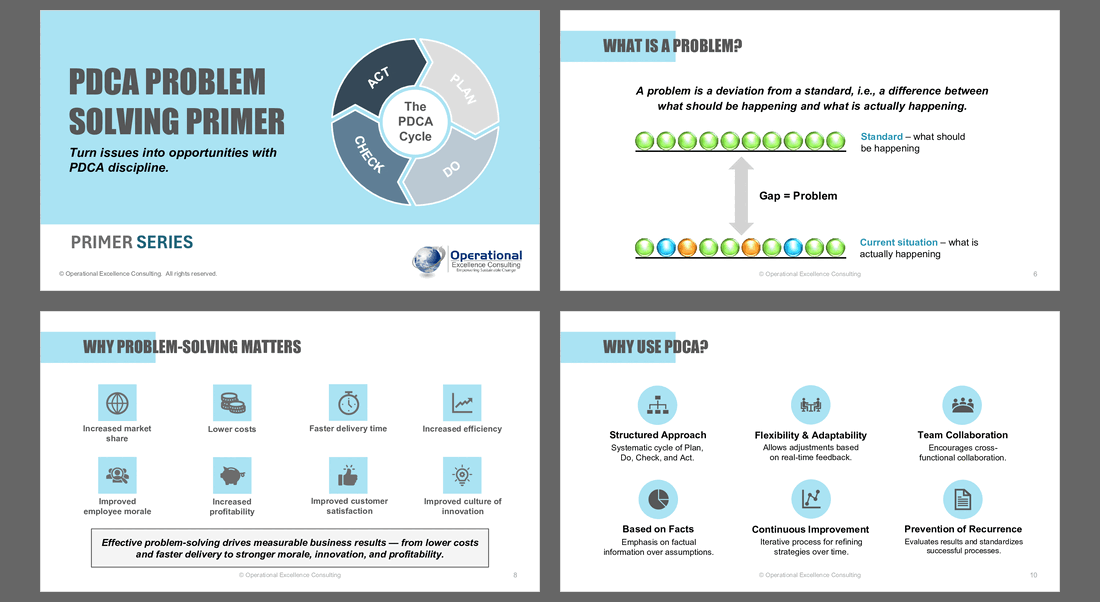
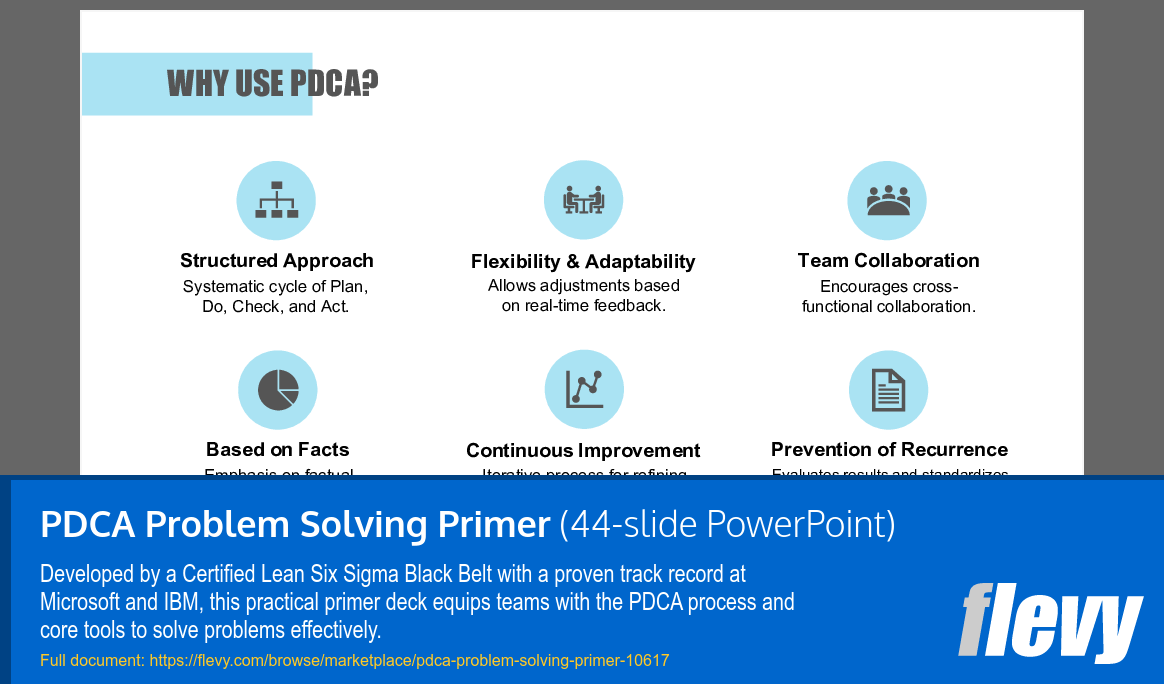
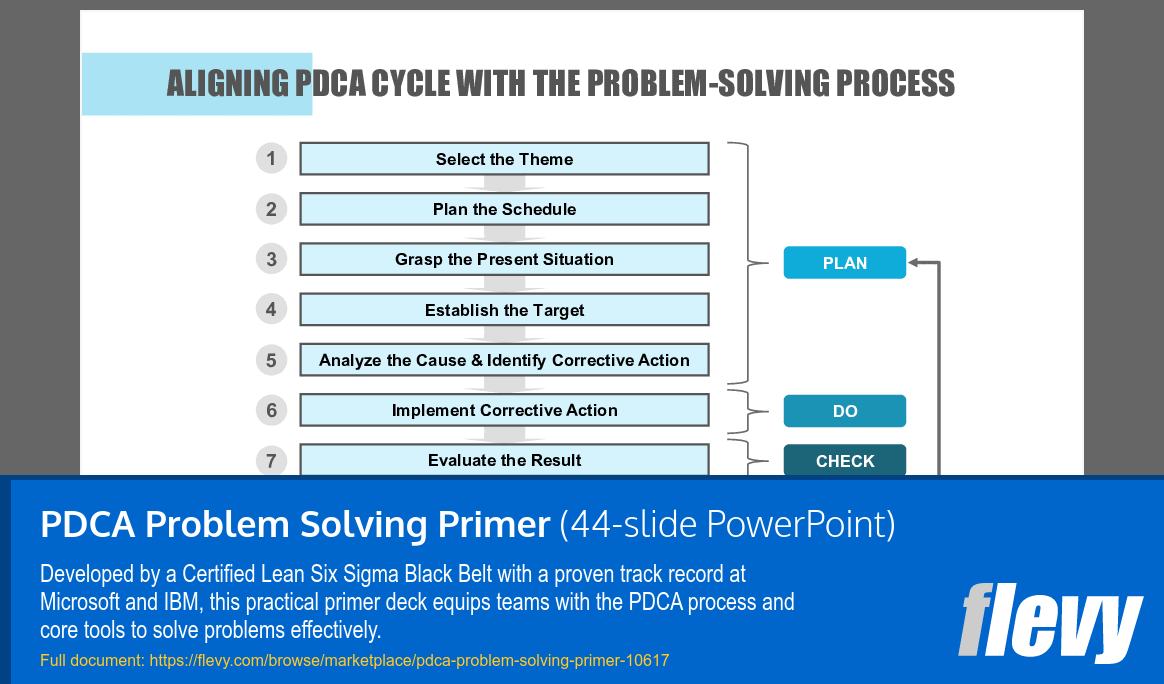
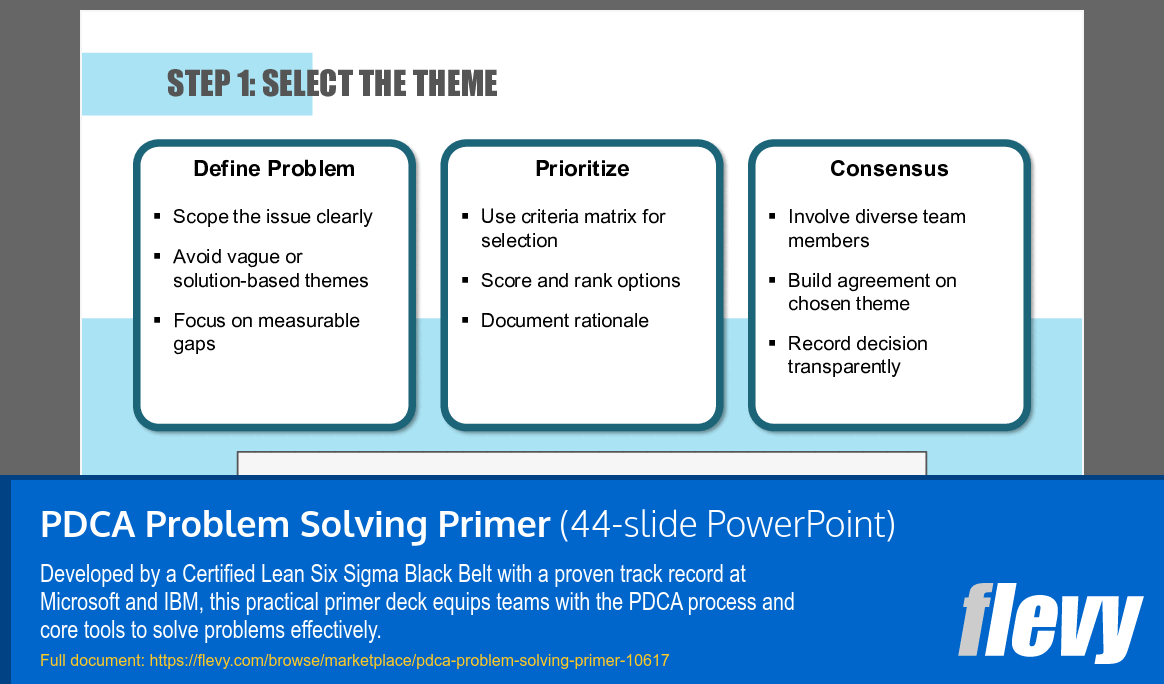
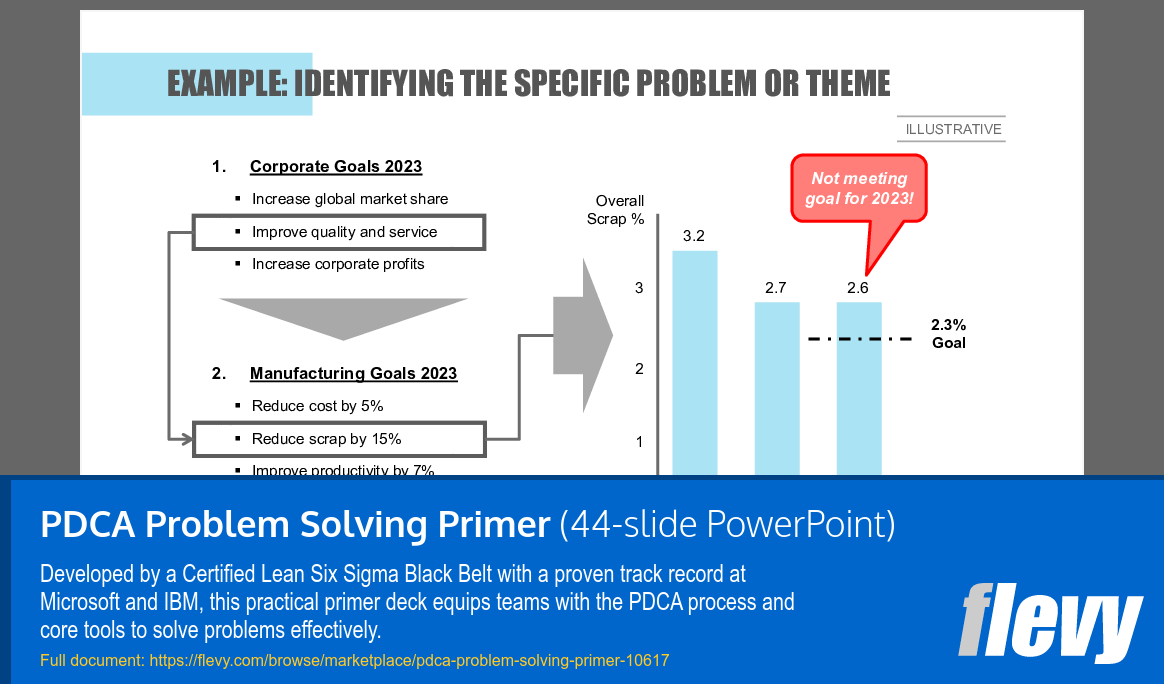

This PDCA Problem Solving Primer Presentation is a facilitation‑ready deck designed as a concise introduction to structured problem‑solving using the PDCA cycle. This primer highlights the fundamentals of PDCA (Plan–Do–Check–Act), guiding participants through the 8‑step problem‑solving process and equipping them with practical tools such as the 5 Whys, Fishbone Diagram, and Pareto Chart. Case examples and interactive activities provide learners with a clear understanding of how PDCA helps organizations close performance gaps and sustain improvements.

This PDCA Problem Solving Primer Presentation (PDCA PPT) is ideal for awareness sessions, leadership briefings, and introductory workshops where the goal is to build foundational understanding rather than deliver full facilitation training
LEARNING OBJECTIVES
By the end of this primer, learners will be able to:
1. Apply the PDCA cycle to structured problem‑solving.
2. Conduct effective root cause analysis using PDCA tools.
3. Implement solutions through disciplined execution and pilot testing.
4. Measure and validate results with data‑driven methods.
5. Sustain improvements by standardizing successful practices.
CONTENTS
1. Foundations of PDCA Problem Solving
• What is a problem, why problem solving matters, problem solving funnel, PDCA concept, why use PDCA
2. Introduction to PDCA Problem Solving
• PDCA phase descriptions, aligning PDCA cycle with problem‑solving process, team objectives, organizational roles, success factors
3. PDCA Problem Solving Process & Tools
• Integrated 8‑step PDCA slides (Select Theme → Standardize & Follow‑Up), case examples, activities (Problem Statement, Fishbone), tools overview (5 Whys, Fishbone, Pareto)
4. Pitfalls & Success Factors
• Common mistakes, practical tips for PDCA problem solving, sustain & improve results, summary wrap‑up
5. Primer Summary
• Consolidated recap of foundations, tools, and sustainment
Got a question about the product? Email us at support@flevy.com or ask the author directly by using the "Ask the Author a Question" form. If you cannot view the preview above this document description, go here to view the large preview instead.
Executive Summary
The PDCA Problem Solving Primer is a structured training deck designed to empower teams with the Plan-Do-Check-Act (PDCA) methodology for effective problem-solving. Developed by a Certified Lean Six Sigma Black Belt, this presentation provides a comprehensive overview of the PDCA cycle and its application in identifying and addressing performance gaps. Users will learn to implement root cause analysis tools, measure outcomes, and sustain improvements, ultimately transforming issues into opportunities for organizational growth.
Who This Is For and When to Use
• Operations managers seeking to enhance process efficiency
• Quality assurance teams focused on continuous improvement
• Project managers implementing structured problem-solving methodologies
• Training and development professionals aiming to upskill teams
Best-fit moments to use this deck:
• During team training sessions on problem-solving techniques
• When initiating process improvement projects
• In workshops focused on root cause analysis and solution implementation
Learning Objectives
• Apply the PDCA cycle to structured problem-solving
• Conduct effective root cause analysis using PDCA tools
• Implement solutions through disciplined execution and pilot testing
• Measure and validate results with data-driven methods
• Sustain improvements by standardizing successful practices
Table of Contents
• Foundations of PDCA Problem Solving (page 1)
• Introduction to PDCA Problem Solving (page 2)
• PDCA Problem Solving Process & Tools (page 3)
• Pitfalls & Success Factors (page 4)
Primary Topics Covered
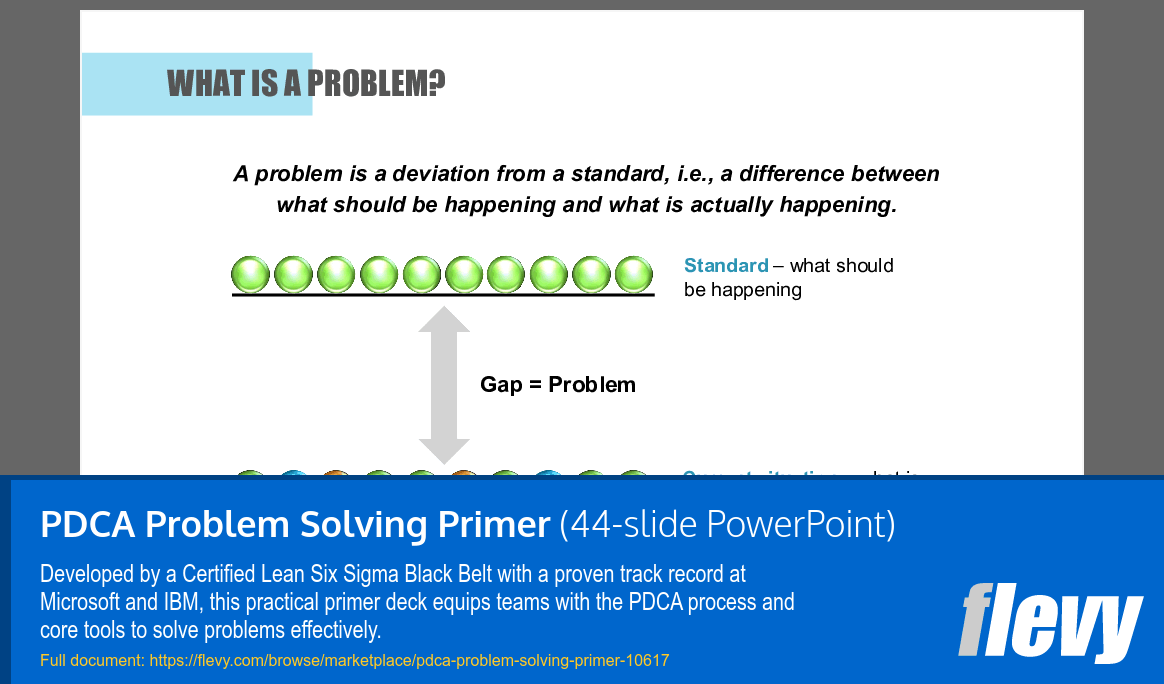
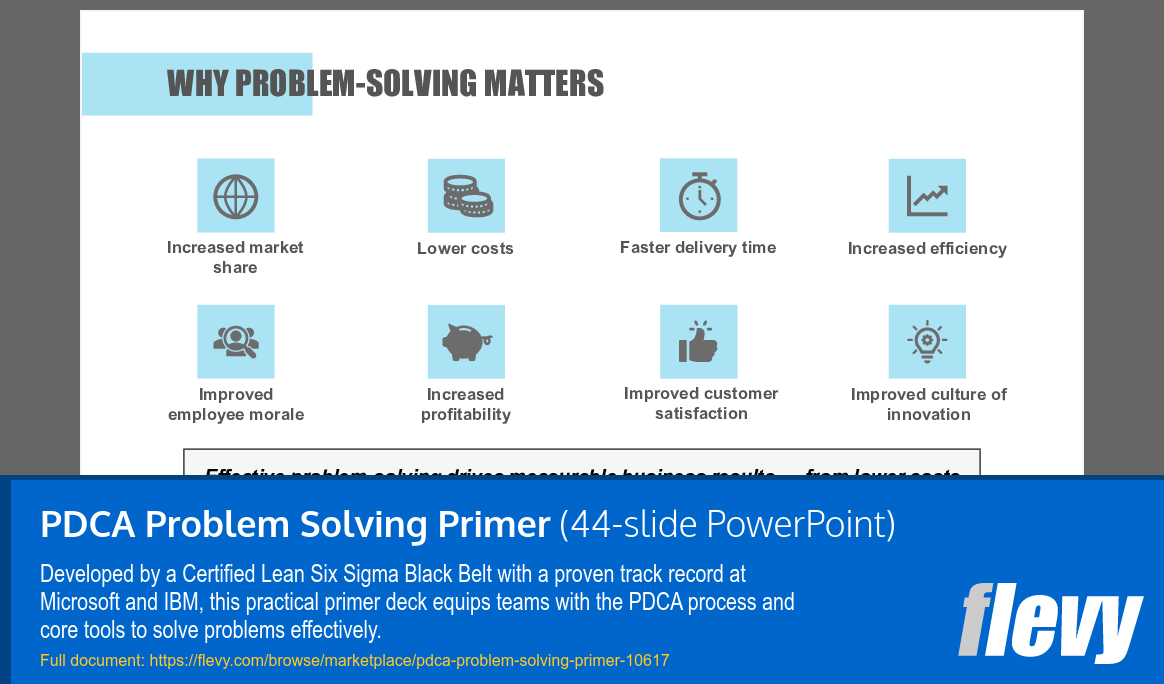
• Foundations of PDCA Problem Solving - This section introduces the concept of PDCA, defining problems as deviations from standards and emphasizing the importance of structured problem-solving.
• Introduction to PDCA - Outlines the PDCA methodology, highlighting its systematic approach and continuous improvement cycle applicable across various industries.
• PDCA Problem Solving Process - Details the eight steps of the PDCA cycle, from selecting a theme to standardizing successful practices, ensuring a comprehensive understanding of the process.
• Tools for Root Cause Analysis - Introduces key tools such as the 5 Whys, Fishbone Diagram, and Pareto Chart, essential for analyzing causes and prioritizing actions.
• Organizational Roles in Problem Solving - Describes the roles of various stakeholders, including the steering committee and team members, in facilitating effective problem-solving.
• Success Factors for PDCA Implementation - Identifies critical elements such as leadership support, skilled facilitation, and effective coordination necessary for successful PDCA application.
Deliverables, Templates, and Tools
• PDCA cycle framework for structured problem-solving
• Root cause analysis templates (5 Whys, Fishbone Diagram)
• Action plan templates for implementation and accountability
• Evaluation metrics for measuring results against targets
• Standard operating procedures (SOPs) for sustaining improvements
Slide Highlights
• Overview of the PDCA cycle and its phases: Plan, Do, Check, Act
• Visual representation of the Fishbone Diagram for root cause analysis
• Example of a Pareto Chart illustrating frequency data for problem prioritization
• Step-by-step guide on implementing corrective actions and evaluating results
Potential Workshop Agenda
Introduction to PDCA (30 minutes)
• Overview of PDCA methodology and its importance
• Discussion on real-world applications of PDCA
Root Cause Analysis Techniques (60 minutes)
• Training on 5 Whys and Fishbone Diagram
• Group activity to practice identifying root causes
Implementing Solutions (90 minutes)
• Developing action plans based on identified causes
• Sharing and discussing implementation strategies
Customization Guidance
• Tailor the PDCA cycle framework to align with specific organizational processes
• Modify root cause analysis tools to reflect industry-specific challenges
• Adjust evaluation metrics to fit organizational performance indicators
Secondary Topics Covered
• Importance of team collaboration in problem-solving
• Strategies for sustaining improvements over time
• Common pitfalls in PDCA implementation and how to avoid them
• Best practices for engaging leadership support
FAQ
What is the PDCA cycle?
The PDCA cycle is a four-step problem-solving methodology consisting of Plan, Do, Check, and Act, designed to facilitate continuous improvement.
How can this primer be customized for my organization?
The presentation can be tailored to fit your specific processes, terminology, and performance metrics, ensuring relevance to your team's needs.
What tools are included in the presentation?
The primer includes templates for root cause analysis, action planning, and evaluation metrics to support effective problem-solving.
How do I measure the success of implemented solutions?
Success can be measured by comparing results against established targets using quantitative indicators and evaluating improvements over time.
What are common pitfalls in PDCA implementation?
Common pitfalls include lack of leadership support, inadequate training, and failure to standardize successful practices, all of which can hinder the effectiveness of PDCA.
How can I ensure team engagement during the PDCA process?
Engagement can be fostered through recognition and reward systems, active participation in problem-solving activities, and transparent communication of progress.
What is the role of leadership in PDCA?
Leadership plays a crucial role in setting direction, providing support, and ensuring that the necessary resources are available for successful PDCA implementation.
How often should the PDCA cycle be revisited?
The PDCA cycle should be revisited regularly, especially after implementing changes, to ensure continuous improvement and adaptation to new challenges.
Glossary
• PDCA - Plan-Do-Check-Act; a continuous improvement cycle.
• Root Cause Analysis - A method for identifying the underlying causes of problems.
• 5 Whys - A technique for exploring the cause-and-effect relationships underlying a problem.
• Fishbone Diagram - A visual tool for categorizing potential causes of a problem.
• Pareto Chart - A graph that prioritizes issues based on their impact, following the 80/20 rule.
• Standard Operating Procedures (SOPs) - Documents detailing the steps necessary to perform a task.
• Continuous Improvement - Ongoing efforts to enhance products, services, or processes.
• Stakeholders - Individuals or groups with an interest in the outcome of a project or process.
• Action Plan - A detailed plan outlining steps to achieve specific goals.
• Evaluation Metrics - Standards used to measure the success of implemented solutions.
• Team Collaboration - Working together to achieve common goals.
• Leadership Support - Commitment from management to provide resources and guidance.
• Engagement - The involvement and enthusiasm of team members in the problem-solving process.
• Performance Gap - The difference between current performance and desired outcomes.
• Training - The process of enhancing skills and knowledge for better performance.
• Facilitation - The act of guiding a group through a process to achieve objectives.
• Governance - The framework of rules and practices by which an organization is directed and controlled.
• Recognition - Acknowledgment of achievements to motivate and encourage participation.
• Sustainability - The ability to maintain improvements over time.
• Documentation - The process of recording information for future reference.
Source: Best Practices in PDCA PowerPoint Slides: PDCA Problem Solving Primer PowerPoint (PPTX) Presentation Slide Deck, Operational Excellence Consulting
|
Receive our FREE presentation on Operational Excellence
This 50-slide presentation provides a high-level introduction to the 4 Building Blocks of Operational Excellence. Achieving OpEx requires the implementation of a Business Execution System that integrates these 4 building blocks. |