 Click main image to view in full screen.
Midstream Constraint – PDF
PDF document + PowerPoint (PPTX) 12 Pages


BENEFITS OF THIS DOWNLOADABLE PDF DOCUMENT
- Provides a structured diagnostic for identifying the actual binding node within a critical-mineral supply chain.
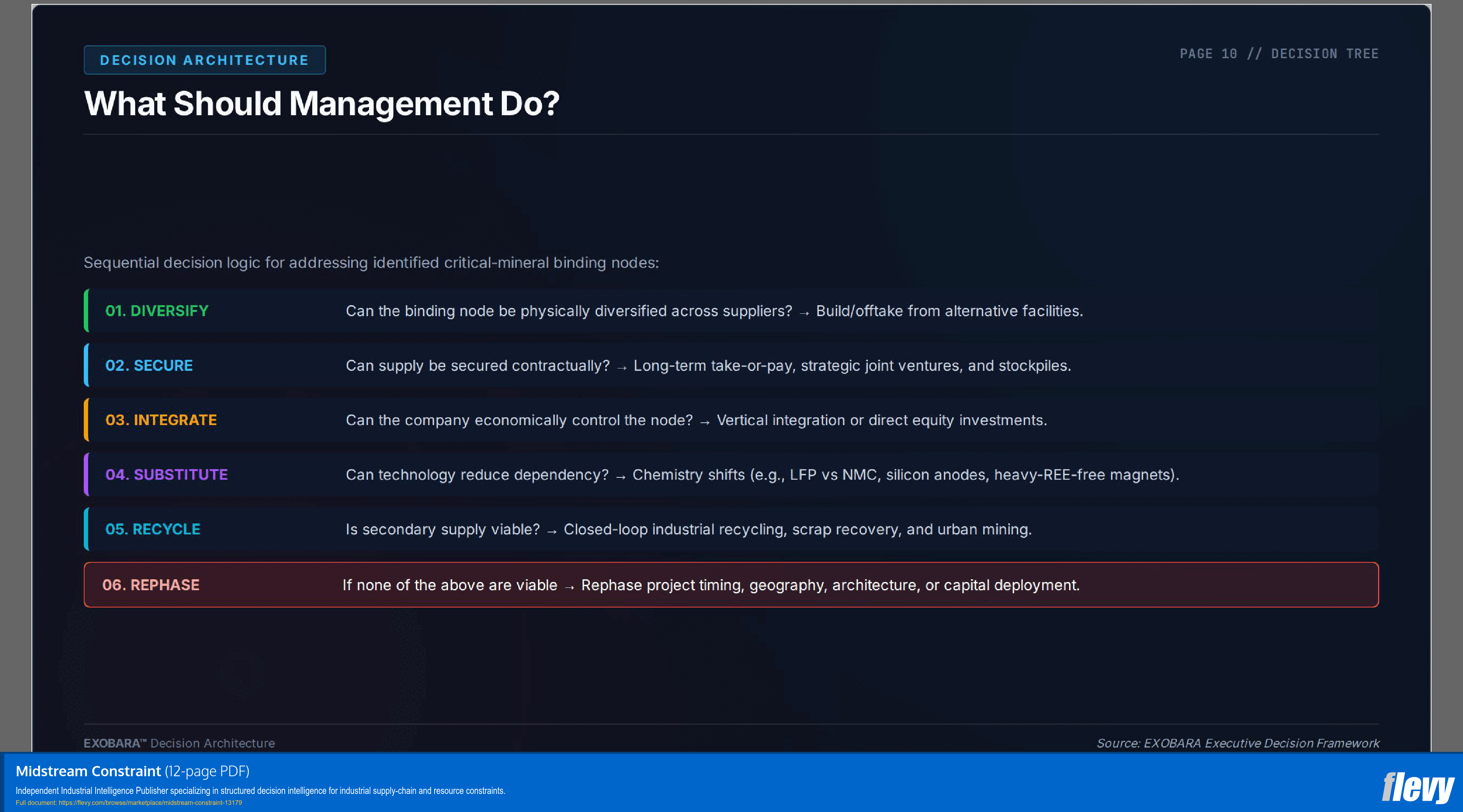
- Helps management evaluate diversification, securing, integration, substitution, recycling, and rephasing as alternative strategic responses.
- Converts supply-chain concentration, substitutability, lead-time, and disruption evidence into an actionable executive decision process.
OIL & GAS PDF DESCRIPTION
The Midstream Constraint™ is an Executive Intelligence Playbook for identifying where critical-mineral supply chains actually become constrained—and determining what management can do about it.
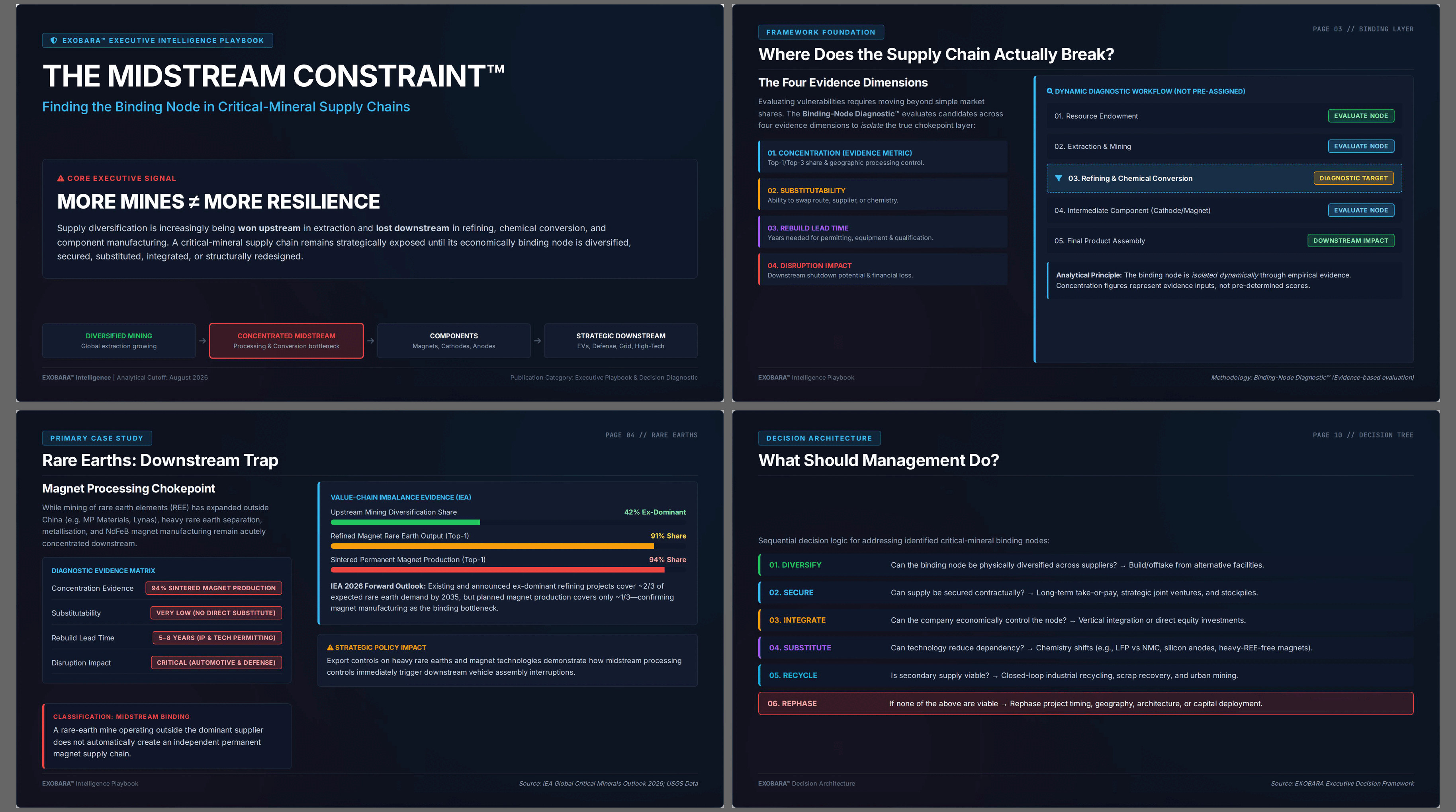
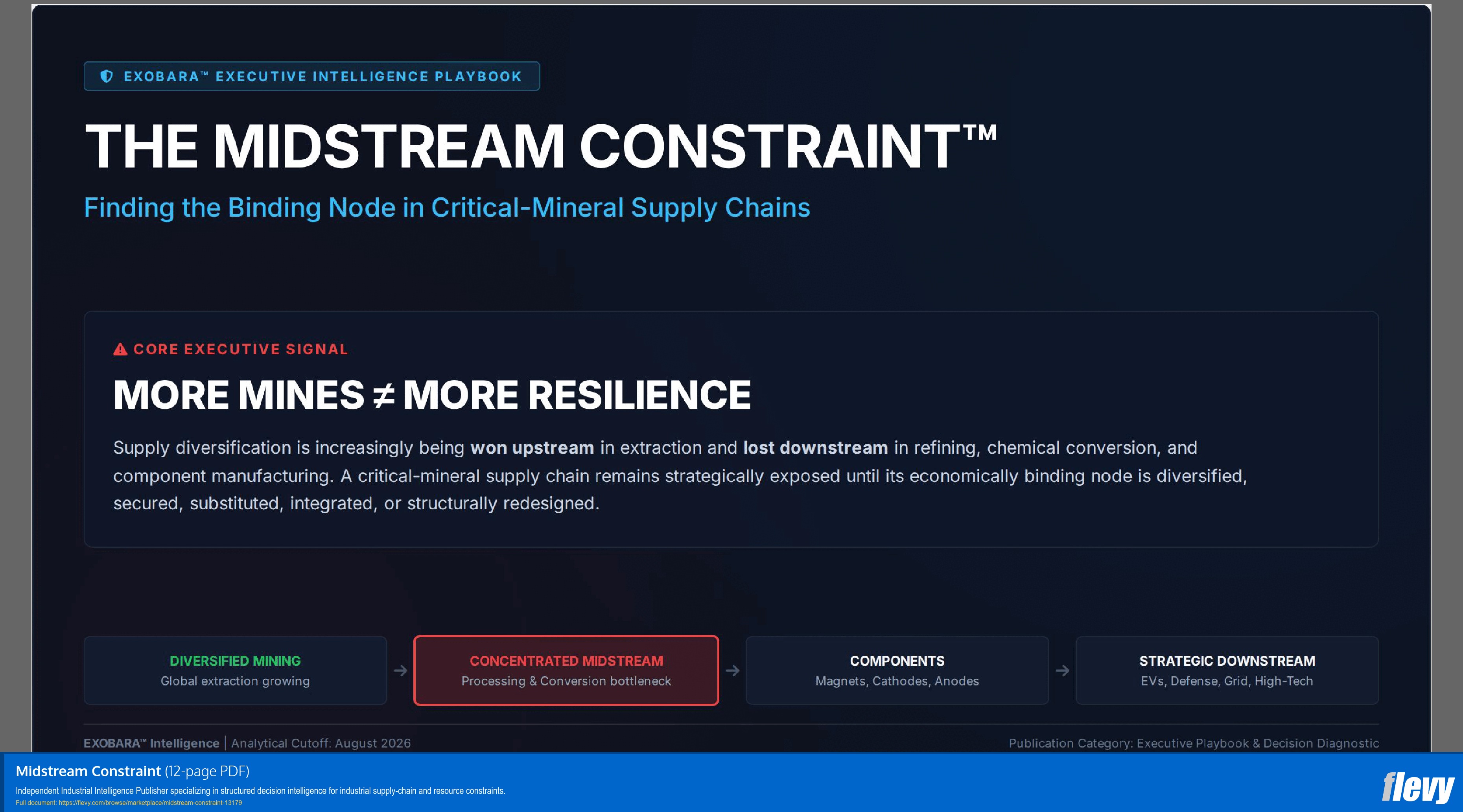
The core premise is simple: adding upstream extraction capacity does not automatically create supply-chain resilience. A company may diversify mining assets while remaining structurally exposed to a concentrated refining, chemical-conversion, processing, or intermediate-component bottleneck. The Midstream Constraint™ provides a structured way to identify that binding node before capital is committed to the wrong part of the value chain.
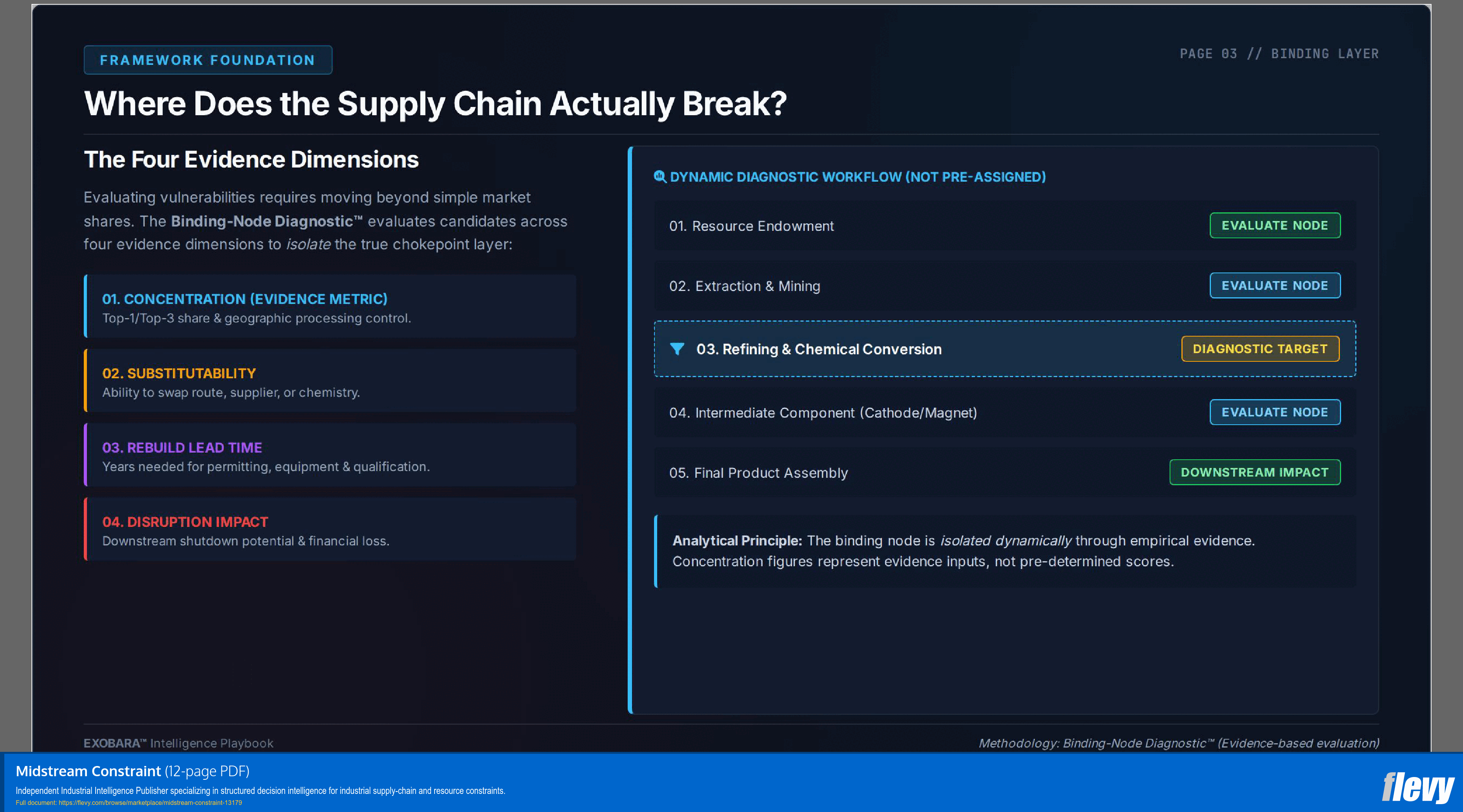
The playbook introduces the Binding-Node Diagnostic™, an evidence-based decision framework designed to locate, classify, and respond to critical-mineral supply-chain constraints. Rather than assuming that the midstream is always the problem, the methodology tests the full value chain across resource endowment, extraction and mining, refining and chemical conversion, intermediate components, and final-product assembly.
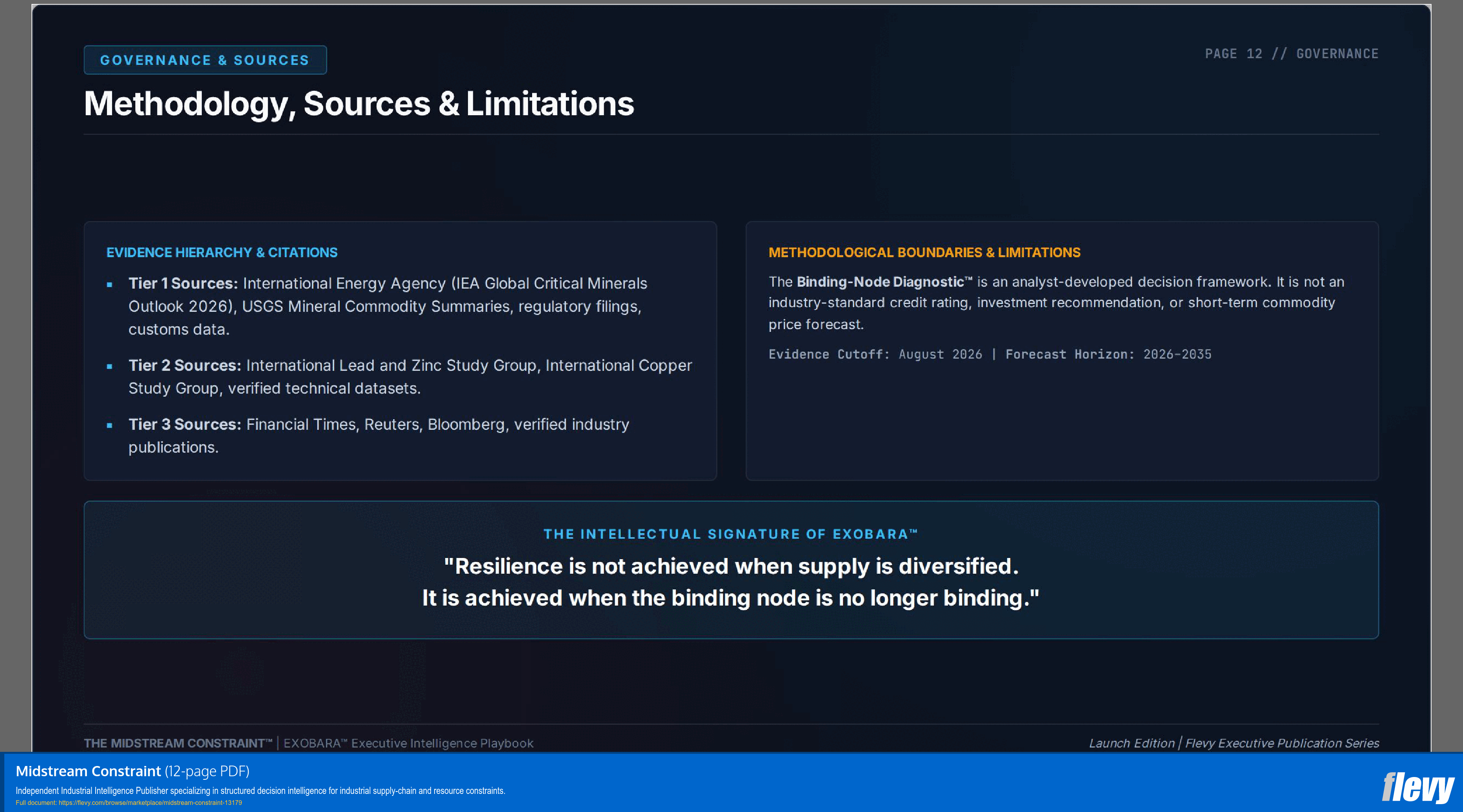
The analysis evaluates four evidence dimensions: concentration, substitutability, rebuild lead time, and disruption impact. These dimensions help management distinguish between ordinary supplier concentration and a genuinely binding strategic constraint.
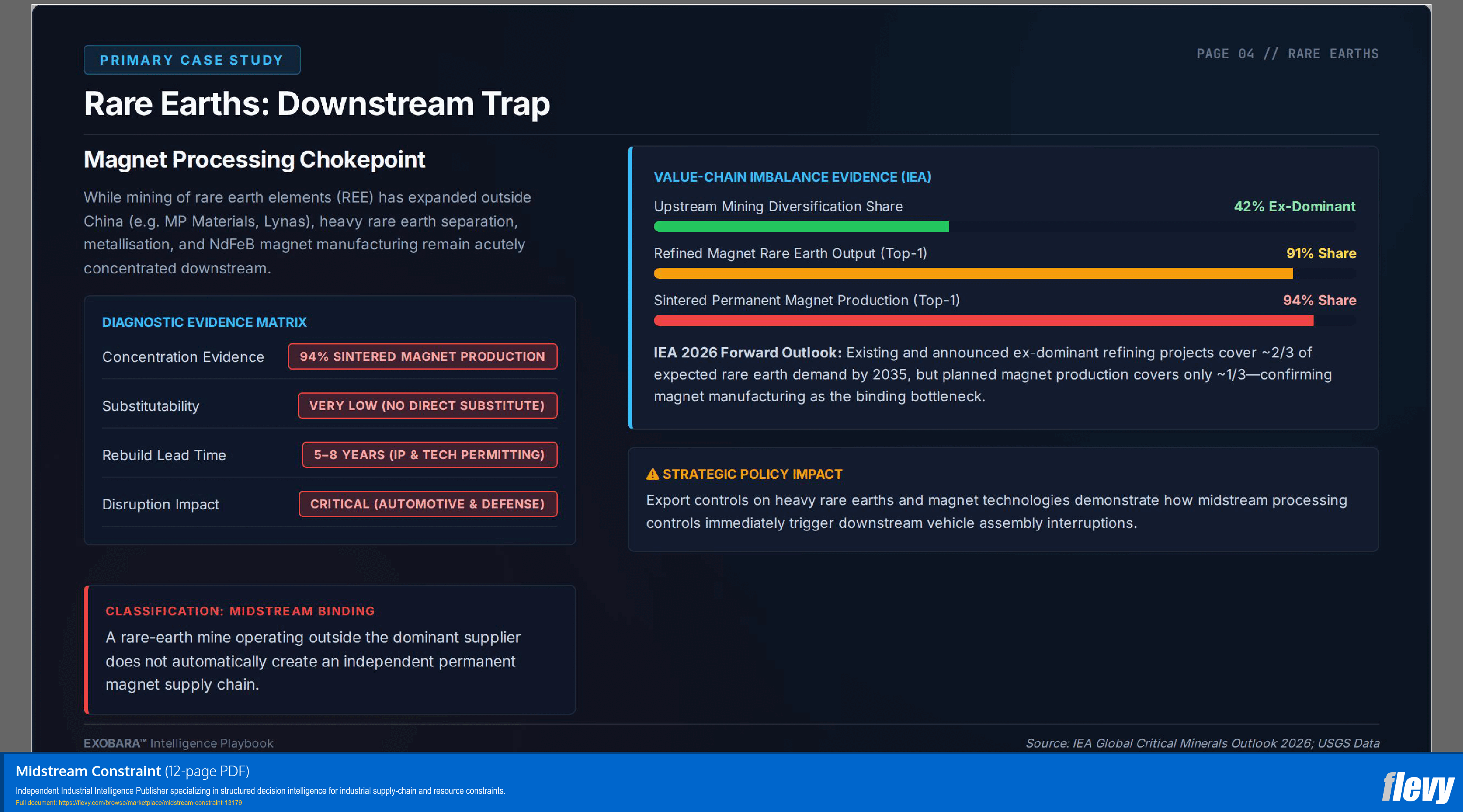
The playbook applies the diagnostic to three critical-mineral cases. The rare-earth case examines magnet processing and the concentration surrounding permanent-magnet production. The graphite case examines sphericalisation and coating as a processing bottleneck between natural flake graphite and battery-grade active material. The lithium case examines the emerging conversion gap created when upstream mining diversification develops faster than chemical conversion capacity. These cases demonstrate how the same diagnostic can reveal different constraint archetypes rather than forcing every mineral into the same strategic conclusion.
The playbook also includes a methodological contrast test covering nickel, cobalt, and copper. This prevents the framework from becoming a predetermined "midstream thesis" by testing whether the binding constraint actually sits elsewhere in the value chain.
For executives, the framework converts diagnosis into strategic action through six response pathways: diversify, secure, integrate, substitute, recycle, and rephase. The decision architecture helps management determine which response is appropriate based on the nature, severity, lead time, and economic consequences of the identified constraint.
The final sections provide a practical executive self-assessment tool for identifying transformation concentration, qualified alternatives, rebuild or qualification time, and downstream production loss exposure.
The Midstream Constraint™ is designed for executives, strategy leaders, operations leaders, procurement and supply-chain decision makers, industrial investors, and organizations exposed to critical-mineral availability, processing concentration, and downstream production risk.
It is not a commodity forecast, investment recommendation, or generic supply-chain checklist. It is a structured decision-intelligence asset for diagnosing where resilience actually breaks—and determining the most appropriate strategic response.
Got a question about the product? Email us at support@flevy.com or ask the author directly by using the "Ask the Author a Question" form. If you cannot view the preview above this document description, go here to view the large preview instead.
Source: Best Practices in Oil & Gas PDF: Midstream Constraint PDF (PDF) Document, Wisnu Pandega Wardana
ABOUT THE AUTHOR

I am an independent Industrial Intelligence and Strategic Innovation Publisher focused on developing structured business intelligence, innovation frameworks, and opportunity-oriented research for decision-makers.
My work focuses on translating emerging technologies, industrial transformation, sustainability, resource efficiency, and market shifts into structured intelligence assets that
... [read more]
Ask the Author a Question
You must be logged in to contact the author.




























