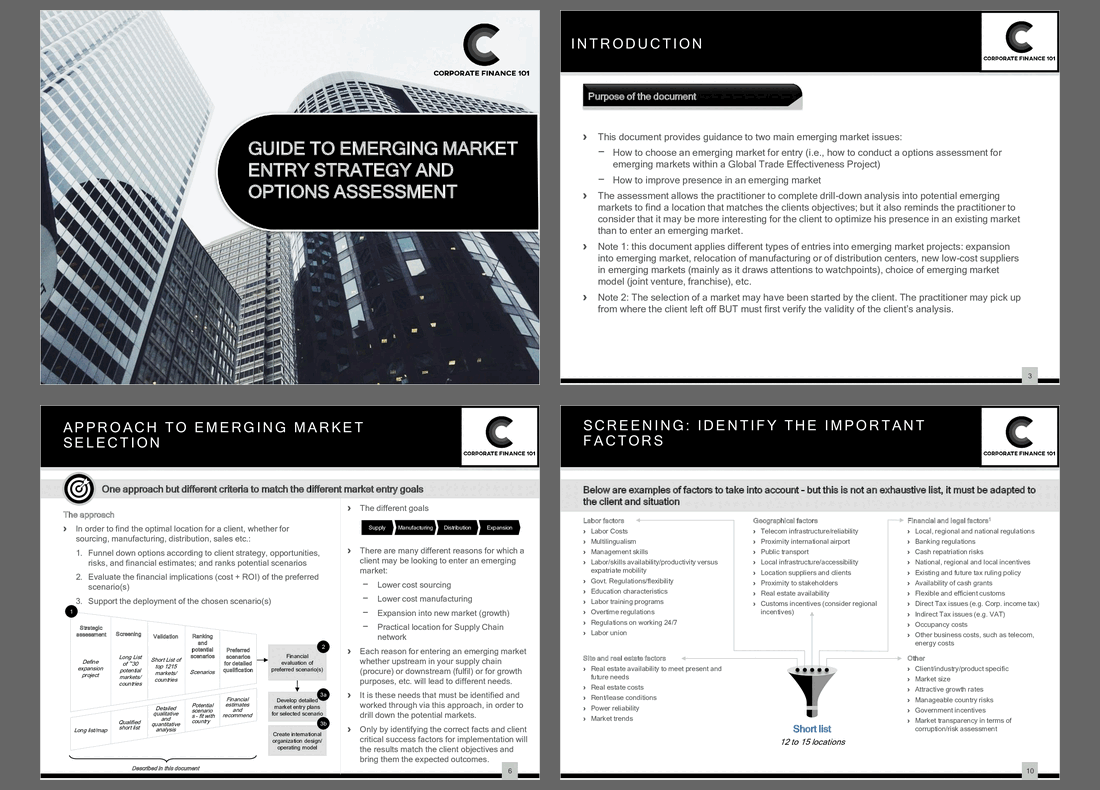

Provides an approach to performing a market entry assessment in a structured manner
EMERGING MARKET ENTRY PPT DESCRIPTION
This product (Market Entry Assessment Guide) is a 39-slide PPT PowerPoint presentation slide deck (PPTX), which you can download immediately upon purchase.
"The life of a typical entrant is nasty, brutish, and short." – Paul Geroski, London Business School.
Companies can boost their odds of success by tackling cognitive biases head-on. Market entry strategy is a useful tool for getting clarity on what you aim to achieve and how you are going to achieve it while entering a new market. Creating an effective strategy before entering the new market is one of the main questions that arise in the mind of an investor. In order to enter the market as comfortably as possible, simple, and with minimal risks, it is necessary to examine the target niche.
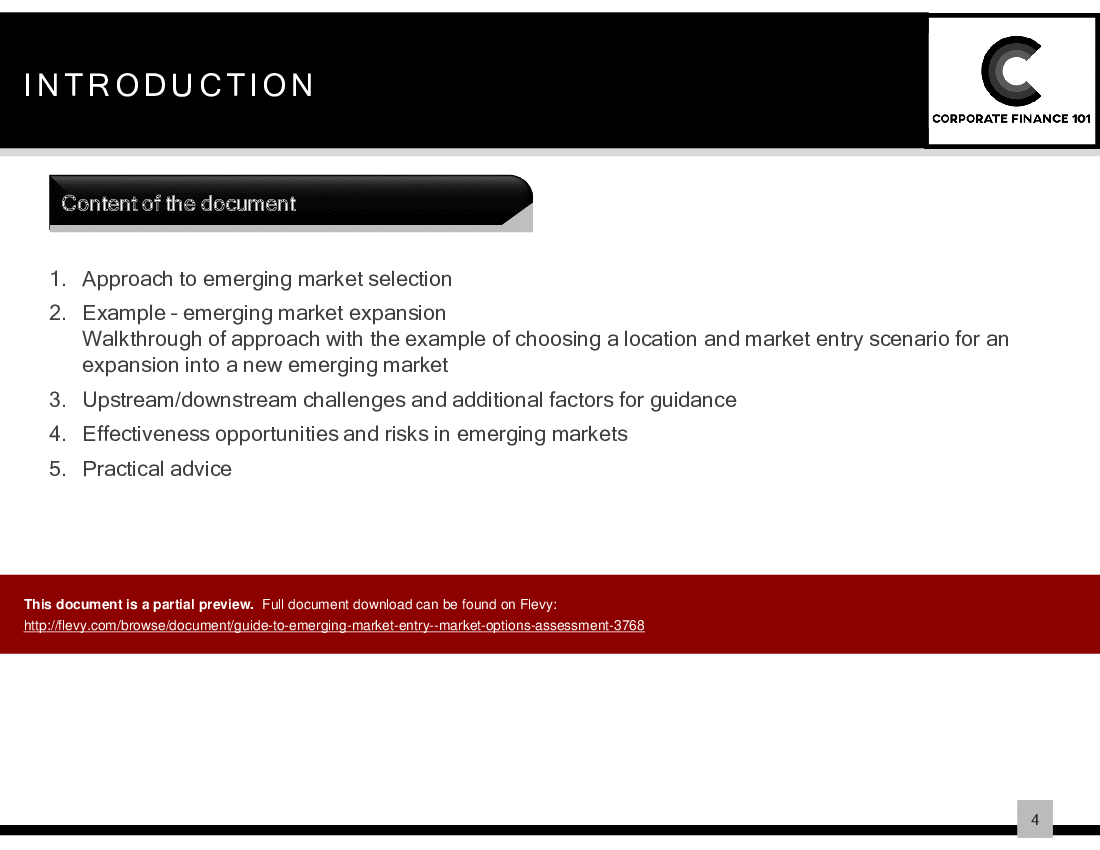
At the start of the options assessment process, a long list of options exists. This guide provides a process that involves narrowing down the list of options through a filtering process and provides a structured approach to performing the assessment of market entry selection. A phased approach is recommended to assess and narrow down options:
This guide delves into the intricacies of emerging market selection, providing a comprehensive walkthrough using a practical example of location and market entry scenario. It addresses upstream and downstream challenges, offering additional factors for consideration. The PPT also highlights effectiveness opportunities and risks in emerging markets, ensuring you are well-prepared for potential pitfalls.
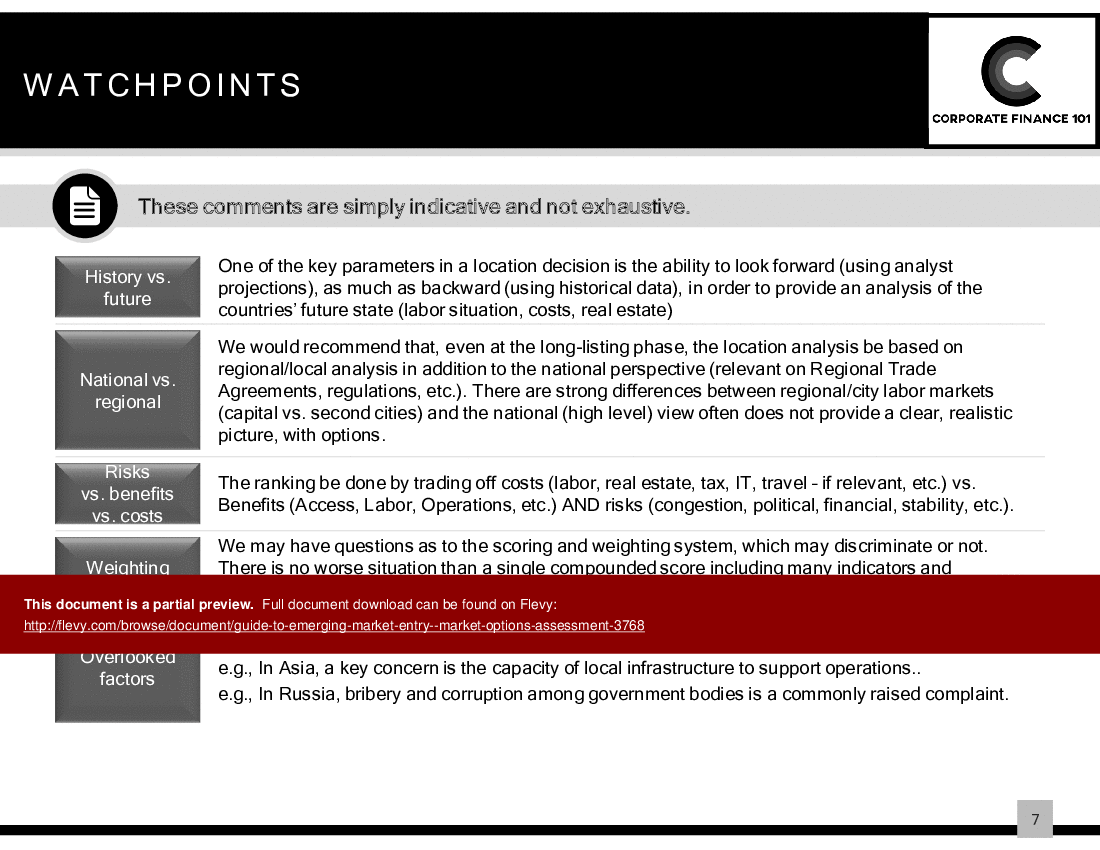
Key parameters such as historical data, national vs. regional analysis, and risk vs. benefit trade-offs are thoroughly examined. The guide emphasizes the importance of a phased approach, from strategic assessment to detailed qualification of preferred scenarios. It also includes practical advice and real-world examples to support your decision-making process.
Got a question about the product? Email us at support@flevy.com or ask the author directly by using the "Ask the Author a Question" form. If you cannot view the preview above this document description, go here to view the large preview instead.
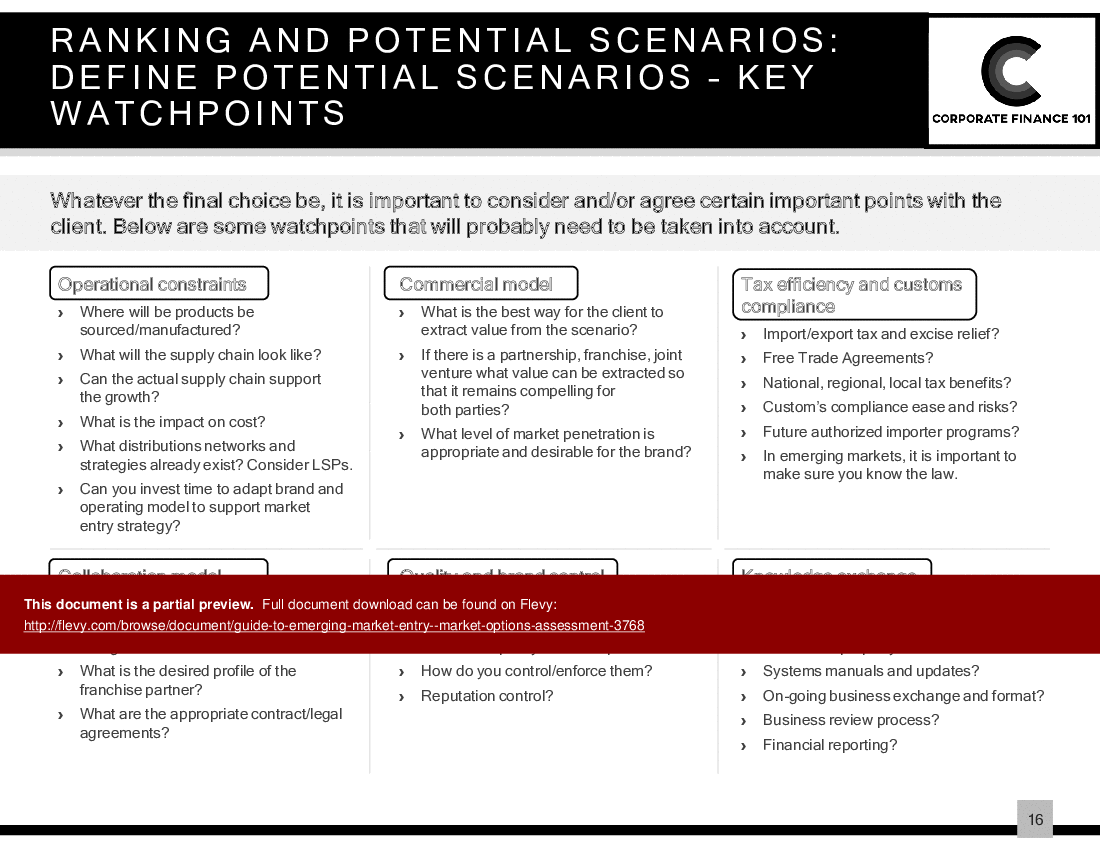
This PPT slide outlines critical watchpoints for defining potential scenarios in a market entry strategy. It emphasizes the importance of considering various factors before making a final decision. The content is organized into distinct categories, each addressing specific areas of concern.
Operational constraints focus on the logistics of product sourcing and manufacturing. Key questions include where products will be sourced, the structure of the supply chain, and its capacity to support growth. Cost implications and existing distribution networks are also highlighted, along with the need for investment in adapting brand and operational models.
The commercial model section prompts consideration of how value can be extracted from the chosen scenario. It raises questions about partnerships, joint ventures, and the necessary market penetration levels to ensure desirability for the brand. This segment underscores the need for a compelling value proposition for all parties involved.
Tax efficiency and customs compliance are addressed next, emphasizing the importance of understanding import/export regulations and potential tax benefits. It suggests exploring Free Trade Agreements and the ease of customs compliance, particularly in emerging markets where legal knowledge is crucial.
The collaboration model section delves into the structure of partnerships and franchises. It asks about the business components involved, the design of the franchise model, and the desired profile of franchise partners. Legal considerations and appropriate contracts are also mentioned.
Quality and brand control focus on safeguarding brand integrity. It prompts discussions on what aspects of the brand are sacred, how to enforce brand standards, and reputation management.
Lastly, knowledge exchange highlights the training requirements for franchisees and ongoing business processes. This section emphasizes the need for clear communication and support systems to ensure successful market entry.
This PPT slide focuses on defining potential market entry scenarios using a structured methodology. It emphasizes that for each industry, there are multiple pathways to enter the market, such as through franchises, owned stores, or partnerships. The approach to assessing market opportunities and entry strategies is contingent upon specific market characteristics, which are outlined during a validation phase.
The slide features a matrix that categorizes different entry strategies based on 2 axes: synergy and potential. The vertical axis ranges from low to high potential, while the horizontal axis spans from low to high synergies. This framework allows for a clear visualization of various entry methods. For instance, high-potential strategies include owned stores and possible acquisitions, while opportunistic strategies may involve wholesale franchises or owned stores, contingent on the context.
The slide also indicates that each country or market will have unique adaptations for these entry methods. It suggests that the relationship between proposed methodologies and specific countries can be effectively represented through a bubble chart. This visualization aids in understanding which markets are most suitable for particular entry strategies.
The content provides valuable insights for decision-makers considering market entry. It highlights the importance of tailoring entry strategies to specific market conditions and offers a systematic way to evaluate potential scenarios. By utilizing this framework, executives can make informed decisions that align with their strategic objectives and operational capabilities.
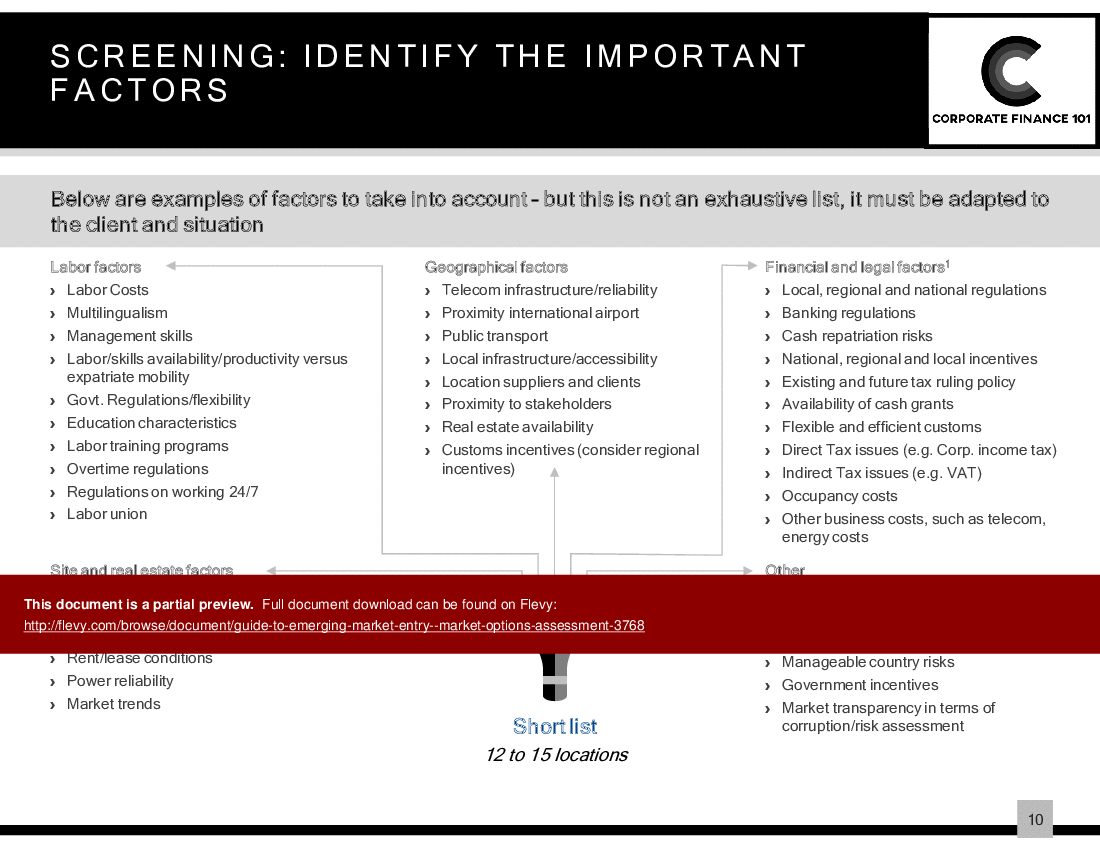
This PPT slide presents a structured approach to identifying critical factors for market entry assessments. It categorizes these factors into 5 main areas: Labor, Geographical, Financial and Legal, Site and Real Estate, and Other considerations. Each category contains specific elements that should be evaluated to tailor the market entry strategy effectively.
In the Labor section, key aspects include labor costs, multilingualism, and the availability of skilled labor. The emphasis on government regulations and flexibility highlights the importance of understanding local labor laws and workforce dynamics. This is crucial for ensuring operational efficiency and compliance.
Geographical factors focus on infrastructure reliability, such as telecom and transport systems, which are vital for logistics and communication. Proximity to stakeholders and suppliers is also noted, indicating that location can significantly impact business operations and relationship management.
The Financial and Legal section outlines regulatory considerations that can affect market entry. Understanding local banking regulations, tax policies, and available incentives is essential for financial planning and risk management. The mention of cash repatriation risks signals the need for careful financial strategy formulation.
Site and Real Estate factors address the availability and cost of real estate, which are fundamental for establishing a physical presence. The slide suggests evaluating market trends and power reliability, indicating that these elements can influence operational viability.
Lastly, the "Other" category includes client-specific factors and market size, underscoring the need for a customized approach based on unique business circumstances. This comprehensive framework serves as a guide for executives to systematically assess market entry opportunities, ensuring that all relevant factors are considered before making strategic decisions.
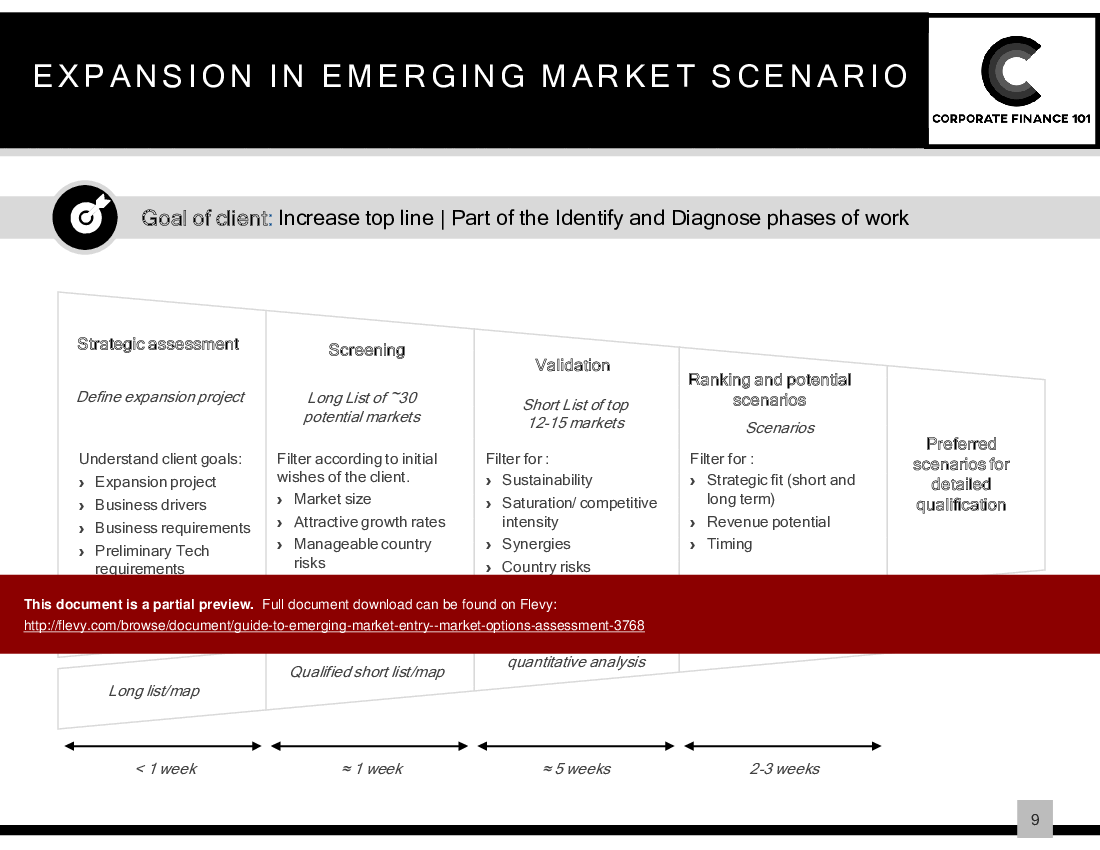
This PPT slide outlines a structured approach to market expansion, particularly in emerging markets, with a clear focus on increasing revenue. It is divided into 5 key sections: strategic assessment, screening, validation, ranking and potential scenarios, and preferred scenarios for detailed qualification.
The strategic assessment begins with defining the expansion project. It emphasizes understanding the client's goals, including their business drivers, requirements, and geographic scope. This foundational step is crucial for tailoring the approach to the client's specific needs.
Next, the screening phase involves generating a long list of approximately 30 potential markets. This list is filtered based on initial client preferences, focusing on market size, growth rates, and manageable risks. This step ensures that the client’s aspirations align with viable market opportunities.
The validation phase narrows this down to a shortlist of 12-15 markets. Here, the focus shifts to sustainability, competitive intensity, synergies, and country risks. This rigorous evaluation helps in identifying markets that not only fit the client’s criteria, but also present the best opportunities for success.
Following validation, the ranking and potential scenarios section assesses the shortlisted markets. It filters based on strategic fit, revenue potential, and timing, providing a clear view of which markets are most promising.
Finally, the preferred scenarios for detailed qualification involve a thorough analysis of potential market entry strategies, culminating in financial estimates and recommendations. This comprehensive approach equips clients with the insights needed to make informed decisions about market entry.
This PPT slide outlines a structured approach to selecting emerging markets for various client objectives, such as sourcing, manufacturing, and distribution. It emphasizes a systematic method that begins with a strategic assessment, where potential markets are identified and ranked based on the client’s specific goals and financial considerations.
The first step involves funneling down options according to the client’s strategy, opportunities, risks, and financial estimates. This leads to a long list of potential markets, which is then narrowed down to a short list of the most promising candidates. The evaluation of financial implications, including cost and return on investment (ROI), is crucial for determining the viability of each scenario.
Following this, the slide highlights the importance of validating and ranking potential scenarios. This involves detailed qualitative and quantitative assessments to ensure alignment with the client's strategic fit. The preferred scenarios are then subjected to financial evaluations to facilitate informed decision-making.
The slide also notes that clients may have varied goals for entering emerging markets, such as lower cost sourcing, manufacturing, or expansion into new markets. Each of these objectives requires different considerations and strategies. The approach underscores the necessity of understanding these distinct needs to effectively narrow down potential markets.
Overall, the content provides a clear framework for clients looking to navigate the complexities of emerging market entry. It emphasizes a methodical process that balances strategic alignment with financial viability, ensuring that clients can make well-informed decisions tailored to their specific market entry goals.
This PPT slide outlines critical watchpoints for defining potential scenarios in a market entry strategy. It emphasizes the importance of collaboration between the client and advisor to ensure all relevant factors are considered.
Operational constraints are highlighted first, focusing on sourcing and manufacturing locations, the structure of the supply chain, cost implications, existing distribution networks, and the necessary investments to adapt the brand and operating model. These factors are essential for understanding the feasibility of the market entry approach.
Next, the commercial model section addresses how the client can derive value from the proposed scenario. It raises questions about partnership structures, such as franchises or joint ventures, and the importance of ensuring mutual benefits. The level of market penetration desired for the brand is also a key consideration.
Tax efficiency and customs compliance are crucial areas that require attention. The slide prompts the reader to think about import/export taxes, free trade agreements, and local tax benefits. Understanding customs compliance and potential future programs is vital, especially in emerging markets where regulations may be less familiar.
The collaboration model section emphasizes the importance of defining the business aspects included in partnerships, the franchise model design, and the desired profile of franchise partners. It also addresses the necessary legal contracts.
Quality and brand control are essential for maintaining brand integrity. Questions about protecting the brand, defining partner roles, and reputation management are posed.
Finally, the knowledge exchange segment focuses on training requirements for franchisees, addressing intellectual property issues, and ensuring ongoing business communication. This holistic approach ensures that all aspects of market entry are thoroughly examined and aligned with the client's strategic goals.
This PPT slide presents a strategic assessment of various countries regarding market entry models, specifically focusing on the potential for establishing own stores versus franchise operations. It categorizes countries into 4 quadrants based on 2 axes: "Synergies" and "Potential."
Countries 1 and 2 are highlighted as prime candidates for an own store entry model, indicating they possess both high potential and favorable synergies. This suggests that these markets are not only ripe for direct investment, but also align well with the operational capabilities of the business. The positioning of these countries indicates a strong likelihood of success if the company pursues an own store strategy.
Countries 3, 4, and 5 are noted as requiring a more cautious approach, with operational constraints suggesting that a "managed" franchise entry might be more prudent. This implies that while these markets have potential, the complexities involved may necessitate a more controlled entry strategy to mitigate risks.
The remaining countries, represented in various shades of gray and black, are plotted across the quadrants, indicating their respective levels of potential and synergy. Countries in the lower left quadrant are labeled as low potential, while those in the upper right quadrant are categorized as high potential for own stores.
Overall, the slide provides a clear visual representation of market entry options, emphasizing the need for tailored strategies based on country-specific conditions. Decision-makers can leverage this analysis to prioritize markets and allocate resources effectively, ensuring a strategic approach to expansion.
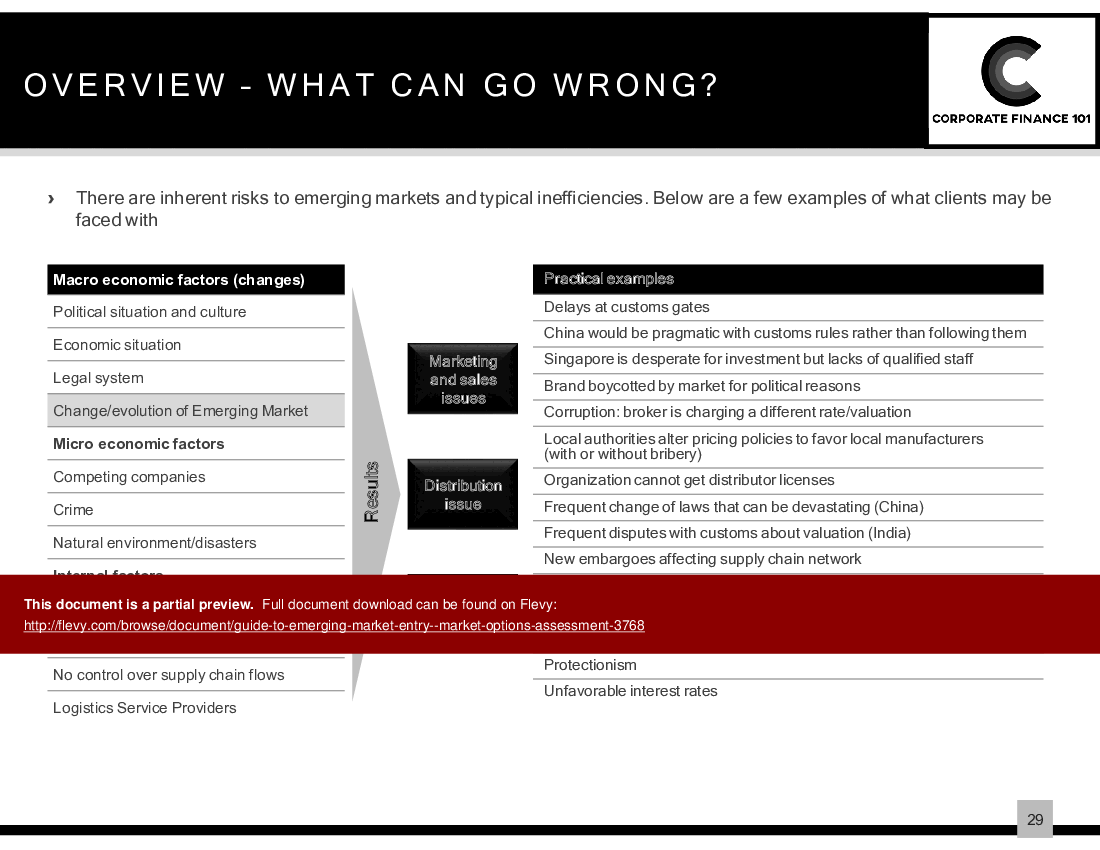
This PPT slide outlines inherent risks associated with entering emerging markets, categorized into macroeconomic factors, microeconomic factors, and internal factors. Each category highlights specific challenges that businesses may face, along with practical examples illustrating these issues.
Under macroeconomic factors, elements like political situations, economic conditions, and legal systems are emphasized. Changes in these areas can significantly impact market entry strategies. For instance, a volatile political climate may lead to unpredictable regulations, affecting operational stability.
Microeconomic factors focus on competition, crime, and environmental issues. These factors can create barriers to entry, such as difficulties in obtaining distributor licenses or navigating local customs regulations. The examples provided, such as frequent disputes over customs valuation in India, underscore the complexities of local market dynamics.
Internal factors highlight the importance of thorough planning and analysis. Issues like poorly developed business plans or inadequate control over supply chains can lead to operational inefficiencies. The slide points out that marketing and sales issues, along with reliance on local service providers, can further complicate market entry.
Overall, this slide serves as a cautionary overview for potential clients considering expansion into emerging markets. It emphasizes the necessity of understanding both external and internal challenges to mitigate risks effectively. The practical examples provide a clear context for each risk, making it evident that careful assessment and strategic planning are crucial for success in these environments.
MARCUS DESCRIPTION
This deep dive was written by Marcus [?] based on the analysis of the full document.
Executive Summary
The Guide to Emerging Market Entry Strategy and Options Assessment is a consulting-grade resource designed to assist practitioners in navigating the complexities of entering emerging markets. This tool provides a structured approach to assess potential markets, identify strategic entry options, and optimize existing market presence. It is crafted to deliver insights comparable to McKinsey, Bain, or BCG-quality frameworks (consulting-grade; not affiliated). Users will be able to conduct thorough analyses, evaluate risks, and develop tailored market entry strategies that align with client objectives.
Who This Is For and When to Use
• Corporate executives seeking to expand into emerging markets
• Integration leaders responsible for market entry assessments
• Consultants advising clients on global trade effectiveness
• Business development teams exploring new market opportunities
Best-fit moments to use this deck:
• During the Diagnose phase of a Global Trade Effectiveness project
• When evaluating potential markets for expansion or optimization
• To assess the feasibility of relocating manufacturing or distribution centers
Learning Objectives
• Define the criteria for selecting emerging markets based on client objectives
• Conduct a comprehensive options assessment for market entry
• Evaluate financial implications and risks associated with potential scenarios
• Develop tailored market entry strategies that align with client goals
• Identify upstream and downstream challenges in emerging markets
• Formulate remedial actions to mitigate risks once operational
Table of Contents
• Approach to Emerging Market Selection (page 6)
• Example – Market Expansion (page 9)
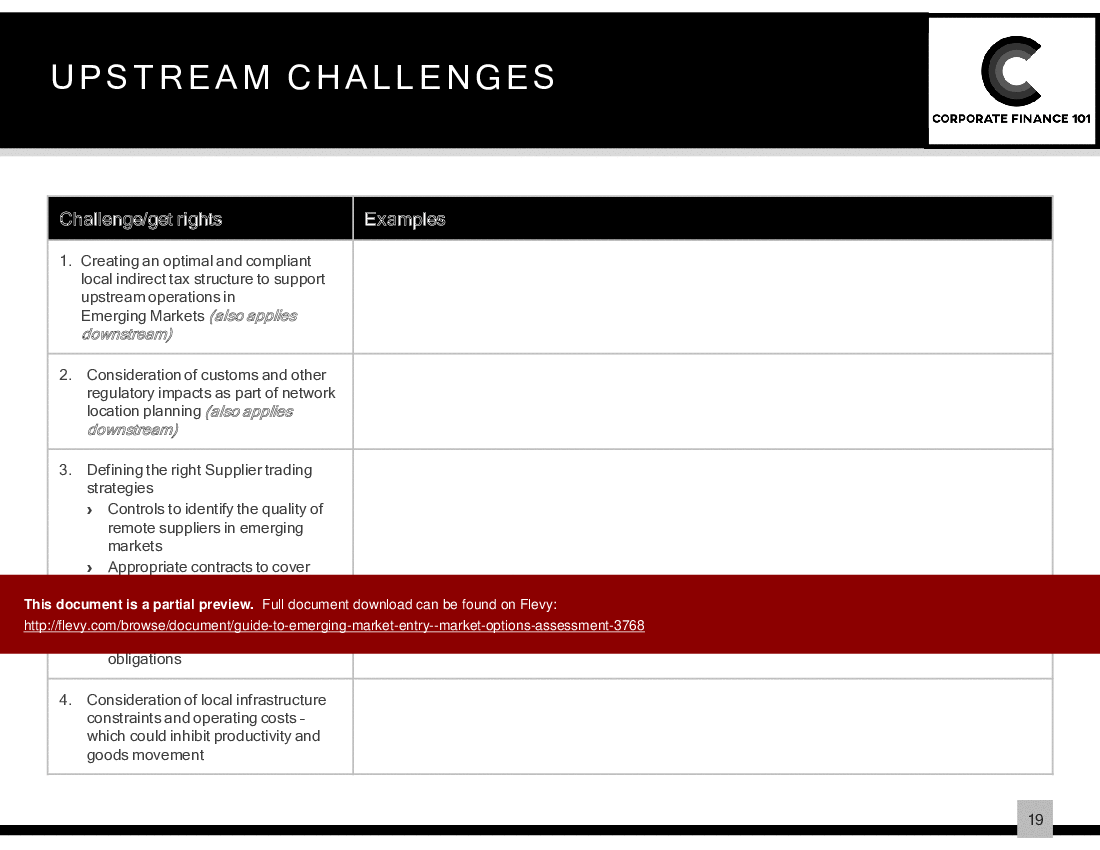
• Upstream/Downstream Challenges (page 19)
• Effectiveness Opportunities and Risks in Emerging Markets (page 29)
• Remedial Actions to Optimize Emerging Market Entry (page 30)
Primary Topics Covered
• Emerging Market Selection - A structured approach to assess and rank potential markets based on client strategies, risks, and financial estimates.
• Market Expansion Example - A walkthrough of assessing a new market entry scenario, including strategic assessments and validation processes.
• Upstream/Downstream Challenges - Identification of key challenges faced when entering emerging markets, including regulatory and operational hurdles.
• Effectiveness Opportunities - Insights into the risks and inefficiencies inherent in emerging markets, along with practical examples.
• Remedial Actions - Strategies for mitigating risks and optimizing market entry, including compliance and supply chain adjustments.
Deliverables, Templates, and Tools
• Market selection criteria template for assessing emerging markets
• Financial evaluation models for preferred market entry scenarios
• Risk assessment framework for evaluating country-specific challenges
• Remedial action plan template for addressing operational issues
• Market entry strategy development guide
Slide Highlights
• Overview of the market selection approach, detailing the funneling process for potential markets
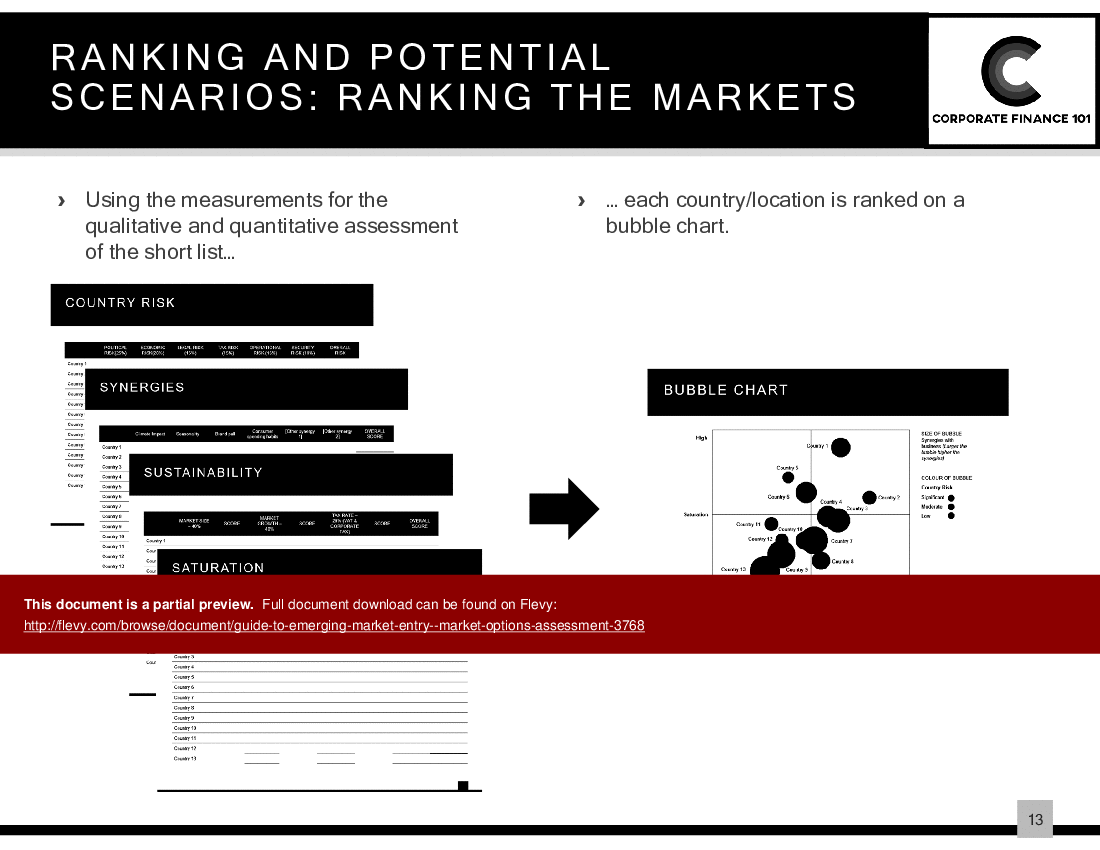
• Example of a bubble chart ranking countries based on risk and synergy
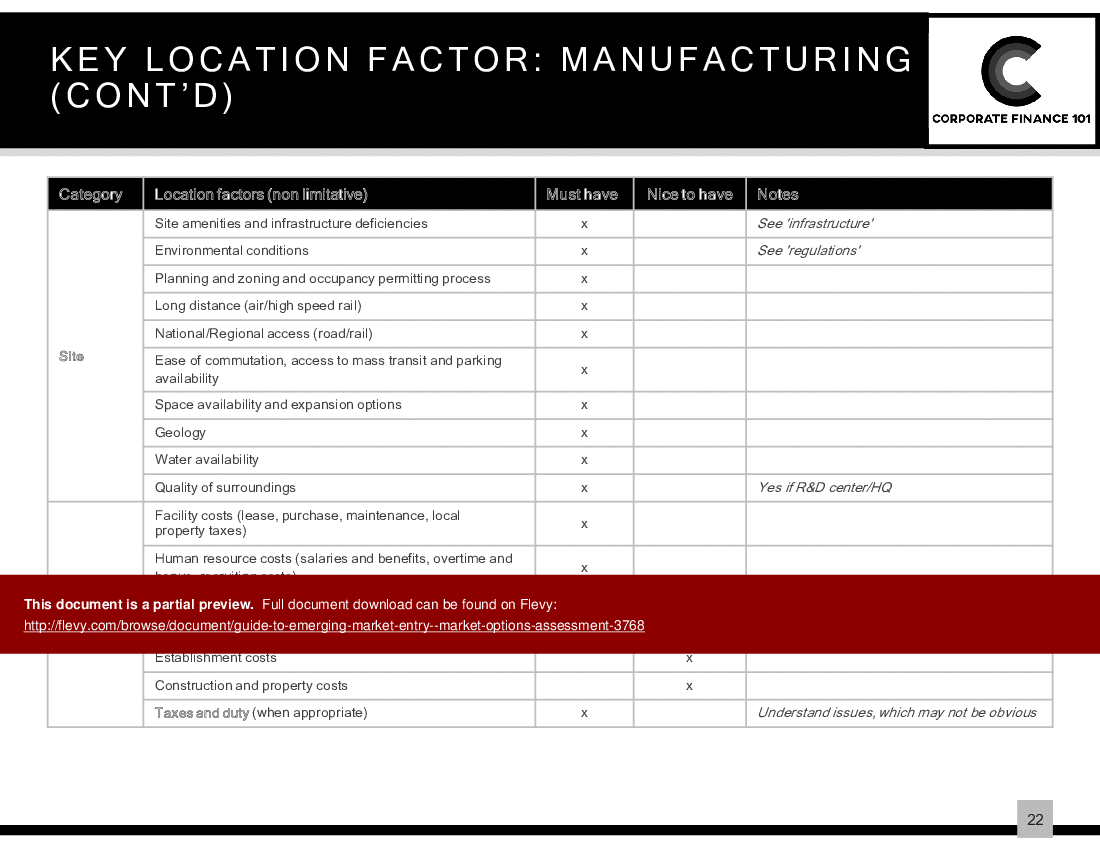
• Key location factors for manufacturing and logistics, emphasizing must-have and nice-to-have criteria
• Challenges and risks associated with entering emerging markets, including crime and political instability
• Remedial actions for optimizing market entry, illustrated with practical examples
Potential Workshop Agenda
Market Entry Strategy Overview (60 minutes)
• Introduce the emerging market entry framework and objectives
• Discuss key selection criteria and evaluation methods
• Review case studies of successful market entries
Challenges and Risks Session (90 minutes)
• Identify upstream and downstream challenges in selected markets
• Analyze country-specific risks and develop mitigation strategies
• Group discussion on real-world examples and lessons learned
Remedial Actions Workshop (60 minutes)
• Explore practical strategies for optimizing market entry
• Develop action plans for addressing identified risks
• Share insights and best practices among participants
Customization Guidance
• Tailor market selection criteria based on specific client objectives and industry needs
• Adapt financial evaluation models to reflect client-specific data and assumptions
• Modify risk assessment frameworks to include local regulatory considerations and market dynamics
Secondary Topics Covered
• Country risk assessment methodologies
• Compliance and regulatory considerations in emerging markets
• Market saturation and competitive intensity analysis
• Labor availability and cost factors in target markets
• Infrastructure and logistics considerations for market entry
FAQ What is the main objective of this guide?
The guide aims to provide structured guidance on assessing emerging markets and developing effective entry strategies tailored to client objectives.
When should this tool be used?
This tool is best used during the Diagnose phase of a Global Trade Effectiveness project when evaluating potential market entries or optimizing existing operations.
How does the market selection process work?
The process involves funneling down options based on client strategies, evaluating financial implications, and ranking potential scenarios for detailed qualification.
What are the key challenges when entering emerging markets?
Challenges include regulatory compliance, political instability, infrastructure limitations, and local market dynamics that may affect operational efficiency.
What types of deliverables can be expected from this guide?
Deliverables include templates for market selection, financial evaluations, risk assessments, and remedial action plans tailored to specific market entry scenarios.
How can risks be mitigated once in an emerging market?
Mitigation strategies include proactive compliance programs, supply chain adjustments, and continuous monitoring of local market conditions.
What factors should be considered in the evaluation criteria?
Key factors include sustainability, saturation, synergies, and country-specific risks, which should be weighed and measured consistently.
How can this guide assist in optimizing existing market presence?
The guide provides strategies for enhancing operational effectiveness, identifying growth opportunities, and addressing challenges in current markets.
Glossary
• Emerging Market - A country with a developing economy, often characterized by rapid growth and potential investment opportunities.
• Market Entry Strategy - A plan for entering a new market, including the selection of entry methods and assessment of risks.
• Synergy - The potential benefits gained from combining resources or operations in a new market.
• Country Risk - The economic and political risks associated with operating in a specific country.
• Upstream Challenges - Issues related to sourcing and supply chain management in emerging markets.
• Downstream Challenges - Issues related to distribution and customer engagement in emerging markets.
• Regulatory Compliance - Adhering to local laws and regulations when operating in a new market.
• Financial Evaluation - An assessment of the financial implications of entering a new market, including costs and potential returns.
• Saturation - The level of competition and market penetration in a given market, affecting growth potential.
• Operational Efficiency - The effectiveness of processes and systems in delivering products and services in a market.
• Remedial Actions - Strategies implemented to address challenges and optimize performance in emerging markets.
• Market Dynamics - The factors that influence market behavior, including competition, consumer preferences, and economic conditions.
Corporate Finance 101 consists of ex EY and Grant Thornton consultants who have experience helping professionals across disciplines, with a focus on strategy consulting and transaction advisory.
These documents are prepared to help you increase the impact of your business communication and save you valuable time.
The documents are based upon techniques learned while working at
... [read more] multinational consultancy firms. The products were then refined during the course of consulting engagements with organisations across the world.
The average daily rate of a McKinsey consultant is $6,625 (not including expenses). The average price of a Flevy document is $65.
Trusted by over 10,000+ Client Organizations
Since 2012, we have provided best practices to over 10,000 businesses and organizations of all sizes, from startups and small businesses to the Fortune 100, in over 130 countries.
"I am extremely grateful for the proactiveness and eagerness to help and I would gladly recommend the Flevy team if you are looking for data and toolkits to help you work through business solutions."
– Trevor Booth, Partner, Fast Forward Consulting
"As an Independent Management Consultant, I find Flevy to add great value as a source of best practices, templates and information on new trends. Flevy has matured and the quality and quantity of the library is excellent. Lastly the price charged is reasonable, creating a win-win value for
the customer, Flevy and the various authors. This is truly a service that benefits the consulting industry and associated clients. Thanks for providing this service.
"
– Jim Schoen, Principal at FRC Group
"As a niche strategic consulting firm, Flevy and FlevyPro frameworks and documents are an on-going reference to help us structure our findings and recommendations to our clients as well as improve their clarity, strength, and visual power. For us, it is an invaluable resource to increase our impact and value."
– David Coloma, Consulting Area Manager at Cynertia Consulting
"As a consultant requiring up to date and professional material that will be of value and use to my clients, I find Flevy a very reliable resource.
The variety and quality of material available through Flevy offers a very useful and commanding source for information. Using Flevy saves me time, enhances my expertise and ends up being a good decision."
– Dennis Gershowitz, Principal at DG Associates
"Flevy.com has proven to be an invaluable resource library to our Independent Management Consultancy, supporting and enabling us to better serve our enterprise clients.
The value derived from our [FlevyPro] subscription in terms of the business it has helped to gain far exceeds the investment made, making a subscription a no-brainer for any growing consultancy – or in-house strategy team."
– Dean Carlton, Chief Transformation Officer, Global Village Transformations Pty Ltd.
"Flevy is our 'go to' resource for management material, at an affordable cost. The Flevy library is comprehensive and the content deep, and typically provides a great foundation for us to further develop and tailor our own service offer."
– Chris McCann, Founder at Resilient.World
"I have found Flevy to be an amazing resource and library of useful presentations for lean sigma, change management and so many other topics. This has reduced the time I need to spend on preparing for my performance consultation. The library is easily accessible and updates are regularly provided. A wealth of great information."
– Cynthia Howard RN, PhD, Executive Coach at Ei Leadership
"I have used FlevyPro for several business applications. It is a great complement to working with expensive consultants. The quality and effectiveness of the tools are of the highest standards."
– Moritz Bernhoerster, Global Sourcing Director at Fortune 500
Download our free compilation of 50+ Strategy & Transformation slides and templates. Frameworks include McKinsey 7-S, Balanced Scorecard, Disruptive Innovation, BCG Curve, and many more.