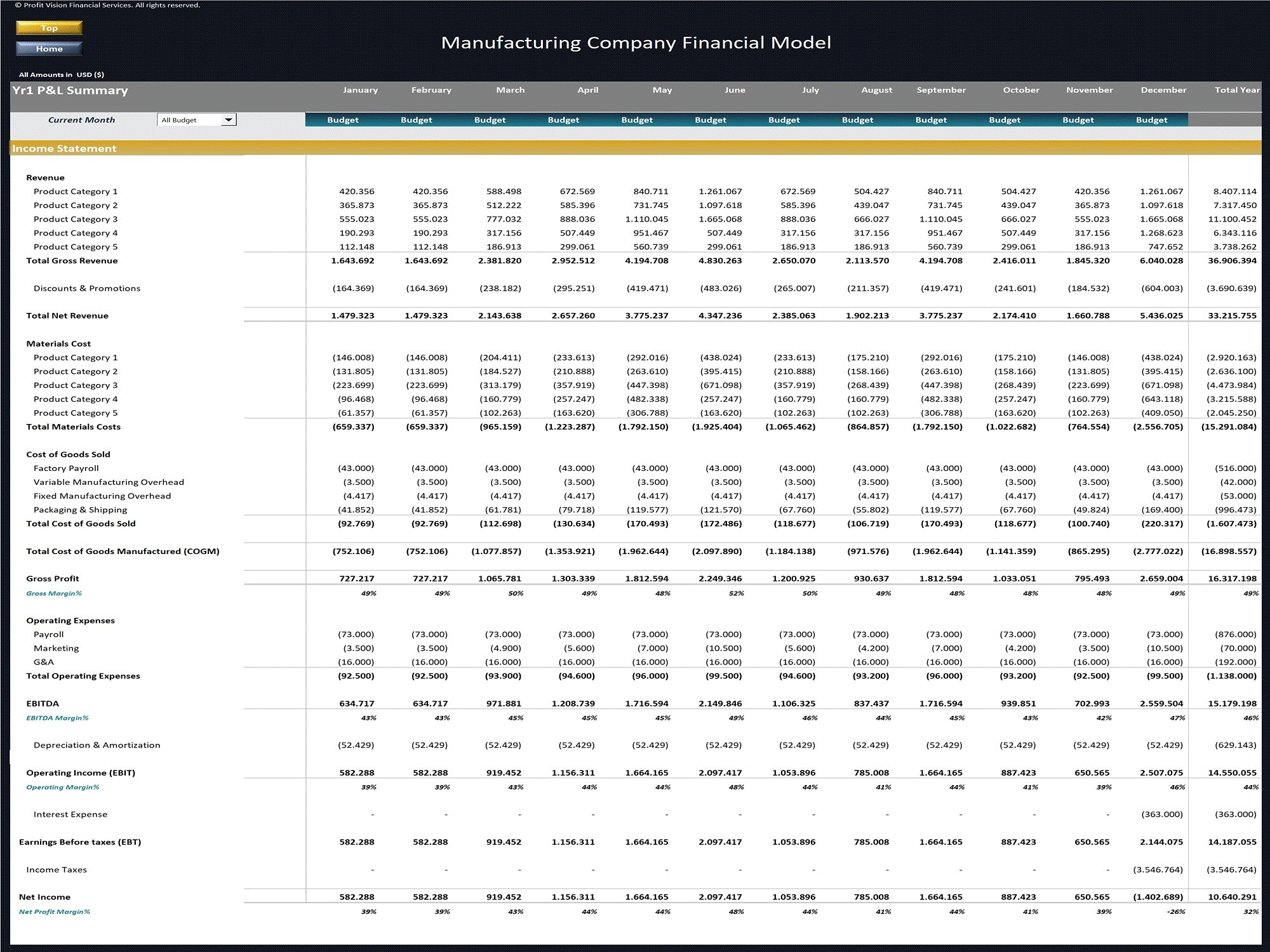

 Click main image to view in full screen.
Manufacturing Company - 10 Year Financial Model (Excel XLSX)
Excel (XLSX)


BENEFITS OF THIS EXCEL DOCUMENT
- Flexible tool for CEO/CFO's to control and improve daily operations and forecast company's growth.
- Provides advanced financial & planning analysis for a Startup Manufacturing Company.
- Suitable for any type of manufacturing industry
MANUFACTURING EXCEL DESCRIPTION
A manufacturing company produces goods by transforming raw materials into finished products using labor, machinery, and technology. These companies operate across various industries—such as electronics, automotive, textiles, or food—and often include stages like design, production, assembly, and quality control. Efficiency, consistency, and scalability are central to operations, with a focus on meeting customer demand while managing costs. Many also invest in automation and lean processes to stay competitive and adapt to shifting market needs.
This Financial Model presents a development and operations scenario of Startup Manufacturing Company. Suitable for any type of industry, the model is a flexible tool for CEO's/CFO's to control and improve daily operations and forecast financial and operating activities, manage payroll, expenses, inventory, calculate Cost of Goods Manufactured, and analyze the products' profitability. Anthough the setup of the model is made for a startup company, it can support even an operating compant with some additional customization. Please contact us if you want to use the model for an operating company and need help with the adjustments.
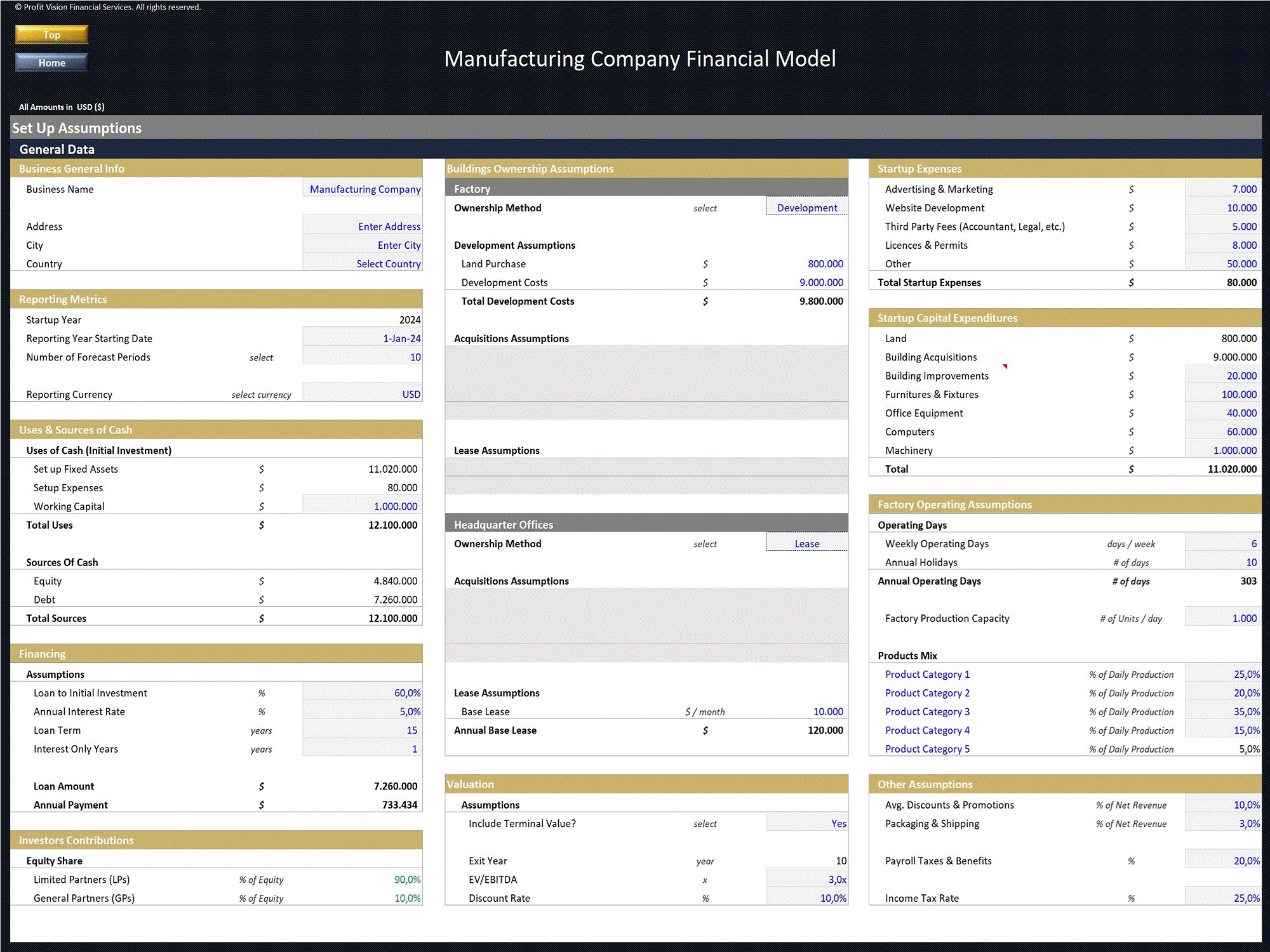
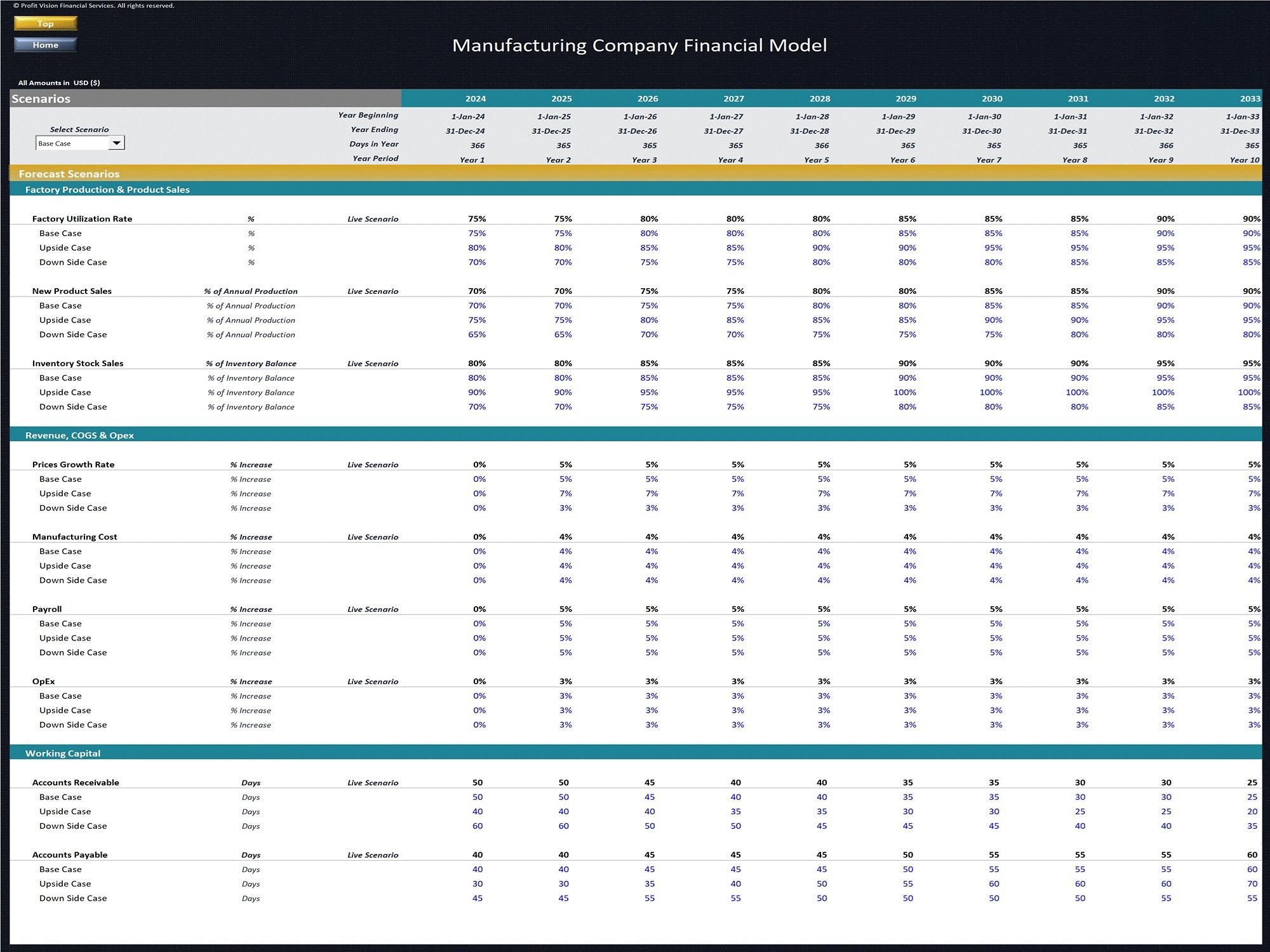
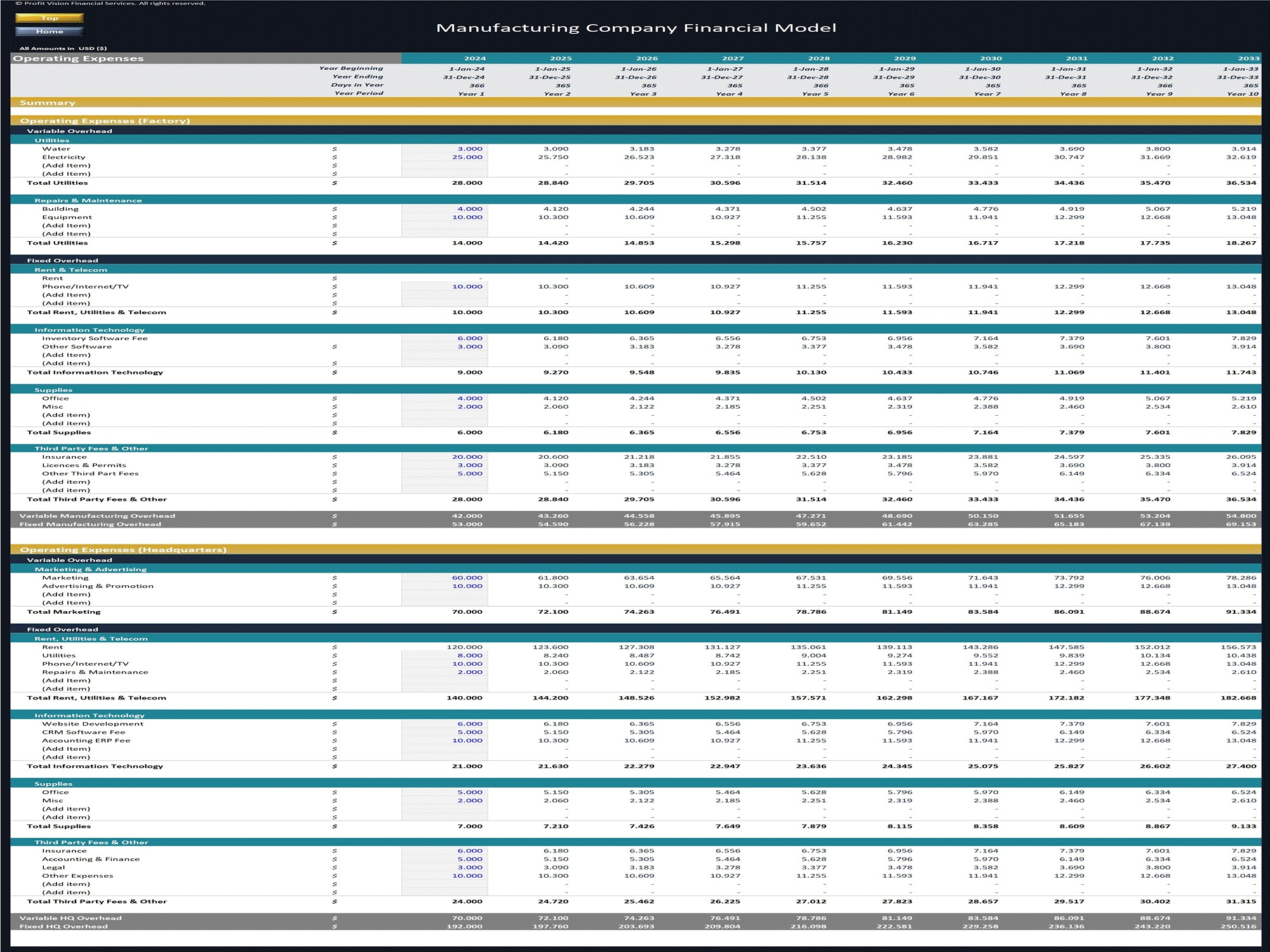
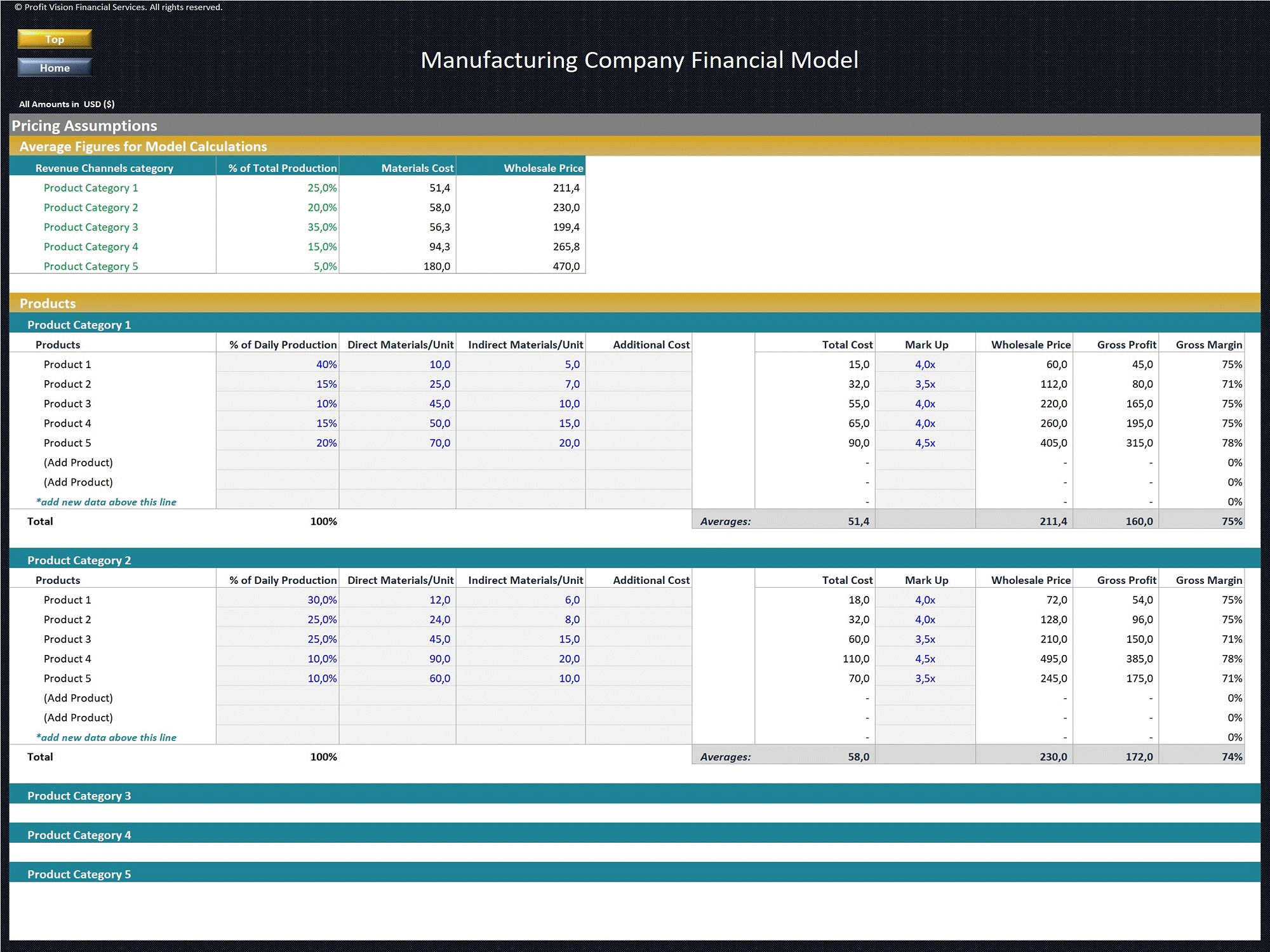
The model includes assumptions for the Factory Investment Method (Development ,Acquistion or Lease), Factory Capacity and Utilization Rates, Production Line Mix including up to 10 different Product Categories, Wholesale Prices and COGS Assumptions (Raw Materials, R&D, Logistics), Factory Utilities (Power, Fuels, Water), Payroll, Operating Expenses, Fixed Assets & Depreciation, Financing through Debt (2 types of loans) & Equity and Exit Valuation assumptions in case of a potential sale of the business.
The structure of the template follows Financial Modeling Best Practices principles and is fully customizable.
Detailed instructions for the functionality of the model are included in the Excel file.
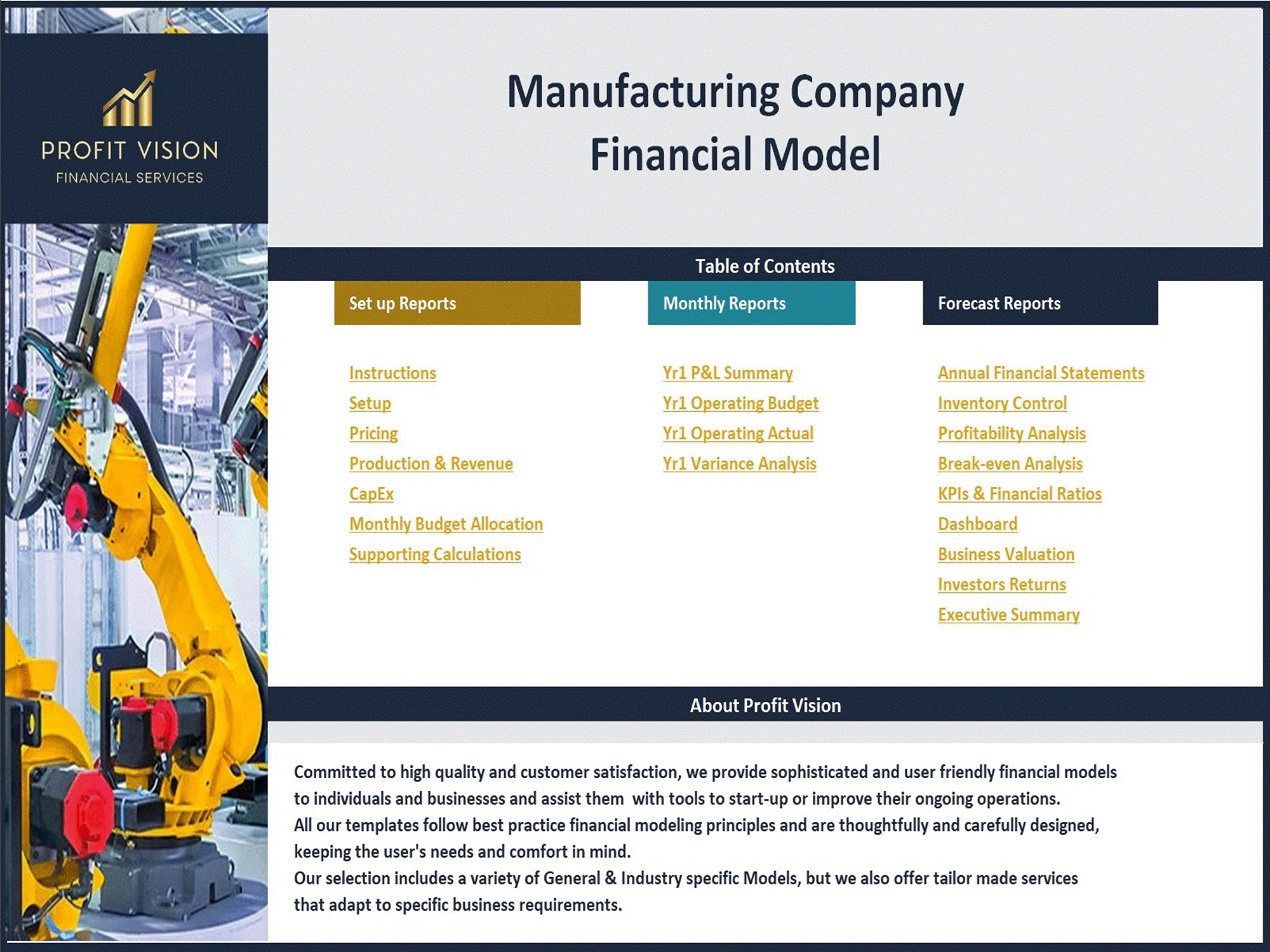
Model Inputs and Setup Reports:
• General Setup Assumptions, incl. Starting Expenses (in case the business is a startup), Product Categories, Wholesale Prices, COGS and Financing (Debt & Equity)
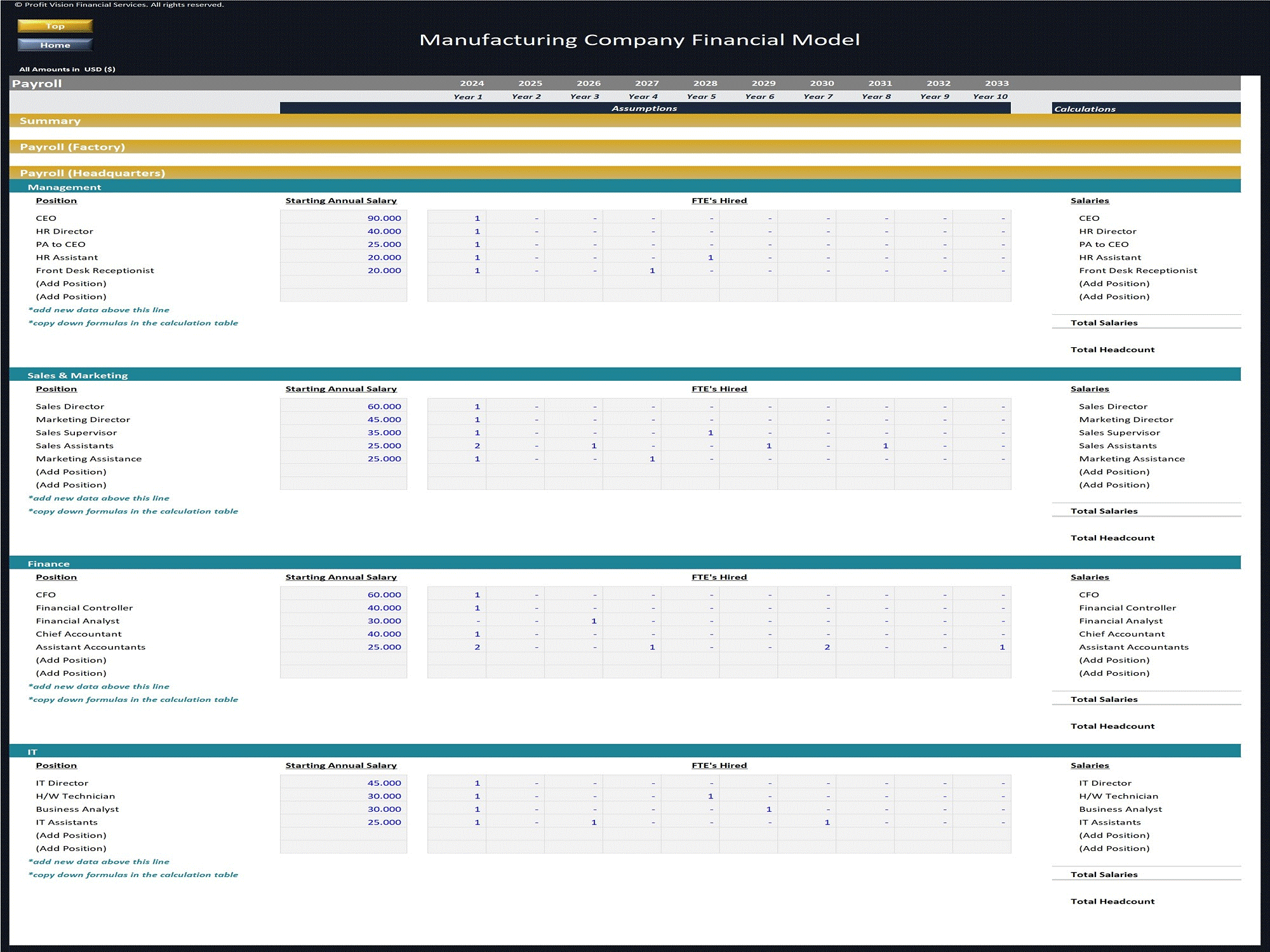
• Payroll, OpEx, Inventory Control and Annual Capex incl. Depreciation Schedule
• Monthly Budget Allocation
• Forecast Scenarios
Monthly Output Reports:
• Monthly Budget and Actual Reports
• Budget Summary per Year
• Budget vs. Actual Variance Analysis at a YTD and Monthly level
Annual Output Reports:
• Annual Financial Statements (3 Statement model)
• Inventory Management
• Profitability & Break-Even Analysis
• KPIs & Financial Ratios, including several Profitability, Efficiency, Liquidity, and Leverage (Solvency) Ratios
• Performance Dashboard
• Business Valuation, including DCF Model, Return Metrics (NPV, EV, IRR, MOIC, ROI, etc.), and Sensitivity Analysis
• Investors Returns Waterfall Model
• Professional Executive Summary
Help & Support
Committed to high quality and customer satisfaction, all our templates follow best-practice financial modeling principles and are thoughtfully and carefully designed, keeping the user's needs and comfort in mind.
Whether you have no experience or are well-versed in finance, accounting, and the use of Microsoft Excel, our professional financial models are the right tools to boost your business operations!
If you experience any difficulty while using this template and cannot find the appropriate guidance in the provided instructions, please feel free to contact us for assistance.
If you need a template customized for your business requirements, please e-mail us and provide a brief explanation of your specific needs.
The model offers detailed payroll breakdowns for both factory and headquarters, ensuring precise labor cost management. It also includes comprehensive breakeven analysis and sensitivity analysis to aid in strategic decision-making.
Got a question about the product? Email us at support@flevy.com or ask the author directly by using the "Ask the Author a Question" form. If you cannot view the preview above this document description, go here to view the large preview instead.
TOPIC FAQ
What core inputs should I include when building a manufacturing financial model?
Core inputs typically cover factory investment method (Development, Acquisition, or Lease), factory capacity and utilization rates, production line mix (product categories), wholesale prices, COGS drivers (raw materials, R&D, logistics), payroll, OpEx, inventory policy, annual capex, depreciation, and financing assumptions including debt and equity — supporting up to 10 product categories.How do I model Cost of Goods Sold (COGS) for manufactured products?
Model COGS by grouping direct materials, direct labor, and manufacturing overhead; include raw materials, R&D allocations, logistics, and production variances. Capture Cost of Goods Manufactured to roll into inventory valuation and gross margin analysis, enabling per-product profitability assessment with a Cost of Goods Manufactured calculation.Which financial statements and outputs should a manufacturing model produce?
A robust manufacturing model produces linked monthly and annual outputs: monthly budgets and budget vs. actual variance, annual 3-statement financials (income, balance sheet, cash flow), inventory management metrics, profitability and breakeven analysis, KPIs and ratios, a performance dashboard, and valuation outputs like a DCF with sensitivity analysis.What assumptions are needed to forecast factory capacity and utilization?
Forecasting capacity and utilization requires assumptions on installed factory capacity, planned utilization rates, production line mix by product category, production shift patterns, and any factory investment choice (Development, Acquisition, or Lease) to size throughput and related capex and operating costs under the Factory Investment Method.How should I evaluate pre-built financial models for a manufacturing startup on a limited timeline?
Prioritize models that include startup-specific inputs (starting expenses), monthly budget allocation, scenario and sensitivity functionality, detailed payroll and inventory controls, and embedded documentation to reduce setup time; for example, Manufacturing Company - 10 Year Financial Model includes starting expenses and monthly budget allocation in the Excel file.What determines the value of a purchased financial model versus building one from scratch?
Value depends on coverage (linked 3-statement forecasts, inventory, payroll, capex, valuation), built-in scenario/sensitivity tools, and accompanying instructions that reduce customization time. Templates with clear documentation and modular inputs usually shorten implementation; look for models that include detailed instructions in the Excel file.Which analyses are essential when preparing investor materials for a manufacturing business?
Investors expect valuation and return analyses such as a discounted cash flow (DCF) model, return metrics (NPV, IRR, MOIC, ROI), sensitivity testing, and an investors returns waterfall, plus a concise executive summary; the Manufacturing Company - 10 Year Financial Model includes DCF, sensitivity analysis, and an investors returns waterfall.How can I model and control labor costs across a factory and corporate headquarters?
Use a detailed payroll module that separates factory labor (direct production wages, shift differentials) from headquarters payroll (salaries, benefits), link monthly payroll into OpEx and COGS where applicable, and roll into budget vs. actual reporting—ensuring precise labor cost management with detailed payroll breakdowns for both factory and headquarters.Source: Best Practices in Manufacturing, Integrated Financial Model Excel: Manufacturing Company - 10 Year Financial Model Excel (XLSX) Spreadsheet, Profit Vision
ABOUT THE AUTHOR

Profit Vision provides Consulting & Outsourced Financial Services as well as Financial Planning & Performance analysis to small and mid-size businesses by implementing efficient and effective tools to assist them with start-up business plans or improve their ongoing operations.
Our range of services include Financial & Operational Analysis, Business Planning, Budgeting & Forecasting, Cash Flow
... [read more]
Ask the Author a Question
You must be logged in to contact the author.