

 Click main image to view in full screen.
Levelized Cost of Energy (LCOE) Financial Model – Excel XLSX
Excel (XLSX)


VIDEO DEMO
BENEFITS OF THIS DOWNLOADABLE EXCEL DOCUMENT
- This model gives you a clear, apples-to-apples view of the true lifetime cost of producing energy by converting complex multi-year assumptions into a single, comparable cost per MWh.
- The single-tab, fully editable Excel design makes it fast to test scenarios, audit assumptions, and integrate the analysis into existing financial models without added complexity.
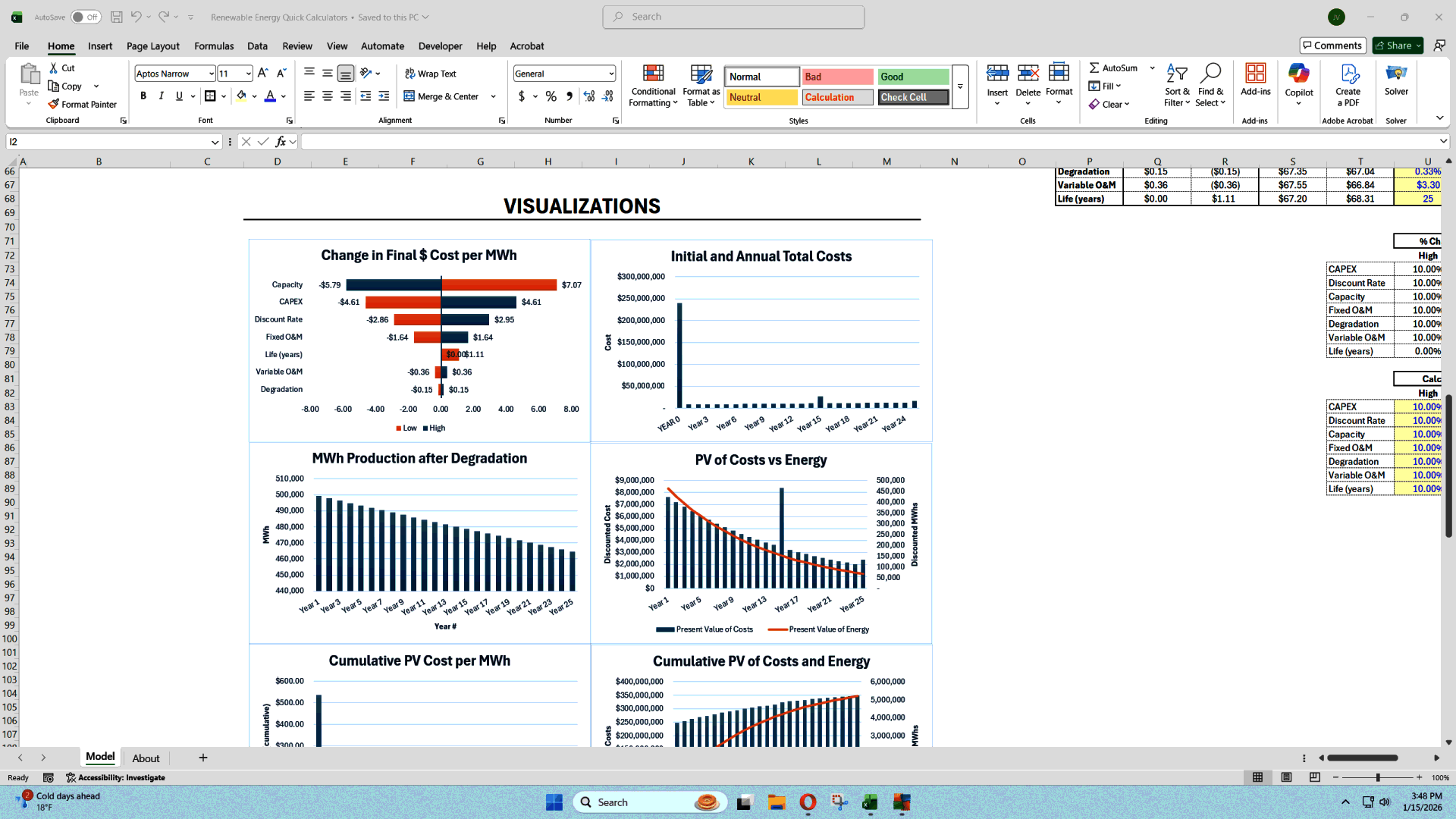
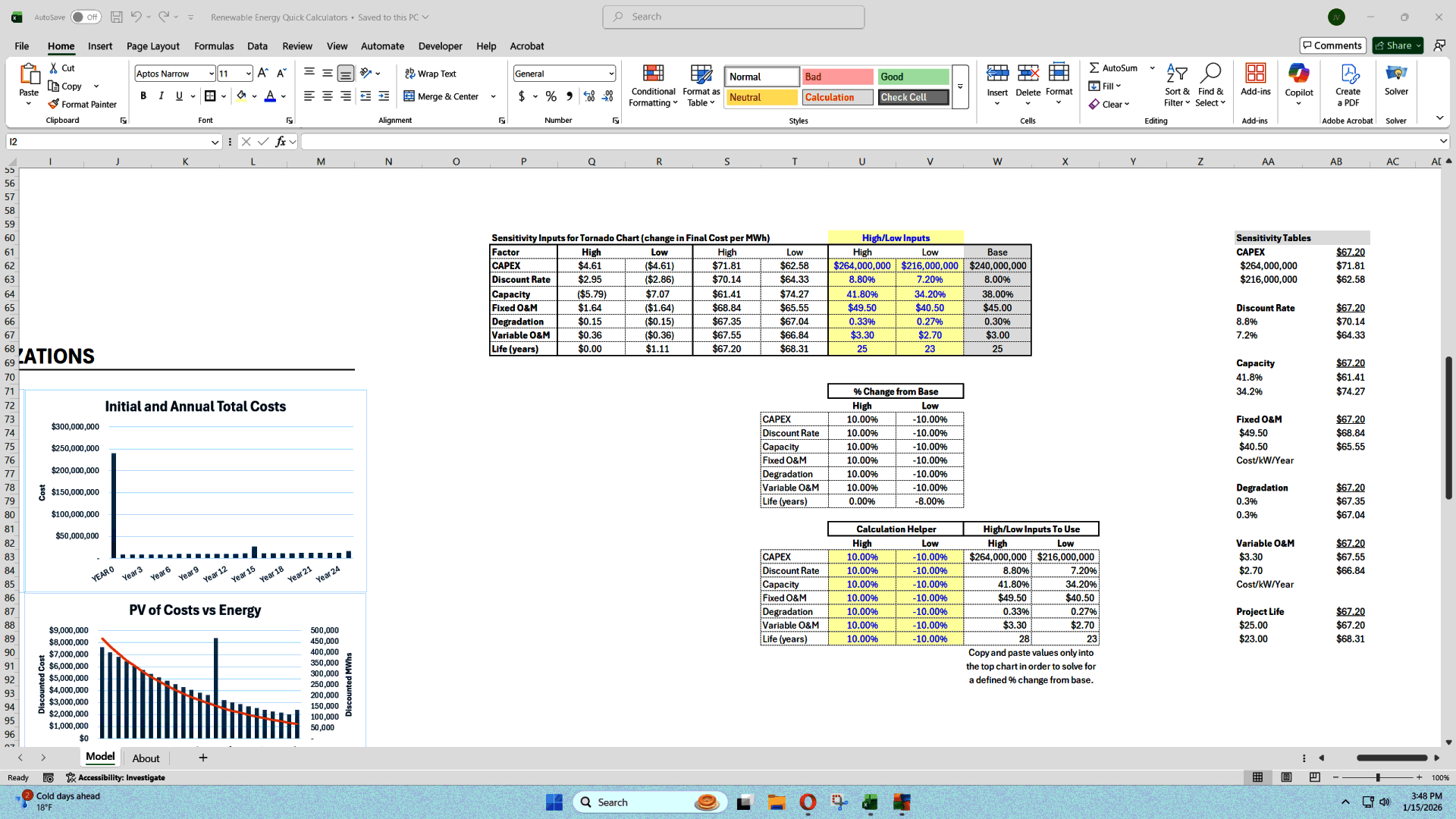
- Built-in sensitivity and tornado analysis instantly shows which assumptions matter most, helping you focus diligence and decision-making on the variables that truly drive project economics.
ENERGY INDUSTRY EXCEL DESCRIPTION
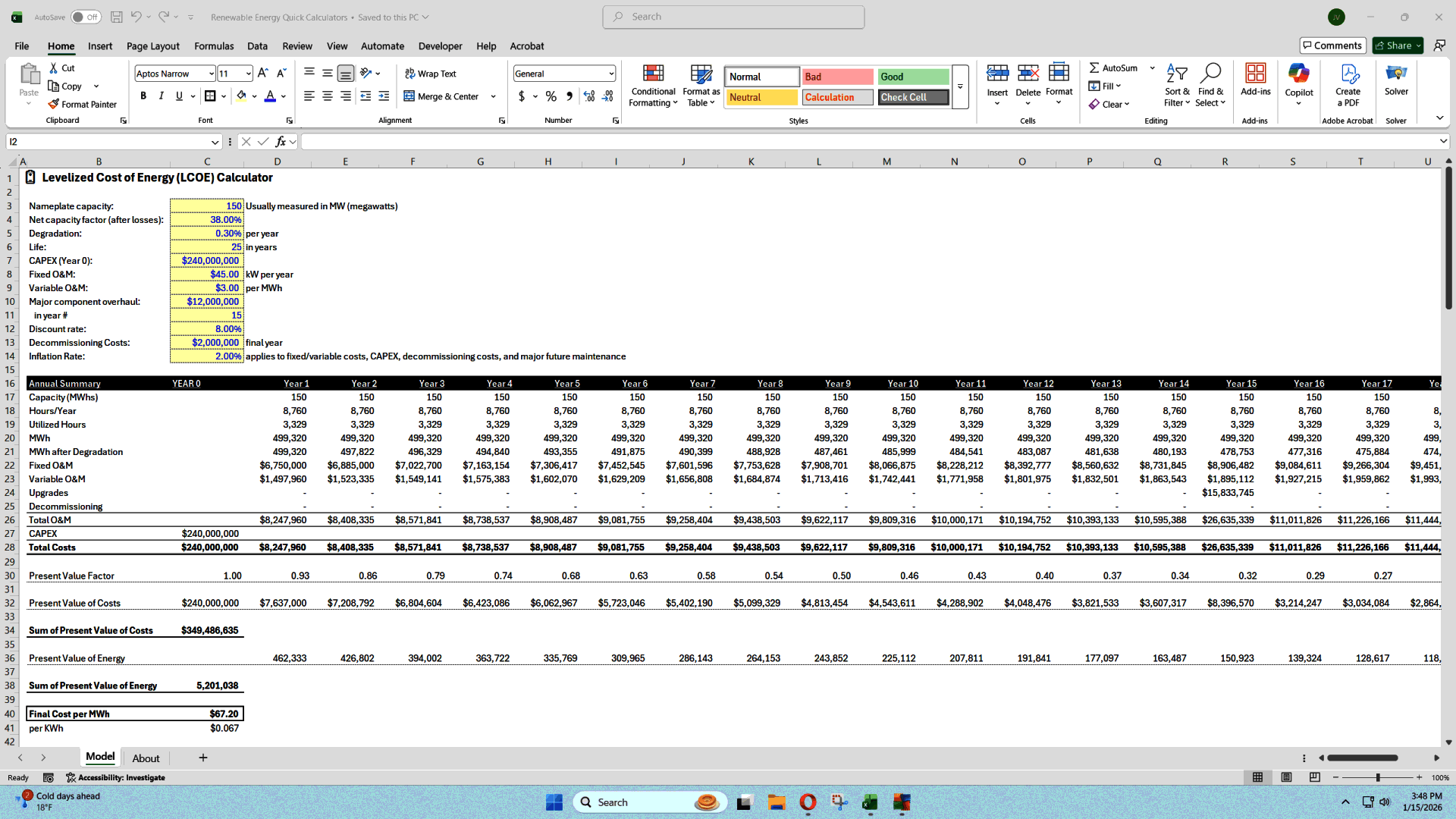
This Excel model provides a high-level, intuitive way to calculate the Levelized Cost of Energy (LCOE)—the average lifetime cost to produce electricity from a power project, expressed in today's dollars. LCOE answers a simple but powerful question: what does it cost, on average, to generate one unit of energy over the full life of a project? By reducing a multi-year power plant into a single cost-per-MWh metric, the model allows different technologies such as solar, wind, nuclear, or gas to be compared on a consistent economic basis.
At its core, the model evaluates two parallel streams over time: energy production and project costs. Annual energy output is driven by inputs such as nameplate capacity, capacity factor, degradation, and project life, reflecting the reality that production typically declines over time as equipment ages. On the cost side, the model captures upfront capital expenditures, ongoing fixed and variable operating costs, scheduled major overhauls, and end-of-life decommissioning. Future costs can be escalated using an inflation rate to reflect rising nominal expenses.
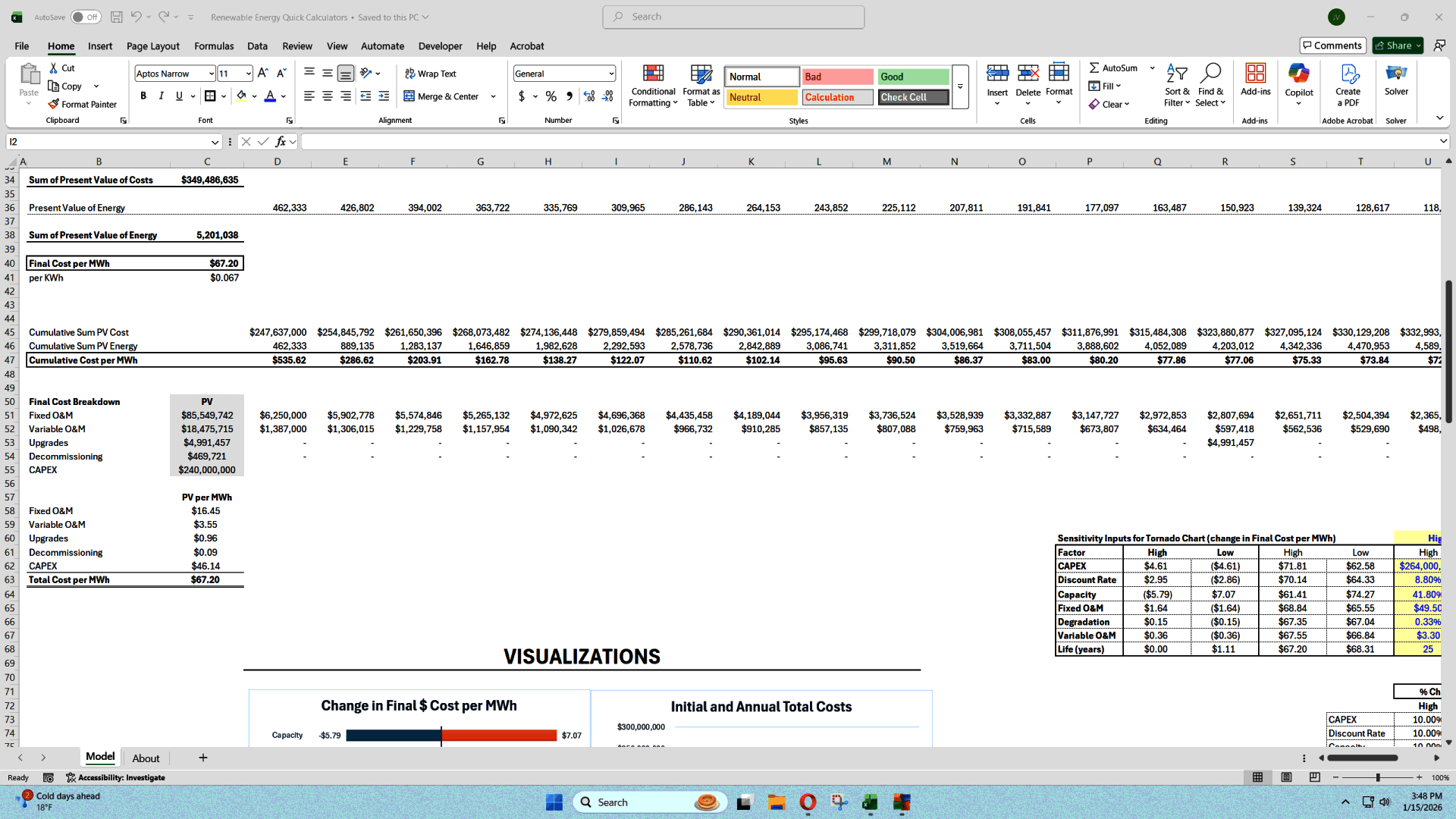
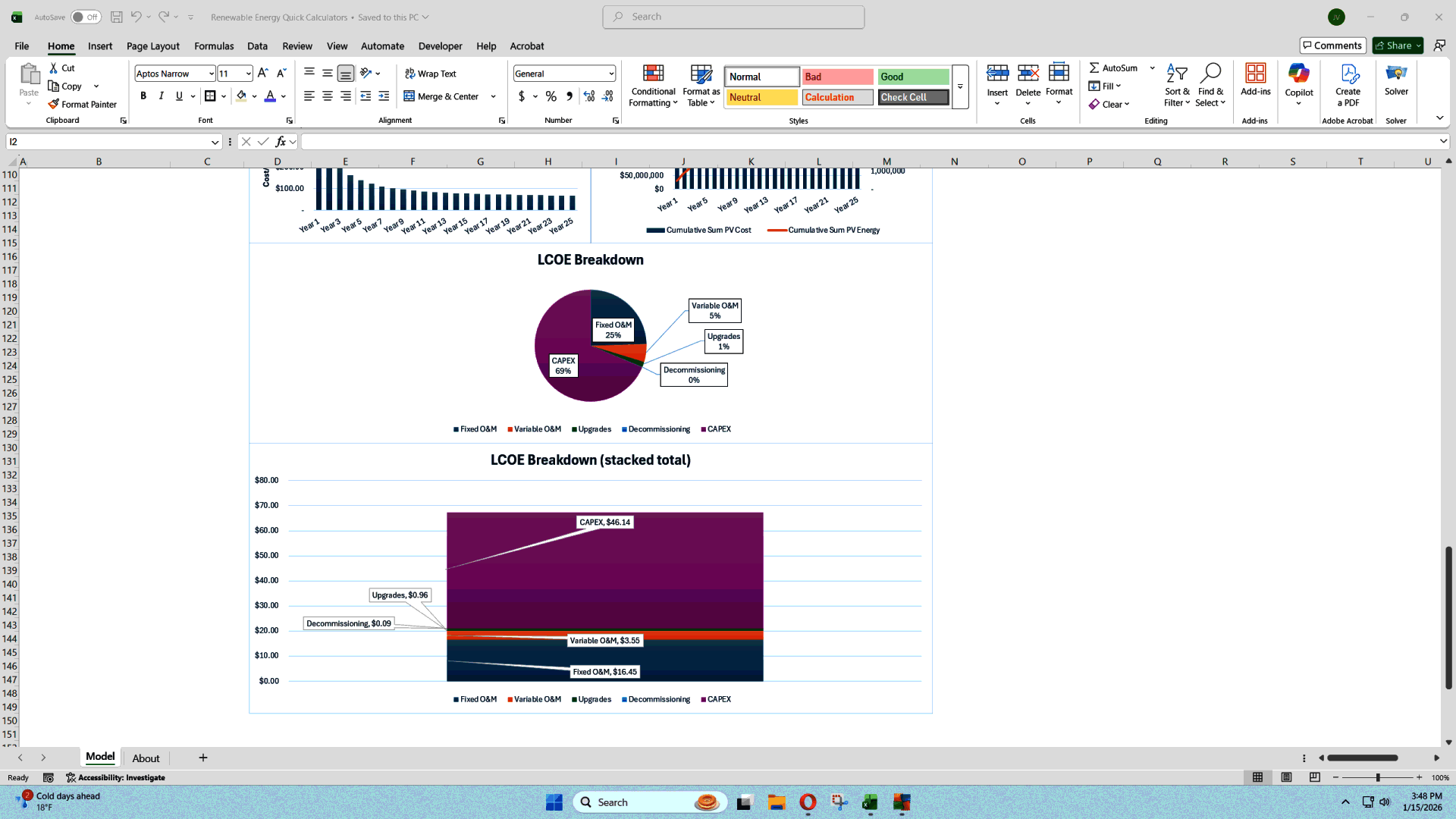
Both the energy produced and the costs incurred are discounted back to present value using a discount rate, ensuring that future dollars and future megawatt-hours are measured on a comparable basis. The final LCOE is calculated by dividing the present value of all costs by the present value of total energy produced, resulting in a clean, comparable cost per MWh (and per kWh). Supporting outputs show the present value of costs and energy separately, along with a clear cost breakdown, so users can understand what is driving the final result.
The model is intentionally built on a single Excel tab with clear input formatting, making it fast to use, easy to audit, and simple to integrate into other workbooks. A built-in tornado sensitivity chart provides a high-level view of risk and importance by showing how changes in key assumptions impact the final LCOE and automatically ranking those variables by influence. Together, these features make the model well-suited for early-stage project evaluation, technology comparison, and scenario analysis, while keeping the focus on the most important economic question: the true lifetime cost of energy.
Got a question about the product? Email us at support@flevy.com or ask the author directly by using the "Ask the Author a Question" form. If you cannot view the preview above this document description, go here to view the large preview instead.
Source: Best Practices in Energy Industry Excel: Levelized Cost of Energy (LCOE) Financial Model Excel (XLSX) Spreadsheet, Jason Varner | SmartHelping
ABOUT THE AUTHOR

I graduated in 2011 with a Bachelor's degree in Accounting and began my career as a financial analyst at a small chain of auto repair shops. After gaining valuable experience, I launched my own practice specializing in real estate underwriting, later expanding into general business modeling.
I honed my spreadsheet modeling expertise by completing over 400 projects on Upwork with a 100% success
... [read more]
Ask the Author a Question
You must be logged in to contact the author.




























