 Click main image to view in full screen.
Lean Six Sigma: Structure the Problem – PowerPoint PPTX Template
PowerPoint (PPTX) 36 Slides


BENEFITS OF THIS DOWNLOADABLE POWERPOINT DOCUMENT
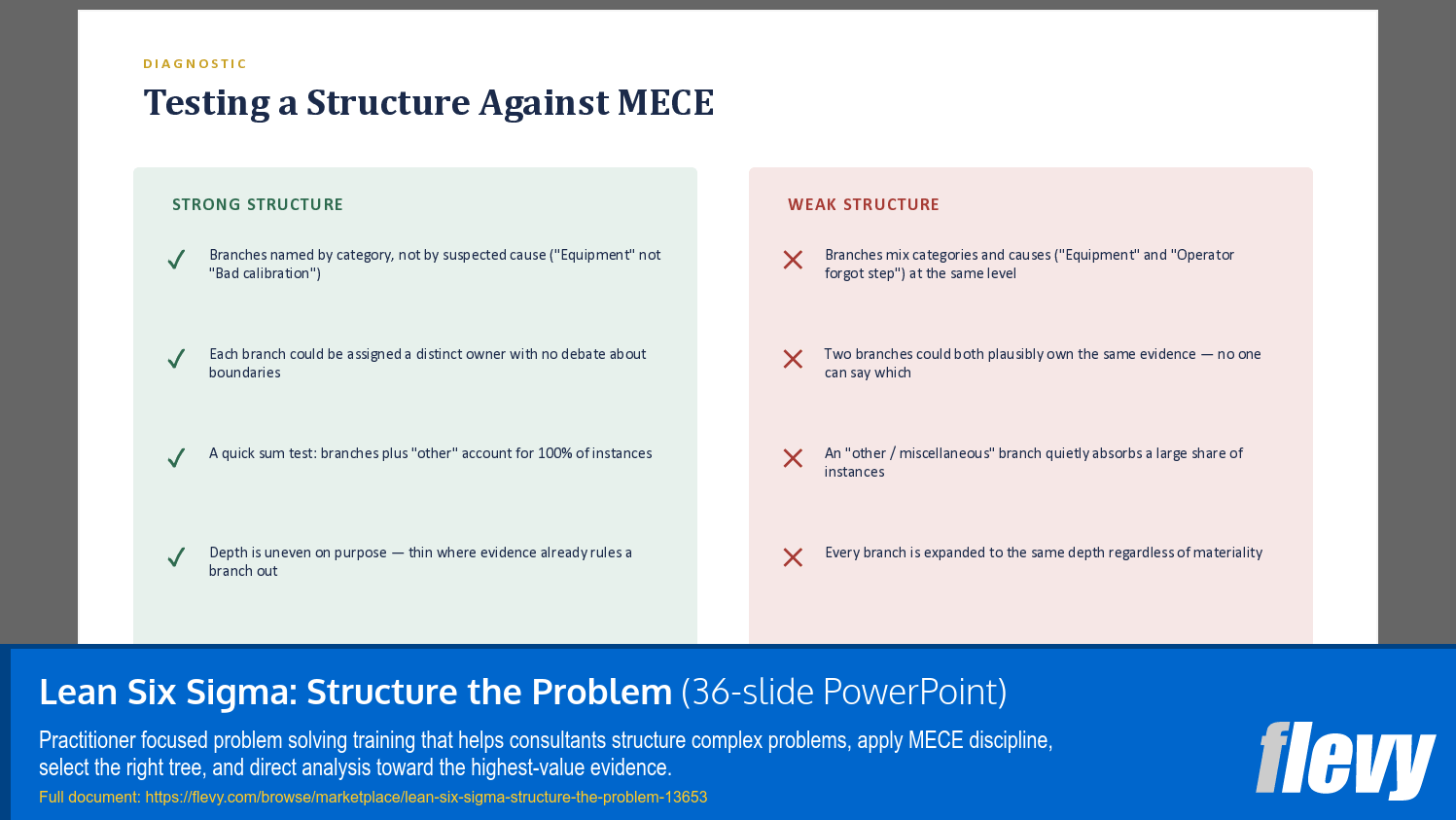
- Builds a disciplined method for decomposing complex problems into discrete, MECE, evidence-ready components.
- Helps consultants and improvement practitioners select the right structuring approach instead of defaulting to familiar analytical tools.
- Improves analytical efficiency by using materiality, uncertainty, evidence, and explicit stop conditions to determine where deeper investigation is warranted.
PROBLEM SOLVING PPT TEMPLATE DESCRIPTION
Most problem solving teams do not have a shortage of analytical tools. They have a problem with where they apply them.
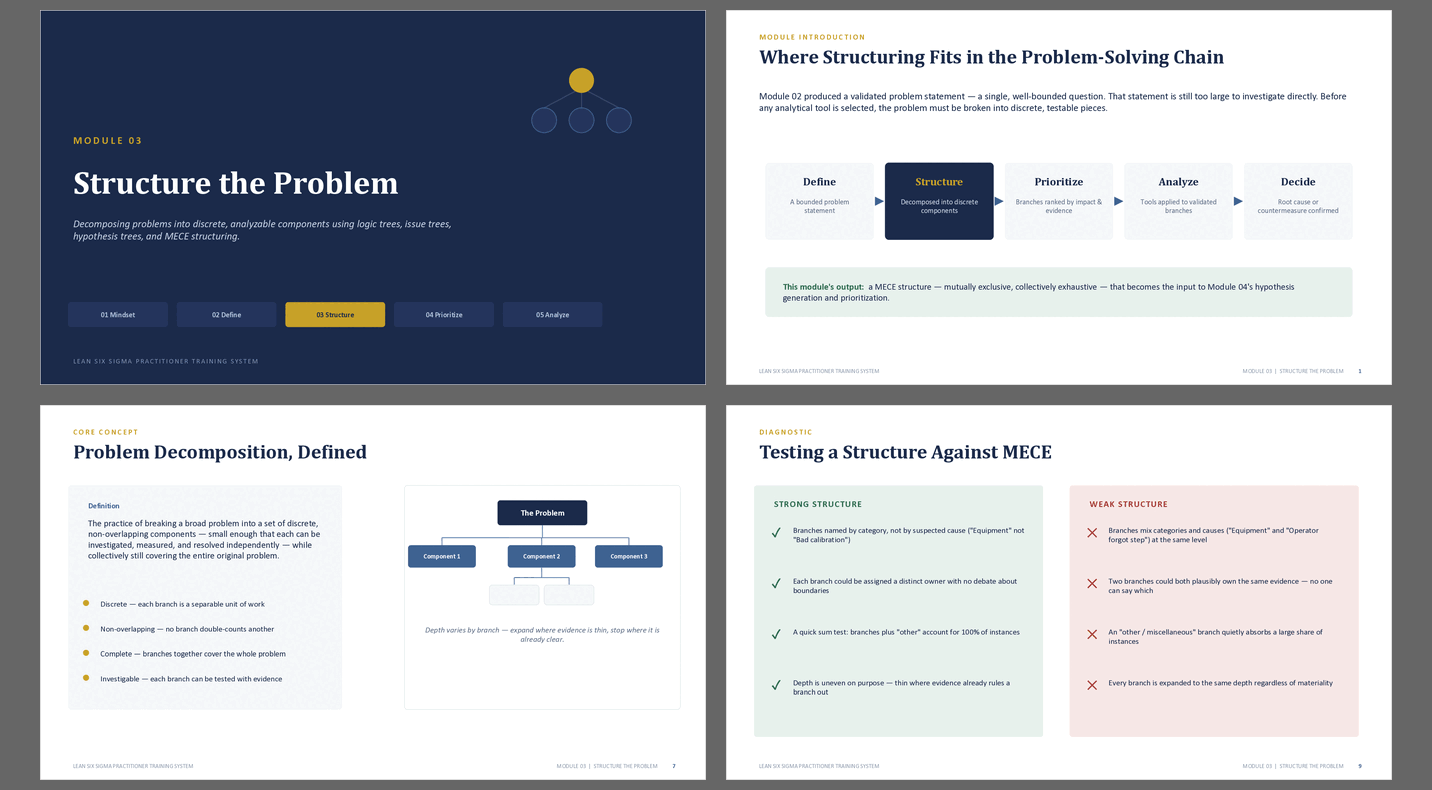
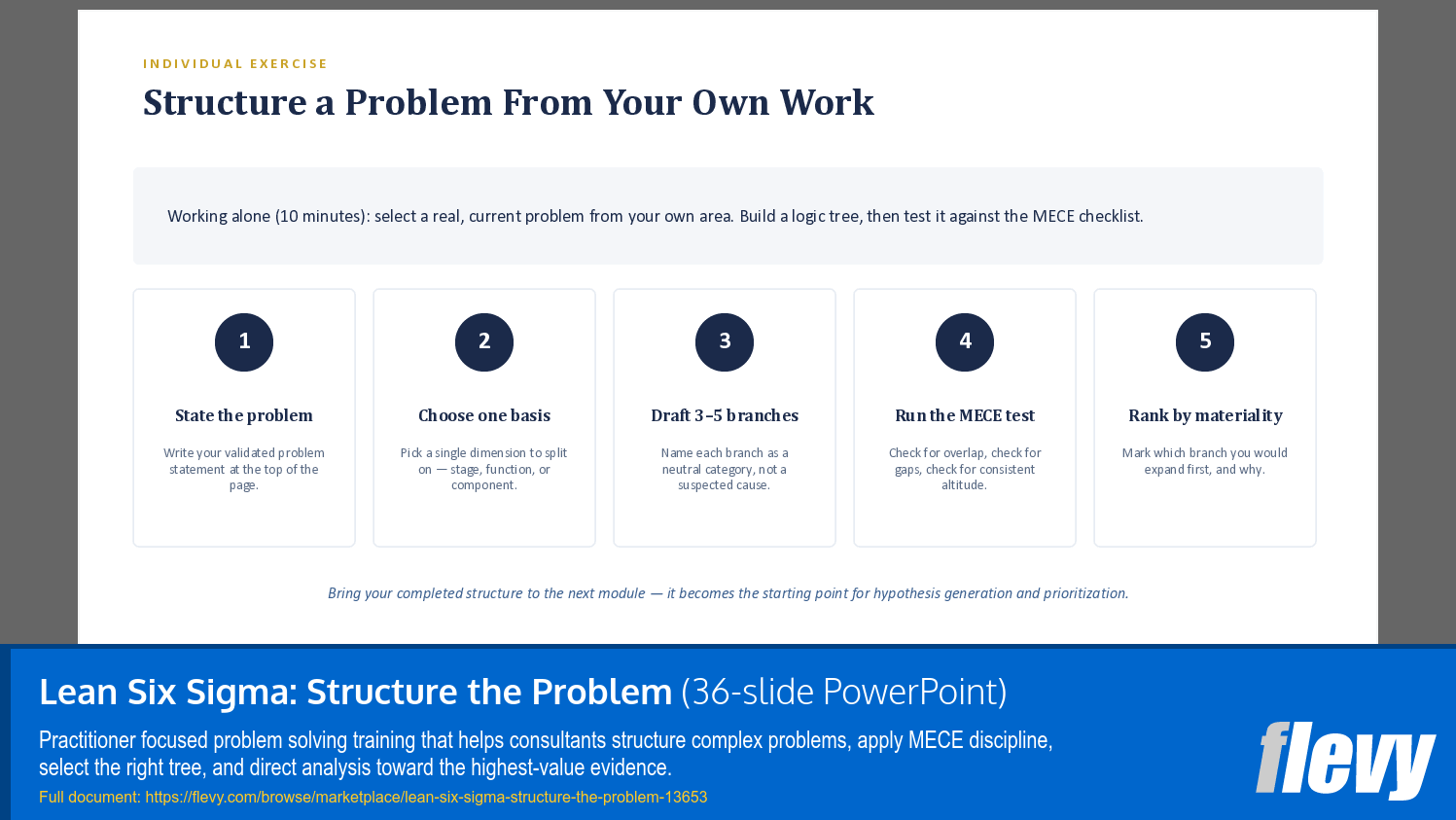
Structure Problems for High-Impact Problem Solving gives consultants and Lean practitioners a disciplined way to structure a problem before analysis begins, turning a broad business problem into discrete, testable questions.
You will learn how to:
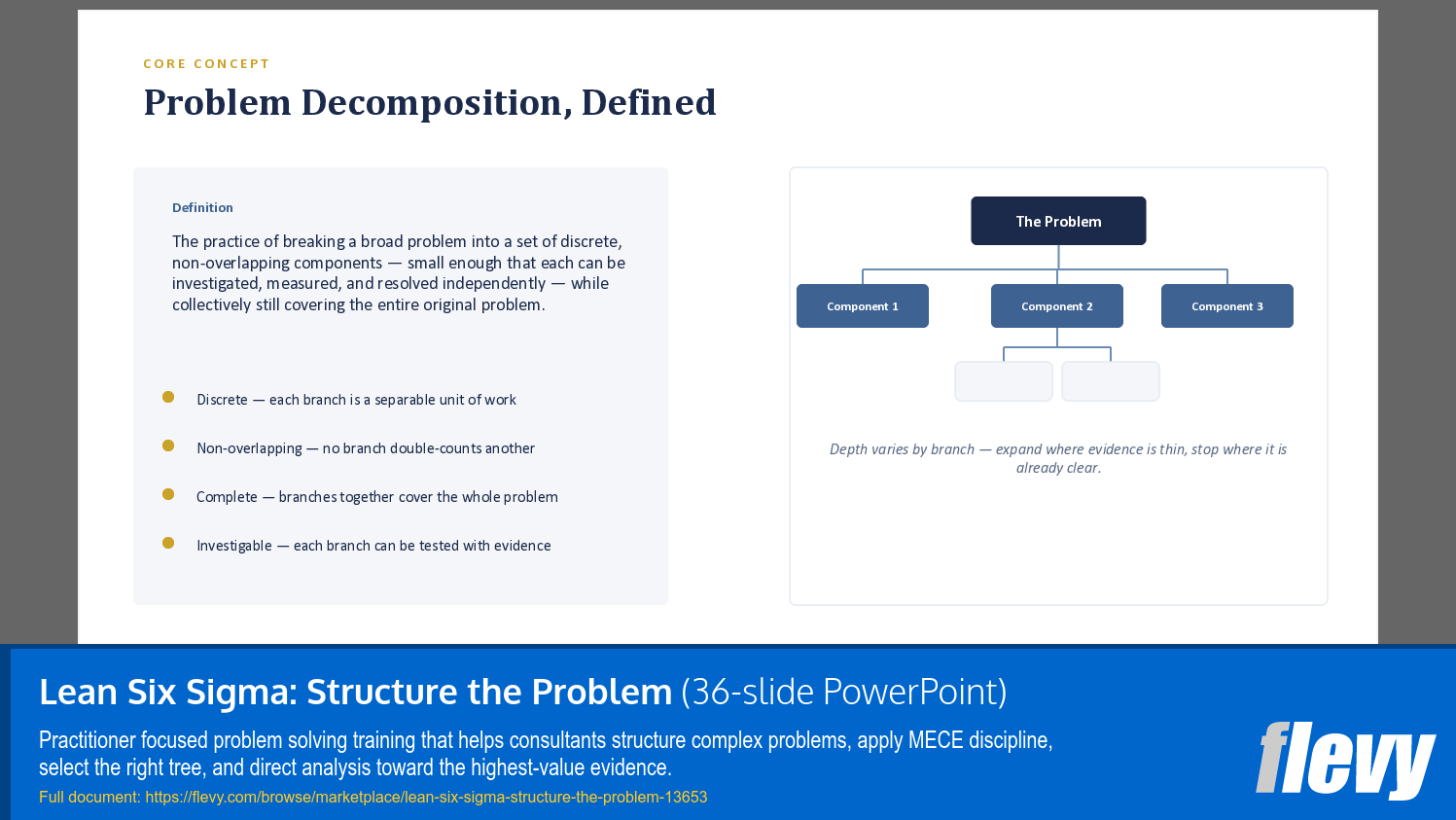
• Build MECE problem structures without overlap or gaps.
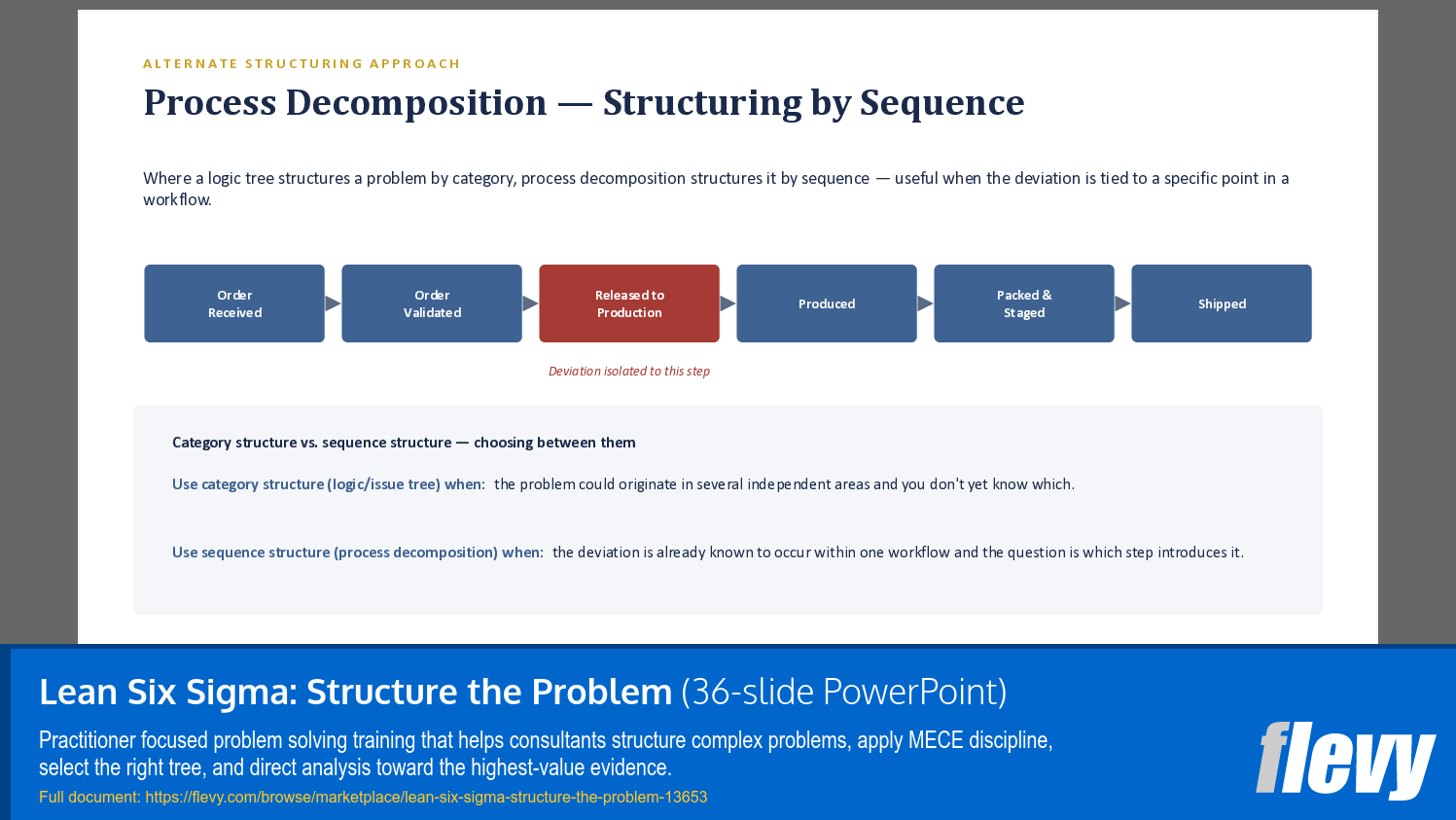
• Select the right structure logic, issue, hypothesis, driver, or process decomposition based on the question being asked.
• Separate facts, candidate causes, and solution hypotheses so teams do not mistake assumptions for evidence.
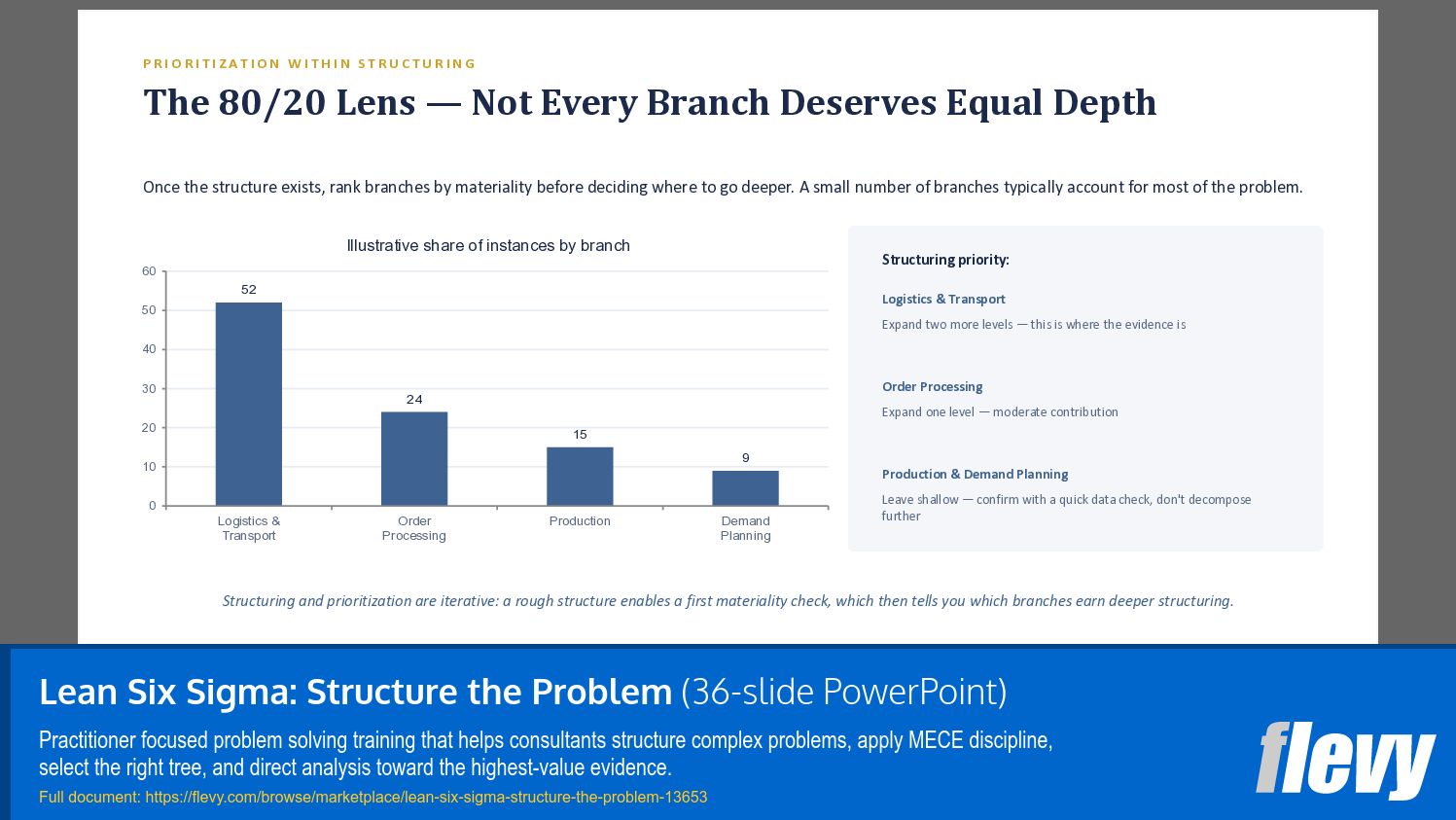
• Use materiality and an 80/20 lens to determine which branches deserve deeper investigation.
• Apply practical stop conditions to prevent teams from overbuilding trees and wasting analytical effort.
• Define the evidence required to move from a structured problem to validated analysis.
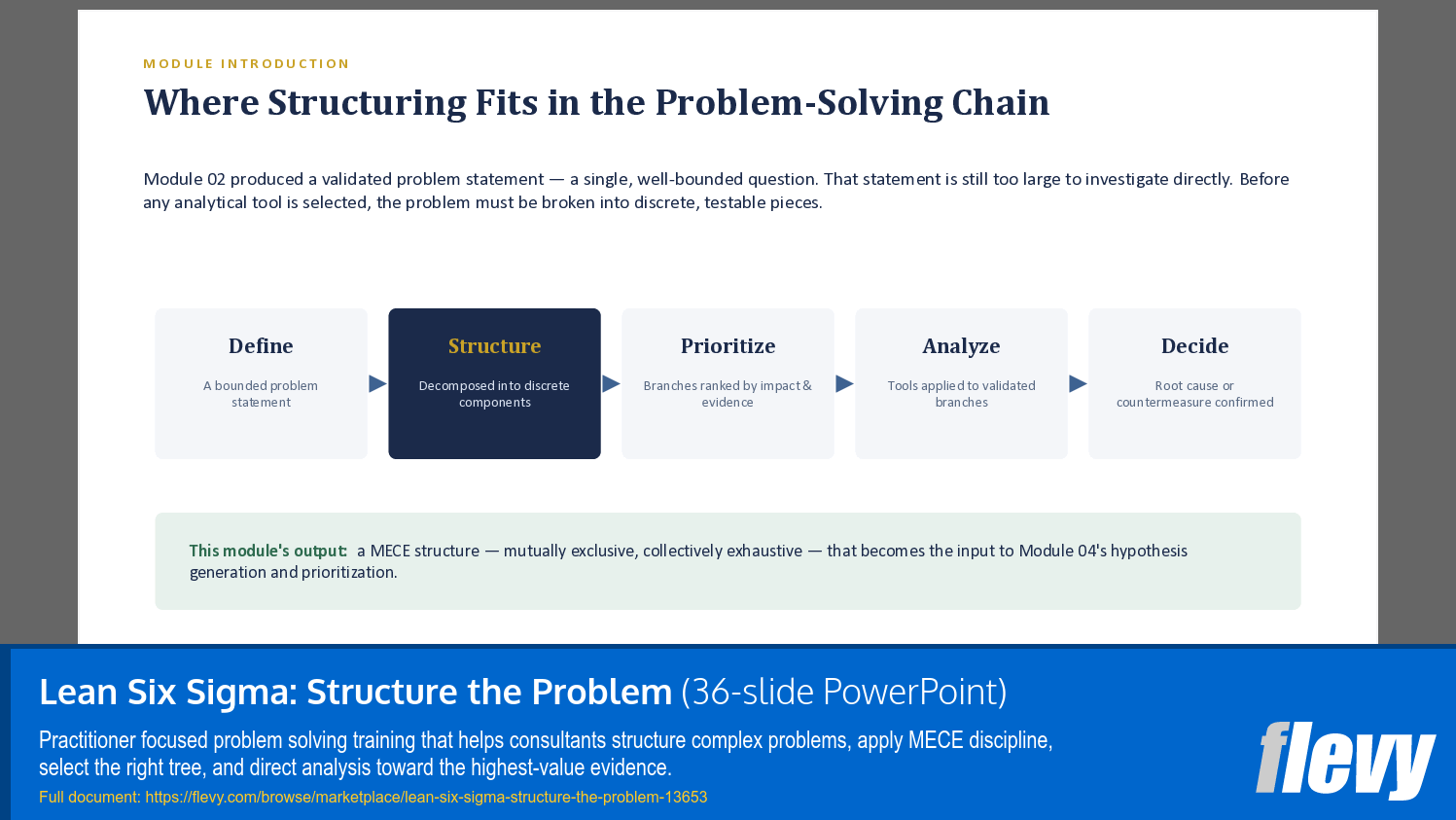
The result is a more disciplined consulting workflow: Problem → Question → Structure → Evidence → Analysis → Decision.
Use this module when you need to move a team beyond brainstorming and familiar-tool selection—and toward a problem structure that tells you where to look, what to test, and where to focus first.
Designed for management consultants, Lean Six Sigma practitioners, operational excellence leaders, project managers, and improvement professionals working on complex business problems.
Got a question about the product? Email us at support@flevy.com or ask the author directly by using the "Ask the Author a Question" form. If you cannot view the preview above this document description, go here to view the large preview instead.
Source: Best Practices in Problem Solving, Six Sigma Project PowerPoint Slides: Lean Six Sigma: Structure the Problem PowerPoint (PPTX) Presentation Slide Deck, EDS SYSTEMS
ABOUT THE AUTHOR
EDS SYSTEMS develops practical business frameworks, professional training, and enterprise toolkits that help organizations solve complex problems, improve operational performance, strengthen project execution, and build lasting organizational capability.
Our products transform proven engineering, project management, operational excellence, and continuous improvement practices into structured,
... [read more]
Ask the Author a Question
You must be logged in to contact the author.




























