
 Click main image to view in full screen. Unlock all 10 preview images:
Lean Six Sigma: Problem-Solving Mindset – PowerPoint PPTX Template
PowerPoint (PPTX) 33 Slides


BENEFITS OF THIS DOWNLOADABLE POWERPOINT DOCUMENT
- Establishes a defensible reasoning architecture that prevents teams from jumping to solutions and wasting capital on incorrect fixes
- Provides a complete, ready-to-deliver workshop presentation with timed exercises, facilitator guidance, and diagnostic checklists
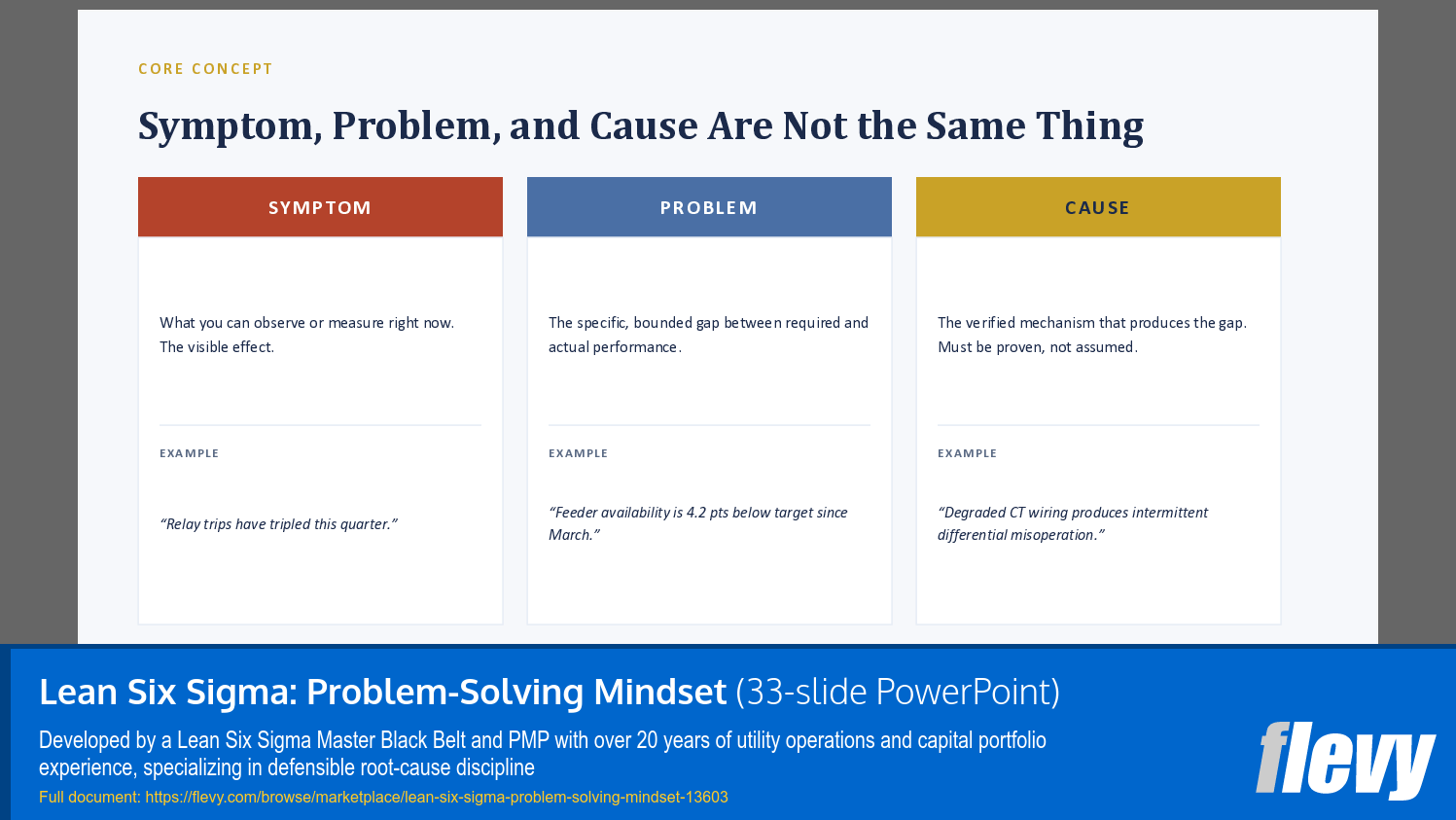
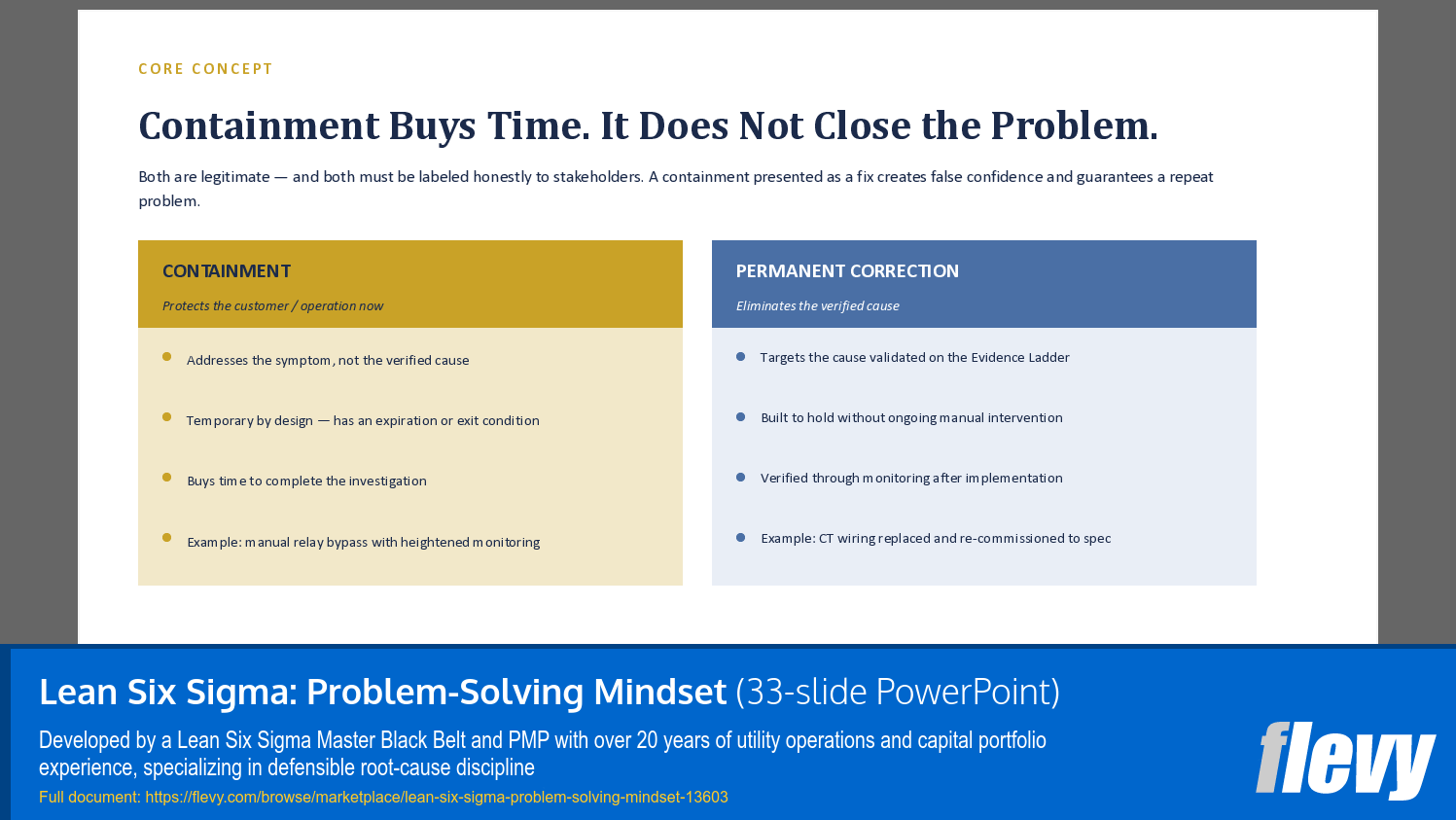
- Equips practitioners to distinguish symptoms from root causes and separate temporary containment from permanent correction.
PROBLEM SOLVING PPT TEMPLATE DESCRIPTION
Most operational and process improvement failures stem not from a lack of analytical tools, but from a failure in problem-solving reasoning. When teams encounter a business challenge, they frequently jump directly to familiar solutions, execute tools mechanically, generate charts, and mistake surface-level activity for genuine resolution. This jump-to-solution failure mode results in repeated rework, wasted capital, and recurring operational defects within 90 days.
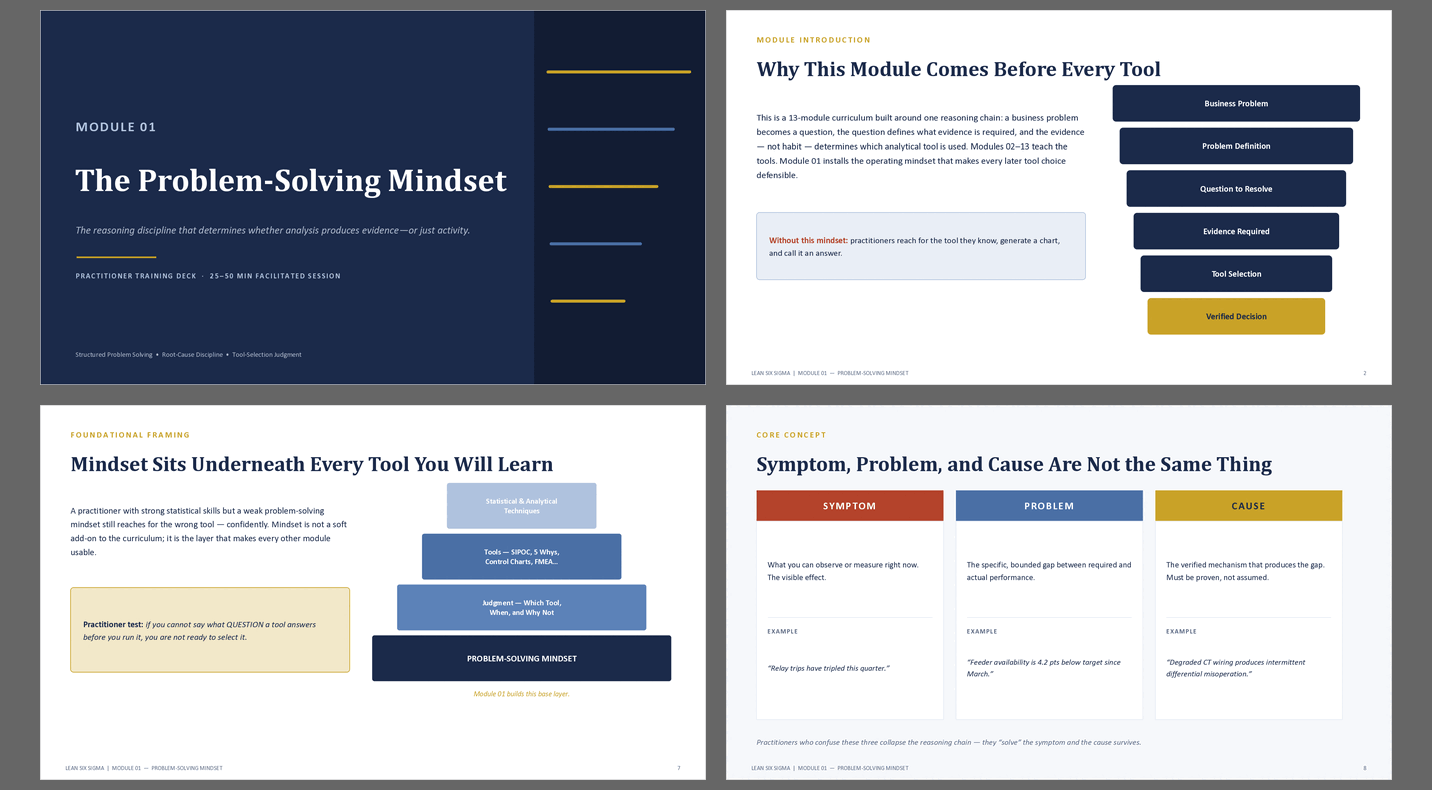
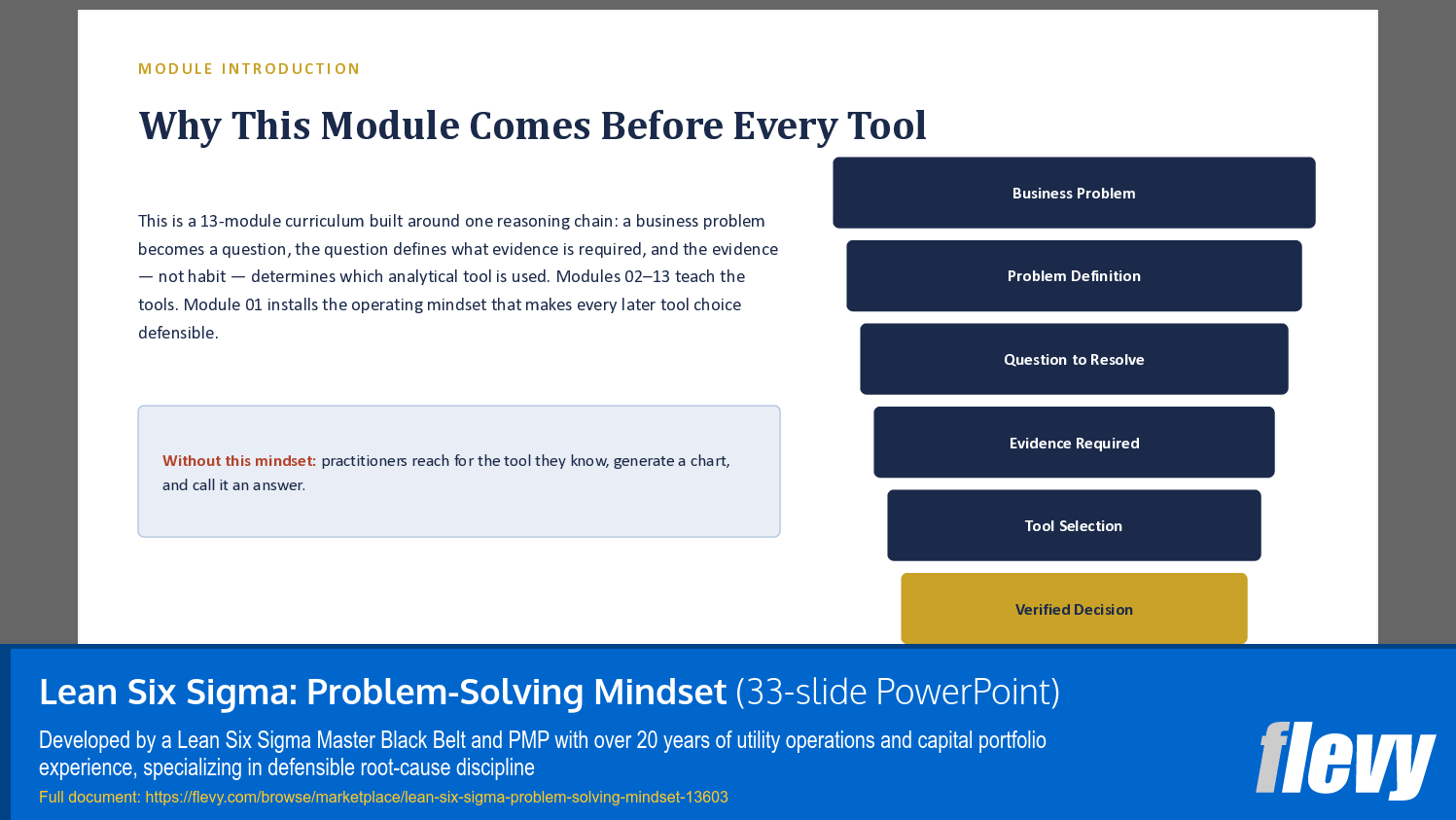
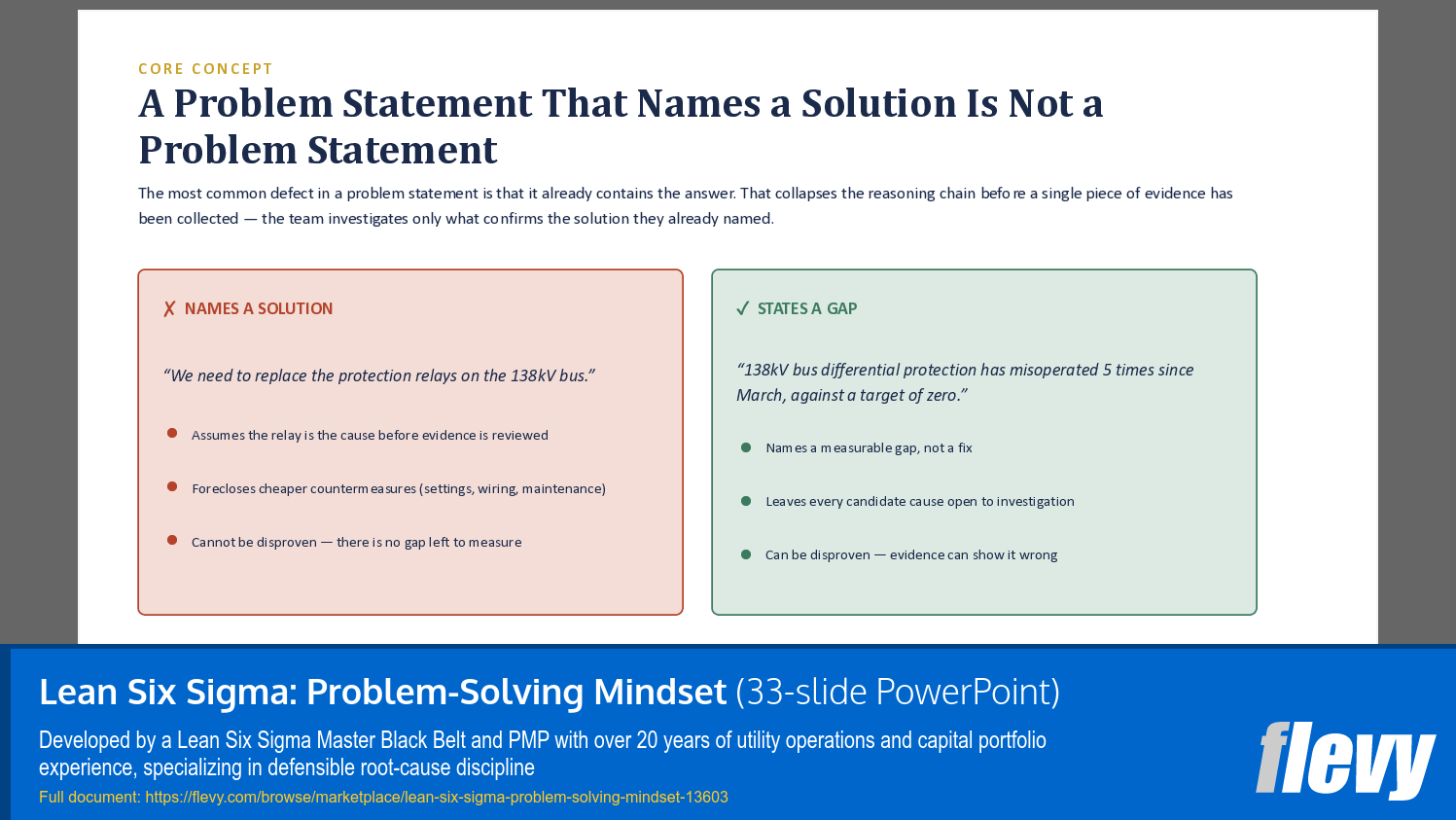
This course deck establishes the foundational reasoning discipline required before any analytical tool is selected or applied. Built around a strict decision architecture. Problem to Question to Evidence to Tool to Verified Decision, this module trains practitioners to separate visible symptoms from true root causes, write defensible gap statements that do not name embedded fixes, and apply hypothesis driven thinking to every investigation.
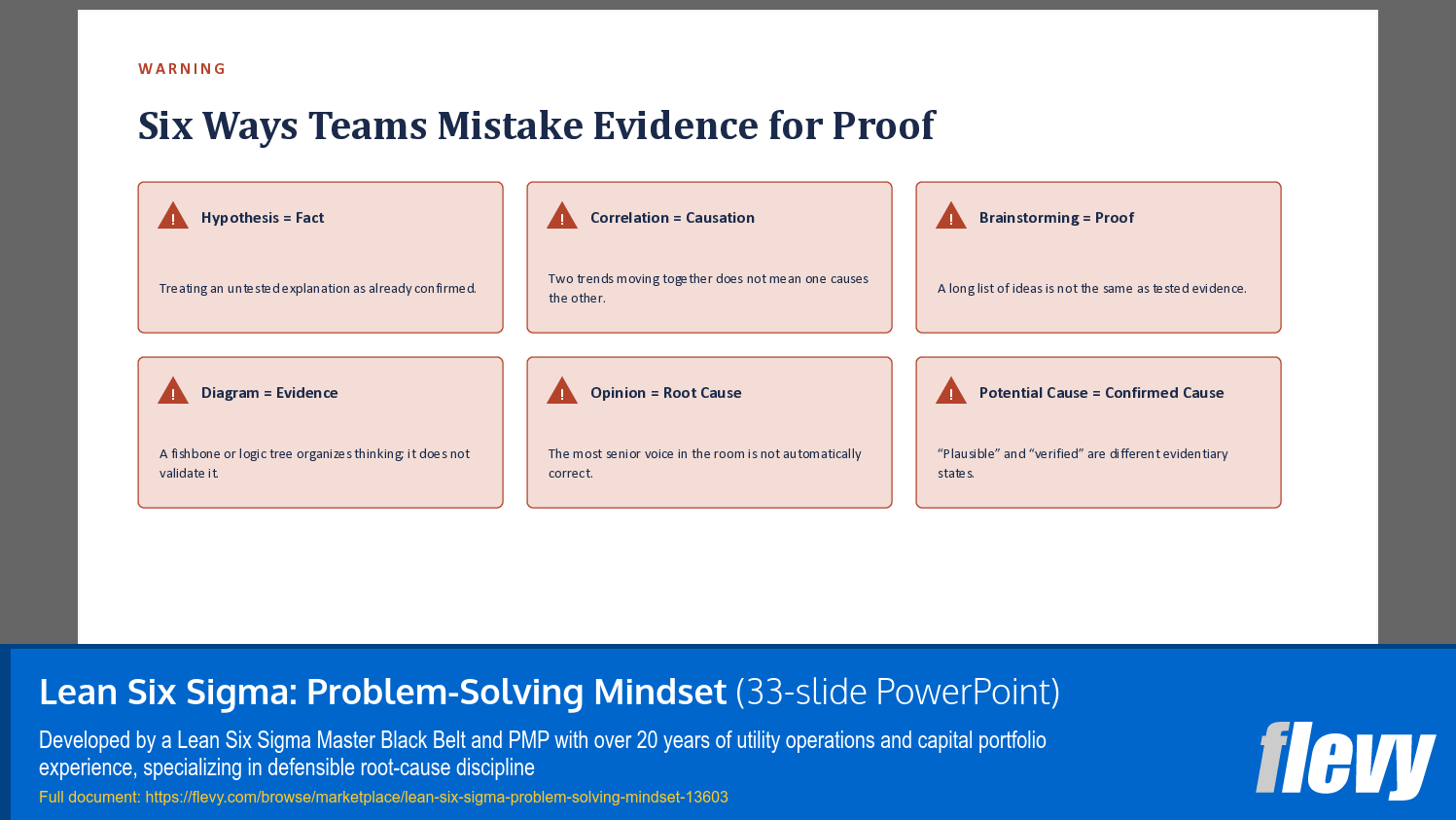
Designed for immediate client facilitation or internal corporate capability building, this presentation functions as Module 01 of an enterprise Lean Six Sigma practitioner curriculum. It equips operational excellence leaders, consultants, and project managers with a 25 to 50 minute facilitated workshop structure complete with real-world case studies, structured group exercises, diagnostic checklists, and common failure mode warnings. Key concepts covered include the Evidence Ladder framework, distinguishing containment from permanent correction, evaluating competing hypotheses against data, and applying the eight operating principles that govern defensible tool selection. Using a realistic utility asset protection case study, the deck demonstrates how applying question-first discipline prevents costly unnecessary capital expenditures while accelerating time to resolution.
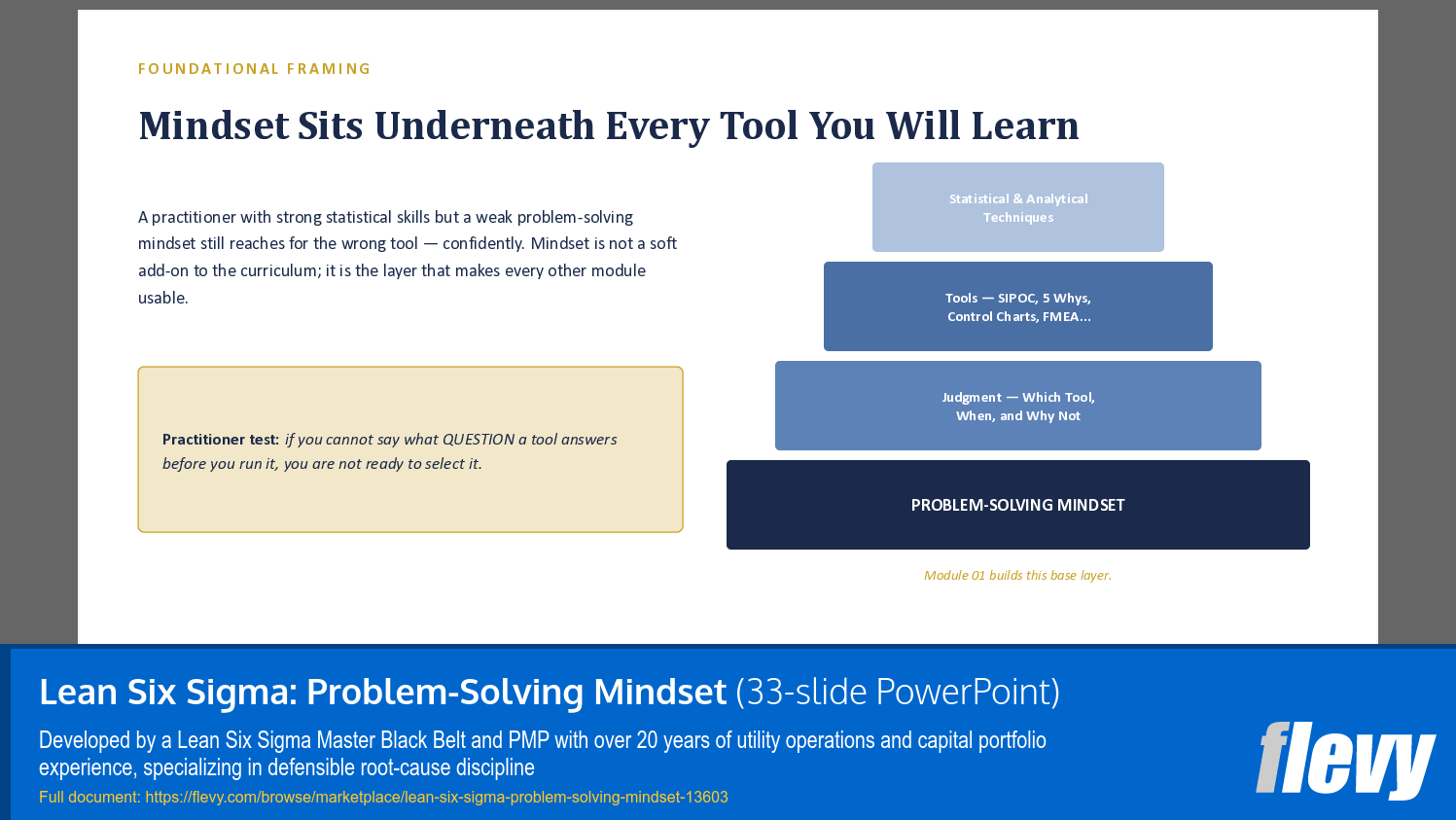
This turnkey package includes complete facilitator notes, timed agenda structures, discussion prompts, group exercise templates, and a end-of-module assessment. It serves as the essential gatekeeper module to ensure that subsequent analytical training on DMAIC, SIPOC, Fishbone diagrams, and control charts yields measurable, durable business outcomes.
Got a question about the product? Email us at support@flevy.com or ask the author directly by using the "Ask the Author a Question" form. If you cannot view the preview above this document description, go here to view the large preview instead.
Source: Best Practices in Problem Solving, Six Sigma Project PowerPoint Slides: Lean Six Sigma: Problem-Solving Mindset PowerPoint (PPTX) Presentation Slide Deck, EDS SYSTEMS
ABOUT THE AUTHOR
EDS SYSTEMS develops practical business frameworks, professional training, and enterprise toolkits that help organizations solve complex problems, improve operational performance, strengthen project execution, and build lasting organizational capability.
Our products transform proven engineering, project management, operational excellence, and continuous improvement practices into structured,
... [read more]
Ask the Author a Question
You must be logged in to contact the author.




























