
 Click main image to view in full screen. Unlock all 16 preview images:


ARTIFICIAL INTELLIGENCE PDF DESCRIPTION
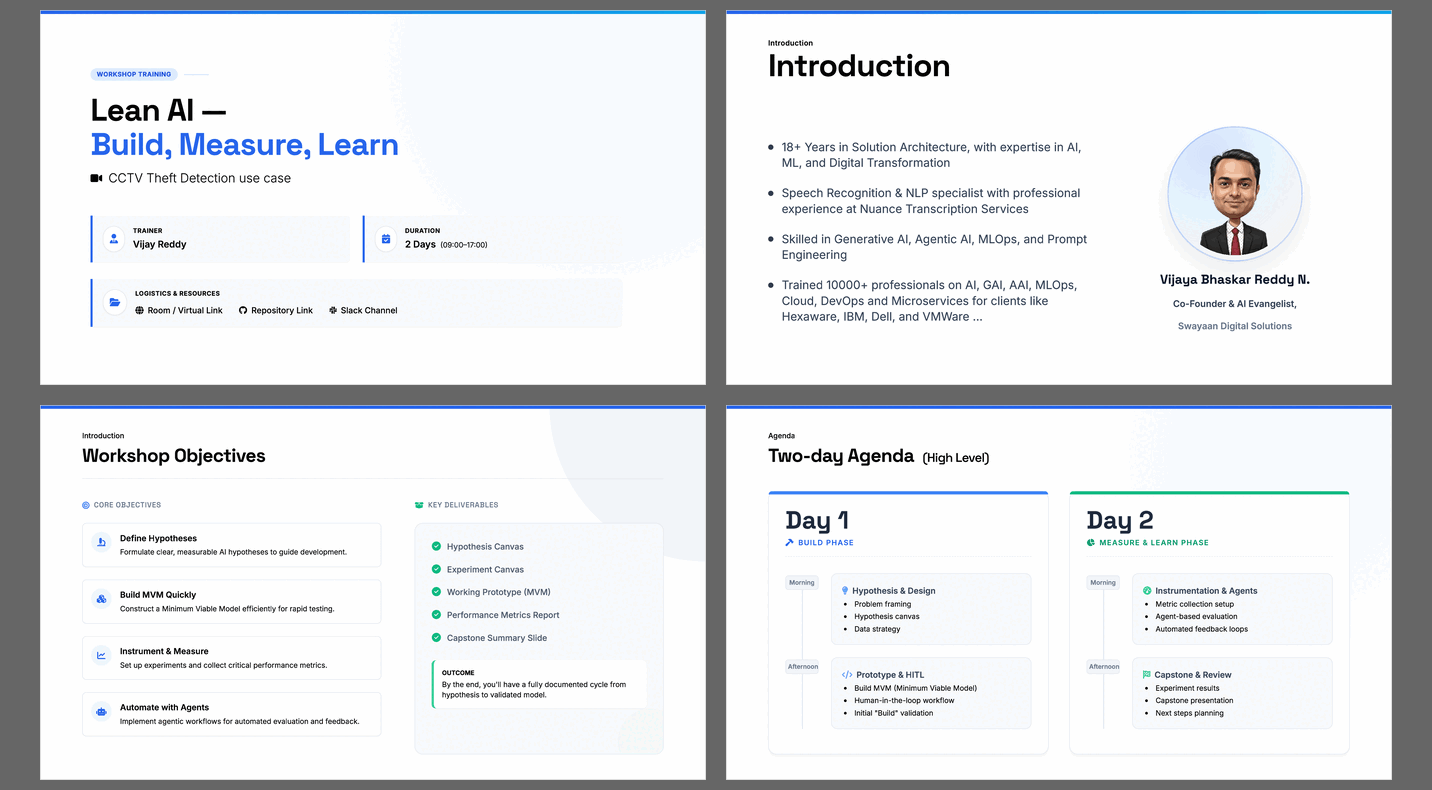
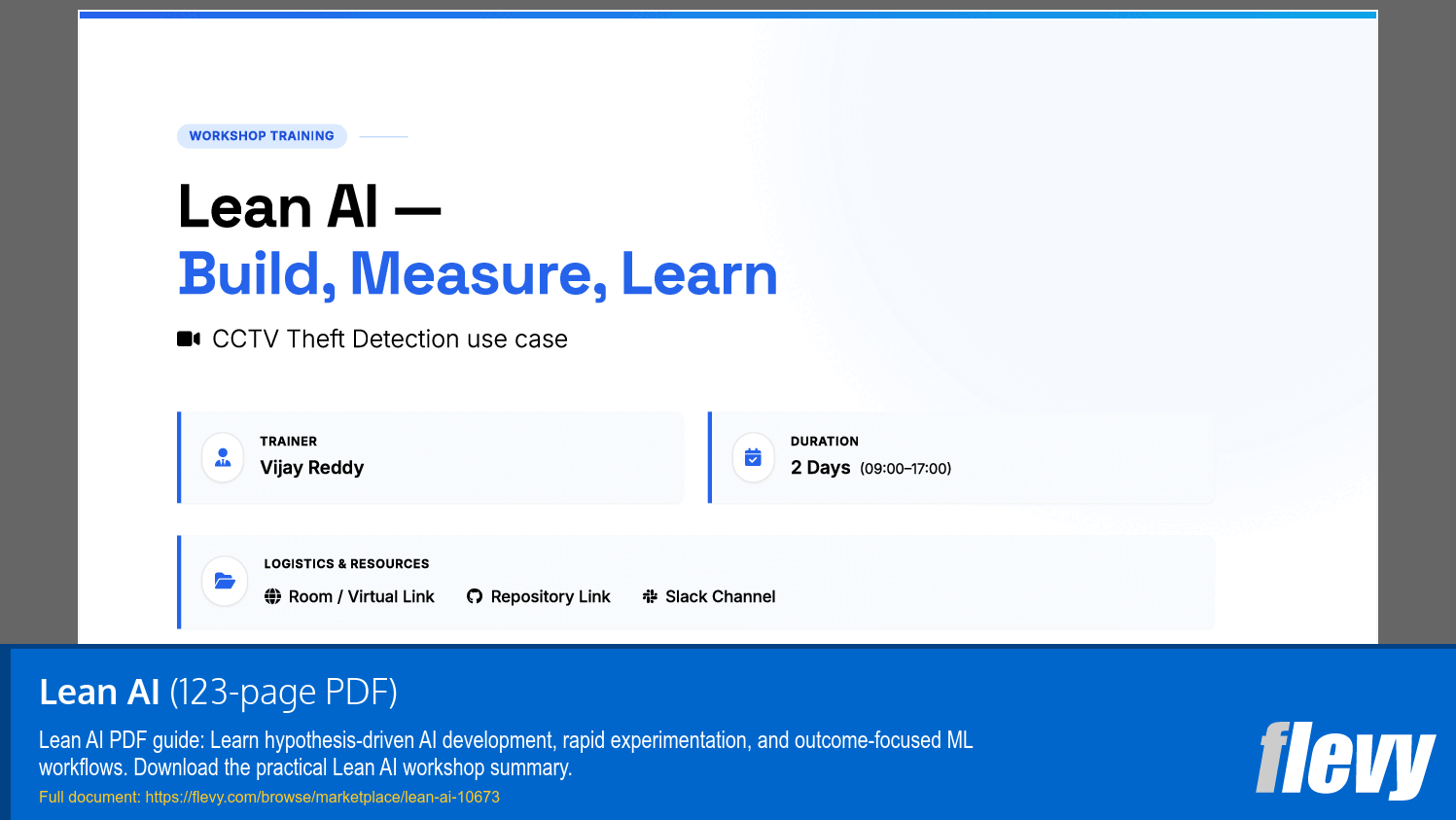
Lean AI Workshop Summary
This Lean AI workshop introduces a practical, outcome-driven approach to building AI and machine learning solutions that prioritize speed of learning, measurable value, and continuous improvement over traditional heavy upfront development. Instead of focusing solely on building complex models, Lean AI emphasizes hypothesis-driven experimentation, iterative delivery, and strong measurement practices to ensure teams solve the right problems efficiently.
The workshop begins by establishing the foundations of Lean AI, positioning it as an evolution of Lean and Agile principles adapted for modern AI and data-driven systems. Participants learn how to frame AI initiatives around business outcomes rather than technology-first approaches, ensuring that experimentation aligns with real-world impact. Core concepts include defining clear hypotheses, validating assumptions early, minimizing waste, and using rapid feedback loops to guide development decisions.
A key focus is understanding the end-to-end AI and ML lifecycle—from problem framing and data preparation to model development, evaluation, deployment, and long-term monitoring. The program demonstrates how Lean AI integrates across this lifecycle, encouraging teams to continuously measure outcomes and adjust strategies rather than relying on static project plans.
Participants explore how to structure hypothesis-driven experiments, create testable assumptions, and design demo plans that translate ideas into measurable results. The workshop emphasizes building baseline solutions quickly, learning from data early, and iterating based on evidence. Practical frameworks guide teams through defining success metrics, selecting meaningful KPIs, and embedding measurement into development workflows from the beginning.
Another important component is identifying common pitfalls in AI initiatives. Participants examine risks such as poor metric selection, confirmation bias, over-engineering, lack of reproducibility, and insufficient monitoring after deployment. By understanding these challenges, teams learn to design more resilient and sustainable AI processes.
The workshop also covers best practices for experimentation, version control, and reproducibility. Participants learn how to track experiments, maintain provenance of data and models, and ensure consistent environments to enable reliable iteration. Infrastructure considerations such as runtime environments, infrastructure-as-code, and operational runbooks are introduced to help bridge the gap between experimentation and production readiness.
Operational excellence is addressed through monitoring, drift detection, and continuous improvement strategies. Lean AI treats deployment as the beginning of learning rather than the final step, encouraging teams to collect feedback, analyze performance trends, and refine solutions over time. Post-mortems and incident analysis help establish a culture of learning and resilience.
Through applied exercises, practical demonstrations, and case studies, participants gain experience using Lean AI principles to make data-driven decisions, prioritize work effectively, and maintain alignment between technical development and business objectives. The workshop equips teams with repeatable frameworks, templates, and practices that support faster experimentation cycles, improved collaboration, and sustainable delivery of AI-enabled solutions.
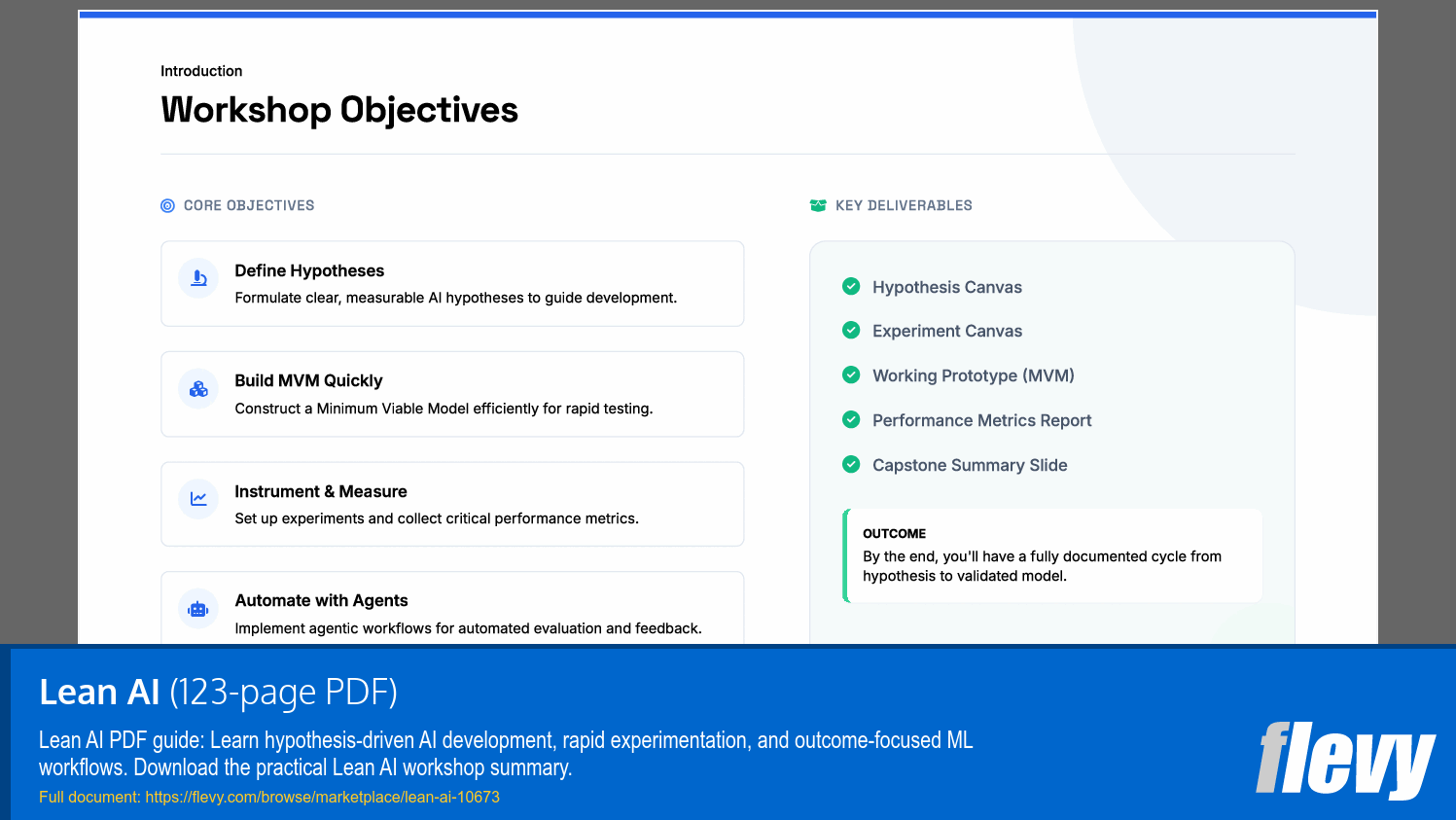
By the end of the program, participants will understand how to:
• Apply Lean principles to AI and ML workflows
• Structure hypothesis-driven experiments and measurable outcomes
• Build baseline solutions quickly and iterate systematically
• Design KPIs aligned with business value
• Avoid common experimentation and measurement pitfalls
• Maintain reproducibility and experiment traceability
• Transition from experimentation to reliable production deployment
• Implement monitoring and continuous improvement practices
________________________________________
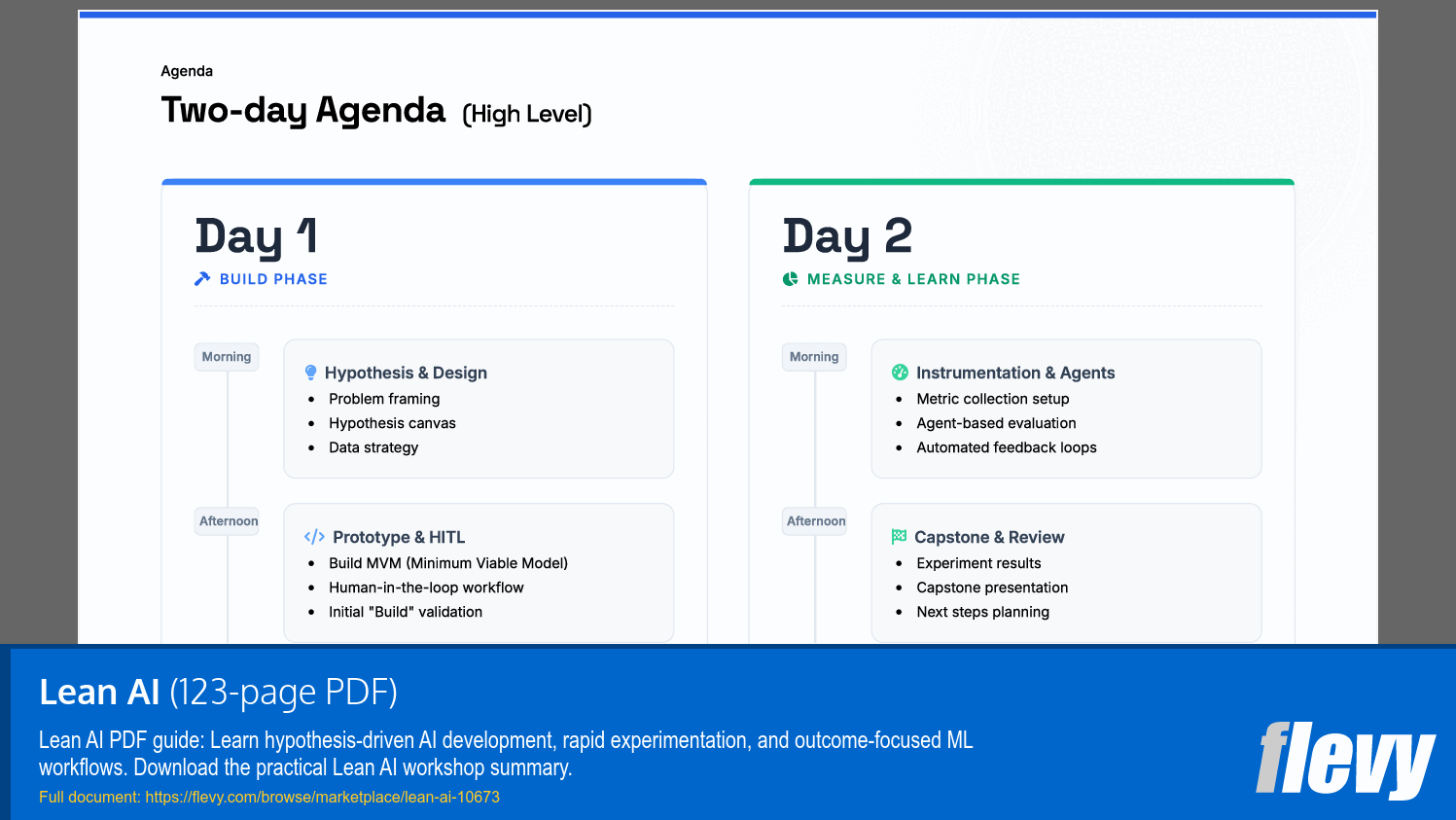
Integrated Workshop Agenda
The workshop follows a structured flow that mirrors the Lean AI lifecycle, combining conceptual understanding with hands-on application.
1. Foundations of Lean AI
• Introduction to Lean AI concepts and mindset
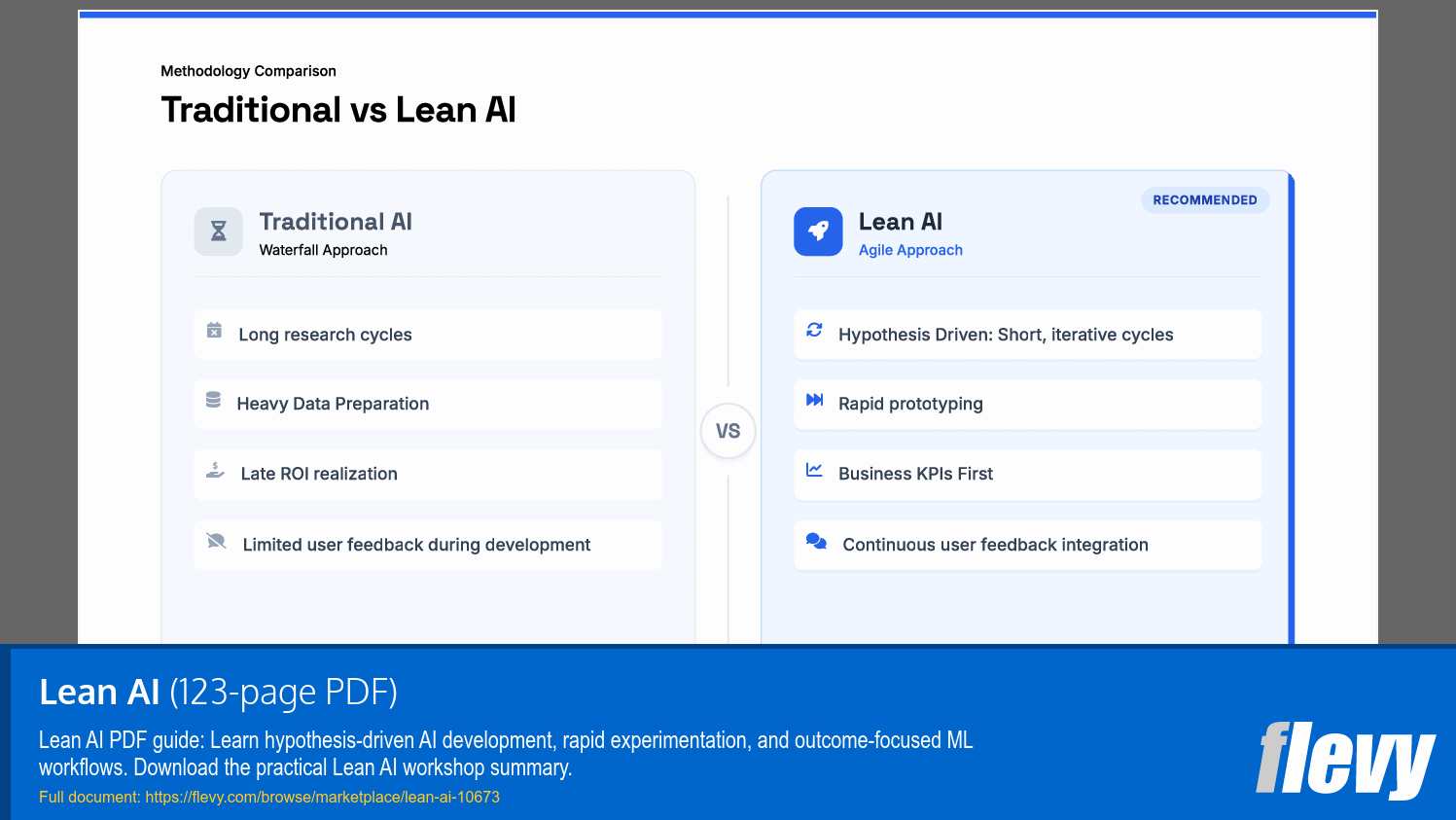
• Differences between traditional AI development and Lean approaches
• Business motivations and value-driven experimentation
• Core Lean principles applied to AI systems
• Common challenges, risks, and anti-patterns in AI projects
2. Problem Framing and Hypothesis-Driven Development
• Defining problem statements and success criteria
• Structuring hypotheses and testable assumptions
• Designing experiment plans and validation strategies
• Translating business goals into measurable technical objectives
• Creating demo workflows to validate ideas quickly
3. AI/ML Lifecycle Overview
• End-to-end lifecycle from data to operations
• Pipeline stages and workflow dependencies
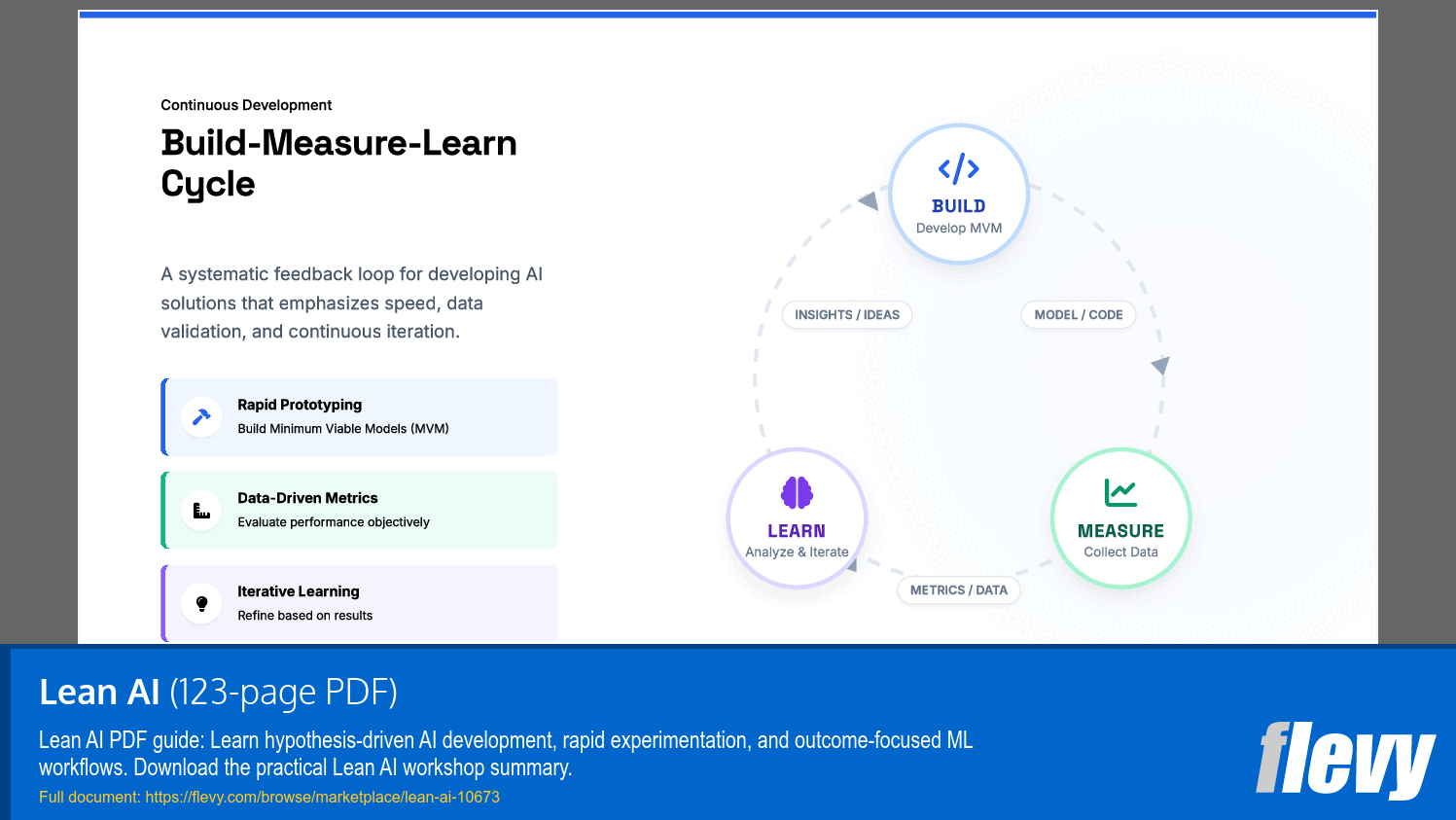
• Build–Measure–Learn loop in AI development
• Integration of measurement across lifecycle stages
• Aligning stakeholders and workflows around continuous feedback
4. Build Phase – Rapid Development and Experimentation
• Establishing baseline solutions
• Prioritizing development tasks using Lean principles
• Efficient experimentation strategies
• Model development checklists and evaluation heuristics
• Balancing speed and quality during iteration
5. Measurement and KPI Design
• Designing meaningful KPIs aligned with business outcomes
• Measurement layers and examples
• Integrating measurement into releases and workflows
• Avoiding common measurement mistakes
• Data-driven decision-making frameworks
6. Iterate Phase – Reproducibility and Experiment Tracking
• Version control for code, data, and models
• Experiment tracking and provenance management
• Reproducibility strategies and validation practices
• Continuous improvement techniques
• Leveraging insights from experimentation cycles
7. Deployment and Operationalization
• Runtime and environment considerations
• Infrastructure-as-code concepts
• Deployment planning and operational readiness
• Creating deployment runbooks and workflows
• Bridging experimentation and production systems
8. Monitoring, Reliability, and Continuous Learning
• Monitoring model performance and system health
• Drift detection and long-term performance evaluation
• Incident response and post-mortem analysis
• Reliability practices for sustainable AI systems
• Embedding continuous improvement into delivery culture
9. Applied Case Studies and Practical Implementation
• Real-world application examples
• Practical tips for integrating Lean AI into existing teams
• Tooling and metrics considerations
• Progressive assets and optional components for advanced workflows
Got a question about the product? Email us at support@flevy.com or ask the author directly by using the "Ask the Author a Question" form. If you cannot view the preview above this document description, go here to view the large preview instead.
Source: Best Practices in Artificial Intelligence, Lean Management PDF: Lean AI PDF (PDF) Document, Swayaan Digital Solutions Pvt Ltd.
ABOUT THE AUTHOR

Ask the Author a Question
You must be logged in to contact the author.




























