
 Click main image to view in full screen. Unlock all 9 preview images:


BENEFITS OF THIS DOWNLOADABLE EXCEL DOCUMENT
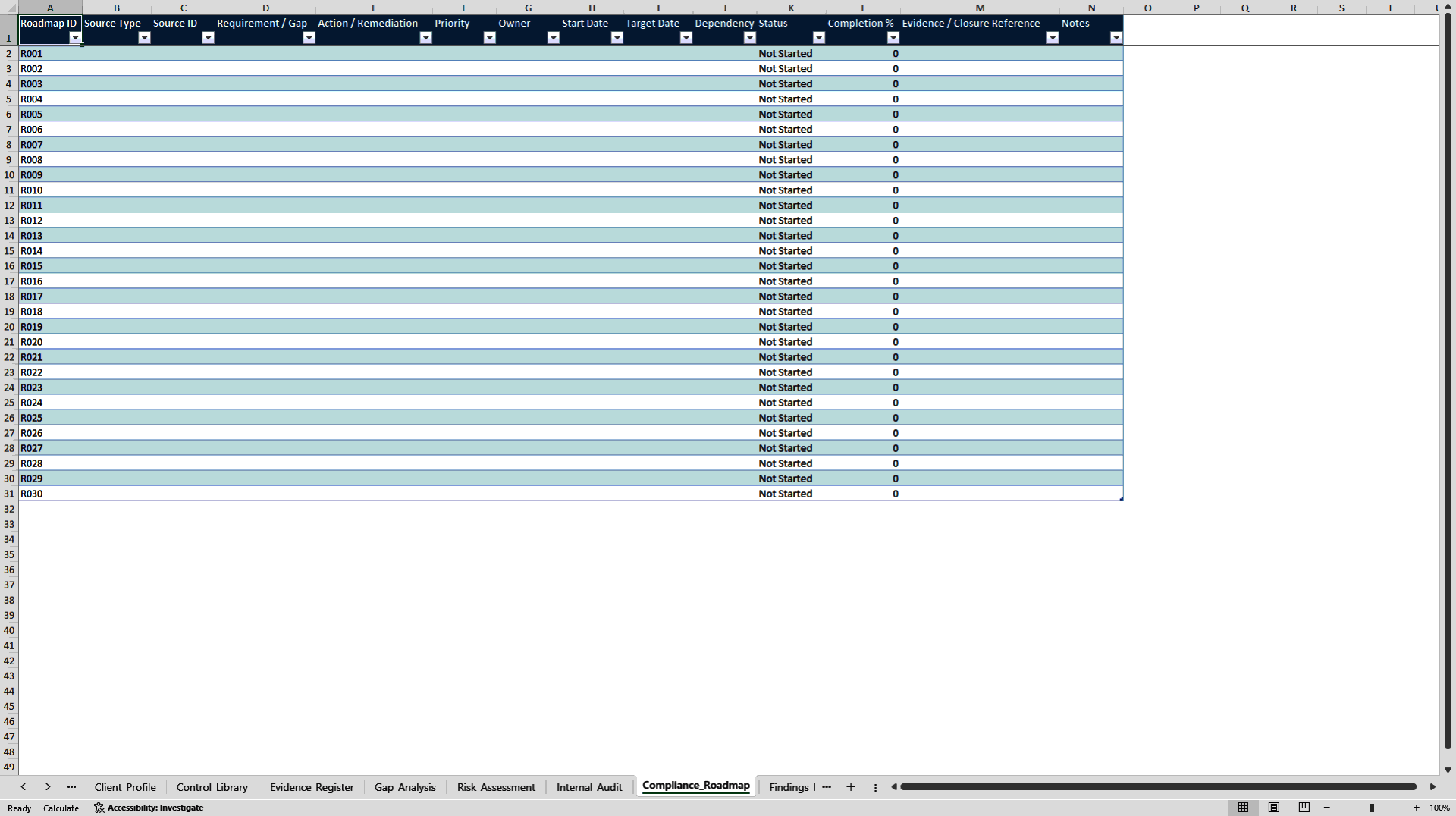
- Roadmap Tracker
- Data Validation & Dropdowns
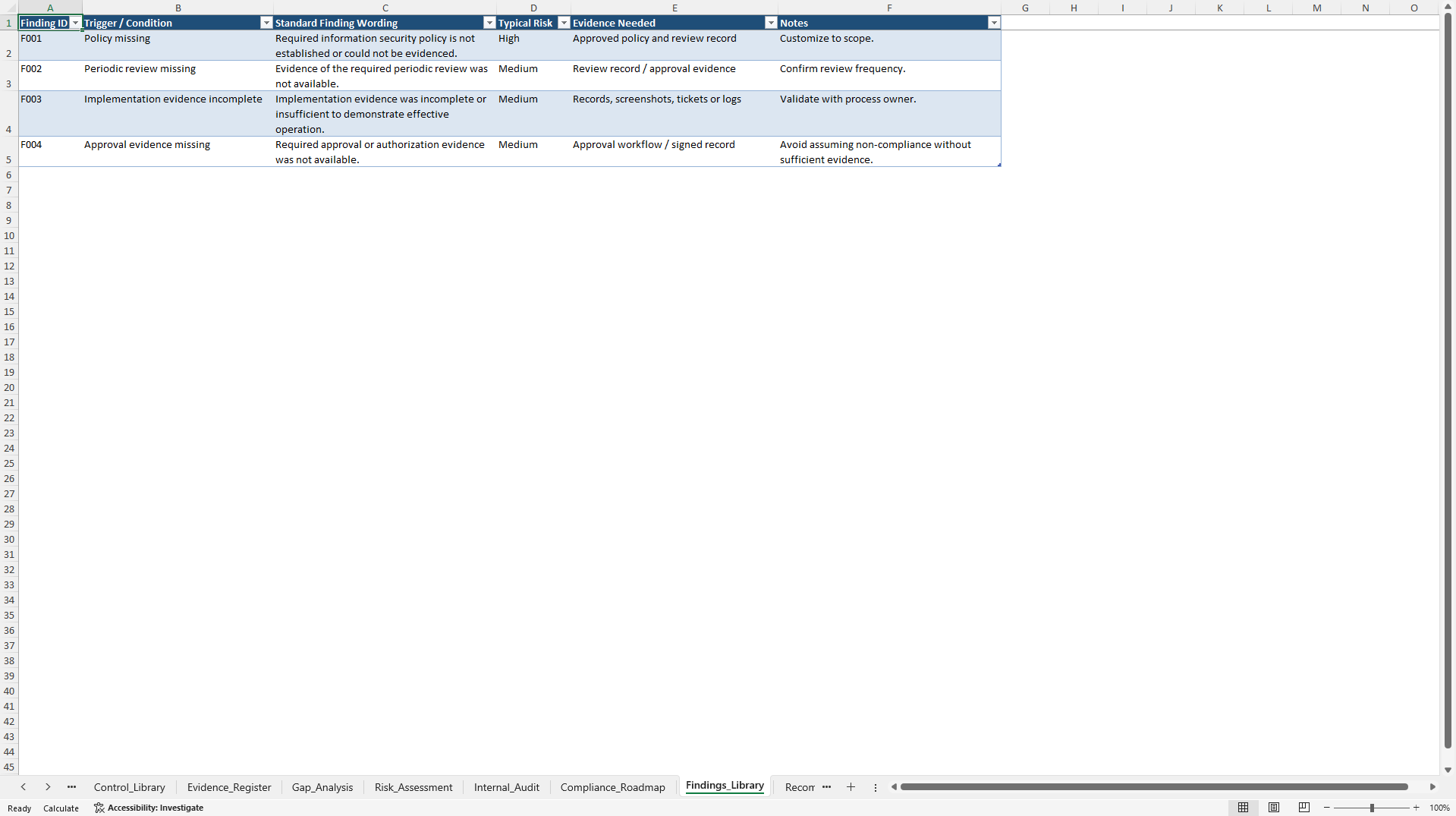
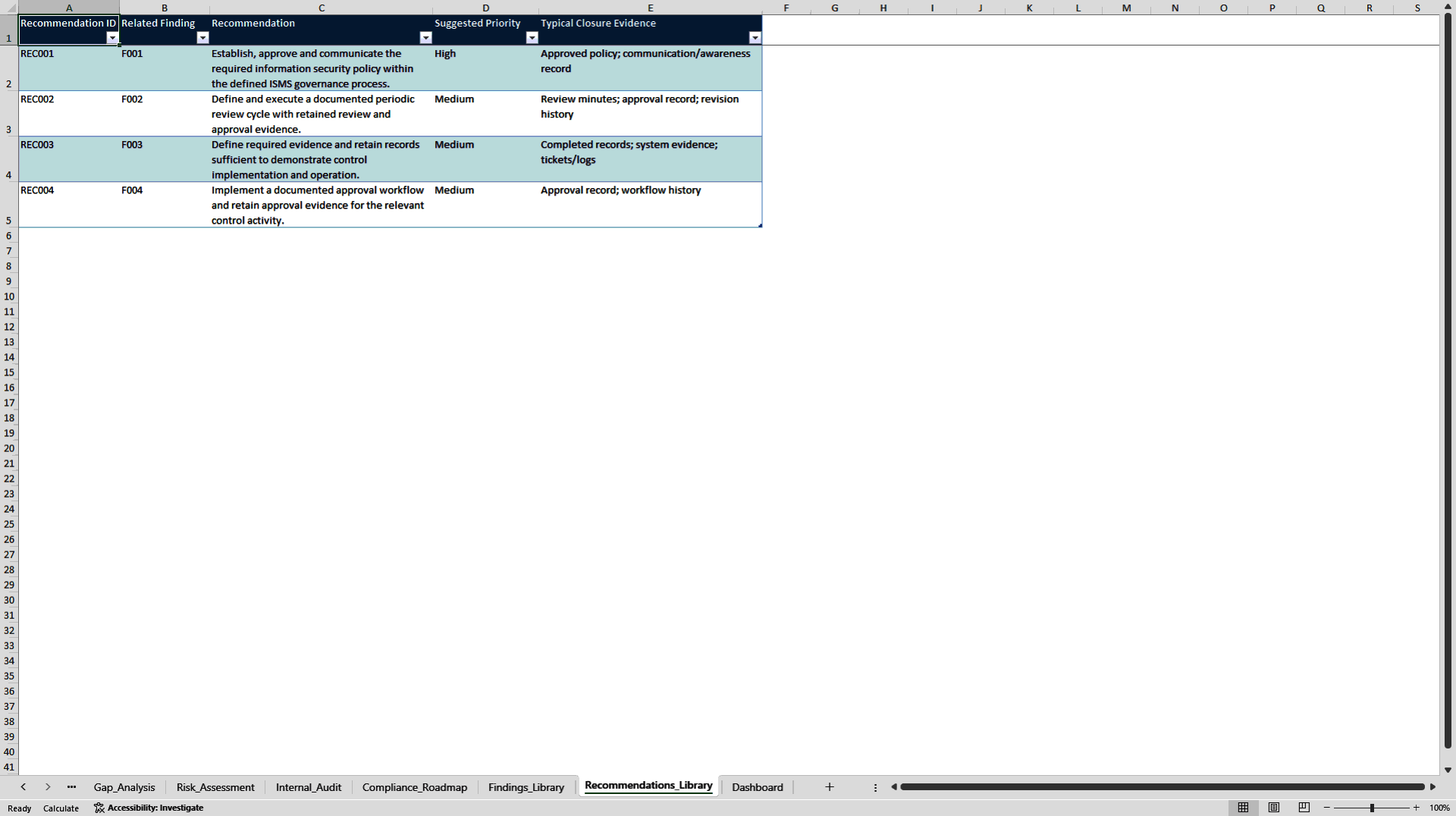
- Findings & Recommendations Libraries
CYBER SECURITY EXCEL DESCRIPTION
Managing an ISO 27001 assessment does not have to mean working across multiple disconnected spreadsheets, manually calculating risk scores, or repeatedly creating the same findings and recommendations for every client.
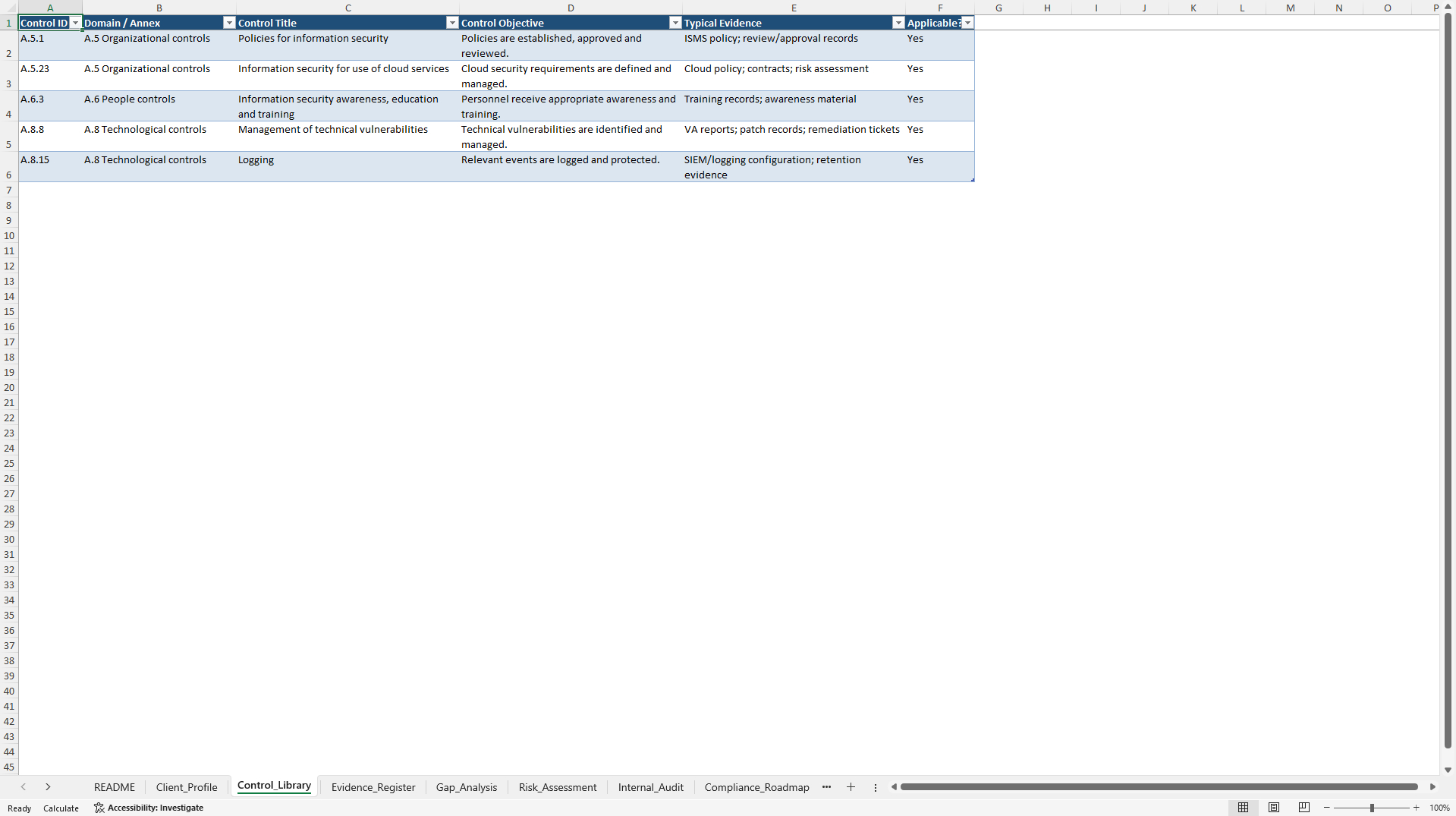
This Excel-based Cybersecurity & ISO 27001:2022 Assessment and Compliance Automation Toolkit is designed to bring the main assessment activities into one structured workbook. It can be used by cybersecurity consultants, GRC professionals, internal auditors, compliance teams, and organizations working toward improving their information security management practices.
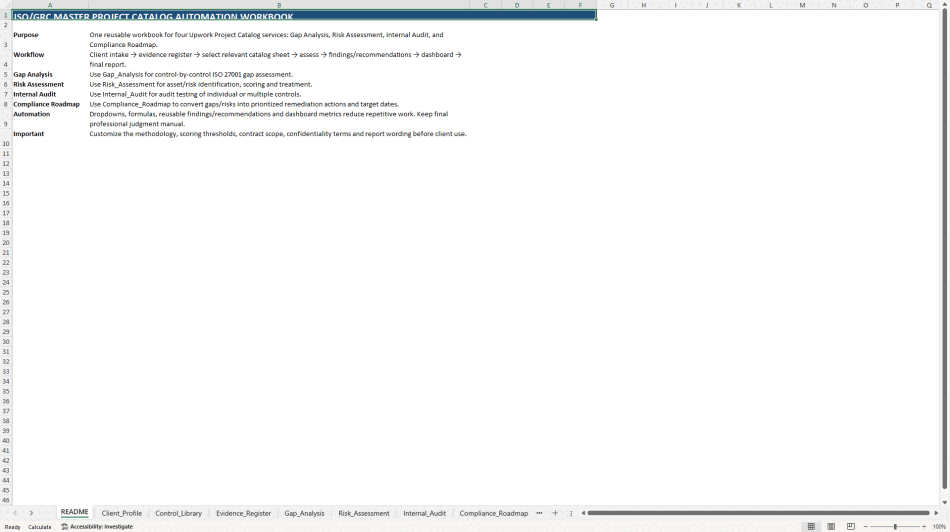
The workbook provides a practical workflow starting from client and assessment information and continuing through evidence collection, control assessment, risk assessment, internal audit, findings, recommendations, remediation planning, and management-level reporting.
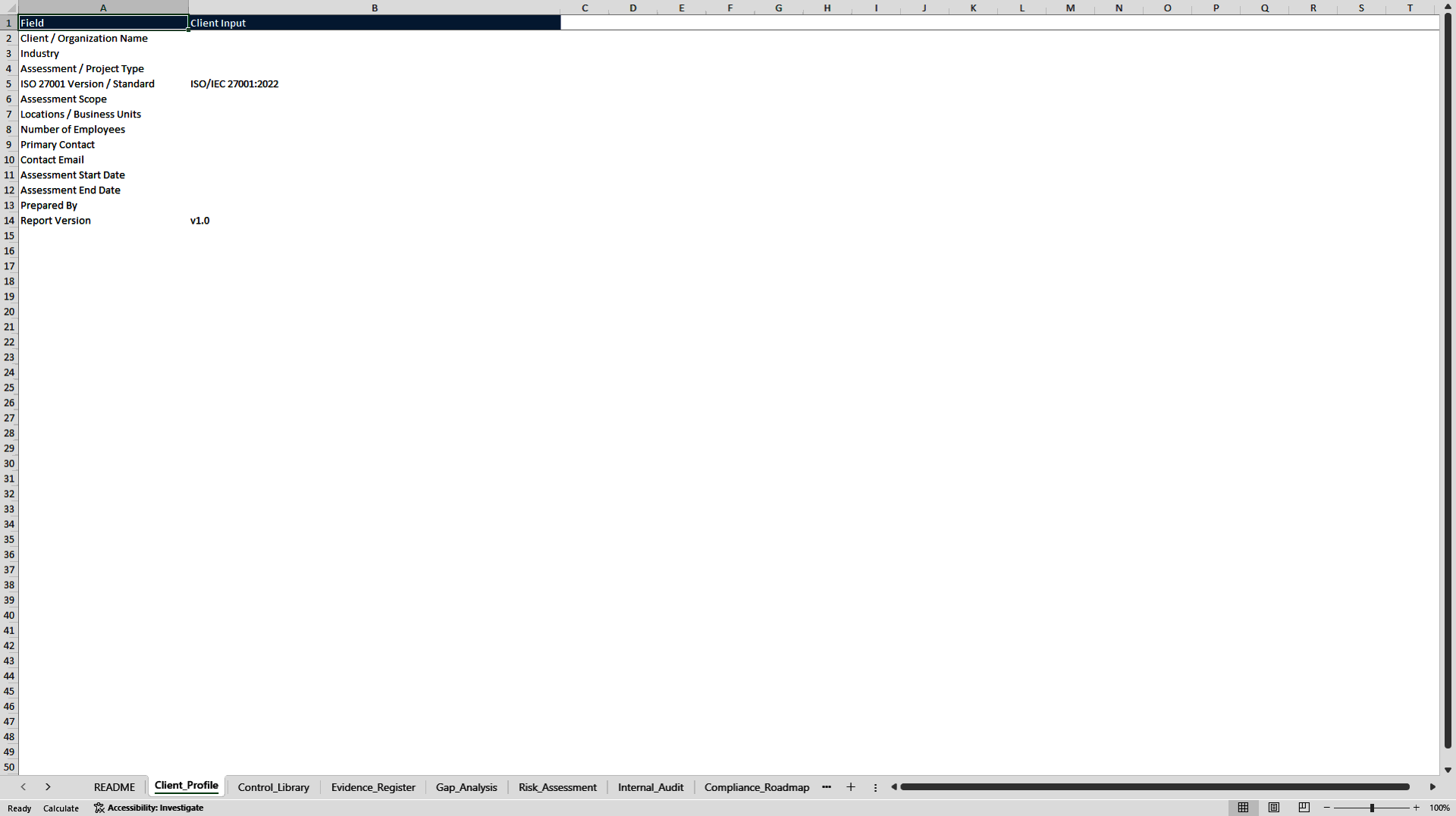
The Client Profile section provides a central place to capture important engagement information such as organization details, assessment scope, framework, assessment period, assessor information, and project status.
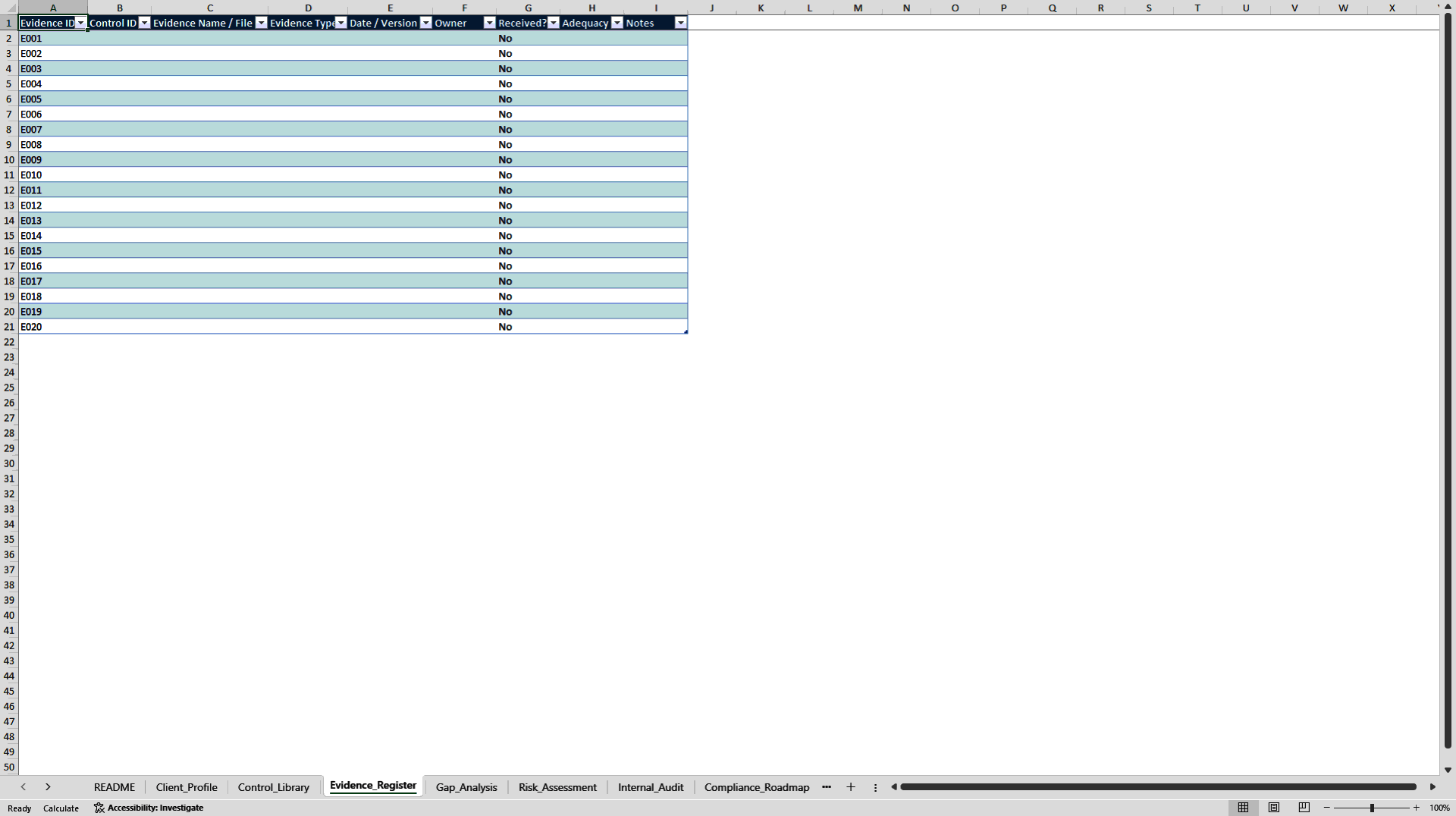
The Evidence Register helps organize evidence collected during an assessment. Evidence can be linked to controls and tracked through its status, source, owner, and notes, making it easier to maintain a consistent assessment record.
The Gap Analysis section is designed to help assess controls against the selected requirements. It captures the control, evidence, assessment status, findings, risk, recommendations, ownership, target dates, and QA status. Built-in formulas and lookup functions help reduce repetitive data entry.
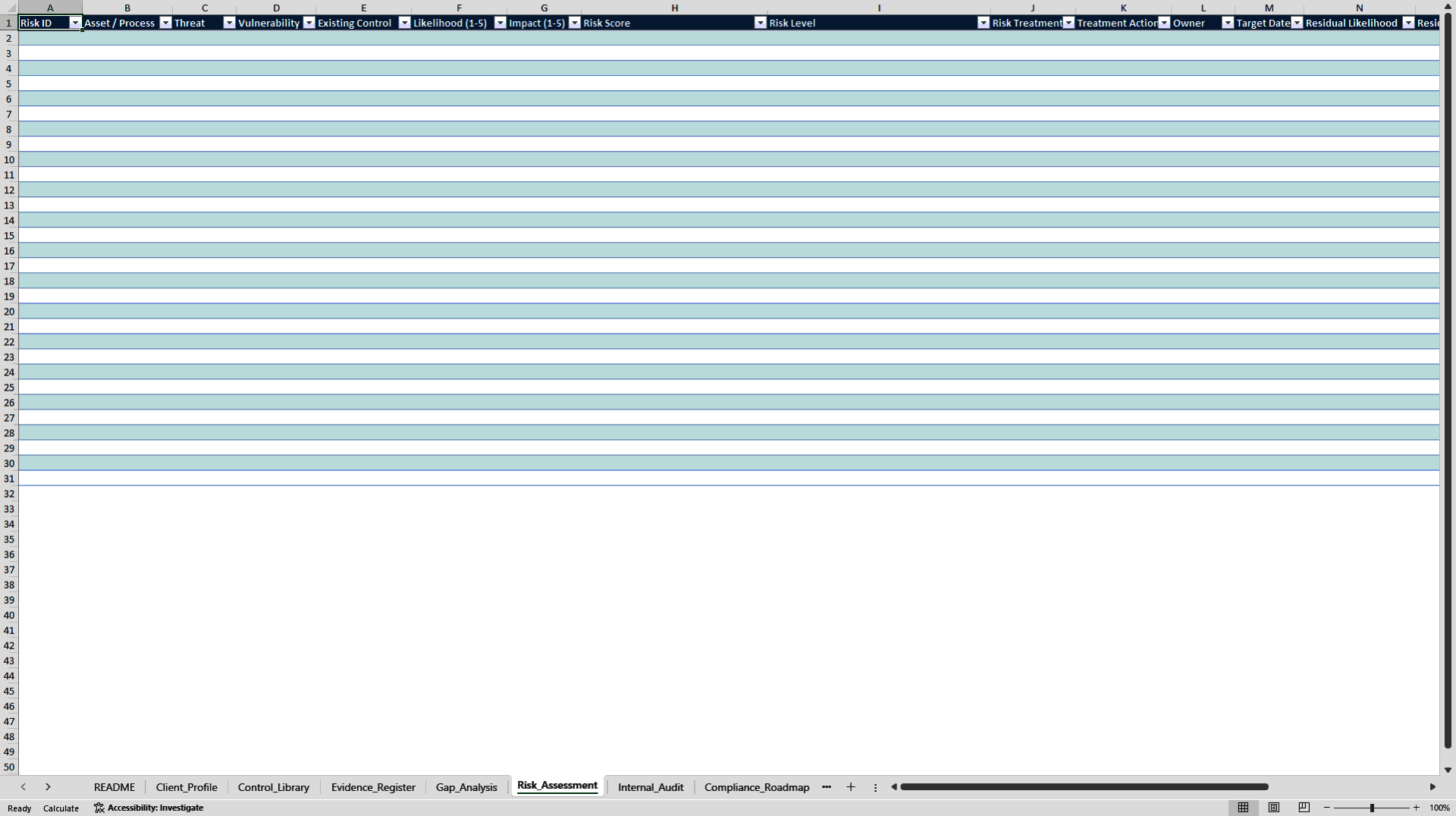
The Risk Assessment section provides a structured approach for recording risks, affected assets, likelihood, impact, inherent risk, treatment decisions, residual risk, owners, and target dates. Risk scores and risk levels are calculated within the workbook to provide a consistent assessment approach.
The Internal Audit section supports audit planning and testing by capturing audit criteria, evidence reviewed, test procedures, results, findings, observations, recommendations, ownership, and follow-up status.
The Compliance Roadmap brings identified gaps and improvement actions together in one place. Actions can be assigned to owners, prioritized, given target dates, tracked by completion percentage, and supported with closure evidence.
The workbook also includes reusable Findings and Recommendations libraries. These can help consultants maintain consistency when documenting recurring cybersecurity and compliance issues rather than starting from scratch for every assessment.
A management Dashboard provides a consolidated view of key assessment information, including gap-analysis activity, significant risks, audit findings, and roadmap progress.
The workbook uses practical Excel functionality such as formulas, dropdown selections, automated risk calculations, lookup-based recommendations, and conditional formatting to make the assessment process more organized and repeatable.
This toolkit is intended to support professional assessment and consulting work. It does not replace auditor judgment, organizational context, formal certification requirements, or professional review. Users should configure the assessment scope, scoring criteria, controls, and methodology according to their organization's requirements.
If you are looking for a structured starting point for conducting ISO 27001 and cybersecurity assessments without building the entire assessment workflow from scratch, this toolkit provides the core framework in one reusable Excel workbook.
Got a question about the product? Email us at support@flevy.com or ask the author directly by using the "Ask the Author a Question" form. If you cannot view the preview above this document description, go here to view the large preview instead.
Source: Best Practices in Cyber Security, ISO 27001 Excel: ISO 27001 Gap Analysis + Risk Register Excel Workbook Excel (XLSX) Spreadsheet, RK




























