
 Click main image to view in full screen. Unlock all 10 preview images:
Financial Governance Re-Engineering for Sustainability – PDF
PDF document + PowerPoint (PPTX) 22 Pages


BENEFITS OF THIS DOWNLOADABLE PDF DOCUMENT
- Provides immediate, ready-to-use blueprint to align corporate financial frameworks with mandatory global rules like EU CSRD and TCFD
- Provide guidance for Consultants and business leaders for successfully transition organizations from risky, short-term ROI metrics to resilient, long-term sustainable yields
- Provides actionable strategies for immediate working capital optimization and revenue diversification through green asset allocation and carbon credit trading
ESG PDF DESCRIPTION
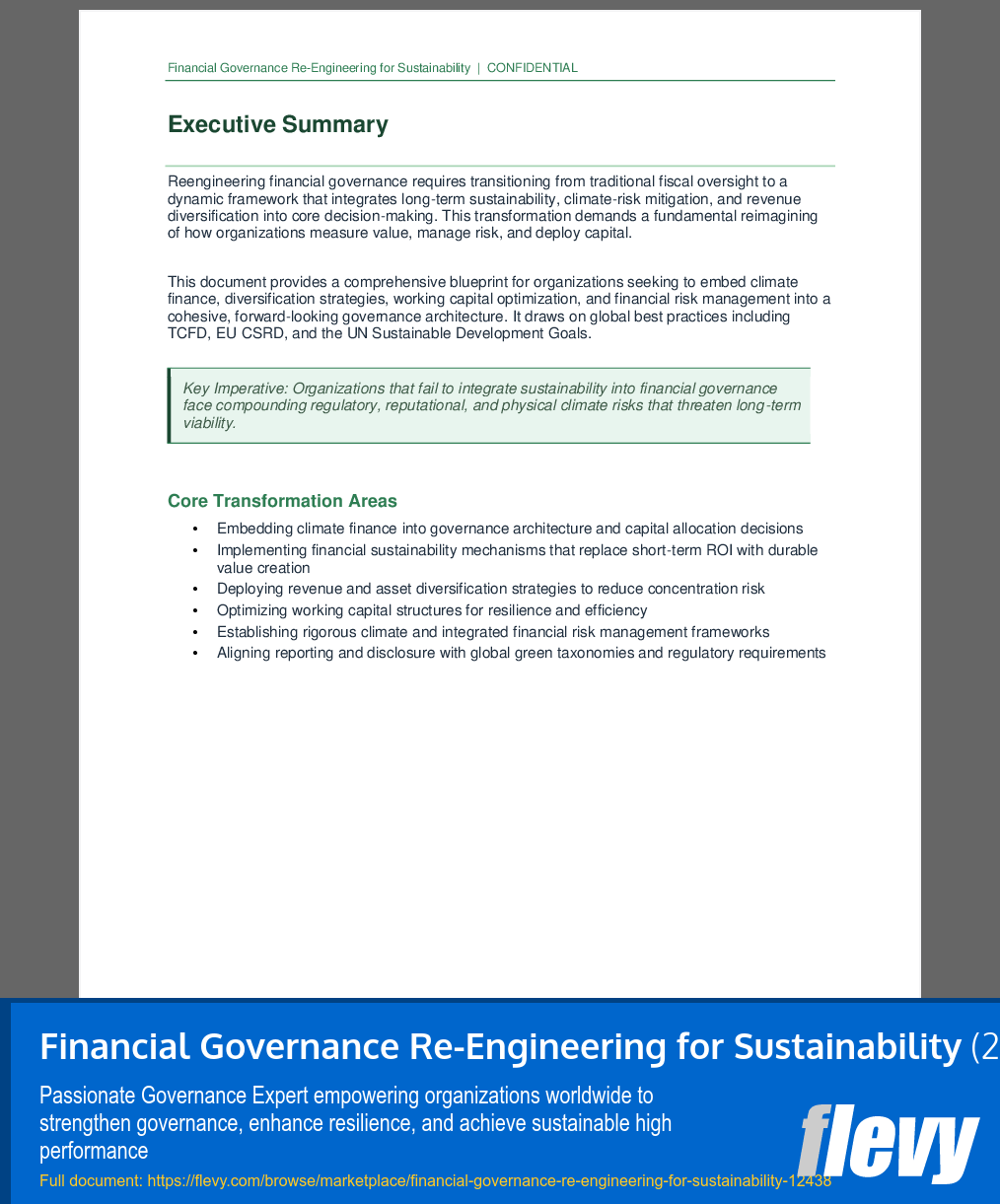
The rules governing financial performance have fundamentally changed. Climate risk is now credit risk. Regulatory disclosure is no longer voluntary. Capital markets are pricing ESG failure into valuations in real time. Yet the majority of organizations continue to manage sustainability from the periphery of their financial governance structures – a misalignment that compounds risk with every passing reporting cycle.
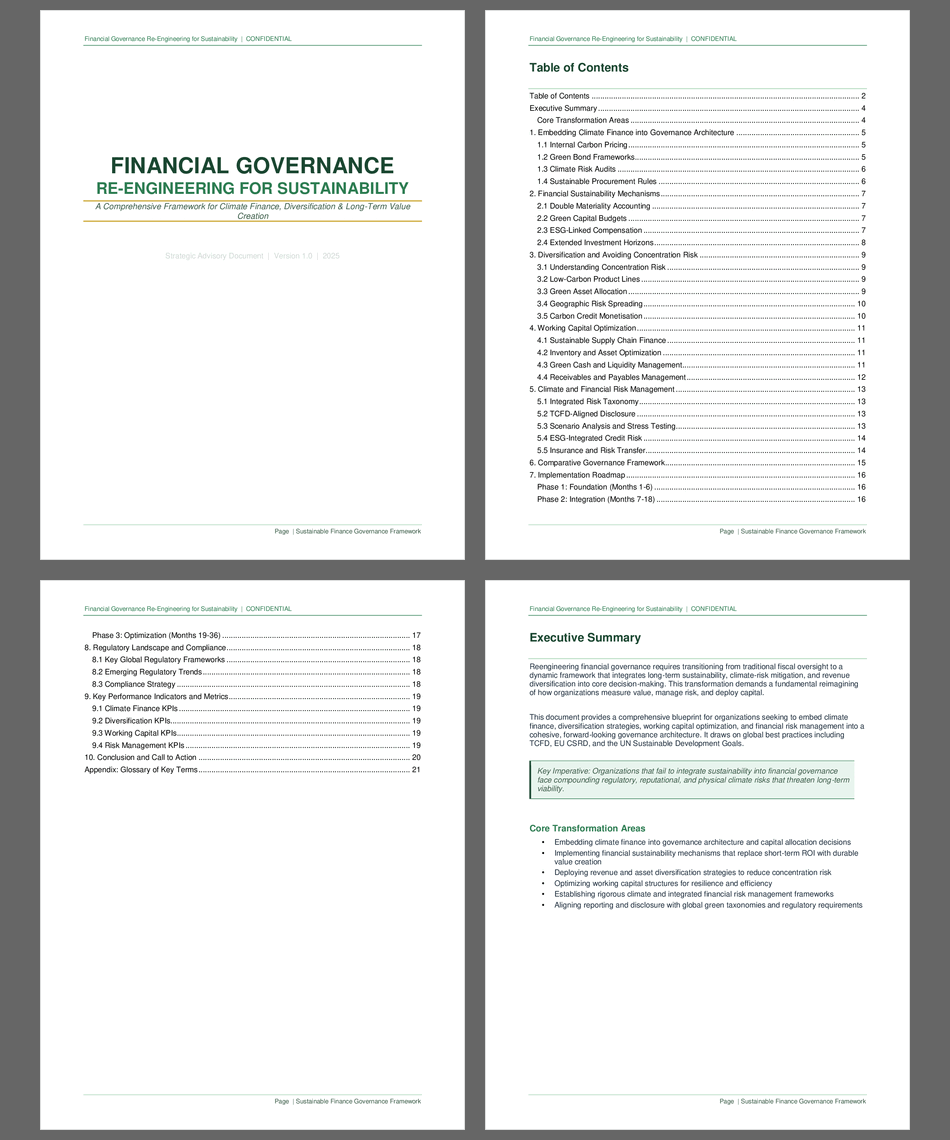
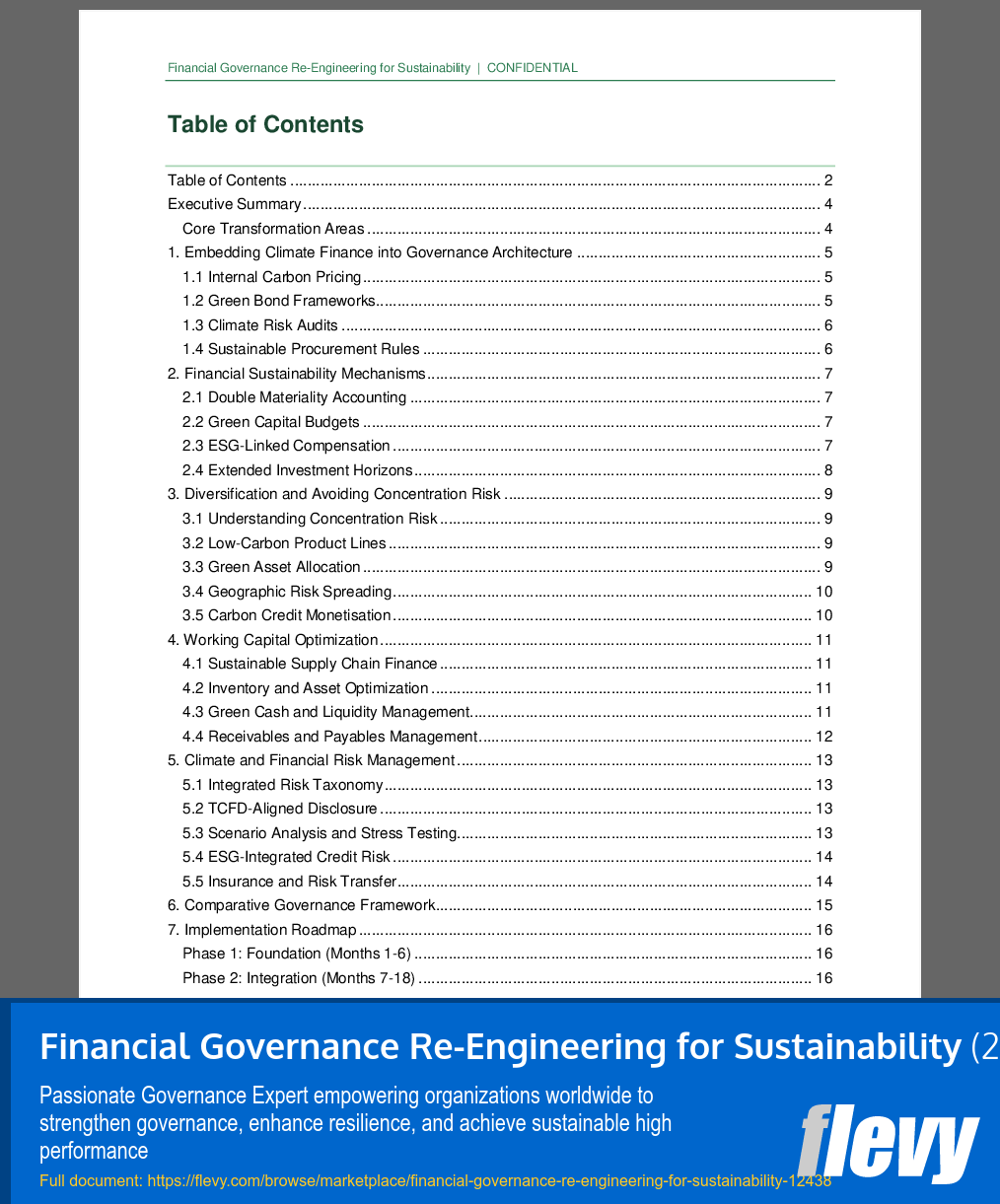
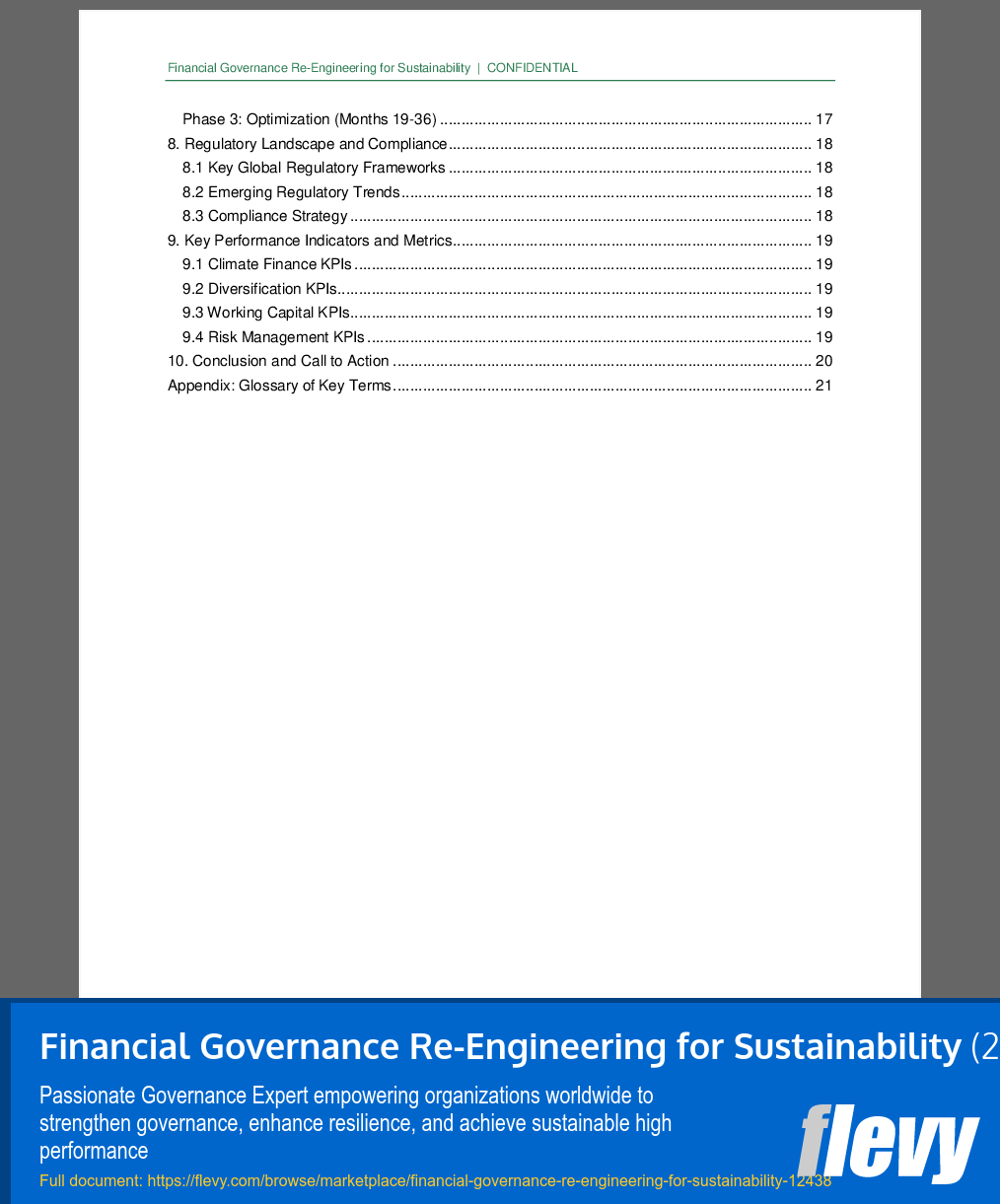
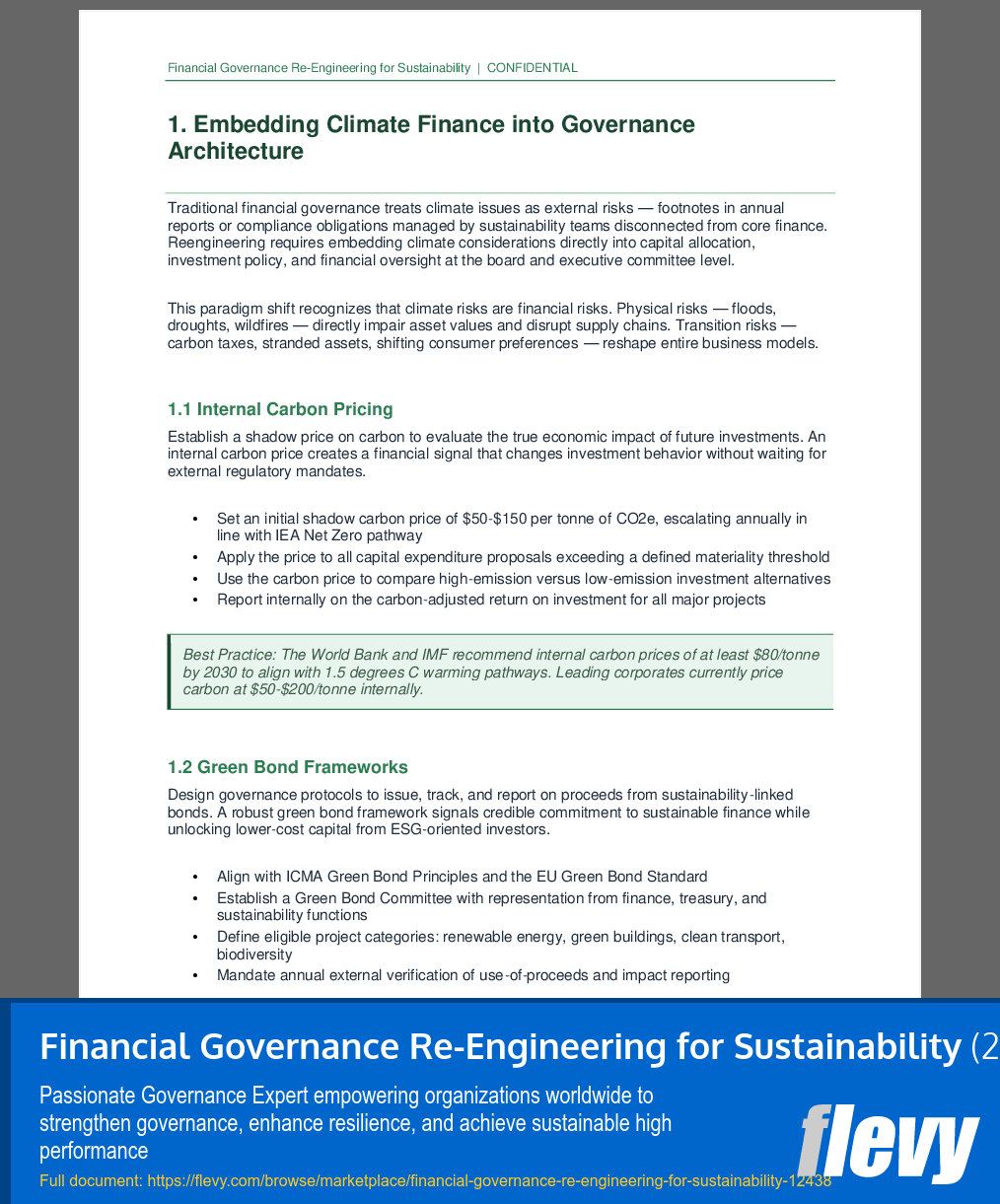
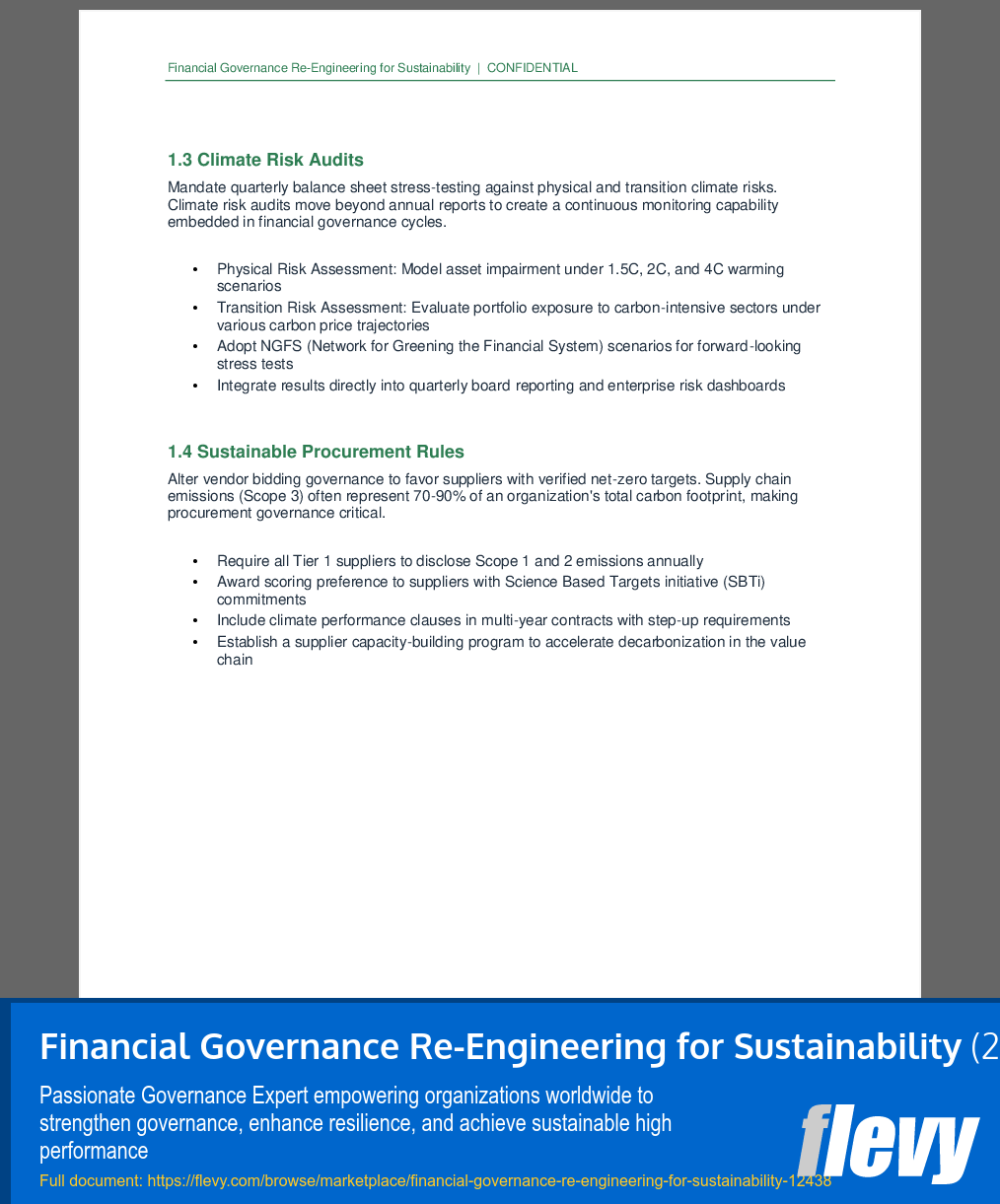
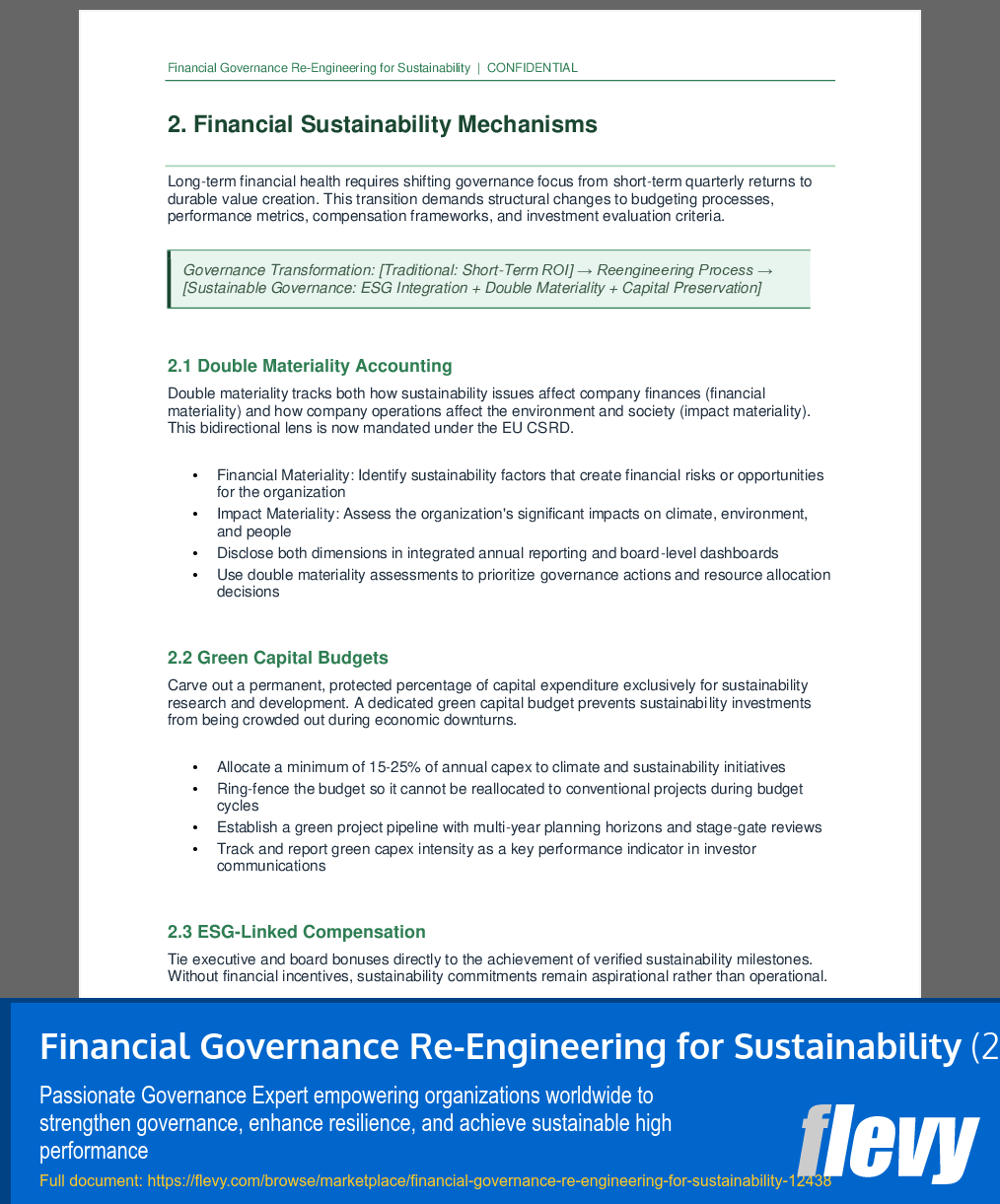
This document provides a comprehensive, practitioner-grade framework for reengineering financial governance from the inside out. It moves beyond generalist ESG commentary to deliver structured, actionable governance architecture – covering climate finance integration, green capital budgeting, double materiality accounting, revenue and asset diversification, working capital optimization, and TCFD-aligned climate risk management. Each section is grounded in global regulatory standards including the EU CSRD, ISSB IFRS S1 and S2, and the Science Based Targets initiative.
Readers will walk away with a clear transformation roadmap, a comparative governance framework mapping traditional versus reengineered approaches across eight critical pillars, and a KPI dashboard spanning climate finance, diversification, liquidity, and risk management. Whether you lead finance, strategy, risk, or sustainability – this document gives you the language, the logic, and the implementation blueprint to align your governance with the demands of the next decade.
Got a question about the product? Email us at support@flevy.com or ask the author directly by using the "Ask the Author a Question" form. If you cannot view the preview above this document description, go here to view the large preview instead.
Source: Best Practices in ESG, Governance PDF: Financial Governance Re-Engineering for Sustainability PDF (PDF) Document, Patrick Gitau




























