
Editor Summary
Effective Communication Styles is a 113-slide PowerPoint module that teaches workplace communication processes, metamessages, hierarchical vs.
Read moreegalitarian styles, and strategies to adapt styles. Includes a communication style assessment template, guidelines for adapting styles, feedback frameworks, and resources for ongoing development. Target users include individual communicators, managers, and cross-functional teams for onboarding, performance reviews, and meeting preparation. Reflects McKinsey/Bain/BCG-quality presentation standards and is sold as a digital download on Flevy.
Use this module when teams or leaders need to diagnose and improve how messages are sent and received — for example during onboarding, appraisals, or before cross-functional meetings.
Individual contributors assessing and expanding their style by completing a communication style assessment template.
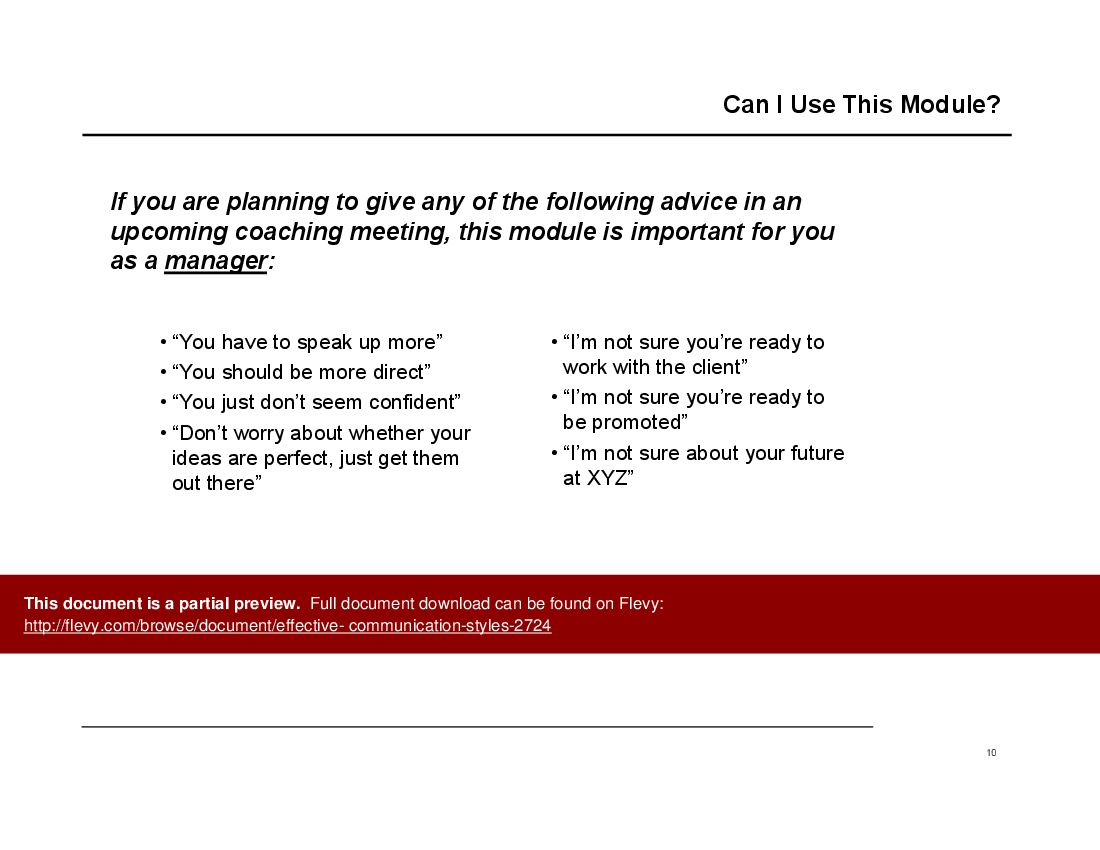
Managers preparing performance reviews and coaching conversations using the provided feedback frameworks.
HR or L&D professionals designing onboarding or skill workshops that include role-playing and adaptation exercises.
The module’s structured diagnostics, emphasis on assessment and coaching, and agenda-driven workshop design mirror consulting-style diagnostic-and-coaching practices used at McKinsey, Bain, and BCG.
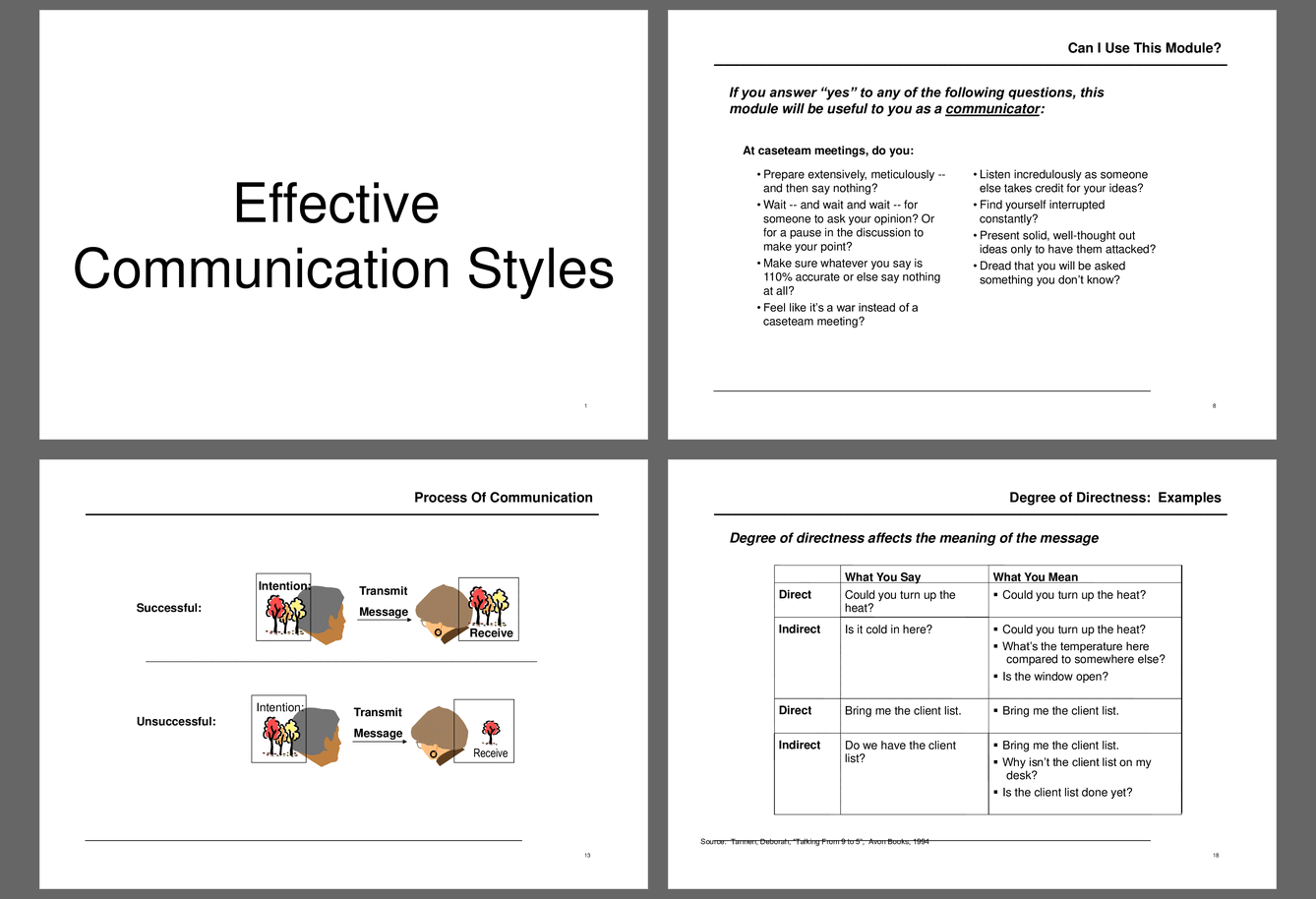
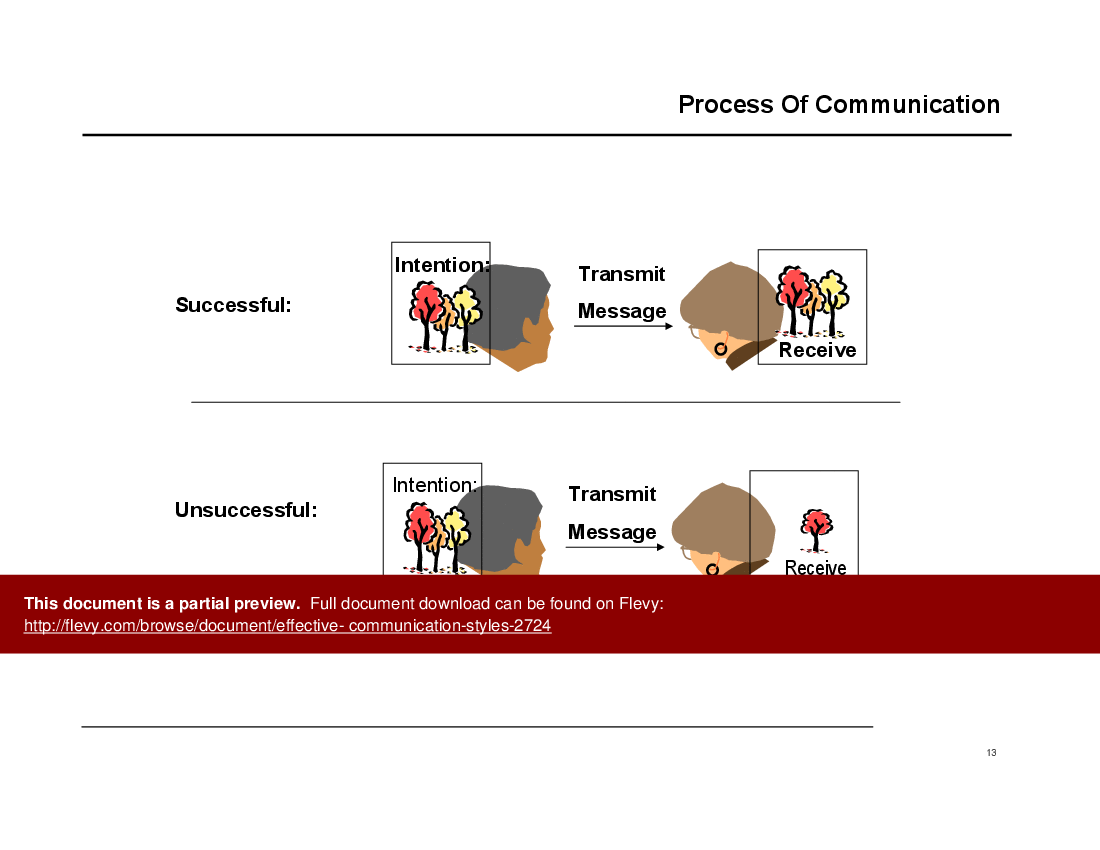
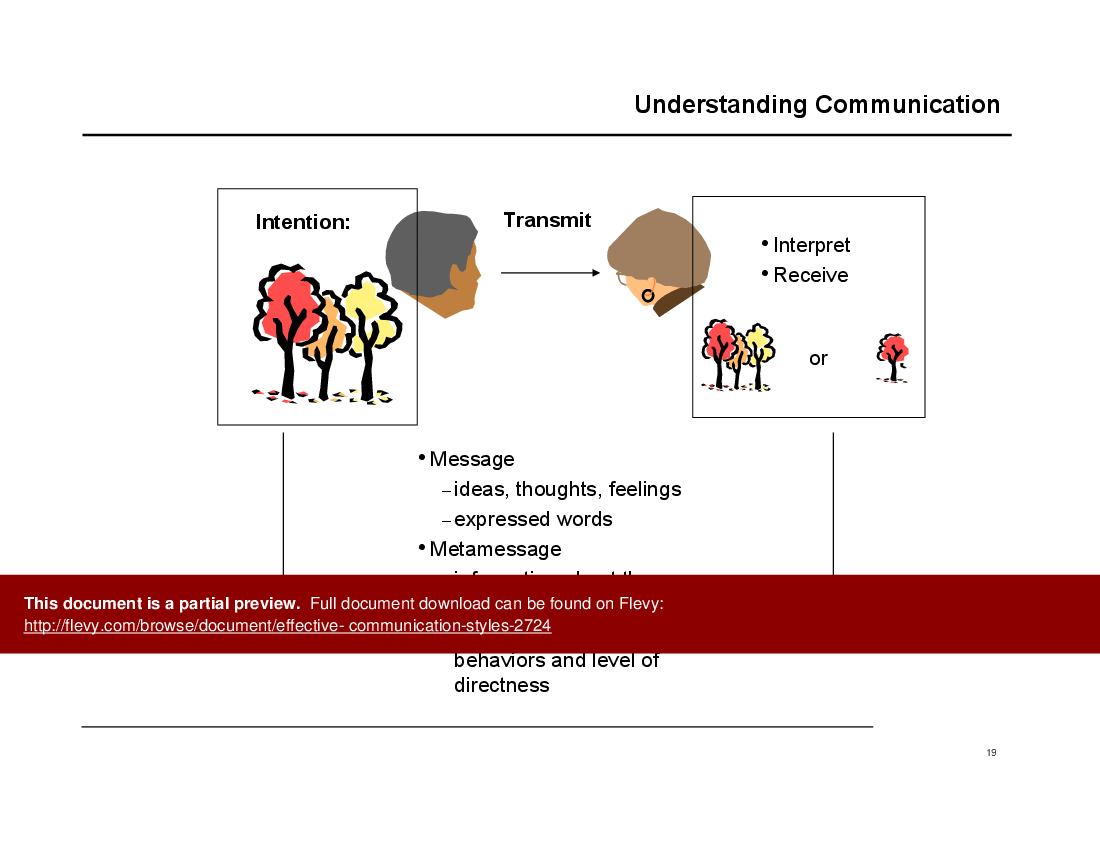
For communication to be effective, the listener must receive the message the speaker transmits in the way the speaker intends
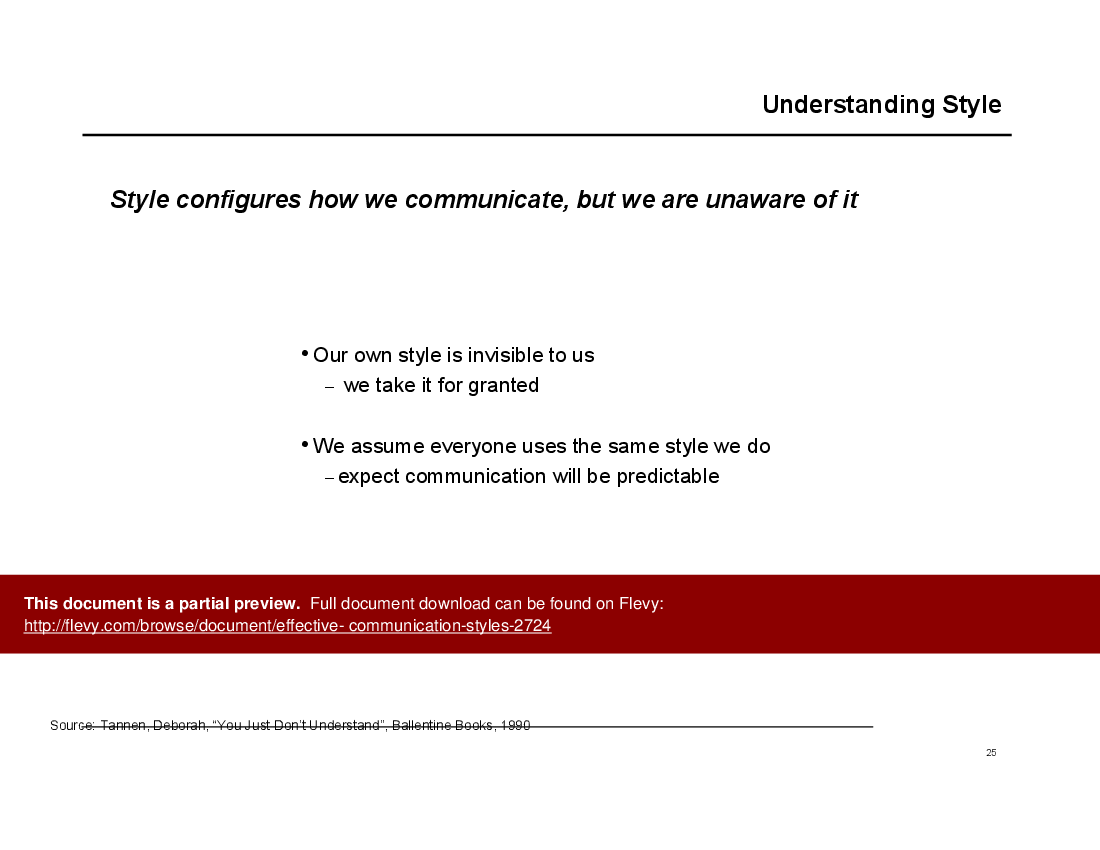
Communication breaks down if the listener and the speaker do not share the same communication style what is transmitted is not what is received
You can increase your effectiveness in communicating by understanding your listener?s communication style and expanding your ability to communicate in your listener?s style
This document provides a comprehensive overview of how communication works, breaking down the process into clear, understandable steps. It delves into the nuances of communication and perception, emphasizing how different styles can impact workplace dynamics. The module is particularly useful for managers, offering practical advice on addressing style concerns during appraisal and coaching sessions. By understanding and describing XYZ's primary communication style, managers can better assess individual characteristics and provide alternatives to increase overall effectiveness.
The document also highlights the importance of understanding your individual communication style. It encourages self-assessment and feedback from others to gain a clearer picture of your conversational habits. This understanding is crucial for adapting and expanding your communication style to fit different situations and environments. The goal is not to change your style, but to develop flexibility and the ability to communicate successfully in various contexts.
Moreover, the document addresses the potential consequences of operating outside the group norm. Style clashes can lead to misunderstandings, discomfort, and frustration, impacting performance and perception. By recognizing these challenges, you can take proactive steps to align your communication style with the group's expectations, thereby enhancing your effectiveness and reducing the risk of miscommunication.
The module provides actionable tips for increasing participation in meetings and gaining recognition for your work. It emphasizes the importance of speaking up, initiating ideas, and claiming ownership of your contributions. By following these guidelines, you can ensure that your ideas are heard and valued, ultimately leading to greater professional success and satisfaction.
Got a question about the product? Email us at support@flevy.com or ask the author directly by using the "Ask the Author a Question" form. If you cannot view the preview above this document description, go here to view the large preview instead.
MARCUS OVERVIEW
This synopsis was written by Marcus [?] based on the analysis of the full 113-slide presentation.
Executive Summary
This presentation titled "Effective Communication Styles" is designed to enhance workplace communication through a structured approach, reflecting the quality and rigor typical of a McKinsey, Bain, or BCG-quality presentation (consulting-grade; not affiliated). It focuses on understanding various communication styles, their impact on workplace dynamics, and strategies to improve interactions. By mastering these styles, participants will be equipped to communicate more effectively, fostering better relationships and collaboration within their teams.
Who This Is For and When to Use
• Communicators seeking to improve their effectiveness in conveying messages.
• Individuals struggling to adapt to XYZ’s predominant communication style.
• Managers overseeing communicators and aiming to enhance team dynamics.
• Teams engaged in cross-functional projects requiring clear communication.
Best-fit moments to use this deck:
• During onboarding sessions to familiarize new employees with communication norms.
• In performance reviews to address communication-related feedback.
• When preparing for team meetings to align communication strategies.
Learning Objectives
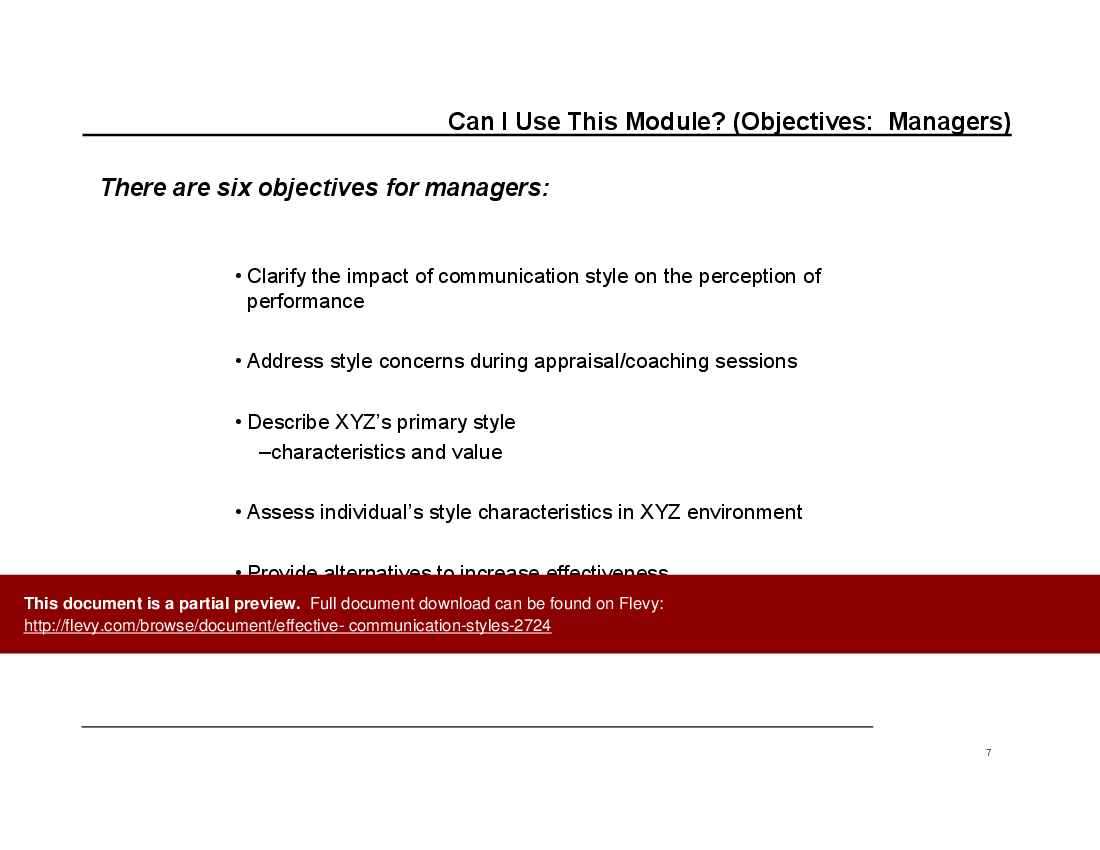
• Define the impact of communication styles on workplace performance.
• Identify key elements of different communication styles.
• Recognize XYZ’s primary communication style and its characteristics.
• Assess personal communication strengths and weaknesses within XYZ.
• Identify resources to build communication skills effectively.
Table of Contents
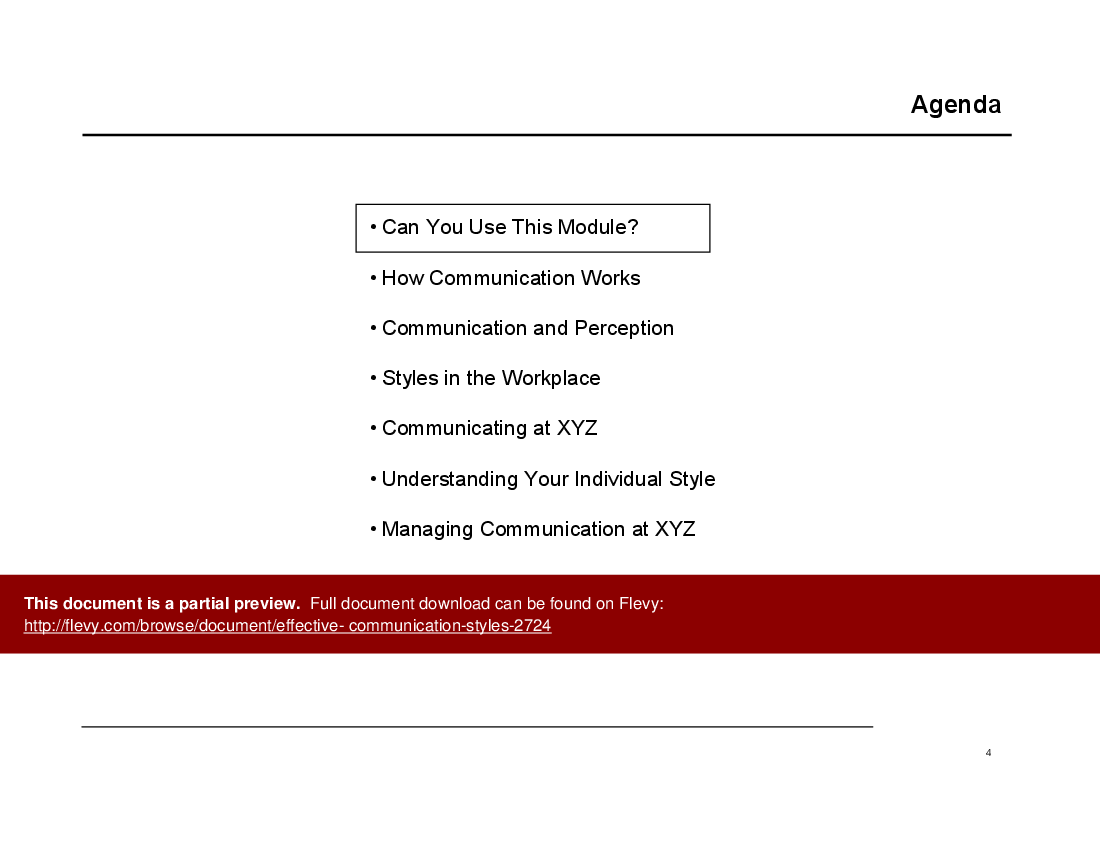
• Can You Use This Module? (page 5)
• How Communication Works (page 12)
• Communication and Perception (page 31)
• Styles in the Workplace (page 39)
• Communicating at XYZ (page 72)
• Understanding Your Individual Style (page 75)
• Managing Communication at XYZ (page 93)
Primary Topics Covered
• Communication Process - Understanding how messages are transmitted and received, emphasizing the importance of matching communication styles for effectiveness.
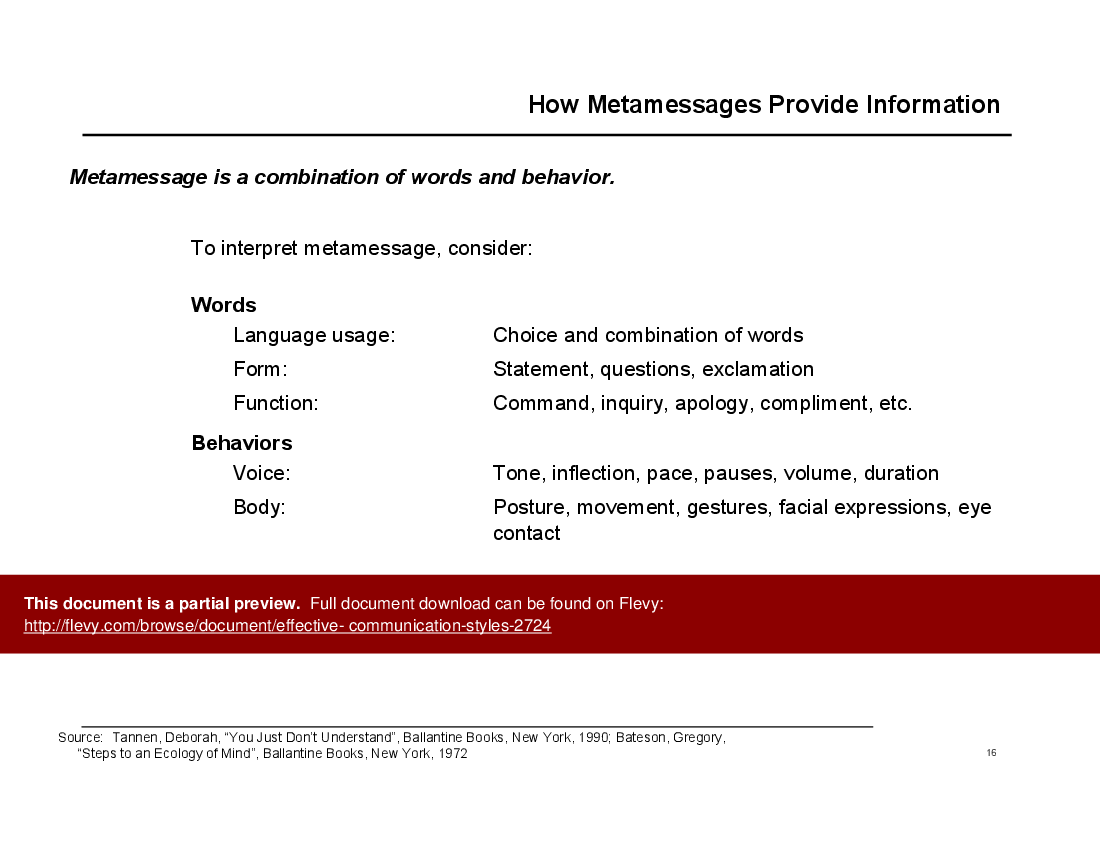
• Metamessages - Exploring the dual levels of communication: the message itself and the underlying information about the interaction.
• Communication Styles - Identifying hierarchical and egalitarian styles, their characteristics, and how they influence workplace interactions.
• Impact of Style on Perception - Analyzing how communication styles affect perceptions of competence and effectiveness in the workplace.
• Adapting to Audience - Strategies for expanding personal communication styles to better match those of listeners for improved effectiveness.
• Coaching Communication - Techniques for managers to address communication style clashes and enhance team performance.
Deliverables, Templates, and Tools
• Communication style assessment template to evaluate personal strengths and weaknesses.
• Guidelines for adapting communication styles to fit different workplace scenarios.
• Feedback frameworks to help managers address communication issues constructively.
• Resources for ongoing communication skill development, including workshops and coaching.
Slide Highlights
• Overview of the communication process illustrating successful vs. unsuccessful interactions.
• Examples of direct vs. indirect communication styles and their implications.
• Visual representation of hierarchical vs. egalitarian communication styles and their characteristics.
• Case studies showcasing the impact of communication style clashes in meetings.
Potential Workshop Agenda
Understanding Communication Styles (90 minutes)
• Introduction to communication styles and their importance.
• Group discussion on personal experiences with communication challenges.
• Interactive activities to identify and practice different styles.
Effective Communication Strategies (60 minutes)
• Techniques for adapting communication to different audiences.
• Role-playing scenarios to practice new communication approaches.
• Feedback session to discuss insights and improvements.
Customization Guidance
• Tailor the examples and scenarios to reflect specific team dynamics and challenges at XYZ.
• Adjust the communication style assessment to align with the unique culture of XYZ.
• Incorporate specific feedback mechanisms relevant to the organization’s performance review process.
Secondary Topics Covered
• The role of gender in communication styles and perceptions.
• Strategies for managing communication in diverse teams.
• The importance of cultural awareness in communication practices.
• Techniques for providing constructive feedback based on communication styles.
Topic FAQ
What are metamessages and why do they matter in workplace communication?
Metamessages are the underlying signals about the interaction—tone, body language, and relational cues—that accompany spoken words. They help explain why identical messages can be received differently and are important for interpreting intent and emotional context; the concept is covered under the module’s metamessages content and glossary entry for metamessages.
How do hierarchical and egalitarian communication styles differ in practice?
Hierarchical style emphasizes status, authority, and top-down signals, while egalitarian style promotes equal participation and collaboration. These differences affect meeting dynamics, perceived competence, and interaction patterns; the presentation includes visual representations comparing hierarchical and egalitarian communication styles.
How can I expand my communication style to better match different audiences?
Practical steps include diagnosing your default tendencies, using self- and peer-assessments, practicing alternative approaches in role-plays, and soliciting structured feedback. Flevy's Effective Communication Styles outlines assessment and practice methods and provides a communication style assessment template to support this work.
What techniques should managers use to coach employees on communication style differences?
Managers should start with clear observation, describe the other person’s style, offer concrete alternatives, and use structured feedback during appraisals or coaching sessions. The module provides coaching techniques and feedback frameworks to guide these conversations, including examples for performance review contexts and feedback frameworks.
What should I look for when choosing a communication styles training deck for my company?
Look for coverage of the communication process, metamessages, style types (direct/indirect, hierarchical/egalitarian), assessment tools, feedback frameworks, and customization guidance for your culture. The presence of a communication style assessment template and adaptation guidelines are practical indicators of coverage.
How does a template-based training compare to an in-person workshop for developing communication skills?
Templates provide diagnostics, assessments, and structured materials that support repeatable practice and customization, while workshops add live role-playing and facilitated feedback. The product combines both approaches with slide content plus a Potential Workshop Agenda that includes a 90-minute session and a 60-minute session.
What content belongs in onboarding material to teach new hires communication norms?
Onboarding should cover how communication works, metamessages, local norms (e.g., direct vs. indirect), examples of style clashes, and simple self-assessment activities. Including the communication process overview and a short assessment helps new hires map expectations, supported by the module’s communication process slides and assessment template.
After a merger, how can teams address communication style clashes in meetings?
Start by diagnosing each group’s dominant styles, share examples and case studies of clashes, practice adaptation techniques via role-plays, and implement structured feedback to align behaviors. The module includes case studies on style clashes and offers feedback frameworks to guide post-merger alignment efforts.
Document FAQ
These are questions addressed within this presentation.
What is the primary goal of this module?
The primary goal is to enhance communication effectiveness by understanding and adapting to different communication styles within the workplace.
Who can benefit from this presentation?
Both individual communicators and managers can benefit, as it addresses common challenges in communication and provides actionable strategies for improvement.
How can I assess my communication style?
Utilize the provided assessment template to evaluate your strengths and weaknesses in communication, focusing on how you interact in various situations.
What are metamessages, and why are they important?
Metamessages convey information about the interaction itself, such as the relationship dynamics and emotional tone, which are crucial for interpreting the intended meaning of messages.
How does communication style impact workplace perception?
Different styles can lead to varying perceptions of competence; matching styles can enhance credibility and effectiveness in interactions.
What resources are available for further development?
Human Resources offers coaching, workshops, and external training classes to support ongoing communication skill development.
Can I change my communication style?
While changing your core style may be challenging, you can expand your style to adapt to different environments and improve effectiveness.
What should I do if I encounter a communication clash?
Focus on understanding the other person's style and adapt your approach to facilitate better communication and collaboration.
Glossary
• Communication Style - The characteristic way in which individuals express themselves and interact with others.
• Metamessage - The underlying message conveyed through tone, body language, and context, in addition to the spoken words.
• Hierarchical Style - A communication approach that emphasizes status and authority in interactions.
• Egalitarian Style - A communication approach that promotes equal status and collaboration among participants.
• Direct Communication - A style characterized by clear, straightforward expression of thoughts and ideas.
• Indirect Communication - A style that relies on subtlety and context, often requiring interpretation.
• Feedback Framework - A structured approach for providing constructive criticism and support in communication.
• Cultural Awareness - Understanding and respecting the diverse communication styles influenced by cultural backgrounds.
• Coaching - A process of guiding individuals to improve their communication skills and effectiveness.
• Performance Review - A formal evaluation of an employee's work performance, often including feedback on communication skills.
• Adaptation - The ability to modify one's communication style to better suit the audience or context.
• Conflict Resolution - Techniques used to address and resolve misunderstandings or disagreements arising from communication differences.
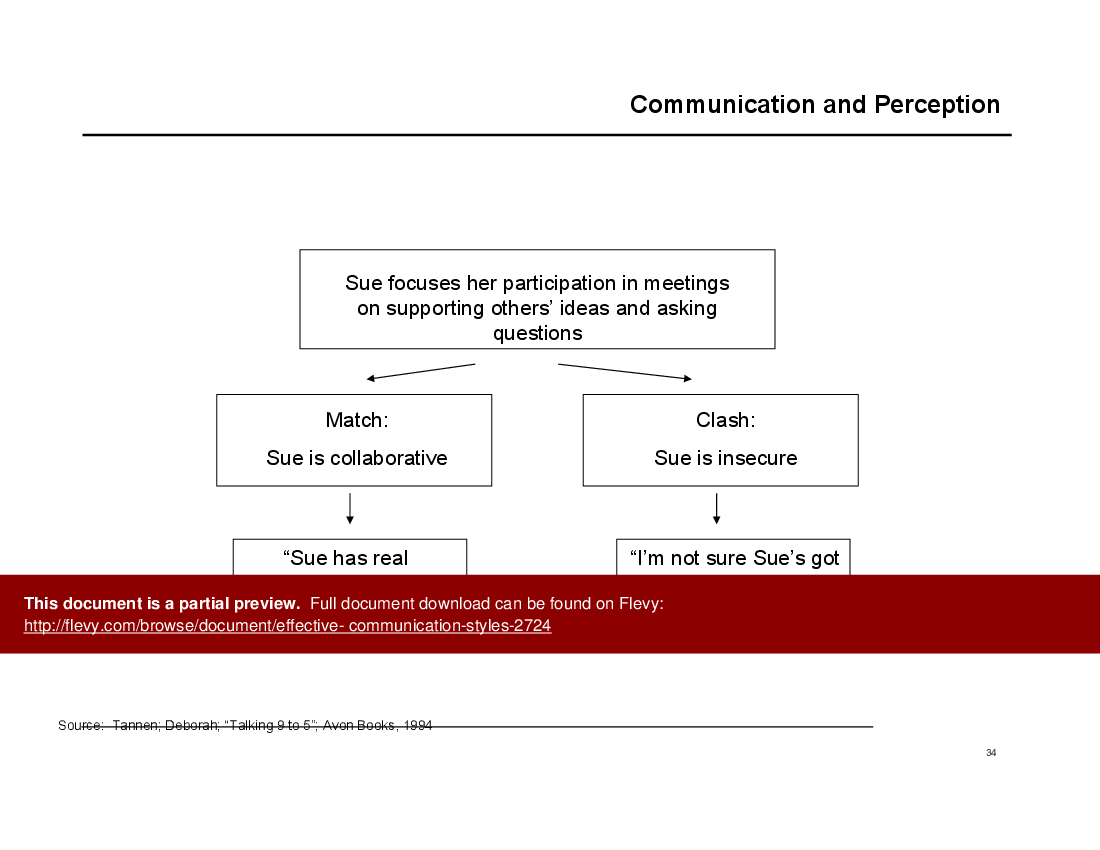
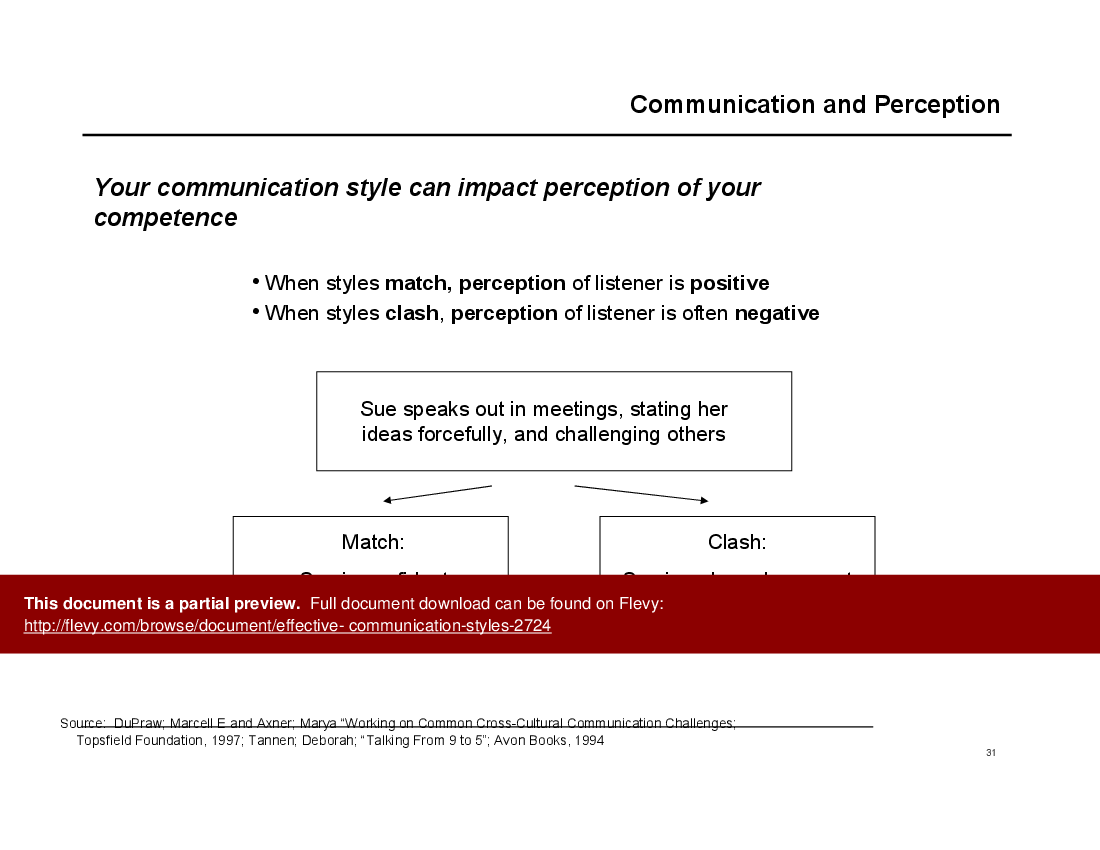
This PPT slide highlights the relationship between communication style and perceived competence, presenting 2 scenarios: aligned communication styles and clashing styles. Aligned styles lead to positive perceptions, while clashing styles result in negative perceptions. For example, Sue's assertive communication can be seen as confident by aligned listeners or as rude by those with mismatched styles. This duality emphasizes the importance of understanding one’s own communication style and that of others. Effective communication involves not only the content, but also the reception, influencing professional relationships and effectiveness. Adaptability in communication approaches enhances perceptions of competence and fosters better interactions among team members and stakeholders.
This PPT slide analyzes 2 communication styles: Hierarchy and Equality. The Hierarchy style focuses on achieving high status, with individuals asserting ideas forcefully and delivering commands. This approach fosters competition and emphasizes personal recognition. In contrast, the Equality style promotes equal status among group members, encouraging supportive dialogue and collaborative suggestions. This style downplays certainty and fosters shared credit and support. Recognizing the implications of these styles is essential for enhancing group dynamics, decision-making processes, and team cohesion. Adapting to these communication preferences can improve collaboration and drive effective outcomes within teams.
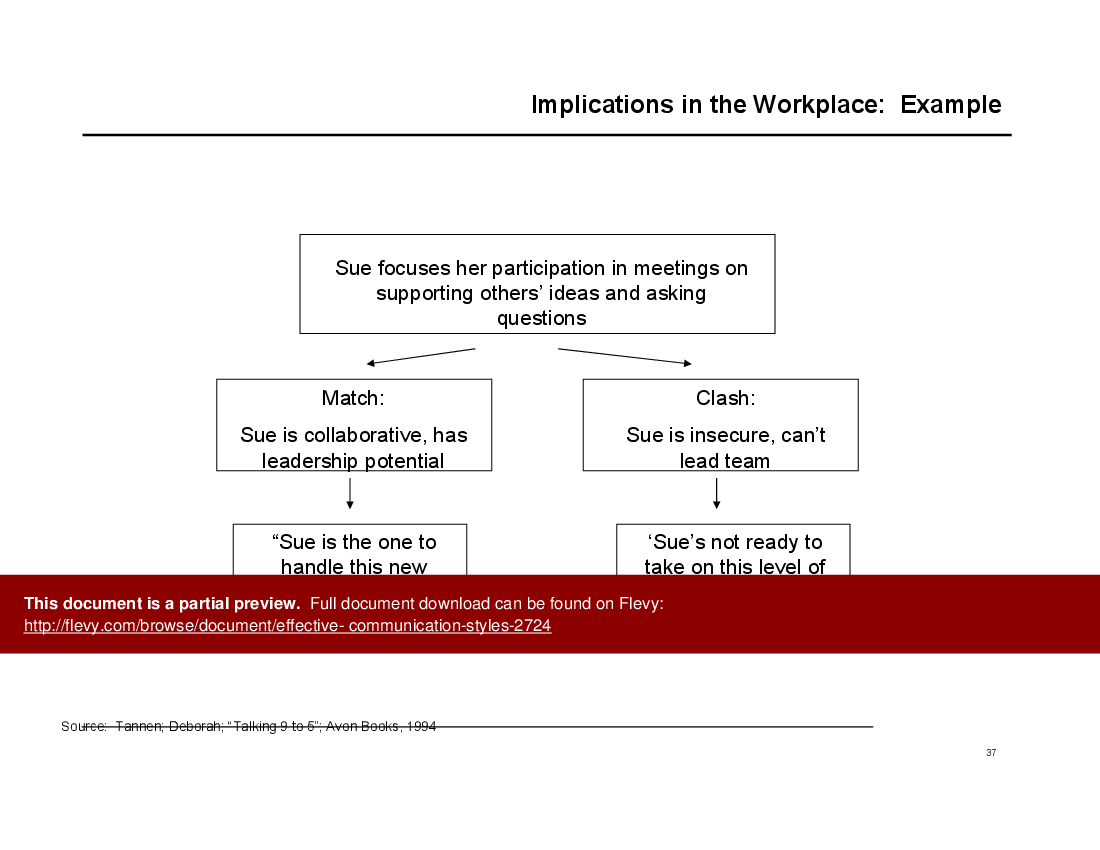
This PPT slide presents a framework for understanding the impact of individual communication styles on team perceptions. Central to this is the character "Sue," who actively participates in meetings by supporting others' ideas and asking questions. In a "Match" scenario, Sue's collaborative nature is positively perceived, with colleagues recognizing her leadership potential and fostering a supportive environment. Conversely, in a "Clash" scenario, her supportive behavior may be misinterpreted as insecurity, leading to critical feedback that undermines her authority. This highlights the importance of aligning communication styles with team dynamics to enhance collaboration and individual performance. Understanding these dynamics is essential for fostering a productive work environment.
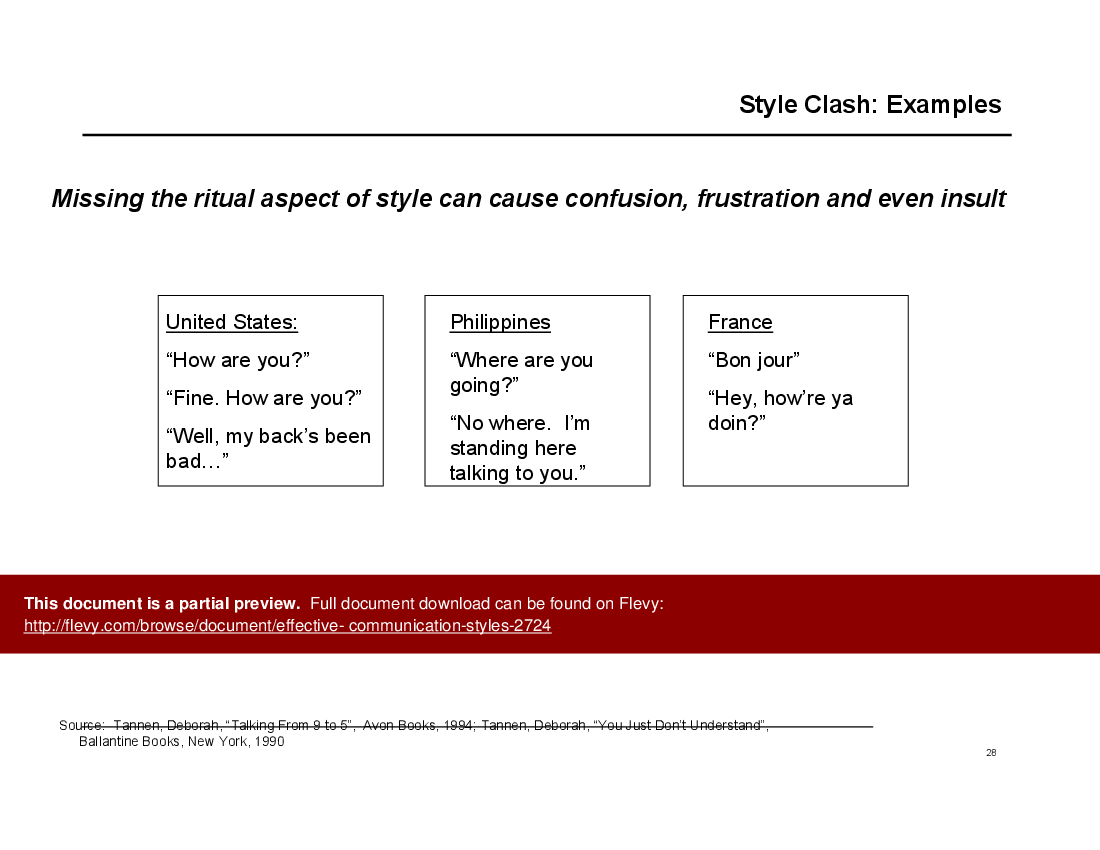
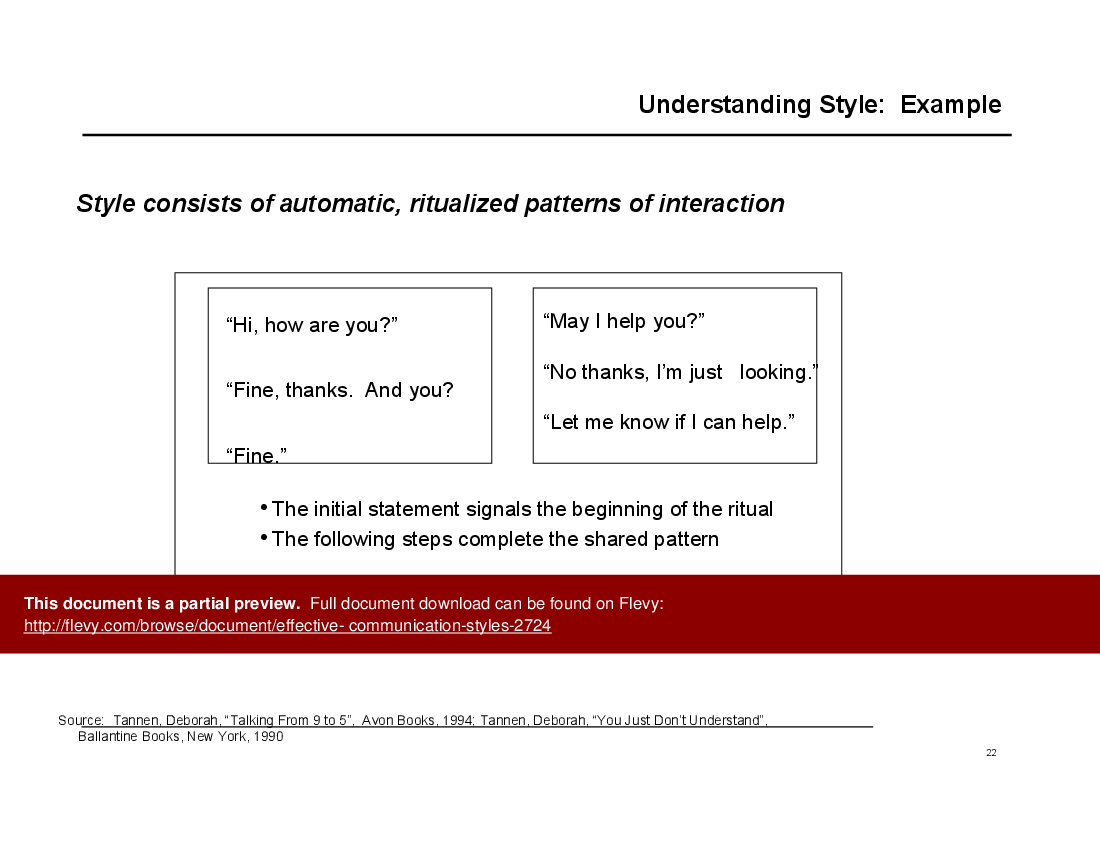
This PPT slide illustrates cultural communication styles through examples from the United States, the Philippines, and France. In the U.S., greetings often start with "How are you?" followed by personal sharing, reflecting a norm of small talk. In the Philippines, initial inquiries like "Where are you going?" are met with playful responses, emphasizing engagement over formality. France combines formality and informality, starting with "Bon jour" and transitioning to casual inquiries like "Hey, how’re ya doin’?" These examples highlight the potential for misunderstandings in cross-cultural interactions, underscoring the importance of recognizing cultural differences to enhance communication effectiveness and foster better relationships.
This PPT slide outlines 2 distinct communication styles in meetings: Hierarchy and Equality. The Hierarchy style emphasizes a competitive approach, where ideas are refined through opposition and debate. Presenters assert their authority and prioritize outcomes over emotional considerations, fostering a combative atmosphere. In contrast, the Equality style promotes collaboration, focusing on dialogue and preserving relationships. Presenters use disclaimers to reduce authority, encouraging shared ownership of ideas and inclusive discussions. Adapting to these styles based on context can enhance engagement and lead to more productive outcomes in meetings.
This PPT slide examines how verbal expressions, like “Can I Help You?”, can have different meanings based on non-verbal cues. Four behavior sets illustrate this:
1. Positive cues—smiling, direct eye contact, soothing tone, leaning in, open posture—indicate a genuine willingness to assist, fostering positive interactions.
2. Negative cues—smirking, rolling eyes, challenging tone, leaning back, crossed arms—signal sarcasm or disinterest, turning the inquiry into a dismissive remark.
3. Additional negative cues—frowning, lack of eye contact, impatient tone, turning away, tapping fingers—reinforce annoyance, making the inquiry feel confrontational.
Understanding these non-verbal communication dynamics is essential for enhancing interpersonal interactions and improving communication strategies within teams and with clients.
This PPT slide illustrates 2 contrasting communication styles in a meeting: Jan's direct approach and Dean's diplomatic style. Jan proposes a significant methodological change, suggesting the immediate cessation of interviews for phone surveys to enhance efficiency. This proactive stance raises concerns about costs and potential damage to client credibility among stakeholders. Dean counters by framing Jan's idea as a suggestion, inviting discussion on financial implications, which reflects a collaborative mindset. This dynamic highlights the importance of adapting communication strategies to foster engagement and address team concerns, ultimately enhancing decision-making processes and team effectiveness.
This PPT slide illustrates 3 workplace apology scenarios involving Tyler and his boss, focusing on communication styles and their impact on workplace dynamics. In Scenario 1, Tyler's simple apology places him in a subordinate position, potentially harming their relationship. Scenario 2 shows Tyler acknowledging the late report while sharing blame with his boss, fostering a more collaborative environment and enhancing team morale. Scenario 3 features Tyler expressing disappointment in the report's outcome, with his boss responding empathetically, promoting a supportive atmosphere. These scenarios highlight how different apology styles can influence professional interactions and organizational culture.
Source: Best Practices in Communications Strategy PowerPoint Slides: Effective Communication Styles PowerPoint (PPT) Presentation Slide Deck, Documents & Files
The average daily rate of a McKinsey consultant is $6,625 (not including expenses). The average price of a Flevy document is $65.
Trusted by over 10,000+ Client Organizations
Since 2012, we have provided business templates to over 10,000 businesses and organizations of all sizes, from startups and small businesses to the Fortune 100, in over 130 countries.

"The wide selection of frameworks is very useful to me as an independent consultant. In fact, it rivals what I had at my disposal at Big 4 Consulting firms in terms of efficacy and organization."
– Julia T., Consulting Firm Owner (Former Manager at Deloitte and Capgemini)
"I have used FlevyPro for several business applications. It is a great complement to working with expensive consultants. The quality and effectiveness of the tools are of the highest standards."
– Moritz Bernhoerster, Global Sourcing Director at Fortune 500
"As a small business owner, the resource material available from FlevyPro has proven to be invaluable. The ability to search for material on demand based our project events and client requirements was great for me and proved very beneficial to my clients. Importantly, being able to easily edit and tailor
the material for specific purposes helped us to make presentations, knowledge sharing, and toolkit development, which formed part of the overall program collateral. While FlevyPro contains resource material that any consultancy, project or delivery firm must have, it is an essential part of a small firm or independent consultant's toolbox.
"
– Michael Duff, Managing Director at Change Strategy (UK)
"I like your product. I'm frequently designing PowerPoint presentations for my company and your product has given me so many great ideas on the use of charts, layouts, tools, and frameworks. I really think the templates are a valuable asset to the job."
– Roberto Fuentes Martinez, Senior Executive Director at Technology Transformation Advisory
"As a consultant requiring up to date and professional material that will be of value and use to my clients, I find Flevy a very reliable resource.
The variety and quality of material available through Flevy offers a very useful and commanding source for information. Using Flevy saves me time, enhances my expertise and ends up being a good decision."
– Dennis Gershowitz, Principal at DG Associates
"FlevyPro provides business frameworks from many of the global giants in management consulting that allow you to provide best in class solutions for your clients."
– David Harris, Managing Director at Futures Strategy
"Flevy is now a part of my business routine. I visit Flevy at least 3 times each month.
Flevy has become my preferred learning source, because what it provides is practical, current, and useful in this era where the business world is being rewritten.
many challenges and there is the need to make the right decisions in a short time, with so much scattered information, we are fortunate to have Flevy. Flevy investigates, selects, and puts at our disposal the best of the best to help us be successful in our work.
"
– Omar Hernán Montes Parra, CEO at Quantum SFE
"Last Sunday morning, I was diligently working on an important presentation for a client and found myself in need of additional content and suitable templates for various types of graphics. Flevy.com proved to be a treasure trove for both content and design at a reasonable price, considering the time I
saved. I encountered a download issue during the ordering process. However, a quick email to Flevy's support team, even on a Sunday (!!!), resulted in assistance within less than an hour, allowing me to download the content I needed. Fantastic job, Flevy! I give 5 stars for both content/price and customer service. Thank you!
"
– M. E., Chief Commercial Officer, International Logistics Service Provider
Download our free compilation of 50+ slides and templates on Organizational Design, Change Management, and Corporate Culture. Methodologies include ADKAR, Burke-Litwin Change Model, McKinsey 7-S, Competing Values Framework, etc.