
In the realm of professional engagement, employees are no strangers to the intricacies of working harmoniously with their internal clients, an integral facet of their daily business operations. This internal collaboration has become a customary part of their work ethos within the organization's familiar boundaries.
However, the landscape changes when external clients enter the picture, necessitating the acquisition of fresh skill sets. In this ever-evolving service environment, the demand is not only for adaptability but also for the ability of professionals to navigate unique client scenarios and actively contribute to driving transformative change, all while adhering to the strategic direction established through mutual agreements.
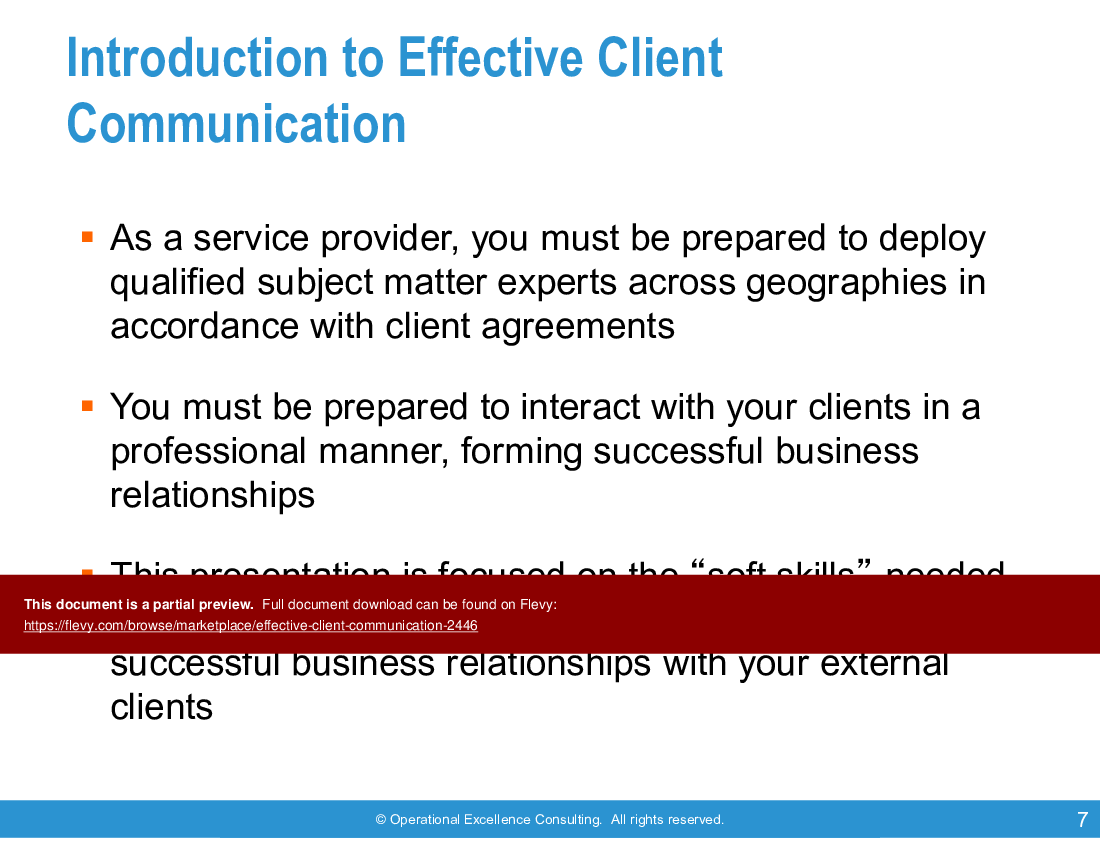
As a service provider committed to excellence, you must be poised to deploy proficient subject matter experts to diverse geographic locations, aligned with the terms stipulated in client agreements. This deployment, however, is not solely transactional. It hinges on your capacity to engage with external clients with the utmost professionalism and finesse, forging and nurturing enduring business relationships that are both fruitful and sustainable.
It is within this context that this presentation assumes its role. It zeroes in on the often underestimated "soft skills" that serve as the bedrock for establishing, cultivating, and preserving long-term, prosperous associations with your external clients. In a world where client relationships can make or break an enterprise, these skills are the linchpin of success, drawing from the experiences of top-tier consulting firms and offering invaluable insights for your professional journey.
CONTENTS
1. Introduction
• Introduction to Effective Client Communication
2. Stakeholder Management
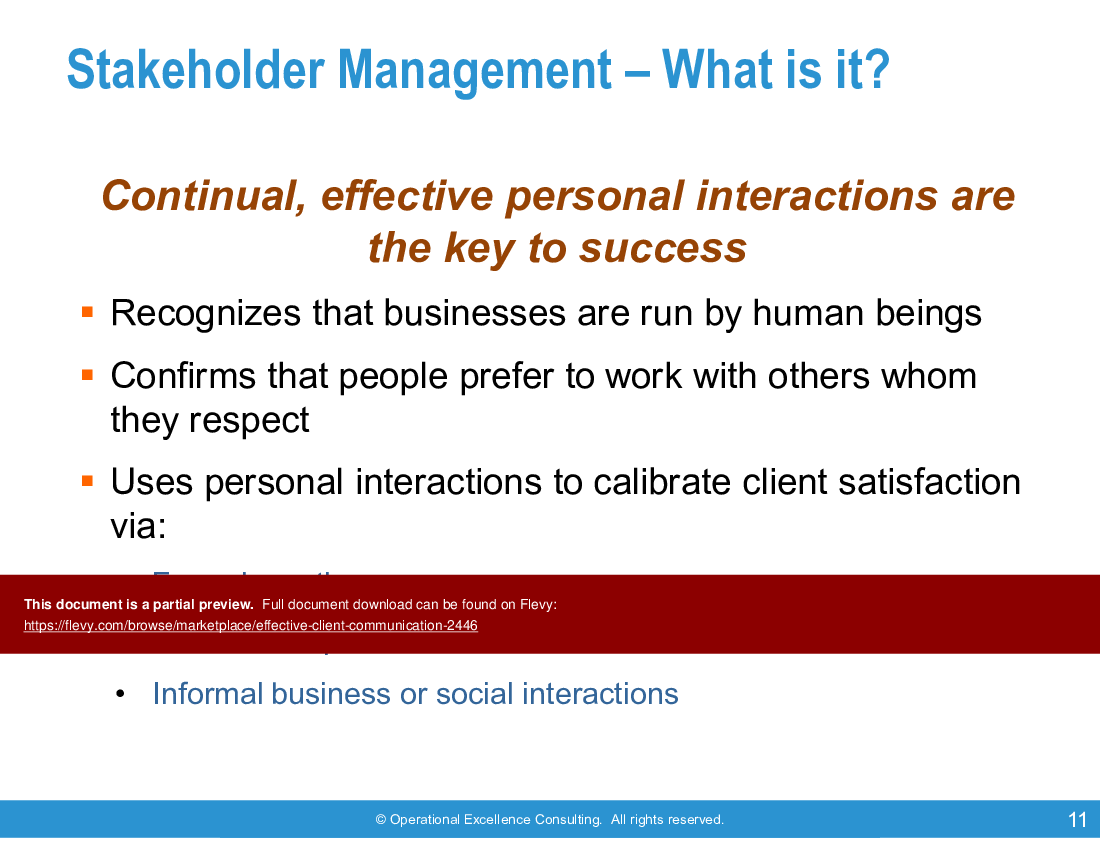
• What Is Stakeholder Management?
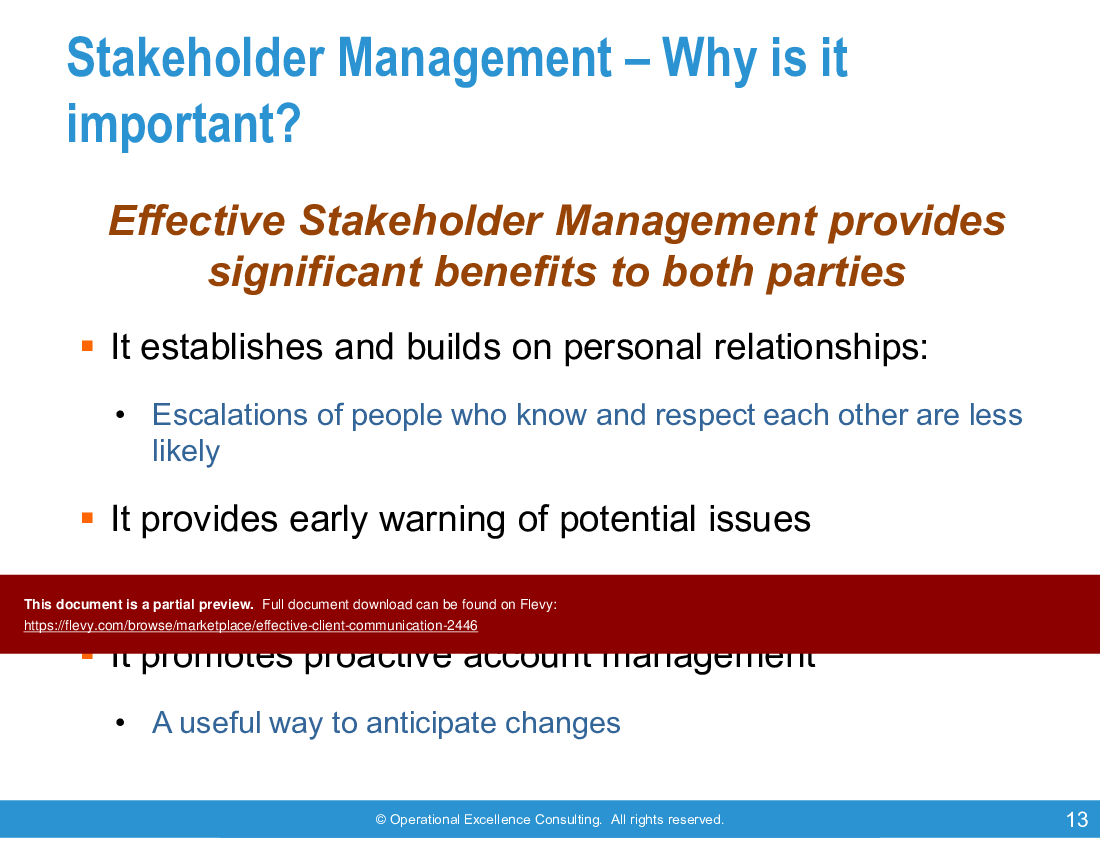
• Why Is Stakeholder Management Important?
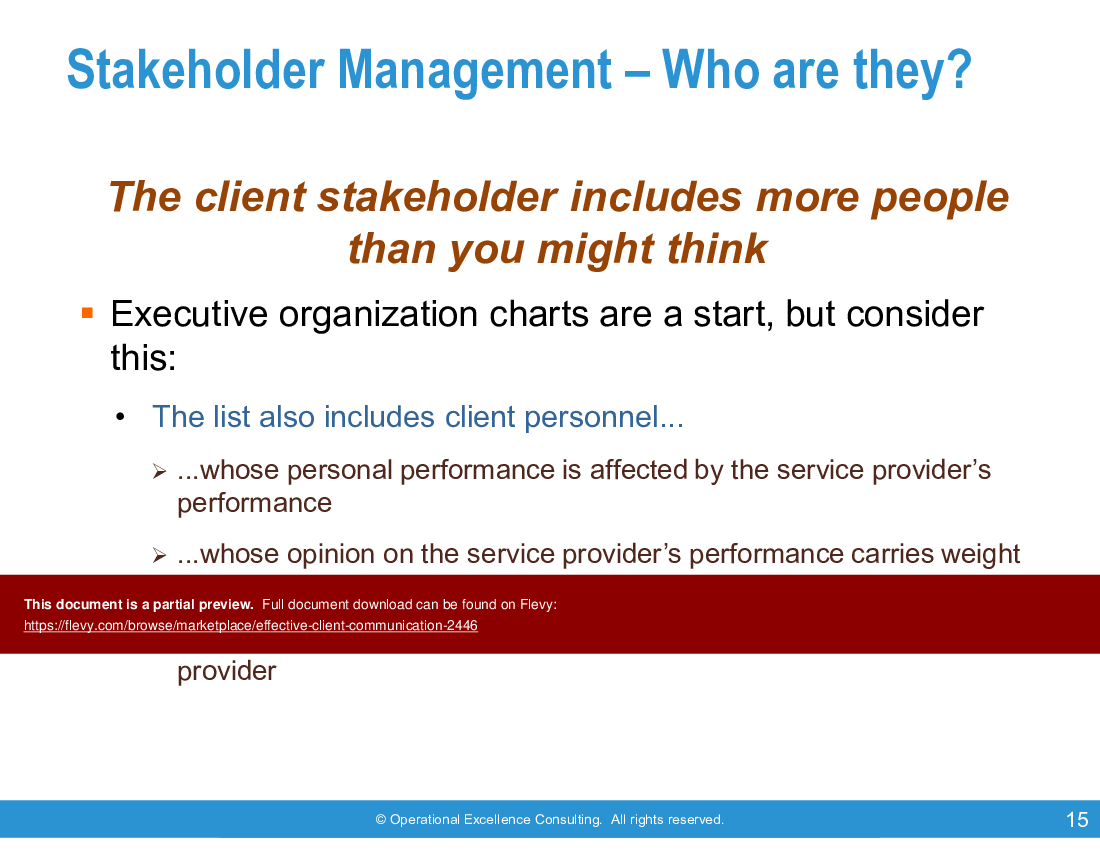
• Who Are The Stakeholders?
• Important Skills
• Final Observations
• Setting & Meeting Expectations
• Define
• Commit
• Execute
• Confirm
3. Guidelines for Working with Clients
• Be Prepared
• Behavior
• Communication
• Presentations/Emails
• Summary
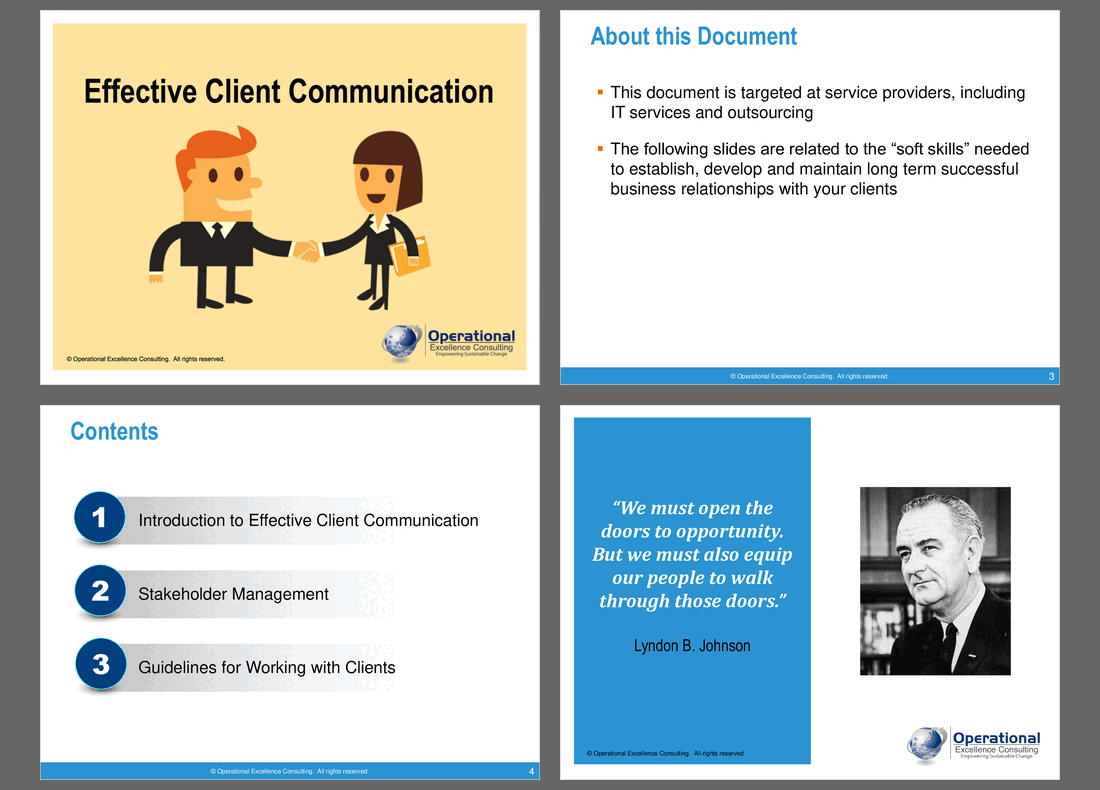
This PPT is targeted at service providers, including IT services and outsourcing. The following slides are related to the "soft skills" needed to establish, develop and maintain long term successful business relationships with your clients. The presentation emphasizes the importance of stakeholder management and effective communication. It provides actionable guidelines for working with clients, ensuring your team is well-prepared and professional.
Got a question about the product? Email us at support@flevy.com or ask the author directly by using the "Ask the Author a Question" form. If you cannot view the preview above this document description, go here to view the large preview instead.
Executive Summary
The "Effective Client Communication" presentation is designed to equip service providers, particularly in IT and outsourcing, with essential soft skills for establishing and maintaining successful business relationships with clients. This training deck emphasizes the importance of stakeholder management, effective communication, and professional behavior. By mastering these skills, professionals can enhance client satisfaction, build trust, and drive successful project outcomes. Utilize this presentation to foster long-term relationships and improve overall service delivery.

Who This Is For and When to Use
• Service providers in IT and outsourcing sectors
• Project managers and team leads responsible for client interactions
• Business development professionals seeking to enhance client relationships
• Consultants aiming to improve client engagement strategies
Best-fit moments to use this deck:
• Onboarding new team members to client-facing roles
• Preparing for client meetings or presentations
• Conducting training sessions on stakeholder management and communication skills
• Reviewing and refining client engagement strategies
Learning Objectives
• Define effective client communication and its significance in service delivery
• Build strong stakeholder management practices to enhance client relationships
• Establish guidelines for setting and meeting client expectations
• Develop proactive communication strategies to address client needs
• Recognize the importance of professional behavior in client interactions
• Implement techniques for active listening and effective feedback
Table of Contents
• Introduction to Effective Client Communication (page 6)
• Stakeholder Management (page 10)
• Guidelines for Working with Clients (page 30)
Primary Topics Covered
• Introduction to Effective Client Communication - This section highlights the necessity of adapting communication styles to meet the needs of external clients and the importance of soft skills in service environments.
• Stakeholder Management - Focuses on managing client expectations and the significance of personal interactions in building trust and satisfaction.
• Guidelines for Working with Clients - Provides actionable strategies for maintaining professionalism, effective communication, and proactive engagement with clients.
Deliverables, Templates, and Tools
• Stakeholder management framework for tracking client interactions
• Client communication checklist to ensure all aspects are covered
• Meeting agenda template for structured client discussions
• Feedback forms for gathering client insights post-interaction
• Presentation templates for client-facing communications
Slide Highlights
• Overview of effective client communication strategies
• Key principles of stakeholder management
• Visual representation of verbal vs. non-verbal communication impact
• Guidelines for setting and meeting client expectations
• Summary of professional behavior standards in client interactions
Potential Workshop Agenda
Effective Client Communication Overview (60 minutes)
• Discuss the importance of effective communication in client relationships
• Review key soft skills necessary for success
Stakeholder Management Session (90 minutes)
• Explore stakeholder identification and management techniques
• Engage in role-playing exercises to practice client interactions
Guidelines for Client Engagement (60 minutes)
• Review best practices for professional behavior and communication
• Develop personalized action plans for improving client relationships
Customization Guidance
• Tailor the presentation content to reflect specific client industries or needs
• Adjust stakeholder management frameworks to fit organizational structures
• Incorporate examples and case studies relevant to your client base
Secondary Topics Covered
• Importance of active listening in client interactions
• Techniques for managing difficult conversations with clients
• Strategies for building rapport and trust with stakeholders
• The role of feedback in enhancing client satisfaction
FAQ
What is the focus of this presentation?
This presentation emphasizes the soft skills necessary for effective client communication, including stakeholder management and professional behavior.
Who can benefit from this training?
Service providers, project managers, and consultants who engage with clients will find this training valuable for improving their communication skills.

How can I customize the presentation for my team?
You can tailor the content to reflect specific client needs, industry examples, and organizational structures to make it more relevant.
What are the key skills emphasized in the training?
The training focuses on stakeholder management, effective communication, active listening, and professional behavior.
How can I measure the effectiveness of client communication?
Utilize feedback forms and client satisfaction surveys to assess the impact of communication strategies on client relationships.
What should I do if a client is unresponsive?
Implement proactive communication strategies and follow up regularly to ensure client needs are being addressed.
How important is body language in client interactions?
Body language plays a significant role in communication, often conveying more than verbal messages.
What are the best practices for setting client expectations?
Clearly define project timelines, deliverables, and performance criteria to ensure mutual understanding and commitment.
Glossary
• Stakeholder Management - The process of managing the expectations of individuals affected by a project.
• Active Listening - Fully concentrating on what is being said rather than just passively hearing the message.
• Professional Behavior - Conduct that demonstrates respect, responsibility, and integrity in client interactions.
• Client Engagement - The process of building relationships and maintaining communication with clients.
• Feedback Loop - A system for gathering and responding to client feedback to improve service delivery.
• Communication Strategy - A plan for how to communicate effectively with clients and stakeholders.
• Expectation Management - The practice of ensuring that all parties have a clear understanding of project goals and deliverables.
• Verbal Communication - The use of spoken words to convey messages.
• Non-verbal Communication - The transmission of messages without the use of words, including body language and facial expressions.
• Client Satisfaction - A measure of how well a service meets or exceeds client expectations.
• Service Provider - An organization or individual that provides services to clients.
• Proactive Communication - Anticipating client needs and addressing them before they become issues.
• Elevator Speech - A brief, persuasive speech that outlines an idea or project succinctly.
• Professionalism - The competence or skill expected of a professional.
• Client Relationship Management - Strategies and practices for managing a company’s interactions with current and potential clients.
• Cultural Sensitivity - Awareness and respect for cultural differences in communication and behavior.
• Trust Building - The process of establishing credibility and reliability in client relationships.
• Performance Criteria - Standards by which the success of a project or service is measured.
• Client Perception - How clients view and interpret the quality and effectiveness of services received.
• Service Excellence - The commitment to delivering high-quality service that meets or exceeds client expectations.
• Business Relationships - Interactions and connections between service providers and clients that influence collaboration and success.
Source: Best Practices in Consulting Training, Communications Strategy, Client Management PowerPoint Slides: Effective Client Communication PowerPoint (PPTX) Presentation Slide Deck, Operational Excellence Consulting
|
Receive our FREE whitepaper on the Top 101 Consulting Frameworks
Download our 200+ page guide summarizing the Top 101 Management Consulting Frameworks. Each framework provides a structured approach to analyzing and solving a common business problem. |