 Click main image to view in full screen.
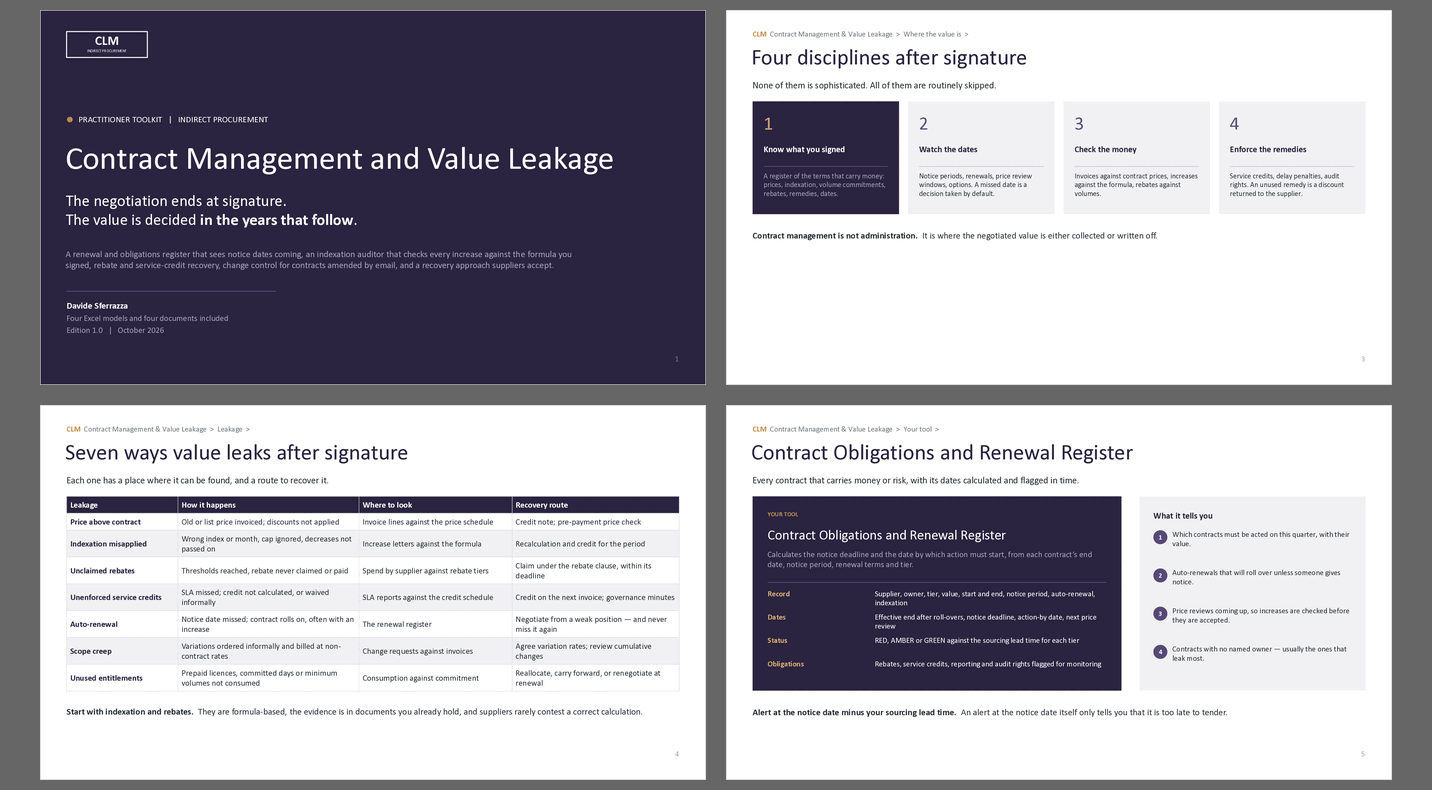
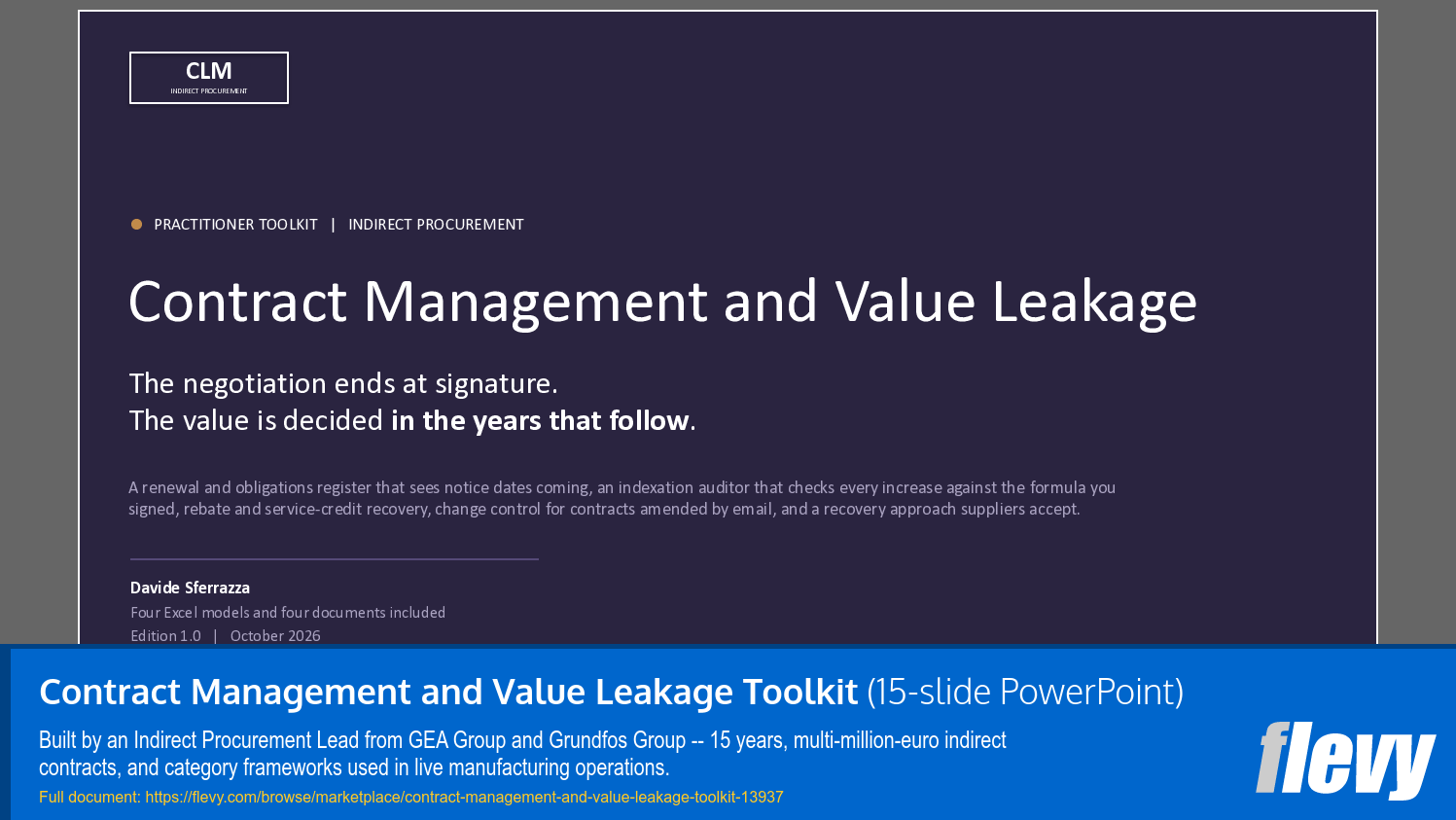
Contract Management and Value Leakage Toolkit – PowerPoint PPTX Template
PowerPoint (PPTX) + Zip archive file (ZIP) 15 Slides


BENEFITS OF THIS DOWNLOADABLE POWERPOINT DOCUMENT
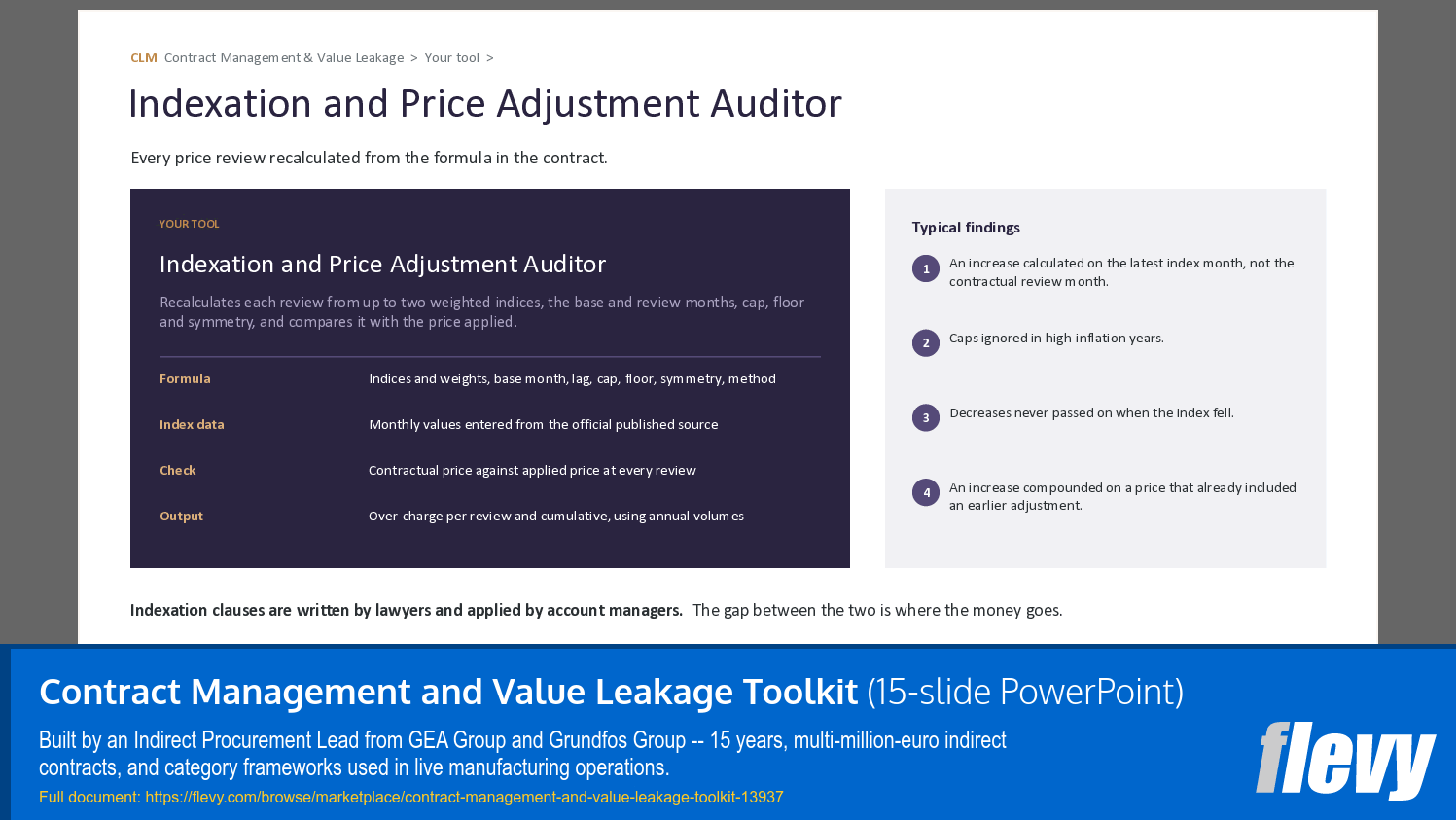
- Recalculate every price increase from the indexation clause you signed - index, base month, lag, weights, cap, floor and method - and quantify the over-charge per review
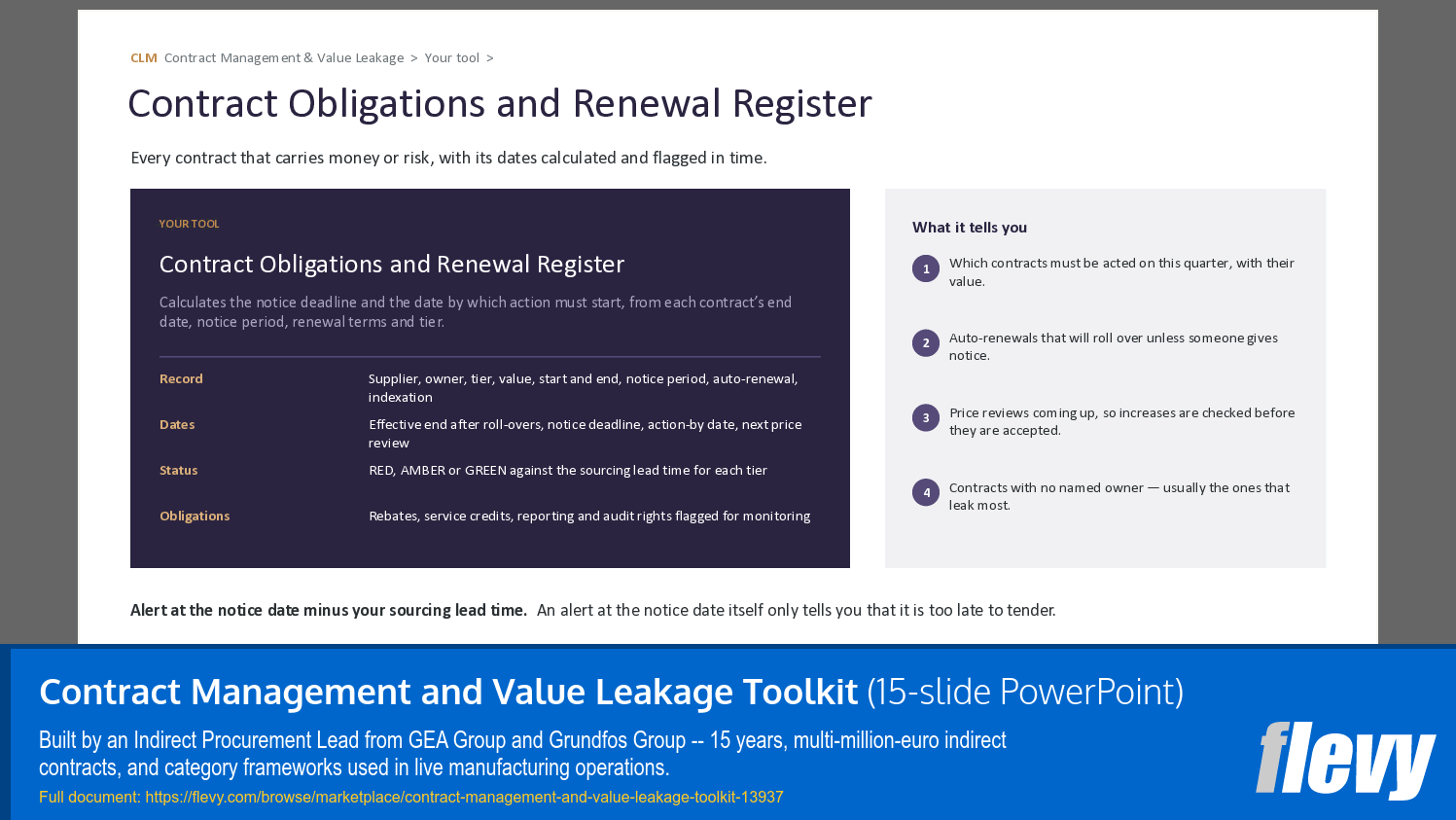
- See every notice deadline early enough to act, with the action-by date set by tier and auto-renewals rolled forward automatically
- Calculate rebates earned under retrospective or incremental tiers and service credits due under the contract formula, and track each claim to cash before its deadline
PROCUREMENT STRATEGY PPT TEMPLATE DESCRIPTION
Most contracts are negotiated by a team and managed by nobody. The value they promised leaks quietly after signature – through prices, dates and remedies that nobody checks.
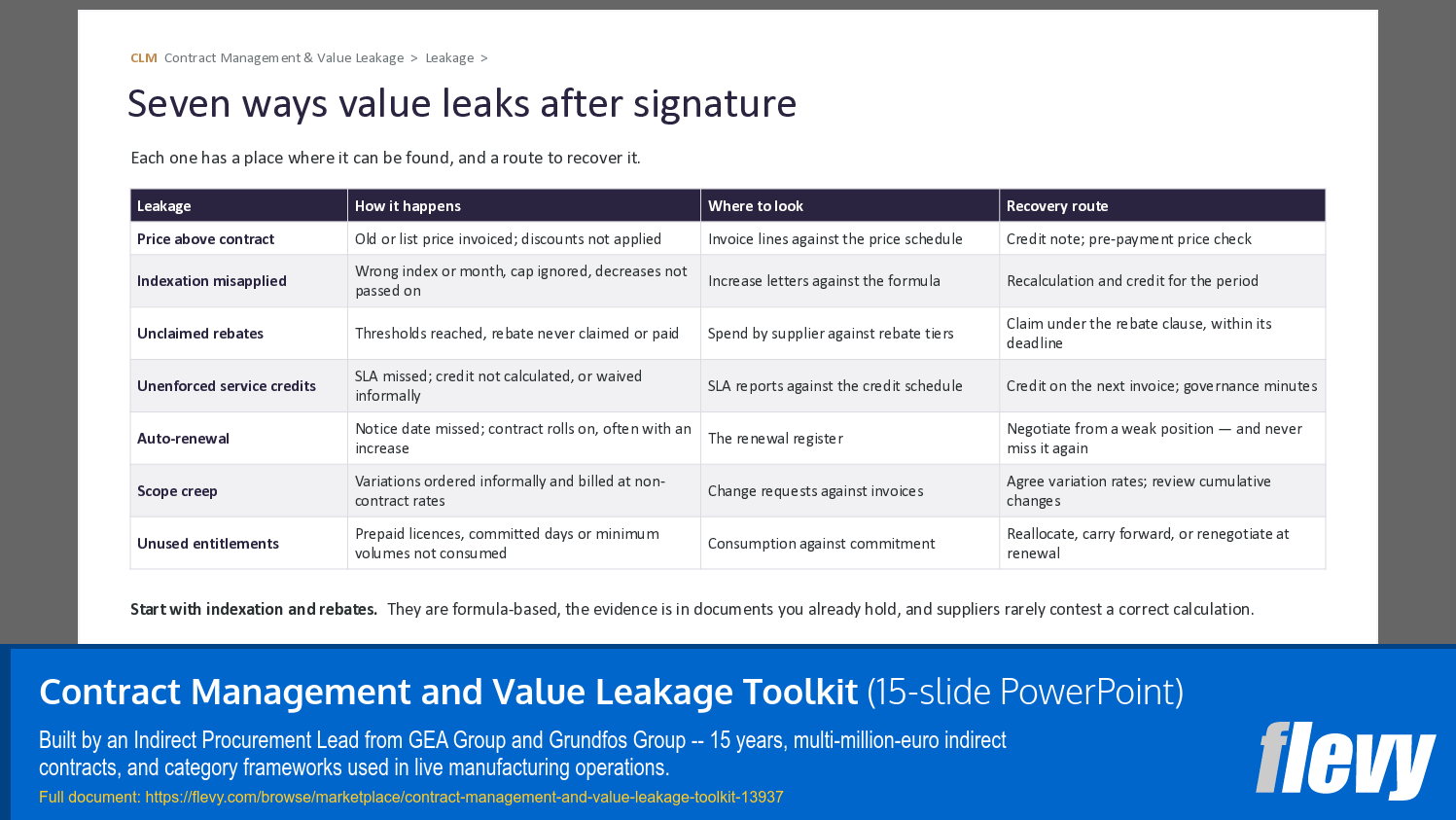
The causes are rarely dramatic. An increase calculated on the latest index month rather than the contractual one. A cap ignored in a high-inflation year. A rebate threshold crossed in November and never claimed. A service credit nobody calculated. A renewal that rolled over because the notice date passed while everyone was busy. Each one is small; together they routinely amount to several per cent of contract value.
THE SEQUENCE THIS PACK IS BUILT ON
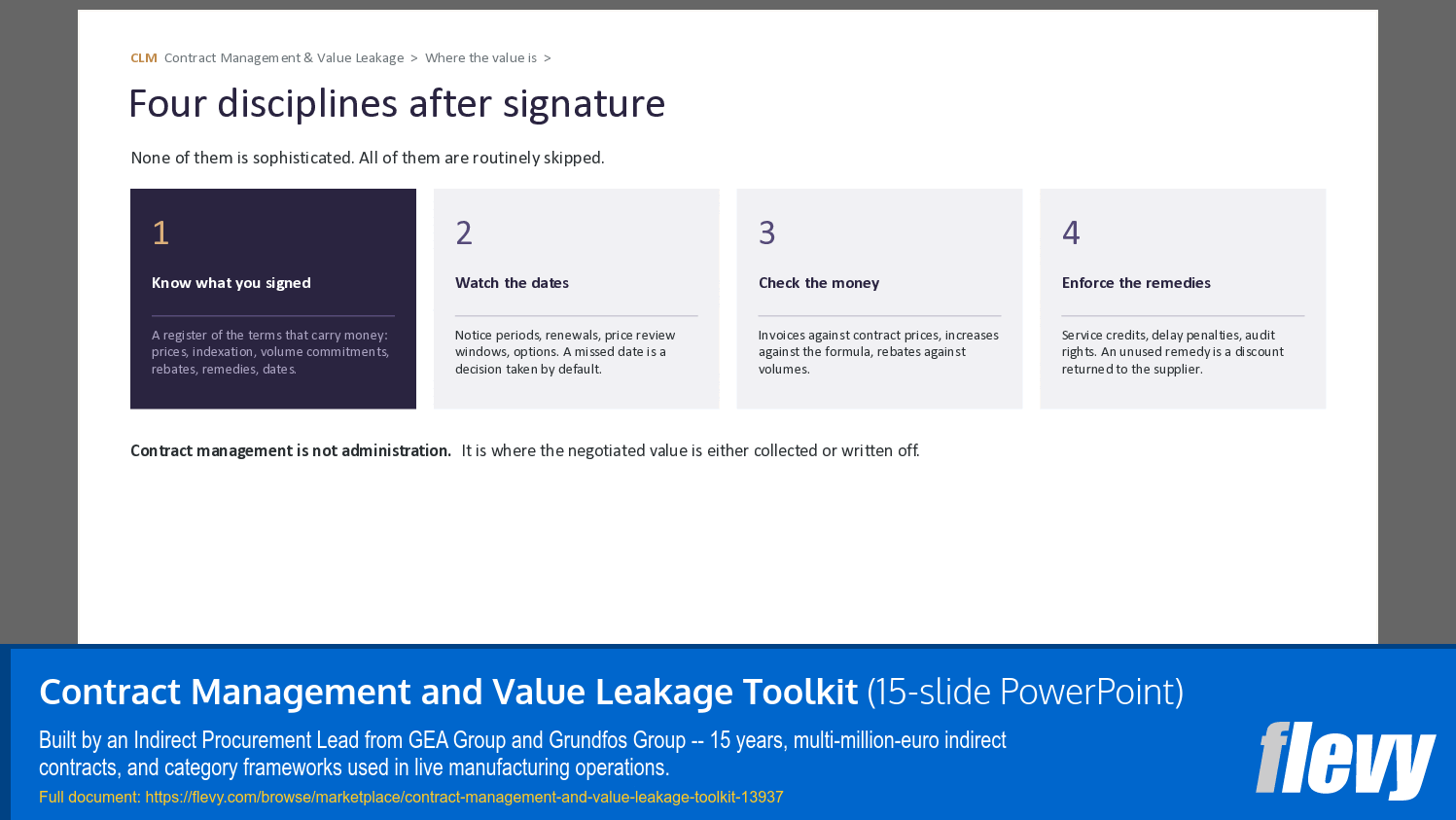
Four disciplines after signature, none of them sophisticated and all of them routinely skipped. Know what you signed: a register of the terms that carry money. Watch the dates: notice periods, renewals and price reviews, with alerts set early enough to act. Check the money: invoices against prices, increases against the formula, rebates against volumes. Enforce the remedies: service credits and audit rights, applied as a matter of course rather than negotiated each time.
Start with indexation and rebates. They are formula-based, the evidence is in documents you already hold, and suppliers rarely contest a correct calculation.
WHAT IS INCLUDED
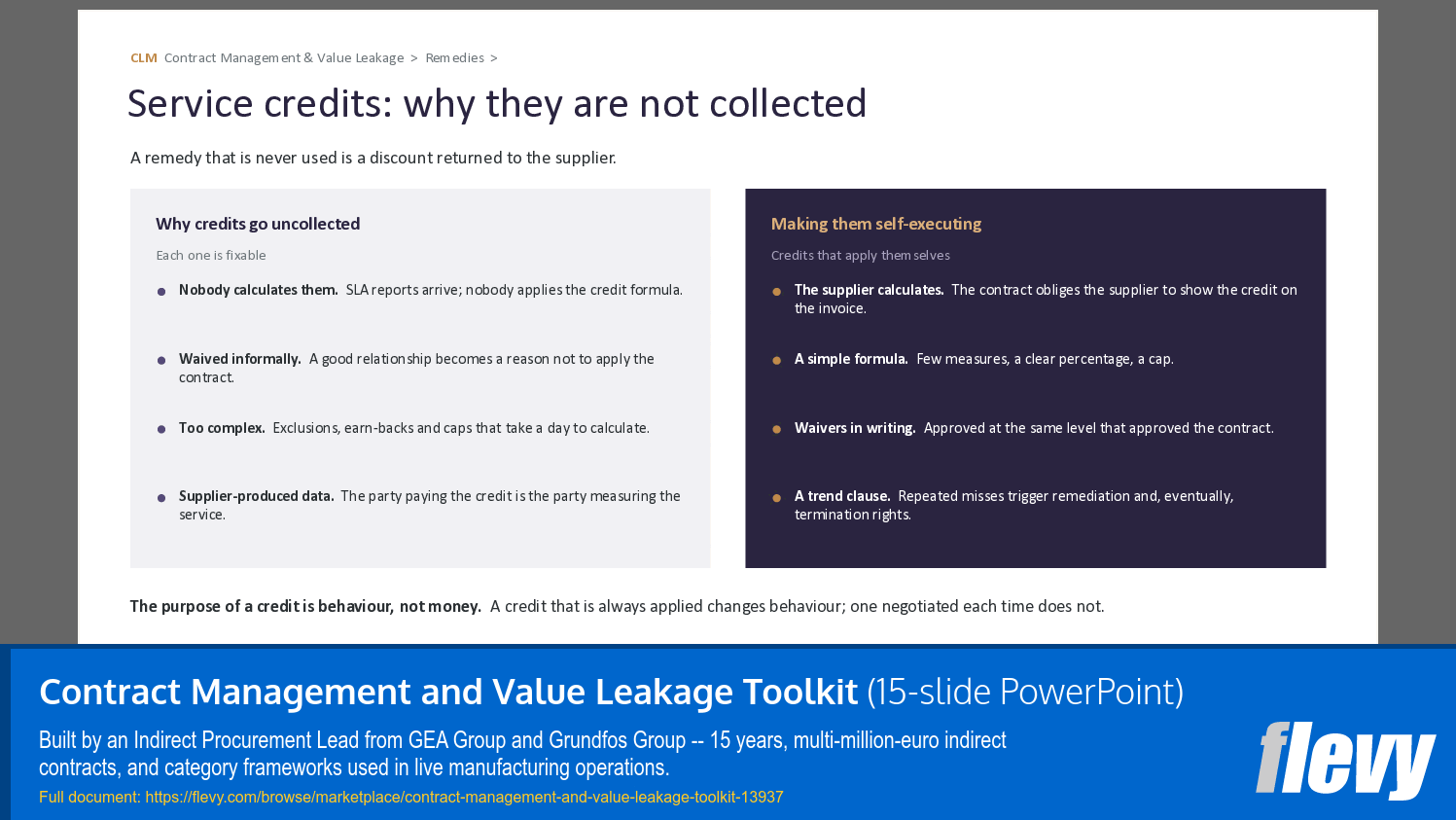
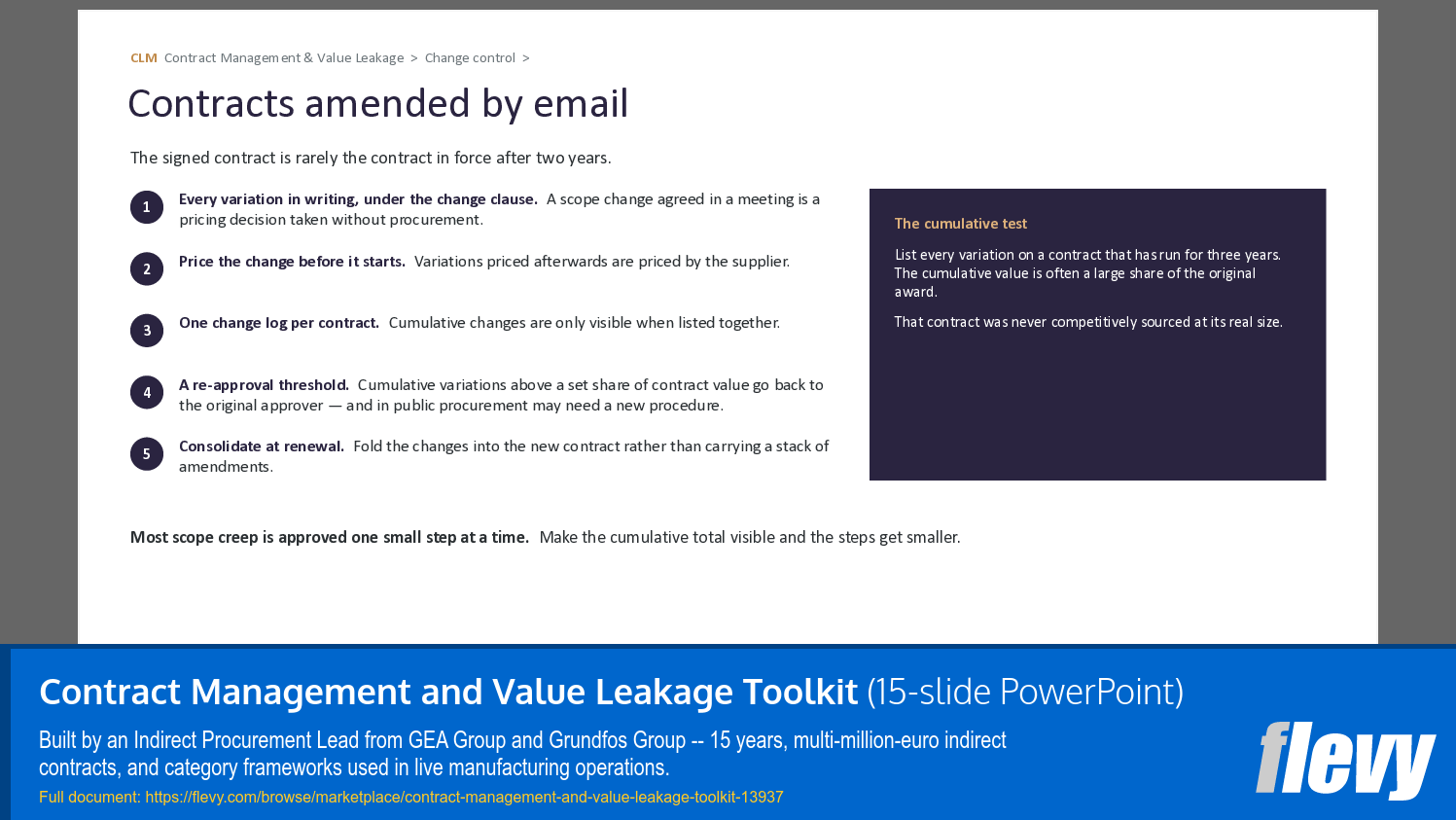
Primary document – a 14-slide guide covering seven ways value leaks after signature and how to recover each, the renewal register and why auto-renewal is a decision taken by a calendar, the twelve contract fields that carry money, indexation auditing, why service credits go uncollected and how to make them self-executing, change control for contracts amended by email, a recovery approach that keeps the relationship intact, and a hundred-day plan.
Four Excel models, all unlocked with live formulas and a worked example:
Contract Obligations and Renewal Register – effective end dates after roll-overs, notice deadlines, action-by dates set by tier lead time, RED/AMBER/GREEN status, flags for missing owners and upcoming price reviews, and a dashboard of value at stake.
Indexation and Price Adjustment Auditor – two weighted indices plus a fixed share, base month, lag, cap, floor, symmetry, and a choice of from-base or year-on-year method. Each review is recalculated and compared with the applied price, valued on the volume bought until the next review.
Rebate and Service Credit Recovery Tracker – three-tier rebates calculated correctly for retrospective and incremental schemes, spend needed to reach the next tier and what it is worth, claim deadlines; service credits per step below target for two measures with a combined cap; claimed, received and outstanding.
Contract Value Leakage Diagnostic – estimates portfolio leakage by type from a tested sample, with recoverable share, ease and priority, for the business case.
Four documents: a Contract Data Standard with the mandatory fields and tiering; a Contract Handover Pack Template from sourcing to contract owner; Supplier Recovery Letter Templates for indexation, rebates and service credits; and a Contract Management Playbook with roles, cadence by tier, measures and five things never to do.
WHO IT IS FOR
Contract managers and category managers who inherit contracts after signature. Procurement leads building a contract management capability. Finance teams looking for recoverable value. Consultants running a contract leakage review.
WHAT THIS IS NOT
It is not contract lifecycle management software, and it does not replace legal review of contract terms. The letter templates are illustrative and should be adapted with your own adviser. It is the commercial discipline that any CLM system needs and most implementations lack.
Got a question about the product? Email us at support@flevy.com or ask the author directly by using the "Ask the Author a Question" form. If you cannot view the preview above this document description, go here to view the large preview instead.
Source: Best Practices in Procurement Strategy, Contract PowerPoint Slides: Contract Management and Value Leakage Toolkit PowerPoint (PPTX) Presentation Slide Deck, Davide Sferrazza
ABOUT THE AUTHOR

Indirect Procurement Lead, with 15 years spent in the categories most organisations manage least well: MRO, facilities, utilities and energy, marketing services, IT and software, professional services, logistics and CapEx.
That career has been inside manufacturing groups -- Pavan (GEA Group) and DAB Pumps (Grundfos Group) -- leading procurement transformation projects, negotiating
... [read more]
Ask the Author a Question
You must be logged in to contact the author.